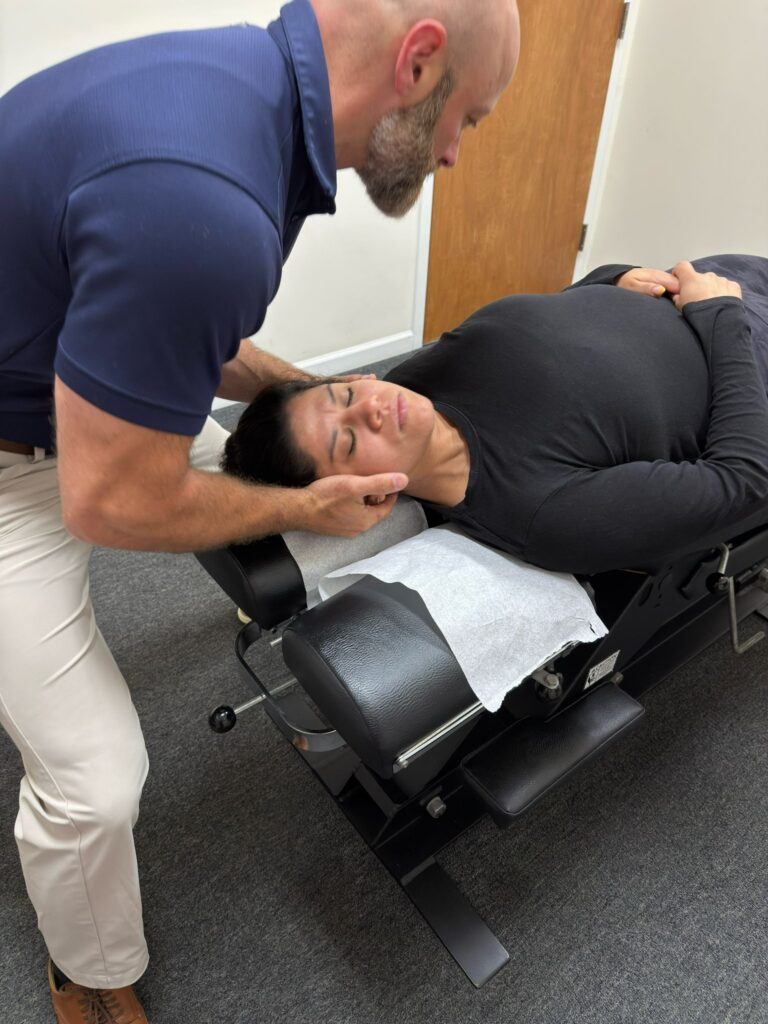

When it comes to managing migraines, finding the right visit frequency to your chiropractor is essential for your relief and overall wellness. You may notice that the severity and frequency of your migraine attacks can influence how often you should visit your chiropractor. Regular adjustments can help keep your spine aligned, reduce tension, and promote better overall health. But what does that schedule look like?
Understanding the factors that determine your ideal visit frequency can lead to improved management of your migraines and a greater sense of comfort. Typically, many patients find that visiting their chiropractor once a week or bi-weekly can be beneficial, especially when they’re first starting treatment. As you begin to feel better, the frequency can often be adjusted to a maintenance schedule that suits your individual needs.
In addition to regular chiropractic visits, here are some general tips to help manage migraines naturally:
- Stay Hydrated: Dehydration can trigger migraines, so make sure to drink plenty of water throughout the day.
- Maintain a Healthy Diet: Eating balanced meals and avoiding known food triggers can help reduce the frequency of attacks.
- Practice Relaxation Techniques: Incorporating deep breathing, meditation, or yoga can help relieve stress, which is a common migraine trigger.
- Prioritize Sleep: A consistent sleep schedule can help regulate your body and reduce migraine occurrences.
- Keep a Migraine Diary: Tracking your symptoms, triggers, and what works for you can help you and your chiropractor tailor your treatment plan more effectively.
By focusing on chiropractic care and these lifestyle tips, you can take proactive steps towards achieving optimal health and finding relief from migraines naturally. Remember, your chiropractor is here to guide you on this journey to wellness!
Key Takeaways
- The frequency of chiropractic visits for migraine relief largely depends on how often and how severely you experience migraines.
- Regular chiropractic adjustments can significantly help in reducing the frequency and intensity of these painful episodes over time.
- In the beginning, you may need to visit more frequently as we work together to create an effective treatment plan tailored just for you. Once we establish a solid plan, we can gradually reduce the number of visits.
- It’s important to stay mindful of any new triggers that might arise, as these could require us to adjust your visit frequency to ensure you continue to find relief.
- Ongoing evaluations of how well your treatment is working will guide our approach, ensuring that you receive the best chiropractic care possible.
Remember, chiropractic care is a natural and holistic approach to managing migraines and promoting overall wellness. If you’re experiencing migraines, consider reaching out for a consultation. Together, we can help you find a path to relief and a healthier lifestyle. In the meantime, staying hydrated, practicing good posture, and managing stress can also be beneficial in reducing migraine occurrences.
Understanding Migraines: Types and Triggers
Understanding migraines is an important step toward achieving optimal health and wellness. As a chiropractor, I want to help you navigate the different types of migraines and their triggers, while highlighting how chiropractic care can play a vital role in your relief and overall well-being.
Migraines can generally be classified into two main types: migraine with aura and migraine without aura. If you experience visual disturbances, like flashing lights, before your headache begins, you may be dealing with a migraine with aura. Conversely, those who suffer from migraines without aura often face sudden pain, which can be accompanied by nausea, sensitivity to light, and sound.
Identifying what triggers your migraines is essential for finding relief. Common triggers include stress, certain foods, hormonal changes, and lack of sleep. By keeping a migraine diary, you can track your symptoms and discover patterns that may help you understand your unique triggers. This awareness is key to managing migraines effectively.
Now, let’s talk about how chiropractic care can support you in this journey. Regular chiropractic adjustments can help alleviate tension in the spine and neck, which may contribute to the severity and frequency of migraines. Additionally, chiropractic care promotes overall spinal health, leading to better nerve function and improved well-being.
Here are some simple tips to consider for managing migraines naturally:
- Stay Hydrated: Drink plenty of water throughout the day to prevent dehydration, which can be a migraine trigger.
- Practice Stress Management: Engage in relaxation techniques such as deep breathing, yoga, or meditation to help reduce stress levels.
- Maintain a Regular Sleep Schedule: Aim for consistent sleep patterns to help regulate your body’s internal clock.
- Monitor Your Diet: Pay attention to how certain foods affect your migraines. Keeping a food diary can help you identify any potential triggers.
- Incorporate Regular Chiropractic Visits: Consistent chiropractic care can help maintain spinal alignment and reduce tension, contributing to fewer headaches and migraines.
Importance of Regular Healthcare Visits
Regular healthcare visits are crucial for understanding how well your migraine treatment is working, and as a chiropractor, I want to emphasize the importance of monitoring your overall health through natural healing methods.
These appointments provide an excellent opportunity for your chiropractor to assess your spinal health and make necessary adjustments that can greatly alleviate migraine symptoms. Chiropractic care focuses on the alignment of your spine, which is essential for optimal nervous system function.
When your spine is aligned, it can reduce tension in your body, potentially leading to fewer migraines. By regularly visiting your chiropractor, you not only receive personalized care tailored to your specific needs but also preventive strategies designed to promote long-term wellness.
In addition to chiropractic adjustments, there are several general tips you can incorporate into your daily routine to support your health and reduce migraine frequency:
- Stay Hydrated: Dehydration is a common trigger for migraines. Make sure to drink plenty of water throughout the day.
- Maintain a Healthy Diet: Eating balanced meals can help keep your energy levels stable and reduce the likelihood of triggering a migraine.
- Practice Stress Management: Techniques such as deep breathing, meditation, or yoga can help lower stress, which is often a contributing factor for migraines.
- Get Regular Exercise: Engaging in regular physical activity can help improve your overall health and may reduce the frequency and intensity of migraines.
- Prioritize Sleep: Aim for a consistent sleep schedule, as both too much and too little sleep can trigger migraines.
By focusing on these natural strategies and incorporating regular chiropractic visits into your wellness routine, you can take significant steps toward achieving optimal health and pain relief.
Monitoring Treatment Effectiveness
Monitoring the effectiveness of your migraine treatment is crucial for managing your condition in a natural and holistic way. Regular check-ins with a healthcare provider, especially a chiropractor, can help you evaluate how well your current strategies are working and make necessary adjustments to your care plan. Chiropractic care focuses on restoring balance and function to your body, which can significantly reduce migraine frequency and intensity. Here’s a simple way to track your treatment progress:
| Treatment Method | Effectiveness Rating (1-10) |
|---|---|
| Chiropractic Adjustments | |
| Lifestyle Changes | |
| Stress Management Techniques | |
| Exercise and Movement | |
| Dietary Adjustments |
As you monitor your progress, consider these tips to enhance your well-being:
- Chiropractic Care: Regular adjustments can help realign your spine, relieve tension, and improve overall nervous system function, leading to reduced migraine symptoms.
- Stay Hydrated: Drinking plenty of water throughout the day can prevent dehydration, a common migraine trigger.
- Manage Stress: Incorporate relaxation techniques like deep breathing, yoga, or meditation to help manage stress levels, which can contribute to migraines.
- Maintain a Healthy Diet: Pay attention to potential food triggers and focus on a balanced diet rich in fruits, vegetables, whole grains, and healthy fats.
- Regular Exercise: Engage in regular physical activity to help reduce stress and improve your overall health, which can also alleviate migraine symptoms.
Preventive Care Strategies
To effectively manage migraines, it’s important to focus on preventive care strategies, and chiropractic care can be a key component of this approach. Regular visits to your chiropractor not only help assess the alignment of your spine but also allow for adjustments that can relieve tension and improve your overall well-being.
During these visits, your chiropractor can work with you to identify potential triggers for your migraines, such as stress, poor posture, or lifestyle choices. They can also suggest natural lifestyle changes that may enhance your quality of life, like incorporating stress-reduction techniques, maintaining proper hydration, or practicing regular physical activity.
Open communication with your chiropractor allows you to discuss any new symptoms or concerns, ensuring that your care is tailored to your specific needs. By taking a proactive stance and utilizing chiropractic care, you can significantly reduce the frequency and severity of your migraines.
Factors Influencing Visit Frequency
When it comes to managing migraines, the intensity and frequency of your symptoms play an important role in how often you should seek chiropractic care. If your migraines are severe or happen often, regular visits to your chiropractor can be crucial for adjusting your treatment plan and finding the relief you need.
Chiropractic care focuses on natural healing by ensuring your spine is aligned, which can alleviate tension and stress that may contribute to migraines. Regular adjustments can help keep your nervous system functioning optimally, reducing the frequency and severity of your headaches.
Here are some general tips for managing migraines and enhancing your overall wellness:
- Stay Hydrated: Dehydration can trigger migraines, so make sure you’re drinking enough water throughout the day.
- Maintain Good Posture: Poor posture can lead to spinal misalignment, which may contribute to headaches. Practice sitting and standing straight to support your spine.
- Manage Stress: Stress is a common trigger for migraines. Incorporate relaxation techniques such as deep breathing, yoga, or meditation into your routine.
- Regular Chiropractic Visits: Consistent visits to your chiropractor can help maintain spinal health and prevent migraine episodes. Your chiropractor can provide personalized care and guidance on how often to come in based on your specific needs.
- Healthy Diet: Eating a balanced diet rich in fruits, vegetables, and whole grains can support your overall health and may help reduce migraine triggers.
By understanding how your symptoms affect your health and incorporating chiropractic care into your wellness routine, you can take proactive steps toward achieving optimal health and reducing the frequency of migraines.
Severity of Migraines
Understanding the severity of your migraines is essential, as it influences how often you should seek natural relief. If you experience mild migraines infrequently, you may not feel the need to visit your chiropractor regularly.
However, frequent or severe migraines can significantly disrupt your daily life, indicating that more consistent chiropractic care could be beneficial for you. Chiropractic adjustments can help alleviate tension and misalignments in your spine, which may contribute to the intensity of your migraines.
Factors such as the intensity of pain, duration of attacks, and any accompanying symptoms can all be addressed through tailored chiropractic care. If you start noticing that your migraines are becoming more intense or occurring more frequently, consider adjusting your approach to wellness.
Regular chiropractic visits can help keep your spine aligned and potentially reduce the frequency and severity of your migraines. Paying attention to your migraine patterns allows you to communicate effectively with your chiropractor, ensuring you receive the best care customized to your needs.
Additionally, incorporating lifestyle practices like staying hydrated, managing stress through relaxation techniques, and maintaining a consistent sleep schedule can support your overall well-being.
Treatment Plan Adjustments
As your migraine patterns evolve, it’s crucial to adapt your approach to finding relief, particularly through chiropractic care. Factors such as how often you experience migraines, their intensity, any newly identified triggers, and how your body responds to natural treatments can guide how frequently you should seek care. Regularly assessing these elements can help you achieve the best results for your wellness journey.
| Factor | Impact on Visit Frequency |
|---|---|
| Frequency of Attacks | More visits may be beneficial for frequent episodes |
| Severity | Intense migraines may need quicker adjustments through chiropractic techniques |
| Trigger Awareness | Identifying new triggers can guide your chiropractic visits |
| Treatment Response | If natural methods aren’t providing relief, an earlier visit can be helpful |
| Lifestyle Changes | Changes in your daily routine might require ongoing chiropractic evaluations |
Remember, chiropractic care is a holistic approach that focuses on your overall health and wellness, not just treating symptoms. Incorporating regular chiropractic adjustments can help align your spine, reduce tension, and promote better nervous system function, which are all important for minimizing migraine occurrences.
Additionally, consider these general tips for managing migraines naturally:
- Stay Hydrated: Dehydration can trigger migraines, so drink plenty of water throughout the day.
- Maintain a Balanced Diet: Eating regular meals with a focus on whole foods can help stabilize your body.
- Practice Stress Management: Techniques like deep breathing, meditation, or gentle yoga can reduce stress levels and, in turn, minimize migraine triggers.
- Get Enough Sleep: Aim for a consistent sleep schedule to help regulate your body’s rhythms.
- Limit Screen Time: Reducing the time spent in front of screens can alleviate eye strain, which is often a trigger.
Recommended Schedule for Doctor Appointments
To effectively manage migraines and promote overall wellness, establishing a consistent schedule for visits to your chiropractor is essential. Regular chiropractic adjustments can help alleviate pain, improve spinal alignment, and enhance your body’s natural healing processes. Here’s a recommended schedule to consider:
- Initial Consultation: Start with your first appointment to discuss your migraine history and how chiropractic care can help. Your chiropractor will assess your spine and overall health to develop a personalized plan.
- Follow-Up Visits: Aim for follow-ups every 4-6 weeks, especially after starting a new chiropractic treatment plan. This allows your chiropractor to monitor your progress, assess how your body responds to adjustments, and make necessary modifications to your care.
- Quarterly Check-Ins: Once your migraines are more manageable, consider scheduling quarterly visits. These check-ins are great for evaluating your long-term wellness strategies, ensuring your spine remains aligned, and supporting your body’s natural ability to heal.
- Emergency Appointments: If you notice significant changes in your symptoms or experience a new type of headache, don’t hesitate to reach out to your chiropractor. Timely adjustments can help alleviate new pain and prevent it from becoming a recurring issue.
In addition to regular chiropractic care, here are some general tips to help manage migraines naturally:
- Stay Hydrated: Drink plenty of water throughout the day to prevent dehydration, which can trigger migraines.
- Maintain Good Posture: Pay attention to your posture, especially when sitting for long periods. Good spinal alignment can reduce tension and discomfort.
- Incorporate Relaxation Techniques: Practice stress-reducing techniques such as deep breathing, yoga, or meditation, which can help ease tension in the body and reduce migraine frequency.
- Regular Exercise: Engage in regular, moderate exercise to promote overall health and reduce stress. Activities like walking, swimming, or cycling can be beneficial.
Integrating Alternative Treatments
While traditional chiropractic care is vital for managing migraines, incorporating complementary approaches can enhance your relief and overall wellness. One option to consider is acupuncture, which some patients find helpful in reducing the frequency and intensity of migraines. This ancient practice involves placing thin needles at specific points on the body to encourage energy flow and ease pain.
You can also explore herbal supplements like butterbur and feverfew. These natural remedies are known for their potential to alleviate migraine symptoms. However, it’s always wise to consult with your healthcare provider before starting any new supplements to ensure they align with your health goals.
In addition to these treatments, mindfulness practices such as yoga and meditation can be beneficial in managing stress, a common trigger for migraines. Regularly engaging in these activities can’t only improve your mental health but also reduce the chances of experiencing an attack.
Another effective strategy is to pay attention to your diet. Keeping a food diary can help you pinpoint specific triggers in your meals, allowing you to create a diet that supports your migraine management needs.
By integrating these holistic approaches with chiropractic care, you can develop a well-rounded strategy for achieving optimal health and wellness.
Monitoring Progress and Adjusting Plans
Integrating various treatments can lead to noticeable improvements in your overall wellness, especially when it comes to managing pain and enhancing your quality of life. As a chiropractor, I believe that monitoring your progress is essential to discover what works best for you in achieving optimal health through natural healing methods.
Here are a few effective strategies to help you stay on track with your wellness journey:
- Keep a wellness diary: Document your symptoms, pain levels, and any activities that may trigger discomfort. This will help you identify patterns and understand how your body responds to different treatments.
- Assess treatment effectiveness: Regularly reflect on how well your chiropractic adjustments and other natural therapies are working for you. Pay attention to any changes in your pain levels, mobility, and overall well-being.
- Set specific wellness goals: Define what a pain-free day looks like for you and set achievable goals related to your health. This can motivate you to stay committed to your chiropractic care and lifestyle adjustments.
- Communicate openly: Share your observations with your chiropractor. By discussing your progress, you and your chiropractor can work together to optimize your treatment plan and make any necessary adjustments.
Additionally, consider incorporating healthy habits into your daily routine, such as staying hydrated, practicing good posture, and engaging in regular physical activity.
These small changes, combined with chiropractic care, can significantly enhance your journey toward better health and wellness. Remember, choosing chiropractic care is a proactive step toward natural pain relief and a healthier lifestyle!
Building a Support System for Ongoing Care
Building a solid support system is crucial for your ongoing care as you navigate your journey with migraines. Begin by reaching out to friends and family who understand your condition and can offer emotional support. Open communication about your needs is important—whether that means having someone accompany you to appointments or simply being there to listen.
In addition to your personal network, consider joining a migraine support group. Connecting with others who share similar experiences can provide valuable insights and coping strategies. Online forums can also serve as great resources for finding tips, encouragement, and alternative approaches to managing your migraines naturally.
Don’t overlook the vital role of healthcare professionals in your support network, particularly chiropractors. Chiropractic care focuses on the alignment of your spine and nervous system, which can play a significant role in pain relief and overall wellness. Your chiropractor can provide personalized guidance tailored to your specific needs, helping to monitor your progress and adjust your care as necessary.
By surrounding yourself with supportive individuals and incorporating chiropractic care into your health regimen, you’ll create a nurturing environment that fosters healing and resilience. This holistic approach not only helps in managing your migraines effectively but also promotes a healthier lifestyle overall.
Conclusion
To sum up, determining the right visit frequency for migraine relief through chiropractic care is crucial for effectively managing your symptoms. By gaining an understanding of your triggers and collaborating closely with your chiropractor, you can create a personalized schedule that meets your unique needs. Regular chiropractic adjustments can help alleviate tension and improve spinal alignment, which may contribute to reducing migraine frequency and intensity.
It’s important to remember that ongoing assessments and adjustments to your chiropractic care plan are vital for long-term relief. Don’t hesitate to explore additional natural therapies, such as relaxation techniques or lifestyle modifications, that can further support your wellness journey. Building a solid support system, including friends and family, can also enhance your overall care.
You deserve to experience life without the burden of migraines. Embracing chiropractic care not only addresses pain relief but also promotes natural healing and healthier living. Remember, small changes in your daily routine—like staying hydrated, managing stress, and maintaining good posture—can make a significant difference in your migraine management. Consider making chiropractic care a key part of your path to optimal health!