
As your local chiropractor, I want to share with you just how crucial joint flexibility is for your overall health and everyday life. Many people overlook the importance of maintaining flexible joints, but it plays a significant role in how we move and feel. Through targeted therapy techniques, such as manual therapy and customized exercise programs, we can work together to enhance your range of motion and alleviate discomfort.
These methods are not just about addressing immediate pain; they also promote long-term health for your joints. If you're interested in learning more about which specific techniques might be most effective for you and how to seamlessly incorporate them into your daily routine, I invite you to explore these options with me. Together, we can develop a plan that supports your journey towards improved joint health and overall well-being.
Understanding Joint Flexibility
As a chiropractor, I want to help you understand the importance of joint flexibility and how it plays a crucial role in your overall health. Joint flexibility refers to the range of motion around a joint, which is influenced by the muscles, tendons, and ligaments that surround it. Think of it as the ease with which you can move your arms and legs without feeling any discomfort.
It's not just about bending or stretching; it's about ensuring that your joints can function smoothly and without restrictions. To truly grasp joint flexibility, it's essential to recognize the various factors that contribute to it. Your age, genetics, level of physical activity, and any prior injuries can all impact your flexibility.
As we age, our joints may naturally become stiffer, which can limit our movement. However, engaging in regular physical activity and incorporating stretching into your routine can help preserve or even enhance your flexibility.
Moreover, it's important to understand that there are different types of flexibility. Static flexibility is your ability to hold a stretch in place, while dynamic flexibility refers to the range of motion during active movements. Both types are vital for the health and functionality of your joints.
Remember, flexibility isn't solely about how far you can stretch. It's about maintaining a balance between strength and flexibility. If your muscles are too tight, this can lead to joint strain and discomfort. That's why keeping your muscles and connective tissues pliable is essential for optimal joint function.
Benefits of Improved Flexibility
As a local chiropractor, I want to share with you the many benefits of improved flexibility and how it can significantly enhance your daily life and overall well-being.
One of the primary advantages of increased flexibility is its ability to reduce the risk of injuries. When your joints and muscles have the freedom to move, they're less susceptible to strains or tears during physical activities. This means you can participate in sports, exercise, or even everyday tasks with greater confidence, knowing you're less likely to hurt yourself.
Another important aspect of enhanced flexibility is its positive impact on your posture. Flexible muscles are better equipped to support your spine, allowing you to maintain proper alignment. This not only alleviates discomfort but also enhances your confidence and presence in social situations. You may find that standing tall and sitting straight becomes much easier, which can significantly boost your self-esteem.
Furthermore, improving your flexibility expands your range of motion. You'll likely notice that daily activities—such as bending down to tie your shoes or reaching for items on high shelves—become much easier and less taxing. This newfound ease in movement can contribute to a more enjoyable and less frustrating day-to-day life.
Additionally, better flexibility can help reduce muscle tension and stress. When your body can stretch and move freely, it feels more relaxed, which can have a tremendously positive impact on your mental health. Many of my patients report feeling calmer and more focused throughout their day as a result of improved flexibility.
As your chiropractor, I encourage you to embrace flexibility training as part of your wellness journey. It's a natural way to enhance your physical health and overall quality of life.
Stretching Techniques
As your local chiropractor, I want to emphasize the importance of stretching techniques in enhancing your joint flexibility and overall well-being.
It's crucial to understand how these methods can benefit you, especially if you're new to chiropractic care and natural healing.
First, let's discuss dynamic stretching. This technique is fantastic for warming up your muscles and improving mobility. It involves moving your body through a range of motions, which helps to prepare your joints and muscles for physical activity.
Incorporating dynamic stretches into your routine can lead to better performance and reduced risk of injury.
On the other hand, we've static stretching, which is essential for deepening your flexibility. This method involves holding a stretch for a certain period, allowing your muscles to relax and extend.
Practicing static stretches regularly can enhance your overall flexibility, promote relaxation, and aid in muscle recovery.
By integrating both dynamic and static stretching techniques into your daily life, you're not only working towards better joint flexibility but also supporting your body's natural healing processes.
If you have any questions or would like personalized guidance on how to incorporate these techniques effectively, don't hesitate to reach out during your next visit!
Dynamic Stretching Benefits
As a local chiropractor, I want to share with you the remarkable benefits of dynamic stretching and how it can enhance your joint flexibility and overall athletic performance. Unlike static stretching, which involves holding a position, dynamic stretching incorporates movement, effectively preparing your muscles and joints for the physical demands of your activities.
When you include dynamic stretching in your warm-up routine, you're not just loosening up; you're also increasing blood flow to your muscles, raising your heart rate, and improving circulation. This is crucial for optimal physical performance.
One significant advantage of dynamic stretching is its ability to improve your range of motion. By engaging in various movements, you activate multiple muscle groups, which helps enhance coordination and balance. This increased flexibility can lead to better performance in sports as well as in your daily activities, making every movement feel easier and more efficient.
Moreover, dynamic stretching plays a vital role in reducing the risk of injuries. By adequately preparing your body for exercise, you lower the chances of experiencing strains or sprains during high-intensity workouts or competitive events. It also engages your core muscles, promoting stability and strength, which is essential for maintaining overall wellness.
I encourage you to incorporate dynamic stretches like leg swings, arm circles, and walking lunges into your routine. You'll likely notice a significant difference in how your body feels and performs.
Static Stretching Methods
As a local chiropractor, I often emphasize the importance of flexibility and muscle relaxation in maintaining overall health and wellness. One effective way to achieve this is through static stretching, which can be particularly beneficial after your workouts. This technique involves holding a stretch for a set period, allowing your muscles to lengthen and recover properly.
To help you maximize the benefits of static stretching, I'd like to share three methods you can easily incorporate into your routine.
- Hold and Breathe: Select a muscle group that you'd like to focus on. Gently stretch it and hold that position for at least 15-30 seconds. While you hold the stretch, concentrate on taking deep breaths. This practice not only encourages relaxation but also helps alleviate tension in that specific area.
- Progressive Stretching: Start with a gentle stretch and gradually increase its intensity over time. As your flexibility improves, deepen the stretch to enhance your overall range of motion. This method is particularly beneficial for preventing injuries and promoting better movement patterns.
- Targeted Stretches: Pay attention to specific muscles that may feel tight or tense. For instance, if you notice stiffness in your hamstrings, sit on the floor, extend your legs, and reach towards your toes. By focusing on these targeted areas, you ensure that you're effectively addressing your body's needs for relaxation and flexibility.
Incorporating these static stretching methods into your routine can lead to improved flexibility and reduced muscle tightness, ultimately supporting your overall health and well-being.
If you have any questions or need personalized guidance, don't hesitate to reach out during your next visit!
Manual Therapy Approaches
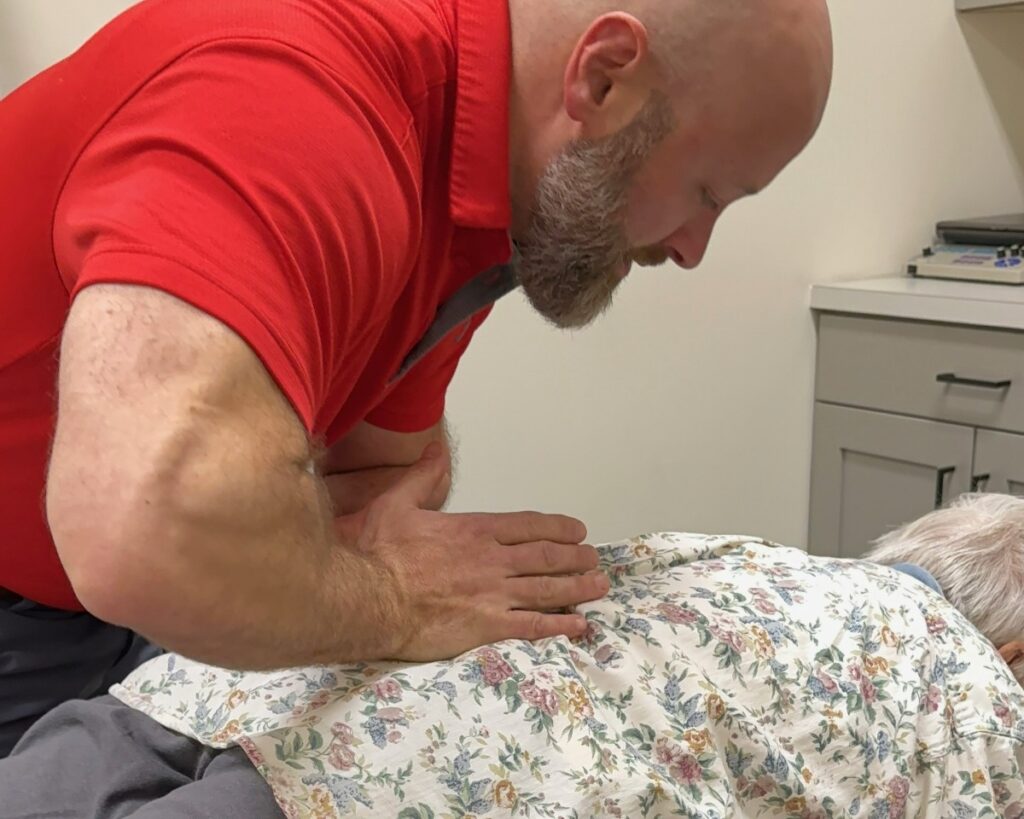
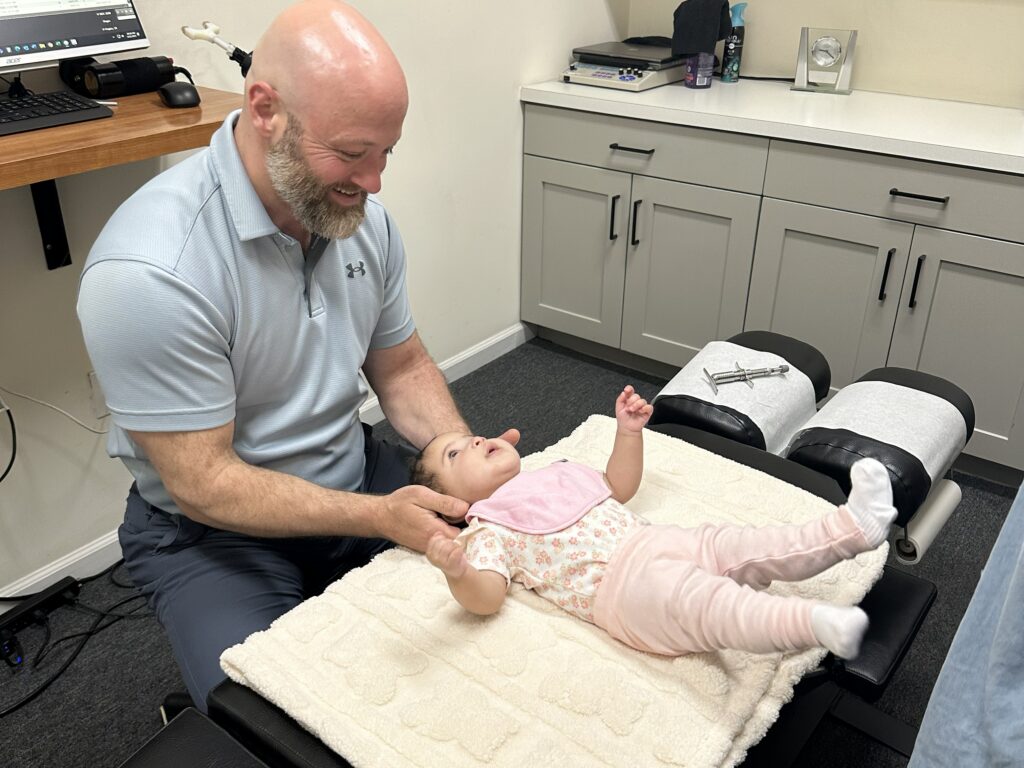
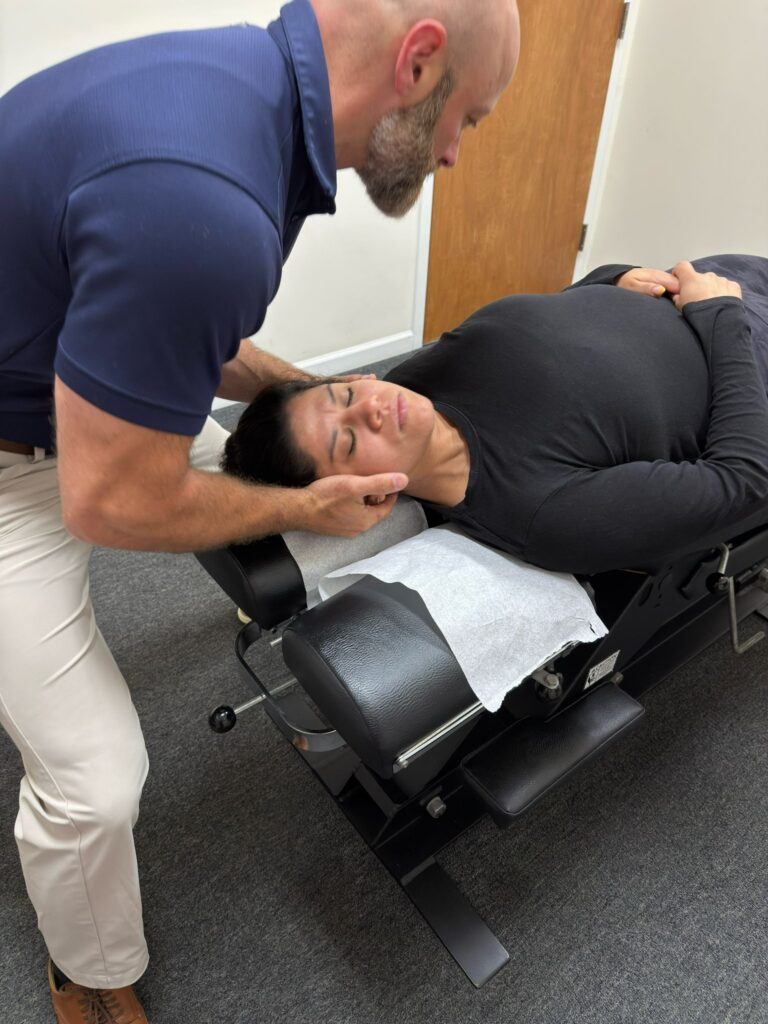
As a local chiropractor, I want to share how manual therapy approaches can significantly enhance your joint flexibility and overall well-being. These techniques, which involve specific hands-on methods, are designed to relieve tension in your muscles and connective tissues. This relief allows for an improved range of motion around your joints, making daily activities easier and more enjoyable.
During your visits, I'll assess your unique needs and pinpoint any areas that may be restricting your movement. By using my hands to apply targeted pressure, stretch, or manipulate soft tissues and joints, we can work together to restore your mobility. Many patients find that these manual therapy techniques not only alleviate pain but also improve their overall flexibility.
One particularly effective method we use is joint mobilization. This technique involves moving your joints through a controlled range of motion, which helps to reduce stiffness and enhance circulation—both crucial for maintaining healthy joints.
In contrast, manipulation involves more forceful adjustments aimed at realigning bones and joints. Patients often experience immediate relief and increased mobility following this treatment.
Integrating manual therapy into your regular health routine can greatly enhance your flexibility training. After just a few sessions, you may notice that your joints feel more fluid and responsive, making it easier to engage in physical activities and enjoy a more active lifestyle.
Guided Exercise Programs
As a local chiropractor, I often emphasize the significant benefits of guided exercise programs for enhancing joint flexibility and overall physical performance. These structured routines aren't only essential for improving your flexibility but also play a vital role in educating you about proper techniques to prevent injuries.
With the right guidance, you can learn to perform exercises effectively, tailored to your individual needs and abilities.
Here are three key benefits you can expect when participating in a guided exercise program:
- Personalized Instruction: Working with a qualified instructor allows you to receive customized feedback on your movements. This personalized approach ensures that you're executing exercises correctly and safely, which is crucial for maintaining joint health and preventing injuries.
- Progress Tracking: Many guided programs include regular assessments to help you monitor your progress over time. This tracking not only keeps you motivated but also allows you to celebrate your achievements, no matter how small. Recognizing your improvements can boost your commitment to your health journey.
- Variety of Techniques: Guided exercise programs typically incorporate a blend of stretching, strengthening, and mobility exercises. Engaging in a variety of activities keeps your routine enjoyable and helps you stay committed to your goal of improved flexibility.
It's also a great way to discover new movements that resonate with your body.
Incorporating guided exercise programs into your wellness routine can truly be transformative for your joint flexibility and overall physical well-being. As you adhere to these structured plans, you'll build confidence in your abilities and reap the physical benefits that come with enhanced flexibility.
If you're curious about how a guided exercise program can fit into your health goals, I encourage you to reach out and explore options that align with your needs. Together, we can help you move better and feel your best!
Lifestyle Tips for Maintenance
As a local chiropractor, I want to emphasize the importance of maintaining joint flexibility through some simple daily habits.
It's crucial to incorporate stretching routines into your day, as these can significantly enhance your joint mobility. Staying well-hydrated is also essential, as proper hydration supports the health of your joints.
Additionally, engaging in consistent physical activity—not just sporadic workouts—plays a vital role in preserving the flexibility you've worked so hard to achieve.
By following these lifestyle tips, you're not only promoting your overall well-being but also enhancing the benefits of any chiropractic care you may receive.
Let's work together to keep your joints healthy and flexible!
Daily Stretching Routines
As a local chiropractor dedicated to promoting natural healing and overall well-being, I want to emphasize the importance of integrating daily stretching routines into your lifestyle.
Whether you're starting your day or winding down after a long one, regular stretching can significantly enhance your joint flexibility. It not only keeps your muscles limber but also plays a crucial role in preventing stiffness and injuries that may arise from a sedentary lifestyle or repetitive movements.
Here are three effective stretches that you can easily incorporate into your daily routine to support your body's natural healing processes:
- Neck Stretch: Begin by sitting or standing up straight. Gently tilt your head to one side, allowing your ear to move closer to your shoulder. Hold this position for 15-30 seconds before switching sides. This stretch is excellent for relieving tension in your neck and shoulders, which can often become tight due to stress or prolonged sitting.
- Shoulder Stretch: To perform this stretch, bring one arm across your body at shoulder height. Use your opposite arm to gently pull it closer to your chest. Hold for 15-30 seconds, then switch arms. This movement enhances shoulder mobility and helps reduce tightness, making it particularly beneficial for those who may experience discomfort from desk work or physical activities.
- Hip Flexor Stretch: Start by kneeling on one knee, with the other foot positioned in front, creating a 90-degree angle at both knees. Slowly push your hips forward while keeping your back straight, and hold this position for 15-30 seconds. This stretch is vital for opening up your hips and counteracting the negative effects of prolonged sitting, which can lead to decreased flexibility and discomfort.
Incorporating these stretches into your daily routine can have a positive impact on your overall health, helping you maintain your flexibility and prevent injuries.
As your chiropractor, I encourage you to listen to your body and make these stretches a regular part of your self-care routine.
Hydration and Nutrition
As a local chiropractor, I want to emphasize the importance of not just stretching but also the vital roles of hydration and nutrition in maintaining your overall health and well-being.
Many of you may not realize that staying well-hydrated is crucial for your joints. Proper hydration helps lubricate them, allowing for smoother movement and reducing the risk of discomfort during daily activities. I recommend aiming for at least eight glasses of water a day, and if you're active or live in a warmer climate, consider increasing that amount to ensure your body is adequately hydrated.
Nutrition is another cornerstone of joint health that often gets overlooked. Including foods rich in omega-3 fatty acids, such as salmon and walnuts, can significantly help in reducing inflammation. Additionally, incorporating leafy greens, berries, and nuts into your diet provides antioxidants, which protect your joints from damage.
It's also essential to pay attention to vitamins and minerals; for instance, calcium and vitamin D are crucial for strong bones, while magnesium plays a key role in muscle function.
I encourage you to be mindful of your diet and consider minimizing processed foods and sugars, as these can lead to increased inflammation and joint pain.
Instead, focus on whole, nutrient-dense foods that nourish your body and support your flexibility. Remember, making these dietary changes can complement the benefits of chiropractic care and contribute to your overall health journey.
Consistent Physical Activity
As your local chiropractor, I want to emphasize the importance of consistent physical activity for maintaining joint flexibility and overall health. Engaging in regular movement is crucial as it helps keep your joints lubricated and strengthens the muscles that support them. This makes daily activities easier and more enjoyable.
You don't have to engage in intense workouts; simply incorporating movement into your everyday routine can significantly enhance your flexibility and well-being.
Here are three effective strategies to integrate physical activity into your lifestyle:
- Establish a Routine: I recommend setting specific days and times for your workouts. Whether you're practicing yoga, swimming, or going for a brisk walk, having a structured schedule helps you stay committed to your health.
- Diversify Your Activities: Mixing up your exercises keeps things fresh and engaging. I suggest combining cardiovascular workouts, strength training, and flexibility exercises. This approach not only prevents boredom but also effectively targets different muscle groups, improving your overall joint function.
- Tune In to Your Body: It's essential to listen to what your body is telling you. If you experience any discomfort, feel free to modify your activities accordingly. While it's important to challenge yourself, avoid pushing to the point of injury.
Remember, chiropractic care can also assist in ensuring your body is functioning optimally as you pursue your fitness goals.
Conclusion
As a local chiropractor, I want to share how incorporating specific therapy techniques can greatly enhance your joint flexibility, leading to improved mobility and overall comfort. By focusing on methods such as stretching, manual therapy, and personalized exercise programs, you can not only increase your flexibility but also promote better joint health.
It's essential to understand that these techniques are part of a holistic approach to wellness. I encourage you to embrace lifestyle tips that will help maintain your newfound flexibility and keep you active. With consistent effort and the right guidance, you can enjoy a more flexible, pain-free life.
If you're new to chiropractic care and natural healing, I invite you to start your journey to better flexibility with us today! Together, we can work towards enhancing your quality of life through effective and natural methods.