
When it comes to maintaining a healthy back, even the smallest lifestyle changes can lead to significant improvements. Many people are unaware of how their daily habits influence their spine health. From your sitting posture at work to the ways you cope with stress, every little detail matters. Are you making the most of your workspace? And how are you holding up during those long hours at your desk?
Let’s explore some simple adjustments that can enhance your back health and overall wellness—without the need for medications or surgeries.
- Ergonomic Workspace: Set up your desk to promote good posture. Ensure your chair supports your lower back, and that your computer screen is at eye level. This will help reduce strain on your spine.
- Mind Your Posture: Keep your feet flat on the floor and your knees at a 90-degree angle. Avoid slumping or leaning forward for extended periods. Good posture is crucial for spinal health and can prevent pain.
- Take Frequent Breaks: Stand up, stretch, and walk around every hour. This simple practice can alleviate pressure on your spine and improve circulation.
- Incorporate Movement: Engage in regular physical activity. Activities like walking, swimming, or yoga can strengthen your back muscles and improve flexibility, which is vital for a healthy spine.
- Manage Stress: Stress can lead to muscle tension, which may aggravate back pain. Consider relaxation techniques such as deep breathing, meditation, or gentle stretching to help manage stress levels.
- Stay Hydrated: Proper hydration is essential for spinal health. Drinking enough water helps maintain the elasticity of spinal discs and supports overall bodily functions.
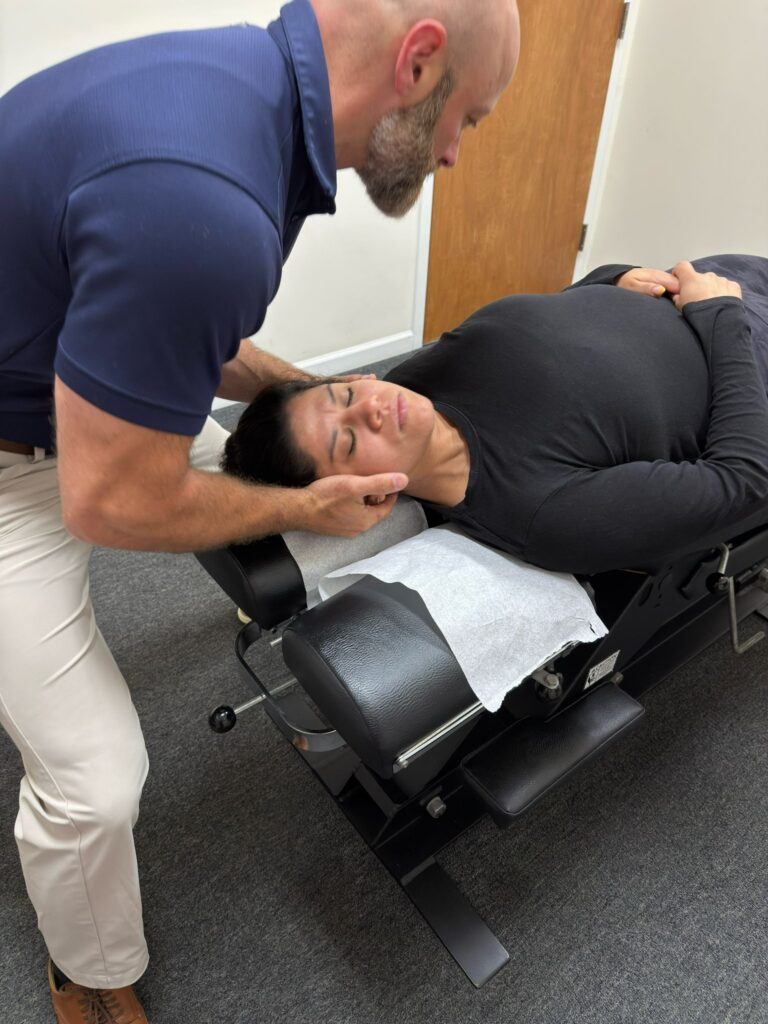
- Chiropractic Care: Regular visits to a chiropractor can be an excellent way to maintain optimal spinal health. Chiropractic adjustments can help alleviate pain, improve posture, and promote natural healing, allowing your body to function at its best.
By making these adjustments and considering chiropractic care, you can take proactive steps toward better back health and a more vibrant, pain-free life. Remember, your spine supports your entire body—so treat it well!
Key Takeaways
- To support your spine’s health, it’s crucial to maintain proper posture. Sit up straight with your feet flat on the floor and your knees bent at a 90° angle. This helps to keep your spine aligned and can prevent discomfort over time.
- Make your workspace work for you by ensuring your monitor is at eye level. This will help prevent neck strain. Keep your keyboard close to your body to avoid unnecessary reaching, which can lead to tension in your back and shoulders.
- Regular exercise is key to a healthy back! Engage in activities that get your heart pumping, like walking or swimming, as well as strength training to build your core muscles. A strong core supports your spine and helps reduce strain.
- Don’t forget about stretching! Incorporating daily stretches can greatly improve your flexibility and range of motion, which is essential for preventing injuries. Simple stretches can be done at home or work to keep your muscles loose and relaxed.
- Managing stress is vital for your overall well-being. Techniques like deep breathing and mindfulness can help alleviate muscle tension, making it easier for you to recover from daily strains. Remember, chiropractic care can be a fantastic way to support your body through these stressors, promoting natural healing and balance.
By incorporating these tips into your daily routine, you can support your back health and overall wellness. If you’re looking for a holistic approach to pain relief and optimum health, consider visiting your local chiropractor to explore how chiropractic care can benefit you!
Understanding the Importance of Back Health
When you prioritize your back health, you’re not just taking care of your spine—you’re investing in your overall well-being. A strong and flexible back is essential for your daily activities, whether it’s lifting groceries or enjoying your favorite sports. Neglecting back issues can lead to chronic pain, which can impact your mood and productivity.
One key aspect to consider is your posture. Poor posture, like slouching or hunching, places unnecessary strain on your spine, which can result in discomfort or even injury. This is where chiropractic care shines. Chiropractors are trained to help correct posture and align your spine, promoting optimal back health naturally.
Incorporating regular exercises focused on stretching and strengthening is another great way to enhance your back’s stability and flexibility. Simple activities like yoga or targeted stretches can make a significant difference. Additionally, being mindful of how you move—like bending your knees when lifting—helps prevent strain on your back.
Remember, a healthy back is crucial not only for physical activities but also for your emotional health. By making conscious choices about your back care and considering chiropractic adjustments, you can enhance your overall quality of life. This will allow you to engage fully in the activities you love without the burden of pain.
Ergonomic Workspace Setup
Creating an ergonomic workspace is crucial for maintaining a healthy back and overall well-being, especially if you spend long hours sitting. As a chiropractor, I want to share some simple tips to help you set up your workspace in a way that supports your spine and promotes natural healing.
Start with your chair: adjust it so that your feet rest flat on the floor while keeping your knees at a comfortable 90-degree angle. It’s important that your back is fully supported by the chair’s backrest. This helps prevent strain and discomfort, allowing your spine to maintain its natural curves.
Next, position your monitor at eye level and about an arm’s length away. This alignment reduces neck strain and encourages good posture, which is vital for spinal health. If your monitor is too low or too high, you might find yourself leaning forward or tilting your head, which can lead to discomfort over time.
When it comes to your keyboard and mouse, keep them close enough so that you can use them comfortably without stretching or reaching. Your elbows should remain close to your body, which helps prevent tension in your shoulders and neck. If your chair is too high, consider using a footrest to ensure your feet are supported properly.
Additionally, don’t overlook the importance of lumbar support. A cushion designed for lower back support can help maintain the proper curvature of your spine, providing comfort during long periods of sitting.
Lastly, keeping your workspace organized can help you avoid awkward twisting or stretching to reach for items. A clutter-free environment not only promotes good posture but also enhances focus and productivity.
Incorporating Regular Physical Activity
Incorporating regular physical activity into your daily routine is crucial for maintaining a healthy back and overall wellness. As a chiropractor, I want to emphasize how engaging in exercises that strengthen your core, back, and legs can significantly enhance your stability and reduce strain on your spine. Aim for at least 150 minutes of moderate aerobic activity each week, combined with strength training on two or more days. Enjoyable activities like walking, swimming, or cycling not only keep you active but can also boost your mood and energy levels.
Don’t overlook the importance of stretching exercises. They improve flexibility and play a vital role in preventing injuries. You can easily incorporate simple stretches at your desk or during breaks throughout your day. Always listen to your body; if something feels off, it’s wise to modify your routine or consult with a chiropractic professional for personalized advice.
Practicing Good Posture Habits
Practicing good posture habits is essential for maintaining a healthy spine and ensuring your overall well-being. As a chiropractor, I see firsthand how daily habits can significantly impact back health. By being mindful of your posture, you can reduce strain on your spine and muscles, paving the way for a pain-free life. Here are some practical tips to help you maintain proper posture throughout the day and support your spinal health:
- Sit up straight: When you sit, make sure your back is against the chair, your feet are flat on the floor, and your shoulders are relaxed. This simple adjustment can make a big difference in how your spine feels.
- Choose ergonomic furniture: Investing in a chair that supports your lower back and encourages a neutral spine position can help you stay comfortable throughout the day. Ergonomic furniture is designed to promote better posture, which is key to preventing discomfort.
- Adjust your workstation: Position your computer screen at eye level. This will prevent you from leaning forward or straining your neck, which can lead to tension and pain. A well-set-up workstation is crucial for maintaining good posture while working.
- Take breaks regularly: Every hour, stand up, stretch, and walk around to relieve tension and reset your posture. These short breaks won’t only help your spine but also boost your productivity.
Incorporating these habits into your daily life can lead to lasting benefits for your back health. Remember, chiropractic care is an excellent way to address any pain or discomfort you may experience.
Regular adjustments can help align your spine, improve your posture, and support your overall health. If you’re looking for a natural path to wellness, consider visiting a chiropractor to learn more about how spinal health can enhance your quality of life.
Stress Management and Its Impact on Back Health
Stress is often an overlooked factor that can significantly affect your back health. When you’re stressed, your body tends to tense up, which can lead to muscle tightness and discomfort in your back. In fact, chronic stress can worsen any existing back problems, making it crucial to manage stress effectively for maintaining a healthy spine.
Here’s a simple breakdown of how stress can impact your back health:
| Stress Factor | Impact on Back Health |
|---|---|
| Muscle Tension | Increases pain and discomfort |
| Poor Posture | Strains muscles and ligaments |
| Inactivity | Weakens core and back muscles |
| Sleep Disruption | Reduces recovery and increases pain |
Incorporating stress management techniques can make a big difference in how you feel. Practices like deep breathing, staying active, and practicing mindfulness not only help reduce stress but also promote better spinal health. Remember, chiropractic care can be a fantastic option for addressing back pain naturally and effectively.
Taking a few moments each day to breathe deeply, stretch, and focus on relaxation can help alleviate stress and tension. By prioritizing these practices, you’re not just enhancing your overall well-being—you’re also nurturing your back health. Your spine will appreciate the care! If you’re experiencing back pain, consider visiting a chiropractor who can guide you on your journey to optimal health and wellness.
Conclusion
Taking charge of your back health is all about making small yet impactful lifestyle adjustments that can lead to significant improvements. As a chiropractor, I often emphasize the importance of creating an ergonomic workspace. This means setting up your desk, chair, and computer in a way that supports your spine. A good chair should provide proper lumbar support, and your computer screen should be at eye level to help maintain a neutral neck position.
Staying active is another crucial aspect of maintaining a healthy back. Regular movement and exercise not only strengthen the muscles that support your spine but also help to alleviate stiffness. Simple activities like walking, stretching, and even yoga can make a big difference in how you feel.
Practicing good posture throughout the day is vital. Whether you’re sitting, standing, or even walking, being mindful of your posture can prevent unnecessary strain on your back. Think about keeping your shoulders back, your head aligned over your spine, and your hips level.
Stress management is equally important for your back health. High stress levels can lead to muscle tension, particularly in the back and neck areas. Incorporating relaxation techniques such as deep breathing, meditation, or even just taking breaks during your day can help ease this tension and improve your overall well-being.
It’s important to remember that these changes don’t have to happen all at once. Start by incorporating one or two tips into your daily routine, and gradually add more as you feel comfortable. Your back will thank you for it in the long run!
Lastly, don’t forget the benefits of chiropractic care. Regular adjustments can help align your spine, reduce pain, and promote natural healing. By choosing chiropractic care, you’re opting for a holistic approach to health that focuses on your body’s ability to heal itself. If you’re looking for a natural way to enhance your back health, consider scheduling an appointment with your local chiropractor. Together, you can create a personalized plan that fits your needs and helps you achieve optimal wellness.