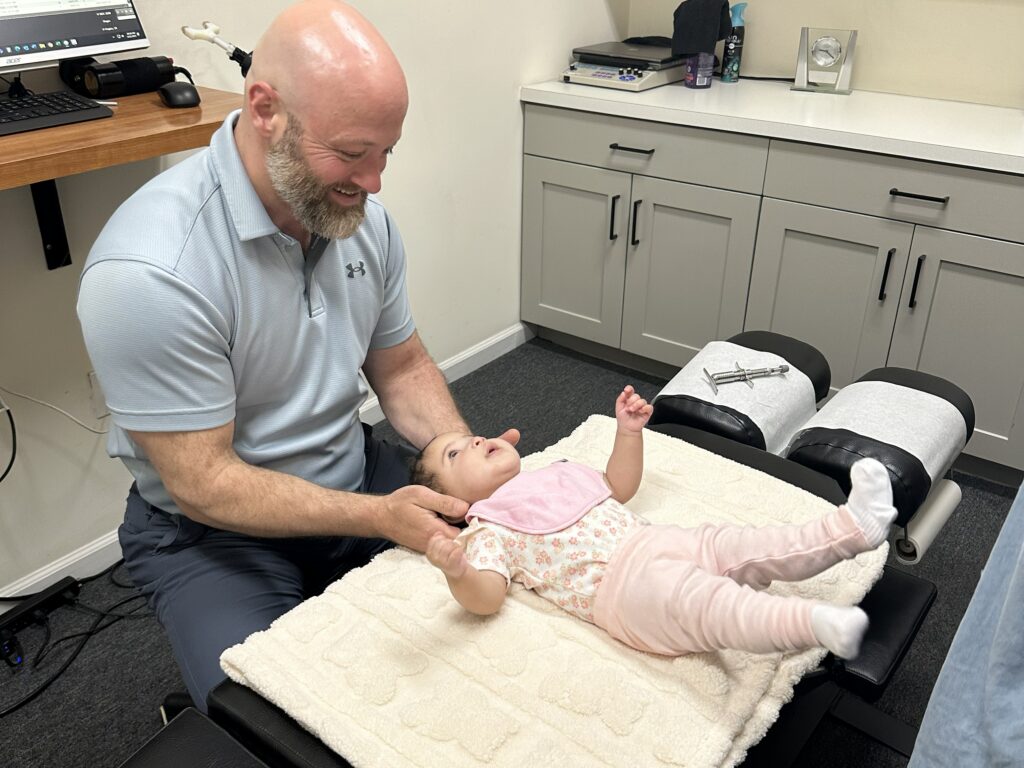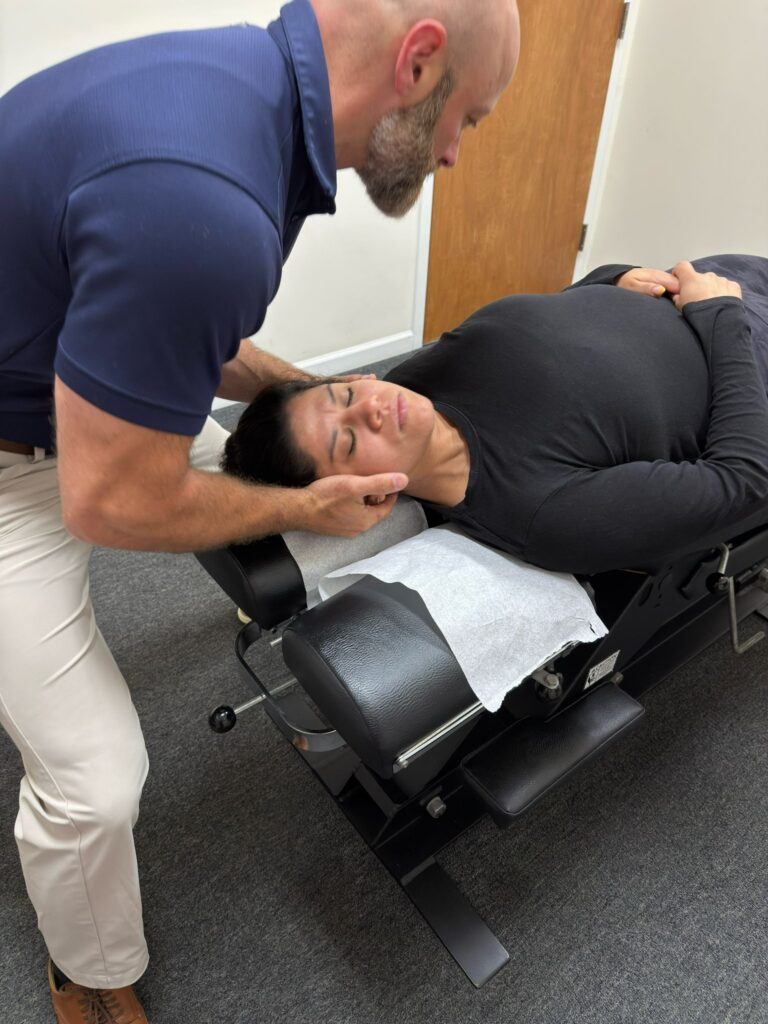

As a local chiropractor, I want to share how integrating chiropractic care into your athletic routine can truly elevate your performance. Many people overlook the importance of adjustments when thinking about improving their fitness, but the benefits are substantial. By ensuring your spine and joints are properly aligned, you can enhance your mobility and strength, all while minimizing the risk of injury during training.
You might be wondering what specific adjustments can help you and how to seamlessly incorporate them into your current regimen. Let me explain: regular chiropractic adjustments can help to alleviate tension, improve your range of motion, and promote optimal muscle function. This means you'll not only recover faster from workouts but also perform better overall.
If you're curious about how chiropractic care can fit into your lifestyle, I'm here to guide you through the transformative impact it can have on your athletic journey. Together, we can create a plan that supports your unique needs and goals, helping you unlock your full potential in your sport.
Assessing Current Performance Levels
Before you can enhance your athletic performance, it's essential to assess your current levels, and as your chiropractor, I'm here to guide you through this process. Start by tracking your performance metrics, which include your speed, endurance, strength, and agility, whether you're running, swimming, or lifting weights.
Utilizing tools like stopwatches, fitness apps, or heart rate monitors can help you gather accurate data—this information is crucial for building a solid foundation for improvement.
Next, let's evaluate your technique. Recording your practice sessions can be incredibly beneficial. Observing your form allows you to identify any inefficiencies or bad habits that might be impacting your performance.
Additionally, I encourage you to seek feedback from coaches or experienced peers—they can provide valuable insights that you may overlook.
Don't forget to consider your mental state. Athletic performance goes beyond just physical ability; your mindset is a significant factor. Reflect on how you manage pressure, your focus during training, and your overall motivation.
Take time to think about your recent competitions or practices to pinpoint any mental blocks that could be hindering your performance.
Lastly, let's talk about recovery strategies. Are you prioritizing sleep? Are you incorporating rest days into your training regimen? Evaluating how well your body recovers after intense workouts is crucial for your overall performance.
As your chiropractor, I can help you understand the importance of proper recovery techniques, including spinal adjustments and other natural healing methods, that can aid in your body's recovery process.
By thoroughly understanding your current levels, you're setting the stage for targeted improvements that will help you reach your full potential in your sport.
Tailoring Training Regimens
Tailoring your training regimen is crucial not only for maximizing your athletic performance but also for maintaining overall health and wellness. As a chiropractor, I want to emphasize the importance of understanding your specific fitness goals—whether that's improving speed, strength, endurance, or flexibility—while also considering your body's alignment and function.
Start by evaluating your current fitness level and how it relates to your musculoskeletal health. Identifying areas that require improvement can help prevent injuries and ensure that your body is functioning optimally. This self-awareness is key, as it informs not just your training decisions but also how you approach your recovery and overall wellness.
Once you have clarity on your fitness objectives, it's beneficial to create a structured plan that incorporates a variety of training modalities. For instance, if you enjoy running, consider integrating intervals, long runs, and strength training. But remember, a balanced approach is essential—working on various muscle groups not only enhances your athletic skills but also helps maintain proper alignment, reducing the risk of injuries.
It's also important to reflect on your daily schedule and lifestyle. Consistency is vital for effective training, so it's best to design a regimen that fits seamlessly into your routine. If time is limited, high-intensity interval training (HIIT) can be a great alternative, providing maximum benefits in shorter sessions while still allowing for recovery, which is essential for your body's health.
Another key aspect to keep in mind is periodization. This involves cycling through different phases of intensity and focus in your training, allowing your body to recover and adapt while still challenging your limits. It keeps your workouts engaging and helps you avoid plateaus, all while ensuring your musculoskeletal system isn't under undue stress.
Lastly, tracking your progress is crucial. Regular evaluations will help you understand how your training is affecting your performance and overall health. Be open to adjusting your regimen as necessary—if you're experiencing discomfort or if something doesn't feel right, don't hesitate to consult with a chiropractor.
We can work together to optimize your training plan and ensure that you're on a path to sustained success and wellness. Embracing a holistic approach to your training won't only enhance your athletic abilities but also contribute to your long-term health.
Enhancing Nutritional Strategies
As a local chiropractor, I want to emphasize the vital connection between nutrition and overall wellness, particularly for those of you looking to enhance your physical performance and recovery. Understanding how your diet impacts your body can significantly influence your health and healing journey.
To support your body's natural healing processes and maximize your potential, it's crucial to provide it with the right nutrients. A balanced diet rich in carbohydrates, proteins, and healthy fats is essential, as each macronutrient plays a unique role in your health.
Carbohydrates are your body's primary fuel source, especially during physical activity. Incorporating whole grains, fruits, and vegetables into your meals can help sustain your energy levels, which is important for both your workouts and your daily activities.
Proteins are key for muscle recovery and growth, so consider including lean meats, fish, eggs, and plant-based options like beans and lentils in your diet. Additionally, healthy fats found in avocados, nuts, and olive oil are important for hormone production and provide long-lasting energy.
Meal timing is also crucial. Consuming a combination of carbohydrates and protein before and after physical activity can significantly enhance your performance and recovery. A light snack, such as a banana or a protein shake, about 30-60 minutes before exercising can be beneficial.
After your workout, aim to replenish your energy stores and support muscle repair with a balanced meal within two hours.
Don't forget about hydration! Staying well-hydrated is essential for optimal physical performance and overall health. Make it a habit to drink water throughout the day, particularly before, during, and after exercise.
By being mindful of your nutritional strategies, you can't only support your chiropractic care but also enhance your overall wellness, setting yourself up for success in all aspects of life.
Prioritizing Recovery Techniques
As a local chiropractor, I want to emphasize the importance of recovery techniques for maximizing your athletic performance and ensuring your body can recover effectively after intense training sessions. When you challenge yourself, your muscles experience stress and micro-tears, making recovery an essential part of your fitness journey. Overlooking this aspect can hinder your progress and prevent you from reaching your peak potential.
One effective way to promote recovery is by incorporating active recovery into your routine. Engaging in low-intensity exercises, such as walking, cycling, or swimming, can enhance blood flow and assist in muscle repair.
Additionally, prioritizing quality sleep is crucial. It's during restful sleep that your body performs much of its healing, so aim for 7-9 hours each night to optimize your recovery.
Hydration is another vital factor. Staying well-hydrated helps flush out toxins and supports proper muscle function. Make it a habit to drink water consistently throughout the day, especially after workouts.
Adding stretching and mobility exercises to your routine can also be beneficial. These practices improve flexibility, reduce muscle tightness, and can help prevent injuries.
Nutrition is equally important when it comes to recovery. After a workout, consuming a balanced meal that includes protein and carbohydrates is essential for replenishing glycogen stores and repairing muscle tissue. Look for nutritious options such as lean meats, whole grains, and a variety of fruits and vegetables to support your recovery.
Lastly, it's important to listen to your body. If you're feeling fatigued or experiencing persistent soreness, it's okay to give yourself extra time to recover. Ignoring these signs can lead to burnout or injury.
Monitoring Progress and Adjustments
Monitoring your progress in your health journey is vital for achieving your wellness goals and making necessary adjustments along the way. It helps you understand what strategies are effective, which ones may need reevaluation, and where you may need to pivot your focus for better results.
Regularly tracking your health progress not only keeps you accountable but also provides valuable insights into the effectiveness of your chiropractic care and holistic healing methods.
Here are three essential strategies to help you monitor your wellness progress effectively:
- Set Specific Health Goals: Rather than vague aspirations like "feel better," aim for concrete targets, such as "reduce my back pain to a manageable level" or "increase my range of motion in my neck." This clarity allows you to measure your progress accurately and see how your chiropractic treatments are impacting your health.
- Keep a Health Journal: Document your symptoms, treatment sessions, and how you felt after each chiropractic visit. Reviewing your journal regularly can help identify trends, such as decreased pain levels or improvements in mobility, and can guide your chiropractor in adjusting your treatment plan effectively.
- Utilize Technology: There are various apps and devices available that can help you track your health metrics, such as pain levels, mobility assessments, and even your daily physical activities. This technology not only aids in tracking your progress but can also uncover patterns that may be beneficial for you and your chiropractor to address in your overall treatment plan.
Conclusion
As a local chiropractor, I want to share with you how incorporating chiropractic adjustments into your training routine can significantly enhance your athletic performance. Many people may not realize the benefits of chiropractic care, but it's an integral part of achieving peak physical potential.
Firstly, we start by assessing your current physical state. Understanding your unique needs allows us to tailor a regimen that fits you best. This personalized approach not only includes adjustments to align your spine and improve your overall posture but also emphasizes the importance of nutrition, recovery, and monitoring your progress.
Maintaining proper alignment through chiropractic care is crucial. It can help prevent injuries and improve your strength, mobility, and agility. These adjustments ensure that your body functions optimally, allowing you to perform at your best during training and competition.
I encourage you to embrace chiropractic care as a vital part of your athletic journey. By doing so, you'll be setting yourself up for success and watching your performance reach new heights. Let's work together to unlock your full potential!