
When considering ways to enhance your athletic performance, it's common to concentrate on physical training alone. However, as a chiropractor, I want to emphasize the importance of incorporating alternative techniques into your routine for optimal results. Approaches such as chiropractic care, mindfulness practices, proper nutrition, and innovative recovery methods can significantly improve not only your physical capabilities but also your mental resilience. You may be astonished at how these elements work together to foster a more comprehensive approach to your training.
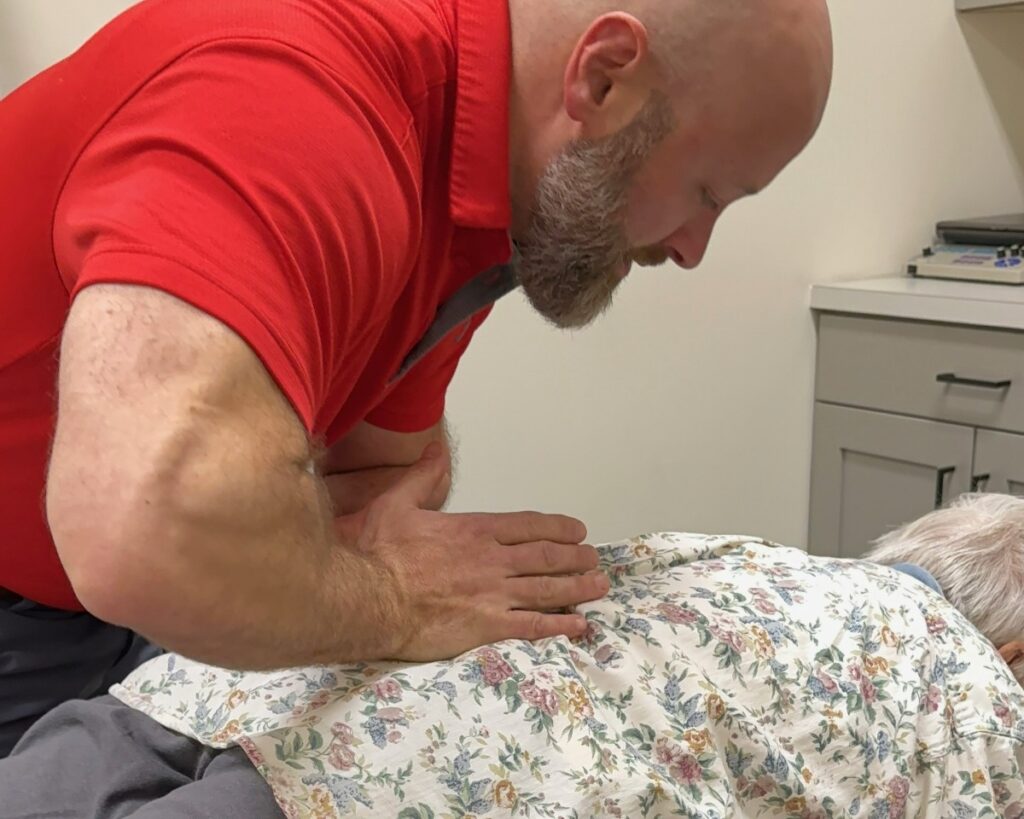
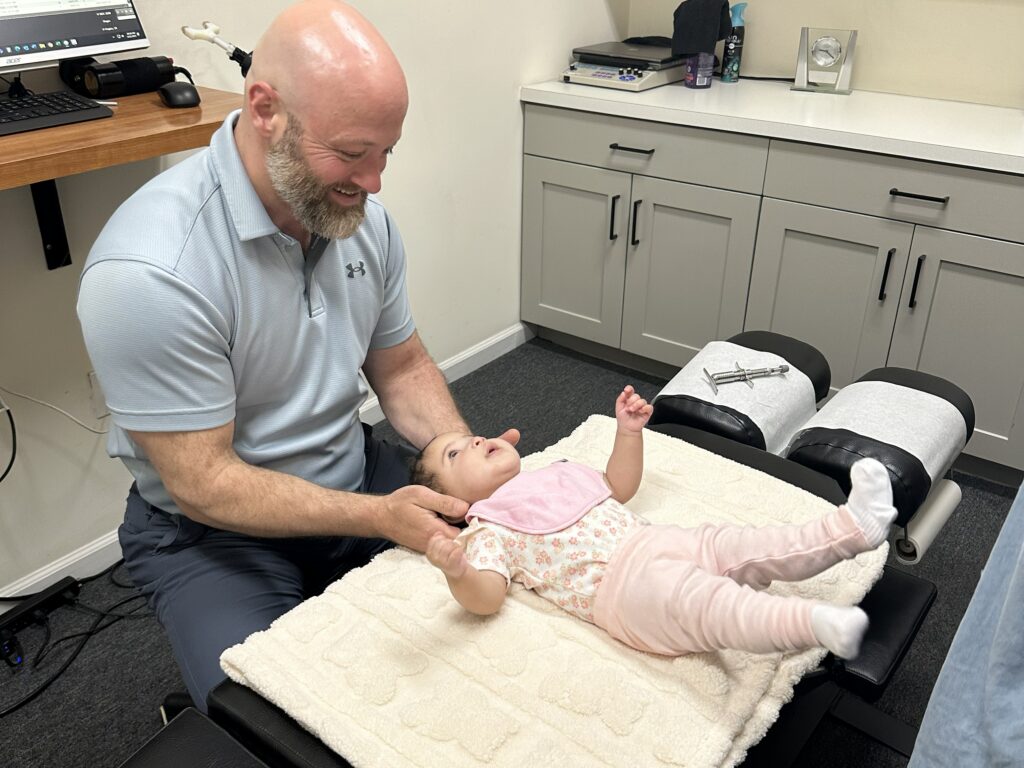
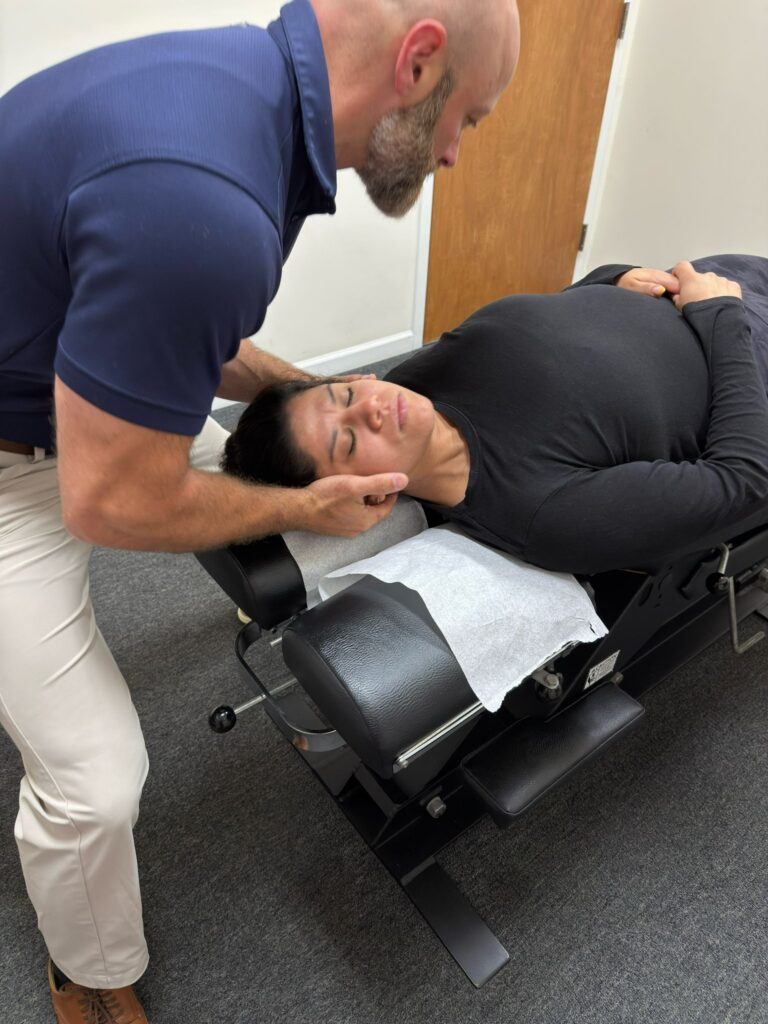
By integrating chiropractic adjustments, you can enhance your body's alignment and functionality, which can lead to improved performance and reduced risk of injury. As you explore these concepts, you may discover valuable insights that can transform your routine and elevate your game. So, which aspect of natural healing and chiropractic care are you most interested in learning more about?
Mindfulness and Meditation
As a local Chiropractor, I want to share how mindfulness and meditation can significantly enhance not only your athletic performance but also your overall well-being. These practices help sharpen your focus and reduce stress, which is vital whether you're competing in sports or simply going about your daily life.
When you embrace mindfulness, you learn to remain present in each moment. This awareness is crucial during physical activities, as it allows you to connect with your body and surroundings. By being fully aware, you can make quicker decisions and respond more effectively to changes in your environment. This is where chiropractic care complements mindfulness; by ensuring your spine and nervous system are functioning optimally, you can enhance your body's communication and responsiveness.
Incorporating meditation into your daily routine can further strengthen your focus. Just a few minutes each day can help clear your mind of distractions and anxiety, leading to improved mental clarity. This clarity translates directly into better performance, as you can concentrate on your techniques and strategies without succumbing to self-doubt or external pressures.
I encourage you to set aside a few minutes each day for meditation. Find a quiet space, sit comfortably, and focus on your breath. If your mind begins to wander, gently redirect your attention back to your breath without judgment. Over time, you'll notice an improvement in your ability to concentrate, both in your athletic pursuits and everyday activities.
Additionally, practicing mindfulness during your workouts can help you become more attuned to your body's signals. With chiropractic adjustments, you can ensure that your body is aligned, which allows you to better gauge your fatigue levels. This awareness enables you to push yourself effectively while also recognizing when it's time to rest, creating a balanced approach that's essential for long-term success in any endeavor.
By integrating mindfulness and meditation into your life, along with regular chiropractic care, you're not only enhancing your mental game but also laying the groundwork for greater overall health and athletic achievement.
Let's work together to explore these natural healing methods and unlock your full potential.
Nutrition and Diet Enhancements
As a local chiropractor, I want to emphasize the vital connection between nutrition and your overall health, particularly as it relates to your physical performance and recovery. Proper nutrition is essential for enabling your body to function optimally, and it can significantly enhance your chiropractic care.
Here are four key strategies to improve your nutrition and support your healing process:
1. Balance Macronutrients: It's important to ensure you're consuming a well-rounded mix of carbohydrates, proteins, and fats. Carbohydrates provide essential energy for your daily activities, proteins are crucial for repairing muscles and tissues, and healthy fats contribute to hormone balance and overall wellness.
Depending on your activity level, adjusting these ratios can help you feel more energized and supported in your recovery.
2. Stay Hydrated: Hydration is one of the most critical components of health. Many people overlook how dehydration can negatively impact their performance and overall well-being.
Make it a habit to drink water consistently throughout the day, and during more intense activities, consider incorporating electrolyte-rich beverages. Keeping your body well-hydrated aids in the healing process and can enhance the effectiveness of your chiropractic adjustments.
3. Timing Matters: The timing of your meals can play a significant role in how well your body responds to treatment. Aim to nourish your body with a balanced meal or snack 30 minutes to two hours before engaging in physical activities.
After exercising or receiving chiropractic care, it's beneficial to consume a recovery meal that includes both protein and carbohydrates. This will help replenish your energy stores and support muscle recovery, facilitating the healing process.
4. Incorporate Whole Foods: I encourage you to focus on whole, unprocessed foods as the foundation of your diet. Fruits, vegetables, lean proteins, and whole grains are packed with the nutrients your body needs to function at its best.
By minimizing processed foods, you can reduce the intake of additives and preservatives that may impede your health and recovery. Whole foods not only nourish your body but also promote an optimal environment for healing.
By integrating these nutritional strategies, you can enhance your overall health, support your chiropractic care, and empower your body to reach its full potential.
Breathing Techniques
As a local chiropractor, I want to share an important aspect of enhancing your overall well-being: the power of proper breathing techniques. Many people may not realize that how we breathe can significantly impact our athletic performance and daily activities.
Diaphragmatic breathing, for instance, is a technique that allows you to maximize your oxygen intake. This can be beneficial not just for athletes, but for anyone looking to increase their energy levels and improve their focus.
Incorporating breath control exercises into your routine can also help boost your endurance, allowing you to engage in physical activities with greater stamina.
By integrating these natural breathing techniques into your daily practice, you may discover new levels of vitality and performance, both in sports and in everyday life.
Diaphragmatic Breathing Benefits
Unlock your body's full potential by embracing diaphragmatic breathing, a powerful technique that can significantly enhance your physical performance and overall well-being. This method involves engaging your diaphragm properly, which allows for deeper inhalation and increased oxygen intake.
As a chiropractor, I often see the positive effects of diaphragmatic breathing on my patients, and I encourage you to incorporate it into your daily routine.
Here are four key benefits of practicing diaphragmatic breathing:
- Increased Oxygenation: By optimizing your breathing, you deliver more oxygen to your muscles. This can improve your endurance and help reduce fatigue, especially during physical activities or workouts.
- Enhanced Focus: Diaphragmatic breathing can calm your nervous system, which in turn sharpens your mental clarity. This heightened focus can help you concentrate better, whether you're exercising or engaging in daily tasks.
- Stress Reduction: This breathing technique is known to lower cortisol levels in the body. By managing anxiety and stress, you can prevent the physical tension that often impacts your athletic performance and overall health.
- Improved Recovery: With better oxygen flow, your body can recover more efficiently after exercise. This means quicker repair and rebuilding of muscles, which is essential for maintaining an active lifestyle.
Incorporating diaphragmatic breathing into your routine goes beyond just breathing; it's about enhancing your overall health and athletic experience.
As you practice this technique, you may notice a remarkable difference in how your body feels and performs. Start today, and let your breath support your journey to better health!
Breath Control Exercises
As a local chiropractor, I want to emphasize the importance of breath control exercises in not only enhancing your athletic performance but also supporting your overall health and well-being.
By learning to master your breath, you can improve your stamina, focus, and recovery—elements that are essential for both physical activity and daily life.
One of the simplest techniques to begin with is box breathing. This method involves inhaling deeply through your nose for a count of four, holding your breath for another four, exhaling gently through your mouth for four, and pausing for four before taking your next breath.
Practicing this for several minutes can help calm your mind and stabilize your heart rate, which is vital for maintaining a balanced body.
Another beneficial technique is pursed-lip breathing. By inhaling through your nose and then exhaling slowly through pursed lips, you can control your breath flow and enhance lung efficiency.
Incorporating this technique during workouts can significantly boost your endurance.
As a chiropractor, I believe that integrating breath control exercises into your routine can have a profound impact on your physical performance and mental clarity.
Improved breath management leads to greater focus and reduced anxiety, especially in high-pressure situations.
I encourage you to set aside time to practice these techniques regularly. By doing so, you may notice a remarkable improvement in your athletic performance, as well as a greater sense of overall well-being.
Visualization Strategies
As a local chiropractor, I want to share how visualization strategies can play a pivotal role in enhancing your overall health and athletic performance by leveraging the power of your mind.
By visualizing your success, you're effectively training your brain to recognize and accomplish your health and fitness goals. This mental practice can significantly improve your focus, boost your confidence, and alleviate anxiety, all of which are essential components for achieving peak performance in any activity.
To help you incorporate visualization into your routine, I recommend following these four steps:
- Set Clear Health Goals: Begin by defining what you want to achieve for your health and wellness. Be specific about your targets, whether it's improving your posture, increasing your flexibility, or enhancing your athletic capabilities.
- Create a Mental Movie: Visualize yourself performing at your best. Picture every detail—how it feels to move freely, the sounds of your surroundings, and even the fresh air as you exercise. The more vivid and immersive your imagery, the more effective it will be in supporting your journey.
- Practice Regularly: Just like physical adjustments and exercises, visualization requires consistent practice. Dedicate time each day to engage in this mental imagery. Repetition reinforces your goals and helps create a positive mindset.
- Stay Positive: Focus on what you want to achieve and the progress you're making, rather than dwelling on any fears or limitations. Positive visualization can help you overcome mental barriers and enhance your ability to heal and grow.
Alternative Recovery Methods
As a local chiropractor, I want to share some alternative recovery methods that can significantly enhance your performance and overall well-being.
One option is cryotherapy, which involves exposing the body to cold temperatures to help reduce muscle soreness and inflammation. This can be particularly helpful after intense physical activity.
Another method you might consider is acupuncture. This ancient practice involves inserting thin needles into specific points on the body, and it has been shown to provide effective pain relief and promote healing by enhancing your body's natural energy flow.
Additionally, float therapy is a unique recovery method that can help you unwind and rejuvenate. By floating in a sensory deprivation tank filled with saltwater, you can experience deep relaxation, which may aid in recovery and stress relief.
Exploring these alternative methods alongside chiropractic care can support your journey to optimal health and enhance your recovery process.
Cryotherapy for Muscle Recovery
As a local chiropractor focused on promoting natural healing and holistic wellness, I want to share an exciting recovery method that many athletes are embracing: cryotherapy.
This innovative technique involves exposing your body to extremely cold temperatures for a brief period, which has been shown to significantly enhance muscle recovery. By integrating cryotherapy into your routine, you can help reduce inflammation and accelerate your recovery process.
Here are four key benefits of cryotherapy that I believe can be beneficial for your muscle recovery:
- Reduced Inflammation: The cold exposure effectively decreases swelling, allowing your muscles to heal more rapidly after strenuous activities.
- Pain Relief: Cryotherapy can numb pain, enabling you to continue your training regimen without the hindrance of discomfort.
- Increased Circulation: This treatment stimulates blood flow, which is crucial for delivering essential nutrients to your muscles and aiding in tissue repair.
- Improved Sleep Quality: Many of my patients report experiencing better sleep following cryotherapy sessions, which is vital for overall recovery and well-being.
Incorporating cryotherapy into your recovery routine can provide you with a significant advantage, helping you recover more efficiently and perform at your peak.
However, it's essential to consult with a healthcare professional to determine if this method is suitable for your individual needs. As your chiropractor, I'm here to guide you through your healing journey and explore the best options for your health.
Acupuncture for Pain Relief
As a local chiropractor, I want to introduce you to a time-honored practice that can significantly enhance your health and well-being: acupuncture. This method, rooted in traditional Chinese medicine, is gaining popularity among athletes and individuals alike for its remarkable ability to provide pain relief and support recovery.
Acupuncture involves the insertion of fine needles into specific points on the body. This technique stimulates these areas to promote improved blood flow and the release of endorphins, which are natural pain-relievers. Many people, including athletes, experience discomfort from strenuous activities, and acupuncture can serve as a natural alternative to conventional pain management methods.
Incorporating acupuncture into your wellness routine can help alleviate muscle soreness, reduce tension, and accelerate healing. As a chiropractor, I often see how these benefits can lead to improved flexibility and range of motion, ultimately enhancing your performance in various physical activities.
Moreover, acupuncture isn't just about addressing physical pain; it also plays a vital role in improving mental clarity and focus. The relaxation it fosters can be an excellent way to manage stress and anxiety, both of which are essential for achieving peak performance, especially during competitions.
If you're looking for a holistic approach to manage pain and enhance your recovery, I encourage you to consider acupuncture as a part of your health regimen. It may just be the key to unlocking your full potential and achieving your wellness goals.
Float Therapy Benefits
As a local chiropractor, I often see athletes seeking effective ways to enhance their recovery and performance. One innovative method I've come across that can be incredibly beneficial is float therapy. This unique approach involves floating in a sensory deprivation tank filled with Epsom salt-infused water, which allows for profound relaxation and rejuvenation of both the body and mind.
Let me share some of the key benefits of float therapy that you might find intriguing:
- Muscle Recovery: Float therapy can significantly reduce muscle soreness and tension, helping you recover more quickly after intense workouts. This is particularly valuable for athletes who push their bodies to the limit.
- Stress Reduction: The serene environment of a float tank can help lower cortisol levels in the body, leading to reduced stress. This not only enhances your mental clarity but also improves focus—essential for both athletic performance and daily life.
- Enhanced Sleep Quality: By promoting deep relaxation, float therapy can help you achieve more restful sleep. Quality sleep is crucial for recovery and overall performance, making it a vital component of a well-rounded training regimen.
- Improved Mental Clarity: The sensory deprivation aspect allows your mind to reset, leading to enhanced creativity and problem-solving abilities. This mental clarity can translate to better performance in sports and other areas of life.
Incorporating float therapy into your wellness routine can complement chiropractic care and natural healing practices.
I encourage you to experience the benefits of this innovative recovery method, as it could become an essential part of your journey toward optimal health and athletic success.
Cross-Training Approaches
Incorporating cross-training into your exercise routine can significantly boost your athletic performance while also promoting overall health—a key focus in chiropractic care. By diversifying your workouts, you not only engage various muscle groups but also minimize the risk of injuries often caused by repetitive motions in a single sport.
To get started, identify the fundamental skills required for your sport. For example, if you're a runner, consider integrating swimming or cycling into your weekly routine. These low-impact activities can enhance your cardiovascular fitness while providing your joints with a much-needed break.
Similarly, if you're focused on weightlifting, adding yoga or Pilates can improve your flexibility and core strength, which are essential for stability and optimal performance.
A balanced approach is crucial. Mix strength training, endurance workouts, and flexibility exercises to promote muscle symmetry and functional strength. You might alternate your primary sport with different activities a few times a week, allowing you to maintain your skills while reaping the benefits of cross-training.
Rest and recovery are vital components of any exercise regimen, including cross-training. Giving your body sufficient time to recover from intense workouts is essential to prevent burnout and injuries—something we often see in our practice.
Finally, make sure to keep your workouts enjoyable and engaging. Exploring new activities not only helps maintain motivation but also challenges your body in unexpected ways.
Cold Therapy Benefits
As a local chiropractor, I want to share with you the incredible benefits of cold therapy for your recovery after intense workouts.
Many of my patients are surprised to learn how effective this natural approach can be in enhancing recovery time, allowing you to return to your training regimen more quickly.
Cold therapy works by reducing inflammation, which in turn helps to alleviate soreness that can hinder your performance.
By incorporating cold therapy into your routine, you may find it to be a transformative addition to your overall health and athletic performance.
Embracing these natural healing methods can make a significant difference in your wellbeing and recovery journey.
Enhanced Recovery Time
As a local chiropractor, I want to stress the significance of recovery in your overall health and wellness journey. When you push your body to its limits, it's vital to prioritize recovery to maintain optimal performance.
One effective method I encourage to enhance recovery time is cold therapy. By integrating this practice into your routine, you can reap numerous benefits that aid in your recovery process.
Here are four key advantages of cold therapy that I'd like you to consider:
- Reduced Muscle Soreness: Cold exposure can help alleviate post-workout soreness, making it easier for you to feel comfortable and ready for your next exercise session.
- Improved Circulation: Engaging in alternating cold and warm therapies can stimulate blood flow, which is crucial for delivering nutrients to your muscles and aiding in their repair.
- Boosted Energy Levels: Utilizing cold therapy can invigorate your body, helping to combat fatigue and energizing you for your next training endeavor.
- Mental Focus: The invigorating shock of cold can enhance your mental clarity, preparing you to tackle upcoming physical challenges with a sharper mind.
As you consider incorporating cold therapy into your recovery regimen, remember that it can significantly reduce the time it takes for you to feel ready for your next workout.
Embracing these natural healing methods can lead to remarkable improvements in your performance and overall well-being.
Let's work together to optimize your recovery and help you achieve your health goals!
Reduced Inflammation Effects
As a local chiropractor, I want to share some valuable insights about how you can enhance your recovery and overall well-being through natural methods like cold therapy. When you prioritize recovery with techniques such as applying ice packs or taking cold water baths, you can experience a remarkable benefit: reduced inflammation.
Cold therapy works by constricting blood vessels when your body is exposed to cold temperatures. This process effectively decreases blood flow to areas that are inflamed, which in turn minimizes swelling and discomfort. Many of my patients come to me seeking relief from pain or stiffness, and I often recommend incorporating cold therapy into their routines to help alleviate these symptoms.
Inflammation can significantly impact your daily activities and overall quality of life. By integrating cold therapy, you can help your body heal more efficiently, allowing for quicker recovery times. This means you can get back to your regular activities and enjoy a greater sense of well-being much sooner.
Additionally, reducing inflammation is crucial for preventing future injuries. When you manage swelling effectively, you decrease your chances of experiencing pain that can disrupt your daily routine. Cold therapy can also stimulate the release of endorphins, which are natural pain relievers that can enhance your mood and contribute to your overall health.
Incorporating cold therapy into your self-care regimen is more than just a way to feel better in the moment; it's a strategic approach to maintaining your health and vitality. By embracing these natural healing methods, you're investing in a stronger, more resilient body that can support you in all your activities.
If you have any questions about cold therapy or how chiropractic care can aid in your recovery, feel free to reach out. I'm here to help you on your journey to better health!
Acupuncture for Performance
As a local chiropractor, I want to share with you the incredible benefits of incorporating acupuncture into your wellness routine, especially if you're an athlete looking to boost your performance. Acupuncture is an ancient healing practice that focuses on stimulating specific points in the body to promote balance and natural healing. Many athletes have found that integrating acupuncture can lead to remarkable improvements in their performance.
- Pain Relief: One of the primary benefits of acupuncture is its ability to alleviate muscle soreness and joint pain. This means you can train more intensely and recover more quickly, keeping you on track with your fitness goals.
- Reduced Stress: Acupuncture is known for its ability to promote relaxation and reduce anxiety. This mental clarity can be crucial during competitions, helping you stay focused and perform at your best.
- Improved Blood Flow: By enhancing circulation, acupuncture increases oxygen delivery to your muscles. This can lead to better endurance and an overall improvement in your athletic performance.
- Enhanced Recovery: Regular acupuncture treatments can accelerate your recovery by reducing inflammation and supporting your body's natural healing processes. This means less downtime and more time training.
If you're considering acupuncture, it's essential to find a qualified practitioner, preferably one who's experienced working with athletes. A skilled acupuncturist will customize your treatments to address your unique needs, maximizing the benefits of each session.
Many athletes report feeling rejuvenated and more in tune with their bodies after receiving acupuncture, making it a valuable addition to any training regimen.
Whether you're just starting out in your fitness journey or you're a seasoned competitor, acupuncture can help unlock your full potential. Don't underestimate the advantages of this natural healing technique; it might just be the key to enhancing your athletic performance and achieving your aspirations.
Music and Rhythm in Training
As a local chiropractor, I want to share with you the benefits of incorporating music and rhythm into your workout routines, not just for enjoyment, but for enhancing your physical performance and overall well-being. When you integrate music into your training, it can elevate your workout experience, help alleviate tension in your body, and even support your recovery.
Selecting the right playlist is essential. If you're lifting weights or engaging in strength training, choose tracks with a strong, driving beat. This can help keep your energy levels high and support proper biomechanics, which is crucial for maintaining spinal alignment and preventing injury. For longer cardio sessions, opt for music with a steady tempo that encourages a consistent pace. Research shows that individuals who listen to music during exercise often experience a reduced perception of exertion, making workouts feel less daunting.
In addition to motivation, rhythm plays a key role in enhancing your coordination and timing. Incorporating rhythmic activities, such as dancing or even drumming, into your warm-ups can improve your agility and reaction times. This is particularly beneficial when you're focusing on movements that require precision and control, which can ultimately aid in your chiropractic care by promoting better posture and movement patterns.
Moreover, the lyrics of your favorite songs can have a profound impact on your mindset. Uplifting and positive messages can enhance your mood, creating a more optimistic outlook, which is just as significant as the physical aspects of training.
So, whether you're at the gym or enjoying a run outdoors, crank up the volume and allow the music to energize your sessions.
Biomechanics and Movement Analysis
As a local chiropractor, I want to emphasize the importance of understanding biomechanics and movement analysis in relation to your overall health and athletic performance. By gaining insight into how your body moves, you can identify areas that may need improvement, which not only enhances your performance but also plays a crucial role in preventing injuries.
Here are four key aspects to consider when evaluating your biomechanics:
- Posture and Alignment: It's vital to ensure that your body is aligned correctly during various activities. Poor posture can lead to imbalances that may cause strain and discomfort. Regular chiropractic adjustments can help maintain proper alignment and improve your posture.
- Force Production: Analyzing how you generate force during different movements is essential. Understanding your body's mechanics can optimize your strength training and improve your explosive performance. As a chiropractor, I can assist you in identifying effective ways to produce force safely and efficiently.
- Range of Motion: Flexibility and joint mobility are critical for athletic performance. A limited range of motion can't only hinder your abilities but also increase the risk of injuries. Chiropractic care can aid in enhancing your flexibility and ensuring your joints are functioning optimally.
- Movement Patterns: Observing your biomechanics during specific athletic movements is important for overall effectiveness. Identifying inefficient movement patterns is key to making necessary adjustments. My role as a chiropractor is to help you recognize these patterns and provide guidance on how to improve them for better performance and reduced risk of injury.
Conclusion
As a local chiropractor, I want to share some valuable insights on how to enhance your athletic performance through alternative techniques that go beyond traditional methods. Embracing practices such as mindfulness can significantly improve your focus and mental resilience, which are crucial for any athlete.
Proper nutrition is also essential; fueling your body with the right foods can optimize your physical performance and recovery. Additionally, effective breathing strategies can help you manage stress and improve endurance during training and competition.
Don't underestimate the power of visualization. Many athletes use this technique to mentally prepare for their events, helping to enhance their confidence and performance. Innovative recovery methods, including chiropractic adjustments, can help alleviate pain and improve your body's function, while acupuncture is another excellent option for muscle recovery and relaxation.
Moreover, experimenting with music can elevate your training sessions, helping you find a rhythm that keeps you motivated. Understanding biomechanics—the science of movement—can refine your techniques and prevent injuries.
By integrating these alternative approaches into your training regimen, you can not only enhance your athletic capabilities but also enjoy the journey toward achieving your goals. Remember, it's important to keep pushing forward and explore the natural healing options available to you!