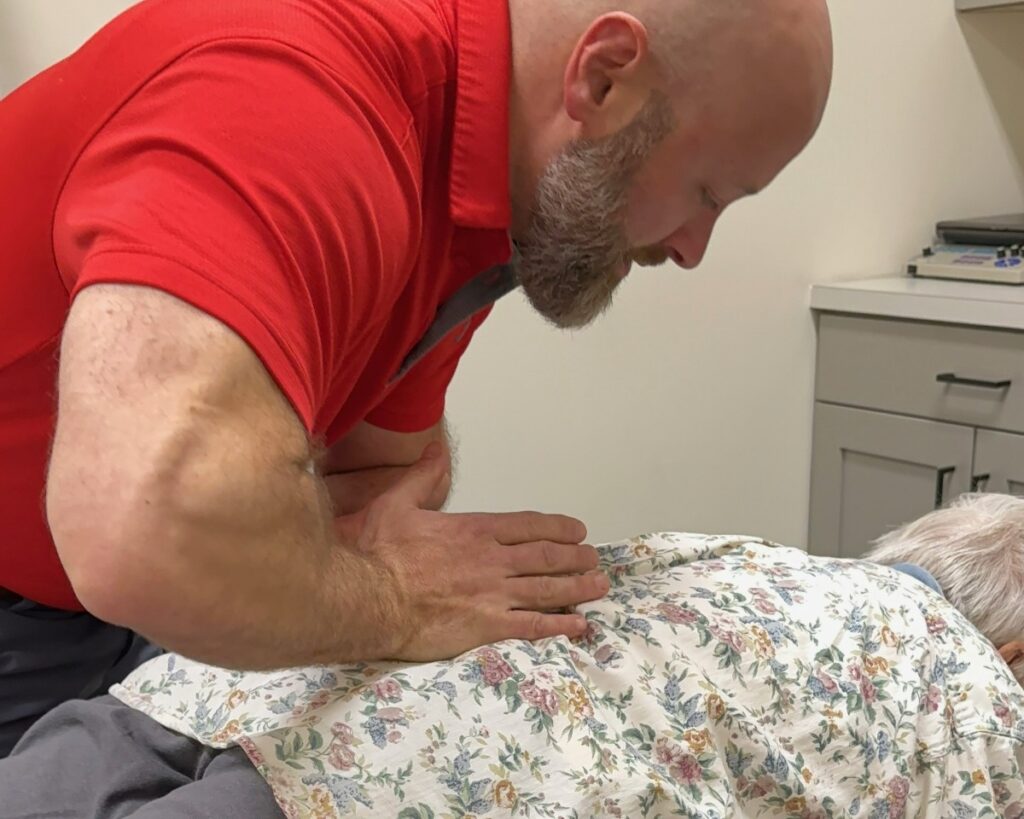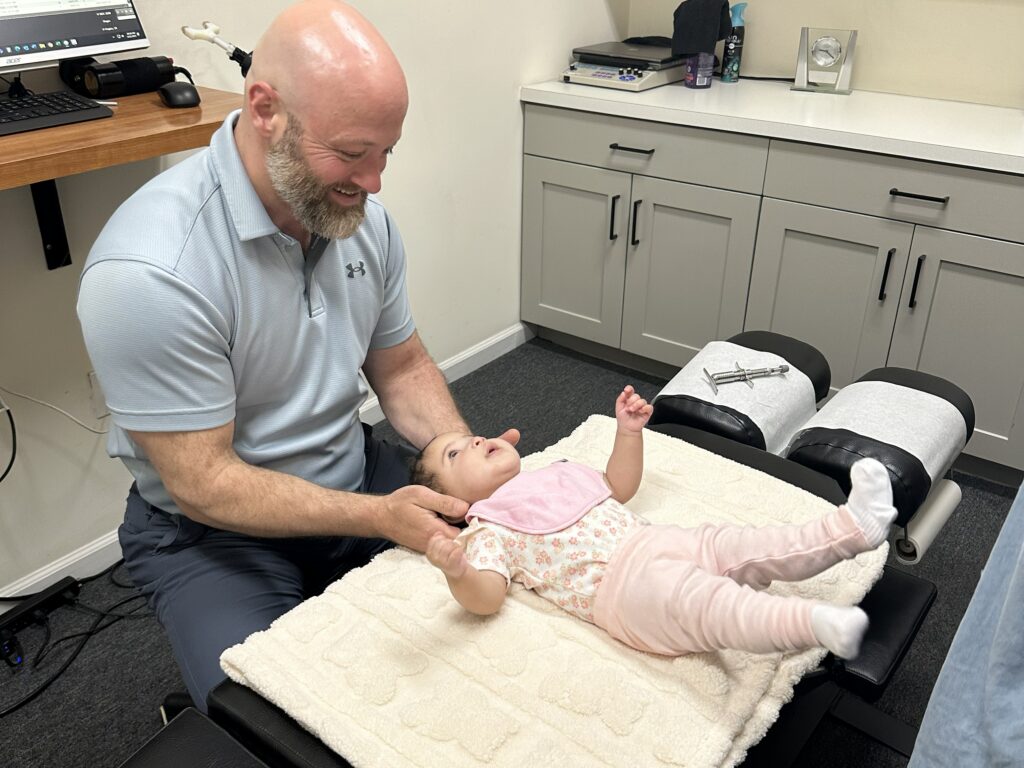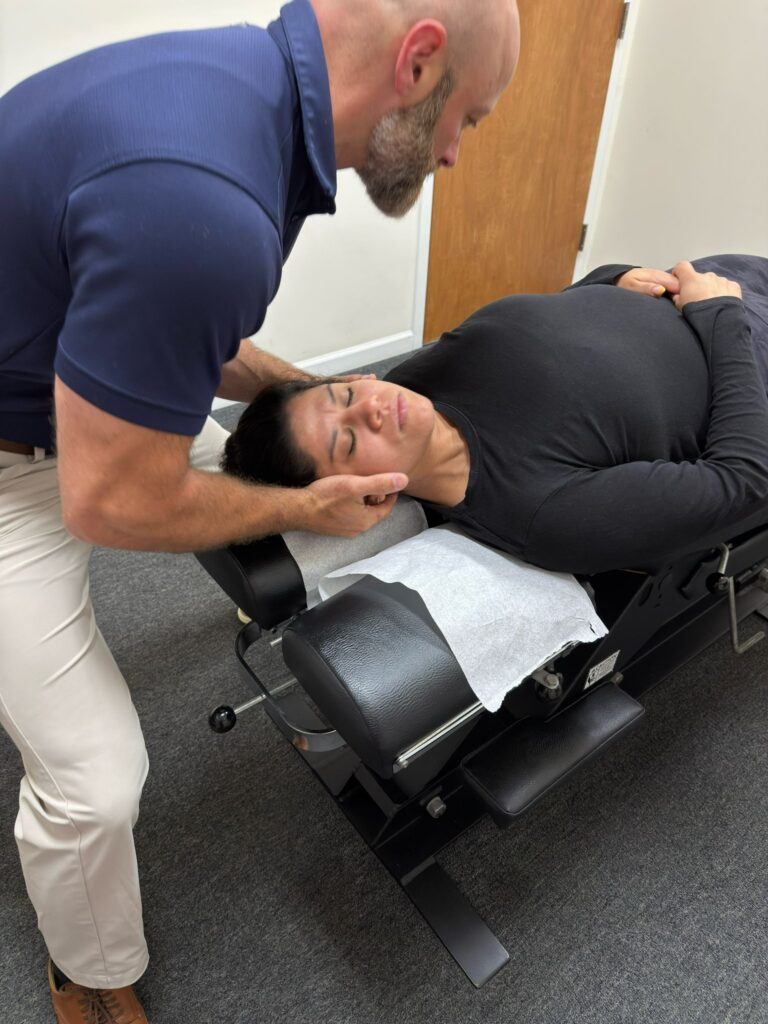

As we look ahead to athlete recovery in 2025, it's exciting to see how technology will revolutionize our approach. For those of you new to chiropractic care and natural healing, consider how advancements like AI-powered wearables will personalize recovery strategies tailored specifically to individual needs. These tools will work alongside traditional recovery methods, such as cryotherapy and nutritional guidance, to optimize your healing process.
Moreover, we will see an increased emphasis on mental resilience and community support, which are vital components of overall recovery. As your local chiropractor, I believe these advancements will not only improve how athletes recover but also enhance their performance. By understanding the intricate connections between recovery methods and athletic output, we can uncover opportunities for improved health and well-being. Let's explore these exciting changes together!
The Role of Technology
As a local chiropractor, I want to emphasize the crucial role that technology plays in enhancing your recovery and overall wellness. Many people aren't aware of how these tools can support your natural healing process. From wearable devices to specialized recovery apps, technology can provide you with valuable insights into your body's needs, making it easier to optimize your recovery.
Wearable devices, such as fitness trackers or smartwatches, allow you to monitor your activity levels and physiological responses in real time. This information can help you spot patterns that may indicate when you're overexerting yourself or not recovering properly. By understanding these metrics, you can adjust your workouts to ensure that you're training not just harder, but also smarter.
Recovery apps take things a step further by offering personalized recovery plans tailored to your specific metrics. These apps can guide you through essential practices like stretching routines, breathing exercises, or even meditation techniques. By integrating these technologies into your daily routine, you can develop a comprehensive recovery strategy that addresses both the physical and mental aspects of your training.
Moreover, advancements in recovery technology, such as pneumatic compression devices and infrared therapy, provide targeted relief for sore muscles, helping to speed up recovery times. These innovative tools can significantly reduce downtime from training and competition, allowing you to bounce back quickly and effectively.
By embracing these technologies alongside chiropractic care, you not only enhance your recovery but also prepare yourself for the next challenge, ensuring that you're always performing at your best.
I encourage you to explore these technologies and consider how they can complement your chiropractic treatments and natural healing practices. Together, we can create a holistic approach to your health and well-being.
Innovative Recovery Techniques
As a local chiropractor dedicated to your health and wellness, I want to share how incorporating innovative recovery techniques into your routine can significantly enhance your performance and overall well-being.
Embracing these new methods not only helps to speed up your recovery but also optimizes your body's ability to perform at its best.
One of the most effective techniques I recommend is active recovery. This involves engaging in low-intensity activities, such as walking or gentle cycling.
These movements keep your muscles engaged and promote blood flow, which aids in the removal of lactic acid and helps to reduce soreness. It's a simple yet powerful way to support your recovery process.
Another technique worth exploring is cryotherapy. This method involves exposing your body to extremely cold temperatures for a brief period, which can significantly reduce inflammation and accelerate healing.
Many athletes find relief from ice baths, but cryo chambers offer a more controlled and efficient recovery experience. As a chiropractor, I can explain how this technique complements our natural healing practices.
Infrared therapy is another innovative approach that I encourage my patients to consider. It uses specific wavelengths of light to penetrate the skin and promote healing.
This technique is effective in reducing pain and inflammation while speeding up tissue repair, making it an excellent addition to your recovery toolkit.
Don't underestimate the benefits of compression wear. These specially designed garments apply gentle pressure to your muscles, improving circulation and minimizing swelling.
Whether you choose sleeves or full-body suits, I've seen firsthand how they can make a noticeable difference in how quickly you recover after intense training.
Lastly, I can't stress enough the importance of mindfulness and relaxation techniques, such as yoga and meditation.
These practices can help you manage stress and improve your mental resilience, which is just as crucial for recovery as physical techniques.
By integrating these innovative recovery approaches into your routine, you can set yourself up for success both physically and mentally.
As your chiropractor, I'm here to guide you on this journey toward optimal health and recovery.
Personalized Nutrition Strategies
As a local chiropractor, I want to share some insights on how personalized nutrition strategies can greatly enhance your recovery and overall well-being.
It's essential to understand that your body has unique needs, and by focusing on these needs, you can support your healing process more effectively.
First, consider the balance of macronutrients—proteins, fats, and carbohydrates. Finding the right ratios for your body can help fuel your recovery and improve your energy levels.
Additionally, timing your nutrient intake is crucial; consuming the right nutrients at the right times can make a significant difference in how quickly you bounce back from any physical stress.
Hydration is another vital component. Proper hydration and maintaining your electrolyte balance are key to ensuring your body functions optimally.
When you prioritize these personalized nutrition strategies, you're not only enhancing your performance but also speeding up your recovery process.
By integrating these principles into your daily routine, you can take charge of your health and support your body's natural healing abilities.
Tailored Macronutrient Ratios
As a chiropractor, I want to emphasize the importance of understanding tailored macronutrient ratios for your recovery and overall health. Just like how your body requires proper alignment for optimal function, it also needs the right balance of carbohydrates, proteins, and fats to support your specific lifestyle and physical activities.
Different types of physical activities demand varying energy levels. For example, if you engage in endurance sports, your body will need more carbohydrates to replenish its glycogen stores. On the other hand, if you're focused on strength training, a higher intake of protein may be necessary for muscle repair and growth.
To determine the right macronutrient ratios for you, consider the intensity and duration of your activities. A good starting point is consuming 3-7 grams of carbohydrates per kilogram of body weight each day, depending on how hard you're working out. For protein, aim for about 1.2-2.0 grams per kilogram to aid in recovery and muscle development.
And let's not overlook healthy fats; they play a crucial role in hormone production and overall wellness.
Pay attention to how your body responds to these adjustments. If you're feeling fatigued or experiencing lingering soreness, it might be time to reassess your macronutrient distribution. Working with a registered dietitian or sports nutritionist can help tailor these ratios specifically for you, ensuring that you're nourishing your body in a way that supports both recovery and performance.
By making these thoughtful adjustments, you can enhance your recovery process and improve your physical performance, ultimately contributing to your overall well-being.
Timing of Nutrient Intake
As your chiropractor, I want to emphasize how crucial the timing of nutrient intake is for your overall recovery and well-being. When it comes to healing your body and enhancing your performance, consuming the right nutrients at the right times can make a significant difference in how your muscles recover, how quickly you replenish your energy stores, and how effectively you reduce fatigue.
After you exercise, it's essential to nourish your body within 30 minutes. This post-workout period is when your muscles are especially eager for nutrients. A combination of protein and carbohydrates is ideal, as it helps with muscle repair and replenishing glycogen, which fuels your body. If you delay this intake, you may miss out on a critical recovery opportunity, which can slow your progress.
Before you work out, nutrition plays a key role as well. Eating a balanced meal 2 to 3 hours prior to your training session prepares your body for optimal performance. It's best to focus on easily digestible carbohydrates and moderate amounts of protein to ensure you have the energy you need without any discomfort.
It's also important to listen to your body and recognize that everyone's nutritional needs can vary. Personalizing your nutrient timing based on your individual training schedule and recovery rate can lead to improved results.
Keeping track of what you eat and how you feel can help refine your approach over time. By strategically timing your nutrient intake, you won't only facilitate recovery but also be better prepared for your next session, allowing you to harness renewed energy and vitality.
Hydration and Electrolyte Balance
As a local chiropractor, I want to emphasize the critical role that hydration plays in your overall health and wellness, especially when it comes to athletic performance and recovery.
When your body isn't adequately hydrated, it can lead to fatigue, decreased efficiency, and hindered recovery processes. By understanding your individual hydration requirements, you can unlock your full potential and maintain a healthy balance of electrolytes.
Here are some straightforward strategies to help you improve your hydration:
- Track Your Fluid Intake: It's important to be aware of how much water you drink each day. A good rule of thumb is to aim for at least half of your body weight in ounces of water.
- Consider Your Activity Level: If you're engaging in intense workouts or prolonged physical activity, you'll need to boost your fluid intake. Higher sweat rates mean your body requires more hydration to function optimally.
- Add Electrolytes to Your Routine: After exercise, consider replenishing lost minerals with drinks that are rich in electrolytes. Look for options that are low in sugar but provide good levels of sodium, potassium, and magnesium to support your recovery.
- Tune Into Your Body's Signals: Be mindful of your body's thirst signals and observe the color of your urine. Ideally, urine should be clear or light yellow, indicating proper hydration; darker shades may be a sign that you need to increase your fluid consumption.
By incorporating these hydration strategies into your daily routine, you can enhance your overall health and support your body's natural healing processes, which is an essential aspect of chiropractic care.
Mental Recovery Practices
As a local chiropractor, I want to share with you the incredible benefits of mental recovery through natural healing practices.
One powerful method is mindfulness meditation techniques, which can significantly enhance your mental well-being. By incorporating visualization for performance enhancement, you can improve your focus and build your confidence, both of which are essential for overall health.
Additionally, implementing effective stress management strategies can help you remain resilient during tough times.
These practices, combined with chiropractic care, can lead to a holistic approach to your mental and physical health.
Mindfulness Meditation Techniques
While many individuals focus on physical health through exercise and chiropractic adjustments, incorporating mindfulness meditation techniques can significantly enhance your overall well-being and recovery.
By dedicating just a few minutes each day to mindfulness, you can improve your focus, reduce stress levels, and cultivate a greater sense of peace. Here are some effective techniques you can easily integrate into your routine:
- Breath Awareness: Take a moment to focus on your breath. Inhale deeply through your nose, hold it for a brief moment, and then exhale slowly through your mouth. Repeat this process for a few minutes; it can help calm your mind and prepare you for a chiropractic treatment or any daily activities.
- Body Scan: Find a comfortable position, either lying down or seated, and mentally scan your body from head to toe. Pay attention to any areas of tension or discomfort, and consciously relax each muscle group as you progress. This technique can enhance your awareness of how your body feels, which is crucial for effective chiropractic care.
- Guided Imagery: Listening to a guided meditation can transport you to a peaceful setting. This practice allows you to visualize tranquility, helping to alleviate anxiety and stress that may affect your physical health.
- Mindful Movement: Engage in gentle activities like yoga or tai chi, focusing on each movement and your breath. This approach combines physical activity with mental mindfulness, promoting recovery and enhancing your overall health.
Visualization for Performance Enhancement
Visualization techniques can be an invaluable tool for enhancing your overall well-being and athletic performance, especially when combined with chiropractic care. As a local chiropractor, I encourage you to harness the power of your mind to prepare for any physical activity or competition. By mentally rehearsing your performance, you create a strong connection between your thoughts and actions, which can lead to successful outcomes.
To start, find a quiet space where you can clear your mind and focus on your body without distractions. Close your eyes and take a few deep breaths to center yourself. Picture yourself in the midst of your chosen activity, feeling confident, strong, and energized. Visualize each movement in detail, from your warm-up routine to the peak moments of your performance. Engage all your senses by imagining the sounds, sights, and the emotions tied to your success.
Incorporating positive affirmations during your visualization can further enhance its effectiveness. Remind yourself of your past achievements and the dedication you've shown to your health and fitness.
This mental practice, alongside regular chiropractic adjustments, can help you build resilience and reduce anxiety, ultimately leading to improved performance and well-being. Remember, the mind and body work together, and nurturing both is key to achieving your goals.
Stress Management Strategies
In the dynamic environment of athletics, managing stress is crucial for optimal recovery and performance. As a local chiropractor, I want to share some effective strategies that not only help you cope with the pressures of competition but also bolster your mental resilience. Incorporating these techniques into your routine can support your overall well-being and enhance your athletic performance.
- Mindfulness Meditation: Taking just a few minutes each day to focus on your breath and the present moment can significantly reduce anxiety and improve concentration. This practice aligns well with chiropractic care, as it promotes a holistic approach to health and mental clarity.
- Breathing Exercises: Engaging in deep breathing techniques before and after your training sessions can help calm your mind. This method lowers heart rates and fosters relaxation, complementing the physical adjustments I provide in my practice to help alleviate stress in your body.
- Journaling: Writing down your thoughts and feelings allows you to process emotions and reflect on your experiences. By reducing mental clutter and stress, journaling can enhance your overall mental clarity, creating a better environment for healing and recovery.
- Social Support: Connecting with teammates, friends, or family members is essential. Sharing your experiences not only helps alleviate feelings of isolation but also fosters a sense of community, which is vital for both mental and physical health.
By integrating these stress management techniques into your daily life, you can enhance your recovery and performance, making chiropractic care an even more effective part of your athletic journey.
Monitoring Recovery Metrics
As a local chiropractor, I want to emphasize the importance of recovery for your overall health and performance, whether you're an athlete or just someone trying to maintain an active lifestyle. Understanding and monitoring recovery metrics can help you gain valuable insights into your body's readiness to engage in daily activities or exercise.
One of the key indicators of recovery is heart rate variability (HRV). This measurement reflects how well your body is coping with stress and recovery. A higher HRV often suggests that your body is recovering well and is ready for physical activity, while a lower HRV may indicate that you're experiencing fatigue or stress. Many wearable devices and mobile apps can help you track your HRV, providing you with useful information about your health.
Another important aspect to consider is your perceived exertion. After engaging in physical activities, take a moment to assess how hard you felt you worked on a scale of 1 to 10. This subjective measure can give you insight into how your body is responding to various activities and whether you might need to adjust your intensity or take a break.
Muscle soreness is another key recovery metric. It can be beneficial to track soreness levels in specific muscle groups using a simple scale. Persistent soreness might be a signal that your body needs more recovery time or that you should consider modifying your training regimen. As a chiropractor, I can help you develop personalized strategies to address any soreness and promote optimal recovery.
Lastly, we mustn't overlook the impact of sleep on recovery. Quality sleep is crucial for overall healing and wellbeing. Consider keeping a sleep diary or utilizing sleep-tracking technology to identify patterns in your sleep habits. Making adjustments to improve your sleep quality can significantly enhance your recovery process.
As your chiropractor, I'm here to support you in understanding these recovery metrics and guiding you toward a healthier, more active lifestyle. Together, we can work on optimizing your recovery and overall health through natural healing methods.
Importance of Sleep
As a local chiropractor, I want to emphasize the vital role of sleep in your overall health and recovery. It's not just about catching some Z's; sleep is the cornerstone of both physical and mental well-being. When you prioritize sleep, you're giving your body the chance to heal and rejuvenate itself.
Quality sleep strengthens your immune system, reduces inflammation, and enhances cognitive function—elements that are crucial for achieving optimal health and performance.
Many people don't realize just how significantly sleep can affect their daily activities and athletic performance. Here are some key benefits of making sleep a priority:
- Muscle Recovery: In deep sleep, your body releases essential growth hormones that are crucial for repairing and building muscle tissue. This is particularly important if you're engaging in physical activities or recovering from injury.
- Mental Clarity: A proper amount of sleep sharpens your focus and enhances your decision-making skills, which are important whether you're training or just going about your daily routine.
- Mood Regulation: Good sleep has a profound effect on your mood. It decreases anxiety and stress, factors that can otherwise interfere with your performance and well-being.
- Injury Prevention: A well-rested individual is less likely to experience injuries. Quality sleep helps maintain your coordination and reaction times, making you more resilient in your physical pursuits.
To fully harness the benefits of sleep, aim for 7-9 hours of quality rest each night. Establishing a consistent sleep schedule can significantly improve your recovery process.
It's not just about how long you sleep; the quality of that sleep is equally important. Create a sleep-friendly environment by reducing noise and light, and try to avoid screens before bedtime.
By making sleep a priority, you can set yourself up for success. Your body and mind need this time to fully recharge so you can perform at your best.
Embrace the power of sleep as part of your recovery strategy, and you'll notice a remarkable improvement in your overall health and performance. If you have questions about how chiropractic care can further enhance your recovery and well-being, feel free to ask!
Future Trends in Recovery
Recovery methods are rapidly evolving, and as a local chiropractor, I want to help you understand how these trends can enhance your overall wellness and recovery. It's essential to stay informed about these advancements to support your health journey.
One significant development is the use of wearable technology, which can track various aspects of your health, including recovery metrics. These devices monitor heart rate variability, sleep quality, and muscle fatigue, providing you with real-time feedback about your body's recovery state. This information can be incredibly valuable for anyone looking to improve their health and performance.
Personalized recovery protocols are also on the rise. With advancements in artificial intelligence and machine learning, recovery plans can be tailored to your unique physiology, lifestyle, and specific needs. This personalized approach ensures that you're following recommendations that are much more effective than generic solutions.
Additionally, therapies like cryotherapy and infrared saunas are gaining popularity for their targeted relief and recovery benefits. These treatments may become more accessible, allowing you to easily incorporate them into your routine for improved recovery and wellbeing.
Nutrition is another critical aspect of recovery that deserves attention. Expect to see more personalized nutrition plans based on genetic testing and biometric data, ensuring you're providing your body with the right nutrients at the right times. Proper nutrition is vital in supporting your recovery and overall health.
As these trends evolve, I encourage you to remain open and adaptable. Embracing these natural healing innovations can significantly enhance your recovery, promote better health, and lead to long-term success in your wellness journey.
I'm here to guide you through these options and help you make informed choices for your health.
Conclusion
In 2025, maximizing your recovery as an athlete goes beyond just taking a break; it involves incorporating advanced techniques and personalized care, which is where chiropractic care comes into play. As your local chiropractor, I want to help you understand how innovative recovery methods, along with tailored nutrition and strategies for mental resilience, can significantly enhance your performance.
Chiropractic care focuses on improving your overall well-being by ensuring your spine and nervous system function optimally. By addressing any misalignments or tension in your body, we can help improve your recovery process. Monitoring important metrics like Heart Rate Variability and sleep quality can provide valuable insights into how your body is responding to recovery efforts.
As you embrace these advancements in health and wellness, you'll not only feel better but also unlock your full athletic potential. Together, we can create a customized recovery plan that supports your journey toward sustained athletic success. Remember, your body is your most important tool, and taking care of it is essential for achieving your goals.