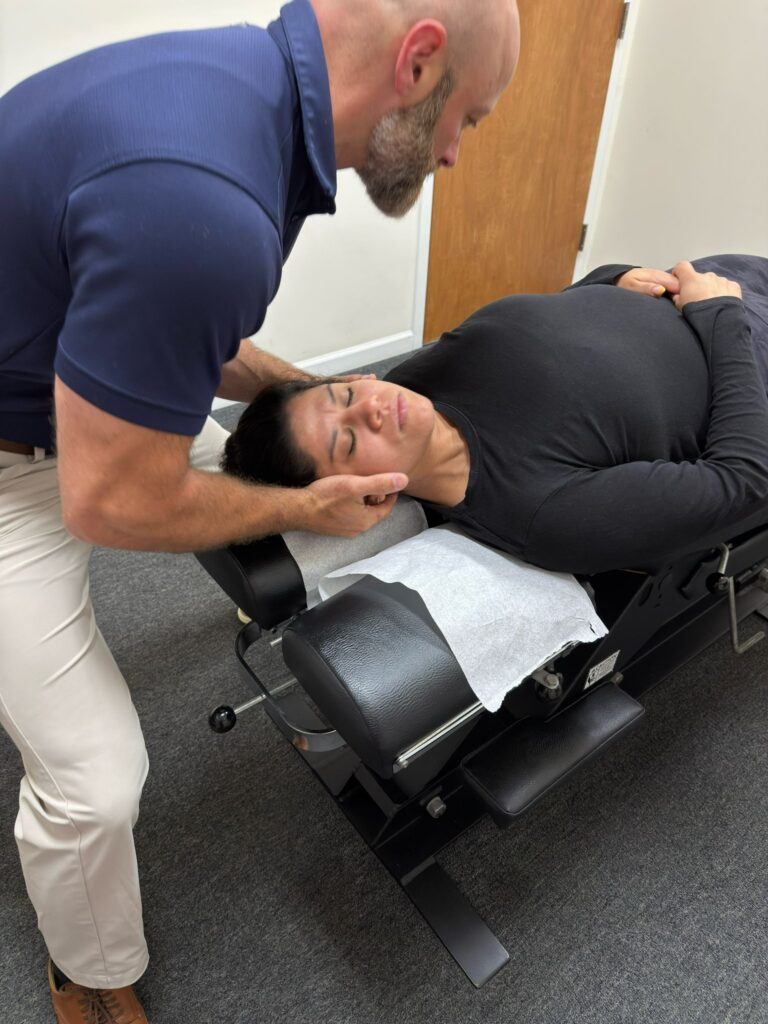

If you’re dealing with migraines, consider exploring natural relief options that prioritize your overall health and well-being. Chiropractic care, in particular, can be a powerful tool in managing migraine symptoms and enhancing your quality of life. By focusing on spinal health and alignment, chiropractic adjustments can help reduce tension and improve nerve function, potentially alleviating migraine pain.
Understanding the common triggers of migraines is essential. Stress, poor posture, and muscle tension can often contribute to the onset of migraines. Regular chiropractic visits can address these issues by ensuring your spine is properly aligned, which may help reduce the frequency and intensity of your headaches.
In addition to chiropractic care, you might find it beneficial to incorporate some simple lifestyle changes. Staying hydrated, maintaining a consistent sleep schedule, and practicing relaxation techniques, such as deep breathing or yoga, can also play a significant role in managing migraines.
If you’re considering natural remedies, it’s important to consult with a qualified chiropractor who can guide you on safe and effective options tailored to your needs. Remember, chiropractic care is not just about relief; it’s about achieving optimal health and wellness through natural methods. Take charge of your health journey, and let chiropractic care be your go-to solution for managing migraines and enhancing your overall well-being.
Key Takeaways
As a local chiropractor, I want to share some valuable insights on how chiropractic care can be a powerful ally in managing migraines and promoting overall wellness.
Chiropractic care focuses on improving spinal alignment, which can significantly reduce tension in your body and alleviate migraine symptoms. By receiving regular chiropractic adjustments, many patients experience a decrease in both the frequency and intensity of their migraine episodes. This natural approach helps your body heal itself and can lead to long-lasting relief.
In addition to chiropractic adjustments, there are natural supplements that can complement your care. Herbal options like feverfew and butterbur have been known to help reduce migraine occurrences and associated nausea. These can be great additions to your wellness routine alongside your chiropractic treatment.
Essential oils, such as peppermint and lavender, can also provide soothing relief. Consider incorporating these into your self-care routine; whether through aromatherapy or topical application, they can enhance the benefits of your chiropractic visits.
Moreover, practicing mindfulness techniques and making lifestyle changes can play a crucial role in managing migraines. Staying well-hydrated, establishing a consistent sleep routine, and incorporating relaxation exercises into your day can significantly improve your overall health and reduce migraine triggers.
Remember, chiropractic care is not just about addressing pain—it’s about achieving optimal health and wellness. By focusing on natural healing methods, you can empower yourself to live a healthier, pain-free life. If you’re struggling with migraines, consider making an appointment to explore how chiropractic care can help you find relief.
Understanding Migraines: What Are They?
Migraines are more than just severe headaches; they’re a complex neurological condition that significantly affects your daily life. When a migraine occurs, it often brings along intense, throbbing pain, typically on one side of your head. This isn’t just a headache. You may also experience symptoms like nausea, and heightened sensitivity to light and sound. Some individuals notice aura symptoms, such as visual disturbances, which can signal that a migraine is on the way.
Understanding what triggers your migraines can help you manage them more effectively. They’re often linked to changes in brain activity and can be influenced by various factors, including stress, diet, and even spinal health. The pain can last anywhere from four to 72 hours, so recognizing early signs is crucial to finding relief quickly.
Chiropractic care can play a vital role in managing migraines. By focusing on spinal health, chiropractors can help improve your overall well-being and potentially reduce the frequency and intensity of migraine attacks. Regular adjustments can alleviate tension in the neck and spine, which may be contributing to your headaches.
Here are some general tips to help you manage migraines naturally:
- Stay Hydrated: Dehydration can trigger migraines, so ensure you’re drinking plenty of water throughout the day.
- Maintain a Regular Sleep Schedule: Consistency in your sleep patterns can help prevent migraines. Aim for 7-9 hours of quality sleep each night.
- Identify and Avoid Triggers: Keep a migraine diary to track what you eat, your stress levels, and other potential triggers. This can help you avoid situations that lead to attacks.
- Incorporate Stress-Relief Techniques: Practices like yoga, meditation, or deep-breathing exercises can help reduce stress, which is a common migraine trigger.
- Consider Chiropractic Adjustments: Regular chiropractic care can help align your spine, reduce tension, and promote better overall health, which may lessen the frequency and severity of migraines.
By understanding your migraines and incorporating these natural approaches, you can take proactive steps toward alleviating their impact on your life and regaining control over your health and wellness.
Common Triggers of Migraines
Migraines can be incredibly challenging to deal with, and many people may not realize that certain factors can trigger these painful episodes. Understanding these triggers is crucial for managing your migraines effectively, and chiropractic care can play an essential role in maintaining your overall health and wellness.
Common triggers of migraines include stress, dietary choices, environmental factors, and lifestyle habits. By identifying what specifically prompts your migraines, you can take proactive steps to avoid them and improve your quality of life.
| Trigger | Description |
|---|---|
| Stress | Emotional or physical stress can lead to tension, which may trigger migraines. Regular chiropractic adjustments can help relieve stress by promoting relaxation and improving spinal alignment. |
| Certain Foods | Foods like aged cheeses, chocolate, and caffeine can trigger migraines for some people. Maintaining a balanced diet and staying hydrated can support your overall well-being. |
| Hormonal Changes | Fluctuations during your menstrual cycle can lead to migraines. Chiropractic care may help regulate your body’s systems, potentially easing hormonal impacts. |
| Weather Changes | High humidity and bright lights can be triggers. Consider creating a comfortable environment at home and using chiropractic techniques to maintain your body’s adaptability. |
| Sleep Issues | Too much or too little sleep can contribute to migraines. Establishing a consistent sleep routine and considering chiropractic care can promote better sleep quality. |
Keeping a migraine diary can be a helpful tool in identifying your specific triggers. Once you pinpoint what might be causing your migraines, you can work on strategies to minimize exposure. Incorporating regular chiropractic care into your routine can support your overall health and provide a natural approach to pain relief, which can lead to fewer headaches and a better quality of life.
Natural Remedies: Overview of Options
When it comes to finding natural migraine relief, chiropractic care should be at the forefront of your mind. As a chiropractor, I believe that a holistic approach to health and wellness is key to managing migraines effectively. Alongside chiropractic adjustments, there are several natural remedies that can enhance your well-being and alleviate symptoms.
1. Chiropractic Adjustments: Regular visits to your chiropractor can help align your spine, improve nervous system function, and reduce tension that may contribute to migraines. By addressing spinal misalignments, you can experience significant relief and a decrease in the frequency of headaches.
2. Dietary Adjustments: What you eat can have a profound impact on your migraines. Consider keeping a food diary to identify potential triggers. Some common culprits include processed foods, caffeine, and artificial sweeteners.
Opt for a balanced diet rich in whole foods, fruits, vegetables, and plenty of water to support overall health.
3. Mindfulness Techniques: Stress is a major contributor to migraines, and practicing mindfulness can help manage it. Techniques such as deep breathing, meditation, or gentle yoga can create a sense of calm and reduce tension in your body.
Incorporating these practices into your daily routine can help you maintain a more relaxed state.
4. Herbal Supplements: While I recommend discussing any supplements with a healthcare professional, certain herbs like butterbur and feverfew have shown promise in reducing migraines for some individuals.
These natural options can be discussed with your chiropractor for tailored advice.
5. General Tips: Establishing a regular sleep schedule, staying hydrated, and managing stress through physical activity can also be beneficial.
Small lifestyle changes can lead to significant improvements in your overall health and reduce migraine occurrences.
In conclusion, chiropractic care is a powerful tool for achieving optimal health and managing migraine symptoms. By incorporating natural remedies and making lifestyle adjustments, you can take control of your well-being and enjoy a more pain-free life.
Always consult with your chiropractor for personalized advice and to develop a comprehensive plan that works best for you.
Herbal Supplements Overview
If you’re looking for natural ways to alleviate migraine symptoms, chiropractic care can be a game-changer for your overall wellness and pain management. Many individuals have found that regular chiropractic adjustments help improve their spinal alignment, which can reduce tension and stress that may trigger migraine attacks.
In addition to chiropractic adjustments, there are also some herbal supplements that some people find beneficial. Common herbs like feverfew and butterbur have been used for centuries and may assist in decreasing the frequency and severity of migraines. Feverfew is known for its potential to help reduce the incidence of migraines, while butterbur has anti-inflammatory properties that might offer additional relief.
Ginger is another natural remedy that can be helpful, especially for those who experience nausea along with their migraines. Incorporating ginger tea or ginger supplements into your routine may help soothe that discomfort.
Remember, it’s always best to consult with a healthcare professional before starting any new supplement, particularly if you’re already receiving chiropractic care. They can guide you on how these natural options may fit into your overall health plan.
In addition to considering herbal remedies, here are some general tips to help manage migraines naturally:
- Stay Hydrated: Dehydration can trigger migraines, so make sure to drink plenty of water throughout the day.
- Regular Exercise: Engaging in regular physical activity can reduce stress and tension, which are often migraine triggers.
- Maintain a Consistent Sleep Schedule: Getting enough quality sleep is crucial for migraine prevention.
- Practice Relaxation Techniques: Activities like yoga, meditation, or deep-breathing exercises can help reduce stress levels.
- Keep a Migraine Diary: Tracking your symptoms, triggers, and responses to different treatments can help you identify patterns and better manage your migraines.
By combining chiropractic care with these natural strategies, you can work towards achieving optimal health and reducing migraine frequency and severity.
Always prioritize your well-being and seek guidance from a trusted chiropractor to explore the best methods for your pain relief and overall wellness.
Dietary Adjustments Benefits
Making dietary adjustments can have a significant impact on your overall health and wellness, especially when it comes to managing migraines. At our chiropractic office, we believe in a holistic approach to health, where nutrition plays a key role alongside spinal care. By identifying and eliminating foods that trigger your migraines, you can experience relief and enhance your quality of life.
A balanced diet that includes nutrients like magnesium and omega-3 fatty acids, along with staying well-hydrated, supports not only your wellness but also your spinal health. Here’s a simple table to help you make healthier choices:
| Trigger Foods | Healthier Alternatives |
|---|---|
| Aged Cheese | Fresh Mozzarella |
| Processed Meats | Lean Chicken |
| Caffeinated Drinks | Herbal Teas |
| Alcohol | Sparkling Water |
Tracking what you eat can help you pinpoint specific food triggers, which is a great step toward managing your migraines. Remember, small changes in your diet can lead to significant improvements in your well-being. Pair these dietary adjustments with regular chiropractic care to ensure your spine is aligned and functioning optimally, allowing your body to heal naturally.
Embrace these changes for a brighter, migraine-free future! Your journey to wellness is supported by both good nutrition and the benefits of chiropractic care, helping you achieve the pain relief and health you deserve.
Mindfulness Techniques Impact
While dietary adjustments are important for managing migraines, incorporating mindfulness techniques can significantly enhance your relief journey. Mindfulness practices, such as meditation and deep breathing, are excellent for reducing stress and tension—the common culprits behind migraines. By focusing on the present moment, you can train your mind to respond more calmly to pain, which is essential for overall wellness.
Regular mindfulness practice can also bolster your emotional resilience, helping you better cope with any anxiety related to migraines. Additionally, techniques like progressive muscle relaxation help release built-up tension in your body, potentially lessening the intensity of your migraines.
As a chiropractor, I encourage you to explore various mindfulness methods to discover what works best for you. By pairing these techniques with chiropractic care, which aims to align your spine and improve your overall health, you create a holistic approach to managing your migraines effectively.
Remember, maintaining a healthy spine is crucial for optimal nerve function and can contribute to reducing migraine frequency and severity.
Incorporate simple practices into your daily routine, such as taking a few minutes each day for deep breathing or gentle stretches. This can help you feel more relaxed and grounded, making a positive impact on your overall well-being.
Embrace the journey towards better health, and remember that chiropractic care can play a vital role in your pain relief and wellness strategy.
The Role of Diet in Migraine Management
Diet plays a crucial role in managing migraines, and understanding how food affects your body can empower you to take control of your health. As a chiropractor, I believe in a holistic approach to wellness that includes mindful eating, which can significantly impact the frequency and intensity of headaches.
You may discover that certain foods trigger your migraines. Common offenders include aged cheeses, processed meats, and items containing high levels of preservatives. Keeping a food diary can be a helpful tool in identifying these specific triggers, allowing you to make informed choices about what you eat.
On the flip side, incorporating foods rich in magnesium, such as spinach, nuts, and whole grains, can provide relief. Staying well-hydrated is also essential; dehydration can easily lead to headaches. Aim for small, regular meals to keep your blood sugar levels steady, which can help prevent migraines from occurring.
It’s wise to limit caffeine and alcohol, as these can contribute to headache development. By being mindful of your diet, you can take proactive steps toward managing your migraines.
Remember, a balanced diet works hand-in-hand with chiropractic care, which focuses on spinal health and overall wellness. Regular chiropractic adjustments can help alleviate tension and improve your body’s function, making it easier to manage migraine symptoms naturally.
Embrace these lifestyle changes, and you can achieve a healthier, more pain-free life!
Essential Oils: Can They Help?
Essential oils have become a popular topic for those seeking natural remedies for various ailments, including migraines. While many people find relief from essential oils, it’s important to remember that chiropractic care is often the best choice for addressing the root causes of pain and discomfort, including headaches.
If you’re curious about which essential oils may help ease migraine symptoms, it’s worth noting that oils like peppermint and lavender are commonly used for their calming and soothing properties. However, while these oils can provide some temporary relief, they shouldn’t replace the benefits of chiropractic adjustments, which focus on aligning the spine and improving overall nervous system function.
When applying essential oils, you can dilute them with a carrier oil and massage them into your temples or the back of your neck. This can enhance relaxation and may offer some symptom relief.
Additionally, practicing good hydration, managing stress through mindfulness or gentle exercise, and maintaining a healthy posture can all contribute to reducing the frequency and intensity of migraines.
Remember, the best way to achieve optimal health and manage pain is through regular chiropractic care. By addressing misalignments in your spine, you can help alleviate tension that may contribute to headaches and migraines.
If you’re experiencing frequent migraines, consider scheduling an appointment with a chiropractor to explore how spinal adjustments can support your overall wellness journey.
Popular Essential Oils
As a chiropractor, I understand the challenges that migraines can present, and I want to share some natural approaches to help ease your discomfort. While chiropractic care is your best option for addressing the root causes of migraine pain through spinal adjustments and holistic health strategies, many people also find relief through aromatherapy.
Among the essential oils that can complement your wellness journey, peppermint oil is particularly notable. Its cooling effect can help enhance circulation and soothe tension in the head and neck area.
Lavender oil is another excellent choice; its calming properties may assist in reducing stress and tension, which are often linked to migraine triggers. Eucalyptus oil can be beneficial as well, as it may help clear the sinuses and provide additional comfort during a migraine episode.
Lastly, rosemary oil is known to promote relaxation and boost mental clarity, which can be useful when you’re trying to manage your symptoms.
Incorporating these oils into your self-care routine can be a great addition to the chiropractic care you receive. However, it’s important to remember that everyone’s experience with migraines is unique. Finding the right combination of techniques that work for you may take some time.
Here are a few general tips to help manage migraines:
- Stay Hydrated: Dehydration can trigger migraines, so make sure to drink plenty of water throughout the day.
- Maintain a Regular Sleep Schedule: Establishing a consistent sleep pattern can help reduce the frequency of migraines.
- Practice Stress-Relief Techniques: Consider incorporating mindfulness, meditation, or gentle yoga into your routine to help manage stress.
- Keep Track of Triggers: Maintaining a diary of your migraines can help you identify patterns and potential triggers, allowing you to avoid them in the future.
By prioritizing chiropractic care and exploring these natural methods, you can take significant steps toward achieving optimal health and wellness.
Application Techniques
Finding the right application techniques for essential oils can complement your overall wellness journey, especially when dealing with migraines. While chiropractic care is the best choice for addressing spinal health and pain relief, incorporating essential oils can be a beneficial addition to your self-care routine.
One effective method is inhalation. Just add a few drops of your chosen oil to a diffuser or inhale directly from the bottle. This allows the soothing scent to reach your senses quickly, promoting relaxation.
Another technique is topical application. Dilute essential oils with a carrier oil, such as coconut or olive oil, and gently massage the mixture onto your temples, wrists, or the back of your neck. This can help alleviate tension and enhance the relaxation that chiropractic care provides.
Consider using a warm compress as well. Mix essential oils with warm water, soak a cloth, and place it on your forehead. This gentle approach can offer soothing relief. Just be sure to test a small area of your skin first to ensure you don’t have any adverse reactions.
Remember, chiropractic care is a natural and effective way to address the root causes of migraines and other pain. By combining these essential oil techniques with regular chiropractic adjustments, you can create a comprehensive self-care plan that supports your journey to optimal health.
Enjoy exploring these methods for relief and take charge of your wellness!
Safety Considerations
When exploring natural options for migraine relief, it’s important to prioritize safety while considering chiropractic care as a holistic approach to health and wellness. While essential oils can offer benefits, chiropractic adjustments can often address the underlying issues contributing to migraines, promoting overall well-being.
If you do decide to explore essential oils as a complementary method, here are some important safety tips to keep in mind:
- Always dilute essential oils before applying them to your skin and perform a patch test to check for any adverse reactions.
- Be aware that some oils may cause allergies or skin irritation, so it’s best to proceed with caution.
- If you are pregnant or nursing, consulting with a healthcare professional is advisable before using any essential oils.
Here’s a quick reference guide to essential oils that are often mentioned for migraine relief, along with safety precautions:
| Essential Oil | Potential Benefits | Safety Precautions |
|---|---|---|
| Lavender | Calming and relaxing | Avoid if allergic |
| Peppermint | Cooling sensation | Dilute properly |
| Eucalyptus | Opens airways | Not recommended for infants |
| Rosemary | Improves circulation | Avoid if pregnant |
| Chamomile | Reduces anxiety | Check for allergies |
While essential oils can be a part of your wellness routine, don’t forget the remarkable benefits chiropractic care can provide. Regular chiropractic adjustments can help alleviate tension, improve circulation, and promote relaxation, which can ultimately contribute to fewer migraines and better overall health.
Incorporate some easy self-care tips into your routine, such as staying hydrated, maintaining good posture, and managing stress through mindfulness or gentle exercise. These practices, combined with chiropractic care, can enhance your quality of life and support your journey to optimal health. Remember, your body has an incredible ability to heal itself, and chiropractic care is a powerful ally in that process!
Acupuncture and Acupressure for Relief
If you’ve been on the lookout for effective ways to manage migraine pain, consider the holistic approach of chiropractic care. While acupuncture and acupressure are popular methods that focus on balancing your body’s energy, chiropractic care specifically targets the spine and nervous system to promote natural healing and overall wellness.
Chiropractors utilize gentle adjustments to realign the spine, which can help relieve tension and enhance the body’s ability to heal itself. This approach not only addresses migraine pain but also helps alleviate related symptoms such as nausea and sensitivity to light.
Many patients find chiropractic adjustments to be not only effective but also a relaxing experience that can enhance their overall quality of life.
To optimize your migraine management, it’s important to consult with a qualified chiropractor who can create a personalized treatment plan tailored to your specific needs. They’ll ensure that you’re comfortable during your visits and provide you with guidance on maintaining spinal health at home.
In addition to chiropractic care, here are some general tips to help manage migraines naturally:
- Stay Hydrated: Dehydration can trigger migraines, so make sure to drink enough water throughout the day.
- Maintain a Regular Sleep Schedule: Consistent sleep patterns can help regulate your body’s functions and reduce migraine frequency.
- Practice Stress-Relief Techniques: Incorporate relaxation methods like deep breathing, yoga, or meditation to help manage stress, a common migraine trigger.
- Keep a Food Diary: Identifying and avoiding specific food triggers can help you minimize the likelihood of a migraine.
By incorporating chiropractic care and these lifestyle adjustments into your routine, you may experience significant improvements in your migraine management and overall health.
Embracing a natural approach to wellness is key to achieving optimal health and well-being.
Herbal Supplements: What to Consider
When considering herbal supplements for migraine relief, it’s important to take a holistic approach to your health and wellness. Common remedies like feverfew and butterbur can be explored, but remember that they shouldn’t replace the foundational benefits of chiropractic care.
Chiropractic adjustments can help alleviate tension and misalignments in your spine that may contribute to headaches and migraines. This natural method promotes optimal nervous system function, which is essential for overall wellness.
If you’re looking into herbal supplements, ensure you pay attention to proper dosages and any safety concerns associated with these herbs. However, it’s crucial to prioritize chiropractic care as your primary means of achieving pain relief and enhancing your health.
Here are some general tips for managing migraines:
- Stay Hydrated: Drink plenty of water throughout the day to help prevent dehydration, which can trigger headaches.
- Manage Stress: Incorporate relaxation techniques such as deep breathing, yoga, or meditation into your routine.
- Regular Exercise: Engage in regular physical activity to boost your overall health and reduce the frequency of migraines.
- Maintain a Healthy Diet: Eating balanced meals can help keep your body nourished and may reduce headache triggers.
- Get Enough Sleep: Aim for consistent sleep patterns, as insufficient rest can exacerbate migraine symptoms.
Common Herbal Remedies
When looking for natural solutions to manage migraines, many people consider herbal remedies, but it’s important to remember that chiropractic care can play a vital role in your overall wellness and pain relief.
While herbal options like feverfew and butterbur may help some individuals, they shouldn’t replace the benefits of regular chiropractic adjustments. Chiropractic care focuses on aligning the spine and improving nervous system function, which can lead to significant reductions in headache frequency and intensity.
In addition to chiropractic adjustments, you might find relief through lifestyle changes and natural remedies. For instance, ginger is known for its anti-inflammatory properties and can help ease nausea that often accompanies migraines.
Peppermint, usually found in essential oil form, can provide a soothing sensation and relieve tension when applied to the temples.
Another option worth considering is ginkgo biloba, which may enhance blood flow, but remember that the foundation of a migraine-free life often lies in maintaining a healthy spine. Regular chiropractic care not only helps with pain relief but also promotes overall well-being.
It’s essential to listen to your body and find what works best for you. Incorporating stress management techniques, staying hydrated, and maintaining a balanced diet can also contribute to reducing migraine triggers.
Always consult with a healthcare professional, like a chiropractor, who can help you tailor a holistic approach to your specific health needs. Embracing chiropractic care as part of your wellness journey can lead to lasting relief and a healthier lifestyle.
Dosage and Safety Considerations
Understanding dosage and safety considerations is essential when exploring herbal supplements for migraine relief, but it’s important to highlight that chiropractic care is one of the best and most effective approaches for managing migraines naturally. Each herbal supplement comes with its recommended dosage, and exceeding it can lead to unwanted effects. If you’re considering herbal remedies, start with the lowest effective dose to see how your body reacts.
However, I encourage you to consult with a chiropractor instead of relying solely on supplements, especially if you’re on other medication. Chiropractic adjustments can help alleviate tension and improve spinal alignment, which may reduce the frequency and intensity of migraines.
Always choose high-quality supplements if you decide to go that route, as not all products are created equal. Look for brands that are transparent about their ingredients. Be mindful of possible side effects, such as digestive issues or allergic reactions, and remember that pregnant or breastfeeding individuals should prioritize safety and consult a healthcare provider before trying new remedies.
In addition to considering herbal options, maintaining a healthy lifestyle can significantly impact your overall wellness. Regular chiropractic care can support your body’s natural healing process and help you achieve optimal health.
Make sure to stay hydrated, eat a balanced diet, and engage in regular physical activity. These lifestyle choices, combined with chiropractic adjustments, can empower you to manage migraines effectively and promote your overall well-being.
Lifestyle Changes to Reduce Frequency
Making simple lifestyle changes can significantly reduce the frequency of migraines, allowing you to enjoy life to the fullest. As a chiropractor, I believe in the power of natural healing and wellness, and these tips can help support your overall health.
First, maintaining a consistent sleep schedule is crucial. Aim for 7-9 hours of restful sleep each night, as irregular sleep patterns can trigger migraine attacks. Quality sleep supports your body’s healing processes and can help keep pain at bay.
Hydration is another essential factor. Drinking plenty of water throughout the day helps prevent dehydration, which is a common migraine trigger. Staying well-hydrated is an easy way to support your body’s natural functions.
Next, let’s talk about your diet. Pay attention to what you eat and try to identify any food triggers that may be contributing to your migraines. Common culprits include aged cheeses, alcohol, and processed foods. Instead, focus on nourishing your body with regular, balanced meals that help stabilize your blood sugar levels. This is crucial for maintaining energy and reducing the likelihood of migraine episodes.
Incorporating regular exercise into your routine can also have a positive impact. Aim for at least 30 minutes of moderate activity most days, but remember to listen to your body. Overexertion can lead to tension and discomfort, which might trigger a migraine. Gentle activities like walking, yoga, or swimming can be especially beneficial.
Additionally, it’s wise to limit caffeine intake and manage your screen time. Too much screen exposure can lead to eye strain, which may contribute to headaches. Taking regular breaks from screens and practicing good posture can help alleviate tension in your neck and spine.
By making these lifestyle adjustments and considering chiropractic care, you can take proactive steps towards reducing migraine frequency and enhancing your overall well-being. Chiropractic care focuses on optimizing spinal health, which plays a vital role in your body’s ability to function properly.
Regular chiropractic adjustments can support your nervous system and promote natural healing, helping you lead a more enjoyable and pain-free life.
Mindfulness and Stress Management Techniques
To effectively manage migraines, incorporating mindfulness and stress management techniques into your daily routine can be incredibly beneficial, especially when coupled with chiropractic care. Chiropractic adjustments can help alleviate tension in your spine and improve your overall nervous system function, which can play a crucial role in reducing migraine frequency and intensity.
Mindfulness practices such as meditation and deep breathing exercises can help you stay present and manage anxiety, which is often a trigger for migraines. Just a few minutes of these practices each day can significantly impact how you perceive and respond to pain, enhancing the benefits of your chiropractic treatments.
You might also consider activities like yoga or tai chi, which combine gentle movement with mindful breathing. These practices not only promote relaxation but also help reduce tension in your body. Regular chiropractic care can complement these activities by ensuring your spine is properly aligned, allowing for better movement and reduced stress in your muscles.
Another effective technique is journaling, where you reflect on your daily experiences and stressors. By identifying triggers, you can develop strategies to manage them better. Additionally, make time for hobbies or activities that bring you joy; these can serve as excellent outlets for stress relief and enhance your overall well-being.
When to Seek Professional Help
When should you think about reaching out for professional help with your migraines? If your headaches are becoming more frequent or intense, it’s a good idea to consult a healthcare provider—preferably a chiropractor who specializes in natural healing methods.
Migraines that interfere with your everyday activities or don’t respond to over-the-counter treatments shouldn’t be ignored. If you notice any new symptoms like visual disturbances, confusion, or weakness, it’s crucial to seek immediate medical help, as these could signal a more serious concern.
It’s also important to pay attention to how often you’re relying on pain medication. If you find yourself reaching for pain relievers too frequently, discussing this with a chiropractor can help. They can recommend natural, effective treatments tailored to your needs, focusing on spinal health and overall wellness.
Additionally, if your migraines happen more than once a month, exploring preventive options with a chiropractor could be beneficial. Chiropractic care can enhance your body’s natural ability to heal, potentially reducing the frequency and intensity of migraines.
Remember, you don’t have to endure migraines in silence. By seeking guidance and exploring chiropractic care, you can improve your migraine management and overall quality of life.
Here are some tips you can incorporate into your routine to help manage migraines naturally:
- Stay Hydrated: Dehydration can trigger migraines, so make sure to drink plenty of water throughout the day.
- Maintain a Regular Sleep Schedule: Try to go to bed and wake up at the same time every day to regulate your body’s internal clock.
- Manage Stress: Practice relaxation techniques such as yoga, meditation, or deep-breathing exercises to help reduce stress, a common migraine trigger.
- Keep a Migraine Diary: Track your headaches to identify potential triggers and patterns, which can be helpful when discussing your condition with a chiropractor.
- Consider Dietary Changes: Some foods can trigger migraines. Pay attention to your diet and make changes as needed to avoid these triggers.
Don’t hesitate to reach out for help—embracing chiropractic care can lead to better management of your migraines and a healthier, happier life.
Conclusion
Incorporating natural migraine relief strategies, especially through chiropractic care, can significantly enhance your quality of life. By understanding your triggers and making lifestyle changes, you can take control of your migraines and promote overall wellness. Chiropractic adjustments can help alleviate tension and misalignments in the spine, which are often contributors to migraine pain.
Additionally, exploring herbal supplements and maintaining a nutritious diet can support your healing journey. Don’t underestimate the power of mindfulness and stress management techniques, such as deep breathing and meditation, in reducing the frequency and intensity of migraines.
If you find that your migraines persist, it’s important to consult with a chiropractor who can develop a personalized care plan tailored to your unique needs. Remember, with the right approach, you can experience relief and improve your overall health—naturally! Embrace these strategies and take proactive steps towards a healthier lifestyle.