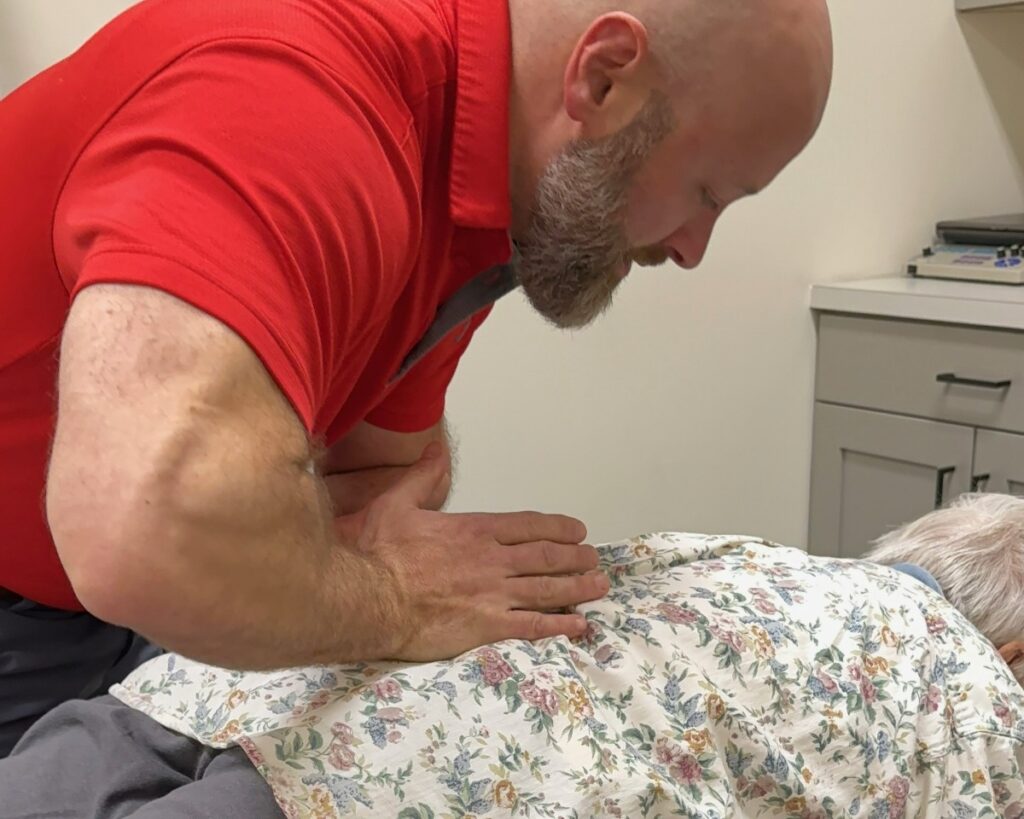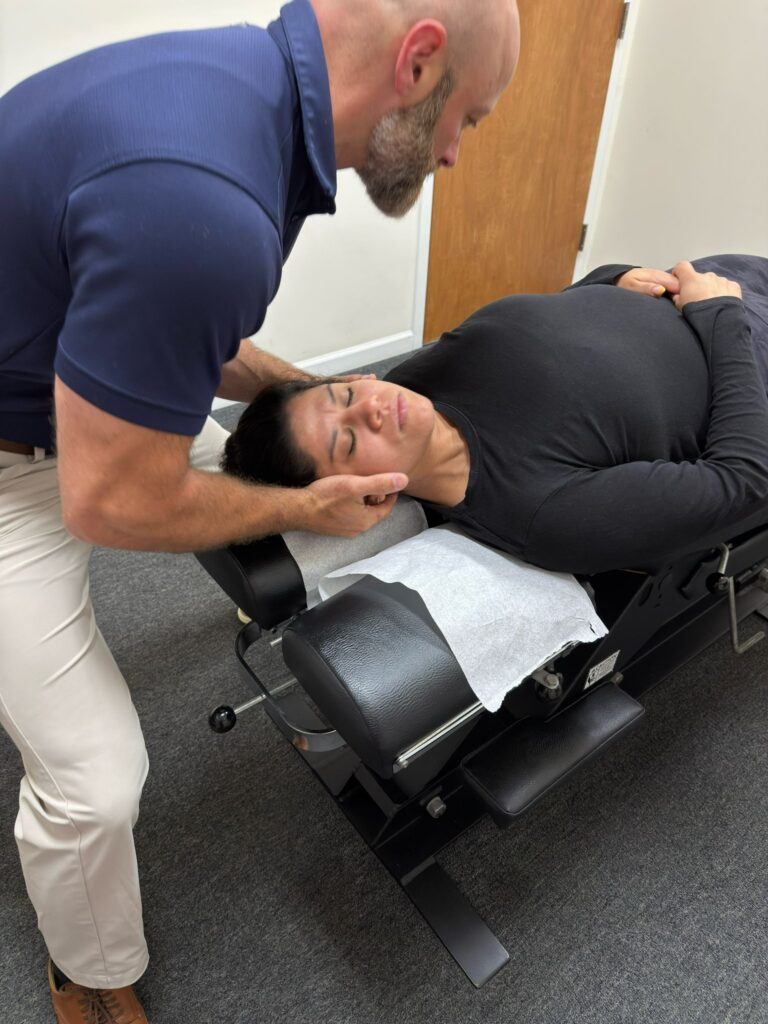

If you’re dealing with low back pain, it’s essential to consider natural remedies that can provide relief while supporting your overall health. As a chiropractor, I believe that exploring these options can complement the benefits of chiropractic care and help ease your discomfort effectively.
Chiropractic adjustments are a powerful way to address the root cause of low back pain by aligning your spine and improving your body’s function. However, there are also several natural strategies you can incorporate into your routine to enhance your wellness journey.
- Gentle Exercises: Engaging in specific stretches and low-impact exercises can strengthen your back and improve flexibility. Activities such as yoga or walking are excellent choices to keep your spine healthy without putting additional strain on it.
- Hot and Cold Therapy: Applying heat can relax tight muscles, while cold packs can reduce inflammation. Alternating between the two can provide soothing relief for your back pain.
- Herbal Remedies: Certain herbs, like turmeric and ginger, have anti-inflammatory properties and can be beneficial in managing pain. Incorporating these into your diet can support your healing process naturally.
- Posture Awareness: Maintaining good posture whether you’re sitting, standing, or lifting can prevent unnecessary strain on your back. Being mindful of your body mechanics can make a significant difference in your pain levels.
- Stay Hydrated: Drinking plenty of water supports spinal health by keeping your discs hydrated and functioning properly. Dehydration can lead to discomfort, so make it a habit to drink water throughout the day.
- Stress Management: Stress can manifest physically, leading to tension in your back. Techniques such as deep breathing, meditation, or gentle stretching can help you manage stress levels and promote relaxation.
Before trying any new remedies, it’s always a good idea to consult with your chiropractor. They can provide personalized advice based on your specific condition and help you find the best approach to achieve optimal health. Remember, chiropractic care is not just about treating pain; it’s about enhancing your overall well-being and helping your body heal naturally. Let’s work together to discover the best path to a pain-free life!
Key Takeaways
As a local chiropractor, I want to share some natural remedies for low back pain relief that can help you achieve optimal health and wellness without the need for medications or surgeries. Here are some simple and effective tips to get you started on your journey to a pain-free back:
- Gentle Exercise: Incorporating regular gentle exercises like walking, yoga, and stretching into your routine can work wonders for alleviating discomfort and maintaining spinal health. These activities help to strengthen your back muscles, improve flexibility, and promote better posture.
- Chiropractic Care: One of the best ways to address low back pain is through chiropractic care. By receiving spinal adjustments, you can improve your alignment, enhance your body’s natural healing abilities, and experience relief without relying on medications. Regular visits to your chiropractor can help keep your spine healthy and functioning optimally.
- Mindfulness Techniques: Practicing mindfulness techniques such as deep breathing and guided meditation can significantly reduce stress and muscle tension. A calm mind can lead to a more relaxed body, which is essential for managing pain effectively.
- Proper Posture: Adopting proper posture and ergonomic practices throughout your daily activities is crucial in preventing unnecessary back strain. Be mindful of how you sit, stand, and lift objects. Good posture can make a big difference in how your back feels.
- Healthy Diet and Natural Remedies: Supporting your body with a healthy diet rich in nutrients can aid in overall pain management and healing. Consider incorporating herbal remedies and essential oils known for their soothing properties. These natural options can complement your chiropractic care and enhance your well-being.
Remember, your journey to relief starts with small, consistent changes. By focusing on these natural remedies and prioritizing chiropractic care, you can pave the way for a healthier, happier life free from low back pain. If you’re looking for personalized guidance, don’t hesitate to reach out to your local chiropractor for support!
Understanding Low Back Pain
When you experience low back pain, it can feel overwhelming and confusing. Understanding the underlying causes of your pain is essential for finding relief and getting back to your daily activities. Low back pain often arises from various factors such as muscle strain, poor posture, and even stress. It can also stem from injuries or a sedentary lifestyle, which can weaken your core muscles.
As a chiropractor, I want to help you understand your pain and empower you to make informed choices about your health. By identifying the movements or positions that worsen your discomfort, you can avoid aggravating activities and create a plan for relief. For instance, maintaining good posture while sitting and standing can significantly reduce strain on your back.
It’s also important to recognize the difference between acute and chronic pain. Acute pain usually resolves within a few weeks, while chronic pain may need a more comprehensive approach. Chiropractic care is an effective option for both types of pain, as it focuses on restoring proper alignment and function to your spine, leading to natural healing and pain relief.
Incorporating regular exercise, stretching, and proper body mechanics into your routine can also help strengthen your back and prevent future issues. Simple activities like walking or gentle yoga can be beneficial. Remember, your body is designed to move, and staying active is key to maintaining a healthy spine.
Herbal Remedies for Pain Relief
As a local chiropractor, I believe in the power of natural healing and holistic approaches to managing low back pain. While exploring herbal remedies can be a beneficial part of your wellness journey, chiropractic care stands out as one of the most effective methods for achieving long-term relief and optimal health.
Herbs such as turmeric and ginger are commonly discussed for their anti-inflammatory properties. Turmeric, with its active ingredient curcumin, can be a great addition to your diet—add it to your meals or consider taking it as a supplement. Ginger is another wonderful option; it not only helps reduce inflammation but can also be enjoyed as a soothing tea or in your favorite recipes.
Willow bark, sometimes called “nature’s aspirin,” has been known to help ease pain. You can find it in teas or capsules, but remember, it’s always best to consult with a healthcare professional before trying new remedies, especially if you’re already under care or have specific health concerns.
One herb that has shown promise is devil’s claw, which may help reduce pain and improve mobility. However, I must emphasize that while these herbal remedies can support your pain relief efforts, they’re most effective when combined with chiropractic care.
Chiropractic adjustments help to align your spine, improve joint function, and enhance your overall well-being. This hands-on approach can’t only relieve pain but also address the root causes of discomfort, promoting healing and preventing future issues.
Incorporating healthy lifestyle choices, such as regular exercise and proper nutrition, is also crucial for managing pain. Simple activities like stretching, walking, and maintaining a balanced diet can significantly contribute to your recovery and overall health.
The Power of Essential Oils
When it comes to managing pain, especially in the lower back, many people seek natural remedies for relief. While chiropractic care is an excellent choice to address the root causes of pain through spinal alignment and overall wellness, essential oils can also provide additional support in your healing journey. These concentrated plant extracts can help enhance relaxation and alleviate discomfort. Here are a few essential oils that may complement your chiropractic treatments:
- Lavender Oil: Renowned for its soothing properties, lavender can help ease muscle tension and promote a restful night’s sleep, which is vital for recovery.
- Peppermint Oil: The refreshing cooling sensation of peppermint can be beneficial for sore muscles and may aid in improving blood circulation, further enhancing the effects of your chiropractic adjustments.
- Eucalyptus Oil: This oil is known for its anti-inflammatory properties, helping to relieve pain and reduce swelling in the lower back, making it a great addition to your self-care routine.
- Ginger Oil: With its warming effects, ginger oil can help alleviate stiffness and promote mobility, which is essential for maintaining an active lifestyle.
To incorporate these oils into your routine, simply mix a few drops with a carrier oil, such as coconut or jojoba oil, and gently massage them into your lower back. This practice can enhance your overall sense of well-being and provide a soothing experience after a chiropractic session.
Remember, while essential oils can be a helpful addition to your pain relief arsenal, they aren’t a substitute for professional chiropractic care. Regular visits to your chiropractor can address spinal issues, improve alignment, and support your body’s natural healing processes.
Together, chiropractic adjustments and the use of essential oils can create a powerful approach to achieving optimal health and wellness.
Gentle Exercises and Stretching
Gentle exercises and stretching play a crucial role in enhancing your flexibility and strengthening your lower back, key components of overall spinal health. By incorporating specific movements into your daily routine, you can’t only alleviate discomfort but also help prevent future issues. As a local chiropractor, I want to emphasize the value of these natural approaches in promoting wellness.
Let’s take a look at some safe stretching techniques that can truly make a difference in your life. Remember, the goal is to listen to your body and progress gradually.
- Cat-Cow Stretch: This gentle movement helps to mobilize your spine and relieve tension in your back. Start on your hands and knees, arch your back while inhaling (cat), and then dip your back while exhaling (cow). Repeat slowly for a few minutes.
- Child’s Pose: A restorative position that stretches the lower back and hips. Kneel on the floor, sit back on your heels, and stretch your arms forward on the ground while lowering your torso. Hold for 30 seconds, focusing on deep breathing.
- Hamstring Stretch: Tight hamstrings can contribute to lower back pain. Sit on the ground with one leg extended and the other bent. Reach toward your toes on the extended leg while keeping your back straight. Hold for 15-30 seconds and switch legs.
- Pelvic Tilts: This exercise strengthens your core and supports your lower back. Lie on your back with your knees bent. Gently tilt your pelvis upward while flattening your lower back against the floor, then relax. Repeat several times.
Incorporating these stretches into your daily routine can significantly enhance your spinal health and overall well-being.
Additionally, regular chiropractic care can help keep your spine aligned, reduce pain, and improve your body’s natural healing capabilities. Remember, taking care of your spine is essential for a healthier, pain-free life. Always consult with your chiropractor for personalized advice tailored to your specific needs. Together, we can work towards achieving your optimal health!
Importance of Flexibility
Flexibility is essential for alleviating low back pain, and incorporating gentle exercises and stretches into your daily routine can lead to significant improvements in your well-being. By enhancing your flexibility, you not only boost your range of motion but also reduce tension and lower your risk of injuries.
At our chiropractic clinic, we believe in the power of natural healing, and we encourage you to explore these gentle exercises and stretches to help support your spinal health:
- Cat-Cow Stretch: This dynamic stretch warms up your spine and helps relieve tension in your back. It’s a great way to start your day or unwind after sitting for long periods.
- Knee-to-Chest Stretch: This stretch releases tightness in your lower back and promotes flexibility in your hips. It’s an excellent way to soothe discomfort after a long day.
- Child’s Pose: This restorative position stretches your back and encourages deep relaxation. It’s perfect for reducing stress and tension.
- Seated Forward Bend: By lengthening your spine and stretching your hamstrings, this pose can provide relief to your lower back and is a simple way to incorporate stretching into your day.
Incorporating these stretches into your routine can be a simple yet effective way to find relief from discomfort. Remember, regular chiropractic care can further enhance your flexibility and overall spinal health, helping you achieve optimal wellness without the need for medications or surgeries.
Prioritize your health naturally, and embrace the journey toward a more flexible and pain-free life!
Targeted Strengthening Moves
To effectively combat low back pain, incorporating targeted strengthening moves into your routine can play a crucial role in your recovery and overall wellness. Focusing on exercises that engage your core, glutes, and lower back not only helps build strength but also supports your spine – a fundamental aspect of chiropractic care. Simple exercises like pelvic tilts, bridges, and modified planks can enhance your stability and provide the support your back needs. As you strengthen these areas, you’ll alleviate strain on your lower back and improve your posture, which is essential for long-term health.
I recommend aiming for two to three sessions a week, gradually increasing the intensity as you become more comfortable. Always listen to your body; if something feels painful, it’s important to stop and reassess. Consistency is key, so try to make these exercises a regular part of your routine.
Remember, chiropractic care is here to support you on your journey towards optimal health. With time and dedication, you’ll notice improvements in strength and a reduction in discomfort, allowing you to enjoy a more active, pain-free life.
Incorporating these strengthening moves, along with regular chiropractic adjustments, can help you achieve a balanced and healthier lifestyle.
Safe Stretching Techniques
Strengthening your core and lower back is essential for maintaining a healthy spine and enhancing your overall wellness.
Incorporating safe stretching techniques into your routine can alleviate tension, improve flexibility, and support your chiropractic care journey.
Here are four effective stretches that can promote better back health:
- Knee-to-Chest Stretch: Lie on your back and gently pull one knee toward your chest. Hold this position for 20-30 seconds to release tension in your lower back. Then, switch legs. This stretch helps to relax your spine and improve flexibility.
- Seated Forward Bend: Sit with your legs extended in front of you. Reach for your toes while keeping your back straight, and hold for 20-30 seconds. This stretch not only enhances flexibility but also helps elongate your spine, complementing your chiropractic adjustments.
- Cat-Cow Stretch: Position yourself on all fours, and alternate between arching your back (like a cat) and dipping it down (like a cow). Do this for 30 seconds. This dynamic movement can help improve spinal mobility and relieve tension in your back.
- Child’s Pose: Kneel on the floor, sit back on your heels, and stretch your arms forward on the ground while relaxing your forehead down. Hold this position for 30 seconds. This restorative stretch is excellent for calming your mind and relieving lower back discomfort.
Incorporating these stretches into your daily routine can significantly enhance your spinal health and overall wellness.
Mindfulness and Relaxation Techniques
When you’re experiencing low back pain, incorporating mindfulness and relaxation techniques can be a powerful complement to chiropractic care. One effective method is practicing breathing exercises, which can help release tension in your body and promote relaxation. These exercises can be easily integrated into your daily routine, allowing you to manage discomfort more effectively.
In addition, guided meditation can help refocus your mind away from the pain, creating a soothing mental space. While these techniques can be very beneficial, remember that chiropractic care is a natural approach that addresses the root cause of your discomfort. By visiting a chiropractor, you can receive personalized adjustments that align your spine and enhance your overall well-being.
To support your journey to pain relief and wellness, here are a few simple tips you can incorporate into your daily life:
- Set aside a few minutes each day for deep breathing exercises to help reduce stress.
- Consider starting a short guided meditation practice to help calm your mind.
- Maintain good posture throughout the day to avoid unnecessary strain on your back.
- Stay active with gentle exercises that promote spinal health, such as walking or stretching.
Breathing Exercises Benefits
Breathing exercises are a fantastic, straightforward technique to enhance mindfulness and relaxation, especially if you’re experiencing low back pain. By concentrating on your breath, you can significantly reduce tension and foster a sense of calm.
As a chiropractor, I want to share some key benefits of these exercises and how they can complement your chiropractic care:
- Increased oxygen flow: Deep breathing helps deliver more oxygen to your muscles, which can promote healing and alleviate pain. This is particularly beneficial for your back, as it helps support recovery.
- Stress reduction: Practicing controlled breathing can lower cortisol levels in your body, which in turn eases anxiety and tension. Less stress means a more relaxed body, making it easier for chiropractic adjustments to take effect.
- Improved posture: Mindful breathing encourages better alignment and support for your spine. Good posture is crucial for spinal health and can help prevent further discomfort.
- Enhanced awareness: By focusing on your breath, you can connect more deeply with your body. This heightened awareness makes it easier to identify sources of pain and discuss them with your chiropractor for targeted care.
To incorporate these breathing exercises into your daily routine, try setting aside a few minutes each day to practice. Find a quiet space, sit or lie down comfortably, and take slow, deep breaths. Inhale deeply through your nose, allowing your abdomen to rise, and then exhale gently through your mouth.
Remember, these exercises work hand-in-hand with chiropractic care. By combining them with regular adjustments and spinal education, you can achieve optimal health and wellness.
Always consult your chiropractor for personalized advice on how to integrate these practices into your life for effective low back pain relief.
Guided Meditation Practices
Incorporating guided meditation practices into your daily routine can significantly enhance the benefits of your chiropractic care and breathing exercises. These meditation sessions provide a wonderful opportunity to focus your mind, promote relaxation, and reduce tension in your lower back, which is essential for achieving optimal spinal health.
As you find a comfortable position, close your eyes, and listen to the calming voice guiding you through visualizations and mindfulness techniques. This practice not only helps you cultivate a sense of calm but also allows you to become more aware of your body, identifying areas of tightness or discomfort. By tuning in to your physical sensations, you can better understand how to manage your low back pain naturally.
Aim for just a few minutes of guided meditation each day. This simple yet effective practice can lead to improved overall well-being and complement the chiropractic adjustments you receive. Together, they can enhance your body’s natural healing abilities, helping you to live a healthier, pain-free life.
Dietary Changes for Inflammation
A balanced diet can significantly help reduce inflammation, which is often a primary contributor to low back pain. As a chiropractor dedicated to promoting natural healing and overall well-being, I believe that making a few simple dietary changes can alleviate discomfort and enhance your quality of life.
Here are four key adjustments you can easily incorporate into your daily routine:
- Increase Omega-3 Fatty Acids: Adding foods rich in omega-3s, like fatty fish such as salmon and walnuts, can be beneficial. These foods help lower inflammation levels, which can ease pain and support spinal health.
- Choose Whole Grains: Opt for whole grains like brown rice, quinoa, and whole wheat products instead of refined grains. This choice helps maintain stable blood sugar levels, reducing inflammatory responses that may contribute to discomfort.
- Add Colorful Fruits and Vegetables: Fill your meals with a variety of colorful fruits and vegetables, such as berries, leafy greens, and peppers. These are packed with antioxidants that fight inflammation and support your body’s natural healing processes.
- Limit Processed Foods: Try to reduce your intake of sugary snacks and fast food. These processed options can worsen inflammation and lead to more pain. Instead, focus on whole, natural foods that nourish your body.
Remember, while a healthy diet is a powerful tool in your wellness journey, regular chiropractic care complements these dietary changes. By addressing spinal alignment and function, chiropractic adjustments can enhance your body’s ability to heal naturally and reduce pain.
Together, these approaches can lead to a more vibrant, pain-free life.
Posture and Ergonomics
While dietary changes can play a role in reducing inflammation and pain, it’s essential to recognize the significant impact that proper posture and ergonomics have on your spinal health and overall well-being. As a local chiropractor, I want to emphasize that maintaining good body alignment is key to preventing low back discomfort.
When you’re sitting, standing, or moving, think about how your body is aligned. Keep your shoulders back, maintain a straight back, and ensure your feet are flat on the ground when you’re seated. Choosing a chair that provides support for your lower back is crucial. Additionally, adjusting your workstation so that your screen is at eye level can help minimize strain on your neck and spine.
If you find yourself at a desk for long periods, it’s important to take regular breaks. Stand up, stretch, and change your position to keep your body flexible and reduce tension. When lifting objects, always remember to bend at your knees and keep your back straight—this simple technique can help prevent unnecessary strain and injury.
Being mindful of your posture not only helps alleviate existing discomfort but also plays a vital role in preventing future issues. By incorporating these ergonomic adjustments into your daily routine, you can experience significant improvements in your comfort and overall health. Chiropractic care is an excellent choice for maintaining spinal health and promoting natural healing, and by prioritizing your posture, you can enhance the benefits of your chiropractic treatments. Remember, a healthier lifestyle starts with small changes—let’s work together towards your optimal well-being!
Seeking Professional Guidance
If you’re dealing with persistent low back pain, reaching out for professional guidance is a vital step toward finding relief. As a chiropractor, I believe that chiropractic care is one of the most effective ways to address pain naturally and promote overall wellness.
Here are four key benefits of consulting with a chiropractic expert:
- Accurate Diagnosis: Chiropractors specialize in understanding the spine and its relationship to your overall health. We can identify the underlying causes of your pain and provide targeted treatments that focus on restoring proper alignment and function.
- Customized Treatment Plans: Each person is unique, and so is their pain. A chiropractor will develop a personalized treatment plan that may include spinal adjustments, therapeutic exercises, and lifestyle recommendations to help you regain strength and mobility.
- Education on Prevention: One of the best parts of chiropractic care is that we teach you how to take care of your body. You’ll learn proper posture, lifting techniques, and exercises to strengthen your back, all aimed at preventing future injuries and enhancing your daily activities.
- Support and Accountability: As your partner in health, I’ll provide ongoing support throughout your recovery journey. Regular check-ins and adjustments help keep you motivated and on track toward optimal wellness.
Remember, taking that first step to seek help can significantly improve your quality of life. Embrace chiropractic care as a natural and effective approach to achieving lasting pain relief and enhanced well-being.
You deserve to live a life free from discomfort!
Conclusion
Incorporating natural remedies into your daily routine is a fantastic way to alleviate low back pain, and chiropractic care is one of the best options available for achieving optimal health. By focusing on spinal health, we can promote healing and wellness while managing discomfort effectively.
Herbal remedies and essential oils can complement the adjustments you receive from your chiropractor, helping to reduce inflammation and provide relief. Gentle exercises tailored to your needs can strengthen your back and core, further supporting your spine. Additionally, making mindful dietary choices can contribute to overall wellness and reduce pain.
Don’t underestimate the power of good posture! Maintaining proper alignment not only helps with pain relief but also plays a crucial role in preventing future issues. As a chiropractor, I always emphasize the importance of spinal health and how it connects to your overall well-being.
It’s essential to seek professional guidance, such as visiting your chiropractor, who can provide personalized care and advice tailored to your specific situation. Remember, always consult a healthcare professional before starting any new treatment, but know that chiropractic care is a safe and effective choice for managing low back pain.
With the right approach—like regular chiropractic adjustments, a focus on posture, and incorporating natural remedies—you can find relief and enhance your overall health. Take charge of your wellness journey today!