If you’re experiencing low back pain, consider exploring natural remedies that can provide relief and support your overall health. As a chiropractor, I believe that gentle stretching and strengthening exercises are essential tools in managing discomfort. These simple movements can enhance flexibility and build strength, helping to alleviate pain and prevent future issues.
In addition to exercise, incorporating herbal remedies and mindful practices, such as yoga and meditation, can further aid in easing discomfort. These practices not only promote relaxation but also improve your body’s alignment and function.
The best part about managing low back pain naturally is that it empowers you to take charge of your health. Here are some effective strategies you can implement:
- Gentle Stretching: Regularly practice stretches that focus on your lower back, hips, and hamstrings. This can help reduce tension and improve mobility.
- Strengthening Exercises: Focus on core-strengthening exercises, such as planks and bridges, to support your spine and reduce strain on your back.
- Maintain Good Posture: Whether sitting or standing, ensure that your posture is aligned. This can significantly reduce strain on your back.
- Stay Active: Engage in low-impact activities like walking or swimming, which can keep your body moving without putting excessive pressure on your spine.
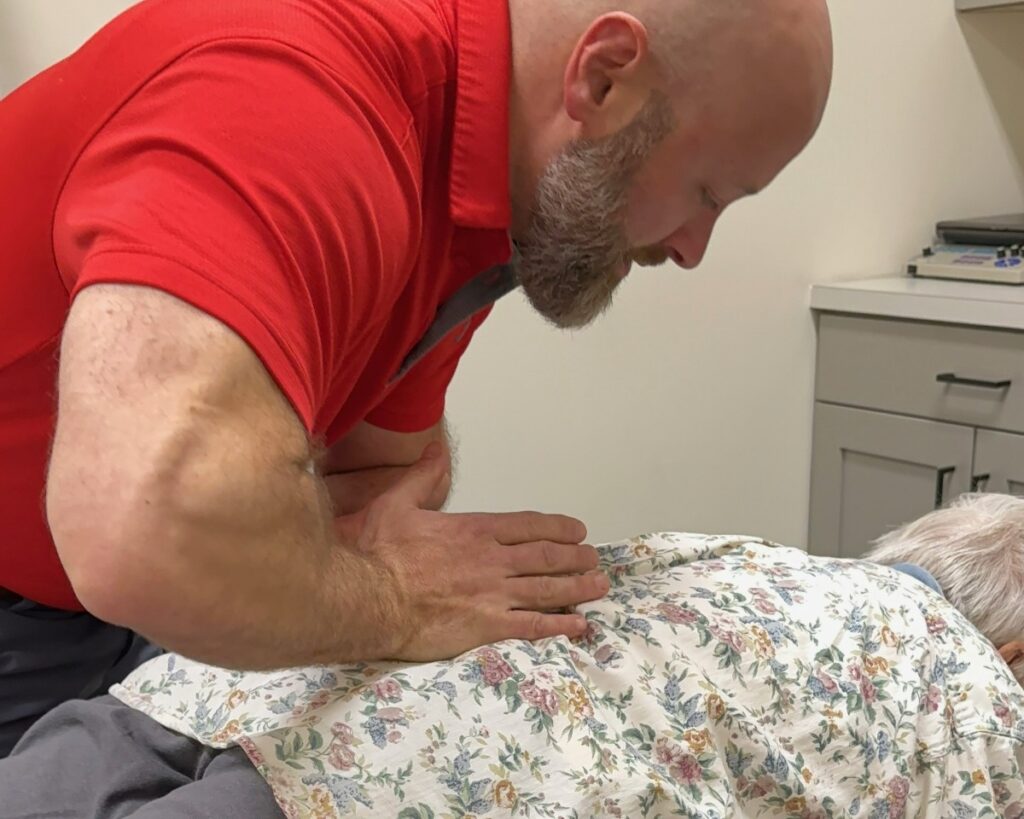
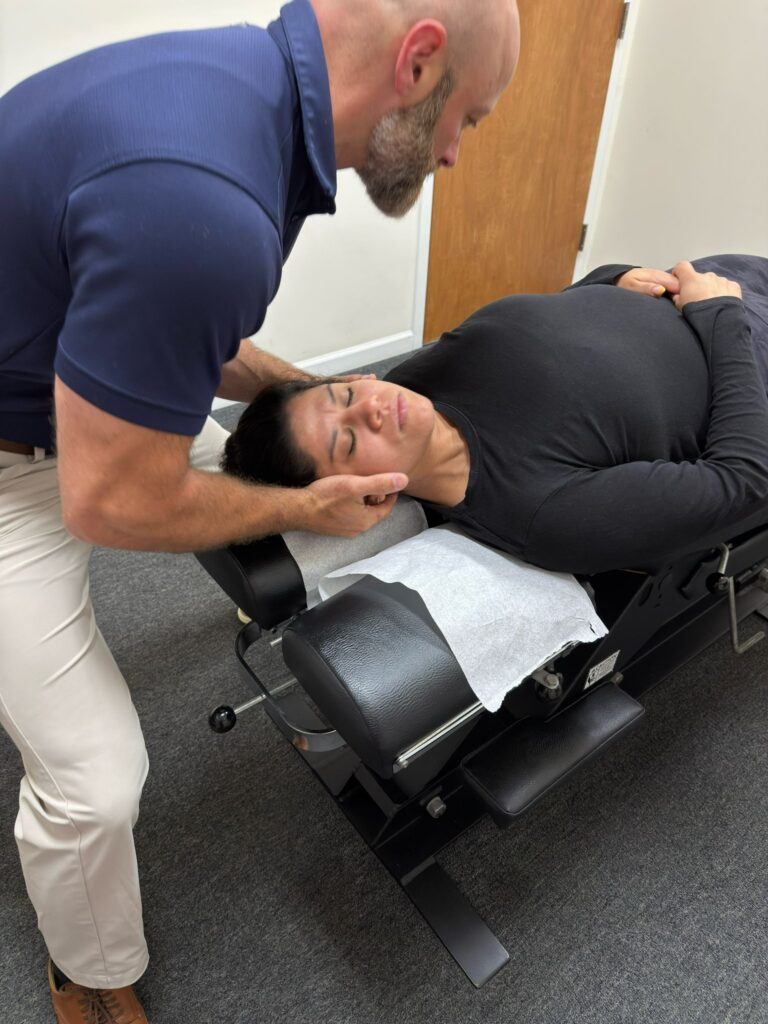
- Seek Chiropractic Care: Regular chiropractic adjustments can help realign your spine, relieve pain, and enhance your overall well-being. A chiropractor can provide personalized care and guidance tailored to your specific needs.
- Mindfulness Practices: Incorporate techniques such as deep breathing or meditation into your daily routine to help manage stress and promote relaxation.
By focusing on these natural approaches, you can take significant strides toward relieving your low back pain and enhancing your overall wellness. Remember, chiropractic care is a powerful tool in achieving optimal health and maintaining a pain-free lifestyle. Always consult with your chiropractor to find the best strategies for your individual situation.
Key Takeaways
As a local chiropractor dedicated to your health and wellness, I want to share some effective natural remedies for relieving low back pain that highlight the benefits of chiropractic care.
- Daily Stretching: Engaging in simple stretching exercises each day can significantly improve your flexibility and help reduce muscle tension in your lower back. These gentle movements keep your body limber and can support your chiropractic treatments.
- Core Strengthening: Incorporating core-strengthening exercises, such as planks and bridges, is essential for supporting your spine. A strong core stabilizes your back and enhances the effectiveness of your chiropractic adjustments.
- Mindfulness Techniques: Practicing mindfulness techniques like deep breathing and meditation can be incredibly beneficial. These practices help manage stress and promote relaxation, which can positively impact your overall health and the effectiveness of your chiropractic care.
- Chiropractic Care: Regular visits to your chiropractor can enhance your spinal alignment and function, allowing your body to heal naturally. Chiropractic care is a holistic approach that addresses the root causes of back pain without the need for medications or invasive procedures.
- Healthy Lifestyle Habits: Maintaining a healthy lifestyle is crucial for preventing back pain. Stay hydrated, move regularly, and pay attention to your posture throughout the day. These simple habits complement your chiropractic care and promote long-term wellness.
By focusing on these natural remedies, you can support your body’s healing process and enjoy a healthier, pain-free life. Remember, chiropractic care is your best choice for achieving optimal health and well-being.
Understanding Low Back Pain
Understanding low back pain is essential for maintaining a healthy and active lifestyle. This type of pain can significantly impact your daily activities, making even simple tasks like bending over or lifting objects feel daunting. Various factors can contribute to low back pain, such as muscle strain, herniated discs, or poor posture. Identifying the root cause of your discomfort is crucial for effective management and recovery.
As you pay attention to your body, you may notice that some activities exacerbate your pain while others provide relief. Listening to your body’s signals can guide you in avoiding movements that aggravate your condition. It’s also important to remember that lifestyle factors, such as stress, weight, and inactivity, can play a role in low back pain. Addressing these areas can lead to significant improvements in your overall well-being.
Chiropractic care is an excellent option for achieving relief from low back pain and promoting natural healing. By focusing on spinal alignment and function, chiropractors can help restore balance to your body, reduce discomfort, and enhance your overall health.
Here are a few tips you can incorporate into your daily routine to support a healthier back:
- Maintain Good Posture: Be mindful of your posture when sitting, standing, or lifting. Keeping your spine aligned can help prevent strain.
- Stay Active: Regular movement, such as walking, stretching, or yoga, can strengthen your muscles and improve flexibility, reducing the risk of injury.
- Ergonomic Adjustments: If you spend long hours at a desk, consider making ergonomic adjustments to your workspace to support your back.
- Manage Stress: Practices like meditation or deep breathing can help reduce stress, which may contribute to muscle tension and discomfort.
- Stay Hydrated: Drinking plenty of water helps maintain the health of your spinal discs and overall body function.
If you’re struggling with low back pain, consider visiting a chiropractor. They can provide personalized care tailored to your specific needs, helping you achieve optimal health naturally. Your journey to a pain-free life can start with the right support and knowledge!
Herbal Remedies for Pain Relief
If you’re seeking natural ways to ease low back pain, incorporating herbal remedies alongside chiropractic care can enhance your journey towards relief and wellness. Many herbs offer anti-inflammatory and analgesic properties that can complement the benefits of chiropractic adjustments.
Take turmeric, for example. This vibrant spice contains curcumin, known for its ability to reduce pain and inflammation. You can easily add turmeric to your meals or consider taking it as a supplement to support your body’s healing process.
Willow bark is another time-tested option, used for centuries to alleviate pain. You can enjoy it as a tea or extract, giving your body an additional natural tool to manage discomfort.
Ginger is also a fantastic ally due to its anti-inflammatory properties. Brewing a warm cup of ginger tea or adding fresh ginger to your meals can provide soothing relief.
Don’t overlook devil’s claw, a herb that may help reduce pain and improve mobility, making it a great companion to your chiropractic treatments.
Remember, while these herbs can be beneficial, it’s essential to consult with a healthcare professional before starting any new regimen, especially if you’re taking other medications. Chiropractic care is a holistic approach that focuses on aligning your spine and enhancing your body’s ability to heal itself.
By integrating chiropractic adjustments with these natural remedies, you can create a comprehensive strategy for managing low back pain.
In addition to exploring herbal remedies, consider some general tips for better spinal health: maintain good posture, stay active with gentle exercises, and practice stress-relief techniques like yoga or meditation. These practices, combined with chiropractic care, can lead to a healthier, pain-free life.
The Benefits of Gentle Stretching
Gentle stretching is an essential practice that can significantly enhance your flexibility and mobility, making everyday activities more manageable. As a chiropractor, I want to emphasize how these simple movements can play a crucial role in your overall wellness journey. When you incorporate gentle stretching into your routine, you not only improve your range of motion but also promote better blood circulation. This nourishment is vital for your muscles, helping to reduce discomfort and pain.
Moreover, by alleviating muscle tension, gentle stretching can help you feel more relaxed and comfortable throughout the day. It’s a natural way to support your body, and when combined with regular chiropractic care, it can lead to optimal health and vitality.
Here are a few tips to get you started with gentle stretching:
- Warm-Up First: Always begin with a light warm-up to prepare your muscles. A few minutes of walking or gentle movements can make a big difference.
- Listen to Your Body: Stretch to a point of mild discomfort, not pain. It’s important to respect your body’s limits.
- Hold Your Stretches: Aim to hold each stretch for 15-30 seconds to allow your muscles to relax and lengthen properly.
- Breathe Deeply: Inhale deeply while you stretch, and exhale as you release. This helps to relax your body and enhance the effectiveness of the stretch.
- Stay Consistent: Make stretching a regular part of your routine. Consistency is key to seeing improvements in your flexibility and overall well-being.
Improved Flexibility and Mobility
When it comes to managing low back pain, many people overlook the importance of flexibility. As a chiropractor, I can tell you that incorporating gentle stretching into your daily routine can significantly improve your mobility and comfort. Regular stretching helps your muscles and joints work better together, reducing stiffness and making everyday activities easier and more enjoyable.
Simple stretches, such as the cat-cow or seated forward bend, can effectively target tight areas in your back and provide relief. As you commit to improving your flexibility, you’ll likely find that your range of motion increases, leading to better posture and alignment. This is essential for maintaining spinal health and overall wellness.
Try dedicating just a few minutes each day to gentle stretching. Not only is this a natural way to enhance your flexibility, but it also lays the groundwork for a more active and pain-free life. Remember, chiropractic care is an excellent option for those seeking pain relief and a path to optimal health.
Enhanced Blood Circulation
Enhancing your flexibility isn’t just about improving mobility; it’s also a powerful way to boost blood circulation throughout your body.
When you engage in gentle stretching, you encourage blood flow to your muscles and tissues, which is essential for delivering the nutrients and oxygen your body needs. This increased circulation can significantly aid in the healing of injuries and help alleviate discomfort, particularly in your lower back.
At our chiropractic practice, we emphasize the importance of stretching as part of a natural approach to health.
When you stretch, you’re not just loosening tight muscles; you’re also opening up your blood vessels, which promotes a healthier blood flow. Incorporating simple stretches into your daily routine can make a noticeable difference in how your body feels.
Here are a few tips to help you get started with stretching for better circulation and back pain relief:
- Start Slow: Begin with gentle stretches that feel comfortable. Gradually increase the intensity as your flexibility improves.
- Focus on Key Areas: Pay special attention to your lower back, hips, and legs, as these areas often hold tension and can benefit greatly from increased blood flow.
- Stay Consistent: Aim to stretch a little each day. Consistency is key to reaping the benefits.
- Listen to Your Body: If something doesn’t feel right, don’t push through the pain. Modify your stretches to suit your comfort level.
- Consider Chiropractic Care: Regular visits to your chiropractor can complement your stretching routine. We can help identify areas of tension and provide adjustments that enhance your overall flexibility and circulation.
Taking just a few moments each day to stretch can lead to significant improvements in your overall wellness.
Embrace this simple yet effective practice to support your journey toward natural healing and optimal health. Remember, chiropractic care is here to guide you every step of the way!
Reduced Muscle Tension
Stretching is an essential practice for anyone experiencing lower back pain, as it plays a crucial role in reducing muscle tension. As a chiropractor, I want to emphasize that incorporating gentle stretching into your daily routine can’t only provide significant relief but also enhance your overall well-being.
Here are some key benefits of stretching that can complement your chiropractic care:
- Increases flexibility: Stretching helps your muscles move more freely, reducing stiffness and allowing for better mobility. This is especially important for maintaining a healthy spine.
- Enhances posture: By correcting your alignment through stretching, you can relieve pressure on your lower back. Good posture is vital for spinal health, and stretching is a simple way to support this.
- Promotes relaxation: Gentle stretching eases stress and tension in your muscles, contributing to a calmer mind. This relaxation can enhance the benefits of chiropractic adjustments and improve your overall quality of life.
- Improves mobility: Regular stretching enables you to engage in daily activities without discomfort. This can make a significant difference in your ability to enjoy life and stay active.
To get started, consider setting aside a few minutes each day for gentle stretches. Focus on areas that feel tight or tense, and remember to breathe deeply as you stretch.
If you’re looking for personalized stretches that suit your specific needs, don’t hesitate to consult with your chiropractor. Together, we can develop a comprehensive plan that promotes natural healing and optimal health.
Strengthening Exercises for Core Support
Building a strong core is crucial for alleviating low back pain and enhancing your overall stability. A healthy core supports your spine and helps improve your posture, reducing strain on your back. One of the best ways to achieve this is through targeted exercises that engage your abdominal and back muscles.
Let’s start with a foundational exercise: the plank. To perform a plank, hold a straight position with your forearms on the ground, keeping your body in a straight line from head to heels. Start with holding this position for 20 to 30 seconds. As you become stronger, you can gradually increase your time. This exercise is excellent for building endurance in your core muscles, which is essential for spinal support.
Next up is the bridge exercise. Lie on your back with your knees bent and feet flat on the floor. As you lift your hips toward the ceiling, engage your glutes and core. Hold for a few seconds before gently lowering back down. This exercise not only strengthens your core but also helps in relieving tension in your lower back.
Another effective exercise is the bird-dog. Begin on all fours and extend one arm forward while simultaneously extending the opposite leg back, ensuring your back remains flat. Alternate sides to build stability and balance. This movement promotes coordination and supports your spinal alignment, which is critical for long-term health.
Incorporating these exercises into your daily routine can significantly strengthen your core, providing much-needed support for your lower back. Remember, consistency is key to experiencing lasting relief from pain.
While these exercises are beneficial, it’s important to consider the holistic approach that chiropractic care offers. Regular visits to a chiropractor can enhance the effectiveness of your exercises and provide targeted adjustments to your spine, ensuring that your body functions optimally. By prioritizing chiropractic care, you’re choosing a natural path to pain relief and wellness that supports your body’s healing process.
Mindfulness and Meditation Techniques
While physical exercises are essential for managing low back pain, incorporating mindfulness and meditation techniques can significantly enhance your overall well-being. These practices not only help you cultivate awareness but also reduce stress, which can alleviate tension in your back and support your healing journey.
Here are some mindfulness and meditation techniques to consider, which can complement your chiropractic care:
- Deep Breathing: Take a moment to focus on your breath. Inhale deeply through your nose, allowing your belly to rise, and then exhale slowly through your mouth. This simple practice calms your mind and relaxes your body, creating a perfect environment for healing.
- Body Scan: Find a comfortable position, either lying down or sitting. Mentally scan your body from head to toe. Notice any areas of tension and consciously relax those muscles. This technique helps you become more aware of your body and can enhance the effects of your chiropractic adjustments.
- Guided Meditation: Consider using apps or online videos that lead you through calming visualizations. These guided sessions can help distract your mind from pain, allowing you to focus on relaxation and healing.
- Mindful Movement: Engage in gentle activities like yoga or tai chi, where you pay close attention to each movement and how your body feels. These practices promote flexibility and strength, which are essential for a healthy spine and can complement the benefits of chiropractic care.
Incorporating these mindfulness and meditation techniques into your routine can support your chiropractic treatment and promote a more holistic approach to your health. Remember, chiropractic care is a natural and effective way to relieve pain, enhance wellness, and help you achieve optimal health. By combining these strategies, you can take a proactive role in your healing journey.
Hot and Cold Therapy
When it comes to managing low back pain, hot and cold therapy can be a fantastic complement to chiropractic care. Using heat can help increase blood flow, relax your muscles, and ease stiffness in your back. You can enjoy these benefits by using a heating pad or taking a warm bath. Just remember, moderation is key—15 to 20 minutes of heat application is usually sufficient to reap the rewards.
On the flip side, cold therapy is excellent for reducing inflammation and numbing sharp pain. Applying an ice pack wrapped in a cloth to the affected area for about 15 to 20 minutes can provide significant relief. By alternating between heat and cold therapy, you can enhance your comfort and support your healing process.
It’s essential to listen to your body. If one method doesn’t seem to alleviate your discomfort, don’t hesitate to try the other. Both therapies are straightforward to implement and can greatly improve your low back pain while promoting relaxation.
However, remember that while these methods can offer temporary relief, the best way to achieve long-term wellness and pain relief is through regular chiropractic care. A chiropractor can’t only help alleviate your pain but also address the root causes of your discomfort, ensuring that you move towards optimal health. So, give hot and cold therapy a try, but consider incorporating chiropractic adjustments into your routine for the best results in your journey to a healthier, pain-free life!
The Role of Proper Posture
Proper posture is crucial for preventing and alleviating low back pain, and as a chiropractor, I can’t stress enough how important it’s for your overall health and wellness. By creating an ergonomic workspace and adopting good posture techniques, you can significantly reduce discomfort and improve your quality of life. Let’s delve into some practical adjustments that can make a big difference.
Firstly, when sitting at your desk, make sure your chair supports your lower back. Your feet should be flat on the ground or on a footrest, and your knees should be at or slightly below hip level. This alignment helps maintain the natural curve of your spine, preventing strain and injury.
When it comes to standing, distribute your weight evenly on both feet and avoid locking your knees. Keep your shoulders back and relaxed, and engage your core to support your spine. This simple adjustment can help you avoid unnecessary stress on your lower back.
In addition to these posture tips, regular chiropractic adjustments can enhance your posture and spinal alignment, promoting natural healing and pain relief. Chiropractic care focuses on the root cause of discomfort, allowing your body to function optimally without the need for medications or invasive procedures.
Lastly, remember to take frequent breaks if you’re sitting for long periods. Stand up, stretch, and move around to keep your muscles engaged and your blood flowing. Implementing these tips, combined with the benefits of chiropractic care, can lead you to a healthier, pain-free life.
Embrace these practices for optimal spinal health and wellness!
Importance of Ergonomic Setup
An ergonomic setup is essential for maintaining a healthy spine and preventing low back pain. It promotes a natural posture while you work or go about your daily activities, which is vital for your overall well-being. By prioritizing ergonomics, you can significantly reduce strain on your back and enhance your comfort. Here are some straightforward tips to help you create an ergonomic workspace that supports your spinal health:
- Adjustable chair: Choose a chair that supports your lower back and allows your feet to rest flat on the floor. This helps maintain the natural curve of your spine.
- Desk height: Ensure your workstation is at a height that keeps your elbows at a 90-degree angle. This alignment reduces tension in your shoulders and back.
- Screen positioning: Position your monitor at eye level to avoid straining your neck. This helps you maintain a neutral posture, reducing discomfort.
- Frequent breaks: Take regular breaks to stand up and stretch. This keeps your muscles engaged and helps prevent stiffness, which is crucial for spinal health.
By implementing these ergonomic practices, you can make a noticeable difference in your back health.
Techniques for Good Posture
Good posture is essential for preventing low back pain and promoting overall health, and as a chiropractor, I want to share some simple techniques to help you achieve and maintain it.
Start by ensuring that your ears, shoulders, and hips are aligned in a straight line. When you’re sitting, keep your feet flat on the floor and choose a chair that supports your lower back—this will help alleviate any strain on your spine.
If you’re standing, remember to distribute your weight evenly between both feet and keep your knees slightly bent. This stance not only supports your spine but also encourages better balance. When using a computer, position the screen at eye level to avoid straining your neck, which can lead to discomfort over time.
It’s also important to take regular breaks and stretch, especially if you’re sitting for long periods. Simple stretches can help relieve tension and keep your spine flexible. Incorporating these techniques into your daily routine can significantly reduce discomfort and promote a healthier spine.
At our chiropractic practice, we believe that maintaining good posture is a key element of natural healing and wellness. Staying mindful of your posture throughout the day can lead to a remarkable improvement in how you feel.
Exploring Alternative Therapies
When it comes to finding relief from low back pain, many people are exploring alternative therapies alongside traditional treatments. As a chiropractor, I believe that chiropractic care stands out as one of the most effective options for achieving optimal health and wellness.
By focusing on your spine and overall body alignment, chiropractic care can help alleviate pain and promote healing naturally. Here are some complementary therapies to consider, along with why chiropractic care should be your first choice:
- Chiropractic Care: Chiropractic adjustments focus on aligning your spine and joints, which can relieve tension and restore proper function. This hands-on approach targets the source of your pain, allowing your body to heal naturally without the need for medications or surgeries.
- Acupuncture: While acupuncture can provide temporary relief by targeting specific points in the body, it’s important to remember that chiropractic care addresses the root cause of your discomfort, making it a more sustainable option for long-term health.
- Massage Therapy: While regular massages can help relax tight muscles and promote circulation, incorporating chiropractic care can enhance the benefits. By correcting misalignments in your spine, you can experience greater relief and improved mobility.
- Yoga: Practicing yoga can enhance flexibility and strengthen core muscles, which are essential for supporting your spine. However, combining yoga with chiropractic care can optimize your results, allowing for better alignment and a more effective practice.
General Tips for Managing Low Back Pain:
- Stay Active: Regular movement can help keep your spine healthy. Gentle exercises, stretching, and walking can prevent stiffness and promote circulation.
- Mind Your Posture: Maintaining good posture while sitting, standing, or lifting can significantly reduce pressure on your back.
- Use Heat or Cold Therapy: Applying heat or cold packs can provide temporary relief for muscle tension and inflammation.
- Consider Ergonomics: Ensure your workspace is set up to support your spine, with an ergonomic chair and desk height.
Remember, chiropractic care is a holistic approach that not only addresses your immediate pain but also promotes a healthier lifestyle overall. If you’re looking for a natural and effective way to manage low back pain, consider scheduling a consultation with a chiropractor.
Together, we can create a personalized plan to help you achieve lasting relief and optimal health.
Conclusion
Incorporating natural remedies into your daily routine can significantly alleviate low back pain, and as a chiropractor, I believe that chiropractic care is one of the most effective ways to achieve optimal health and wellness. By focusing on gentle stretching, core-strengthening exercises, and mindfulness techniques, you can improve your flexibility and posture, which are crucial for a healthy spine.
Don’t underestimate the benefits of heat or cold therapy, as these can provide immediate relief and comfort. Ergonomic adjustments in your workspace or home environment are also vital—ensuring that your posture is supported can greatly enhance your recovery process.
In addition to these practices, consider exploring herbal remedies and alternative therapies, but always remember that chiropractic care is your best ally in addressing the root cause of your pain. Regular chiropractic adjustments can help realign your spine and enhance your overall well-being.
Taking a holistic approach not only targets your discomfort but also promotes long-term health. Prioritize your well-being by incorporating these tips into your life and remember to consult with your chiropractor to find the best strategies tailored for you. Together, we can work towards a pain-free, healthier future!