
If you’re dealing with migraines, you may be looking for effective ways to find relief without relying solely on medications. As a local chiropractor, I want to share how natural remedies can be a significant part of your journey to managing migraine symptoms and improving your overall well-being.
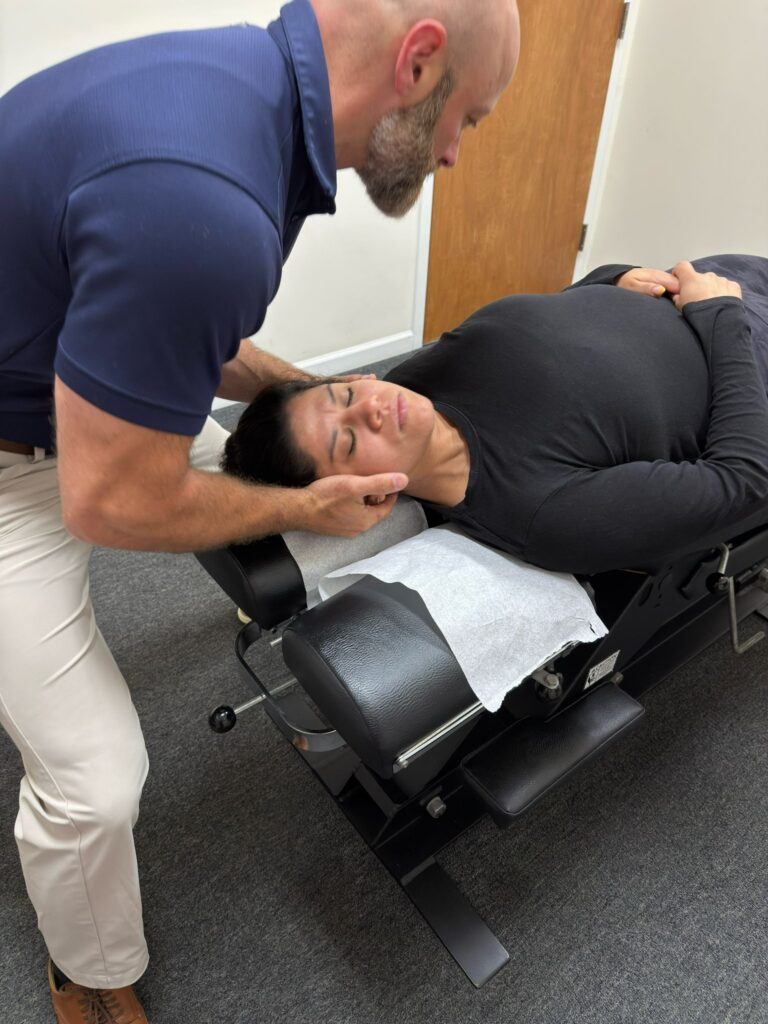
Chiropractic care is a powerful tool for migraine relief. By focusing on spinal health and alignment, chiropractic adjustments can help alleviate tension in the muscles and nerves that may contribute to your headaches. Regular adjustments not only promote better spinal function but can also enhance your body’s natural healing abilities, leading to fewer migraine episodes over time.
In addition to chiropractic care, consider incorporating some lifestyle changes that can support your journey to wellness. Here are some simple tips:
- Stay Hydrated: Dehydration can trigger migraines, so make sure you’re drinking plenty of water throughout the day.
- Maintain a Regular Sleep Schedule: Poor sleep can lead to increased migraine frequency. Aim for consistent sleep patterns and create a calming bedtime routine.
- Manage Stress: Practice relaxation techniques such as deep breathing, yoga, or meditation to help reduce stress and tension that may lead to migraines.
- Eat a Balanced Diet: Focus on whole foods and avoid known trigger foods. Keeping a food diary can help you identify any patterns that might contribute to your migraines.
- Exercise Regularly: Gentle exercises like walking, stretching, or yoga can improve circulation and reduce tension in your body.
By exploring these natural remedies and incorporating chiropractic care into your routine, you can take significant steps towards managing your migraines effectively. Remember, your path to relief is unique, and a holistic approach can lead you to a healthier, happier life. If you have any questions or want to learn more about how chiropractic care can help you, feel free to reach out!
Key Takeaways
As a local chiropractor, I want to share some effective natural remedies for migraine relief that can help you achieve optimal health and wellness through chiropractic care.
- One of the best ways to keep your spine healthy is through regular chiropractic adjustments. These adjustments can help alleviate tension in your spine, which may enhance blood flow and potentially reduce both the frequency and intensity of migraines. By addressing spinal misalignments, chiropractic care can support your body’s natural healing processes.
- Staying hydrated is key to preventing migraines. Aim for at least 8 glasses of water each day. Proper hydration supports overall health, and it can help prevent dehydration-related migraines, making it an easy and effective tip to incorporate into your daily routine.
- Incorporating stress-relief techniques like yoga and meditation into your life can also be beneficial. These practices can help reduce migraine triggers while improving your mental well-being. Plus, they complement chiropractic care by promoting relaxation and overall body harmony.
- Herbal supplements like feverfew and ginger have been used traditionally to help lessen the frequency of migraines and alleviate associated nausea. While I recommend consulting with a knowledgeable professional about these options, they can be a part of your holistic approach to wellness alongside chiropractic care.
- Lastly, consider using essential oils such as lavender and peppermint. These oils can provide soothing relief by reducing migraine intensity and offering a refreshing sensation for tension headaches. When combined with chiropractic treatment, these natural remedies can enhance your overall experience of wellness.
Remember, chiropractic care is a powerful ally in your journey toward natural migraine relief. By focusing on spinal health and incorporating these healthy habits, you can take significant steps toward a pain-free life. If you have any questions or need personalized advice, don’t hesitate to reach out!
Understanding Migraines: Causes and Symptoms
Understanding migraines is crucial because they can significantly disrupt your daily life. These intense headaches typically come with a range of distressing symptoms, including throbbing pain, often felt on one side of your head, along with nausea, vomiting, and heightened sensitivity to light and sound.
Recognizing potential triggers is a key step in managing migraines. Triggers can include stress, hormonal changes, certain foods, and environmental factors. By identifying these triggers, you can take proactive steps to manage and potentially prevent migraines. It’s important to note that migraines can vary in duration and intensity, sometimes lasting from just a few hours to several days.
As a chiropractor, I want to emphasize the benefits of chiropractic care in addressing migraines. Chiropractic adjustments can help alleviate tension in the spine and neck, which may contribute to headache pain. By focusing on spinal health, you can support your overall well-being and reduce the frequency and severity of migraines.
In addition to chiropractic care, there are several lifestyle tips you can incorporate to help manage migraines:
- Stay Hydrated: Dehydration can trigger migraines, so make sure you’re drinking enough water throughout the day.
- Maintain a Regular Sleep Schedule: Consistent sleep patterns can help reduce the likelihood of migraine attacks.
- Practice Stress-Relief Techniques: Activities like yoga, meditation, or deep-breathing exercises can help manage stress, a known trigger for migraines.
- Keep a Food Journal: Track what you eat and when migraines occur to identify any dietary triggers.
- Avoid Overexertion: Straining your body can lead to headaches, so it’s important to listen to your body and take breaks as needed.
By familiarizing yourself with these causes, symptoms, and lifestyle strategies, you can take charge of your health and find relief from migraines.
Herbal Supplements for Migraine Management
If you’re seeking natural ways to manage migraines, it’s essential to consider a holistic approach that includes chiropractic care. Chiropractors focus on the spine and nervous system, which play a crucial role in overall health and can significantly impact migraine frequency and intensity.
Many individuals find that regular chiropractic adjustments help improve spinal alignment, which can reduce tension and stress in the body, paving the way for fewer migraine attacks. Additionally, chiropractic care can enhance blood flow and nerve function, potentially alleviating the discomfort associated with migraines.
While herbal supplements like feverfew, butterbur, and ginger may provide some relief, they’re best utilized alongside a comprehensive wellness plan that includes regular chiropractic adjustments. Feverfew has been noted for its potential to reduce migraine frequency, while butterbur may assist in lessening the pain’s duration. Ginger can also be beneficial for its anti-inflammatory properties and for soothing nausea that often accompanies migraines.
Furthermore, addressing lifestyle factors such as hydration, nutrition, and stress management can be incredibly beneficial. Staying hydrated, eating a balanced diet rich in magnesium, and practicing relaxation techniques can support your overall wellness and potentially reduce migraine occurrences.
Before starting any new supplements or treatment plans, it’s always a good idea to discuss your options with your chiropractor. They can help tailor a program that suits your individual needs and ensures that you’re on the right track toward optimal health.
Incorporating chiropractic care into your routine may take some time, but with patience and consistency, you could discover a natural method that effectively supports your well-being and helps manage migraines.
Essential Oils and Aromatherapy Techniques
When seeking relief from migraines, consider the powerful support of essential oils and aromatherapy techniques alongside your chiropractic care.
While chiropractic adjustments can help align your spine and reduce tension that may contribute to headaches, essential oils can serve as a complementary approach for managing discomfort.
Lavender oil is a well-known favorite; its calming properties can help ease migraine intensity when inhaled or gently applied to your temples.
Similarly, peppermint oil is recognized for its cooling sensation, which can alleviate tension headaches. To use these oils effectively, dilute a few drops in a carrier oil, such as coconut or jojoba oil, and gently massage it onto your forehead.
To maximize the soothing effects of these oils, consider using a diffuser to spread the aroma throughout your space.
Take a moment to inhale deeply, allowing the calming scent to envelop you. You can also create a relaxing compress by mixing essential oils with water and applying it to your forehead, providing an additional layer of relief.
Remember, everyone is unique, so don’t hesitate to experiment with different scents to discover what works best for you.
Incorporating these simple techniques into your wellness routine can enhance your overall health and help you manage migraines more naturally.
And always remember, regular chiropractic care can play a crucial role in maintaining your spinal health and overall well-being, offering a holistic approach to pain relief and wellness.
Dietary Changes to Prevent Migraines
Making dietary changes can significantly influence your migraine frequency and intensity. As a chiropractor, I believe that taking a holistic approach to your wellness can lead to better results. By identifying trigger foods to avoid and ensuring you stay properly hydrated, you can proactively manage your migraines and support your overall health.
As you consider these dietary adjustments, it’s essential to remember that chiropractic care plays a crucial role in achieving optimal wellness. A well-aligned spine can enhance your body’s ability to function properly, which may help reduce the frequency of migraines. Incorporating regular chiropractic adjustments can improve your nervous system function and promote better overall health.
Here are some practical tips to help you manage migraines through dietary changes and a chiropractic approach:
- Identify Trigger Foods: Keep a food diary to track what you eat and any migraines that occur afterward. Common triggers can include aged cheeses, processed meats, and artificial sweeteners. By avoiding these, you may notice a reduction in your symptoms.
- Stay Hydrated: Dehydration is a common migraine trigger. Ensure you drink plenty of water throughout the day. Herbal teas can also be a soothing option.
- Maintain a Balanced Diet: Focus on whole, unprocessed foods. Incorporating fruits, vegetables, whole grains, and lean proteins can support your overall health and might help reduce migraine occurrences.
- Regular Chiropractic Care: Schedule regular visits to your chiropractor. Adjustments can help relieve tension in your neck and shoulders, which may contribute to migraine pain.
- Practice Stress Reduction Techniques: Stress can be a significant trigger for migraines. Consider incorporating relaxation techniques such as deep breathing, yoga, or meditation into your daily routine.
- Get Adequate Sleep: Establish a regular sleep schedule to ensure you’re well-rested, as disrupted sleep patterns can lead to more frequent migraines.
By making these dietary changes and embracing chiropractic care, you can take meaningful steps toward managing your migraines more effectively.
Trigger Foods to Avoid
Identifying and avoiding trigger foods can significantly help reduce the frequency and intensity of migraines, which is an important aspect of maintaining overall wellness. While everyone’s triggers may vary, there are common foods that you might want to consider limiting or eliminating from your diet. Keeping a food diary can be an effective way to discover what specifically affects you, allowing you to take control of your health.
As a chiropractor, I emphasize the importance of a holistic approach to health, which includes not just spinal care, but also nutrition and lifestyle choices. By understanding your body and its reactions to certain foods, you can enhance your overall wellness journey.
Here’s a helpful reference table of common trigger foods along with some healthier alternatives:
| Trigger Foods | Healthier Alternatives |
|---|---|
| Aged cheeses | Fresh cheeses or plant-based options |
| Processed meats | Fresh meats or lean proteins |
| Chocolate | Carob or fresh fruit |
| Alcohol | Herbal tea or infused water |
Hydration and Migraine Relief
While steering clear of trigger foods is a significant step in managing migraines, maintaining proper hydration is just as crucial for your overall health and wellness. Staying well-hydrated not only helps your body perform optimally but can also significantly reduce the frequency and intensity of migraine episodes.
As a chiropractor, I focus on natural methods to promote health, and hydration is an essential part of that. Here are three simple hydration tips that can support your wellness journey:
- Drink water regularly: Aim for at least 8 glasses of water each day. If you’re exercising or it’s hot outside, consider increasing your intake. Hydration helps keep your spinal discs healthy and supports overall body function.
- Opt for hydrating foods: Incorporate fruits and vegetables with high water content, such as cucumbers, watermelon, and oranges, into your meals. Not only do they keep you hydrated, but they also provide essential nutrients that support your body’s healing processes.
- Be mindful of diuretics: Limit your consumption of caffeine and alcohol. These can lead to dehydration, which may trigger migraines. Choosing hydration over these diuretics can help maintain your body’s balance and support your spinal health.
By focusing on hydration, you can take proactive steps toward managing migraines while promoting overall wellness.
Stress Reduction and Relaxation Practices
When stress builds up, it can lead to painful migraines, making it crucial to integrate stress reduction and relaxation practices into your daily routine. As a chiropractor, I encourage you to consider natural methods for relief that can complement your overall wellness journey.
Start with deep breathing exercises. By taking slow, deep breaths, you can calm your mind and ease tension in your body. This simple practice can significantly reduce stress levels and enhance your well-being.
Mindfulness meditation is another excellent approach. By focusing on the present moment, you can alleviate anxiety and promote a sense of peace. Just a few minutes each day dedicated to breathing exercises or listening to calming guided meditations can make a big difference.
Progressive muscle relaxation is also beneficial. By tensing and then relaxing each muscle group, you can help release physical stress, which is often linked to spinal tension.
Gentle yoga and stretching are great ways to improve circulation and promote relaxation, while also supporting spinal alignment and flexibility.
Remember to set aside time for activities that bring you joy, such as reading or enjoying the outdoors. These positive experiences can greatly contribute to your mental and emotional well-being.
By prioritizing these natural practices, you not only help manage migraines but also enhance your overall health.
Chiropractic care plays a vital role in achieving optimal health by addressing the root causes of discomfort. Regular visits can help keep your spine aligned, reduce tension, and improve your body’s ability to cope with stress.
Embrace these holistic techniques alongside chiropractic care, and notice how they work together to keep stress and pain at bay.
The Role of Hydration and Sleep in Migraine Relief
Staying properly hydrated and getting enough sleep are crucial components in managing migraines effectively, and as a chiropractor, I understand how these habits can contribute to your overall health and wellness. You mightn’t realize it, but by integrating simple practices like drinking water and prioritizing sleep, you can significantly reduce the frequency and intensity of your migraines.
When your body is well-hydrated and well-rested, it operates optimally, helping to fend off those debilitating headaches.
Here are three key reasons why hydration and sleep are important for migraine relief:
- Dehydration triggers: Even mild dehydration can provoke a migraine. Make it a habit to drink water consistently throughout the day. Consider carrying a reusable water bottle with you as a reminder to stay hydrated.
- Sleep quality: Inadequate sleep can throw your body’s natural rhythms off balance, making you more prone to migraines. Aim for 7-9 hours of quality sleep each night. Create a calming bedtime routine—like stretching or gentle yoga—that can help relax your spine and prepare your body for restful sleep.
- Mood stabilization: Both hydration and sleep play a significant role in regulating your mood. When you’re well-hydrated and well-rested, you’re less likely to feel irritable or stressed, which can be triggers for migraines. Consider incorporating mindfulness practices like deep breathing or meditation to enhance your mood and promote relaxation.
As a chiropractor, I emphasize the importance of a holistic approach to health. By focusing on hydration, quality sleep, and regular chiropractic adjustments, you can create a supportive environment for your body to heal and thrive naturally.
Conclusion
Incorporating natural remedies into your migraine management plan can truly enhance your overall health and well-being. As a chiropractor, I believe that addressing the root causes of migraines through holistic approaches is key. By exploring herbal supplements and essential oils, you can find relief that aligns with your body’s needs.
Don’t overlook the importance of hydration and quality sleep, as both play a crucial role in preventing migraines. Additionally, incorporating stress reduction techniques like yoga and meditation can greatly benefit your mental health.
Chiropractic care is an excellent option for managing migraines, as it focuses on spinal health and proper alignment, which can alleviate tension and reduce the frequency of headaches. Regular adjustments can help ensure your spine is functioning optimally, supporting your nervous system and overall wellness.
Remember, taking charge of your health means embracing these natural approaches, including chiropractic care, to find relief from migraines and enhance your quality of life. By focusing on these strategies, you can tackle migraines more effectively and enjoy a healthier, more balanced lifestyle.