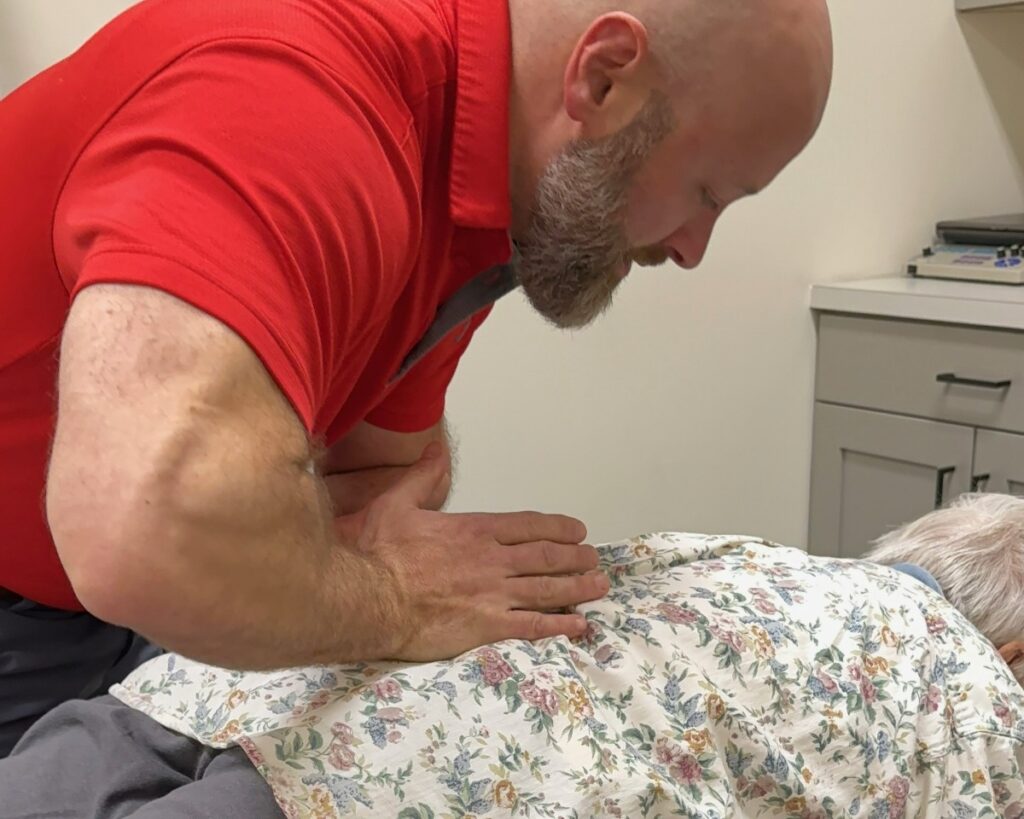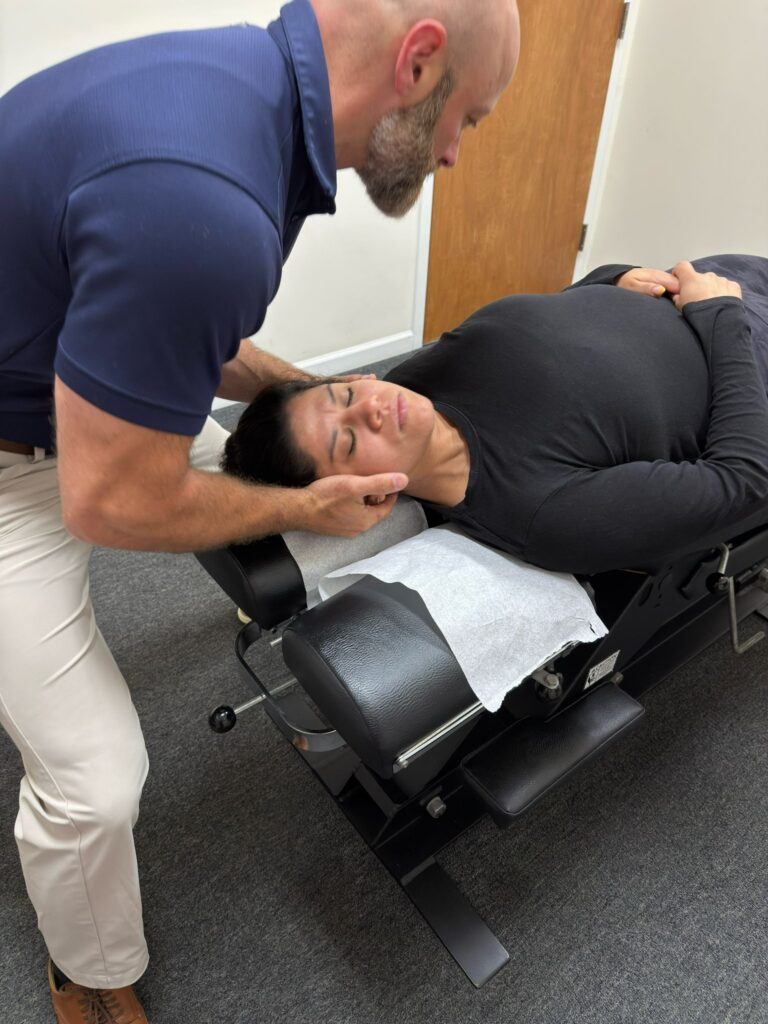

If you’re experiencing low back pain, it can be daunting to navigate the many relief options out there. Fortunately, chiropractic care stands out as a natural and effective solution. By focusing on spinal health, chiropractic adjustments can help alleviate pain and restore proper function to your body without the need for medications or invasive procedures.
In addition to regular chiropractic visits, there are several gentle exercises and mindful techniques you can incorporate into your daily routine to support your healing process. Simple stretches, like gentle hamstring and back stretches, can help relieve tension in your lower back. Mindful practices such as deep breathing and meditation can also promote relaxation and improve your body’s response to pain.
Nutrition plays a crucial role in overall wellness as well. Eating a balanced diet rich in anti-inflammatory foods, such as fruits, vegetables, and healthy fats, can support your body’s healing process and boost your energy levels.
Understanding the root causes of your low back pain is essential. Whether it’s due to poor posture, muscle imbalances, or previous injuries, addressing these factors through chiropractic care can lead to long-lasting relief. So, what steps can you take to ease your discomfort and regain your mobility?
Consider starting with regular chiropractic adjustments to align your spine and improve your overall function. Pair this with gentle exercises and a healthy diet to enhance your recovery. Remember, you don’t have to face this journey alone – your chiropractor is here to guide you every step of the way toward optimal health and wellness.
Key Takeaways
- Engage in gentle strengthening exercises like pelvic tilts and bridges a few times a week. These exercises can help enhance your core stability, which is vital for supporting your back and reducing pain. Remember, a strong core is the foundation of a healthy spine.
- Make stretching a part of your daily routine. Incorporate effective techniques such as cat-cow stretches and child’s pose to boost your flexibility and ease tightness. These simple stretches can help maintain a healthy spine and promote overall well-being.
- Pay attention to your posture while sitting, standing, and lifting. Good ergonomics support spinal alignment and prevent unnecessary strain. When you maintain proper posture, you’re actively caring for your spine, which can significantly reduce discomfort.
- Consider practicing mindfulness and relaxation techniques like meditation and deep-breathing exercises. These practices can help alleviate stress and muscle tension, both of which can contribute to back pain. By managing stress effectively, you’re supporting your body’s natural healing processes.
- Regular chiropractic visits are essential for addressing the root causes of your pain and enhancing your overall spinal health. Chiropractic care is a natural and effective way to promote healing, improve mobility, and maintain a healthy spine. By choosing chiropractic, you’re taking a proactive step toward optimal health and wellness.
By integrating these simple practices into your routine, you can support your back and overall health without the need for medications or surgeries. Remember, the journey to a pain-free life begins with caring for your spine!
Understanding the Causes of Low Back Pain
When you experience low back pain, understanding its causes can be the first step toward finding relief and improving your overall wellness.
Your discomfort may arise from various factors, such as muscle strains, poor posture, or an injury. For instance, if you’ve been lifting heavy objects incorrectly, your back could be feeling the strain. Additionally, prolonged sitting—especially without proper back support—can lead to tension and discomfort.
It’s also important to recognize that underlying conditions like herniated discs or arthritis can contribute to low back pain. Paying attention to your body is essential in identifying these issues. Stress and emotional tension can manifest physically, leading to tightness and pain in your back. You might notice that certain activities trigger your discomfort, which can help pinpoint the root cause.
Chiropractic care is an excellent choice for addressing low back pain naturally. By aligning your spine and improving your body’s overall function, chiropractic adjustments can help relieve pain and promote healing.
Here are some general tips to help you manage low back discomfort:
- Maintain Good Posture: Be mindful of your posture when sitting or standing. Use chairs that provide proper back support and take breaks to stretch if you sit for long periods.
- Practice Safe Lifting Techniques: When lifting heavy objects, bend at your knees and keep the weight close to your body to reduce strain on your back.
- Stay Active: Regular exercise, such as walking or gentle stretching, can strengthen your back muscles and improve flexibility.
- Manage Stress: Incorporate relaxation techniques like deep breathing or yoga to reduce stress, which can lead to tension in your back.
- Seek Chiropractic Care: If you’re experiencing persistent low back pain, consider visiting a chiropractor. They can provide personalized treatment plans tailored to your needs and help restore balance to your spine.
By recognizing these factors and taking proactive steps, you can better address your low back pain and enhance your overall well-being.
Understanding your body’s signals is vital for managing and alleviating discomfort, allowing you to live a healthier and more active life.
Gentle Exercises for Strengthening the Back
Addressing low back pain effectively often involves incorporating gentle exercises that strengthen the muscles supporting your spine, helping to foster natural healing and overall wellness. As a chiropractor, I believe that strengthening your back is essential for optimal health, and I’d like to share some simple exercises you can do at home.
Start with pelvic tilts. Lie on your back with your knees bent and feet flat on the floor. Gently tighten your abdominal muscles and tilt your pelvis slightly upward. Hold this position for a few seconds, then relax. This straightforward movement not only builds core strength but also promotes better spinal alignment.
Next, let’s try bridges. Lie on your back with your knees bent and feet flat on the ground. Lift your hips toward the ceiling while squeezing your glutes. Hold this position for a few seconds, then lower your hips back down. Bridges help stabilize your lower back and are a great way to engage your core.
Another beneficial exercise is seated leg lifts. Find a sturdy chair to sit on, and extend one leg straight out in front of you. Hold it for a few seconds before switching to the other leg. This exercise strengthens both your lower back and hip muscles, improving your overall stability.
Incorporating these gentle exercises into your routine a few times a week can make a significant difference in your back health. As you become stronger and more confident, feel free to gradually increase the intensity or duration of these exercises for even better results.
Effective Stretching Techniques
Effective stretching techniques can be essential in relieving low back pain and enhancing your overall mobility—two key components of a healthy lifestyle. As a chiropractor, I believe that incorporating regular stretching into your routine, alongside chiropractic care, can lead to optimal health without the need for surgeries or medications.
One of the first stretches I recommend is the cat-cow stretch. This gentle movement not only mobilizes your spine but also eases tension in your back. To do this stretch, start on all fours. Arch your back towards the ceiling like a cat, then dip it towards the floor as you lift your head and gaze up—repeat this motion several times. It’s a simple yet effective way to engage your spine.
Another great stretch is the seated forward bend. Sit with your legs extended in front of you, and slowly reach towards your toes. You should feel a nice stretch along your back and hamstrings. Hold this position for 20-30 seconds, allowing your body to relax into the stretch. This can help alleviate tightness and improve flexibility.
Lastly, don’t overlook the child’s pose—this stretch is fantastic for relaxation and specifically targets your lower back. Kneel on the floor, sit back on your heels, and stretch your arms forward on the ground. Hold this position for as long as it feels comfortable, allowing your body to release tension.
Remember, incorporating these stretches into your daily routine, along with regular chiropractic adjustments, can significantly reduce low back pain and enhance your mobility. By prioritizing these natural methods, you can support your body’s ability to heal and thrive.
Always listen to your body, and consider reaching out to your chiropractor for personalized advice and support on your journey to better health.
The Role of Mindfulness and Relaxation
Mindfulness and relaxation are essential components in managing low back pain, and they can work hand-in-hand with chiropractic care to enhance your healing process. When you practice mindfulness, you not only help to reduce stress but also improve your body’s natural ability to heal itself. As a chiropractor, I want to share some effective techniques for achieving deep relaxation and incorporating meditation into your daily routine, all while emphasizing the benefits of chiropractic care.
First, consider beginning each day with a few minutes of mindfulness meditation. Find a comfortable spot, close your eyes, and take deep breaths. Focus your mind on the rhythm of your breath, allowing any stress or tension to melt away. This simple practice can set a positive tone for your day and contribute to a greater sense of well-being.
In addition to meditation, deep relaxation techniques like progressive muscle relaxation can be incredibly beneficial. Start by tensing each muscle group in your body for a few seconds, then release the tension. This not only helps your body relax but also increases your awareness of physical sensations, leading to a better understanding of how your body feels.
As you integrate mindfulness and relaxation into your life, remember that chiropractic care complements these practices perfectly. Regular chiropractic adjustments can help alleviate misalignments in your spine, which may be contributing to your pain. By addressing the root causes of your discomfort, chiropractic care supports your body’s healing process.
Here are some general tips to enhance your mindfulness and relaxation practices:
- Set Aside Time: Dedicate a specific time each day for mindfulness or relaxation practices to create a habit.
- Stay Consistent: Even a few minutes each day can make a significant difference over time.
- Listen to Your Body: Pay attention to how your body feels during these practices and adjust accordingly.
- Seek Chiropractic Care: Consider regular visits to your chiropractor to ensure your spine is aligned and functioning optimally.
Benefits of Mindfulness Practice
Many individuals experience low back pain, and as a local chiropractor, I want to share how incorporating mindfulness practice into your daily routine can provide significant relief. Mindfulness helps you tune into your body and recognize the sensations you’re feeling, allowing you to pinpoint areas of tension and discomfort in your lower back. By focusing on your breath and staying present, you can effectively reduce stress, which often makes pain worse.
Regular mindfulness practice promotes relaxation, which can help ease muscle tightness and lead to better posture. You’ll find that this clarity of mind enhances your ability to cope with pain, making it more manageable. Furthermore, practicing mindfulness can improve your emotional well-being, fostering a positive mindset that supports your healing journey.
In addition to mindfulness, chiropractic care is an excellent choice for achieving optimal health and alleviating pain. Regular adjustments help align your spine, relieve tension, and improve overall function, which can further enhance the benefits of your mindfulness practice.
Here are some general tips you can incorporate into your routine:
- Breathing Exercises: Take a few minutes each day to focus on deep breathing. Inhale deeply through your nose, hold for a moment, and exhale slowly through your mouth. This can help reduce tension in your back.
- Posture Awareness: Pay attention to your posture throughout the day. Sitting up straight and keeping your shoulders back can help alleviate strain on your lower back.
- Stretching: Incorporate gentle stretches into your daily routine. Simple movements can help relieve tightness and improve flexibility.
- Mindful Movement: Whether it’s walking, yoga, or stretching, practice mindful movement by paying attention to how your body feels during these activities.
- Regular Chiropractic Visits: Schedule regular appointments with your chiropractor to keep your spine healthy and aligned, which can enhance your overall well-being.
Techniques for Deep Relaxation
Incorporating relaxation techniques into your daily routine can significantly enhance the benefits of chiropractic care, providing a deeper sense of calm and relief from low back pain.
One effective method is progressive muscle relaxation, which involves systematically tensing and then relaxing each muscle group. This practice helps you become more aware of tension in your body and promotes overall relaxation, allowing your spine to align more naturally.
Deep breathing exercises are another simple yet powerful tool; focus on inhaling deeply through your nose and exhaling slowly through your mouth. As you breathe, visualize a peaceful scene—this mental imagery can help calm your mind and support your body’s healing process.
Lastly, gentle yoga stretches can alleviate muscle tension and improve flexibility, which is essential for maintaining a healthy spine.
By regularly incorporating these techniques into your wellness routine, you create a supportive environment that allows your body to heal naturally, reducing discomfort and promoting overall well-being.
Incorporating Meditation Daily
Incorporating meditation into your daily routine can significantly enhance your ability to manage low back pain, complementing the benefits of chiropractic care. As a chiropractor, I emphasize the importance of understanding your body and its sensations. Mindfulness practices like meditation can help you develop a deeper awareness of physical tension, which often contributes to discomfort and pain.
Start by setting aside just a few minutes each day to focus on your breath. This simple practice allows you to let go of distractions and tune into how your body feels. As you grow more comfortable with meditation, consider gradually increasing the duration. You’ll likely notice that this practice not only calms your mind but also encourages your muscles to relax, providing relief from tension that could be affecting your spine.
Moreover, meditation can bolster your emotional resilience, which is incredibly valuable when dealing with pain. By committing to daily meditation, alongside regular chiropractic adjustments, you can create a holistic approach to your health that promotes both physical and emotional well-being.
Here are some general tips to help you integrate meditation into your life effectively:
- Create a Routine: Find a specific time each day that works for you to meditate, whether it’s in the morning, during lunch, or before bed.
- Find a Quiet Space: Choose a comfortable, quiet spot where you can sit or lie down without interruptions.
- Focus on Your Breath: Pay attention to your breathing. Inhale deeply through your nose, hold for a moment, and then exhale slowly through your mouth.
- Start Small: If you’re new to meditation, begin with just a few minutes a day. Gradually increase the time as you become more at ease with the practice.
- Combine with Chiropractic Care: Regular chiropractic adjustments help align your spine, and when paired with meditation, you can enhance your overall healing process.
Dietary Adjustments for Pain Relief
To manage your low back pain effectively, consider making some simple dietary adjustments that complement your chiropractic care. Incorporating anti-inflammatory foods such as leafy greens, fatty fish, and nuts into your meals can significantly support your body’s healing process. Staying well-hydrated is also crucial; water helps maintain healthy spinal discs and overall bodily function.
Additionally, think about adding nutrient-rich supplements like omega-3 fatty acids or vitamin D, which can enhance your recovery and promote overall well-being. Remember, these dietary changes not only help alleviate pain but also work hand-in-hand with the natural healing process provided by chiropractic care.
As you explore these adjustments, it’s important to remember that regular chiropractic visits can help address the root causes of your pain, ensuring that your body heals properly. Combining a healthy diet with the expert care of a chiropractor can lead you to a pain-free, healthier lifestyle.
Anti-Inflammatory Foods
As a local chiropractor, I want to share how incorporating anti-inflammatory foods into your diet can significantly enhance your journey toward relief from low back pain. While chiropractic care is the cornerstone of natural healing for spinal health, what you eat also plays a vital role in overall wellness and pain management.
Start by adding a variety of fruits and vegetables into your meals. Berries and leafy greens are packed with antioxidants, which are fantastic for fighting inflammation. They not only support your immune system but can also help reduce discomfort in your back.
Fatty fish, like salmon and mackerel, are another excellent choice. These fish are rich in omega-3 fatty acids, which have been shown to alleviate pain and reduce stiffness. Incorporating these into your diet a few times a week can make a big difference in how you feel.
Don’t overlook the power of nuts and seeds, especially walnuts and chia seeds. They’re loaded with healthy fats that are beneficial for joint health. Adding a handful to your meals or snacks can be a simple yet effective way to support your body.
Spices like turmeric and ginger aren’t just for flavor; they’ve incredible anti-inflammatory properties that might help ease your discomfort. Consider adding them to your cooking or enjoying them in teas.
And let’s not forget about olive oil! It’s a wonderful alternative to butter and is known for its anti-inflammatory benefits thanks to a compound called oleocanthal, which works similarly to certain medications.
Hydration Importance
Staying properly hydrated is crucial when it comes to managing low back pain and fostering overall wellness. Drinking enough water plays a key role in maintaining the elasticity of your spinal discs, which can help reduce strain on your back. When you’re dehydrated, you may experience muscle cramps, which can lead to increased discomfort and make it more challenging to stay active.
As a chiropractor, I recommend aiming for at least eight glasses of water a day, but you might need more depending on your activity level and the climate you live in. Remember, hydration doesn’t just come from water—fruits and vegetables are also great sources of hydration and provide added nutrients that support your body’s health.
To make it easier to stay hydrated, keep a water bottle with you throughout the day as a reminder to sip regularly. By prioritizing hydration, you’re taking a simple yet effective step toward alleviating your low back pain.
In addition to staying hydrated, consider regular chiropractic adjustments to help keep your spine in alignment, which can also enhance your overall well-being. Together, these practices can support a healthier, pain-free lifestyle.
Nutrient-Rich Supplements
Incorporating nutrient-rich supplements into your daily routine can be a great way to support your body’s natural healing processes, especially when it comes to alleviating low back pain.
While chiropractic care is your best option for achieving optimal health and relief from pain, adding the right nutrients can complement your overall wellness journey. Here are three essential nutrients to consider:
- Omega-3 Fatty Acids: These healthy fats, found in fish oil, can help reduce inflammation in your body and support joint health. They play a key role in maintaining mobility and comfort in your spine.
- Turmeric: This vibrant spice contains curcumin, which is known for its powerful anti-inflammatory properties. Adding turmeric to your meals or taking it as a supplement may help alleviate pain and promote a sense of well-being.
- Magnesium: This essential mineral is important for muscle function and can help prevent cramps and spasms that may worsen back pain. Ensuring you have enough magnesium in your diet can support muscle relaxation and overall spinal health.
Remember, while these supplements can be beneficial, they work best alongside regular chiropractic care. Your chiropractor can help assess your individual needs and develop a tailored plan to address your low back pain. Always consult with your chiropractor before starting any new supplement regimen to ensure it aligns with your specific health goals.
By integrating these nutrients into your daily life and committing to regular chiropractic adjustments, you can enhance your well-being and find effective relief from pain.
Prioritize your health by making these small changes today!
Alternative Therapies: Acupuncture and Massage
When dealing with low back pain, many individuals explore alternative therapies such as acupuncture and massage. While these methods can offer relief, I believe chiropractic care is the most effective and comprehensive approach to achieving long-term wellness and pain management.
Chiropractic care focuses on the alignment of the spine and the nervous system, helping to address not only the pain but also the underlying causes. By using hands-on spinal manipulation, chiropractors can restore proper function, alleviate discomfort, and promote overall health. This natural approach not only helps ease pain but also enhances your body’s ability to heal itself.
Acupuncture, which involves inserting thin needles into specific points on the body, may help release tension and improve blood flow. However, it doesn’t address spinal alignment, which is crucial for long-lasting relief.
Similarly, while massage therapy can relieve tightness and improve circulation, it often provides only temporary relief without addressing the root of the problem.
Chiropractic care takes a holistic approach, focusing on both physical and emotional well-being. It can help reduce stress, which often contributes to pain, and empower you with tools for a healthier lifestyle. Regular visits to a chiropractor can help prevent future pain episodes and keep your body in optimal condition.
If you’re considering ways to alleviate your low back pain, I encourage you to consult a qualified chiropractor. They can tailor a treatment plan specific to your needs, ensuring safe and effective care. Embracing chiropractic care as part of your wellness journey can lead to lasting relief and a healthier life overall. Remember, taking care of your spine is essential for your overall well-being, so prioritize your health and explore the benefits of chiropractic care today!
Creating an Ergonomic Workspace
Creating an ergonomic workspace is essential for your comfort and well-being, especially when it comes to managing low back pain.
As a chiropractor, I believe that optimizing your work environment can significantly reduce strain on your spine and promote better overall health.
Here are three key tips to help you establish a more ergonomic setup and enhance your natural healing journey:
1. Chair Choice: Select a chair that offers solid lower back support. Look for one with adjustable features that allow you to customize the height and lumbar support.
A well-fitted chair can help maintain the natural curve of your spine and prevent discomfort.
2. Desk Height: Ensure that your desk is at the right height for your body. When seated, your elbows should be at a 90-degree angle, with your forearms parallel to the ground.
This position keeps your wrists straight while typing and minimizes the risk of strain, contributing to a healthier spine.
3. Monitor Position: Place your monitor at eye level, about an arm’s length away from you.
This positioning helps to prevent neck strain and encourages proper alignment of your back. If you often find yourself leaning forward, consider using a monitor stand to achieve the correct height.
By making these simple adjustments to your workspace, you can take significant steps toward reducing discomfort and enhancing your productivity.
Remember, chiropractic care is always here to support you on your journey to optimal health and wellness.
If you’re experiencing persistent pain, consider visiting your chiropractor for a personalized assessment and treatment plan tailored to your needs.
Together, we can help you achieve a healthier, pain-free lifestyle.
Conclusion
By embracing natural solutions for low back pain, you can significantly enhance your healing journey, and chiropractic care should be at the forefront of your approach. As a chiropractor, I encourage you to incorporate gentle exercises, stretching, and mindfulness into your daily routine. These practices not only support your spine but also promote overall wellness.
A balanced diet plays a crucial role in your recovery as well. Nourishing your body with the right foods can help reduce inflammation and support your spine’s health. Additionally, making ergonomic adjustments in your workspace or home can prevent future discomfort and keep your back in alignment.
Chiropractic care is a powerful tool for managing low back pain. Through specific adjustments, we can help restore proper function to your spine, alleviate pain, and improve your overall health. Techniques such as acupuncture and massage can complement chiropractic treatment, but they should not replace the benefits of spinal care.
Remember to stay mindful of your posture throughout the day. Simple adjustments, like sitting up straight and using supportive chairs, can make a big difference. Stay committed to these practices, and with the help of chiropractic care, you’ll be on your way to lasting relief and a healthier back.