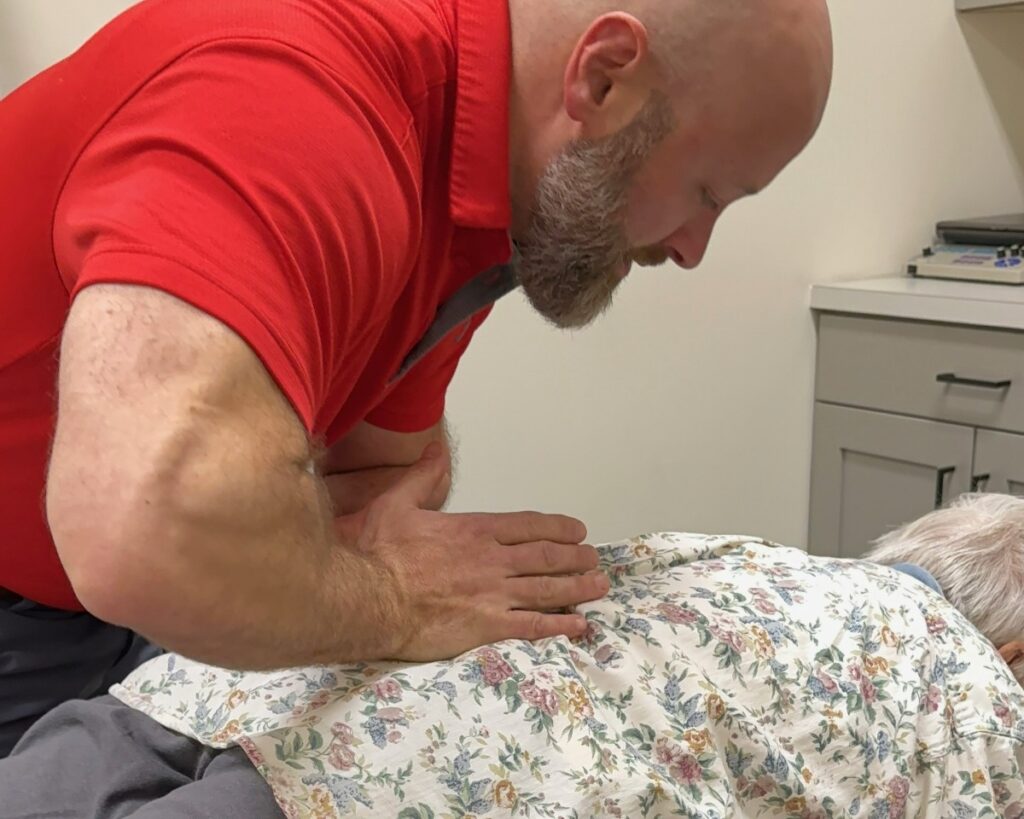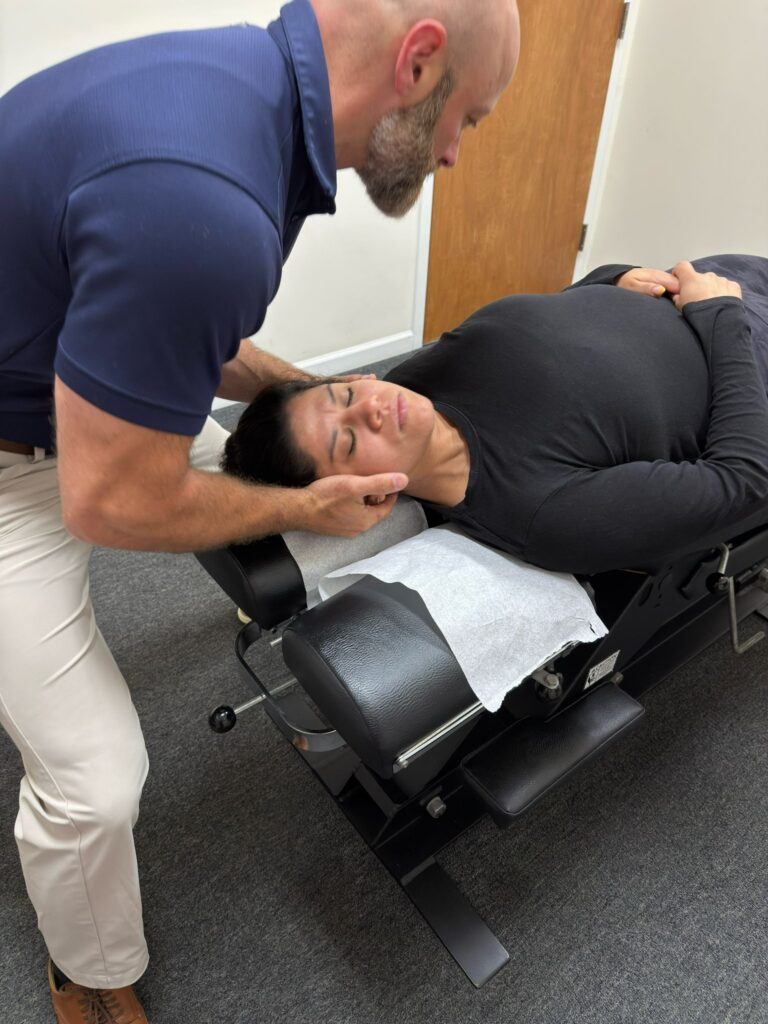

If you’re dealing with low back pain, rest assured that you’re not alone in this struggle. Many individuals seek natural solutions to alleviate their discomfort, and one of the most effective approaches is chiropractic care. By understanding the root causes of your pain and incorporating gentle stretching, core strengthening, and maintaining proper posture, you can significantly enhance your comfort levels.
Chiropractic care focuses on spinal alignment and overall wellness, making it a fantastic option for those looking to relieve pain naturally. Regular adjustments can help restore your spine’s health, improve your mobility, and reduce inflammation, all of which are key to feeling better. Additionally, exploring holistic approaches—like mindfulness and relaxation techniques—can further support your recovery and enhance your overall well-being.
Curious about how chiropractic care and these holistic practices work together? Here are some practical tips you can incorporate into your everyday routine:
- Stay Active: Engage in low-impact exercises, such as walking or swimming, which can strengthen your back without putting additional strain on it.
- Practice Good Posture: Be mindful of your posture while sitting, standing, and lifting. Proper alignment can prevent further pain and injury.
- Incorporate Stretching: Gentle stretches can help improve flexibility and reduce tension in your back. Consider integrating simple stretches into your daily routine.
- Schedule Regular Chiropractic Visits: Regular adjustments can help keep your spine aligned and reduce the risk of pain reoccurrence.
- Listen to Your Body: Pay attention to what your body is telling you. If a particular movement causes discomfort, modify or avoid it until you can consult with your chiropractor.
By embracing chiropractic care and making these lifestyle adjustments, you’re taking a proactive step towards achieving optimal health and living pain-free. Remember, you’re in control of your recovery, and with the right approach, relief from low back pain is within reach.
Key Takeaways
As a local chiropractor, I want to share some natural solutions for relieving low back pain that can help you achieve optimal health and wellness.
- Regular chiropractic adjustments are essential. They help align your spine, relieve pressure on nerves, and promote overall wellness. By keeping your spine in line, you will notice improved mobility and a reduction in discomfort.
- Incorporate gentle stretching routines into your weekly activities. Focus on your hamstrings and hip flexors, as these areas play a crucial role in supporting your lower back. A few minutes of stretching a few times a week can make a significant difference.
- Maintaining proper posture is vital for your back health. Use ergonomic furniture that supports your body correctly, and make sure to take breaks to stretch if you find yourself sitting or standing for long periods. Simple adjustments to your workspace can lead to big improvements.
- Strengthening your core is another key element in supporting your spine. Exercises like planks and bridges not only enhance your back health but also provide stability for your entire body. Aim to incorporate these exercises into your routine regularly.
- Additionally, consider complementary therapies that can work hand-in-hand with chiropractic care. Treatments like acupuncture or massage can provide effective relief and enhance your overall wellness journey.
Remember, chiropractic care is a powerful and natural way to relieve pain and promote a healthier lifestyle. By focusing on these tips and making them a part of your daily routine, you can take significant steps towards a pain-free life.
Understanding the Causes of Low Back Pain
When dealing with low back pain, it’s important to understand the underlying causes so you can effectively manage and alleviate your discomfort. As a chiropractor, I believe that knowledge is power, and addressing these causes can lead to a healthier, pain-free life.
Common culprits of low back pain include muscle strain, which often occurs from heavy lifting or improper movements. To help prevent strain, always use proper lifting techniques—bend at your knees, not at your back. Additionally, poor posture, especially during long hours of sitting, can exacerbate your pain. Make an effort to maintain a neutral spine by adjusting your chair and desk height and taking regular breaks to stand and stretch.
If you’ve recently ramped up your physical activity or changed your exercise routine, it’s normal for your muscles to protest. Gradually increasing your activity level can help your body adjust without leading to soreness.
Age-related changes like degenerative disc disease or osteoarthritis can also contribute to low back pain. As we age, it’s crucial to stay active and incorporate gentle exercises that promote flexibility and strength.
Conditions like herniated discs can compress nerves, leading to sharp pain or numbness. Stress and emotional factors may also manifest physically, causing your lower back muscles to tighten. Consider practicing relaxation techniques, such as deep breathing or yoga, to help relieve tension.
By identifying these causes, you can make informed choices about your daily habits and lifestyle adjustments. Chiropractic care is a natural and effective way to address low back pain, focusing on spinal health and overall wellness. Regular chiropractic adjustments can help keep your spine aligned, reduce tension, and promote healing in your body.
Remember, a few simple tips can make a big difference: practice good posture, stay active, and listen to your body. If you’re experiencing persistent low back pain, consider scheduling a visit with a chiropractor to explore how natural healing can help you achieve optimal health and relief from pain.
Your journey to a pain-free life starts with taking proactive steps today!
The Role of Stretching and Flexibility Exercises
When it comes to managing low back pain, regular stretching is essential for maintaining flexibility and preventing discomfort. As a chiropractor, I can tell you that effective flexibility techniques not only enhance your overall mobility but also promote healing in the spine. By incorporating targeted stretches into your daily routine, you can experience significant relief from pain and tension, all while supporting your body’s natural ability to heal.
Here are some simple tips to help you get started:
- Start Slow: If you’re new to stretching, begin with gentle stretches and gradually increase their intensity as your flexibility improves. Listen to your body and avoid pushing yourself too hard.
- Focus on Key Areas: Pay special attention to the muscles that support your lower back, such as the hamstrings, hip flexors, and glutes. Stretching these areas can alleviate tension and improve your overall spinal health.
- Consistency is Key: Aim to incorporate stretching into your routine at least a few times a week. Consistency will help you maintain flexibility and reduce the risk of future discomfort.
- Breath and Relax: Remember to breathe deeply while stretching. This not only helps you relax but also increases oxygen flow to your muscles, enhancing the benefits of the stretch.
- Combine with Chiropractic Care: Regular chiropractic adjustments can complement your stretching routine by ensuring that your spine is aligned and functioning optimally. This can further enhance your mobility and reduce pain.
Importance of Regular Stretching
Incorporating regular stretching into your daily routine is a simple yet powerful way to enhance flexibility and alleviate low back pain. As a chiropractor, I often emphasize that stretching not only improves your range of motion but also promotes better blood circulation. This increased circulation helps deliver essential nutrients to your muscles and eases tension, allowing your body to function optimally.
Improved flexibility plays a crucial role in reducing the risk of injury and enhancing your posture—both of which are vital for maintaining a healthy spine. Even just a few minutes of stretching each day can lead to noticeable improvements in how your back feels over time. You might find that your mobility increases and discomfort decreases as you make stretching a regular part of your routine.
To get started, try dedicating a few minutes each morning or a quick session before bed to stretching. Focus on gentle movements that target your back, hips, and legs. Remember, consistency is key! By making stretching a habit, you’re taking an important step towards better back health and overall wellness.
And don’t forget, chiropractic care can further support your journey to optimal health. By addressing spinal misalignments and encouraging proper movement, chiropractic adjustments, combined with regular stretching, can greatly enhance your body’s natural healing capabilities. So embrace stretching as part of your wellness routine, and consider visiting your chiropractor for guidance tailored to your individual needs. Together, we can help you achieve lasting relief and a healthier, more active lifestyle.
Effective Flexibility Techniques
Stretching is just one part of a comprehensive approach to enhancing flexibility and alleviating low back pain. To truly experience the benefits, it’s essential to incorporate a variety of effective flexibility techniques into your routine. Here are three key methods that work harmoniously with chiropractic care to promote natural healing and optimal health:
- Dynamic Stretching: Start your day or workout with movements that mimic your daily activities. This not only warms up your muscles but also increases blood flow, preparing your body for the movements ahead. Think of it as giving your spine the gentle care it needs to perform at its best.
- Static Stretching: After your workouts or prolonged periods of sitting, hold stretches for 15-30 seconds. This practice helps to release tension in your lower back, promoting relaxation and flexibility. Pairing these stretches with chiropractic adjustments can enhance their effectiveness, allowing your spine to function properly and pain-free.
- Foam Rolling: Using a foam roller can provide a soothing massage to tight muscles and fascia, improving mobility and reducing discomfort. This self-care technique complements chiropractic care by addressing muscle tightness that may contribute to spinal misalignments, thus promoting a healthier back.
Incorporating these techniques into your daily routine can help support your chiropractic care and pave the way for a pain-free, healthier life. Remember, chiropractic care isn’t just about pain relief; it’s about achieving overall wellness through natural and effective methods. So, take these tips to heart as you work towards optimal health!
Stretching for Pain Relief
Incorporating stretching and flexibility exercises into your daily routine can significantly enhance your journey towards managing low back pain. As a chiropractor, I can assure you that these exercises are not just beneficial for mobility—they promote increased blood flow and help ease tension in your muscles. When you regularly engage in stretching, you not only improve your overall flexibility but also alleviate discomfort and reduce the chance of future injuries.
Here’s a quick reference guide to some effective stretches that you can easily integrate into your day:
| Stretch Type | Benefits | Tips |
|---|---|---|
| Hamstring Stretch | Helps reduce tension in your lower back | Hold for 20-30 seconds to feel the stretch |
| Cat-Cow Stretch | Enhances spinal flexibility | Repeat this sequence 5-10 times for best results |
| Child’s Pose | Relaxes and soothes back muscles | Remember to breathe deeply and hold for a few breaths |
| Seated Forward Bend | Stretches your hamstrings and lower back | Keep your spine long while bending forward to avoid strain |
Incorporating these simple stretches into your daily routine can provide you with significant relief from pain and help maintain a healthy spine. Remember, chiropractic care is a fantastic way to support your body’s natural healing abilities, and it works hand-in-hand with these exercises to optimize your overall health and wellness. By focusing on natural methods like stretching and chiropractic adjustments, you can achieve lasting relief and a healthier lifestyle without the need for medications or invasive procedures. Take these tips to heart, and make them a part of your everyday life for the best results!
Strengthening Your Core Muscles
Strengthening your core muscles is crucial for maintaining a healthy back and preventing pain—something we focus on in chiropractic care. A strong core not only supports your spine but also enhances stability, reducing the risk of injury and discomfort.
Here are three effective exercises that can help you build core strength while complementing your chiropractic treatment:
- Planks: Begin by holding a plank position, ensuring your body forms a straight line from your head to your heels. Start with 20-30 seconds and gradually increase your time as your core strengthens. This exercise is great for stabilizing your spine, which is essential for overall back health.
- Bridges: Lie on your back with your knees bent and feet flat on the floor. Lift your hips toward the ceiling while engaging your glutes and core muscles. Hold this position for a few seconds before lowering back down. Bridges not only strengthen your core but also promote better alignment of your lower back.
- Dead Bugs: Lie on your back, extend your arms towards the ceiling, and bend your knees at a 90-degree angle. Slowly lower one arm and the opposite leg towards the floor, then return to the starting position. Alternate sides. This exercise helps improve coordination and stability, which can enhance the benefits of chiropractic adjustments.
Incorporating these exercises into your daily routine can significantly boost your core strength and overall back health. Remember, a strong core is foundational for a healthy spine, and regular chiropractic visits can help ensure your spine remains aligned and functioning optimally.
Prioritize your health by combining these exercises with natural, holistic chiropractic care for the best results in pain relief and wellness.
The Benefits of Yoga for Back Pain Relief
Building a strong core is just one part of an effective approach to alleviating low back pain. While incorporating yoga into your routine can provide some benefits, it’s essential to understand that chiropractic care is the most effective way to achieve optimal health and pain relief. Chiropractic adjustments focus on aligning the spine and improving mobility, which is crucial for a healthy back.
When you visit a chiropractor, they’ll not only help relieve your back pain through targeted adjustments but also educate you on proper posture and body mechanics. This knowledge is vital for preventing future discomfort. A strong core can support your spine, but the key to long-term relief lies in ensuring that your spine is aligned and functioning correctly.
While gentle stretches and poses may provide temporary relief, chiropractic care directly addresses the root causes of back pain. Your chiropractor can guide you through exercises specifically designed to strengthen your back and core muscles, enhancing your overall stability and reducing stiffness.
In addition to adjustments, maintaining a healthy lifestyle is essential. Here are some general tips to help manage back pain:
- Stay Active: Engage in low-impact activities like walking or swimming to keep your body moving without straining your back.
- Practice Good Posture: Be mindful of your posture when sitting, standing, and lifting to reduce strain on your back.
- Use Ergonomic Furniture: Invest in chairs and workstations that support a healthy spine alignment.
- Stay Hydrated: Drinking plenty of water helps maintain the elasticity of tissues and the fluidity of joints.
- Manage Stress: Incorporate relaxation techniques, such as deep breathing or meditation, to help alleviate tension in your muscles.
Exploring Herbal Remedies and Supplements
When it comes to easing low back pain, chiropractic care is your best bet for achieving optimal health and wellness. While exploring herbal remedies and supplements can provide some support, nothing compares to the comprehensive benefits of chiropractic adjustments. These natural solutions can help realign your spine, alleviate tension, and promote overall healing in your body.
Incorporating chiropractic care into your routine can help improve your spinal health, which is crucial for reducing pain and enhancing mobility. Regular adjustments not only target the source of your discomfort but also empower your body to heal naturally.
If you’re interested in complementing your chiropractic treatment with herbal remedies and supplements, it’s important to do so with caution. Always consult with your chiropractor to ensure any additional options align with your treatment plan. Some common herbs known for their anti-inflammatory properties include turmeric and ginger, but remember, these should never replace professional care.
Here are a few general tips to support your journey towards pain relief and natural wellness:
- Stay Active: Gentle exercises and stretches can improve flexibility and strengthen your back muscles. Always check with your chiropractor for recommended activities.
- Maintain Good Posture: Whether sitting at a desk or lifting objects, proper posture can significantly reduce strain on your back.
- Stay Hydrated: Drinking plenty of water helps keep your spinal discs hydrated and healthy.
- Listen to Your Body: If a certain movement causes pain, stop and consult your chiropractor.
- Prioritize Sleep: A good night’s sleep on a supportive mattress can aid in recovery and reduce pain.
Effective Herbal Remedies
Many people experience relief from low back pain through natural methods, and as a chiropractor, I believe that incorporating effective herbal remedies alongside chiropractic care can enhance your overall wellness.
While chiropractic adjustments target the root causes of pain and promote spinal health, certain herbs can complement this approach. Here are three herbal options to consider:
- Turmeric: This vibrant yellow spice is well-known for its anti-inflammatory properties. It can help soothe pain and improve mobility, making it a great ally in your wellness journey. You can easily add turmeric to your meals, or consider a supplement if you prefer.
- Willow Bark: Often called nature’s aspirin, willow bark contains salicin, which may help reduce pain. You can enjoy it in tea or take it in capsule form. It’s a gentle way to support your body’s natural healing processes.
- Ginger: Another excellent anti-inflammatory, ginger can help ease discomfort. You can consume ginger fresh, brew it into a tea, or take it as a supplement. It’s a simple addition that can make a difference in how you feel.
While these herbal remedies can provide relief, remember that chiropractic care is the best way to address the underlying issues causing your back pain.
Regular adjustments can improve spinal alignment, enhance mobility, and support your body’s natural healing abilities.
Incorporating these herbs into your daily routine, along with regular chiropractic visits, may help you achieve the relief and wellness you desire.
Don’t forget to listen to your body, stay active, and maintain good posture—these are key components of a healthy lifestyle!
Beneficial Supplements Overview
Integrating beneficial supplements into your daily routine can significantly support your journey toward relieving low back pain, but remember, chiropractic care is the cornerstone of achieving optimal health and wellness. While supplements can provide additional support, it’s essential to prioritize natural healing through regular chiropractic adjustments.
One popular supplement is turmeric, which contains curcumin known for its anti-inflammatory properties. This can be a helpful addition, especially when combined with the care you receive from your chiropractor. Omega-3 fatty acids, found in fish oil, are another great option to help reduce inflammation and promote joint health, complementing the benefits of chiropractic adjustments.
You might also consider glucosamine and chondroitin sulfate, which can support cartilage repair and enhance mobility. However, it’s important to remember that these supplements work best when your spine is aligned and functioning properly, which is where chiropractic care shines.
Magnesium is another supplement that plays a crucial role in muscle function. It can help alleviate tension in your back, but again, the best results come from a holistic approach that includes chiropractic adjustments to ensure your body is in balance.
Herbal remedies like devil’s claw and willow bark have been traditionally used for pain relief, but it’s wise to discuss these with your chiropractor, who can provide guidance tailored to your specific needs.
Safety and Dosage Considerations
When considering herbal remedies and supplements for relief from low back pain, it’s important to prioritize safety and ensure you’re using the right dosages. Here are some helpful tips to keep in mind:
- Consult with Your Chiropractor: Before trying any new supplement, it’s wise to discuss it with your chiropractor. They can provide guidance tailored to your specific needs, especially if you have underlying health conditions or are already receiving treatment.
- Start Small: If you do decide to incorporate herbal remedies, begin with the lowest recommended dosage. This allows you to monitor how your body responds without overwhelming it. It’s all about finding the right balance that works for you.
- Choose Quality Products: Look for supplements from reputable brands that are known for their commitment to quality. Products that undergo third-party testing can offer more assurance regarding their purity and effectiveness.
- Embrace Natural Healing: Chiropractic care focuses on the body’s ability to heal itself. By aligning your spine and improving your overall wellness, you can often find significant relief from pain without relying on medications or surgeries.
Remember, your journey to optimal health is unique. By combining chiropractic care with mindful choices about any supplements you may consider, you can support your body’s natural healing processes and work towards a pain-free life.
Always keep the lines of communication open with your chiropractor to ensure you’re on the right path to wellness!
The Importance of Proper Posture
Maintaining proper posture is crucial for preventing and alleviating low back pain, and chiropractic care can play a significant role in helping you achieve and maintain that posture.
When you sit or stand with good alignment, your spine stays in a neutral position, which reduces unnecessary strain on your muscles and ligaments.
Many people don’t realize that slouching or leaning forward can lead to muscle imbalances and discomfort over time, but with the right guidance, you can make positive changes.
As a chiropractor, I encourage you to become more aware of how you hold your body throughout the day.
Here are some simple tips to improve your posture:
- Sitting Smart: When you’re sitting, keep your feet flat on the floor and your back firmly against the chair. Consider using a lumbar roll or cushion to support your lower back, which can help you maintain that natural curve and prevent pain.
- Standing Tall: If you’re standing, distribute your weight evenly on both feet. Engage your core muscles to provide additional support. Think of it as standing tall and proud!
- Regular Breaks: Don’t forget to take breaks during long periods of sitting or standing. Stretch out your muscles to reset your posture. Simple stretches can relieve tension and help you stay aligned.
- Chiropractic Adjustments: Regular visits to your chiropractor can help you maintain optimal spinal alignment, which is essential for good posture. Chiropractic adjustments can relieve tension in your muscles and joints, making it easier for you to hold your body in the correct position.
By focusing on these tips and incorporating chiropractic care into your wellness routine, you can achieve better posture, reduce pain, and enhance your overall health naturally.
Mindfulness and Stress Reduction Techniques
As a local chiropractor, I want to share how mindfulness and stress reduction techniques can’t only enhance your overall well-being but also play a crucial role in managing low back pain. By concentrating on the present moment and calming your mind, you can reduce tension in your body, which may help alleviate discomfort.
Here are three effective techniques you can incorporate into your daily routine, alongside chiropractic care, for better pain relief:
- Deep Breathing: Start by taking slow, deep breaths. Inhale deeply through your nose, allowing your lungs to fill completely, and then exhale slowly through your mouth. This simple yet powerful practice can help lower stress levels and promote a state of relaxation, which is essential for your body’s healing process.
- Meditation: Set aside a few minutes each day for meditation. Find a quiet spot, close your eyes, and focus on your breath or repeat a calming phrase. This practice can help clear your mind, reduce stress, and ease tension that may be contributing to your back pain. Regular meditation can enhance your overall mental and physical health, complementing the benefits of chiropractic adjustments.
- Body Scan: Lie down comfortably and mentally scan your body from head to toe. Pay attention to areas where you feel tension or discomfort, and consciously work on relaxing those muscles. This heightened awareness can lead to relief from pain and help you feel more comfortable in your body.
Incorporating these mindfulness techniques into your routine can significantly improve your pain management efforts. Remember, while these practices are beneficial, regular chiropractic care is essential for addressing the underlying issues causing your low back pain and achieving optimal health.
Integrating a Holistic Approach to Pain Management
Integrating a holistic approach to pain management means understanding that low back pain can arise from various factors, including physical, emotional, and lifestyle elements. As a chiropractor, I encourage you to look beyond just the symptoms and to explore the underlying causes of your discomfort.
Start by assessing your posture and body mechanics; even small adjustments can lead to significant improvements in how you feel. Regular exercise is essential, so focus on activities that build strength and flexibility in your back and core. Simple exercises like stretching, walking, or gentle yoga can be incredibly beneficial.
In addition to physical care, managing stress is crucial. Techniques such as yoga or meditation can help calm your mind and reduce emotional factors that may contribute to your pain. Don’t forget about the power of nutrition—eating a balanced diet can help reduce inflammation and support your body’s natural healing processes.
Chiropractic care should be at the forefront of your pain management strategy. Regular adjustments can help align your spine, relieve pressure on your nerves, and promote overall wellness. Many patients find that chiropractic care not only alleviates pain but also enhances their quality of life by improving mobility and function.
Lastly, consider incorporating complementary therapies like acupuncture or massage, which can work alongside chiropractic adjustments to address both physical and energetic imbalances. By taking a comprehensive view of your health, you increase your chances of finding effective relief and enhancing your overall well-being.
Conclusion
Incorporating natural solutions into your daily routine can significantly relieve low back pain, and chiropractic care is at the forefront of achieving optimal health and wellness. By focusing on maintaining proper posture and engaging in core-strengthening exercises, you can effectively support your spine and reduce discomfort.
Embrace low-impact activities like yoga and walking to enhance your flexibility, which complements the benefits of chiropractic adjustments. Additionally, exploring herbal remedies can provide supplementary relief, but always consider discussing these with your chiropractor for the best advice tailored to your needs.
Mindfulness practices play a crucial role in managing stress, which can often contribute to pain. By taking a holistic approach, you’re not just alleviating pain—you’re promoting overall well-being. Regular visits to your chiropractor can help ensure that your spine is aligned and functioning optimally, paving the way for a healthier, more active life.
Remember, simple lifestyle changes can make a world of difference. Pay attention to your posture throughout the day, incorporate stretching into your routine, and don’t hesitate to reach out to your chiropractor for personalized guidance on maintaining your spinal health. Your journey to a pain-free life starts with a commitment to natural healing and chiropractic care.