
If you’re experiencing low back pain, rest assured you’re not alone—many individuals face this challenge, which can interfere with everyday activities. However, there are natural and effective ways to manage this discomfort, and chiropractic care stands out as an excellent option for achieving optimal health and wellness. By incorporating gentle stretches, maintaining proper posture, and utilizing various natural remedies, you can find the relief you seek.
Let’s delve into some practical strategies that can make a significant difference in your daily routine while also highlighting the benefits of chiropractic care:
- Gentle Stretching: Engaging in gentle stretches specifically designed for the lower back can help alleviate tension and improve flexibility. A chiropractor can guide you through personalized stretches that target your needs, ensuring you do them correctly and safely.
- Posture Awareness: Good posture is crucial for spinal health. Whether you’re sitting at a desk or standing, being mindful of your posture can help prevent strain on your back. A chiropractor can offer insights into how to align your body properly and may even provide adjustments to enhance your posture.
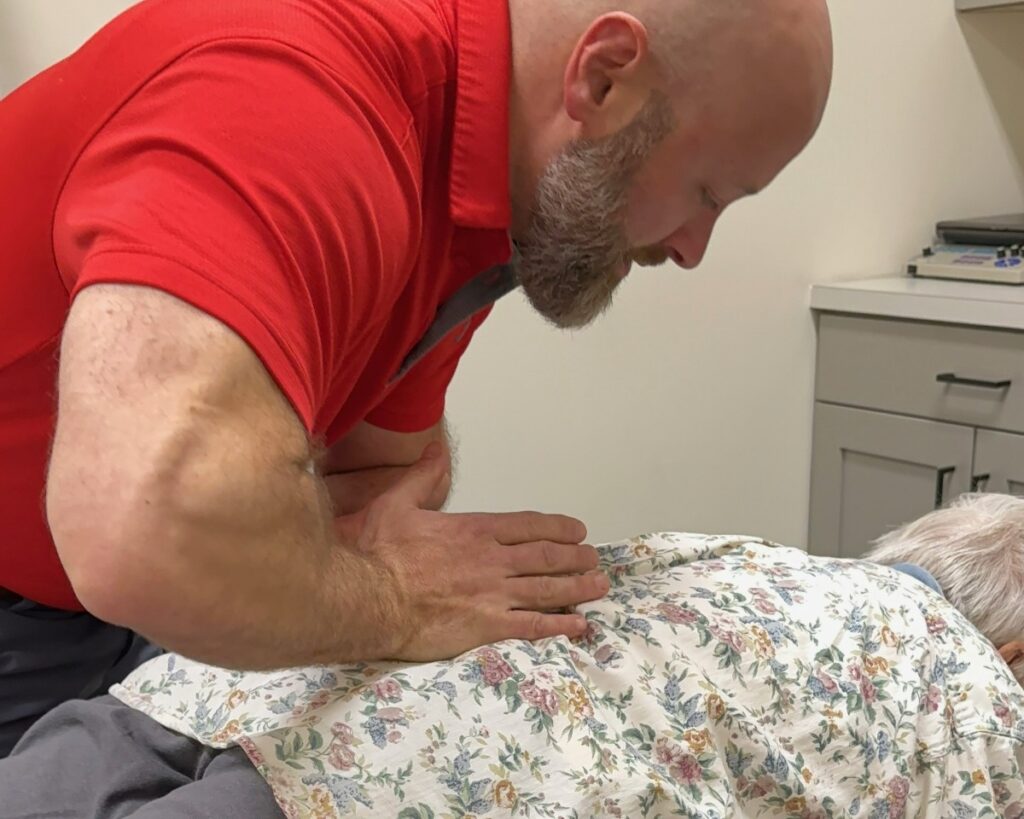
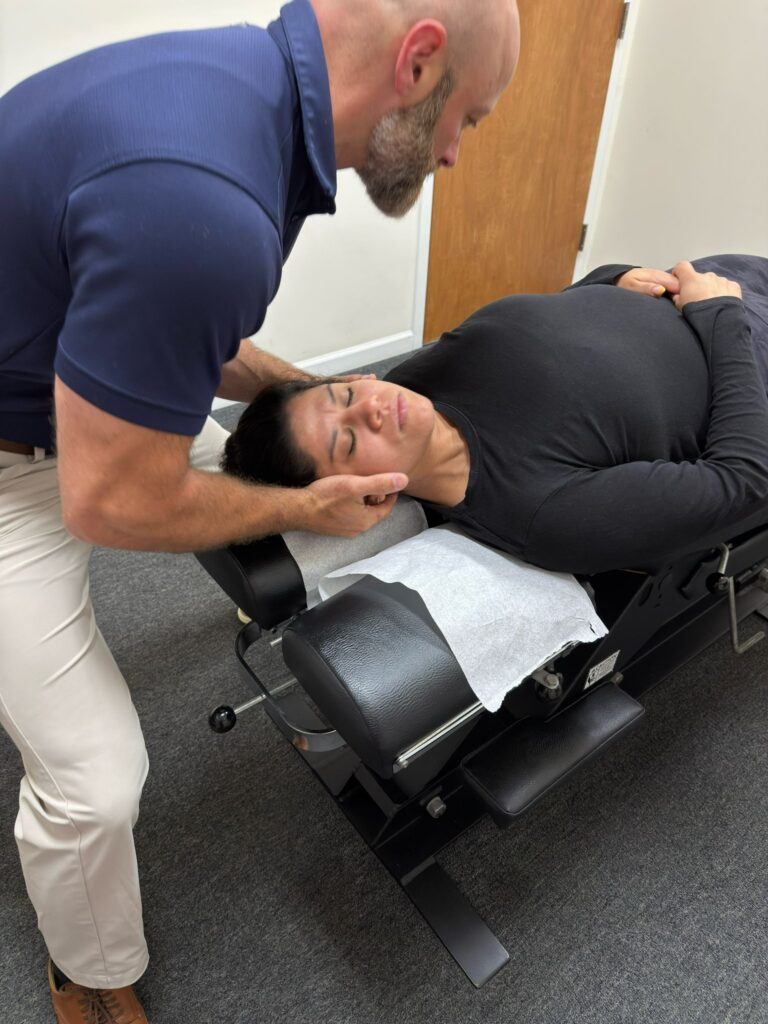
- Chiropractic Adjustments: Regular chiropractic adjustments can restore proper alignment to your spine, which is essential for reducing pain and improving overall function. These adjustments promote natural healing and can help maintain a healthy spine, reducing the likelihood of future pain.
- Heat and Ice Therapy: Applying heat or ice to your lower back can provide immediate relief. Heat helps to relax tight muscles, while ice reduces inflammation. Your chiropractor can suggest the best approach for your specific situation.
- Ergonomic Support: Consider how your workspace is set up. Ergonomic chairs and desk setups can significantly reduce strain on your back. A chiropractor can offer recommendations tailored to your work environment to help reduce discomfort.
- Stay Active: Engaging in regular low-impact activities, such as walking or swimming, can strengthen your back and core muscles. A chiropractor can advise you on suitable exercises that support your spine while being gentle on your body.
- Mind-Body Techniques: Practices such as yoga, tai chi, or meditation can help manage stress, which often exacerbates pain. Many chiropractors incorporate holistic approaches into their care, promoting overall wellness.
By embracing these natural strategies, particularly through chiropractic care, you can take significant steps toward managing your low back pain and enhancing your quality of life. Remember, your spine is the foundation of your overall health—nurture it, and it will serve you well.
Key Takeaways
- Engage in gentle stretching and low-impact activities such as walking or swimming to enhance your mobility and ease discomfort in your lower back. These activities promote flexibility and can help prevent future issues, making them excellent complements to chiropractic care.
- Be mindful of your posture while sitting and standing. Good posture alleviates strain on your spine and is essential for maintaining overall spinal health. Remember, a well-aligned spine supports your body’s natural balance, which is a core principle of chiropractic care.
- Utilize heat and cold therapy to relax tense muscles and reduce inflammation. Alternating between heat and cold can provide optimal relief, especially when paired with regular chiropractic adjustments that support your body’s healing process.
- Practice mindfulness and breathing techniques to reduce muscle tension and improve your focus. These techniques can enhance your body’s ability to cope with pain. Incorporating these practices into your routine works hand-in-hand with chiropractic care to create a holistic approach to managing discomfort.
- Consider regular chiropractic care as an effective way to maintain spinal alignment, promote healing, and achieve long-term pain relief. Your chiropractor can provide personalized adjustments and support your journey to overall wellness, ensuring that your body functions at its best.
Practice Gentle Stretching and Strengthening Exercises
Practicing gentle stretching and strengthening exercises is an excellent way to alleviate low back pain naturally. As a chiropractor, I often recommend these movements to my patients because they can significantly improve flexibility and reduce muscle tension without the need for medications or invasive treatments.
Incorporating simple stretches, like the cat-cow stretch or knee-to-chest pull, can help relieve stiffness and enhance your mobility. These movements are easy to perform and can fit seamlessly into your daily routine. Additionally, focusing on your core strength is vital. Exercises like bridges and pelvic tilts target the muscles that support your spine, contributing to overall stability and health.
Consistency is crucial for seeing results, so aim to dedicate just a few minutes each day to this practice. Listening to your body is important; always avoid pushing yourself into discomfort. To protect yourself from injury, don’t forget to warm up before starting your exercises and cool down afterward.
By incorporating these gentle exercises into your daily routine, you can better manage pain and improve your overall well-being. Over time, you may notice increased strength and reduced discomfort, allowing you to enjoy your daily activities with greater ease.
Maintain Good Posture Throughout the Day
Maintaining good posture is essential for managing low back pain and enhancing the benefits of gentle stretching and strengthening exercises. As a chiropractor, I believe that by being mindful of your posture throughout the day, you can significantly reduce strain on your back and promote overall spinal health.
Here are some simple tips to help you maintain good posture and support your journey to natural wellness:
- Feet on the Floor: When sitting, keep your feet flat on the floor, and aim for your knees to form a right angle. This helps maintain proper alignment and reduces pressure on your spine.
- Supportive Seating: Sit all the way back in your chair, and consider using a lumbar roll or cushion for added support. This helps maintain the natural curve of your lower back and promotes comfort.
- Stand Tall: When standing, keep your shoulders back and your weight evenly distributed on both feet. This not only looks confident but also helps prevent unnecessary strain on your back.
- Smart Lifting: When lifting objects, bend at your knees and keep the item close to your body. This technique protects your back and reduces the risk of injury.
Incorporating these practices into your daily routine can alleviate discomfort and promote a healthier spine.
Remember, chiropractic care is a fantastic way to support your journey to optimal health and wellness. Regular adjustments can help maintain alignment, reduce pain, and enhance your overall well-being, making it easier to engage in the activities you love.
Let’s work together to achieve a pain-free, healthier lifestyle!
Utilize Heat and Cold Therapy
Heat and cold therapy can be incredibly effective for alleviating low back pain and promoting healing without the need for invasive treatments. As a chiropractor, I often recommend these methods as part of a holistic approach to wellness.
When you apply heat to your back, it helps to relax tense muscles and improve blood circulation, which can significantly reduce discomfort. You can easily use a heating pad, a warm towel, or even take a soothing warm bath. Just be sure to keep the heat at a comfortable level—warm, but not too hot—to avoid any burns.
On the other hand, cold therapy is excellent for reducing inflammation and numbing sharp pains. You can use an ice pack or even a bag of frozen vegetables wrapped in a towel for this purpose. Apply the cold pack for about 15-20 minutes, allowing breaks in between to protect your skin and promote healing.
For many, alternating between heat and cold can enhance the benefits. Start with cold therapy to minimize swelling, then switch to heat to relax tight muscles. This combination can be particularly effective in managing pain and supporting recovery.
Remember, it’s essential to listen to your body during this process. Everyone’s response to heat and cold therapy can vary, so take the time to figure out what feels best for you.
In addition to these therapies, regular chiropractic care can further help you achieve optimal health. A chiropractor can offer tailored adjustments and treatments that address the root causes of pain, leading to long-term relief and overall wellness. Incorporating these natural methods into your routine can empower you to take charge of your health and enhance your quality of life.
Incorporate Mindfulness and Relaxation Techniques
To effectively manage low back pain, it’s essential to incorporate mindfulness and relaxation techniques into your daily routine. These practices can significantly enhance your healing journey and improve overall well-being. One of the simplest yet powerful methods is through breathing exercises. Taking deep, intentional breaths not only calms your mind but also helps release tension in your body, making it easier to cope with discomfort.
Additionally, consider engaging in guided meditation practices. This can help shift your focus away from pain and into a more serene state of mind, allowing your body to relax and heal. By embracing these techniques, you can cultivate a peaceful environment that supports your recovery.
Remember, chiropractic care is an excellent choice for addressing low back pain. Regular adjustments can help align your spine, reduce tension, and promote natural healing. Coupled with mindfulness and relaxation techniques, you can create a comprehensive approach to achieving optimal health and wellness.
Incorporating these practices into your daily life not only aids in pain relief but also empowers you to take control of your health naturally. So, take a moment each day to breathe deeply, meditate, and consider the benefits of chiropractic care for a healthier, pain-free life.
Breathing Exercises Benefits
Breathing exercises are a powerful yet often overlooked tool in managing low back pain, and can complement the benefits of chiropractic care.
By focusing on your breath, you can promote relaxation and mindfulness, which helps shift your attention away from discomfort and cultivates a sense of calm. This practice not only alleviates tension but also encourages better posture and heightened body awareness—key elements in maintaining spinal health.
Here are some benefits you can experience through breathing exercises:
- Increased relaxation: Deep breathing helps release muscle tension, particularly in the back, which can enhance the effectiveness of chiropractic adjustments.
- Improved focus: By centering your mind on your breath, you can reduce anxiety related to pain, making it easier to engage with your chiropractic care.
- Enhanced body awareness: Breathing exercises encourage you to tune into your posture and movement, which is essential for maintaining a healthy spine.
- Better oxygen flow: Improved oxygenation supports overall health and healing, which can aid in your recovery process.
Incorporating simple breathing exercises into your daily routine can significantly impact how you manage low back pain.
Pairing these exercises with regular chiropractic adjustments can lead to optimal health and a more balanced lifestyle. Remember, taking care of your spine is vital for your overall wellness, and breathing exercises can be a valuable addition to your pain relief toolkit.
Guided Meditation Practices
Incorporating guided meditation practices can be a powerful complement to chiropractic care when managing low back pain and enhancing overall wellness. By focusing on your breath and visualizing calming images, you can help shift your attention away from discomfort and create a more relaxed state.
Start with just a few minutes each day in a quiet space where you feel at ease. Listening to guided meditations specifically designed for pain relief can enhance your experience.
As you engage in this practice, allow your thoughts to flow without judgment. This mindfulness technique not only calms your mind but also increases your awareness of your body. By recognizing tension, you can begin to release it, which complements the adjustments and care you receive from your chiropractor.
Over time, you’ll likely notice that these moments of mindfulness contribute to a greater sense of well-being and a reduced perception of pain. This holistic approach, combining meditation with chiropractic care, can make it easier to cope with daily challenges and improve your quality of life.
In addition to guided meditation, here are some practical tips to support your journey to optimal health:
- Maintain a Good Posture: Being mindful of your posture while sitting or standing can alleviate unnecessary strain on your back.
- Stay Active: Regular low-impact exercises, such as walking or stretching, can strengthen back muscles and improve flexibility.
- Hydration: Drinking plenty of water helps keep your spinal discs hydrated and healthy.
- Ergonomic Workspace: If you work at a desk, ensure your workstation is set up to promote good posture.
- Regular Chiropractic Visits: Consistent chiropractic care can help maintain spinal alignment, reduce pain, and promote overall wellness.
Explore Herbal Remedies and Supplements
When it comes to managing low back pain, many people are on the lookout for effective natural solutions. As a local chiropractor, I believe in the power of natural healing and the body’s ability to recover with the right support. While herbal remedies and supplements can play a role in easing discomfort, nothing compares to the holistic benefits of chiropractic care.
Here are some natural options to consider, along with the importance of chiropractic in your wellness journey:
- Turmeric: This golden spice is celebrated for its anti-inflammatory properties. It can help reduce pain and swelling, but remember, it works best when combined with a healthy lifestyle and regular chiropractic adjustments.
- Ginger: Known for its natural pain-relieving qualities, ginger can be a great addition to your diet. Like turmeric, it complements the benefits of chiropractic care, which addresses the root cause of your pain.
- Devil’s Claw: Often recommended for joint discomfort, it may also provide some relief for back pain. However, it’s essential to remember that while these herbs can help, they don’t replace the need for proper spinal alignment and care.
- Boswellia: This resin is known to reduce inflammation and improve mobility. But the best way to enhance your mobility and overall well-being is through regular chiropractic visits.
Before diving into any herbal remedies, I always recommend discussing them with your healthcare provider to ensure they’re right for you.
It’s also crucial to understand that while these supplements can aid in symptom relief, they should be viewed as complementary to the comprehensive care that chiropractic provides.
In addition to considering these natural remedies, here are some general tips to help manage low back pain:
- Stay Active: Gentle exercises and stretches can help maintain flexibility and strength in your back.
- Maintain Good Posture: Being mindful of your posture, especially when sitting for long periods, can significantly impact your spinal health.
- Practice Stress Relief Techniques: Stress can contribute to muscle tension, so incorporating relaxation techniques like deep breathing, meditation, or yoga can be beneficial.
- Hydrate: Keeping your body well-hydrated supports overall health and helps maintain the elasticity of spinal discs.
Remember, chiropractic care is a natural and effective way to manage pain and promote overall wellness.
Stay Active With Low-Impact Activities
Stay Active with Low-Impact Activities for Back Health
As a chiropractor, I often emphasize the importance of staying active in managing low back pain. Engaging in low-impact activities is a fantastic way to maintain mobility, strengthen your core, and support your spine without putting unnecessary strain on your back. Here are some excellent options that can help you on your journey to wellness:
| Activity | Benefits |
|---|---|
| Walking | Boosts circulation, enhances endurance, and is easy to incorporate into daily life. |
| Swimming | Provides a full-body workout while reducing stress on your joints, making it gentle on the back. |
| Cycling | Builds strength and endurance with minimal impact on your spine, ideal for all fitness levels. |
| Yoga | Promotes flexibility, relaxation, and mindfulness, helping to relieve tension in the back. |
| Pilates | Focuses on strengthening core muscles, which are crucial for good posture and spinal support. |
Incorporating these activities into your daily routine can greatly alleviate back pain and improve your overall function. Remember, it’s essential to listen to your body. Start slow, and gradually increase the intensity as you feel comfortable.
Additionally, consider regular chiropractic care, which can complement your active lifestyle. Chiropractic adjustments can help align your spine, reduce pain, and enhance your body’s ability to heal naturally. When your spine is aligned, you may find that your mobility improves, making it easier to engage in these low-impact activities.
Ensure a Supportive Sleep Environment
A good night’s sleep can significantly impact how you manage low back pain, and creating a supportive sleep environment is essential for your overall wellness and spinal health.
Here are some simple steps you can take to ensure your sleep space promotes comfort and healing:
- Choose the Right Mattress: Opt for a medium-firm mattress that offers the right balance of support and comfort. This can help maintain proper spinal alignment while you sleep.
- Use Pillows Wisely: Proper pillow placement is key to maintaining spinal alignment. If you sleep on your side, consider using a knee pillow to support your hips and lower back. For back sleepers, a supportive neck pillow can help maintain the natural curve of your spine.
- Create a Relaxing Atmosphere: Keep your bedroom cool, dark, and quiet to create a peaceful environment conducive to restful sleep. A calm space can help your body relax and recover more effectively.
- Stick to a Sleep Schedule: Establishing a consistent sleep routine by going to bed and waking up at the same time every day can regulate your body’s internal clock, leading to better sleep quality and overall well-being.
By focusing on these simple strategies, you can create an environment that supports your healing journey.
Remember, chiropractic care is a fantastic way to address pain and promote overall health. Regular adjustments can help ensure your spine is aligned, which can lead to improved sleep and better management of low back pain.
Consider incorporating chiropractic into your wellness routine for a natural approach to pain relief and healthier living.
Conclusion
As a local chiropractor committed to your health and wellness, I want to share seven natural tips that can help you manage low back pain and promote overall well-being. By incorporating these strategies into your daily routine, you can find relief and enhance your quality of life without the need for surgeries or medications.
- Gentle Stretches: Regularly practicing gentle stretches can help improve flexibility and reduce tension in your back. Simple movements like knee-to-chest stretches or cat-cow poses can be very beneficial.
- Good Posture: Maintaining proper posture is crucial for spinal health. Be mindful of your body alignment while sitting, standing, and even sleeping. Proper posture can alleviate unnecessary strain on your back.
- Stay Active: Engaging in low-impact activities, such as walking or swimming, can keep your body moving and strengthen your muscles without putting too much stress on your spine.
- Heat and Cold Therapy: Applying heat or cold packs to your lower back can help soothe discomfort. Heat helps to relax tight muscles, while cold therapy can reduce inflammation.
- Mindfulness Techniques: Practices such as deep breathing, meditation, or yoga can help you manage stress, which often contributes to muscle tension and pain.
- Herbal Remedies: Exploring natural herbal remedies, like turmeric or ginger, can offer anti-inflammatory benefits and support your body’s healing processes.
- Supportive Sleep Environment: Ensure your mattress and pillows provide adequate support for your spine. A good night’s sleep is essential for recovery and overall health.
By consistently applying these tips and considering chiropractic care, you can effectively manage your low back pain and enhance your overall wellness. Chiropractic adjustments focus on restoring proper alignment and function to your spine, which can be a powerful way to achieve optimal health. Remember, you don’t have to navigate this journey alone—your local chiropractor is here to help you find the relief you deserve!