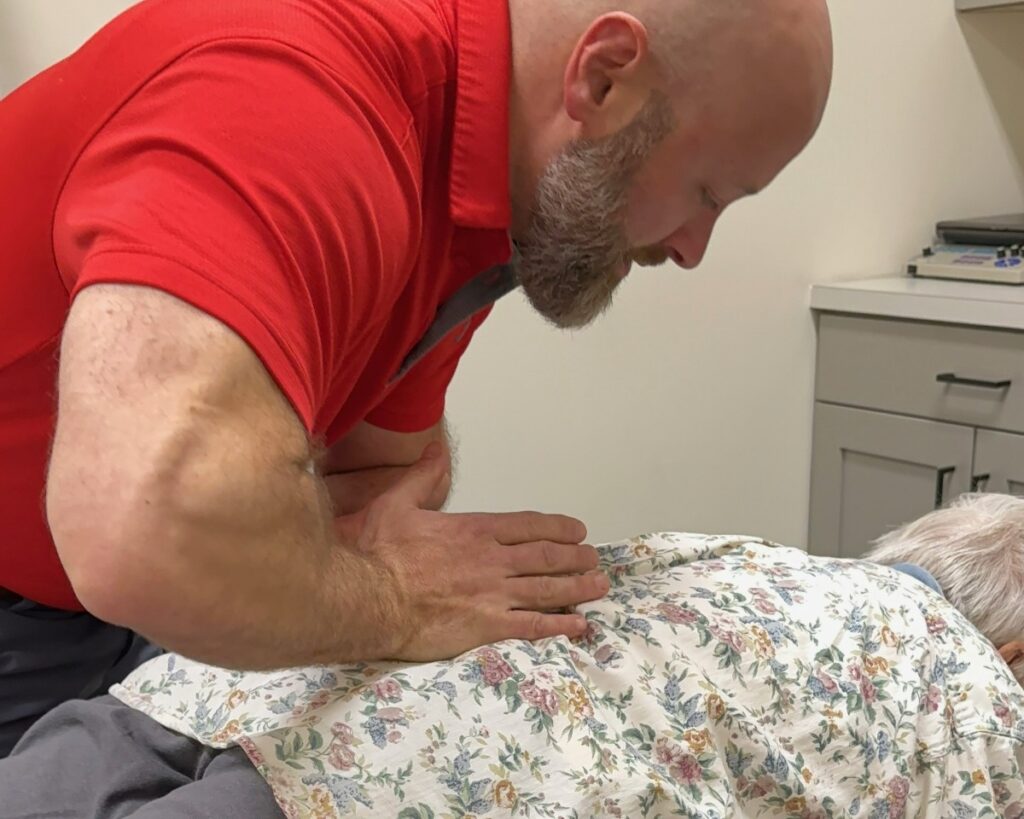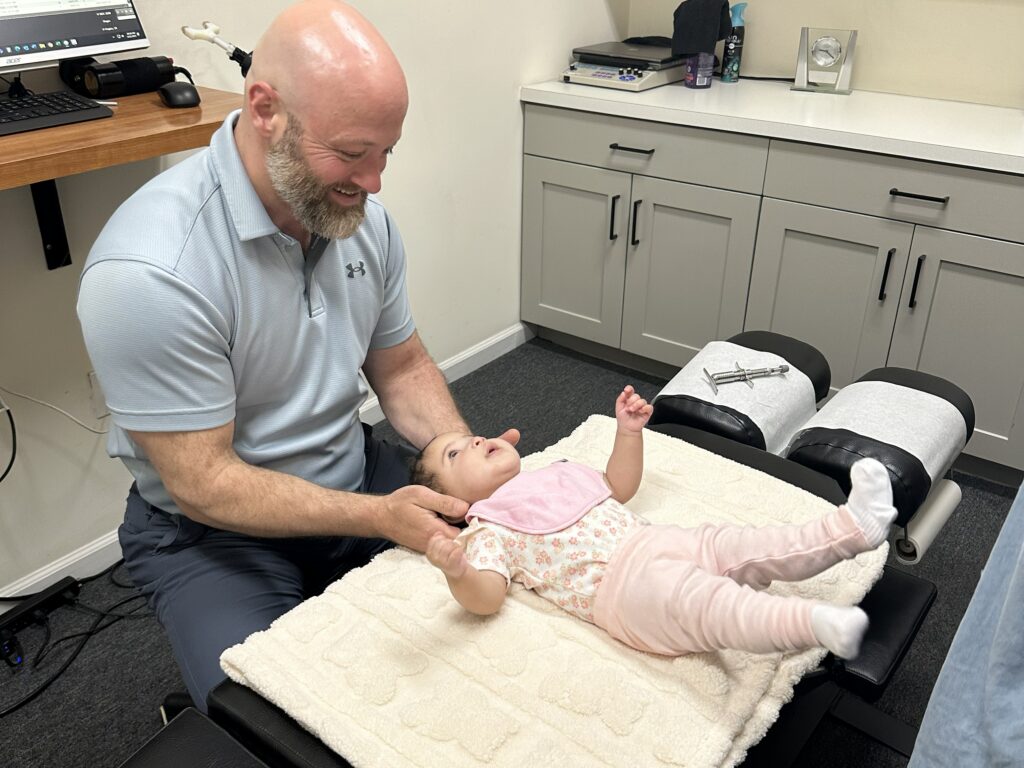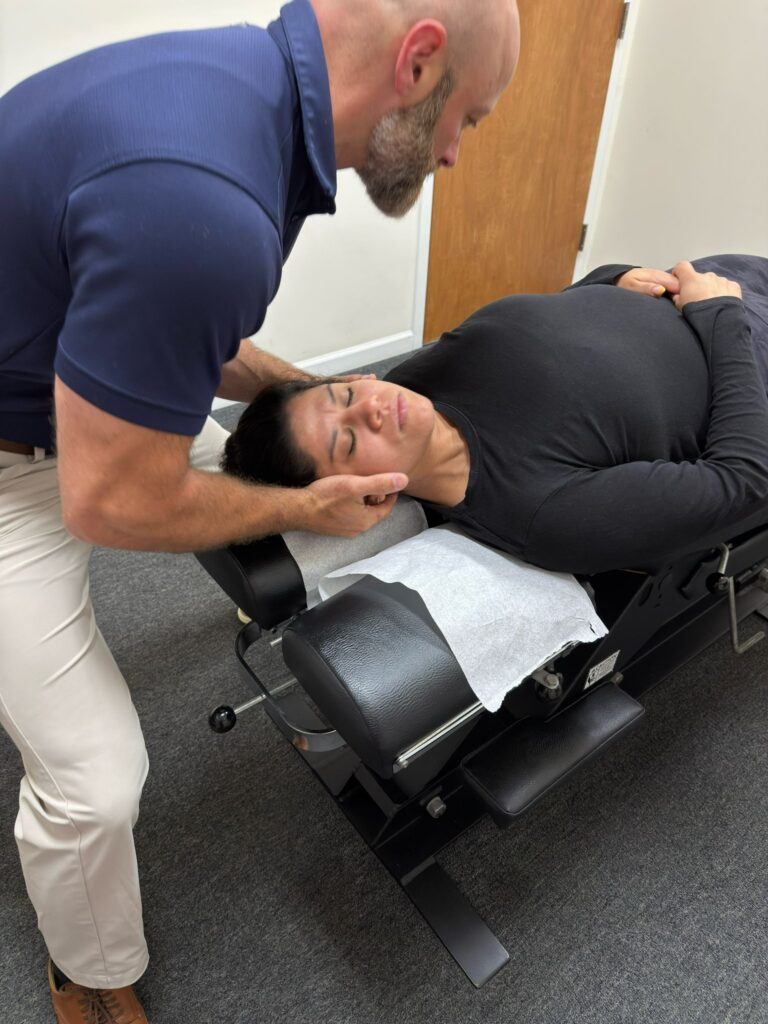

If you’re dealing with low back pain, you may be surprised to discover that non-invasive techniques, particularly chiropractic care, can provide significant relief. By utilizing gentle adjustments, targeted exercises, and ergonomic improvements, chiropractic care helps restore your body’s function naturally, without the need for medications or surgery. These methods not only alleviate pain but also enhance your long-term spinal health.
Chiropractic care focuses on aligning the spine and ensuring that your nervous system functions optimally, which is key to overall wellness. It’s a holistic approach that emphasizes your body’s natural ability to heal itself. Curious about how to incorporate these strategies into your daily routine? Here are a few tips:
- Regular Chiropractic Visits: Schedule routine check-ups with your chiropractor to maintain spinal alignment and prevent future pain.
- Exercises for Strength: Incorporate core-strengthening exercises into your routine. A strong core supports your lower back and can help prevent injury.
- Ergonomic Adjustments: Make sure your workspace is set up to support good posture. Use chairs that support your lower back, and ensure your computer screen is at eye level.
- Stay Active: Engage in low-impact activities like walking, swimming, or yoga, which can help keep your spine flexible and strong.
- Listen to Your Body: Pay attention to how your body feels during activities. If something causes discomfort, modify your approach or seek guidance from your chiropractor.
By focusing on these non-invasive approaches, you can effectively manage low back pain and promote a healthier lifestyle. Remember, chiropractic care is your best ally in achieving optimal health and wellness. Let’s work together to find the right strategies for you!
Key Takeaways
- Chiropractic care stands out as a premier choice for personalized treatment plans aimed at alleviating pain and enhancing mobility through gentle spinal adjustments. This holistic approach empowers your body to heal naturally, without relying on medications or surgeries.
- Incorporating regular stretching and flexibility exercises into your routine can significantly enhance your range of motion while reducing muscle tension. This not only supports your spinal health but also contributes to your overall comfort and well-being.
- Yoga is a fantastic complement to chiropractic care. It promotes relaxation, mindfulness, and builds core strength through specific poses that are designed to relieve back pain. Engaging in yoga can also help you connect with your body, making you more aware of your posture and movements.
- Daily self-care practices are essential for maintaining spinal health. Simple habits like practicing good posture and using ergonomic furniture can prevent unnecessary strain and support your spine in the long run. Remember, small changes can lead to significant improvements in your overall health.
- Working alongside a physical therapist can further enhance your journey to wellness. Together, you can develop a tailored exercise program that focuses on strengthening your core and improving flexibility. This collaboration can amplify the benefits of your chiropractic care, paving the way for a healthier, more active lifestyle.
By choosing chiropractic care, you are taking an important step toward achieving optimal health and wellness—naturally and effectively. Embrace these tips, and watch as your body responds positively!
Understanding Low Back Pain
Understanding low back pain begins with recognizing its common causes and symptoms, which can often be effectively addressed through chiropractic care.
Discomfort may arise from muscle strains, herniated discs, or even poor posture. If you’ve recently lifted something heavy or sat for long periods, these activities could contribute to your pain. Pay close attention to how your back feels during daily activities; any sudden sharp pains or persistent dull aches can be signs that it’s time to seek a natural approach to relief.
You’re not alone in experiencing low back pain; it’s a widespread issue that affects many people. Factors such as stress, obesity, and lack of exercise can amplify your discomfort. Identifying the source of your pain is crucial for effective relief, and chiropractic care can help you do just that. Keeping track of when and where your pain occurs can provide valuable information for your chiropractor, allowing them to tailor a treatment plan specifically for you.
Incorporating some simple tips into your daily routine can also promote a healthier back and overall wellness. Make sure to maintain good posture whether you’re sitting, standing, or lifting. Regular stretching and strengthening exercises can help support your spine. Additionally, consider incorporating gentle movements like yoga or walking into your day to keep your body active and flexible.
The Benefits of Stretching and Flexibility
Stretching and flexibility are essential components in alleviating low back pain, and as your local chiropractor, I want to emphasize how important these practices are for your overall health and wellness.
By improving your range of motion and alleviating muscle tension, you can significantly enhance your comfort and mobility.
Incorporating regular stretching into your daily routine not only helps relieve pain but also supports your spinal health.
Simple stretches, such as gentle forward bends or side stretches, can help keep your spine flexible and strong.
Remember to listen to your body and avoid any movements that cause pain; instead, focus on what feels good.
Chiropractic care is an excellent way to complement your stretching routine.
By aligning your spine and ensuring your body is functioning optimally, you can experience even greater relief from low back pain.
Our goal is to help you achieve a natural, pain-free lifestyle without the need for medications or surgeries.
Here are a few easy tips to incorporate stretching and flexibility into your daily life:
- Start Your Day with Stretching: Spend just 5-10 minutes every morning doing gentle stretches to wake up your muscles and prepare your body for the day ahead.
- Take Stretch Breaks: If you sit for long periods, take short breaks to stand up, stretch, and move around. This can help prevent stiffness and discomfort.
- Listen to Your Body: Pay attention to how your body feels during stretches. If something doesn’t feel right, adjust your position or try a different stretch.
- Stay Consistent: Aim to stretch regularly, ideally every day. Consistency is key to improving flexibility and reducing pain over time.
Remember, chiropractic care is here to support you on your journey to optimal health.
Together, with proper stretching and spinal adjustments, you can achieve a pain-free and healthy lifestyle.
Enhanced Range of Motion
Incorporating regular stretching into your daily routine can significantly improve your range of motion and overall flexibility, which is essential for maintaining a healthy spine and overall wellness. Improved flexibility not only allows you to perform everyday activities more comfortably but also enhances your athletic performance. By committing to a regular stretching practice, you’ll find that movements like reaching, bending, and twisting become easier and more natural.
As a chiropractor, I believe that proper stretching complements spinal health and can be an effective way to prevent pain and injury. Here’s a quick reference table to help you get started on your stretching journey safely:
| Stretch Type | Benefits |
|---|---|
| Dynamic Stretching | Prepares your muscles and spine for activity, reducing injury risk |
| Static Stretching | Increases overall flexibility, supporting a healthy range of motion |
| PNF Stretching | Enhances muscle elasticity, which is beneficial for spinal health |
| Ballistic Stretching | Improves explosive movements, but should be done with caution to avoid strain |
Tips for Effective Stretching:
- Warm Up First: Always start with a light warm-up to get your blood flowing before stretching.
- Breathe Deeply: Focus on your breathing to help relax your muscles as you stretch.
- Listen to Your Body: Stretch to a point of mild discomfort, not pain. Pushing too hard can lead to injuries.
- Be Consistent: Aim to incorporate stretching into your routine several times a week for the best results.
- Consider Professional Guidance: A chiropractor can provide personalized stretching recommendations that align with your specific needs and spinal health goals.
Reduced Muscle Tension
Reducing muscle tension through regular stretching is an essential part of maintaining a healthy lifestyle, and it pairs perfectly with chiropractic care to enhance your overall well-being.
When you incorporate stretching into your daily routine, you not only improve flexibility, but you also support your spine’s alignment, which is crucial for good posture and can significantly reduce lower back pain.
By loosening tight muscles, you’re not just relieving discomfort; you’re also encouraging relaxation throughout your body. This relaxation can lead to better sleep and lower stress levels, making it easier for you to face everyday challenges.
Additionally, stretching increases blood flow to your muscles, which promotes faster recovery after physical activity—a benefit that complements the adjustments you receive from your chiropractor.
Remember, consistent stretching feels great and empowers you to move more freely and confidently. Here are some simple tips to help you get started:
- Set Aside Time: Dedicate a few minutes each day for stretching, preferably after you’ve warmed up your muscles.
- Focus on Key Areas: Pay special attention to areas that tend to hold tension, like your neck, shoulders, and lower back.
- Breathe Deeply: Incorporate deep breathing while stretching to enhance relaxation and improve the effectiveness of each stretch.
- Listen to Your Body: Stretch to a point of mild discomfort, not pain, and adjust your routine based on how your body feels.
- Combine with Chiropractic Care: Regular visits to your chiropractor can help maintain your spinal alignment, while stretching supports your overall muscle health.
By integrating these practices into your life, you’ll not only experience the benefits of reduced muscle tension but also enhance your journey toward optimal health through chiropractic care.
Exploring Yoga for Back Relief
Practicing yoga can be a valuable complement to chiropractic care when it comes to easing low back pain. While chiropractic adjustments focus on aligning the spine and promoting natural healing, incorporating yoga into your routine can enhance flexibility, strengthen core muscles, and help you unwind. Together, these approaches can lead to significant relief from tension and improved posture.
Here are some yoga poses that work well alongside chiropractic treatment:
| Pose | Benefit |
|---|---|
| Child’s Pose | Gently stretches the back and promotes relaxation |
| Cat-Cow Stretch | Increases spinal flexibility and mobility |
| Downward Dog | Strengthens and lengthens the spine, supporting core stability |
Incorporating these poses into your daily routine can boost your overall well-being. Aim to hold each pose for several breaths, focusing on your breath as you move. It’s essential to listen to your body and modify poses as needed; this approach allows you to practice safely and effectively.
The Role of Physical Therapy
Chiropractic care plays a crucial role in managing low back pain effectively and naturally.
By focusing on spinal health, we can help you achieve pain relief and improve your overall wellness. Unlike other treatments, chiropractic adjustments aim to restore proper alignment to your spine, which can alleviate discomfort and promote healing without the need for medications or surgeries.
During your visits, we’ll create personalized care plans that may include gentle adjustments, exercises to strengthen your back, and techniques to enhance your flexibility.
You’ll also learn valuable self-care strategies to manage pain at home.
In addition to adjustments, consider incorporating some simple practices into your daily routine:
- Maintain Good Posture: Be mindful of your posture when sitting, standing, or lifting. Proper alignment can prevent unnecessary strain on your back.
- Stay Active: Engage in low-impact exercises like walking or swimming to keep your back strong and flexible.
- Stretch Regularly: Incorporate stretching into your daily activities to maintain flexibility and reduce tension in your muscles.
- Listen to Your Body: Pay attention to any signs of discomfort and don’t hesitate to reach out for support when needed.
With chiropractic care, you can regain control over your discomfort and enhance your overall well-being, naturally and effectively.
Your journey to optimal health starts here!
Benefits of Physical Therapy
Finding relief from low back pain often begins with understanding the benefits of chiropractic care. This natural approach empowers you to take charge of your recovery without relying on medications or surgeries. Chiropractors assess your unique situation and develop personalized strategies to enhance your spinal health, improve mobility, and reduce pain.
Through gentle adjustments and targeted exercises, chiropractic care helps you regain strength and flexibility, making everyday activities easier and more enjoyable. Additionally, chiropractors educate you about proper body mechanics, enabling you to avoid future injuries and maintain a healthy spine.
The supportive environment of chiropractic care fosters motivation and accountability, encouraging you to stay committed to your healing journey. Here are a few simple tips to help you on your path to wellness:
- Stay Active: Engage in regular low-impact activities like walking or swimming to keep your back healthy.
- Practice Good Posture: Pay attention to how you sit and stand; good posture can significantly reduce back strain.
- Use Ergonomic Furniture: Invest in a chair that supports your back when working or sitting for long periods.
- Stay Hydrated: Drinking enough water helps maintain the health of your spinal discs and overall body function.
- Stretch Regularly: Incorporate gentle stretches into your daily routine to improve flexibility and reduce tension.
Tailored Exercise Programs
Chiropractic care is the cornerstone of a holistic approach to back health, offering natural healing and pain relief without the need for medications or surgeries. While chiropractic adjustments are essential in realigning your spine and alleviating discomfort, incorporating tailored exercise programs can further enhance your recovery and overall wellness. By collaborating with a physical therapist, you can develop a personalized exercise routine that caters to your unique needs, helping to strengthen your core, improve flexibility, and promote better posture—key factors in achieving long-term relief.
Here’s a simple breakdown of the elements of these tailored exercise programs:
| Exercise Type | Purpose | Frequency |
|---|---|---|
| Strengthening | Build muscle support | 2-3 times/week |
| Flexibility | Enhance range of motion | Daily |
| Posture Training | Correct alignment issues | 3-4 times/week |
Incorporating these focused exercises into your routine can significantly reduce discomfort and promote lasting back health. Remember, the goal is to support your spine and overall body function, making chiropractic care your best choice for pain relief and natural wellness.
Tips for Improved Back Health:
- Stay consistent with your exercise routine to build strength and flexibility.
- Pay attention to your posture throughout the day; consider ergonomic adjustments in your workspace.
- Listen to your body—if an exercise causes pain, consult with your chiropractor or physical therapist.
- Maintain a healthy lifestyle with proper nutrition and hydration to support your recovery.
Pain Management Techniques
Managing pain can certainly be challenging, but incorporating chiropractic care into your wellness journey can provide effective, natural solutions to relieve discomfort and improve your mobility. A skilled chiropractor can customize treatments specifically for you, empowering you to take charge of your health and well-being.
Here are some key chiropractic approaches to consider:
- Spinal Adjustments: Gentle, hands-on adjustments can realign your spine, relieving pressure on nerves and reducing pain throughout your body.
- Therapeutic Exercises: Your chiropractor can guide you through specific exercises designed to enhance flexibility, strengthen your core, and support your spine’s health.
- Posture and Body Mechanics: Learning about proper posture and body mechanics is essential. Simple adjustments in how you sit, stand, and move can prevent injuries and foster long-term relief.
Additionally, here are some general tips to support your journey toward optimal health:
- Stay active: Gentle movement, like walking or stretching, can keep your body flexible and help alleviate pain.
- Maintain a healthy diet: Nourishing your body with whole foods can reduce inflammation and promote healing.
- Practice stress management: Techniques like deep breathing, meditation, or yoga can help reduce tension and enhance your overall well-being.
Chiropractic care focuses on treating the root cause of pain rather than just masking symptoms. By choosing this natural approach, you’re taking a significant step toward achieving lasting health and wellness.
Acupuncture: An Alternative Approach
Chiropractic care offers a powerful and natural approach for those dealing with low back pain. Unlike other methods that may rely on medication or invasive procedures, chiropractic treatment focuses on spinal health and the body’s innate ability to heal itself. By adjusting the spine and aligning the musculoskeletal system, chiropractors can help restore proper function and alleviate discomfort.
During an initial visit, a qualified chiropractor will assess your posture and spinal alignment to understand your unique needs. They’ll create a personalized treatment plan that may include spinal adjustments, exercises, and lifestyle recommendations. Many patients report feeling immediate relief after their first adjustment, and with regular visits, they often experience long-term improvements.
Chiropractic care not only targets physical pain but also addresses overall wellness. It can enhance blood circulation, relieve muscle tension, and reduce inflammation, all of which contribute to a healthier body. Additionally, by focusing on spinal health, chiropractic care can positively impact your emotional well-being, leading to a more balanced life.
For those seeking a non-invasive solution to low back pain, consider visiting a chiropractor. In addition to professional care, here are some simple tips to promote back health at home:
- Maintain Good Posture: Be mindful of your posture when sitting, standing, or lifting to reduce strain on your back.
- Stay Active: Regular exercise, including stretching and strengthening routines, can support spinal health and prevent future pain.
- Ergonomics Matter: If you work at a desk, ensure your workspace is ergonomically friendly to minimize stress on your back.
- Listen to Your Body: Pay attention to your body’s signals and don’t ignore pain. Early intervention can prevent more serious issues.
Mindfulness and Meditation Techniques
Incorporating mindfulness and meditation techniques into your daily routine can significantly improve your overall well-being, especially if you’re experiencing low back pain.
While chiropractic care is your best option for addressing the root cause of pain, these mindfulness practices can complement your treatment by enhancing your awareness and reducing stress, which may help alleviate discomfort.
Here are some simple techniques to try:
- Deep Breathing: Take a moment to focus on your breath. Inhale deeply through your nose, hold it for a brief moment, and then exhale slowly through your mouth. This simple act promotes relaxation and helps ease tension in your back, making it a great companion to chiropractic adjustments.
- Body Scan: Find a comfortable position, whether lying down or sitting. Mentally scan your body from head to toe, paying attention to any areas of tension. As you identify these areas, consciously relax them. This practice reinforces the mind-body connection and encourages a mindful approach to your health, further enhancing the benefits of chiropractic care.
- Guided Meditation: Consider using apps or online resources for guided meditation sessions. These can help you focus your mind and foster a sense of peace, which may reduce your perception of pain. By incorporating this practice into your routine, you’re supporting your body’s natural healing processes, which aligns perfectly with the principles of chiropractic care.
Remember, while these mindfulness techniques can be beneficial, regular chiropractic visits are essential for maintaining spinal health and addressing the underlying causes of back pain.
Combining these approaches can lead to a more comprehensive and effective path to wellness.
Ergonomics and Posture Improvement
Mindfulness practices can significantly boost your awareness of body mechanics, making it an excellent stepping stone into the world of ergonomics and posture improvement. By being mindful of how you sit, stand, and move, you can easily implement small adjustments that greatly alleviate stress on your lower back.
Let’s start with your workspace. It’s essential to ensure your chair provides proper support for your lower back, allowing your feet to rest flat on the ground. When sitting, aim to keep your knees at or slightly below hip level; a small cushion can be a helpful addition for added support. If your work involves a computer, position the monitor at eye level. This simple adjustment can prevent unnecessary strain on your neck and promote a healthier spine.
When it comes to standing, practice distributing your weight evenly across both feet, and remember to avoid locking your knees. Engaging your core muscles can provide additional support to your spine, promoting better posture. One of the best tips I can offer is to take regular breaks to stretch and walk around. These little movements can prevent stiffness and enhance your overall comfort.
Incorporating chiropractic care into your routine can further enhance your efforts in achieving optimal posture and spinal health. A chiropractor can provide personalized adjustments and guidance, ensuring your body is aligned correctly, which contributes to pain relief and overall wellness. Implementing these simple changes, along with regular chiropractic visits, can lead to significant improvements in your posture and back health. Embrace these tips, and take proactive steps toward a healthier, pain-free life!
Lifestyle Changes for Long-Term Relief
To achieve long-term relief from lower back pain, making intentional lifestyle changes can be transformative. As a local chiropractor, I believe that adopting healthier habits not only reduces stress on your back but also enhances your overall well-being. Here are three key changes to consider, along with how chiropractic care can support these efforts:
- Stay Active: Regular exercise is crucial for maintaining a healthy spine. Focus on activities that strengthen your core and improve flexibility, such as yoga or swimming. These exercises can help support your spine and lessen the risk of pain. Complement your routine with chiropractic adjustments to ensure your spine is aligned, which can enhance your mobility and overall function.
- Maintain a Healthy Weight: Carrying excess weight can put additional pressure on your spine, leading to increased back pain. By losing weight through a balanced diet and exercise, you can significantly reduce this strain. Chiropractic care can provide guidance on proper nutrition and exercise techniques tailored to your needs, helping you achieve and maintain a healthy weight.
- Prioritize Sleep: Quality sleep is essential for healing and overall health. Make sure you get enough restful sleep by investing in a supportive mattress and finding a comfortable sleeping position that supports your back. Regular chiropractic adjustments can also help improve your sleep quality by alleviating tension and discomfort, allowing you to wake up feeling refreshed.
Incorporating these lifestyle changes, along with regular chiropractic care, can lead to significant improvements in your lower back pain and overall health. Remember, your spine is the foundation of your body, and taking steps to care for it’s key to achieving optimal wellness.
Conclusion
Incorporating non-invasive techniques for low back relief is essential for improving your overall quality of life, and chiropractic care stands out as the best choice for achieving optimal health. By focusing on spinal health through chiropractic adjustments, you can effectively relieve pain and promote long-term wellness.
In addition to regular chiropractic visits, embracing simple practices like stretching, yoga, and physical therapy can further enhance your recovery. These activities not only help alleviate discomfort but also strengthen your back and improve flexibility. Remember, maintaining good ergonomics at work and home is crucial, so be mindful of your posture and the way you lift heavy objects.
Making small lifestyle changes, such as staying active and incorporating gentle movements into your daily routine, can support your well-being. With consistent chiropractic care and self-awareness, you can take charge of your back health and prevent future discomfort.
Start your journey towards relief today by scheduling a visit to your local chiropractor. Experience the difference that natural healing can make in your life!