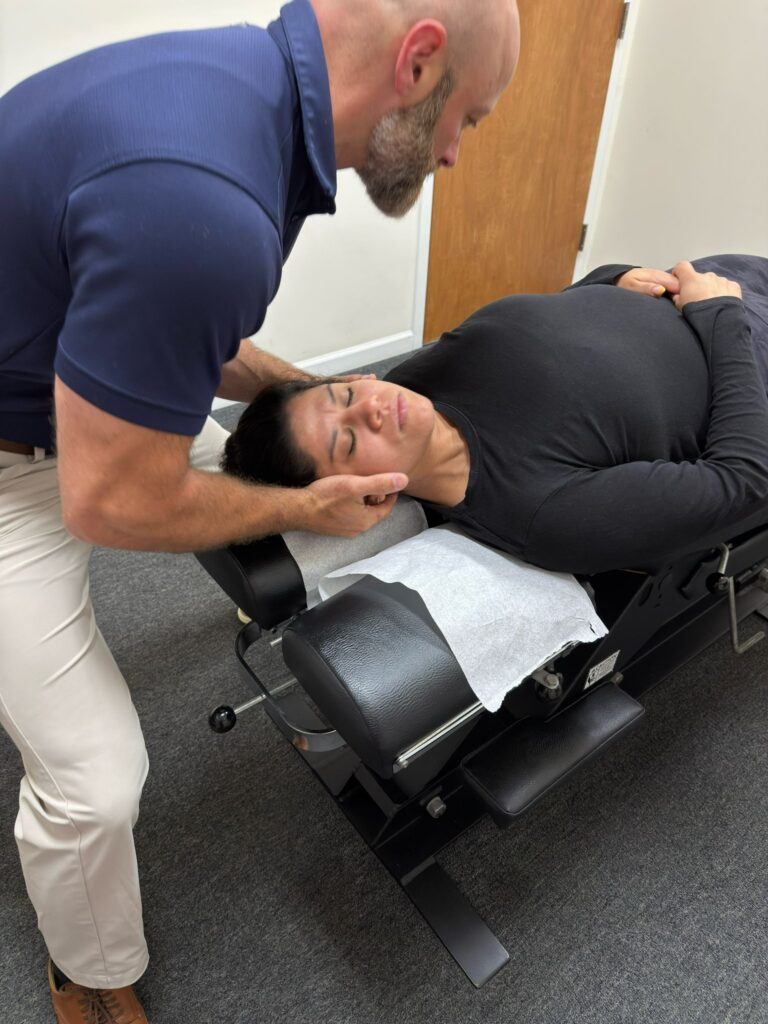
If you’re dealing with headaches, figuring out the right frequency of chiropractic visits for relief can be crucial. Different types and intensities of headaches require personalized approaches, and chiropractic care can be a powerful tool in managing these conditions. For example, migraines and tension-type headaches often respond differently to treatment, and a skilled chiropractor can tailor a plan just for you.
So, how do you determine the best schedule for your chiropractic visits? Here are some factors to consider that can influence your treatment plan:
- Type of Headache: Understanding whether you’re experiencing migraines, tension headaches, or other types can help your chiropractor create a specific care plan that addresses the root causes.
- Severity and Frequency: If your headaches are frequent and debilitating, more regular visits may be necessary. Your chiropractor can assess your situation and suggest an optimal frequency to help you find relief.
- Lifestyle Factors: Factors such as stress, posture, and daily activities can contribute to headaches. Incorporating chiropractic care into your routine can help address these issues and promote overall wellness.
Regular follow-ups with your chiropractor not only help in managing headaches more effectively but also support your overall health. Here are some general tips to enhance your wellness journey:
- Stay Hydrated: Dehydration can trigger headaches, so make sure you’re drinking enough water throughout the day.
- Practice Good Posture: Maintaining proper posture, especially while sitting at a desk, can alleviate tension in your neck and shoulders.
- Manage Stress: Incorporating relaxation techniques such as deep breathing or yoga can help reduce stress-related headaches.
- Get Regular Adjustments: Regular chiropractic adjustments can help keep your spine aligned, which is essential for preventing headaches and promoting overall health.
Incorporating chiropractic care into your health routine can lead to significant improvements in headache management and overall well-being. Remember, you don’t have to live with headaches—seek out the natural healing benefits of chiropractic care and take the first step towards a pain-free life!
Key Takeaways
Optimal Visit Frequency for Headache Relief Through Chiropractic Care
As a dedicated chiropractor, I want to share how regular chiropractic visits can help alleviate headaches and support your overall wellness. Here’s how often you might consider coming in to see me, based on the type of headache you experience.
- Migraines: If you suffer from migraines, I recommend scheduling visits every 1 to 3 months. This frequency allows us to address the unique challenges of migraines, depending on how often and intensely they occur. Together, we’ll work to develop a personalized plan that can help reduce the frequency and severity of these episodes.
- Tension-Type Headaches: For those dealing with tension-type headaches, regular maintenance visits every 2 to 4 weeks can be particularly beneficial. These visits help keep your spine aligned and your nervous system functioning optimally, leading to effective symptom control and a better quality of life.
- Progress Monitoring: It’s important to have regular follow-ups every 4 to 6 weeks. These appointments allow us to monitor your progress and make any necessary adjustments to your treatment plan. This ongoing support is key to achieving long-term relief from headaches.
- Increased Headache Frequency: If you notice an increase in your headache frequency, don’t hesitate to call for an earlier appointment. We can reassess your situation and modify your treatment plan to better suit your needs.
- Track Your Symptoms: Keeping a diary of your headaches can be incredibly helpful. By noting when they occur, their intensity, and any potential triggers, we can better determine the optimal visit frequency for your chiropractic care. This information will guide us in tailoring your treatment for the best possible outcomes.
Additional Tips for Headache Relief
- Stay Hydrated: Dehydration can trigger headaches, so make sure to drink plenty of water throughout the day.
- Manage Stress: Incorporate relaxation techniques such as deep breathing, meditation, or yoga to help reduce tension that can lead to headaches.
- Maintain Good Posture: Be mindful of your posture, especially if you spend long hours at a desk. Proper alignment can significantly reduce the risk of tension headaches.
- Get Enough Sleep: Aim for 7-9 hours of quality sleep each night to help your body recover and reduce headache frequency.
Chiropractic care is a natural and effective way to manage headaches and promote overall wellness. By working together, we can create a tailored approach that addresses your specific needs and helps you achieve optimal health. Remember, regular chiropractic visits are a vital part of maintaining a healthy spine and a headache-free life!
Understanding Different Types of Headaches
When it comes to headaches, understanding the different types can significantly influence how you manage your pain naturally and effectively. As a chiropractor, I believe that recognizing these types is essential for achieving optimal health and wellness.
Tension headaches are the most common and feel like a tight band around your head. They’re often triggered by stress, poor posture, or muscle tension in the neck and shoulders. One effective way to alleviate tension headaches is through chiropractic adjustments, which can help realign the spine and relieve muscle tension.
Migraines, on the other hand, can cause debilitating pain that often comes with nausea and sensitivity to light and sound. While these can be more complex, chiropractic care can provide relief by addressing spinal misalignments that may contribute to headaches. Techniques such as spinal manipulation or gentle stretching can help reduce the frequency and intensity of migraine episodes.
Cluster headaches are less common but can be intensely painful and often disrupt sleep. Regular chiropractic care may help in managing these headaches by improving overall spinal health and reducing stress on the nervous system.
Sinus headaches arise from sinus pressure and congestion, often linked to allergies or infections. While chiropractic care isn’t a direct treatment for sinus issues, it can help improve overall health and function, potentially alleviating some symptoms by promoting better drainage and reducing inflammation.
To manage headaches effectively, consider keeping a headache diary to identify patterns and triggers. Simple lifestyle changes can also make a difference—staying hydrated, practicing good posture, and incorporating relaxation techniques like deep breathing or gentle yoga can aid in preventing headaches.
By focusing on natural healing and wellness through chiropractic care, you can find effective relief from headaches and improve your overall quality of life.
Evaluating Headache Severity
Headache severity can differ greatly from one individual to another, making it crucial to evaluate your symptoms effectively. By understanding the intensity of your headaches, you and your chiropractor can work together to create a personalized wellness plan that focuses on natural healing and optimal health.
Here’s a simple scale you can use to assess your headache severity and guide your conversations during your chiropractic appointments:
| Severity Level | Description | Actions to Take |
|---|---|---|
| 1 | Mild discomfort | Try gentle neck stretches and stay hydrated. |
| 2 | Moderate pain | Incorporate relaxation techniques like deep breathing or meditation. |
| 3 | Severe pain | Schedule a chiropractic adjustment to help relieve tension. |
| 4 | Debilitating | Consider a holistic approach with chiropractic care and lifestyle adjustments. |
| 5 | Unbearable | Seek immediate chiropractic help for a thorough evaluation. |
Chiropractic care is a natural and effective way to address headaches by focusing on spinal alignment and overall wellness. Remember to maintain good posture, stay active, and manage stress, as these factors can significantly impact headache frequency and severity. By taking proactive steps and working closely with your chiropractor, you can achieve lasting relief and enjoy a healthier, more vibrant life.
Initial Assessment and Diagnosis
Accurate diagnosis is crucial for effective headache management, and as a chiropractor, I believe understanding the specific type of headache you’re experiencing can make a world of difference in finding relief.
Whether your headaches are tension, migraine, or cluster headaches, knowing the type can guide us in creating a tailored treatment plan that focuses on natural healing.
At your first visit, we conduct a thorough initial assessment, which allows us to pinpoint the root of your headaches and understand how spinal health plays a role in your overall well-being.
Misalignments in the spine can contribute to headaches, and chiropractic adjustments can help restore balance and relieve tension, providing you with the comfort you deserve.
Here are a few simple tips to manage headaches while exploring chiropractic care:
- Stay Hydrated: Dehydration can trigger headaches, so drink plenty of water throughout the day.
- Practice Good Posture: Maintaining proper posture can reduce strain on your neck and spine, potentially decreasing headache occurrences.
- Regular Exercise: Engaging in gentle physical activity can help alleviate stress and tension that may lead to headaches.
- Manage Stress: Incorporate relaxation techniques such as deep breathing, yoga, or meditation into your daily routine.
By focusing on a holistic approach to your health and wellness, chiropractic care can be an effective way to achieve optimal health and relieve headaches naturally.
If you’re struggling with headaches, I encourage you to explore how chiropractic adjustments can support your journey to a pain-free life.
Importance of Accurate Diagnosis
Understanding the root causes of headaches is crucial for effective relief, and chiropractic care can play a significant role in this process. Many factors can lead to headaches, including spinal misalignments, muscle tension, and stress.
When you visit a chiropractor, they’ll take the time to listen to your symptoms, medical history, and lifestyle habits. This thorough evaluation helps identify potential triggers and underlying issues related to your spine and nervous system.
Without a clear understanding of your condition, you may find that treatments are less effective, which can lead to frustration and ongoing discomfort. It’s essential to communicate all relevant details about your headaches, such as how often they occur, their intensity, and how long they last. This information allows your chiropractor to develop a personalized care plan tailored to your needs.
Chiropractic care focuses on restoring proper alignment and function to the spine, which can help alleviate headaches caused by tension and nerve irritation.
In addition to adjustments, there are simple lifestyle changes you can adopt to support your well-being. Staying hydrated, practicing good posture, managing stress through relaxation techniques, and incorporating regular physical activity can all contribute to reducing headache frequency and intensity.
Remember, understanding your headaches is the first step toward finding relief. By prioritizing a thorough evaluation and embracing chiropractic care, you can pave the way for natural healing and improve your overall quality of life.
Don’t underestimate the power of a healthy spine—it’s key to achieving optimal health and wellness!
Identifying Headache Types
Understanding the different types of headaches is essential for finding effective relief and promoting overall wellness. Tension headaches, often described as a tight band around your head, can be addressed with chiropractic adjustments that help relieve muscle tension and improve spinal alignment.
Migraines, which typically involve throbbing pain along with nausea and sensitivity to light, can also benefit from chiropractic care that focuses on reducing nerve irritation and restoring proper function to the nervous system.
Cluster headaches, while less common, can cause intense pain around one eye and often occur in cycles. Chiropractic adjustments may help manage these pain episodes by addressing underlying spinal issues that could be contributing to the headaches.
Identifying the specific type of headache you’re experiencing is crucial, as each has its own triggers and management techniques. Keep track of your symptoms, their duration, and any patterns you notice. This information can be incredibly helpful when discussing your headaches with your chiropractor, who can work with you to create a personalized care plan tailored to your needs.
In addition to chiropractic care, consider incorporating some general wellness tips into your routine. Staying hydrated, practicing good posture, managing stress through relaxation techniques, and ensuring you get enough sleep can all contribute to reducing the frequency and intensity of headaches.
With the right approach, chiropractic care can enhance your quality of life, providing a natural path to relief and optimal health.
Recommended Visit Frequency for Migraines
When it comes to managing migraines, regular visits to your chiropractor can significantly improve your comfort and overall well-being. Ideally, you should consider scheduling an appointment every 1 to 3 months, depending on how often you encounter migraines and their severity.
For those dealing with chronic migraines, more frequent visits can help your chiropractor tailor a treatment plan that addresses your specific needs more effectively.
During your appointments, you’ll have the opportunity to discuss your symptoms, identify potential triggers, and explore natural therapies that may provide relief. If you notice any changes in your migraine patterns or if your current methods aren’t providing the relief you seek, don’t hesitate to reach out for an earlier appointment.
Open communication with your chiropractor is key to managing migraines naturally. They can help you implement lifestyle changes, suggest preventive strategies, and offer hands-on techniques that promote spinal health and overall wellness.
Remember, regular chiropractic care can lead to a deeper understanding of your migraine triggers and contribute to better management of your symptoms, allowing you to enjoy a more balanced and healthier life.
In addition to your chiropractic visits, consider integrating some simple lifestyle tips: stay hydrated, maintain a consistent sleep schedule, and practice stress-reducing activities like yoga or meditation.
These small adjustments can complement your chiropractic care, enhancing your journey towards optimal health and wellness.
Recommended Visit Frequency for Tension-Type Headaches
When managing tension-type headaches, the first step is to conduct an initial assessment to pinpoint your specific triggers and customize a treatment plan that works best for you. Following this assessment, regular chiropractic maintenance visits are essential for keeping your symptoms under control and enhancing your overall health and wellness.
So, how often should you schedule these visits for optimal relief? It generally depends on your unique circumstances, but many patients find that visiting their chiropractor once every 2-4 weeks can be beneficial. This frequency allows us to monitor your progress, make necessary adjustments to your treatment plan, and ensure your spine is aligned properly, which is crucial for relieving tension and preventing headaches.
In addition to these visits, there are simple strategies you can incorporate into your daily routine to help manage tension-type headaches. Here are a few tips:
- Stay Hydrated: Dehydration can contribute to headaches, so make sure you’re drinking enough water throughout the day.
- Practice Good Posture: Poor posture can lead to tension in your neck and shoulders, so be mindful of how you sit and stand.
- Manage Stress: Techniques such as deep breathing, yoga, or meditation can help reduce stress levels and alleviate headache triggers.
- Regular Exercise: Engaging in regular physical activity can improve blood flow and reduce muscle tension, helping to prevent headaches.
- Adequate Sleep: Ensure you’re getting enough restorative sleep each night, as fatigue can exacerbate headache symptoms.
By incorporating these healthy habits and maintaining regular chiropractic care, you can experience significant relief from tension-type headaches and enhance your overall quality of life.
Initial Assessment Importance
An initial chiropractic assessment is crucial for effectively managing tension-type headaches. During this evaluation, you’ll have the opportunity to discuss your symptoms, triggers, and medical history with your chiropractor. This open dialogue helps them understand your unique situation and identify patterns that may contribute to your headaches.
By examining the frequency and intensity of your headaches, you and your chiropractor can work together to create a personalized plan that caters to your specific needs.
It’s also important to explore your lifestyle, stress levels, and any other factors that might be affecting your well-being. This initial assessment not only guides your chiropractic care plan but also sets the stage for ongoing adjustments as you progress.
You’ll gain valuable insights into your condition, empowering you to take charge of your headache management naturally.
Remember, incorporating regular chiropractic adjustments can help improve spinal alignment, reduce tension, and enhance overall wellness.
In addition to chiropractic care, consider incorporating these simple tips into your routine:
- Stay hydrated: Drinking plenty of water can help alleviate headaches.
- Practice stress-relief techniques: Activities like yoga or meditation can reduce tension.
- Maintain good posture: Being mindful of your posture can prevent strain on your neck and back.
- Get enough sleep: Quality rest is key to overall health and can help reduce headache frequency.
Ultimately, this initial step is vital for achieving long-term relief from headaches and enhancing your quality of life through natural healing methods.
Chiropractic care is a powerful ally in your journey toward optimal health and wellness.
Maintenance Visit Recommendations
Establishing a regular maintenance visit schedule with your chiropractor is key to managing tension-type headaches effectively. For optimal relief, aim for visits every 4 to 6 weeks. This frequency allows your chiropractor to monitor your progress, adjust treatment plans, and address any new concerns as they arise.
If you notice that your headaches are becoming more frequent or intense, it’s important to reach out and schedule an appointment sooner.
Open communication with your chiropractor is essential; they can provide personalized advice tailored to your specific needs.
In addition to chiropractic care, incorporating lifestyle changes can greatly enhance your overall well-being. Consider integrating stress management techniques—such as deep breathing or meditation—and regular physical activity into your routine. These practices not only support your chiropractic adjustments but also contribute to a healthier, pain-free life.
Role of Preventive Treatments
Preventive treatments play a crucial role in managing headaches, especially for those who experience them frequently. As a chiropractor, I believe that addressing the underlying causes of headaches through natural methods can lead to long-lasting relief and enhanced well-being.
Chiropractic care focuses on the health of your spine and nervous system, which are vital in preventing headaches. By ensuring proper alignment and function of the spine, we can help reduce the frequency and severity of headaches. Regular chiropractic adjustments can relieve tension, improve circulation, and promote overall wellness, allowing you to enjoy a better quality of life.
In addition to chiropractic adjustments, there are several lifestyle changes you can make to complement your treatment. Regular exercise helps to reduce stress and tension, while proper hydration is essential for maintaining overall health. Incorporating relaxation techniques, such as deep breathing or yoga, can also contribute to headache prevention by managing stress effectively.
It’s important to communicate openly with your chiropractor about your specific symptoms and history. This way, we can tailor a treatment plan that fits your needs. Regular check-ups will also ensure your care remains effective as your body changes.
Ultimately, by choosing chiropractic care and making these positive lifestyle adjustments, you can take proactive steps towards managing your headaches. This approach allows you to focus on what truly matters in your life while promoting your overall health and wellness.
Importance of Follow-Up Appointments
Follow-up appointments are a crucial part of your journey towards optimal health and wellness, especially when it comes to managing pain and improving your overall well-being.
These visits allow your chiropractor to monitor your progress and make necessary adjustments to your treatment plan. This personalized approach ensures that you receive the best care possible tailored specifically to your needs.
Moreover, engaging in follow-up appointments enhances your involvement in your health journey. By regularly checking in with your chiropractor, you empower yourself to take an active role in managing your body’s wellness.
It’s an opportunity to ask questions, discuss any concerns, and learn more about how chiropractic care can help alleviate pain and promote natural healing.
Here are some tips to maximize your follow-up appointments:
- Keep a Pain Journal: Track your symptoms and any changes in your pain levels. This information will help your chiropractor understand your progress and adjust your care accordingly.
- Ask Questions: Don’t hesitate to ask your chiropractor about your treatment plan, techniques used, or any lifestyle changes that could support your healing process.
- Stay Committed: Consistency is key in chiropractic care. Regular visits can significantly enhance your recovery and overall health.
- Practice Good Posture: Maintaining proper posture at home and work can greatly improve your spinal health and reduce pain.
- Stay Active: Engage in gentle exercises and stretches recommended by your chiropractor to support your spinal health and enhance your healing.
Tracking Progress Over Time
Tracking your progress over time can significantly enhance your journey towards headache relief, especially when combined with chiropractic care. By regularly monitoring your headaches, you can identify patterns and triggers that may be impacting your overall well-being.
Keeping a detailed log of your symptoms—such as when they occur, their frequency, and severity—provides valuable insights into what may be contributing to your discomfort. This information is crucial because it allows you to have meaningful discussions with your chiropractor. Together, you can develop a tailored treatment plan that addresses your unique needs and focuses on natural healing methods.
Chiropractic adjustments can help alleviate tension in the spine and surrounding muscles, which can often play a role in headaches. Additionally, observing positive changes in your symptoms can boost your motivation to pursue a healthier lifestyle. As you track your progress, you might notice improvements that encourage you to stay committed to your wellness journey.
Remember, consistent tracking not only helps you understand your headaches better but also underscores the importance of regular chiropractic visits to adapt your care and maintain progress.
In the meantime, here are some general tips to support your headache relief journey:
- Stay hydrated: Drink plenty of water throughout the day to prevent dehydration, a common headache trigger.
- Maintain good posture: Pay attention to your posture, especially if you spend long hours sitting at a desk. Proper alignment can reduce tension in your neck and back.
- Practice relaxation techniques: Incorporate deep breathing, meditation, or gentle stretching into your routine to help relieve stress and tension.
- Get enough rest: Ensure you’re getting quality sleep each night, as fatigue can contribute to headaches.
Adjusting Treatment Plans
Regular follow-up appointments are crucial for optimizing your treatment plan and ensuring effective headache relief through chiropractic care. These visits provide an opportunity to discuss your progress, any changes in symptoms, and how your body is responding to adjustments. This dialogue helps your chiropractor make the necessary changes to your care plan to enhance your overall wellness.
Here’s a simple guide to understand the importance of follow-ups in your chiropractic journey:
| Follow-Up Frequency | Benefits |
|---|---|
| Monthly | Monitor immediate changes in your condition |
| Every 3 months | Evaluate long-term progress and make adjustments as needed |
| Every 6 months | Review overall effectiveness of your chiropractic care |
| As needed | Quickly adapt your treatment plan for optimal results |
Enhancing Patient Engagement
While many patients might perceive follow-up appointments as just another box to check, these visits are vital for enhancing your engagement and participation in your chiropractic care journey. Here’s why they’re essential:
- Track Your Progress: Regular visits allow us to keep a close eye on your improvement and make any necessary adjustments to your treatment plan. This ongoing evaluation helps ensure you’re on the right path to wellness.
- Stay Informed: During follow-ups, you’ll receive important updates about your condition and discover new techniques to manage headaches naturally. We’re here to share knowledge that empowers you!
- Ask Questions: These appointments provide a valuable opportunity for you to voice any concerns and seek clarity about your treatment. Your understanding is key to maximizing the benefits of chiropractic care.
- Build Trusting Relationships: Consistent interaction with your chiropractor helps create a stronger bond. The more comfortable you feel, the more motivated you’ll be to engage in your healing process.
Embracing your follow-up appointments can significantly influence your journey toward headache relief, allowing you to take an active role in your health and wellness.
Adjusting Frequency Based on Treatment Response
As you monitor your response to chiropractic treatment, adjusting the frequency of your visits can significantly enhance your journey toward optimal health and headache relief. Regular check-ins with your chiropractor allow both of you to assess your progress, ensuring that your treatment plan is tailored to your needs. If you notice significant improvement, you may find that extending the time between visits feels right for you. On the other hand, if headaches continue to trouble you, increasing the frequency of your visits can provide the support you need.
Here’s a simple guide to help you understand how to adjust your chiropractic visits based on your body’s response to treatment:
| Treatment Response | Suggested Visit Frequency |
|---|---|
| Major improvement | Every 4-6 weeks |
| Moderate improvement | Every 2-4 weeks |
| Minimal improvement | Every week |
| No improvement | Twice a week |
| New symptoms | Immediate visit |
In addition to adjusting your visits, consider incorporating some general wellness tips into your routine. Staying hydrated, practicing good posture, and engaging in regular physical activity can all contribute to your overall health and may enhance the benefits of chiropractic care. Remember, your chiropractor is here to help guide you on your path to natural healing and improved well-being. Embrace the journey and trust in the power of chiropractic care!
Integrating Lifestyle Changes With Medical Care
Integrating lifestyle changes with your chiropractic care can significantly enhance your overall health and provide effective headache relief. By making simple adjustments to your daily routine, you can support your treatment and improve your quality of life. Here are four key lifestyle changes to consider:
- Stay Hydrated: Drinking plenty of water is essential, as dehydration is a common headache trigger. Make it a habit to carry a water bottle and sip throughout the day.
- Maintain a Regular Sleep Schedule: Consistent sleep patterns are crucial for regulating your body. Aim for a set bedtime and wake-up time to help reduce the frequency of headaches and support your overall wellness.
- Incorporate Stress-Relief Techniques: Activities such as yoga, meditation, or deep breathing exercises can significantly lower stress levels. These practices not only promote relaxation but also enhance the benefits of your chiropractic adjustments.
- Eat a Balanced Diet: Regular, nutritious meals can help maintain stable blood sugar levels and prevent headaches. Focus on whole foods, including fruits, vegetables, lean proteins, and whole grains to fuel your body and support your chiropractic care.
By integrating these lifestyle changes with your chiropractic treatment, you can promote natural healing and achieve optimal health.
Collaborating With Your Healthcare Provider
To fully reap the benefits of chiropractic care, partnering with your healthcare provider is crucial. Open communication ensures that everyone involved understands your unique health needs and treatment objectives. It’s important to share your symptoms, progress, and any concerns you may have. This collaborative approach can lead to more effective strategies for managing pain naturally and enhancing your overall well-being.
| Aspect | Chiropractic Care | Healthcare Provider |
|---|---|---|
| Treatment Goals | Focus on spine health and overall wellness | General health management |
| Communication | Discuss symptoms and progress | Address medications if needed |
| Follow-up Frequency | Regular visits for adjustments | Annual check-ups |
Here are some tips to help you make the most of your chiropractic journey:
- Keep a Journal: Track your symptoms and any changes you notice after your chiropractic adjustments. This can provide valuable insights for both you and your chiropractor.
- Stay Active: Incorporate gentle exercises and stretches into your daily routine to support your spine and enhance your recovery.
- Practice Good Posture: Be mindful of your posture, whether sitting, standing, or lifting. Good posture can prevent unnecessary strain on your spine.
- Stay Hydrated: Drinking plenty of water helps maintain spinal health and supports overall wellness.
- Prioritize Rest: Ensure you get ample sleep, as it is vital for healing and recovery.
Conclusion
In summary, finding the ideal visit frequency for headache relief is crucial for your overall well-being. Whether you’re dealing with migraines or tension-type headaches, regular chiropractic appointments can play a significant role in monitoring your progress and adjusting your care as needed. Chiropractic care focuses on spinal health, which can positively influence your nervous system and help alleviate headache symptoms naturally.
It’s also important to integrate healthy lifestyle changes, such as proper hydration, balanced nutrition, and stress management techniques. Collaborating with your chiropractor will give you a comprehensive approach to headache relief. They can provide personalized advice on exercises, stretches, and ergonomic adjustments to support your spinal health.
By staying proactive and attentive to your symptoms, you can improve your overall wellness and effectively manage your headaches without the need for medications or surgeries. Remember, prioritizing your health and seeking natural solutions like chiropractic care can make all the difference in your journey to feeling your best!