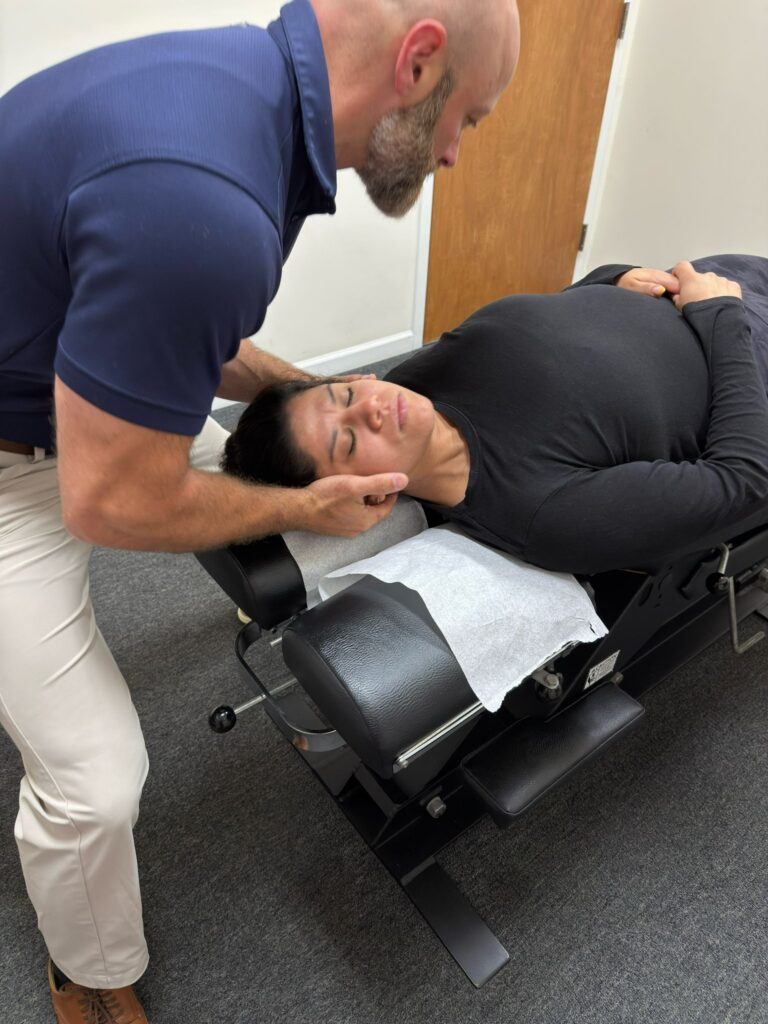

If you’re tired of relying on medications for headache relief, it’s time to explore natural approaches that can make a real difference. As a chiropractor, I often see how simple lifestyle adjustments can significantly reduce headache frequency and intensity, allowing you to live a pain-free life.
First, it’s essential to understand your headache triggers. Common culprits include dehydration, poor nutrition, and stress. By addressing these factors, you can start to feel better without resorting to medications. Here are some practical tips to help you on your journey:
- Stay Hydrated: Dehydration is a common cause of headaches. Aim to drink plenty of water throughout the day to keep your body properly hydrated.
- Nutritional Choices: Eating a balanced diet rich in fruits, vegetables, whole grains, and lean proteins can help your overall health and reduce headache occurrences. Avoiding processed foods and excessive sugar can also be beneficial.
- Stress Management: Stress is a significant trigger for many people. Consider incorporating relaxation techniques like deep breathing, meditation, or yoga into your daily routine to help manage stress levels.
- Posture Awareness: Poor posture can contribute to tension headaches. Be mindful of how you sit and stand, especially if you spend long hours at a desk. Regular chiropractic adjustments can help improve your posture and alleviate tension in your spine.
- Chiropractic Care: Regular visits to a chiropractor can be a game-changer for headache relief. Chiropractic adjustments can help align your spine, improve nervous system function, and reduce tension in the muscles surrounding your head and neck.
By incorporating these strategies into your daily life and considering chiropractic care, you may find a path to a pain-free existence. Remember, your health is in your hands, and with the right approach, relief is possible. Let’s work together to uncover the key elements that will support your journey toward optimal health and wellness.
Key Takeaways
- Staying hydrated and eating a balanced diet rich in magnesium can help prevent headaches naturally. This is an easy way to support your body’s overall health and well-being.
- Regular chiropractic adjustments play a crucial role in improving spinal alignment, which can significantly reduce the frequency of headaches. By ensuring your spine is in its best position, you may find relief from tension and discomfort.
- Incorporating stress management techniques like deep breathing and mindfulness meditation can help minimize headache triggers. These practices promote relaxation and can complement the benefits of chiropractic care.
- Engaging in regular exercise not only boosts blood circulation but also releases natural pain-relieving endorphins. Keeping your body active is a great way to enhance your overall health and support headache relief.
- Consider exploring complementary therapies such as acupuncture and massage. While chiropractic care is your best choice for spinal health, these therapies can also provide additional relaxation and relief, enhancing your wellness journey.
By focusing on these natural approaches, you can empower yourself to achieve optimal health and live pain-free!
Understanding Headaches: Types and Triggers
Headaches can be a real pain, but understanding their types and triggers is the first step toward finding relief through natural methods. There are several types of headaches, including tension, migraines, and cluster headaches. Tension headaches often feel like a tight band around your head, while migraines can cause intense, throbbing pain, usually accompanied by nausea. Cluster headaches, though less common, strike suddenly and can be extremely painful, often occurring in cycles.
As a chiropractor, I believe that identifying your headache triggers is essential for achieving optimal health. Common culprits include stress, lack of sleep, poor posture, and certain foods. You might notice that your headaches flare up after a long day at work or when you skip meals. Keeping a headache diary can help you track these patterns and identify what might be causing your discomfort.
Chiropractic care can be an effective way to alleviate headache pain and address its underlying causes. A well-aligned spine can help reduce tension and improve overall body function, which may lead to fewer headaches. Additionally, practicing good posture, managing stress through relaxation techniques, and ensuring you get enough sleep can contribute to better spinal health and headache prevention.
Here are a few tips to help you manage headaches naturally:
- Stay hydrated: Dehydration can trigger headaches, so make sure to drink plenty of water throughout the day.
- Practice good posture: Keep your spine aligned, especially when sitting for long periods.
- Manage stress: Incorporate relaxation techniques such as deep breathing, meditation, or gentle yoga into your daily routine.
- Get regular chiropractic adjustments: These can help maintain spinal alignment and reduce tension in the body, leading to fewer headaches.
The Role of Hydration in Headache Prevention
Staying hydrated is crucial for preventing headaches that you mightn’t even be aware are linked to dehydration. When your body doesn’t get enough water, it can lead to tension and pain, which can exacerbate existing issues, including those related to spinal health. As a chiropractor, I want to emphasize that proper hydration is one of the simplest and most effective ways to support your overall well-being.
When you maintain adequate water intake, you not only help prevent headaches but also support your body’s ability to function optimally. Dehydration can lead to muscle tension and increased stress on your spine, contributing to discomfort.
Here are some practical tips to help you stay hydrated and promote natural healing:
- Drink Water Regularly: Aim to drink water throughout the day rather than waiting until you feel thirsty. This consistent intake helps keep your body functioning well.
- Infuse Your Water: If plain water isn’t appealing, try adding slices of lemon, cucumber, or berries to enhance the flavor and make it more enjoyable.
- Eat Hydrating Foods: Incorporate fruits and vegetables with high water content, such as cucumbers, watermelon, and oranges, into your diet. They can help boost your hydration levels.
- Set Reminders: Use your phone or a water bottle with time markers to remind you to drink water at regular intervals.
- Listen to Your Body: Pay attention to signs of dehydration, such as dry mouth or fatigue, and respond by increasing your water intake.
In addition to staying hydrated, remember that chiropractic care is an excellent way to manage pain naturally and support your body’s healing processes. Regular adjustments can help alleviate tension and improve spinal alignment, further reducing your risk of headaches and discomfort.
Importance of Water Intake
Have you ever thought about how much water you drink each day? As a chiropractor, I can’t stress enough the importance of staying properly hydrated. Hydration is crucial for your body to function at its best, and it plays a significant role in preventing discomfort, including headaches. When you’re dehydrated, not only can it lead to pain and fatigue, but it can also affect your overall well-being and energy levels. This can make it difficult to maintain a healthy spine and body.
Here’s a simple breakdown of how hydration affects your body:
| Hydration Level | Effects on Body |
|---|---|
| Well-Hydrated | Increased energy, better focus, clarity |
| Mild Dehydration | Fatigue, irritability, and reduced concentration |
| Severe Dehydration | Headaches, dizziness, and overall discomfort |
Making it a habit to drink water throughout the day can have a positive impact on your health. Staying well-hydrated not only enhances your physical performance but also supports your spinal health, which is essential for a pain-free life.
Here are some easy tips to increase your water intake:
- Carry a Water Bottle: Keep a reusable water bottle with you. This serves as a constant reminder to drink water throughout the day.
- Set Reminders: Use your phone or a timer to remind you to take a drink every hour.
- Flavor It: If plain water is too boring, try adding slices of fruits or herbs like lemon or mint for a refreshing twist.
- Drink Before Meals: Make it a routine to drink a glass of water before each meal. This helps with hydration and can also aid digestion.
Hydration and Headache Triggers
Proper hydration is essential not only for boosting your energy but also for playing a vital role in preventing headaches. As a chiropractor, I often see patients who are unaware that dehydration can trigger pain signals in the body, leading to tension or migraines. Many people may not realize they’re not drinking enough water, especially when they’re busy or distracted.
To help reduce the frequency of headaches, aim to drink water consistently throughout the day—this is especially important during hot weather or after engaging in intense exercise. Pay attention to signs your body may be dehydrated, such as dry mouth or fatigue, which indicate you need to increase your fluid intake.
Incorporating hydrating foods, such as fruits and vegetables, is another great way to maintain your hydration levels and overall health. By prioritizing your water intake and staying mindful of your hydration, you can significantly lessen headache occurrences.
Additionally, remember that chiropractic care can be a powerful tool in your journey toward optimal health. Regular adjustments can help improve your overall well-being, alleviate tension, and support your body’s natural healing processes.
Dietary Adjustments for Reducing Headaches
As a local chiropractor dedicated to promoting health and wellness, I understand that headaches can be a frustrating experience for many. While headaches can arise from various triggers, making dietary adjustments can significantly aid in easing the symptoms. By paying attention to the foods you consume, you can help reduce both the frequency and severity of your headaches, all while supporting your overall well-being.
Identifying dietary triggers is an essential step. Some common culprits include processed foods, caffeine, and aged cheeses. Instead, consider incorporating foods that are known to support your health. Focus on those rich in magnesium, omega-3 fatty acids, and antioxidants, as these nutrients can be beneficial for reducing headache symptoms.
Here’s a straightforward reference table to guide your food choices:
| Foods to Avoid | Foods to Include |
|---|---|
| Processed meats | Leafy greens |
| Aged cheeses | Fatty fish |
| Caffeinated beverages | Nuts and seeds |
| Chocolate | Whole grains |
| Alcohol | Fresh fruits |
In addition to dietary changes, I encourage you to explore chiropractic care as a natural approach to managing headaches. Chiropractic adjustments can help improve spinal alignment and alleviate tension in the body, which might be contributing to your headache pain. By choosing chiropractic care, you’re opting for a holistic method that focuses on healing your body naturally, without the need for medications or surgeries.
Here are a few tips to keep in mind:
- Stay Hydrated: Sometimes dehydration can trigger headaches, so be sure to drink plenty of water throughout the day.
- Maintain a Regular Eating Schedule: Skipping meals can lead to headaches, so try to eat balanced meals at regular intervals.
- Monitor Your Triggers: Keep a headache diary to track what you eat and drink, so you can identify patterns and avoid specific triggers.
- Practice Relaxation Techniques: Stress can contribute to headaches, so incorporating relaxation exercises like yoga or meditation can be helpful.
- Schedule Regular Chiropractic Visits: Regular adjustments can help maintain spinal health and alleviate tension that might lead to headaches.
Stress Management Techniques for Headache Relief
When stress builds up, it can often lead to headaches, but there are effective ways to take control of your well-being. As a chiropractor, I believe that addressing the root cause of stress-related headaches is essential, and chiropractic care can play a pivotal role in this process. Techniques such as breathing exercises and mindfulness meditation not only calm your mind but also support your spinal health, which can help alleviate headache pain.
Incorporating regular chiropractic adjustments into your routine can improve your overall spinal alignment, reduce tension, and enhance your body’s ability to cope with stress. When your spine is aligned, your nervous system functions optimally, which can lead to fewer headaches and a greater sense of well-being.
Here are some simple tips to help you manage stress and support headache relief:
- Breathing Exercises: Take a few moments each day to focus on your breath. Deep, diaphragmatic breathing can help reduce tension in your body and promote relaxation.
- Mindfulness Meditation: Set aside time to practice mindfulness. This can help you stay grounded and present, reducing the mental clutter that often contributes to stress.
- Stay Hydrated: Dehydration can trigger headaches. Make sure to drink plenty of water throughout the day.
- Regular Chiropractic Care: Commit to regular visits with your chiropractor. Adjustments can help relieve tension in your neck and shoulders, which are often culprits of stress-induced headaches.
- Posture Awareness: Pay attention to your posture, especially if you work at a desk. Maintaining proper alignment can prevent unnecessary strain on your spine and reduce headache frequency.
By implementing these techniques and prioritizing chiropractic care, you can take proactive steps toward managing stress and achieving optimal health.
Breathing Exercises Benefits
Breathing exercises can be an excellent natural method for managing stress and relieving headaches—two common issues that many people face. By concentrating on your breath, you can quickly calm both your mind and body, which helps reduce the tension that often leads to headaches.
Here’s how incorporating breathing exercises into your daily routine can benefit you:
- Increased oxygen flow: When you breathe deeply, it enhances circulation and promotes relaxation. This increased oxygen flow can help your body function better overall, supporting your spine and nervous system.
- Reduced anxiety: Controlled breathing techniques can lower your heart rate and decrease stress levels, making it easier to cope with everyday challenges. Lower stress can lead to fewer headaches and better overall health.
- Enhanced focus: Regular practice of breathing exercises can sharpen your concentration. Improved focus allows you to tackle tasks more effectively, which can reduce feelings of overwhelm and tension that often lead to discomfort.
- Improved sleep: Consistent breathing exercises can lead to better sleep quality. A good night’s rest is crucial for preventing headaches and supporting your body’s natural healing processes.
Integrating breathing exercises into your life not only improves your well-being but also complements the benefits of chiropractic care.
Chiropractic adjustments help align your spine and improve nervous system function, which can further aid in headache relief and overall health.
Mindfulness Meditation Practices
Incorporating mindfulness meditation into your daily routine can significantly enhance your overall well-being and support your chiropractic care. By focusing on the present moment, you can effectively manage stress and reduce the tension that often contributes to headaches and discomfort in the spine.
Start with just a few minutes each day to sit quietly, close your eyes, and concentrate on your breath. When thoughts pop up, acknowledge them but let them drift away—this simple practice can help clear your mind and promote relaxation.
As a complement to your chiropractic adjustments, mindfulness meditation can help cultivate a deeper sense of awareness and calm. You might also consider exploring guided meditations that focus on pain relief and relaxation, which can further enhance the benefits you receive from chiropractic treatments.
Over time, regular mindfulness practice may lead to fewer headaches and less intensity when they do occur.
Remember, chiropractic care is all about natural healing and achieving optimal health through a holistic approach. By combining mindfulness techniques with chiropractic adjustments, you’re taking proactive steps towards a healthier, pain-free life.
Embrace these practices to support your journey to wellness and enjoy the benefits of a balanced mind and body.
The Benefits of Regular Exercise and Movement
Regular exercise and movement play a vital role in enhancing your overall well-being and can be particularly beneficial for managing headaches. As a chiropractor, I often emphasize the importance of physical activity not only for spinal health but also for overall body wellness.
Here’s how staying active can support you in reducing headache discomfort:
- Boosts blood circulation: Improved circulation means that vital nutrients are delivered more efficiently to your brain, which can help alleviate headache symptoms.
- Releases endorphins: These natural chemicals produced by your body act as pain relievers, promoting a sense of well-being and reducing the perception of pain.
- Relieves muscle tension: Engaging in regular movement can help alleviate tension in the neck and shoulders—common areas where tension builds up and contributes to headaches.
- Enhances sleep quality: Better sleep allows your body to recover and heal, which can play a significant role in reducing headache occurrences.
Incorporating gentle activities like walking, swimming, or yoga into your daily routine can be transformative. Aim for at least 30 minutes of movement each day. This can lead to a noticeable decrease in the frequency and intensity of headaches.
It’s important to be consistent, so find an activity you enjoy—this will help you stick with it!
Additionally, don’t forget the importance of maintaining good posture while you move. Proper spinal alignment is key to preventing tension buildup.
If you’re dealing with persistent headaches or tension, consider visiting your chiropractor. They can provide tailored adjustments and advice to support your journey towards optimal health.
Exploring Alternative Therapies: Acupuncture and Massage
Staying active is crucial for headache relief, but exploring additional natural therapies can further enhance your journey toward optimal wellness. Among these options, chiropractic care stands out as a comprehensive approach to managing headaches and promoting overall health. By focusing on spinal alignment and nervous system function, chiropractic adjustments can help alleviate tension and restore balance within your body. You may be surprised by how much better you feel after a session.
While acupuncture and massage therapy are popular choices, chiropractic care specifically addresses the root causes of headaches by ensuring that your spine is correctly aligned. A skilled chiropractor can identify misalignments that may contribute to your discomfort and provide gentle adjustments to relieve pressure, improve circulation, and enhance your body’s natural healing abilities.
In addition to chiropractic adjustments, incorporating regular physical activity and practicing good posture can significantly improve your overall well-being. Staying hydrated and managing stress through relaxation techniques can also contribute to headache relief and enhance your quality of life.
By embracing chiropractic care, you can manage headaches and support your body in achieving its natural state of wellness without relying on medications or invasive procedures. If you haven’t already, consider scheduling a chiropractic consultation to discover how this holistic approach can help you live pain-free and achieve optimal health.
Your body deserves the best care possible on its journey to wellness!
The Power of Aromatherapy in Soothing Headaches
Aromatherapy can be a wonderful complement to chiropractic care, offering a natural way to soothe headaches and promote overall wellness. By utilizing the power of essential oils, you can help alleviate pain and relax your mind and body.
Here are some essential oils that can be particularly beneficial for headache relief:
- Peppermint: This oil has a cooling effect that can help ease tension and improve blood circulation, which may reduce headache symptoms.
- Lavender: Renowned for its calming properties, lavender can help reduce stress and anxiety, allowing you to find a sense of peace amidst discomfort.
- Eucalyptus: If sinus congestion is contributing to your headaches, eucalyptus oil can help clear your airways and provide relief.
- Rosemary: Known to enhance mental clarity, rosemary can be helpful in relieving tension headaches.
To incorporate aromatherapy into your wellness routine, consider diffusing essential oils in your home or mixing them with a carrier oil for a soothing massage. These practices can enhance the benefits of chiropractic adjustments and contribute to your overall comfort.
While aromatherapy can be a fantastic tool for managing headaches, it’s important to remember that chiropractic care addresses the root causes of pain. Regular spinal adjustments can help reduce tension and improve your overall health.
By combining chiropractic care with natural remedies like essential oils, you can create a holistic approach to wellness that may reduce the frequency and intensity of headaches.
Creating a Headache-Friendly Sleep Routine
Creating a headache-friendly sleep routine can significantly enhance your overall well-being, particularly if you experience tension or migraine headaches. One of the best steps you can take is to establish a consistent sleep schedule—go to bed and wake up at the same time each day. This practice helps regulate your body’s internal clock, which is crucial for achieving restorative sleep.
Next, focus on creating a calming bedtime environment. Make your bedroom a sanctuary by keeping it dark, quiet, and cool. You might find blackout curtains, earplugs, or a white noise machine helpful in minimizing disruptions. A peaceful environment can reduce stress and tension, which may contribute to headaches.
It’s also important to limit screen time for at least an hour before sleep. The blue light emitted by our devices can interfere with your natural rest cycle. Instead, consider unwinding with a good book or gentle stretches to ease tension in your body.
Be mindful of your diet in the hours leading up to bedtime. Heavy meals, caffeine, and alcohol can trigger headaches, so it’s wise to avoid these before sleeping. Opt for lighter snacks if you feel hungry.
If you’re struggling with sleep, don’t hesitate to reach out to a healthcare professional who specializes in natural healing methods, like chiropractic care. Chiropractors focus on aligning the spine and relieving tension, which can play a significant role in reducing headache frequency and intensity.
Mindfulness and Meditation for Chronic Headache Sufferers
As you deal with the ongoing discomfort of chronic headaches, integrating mindfulness and meditation into your daily routine can significantly enhance your well-being. These practices not only help you foster awareness but also play a crucial role in reducing stress, which can be a major factor in headache triggers.
Here’s how you can get started on this journey toward better health:
- Focus on your breath: Set aside a few minutes each day to breathe deeply. This simple act can help center your mind and alleviate tension throughout your body. Remember, a relaxed spine can contribute to overall wellness.
- Practice body scans: Take a moment to mentally check in with each part of your body, especially your spine and neck. Notice any tightness and consciously release it. Keeping your spine aligned can enhance your body’s natural healing capabilities.
- Engage in guided meditation: Utilizing apps or online sessions can provide structured support, helping you to maintain focus and tranquility. This can complement the benefits of chiropractic adjustments by promoting relaxation and stress relief.
- Set a routine: Consistency is key to reaping the benefits of mindfulness and meditation. Aim to practice at the same time each day to make it a regular part of your wellness routine. Just like regular chiropractic care, establishing a routine can lead to significant improvements in your overall health.
Remember, alongside these mindfulness practices, regular chiropractic care can be a powerful ally in managing headache pain and promoting a healthier lifestyle.
Conclusion
Incorporating natural strategies into your daily routine can greatly reduce headache frequency and intensity, and chiropractic care is a key component of that journey. By prioritizing hydration, making dietary changes, managing stress, and embracing the benefits of spinal adjustments, you can take control of your well-being. Chiropractic care not only helps alleviate pain but also promotes overall health by ensuring your spine is aligned and your nervous system is functioning optimally.
Remember, it’s not just about eliminating pain; it’s about fostering a healthier lifestyle for the long term. Start today by visiting your local chiropractor to discuss a personalized plan that incorporates spinal health along with other natural strategies.
Here are some general tips you can easily incorporate into your routine:
- Stay Hydrated: Drink plenty of water throughout the day to help prevent headaches.
- Monitor Your Diet: Pay attention to foods that may trigger headaches and opt for a balanced diet rich in fruits, vegetables, and whole grains.
- Manage Stress: Practice relaxation techniques such as deep breathing, yoga, or meditation to keep stress levels in check.
- Get Regular Chiropractic Adjustments: Regular visits to your chiropractor can help maintain spinal alignment and reduce tension that may lead to headaches.
Experience the benefits of a pain-free existence—because living well shouldn’t mean relying on medication. You deserve to feel your best, and chiropractic care can help you achieve optimal health naturally!