
As a local chiropractor, I want to emphasize that posture correction goes beyond simply standing tall; it is a vital component of your overall health and well-being. Many individuals are unaware that poor posture can lead to discomfort and even chronic health problems over time. By understanding how your body aligns and making straightforward adjustments, you can significantly enhance your quality of life.
Are you wondering how to identify and improve your posture? Let’s take a closer look at some common causes of poor posture and explore effective techniques that can be easily integrated into your daily routine. Together, we can work towards better alignment that supports not just your physical health, but your overall wellness too. Remember, small changes can lead to substantial benefits!
Understanding the Importance of Posture
As a local chiropractor, I want to emphasize the vital role that posture plays in your overall health and well-being. Many people may not realize that proper alignment of your body can significantly reduce strain on your muscles and ligaments. When you sit or stand with the right posture, you’re less likely to suffer from discomfort or pain.
This proper alignment also supports your organs, allowing them to function efficiently, which in turn enhances digestion and circulation.
Good posture does more than just keep you comfortable; it can also elevate your confidence and improve your mood. Standing tall can change how others perceive you, and it can also positively influence your self-image.
Remember, it’s not just about looking good; it’s about feeling good inside and out.
I encourage you to be mindful of your posture throughout your daily activities. Whether you’re at your desk or engaging in physical exercise, the way you hold your body matters greatly.
Common Causes of Poor Posture
As a local chiropractor, I often see patients struggling with poor posture, and it’s important to understand some of the common causes behind it.
One major factor is a sedentary lifestyle; many of us spend long hours sitting, whether at a desk job or while using our devices. This can take a toll on our posture over time.
Additionally, improper ergonomics in your workspace can significantly contribute to discomfort and misalignment. It’s essential to ensure that your work environment supports your body’s natural posture.
Another contributing factor is a lack of physical activity, which can lead to weakened muscles. When your muscles aren’t strong enough to support your spine and maintain good posture, it becomes challenging to stand or sit correctly.
By addressing these issues and making simple changes, you can improve your posture and overall well-being.
As your chiropractor, I’m here to guide you through natural healing practices that can help restore balance and support your body’s health.
Sedentary Lifestyle Impacts
As a local chiropractor, I want to highlight how a sedentary lifestyle can significantly impact your posture and overall health. When you spend long hours sitting, it can lead to muscle imbalances and stiffness. For instance, your hip flexors tend to tighten, while your glutes and core muscles weaken. This imbalance can cause your pelvis to tilt, which often results in discomfort in your lower back and shoulders.
You may not notice these changes immediately, but over time, your body adapts to this poor posture, making it increasingly difficult to sit or stand up straight.
The good news is that you can take proactive steps to counteract these effects. I recommend breaking up your sitting time with short walks or stretches throughout the day.
Incorporating movement into your routine not only helps improve your posture but also enhances your overall well-being. As your chiropractor, I’m here to guide you on your journey to better health and provide natural healing solutions that can help alleviate discomfort and restore balance to your body.
Improper Ergonomics at Work
As a chiropractor, I often see the negative effects of improper ergonomics in the workplace. Spending long hours at a desk can significantly impact your overall health, especially if your workspace isn’t designed to support good posture. Many people tend to hunch over their keyboards, which places undue strain on both the neck and back.
If your chair lacks proper lumbar support, you may find yourself slouching, leading to increased discomfort over time. The height of your monitor is also crucial; if it’s positioned too low or too high, you may end up straining your eyes and neck, which can contribute to chronic pain.
To achieve optimal positioning, try to keep your feet flat on the ground and your elbows at a 90-degree angle while typing. Remember, even small adjustments to your workspace can have a significant positive impact on your comfort and well-being.
It’s worth taking the time to assess your setup, as doing so can help reduce the risk of developing chronic pain due to poor ergonomics. By prioritizing your posture and workspace ergonomics, you can support your body’s natural healing processes and promote a healthier lifestyle.
Lack of Physical Activity
As a local chiropractor, I want to take a moment to discuss the importance of physical activity and how it relates to your posture. Many people lead sedentary lifestyles, often without realizing how significantly this can impact their posture and overall health.
When you sit for extended periods, your core muscles become weak, leading to slouching and discomfort. This lack of movement can cause your body to stiffen, making it challenging to maintain proper alignment.
You might notice yourself leaning forward or hunching over, which can put strain on your back and neck. Moreover, not engaging in regular physical activity can decrease your flexibility, resulting in tight muscles that further contribute to poor posture.
To counteract these effects, I encourage you to incorporate regular exercise into your daily routine. Simple activities such as walking, stretching, or practicing yoga can strengthen your muscles and improve your body mechanics.
The Impact of Poor Posture on Health
As a local chiropractor, I want to share some crucial insights about how poor posture can negatively impact your health. Many people are unaware of the silent toll that slouching or hunching over can take on both physical and mental well-being.
Here are four significant ways that poor posture can affect you:
- Back and Neck Pain: The strain on your back and neck muscles from improper posture can lead to chronic pain and discomfort. Many of my patients come in seeking relief from these issues, which can often be traced back to their daily habits.
- Reduced Lung Capacity: When you slouch, it compresses your lungs, making it more challenging to take deep breaths. This reduction in lung capacity can lead to decreased oxygen intake, which is vital for your overall health and energy levels.
- Digestive Issues: Poor posture can compress your internal organs, leading to digestive problems such as discomfort or bloating. By aligning your spine and improving your posture, you can help your body function more efficiently.
- Mental Health Effects: Did you know that your posture can influence your mood? Slumped posture can lead to feelings of low energy and may even increase anxiety and depression. By working on your posture, you can enhance not only your physical health but also your mental well-being.
As a chiropractor, I believe that addressing these posture-related issues is essential for your overall health.
Improving your posture can make a remarkable difference in how you feel on a daily basis. If you’re interested in learning more about how chiropractic care can help you achieve better posture and overall wellness, I’m here to guide you on that journey.
Techniques for Improving Posture
As a local chiropractor dedicated to improving your overall well-being, I want to share some effective techniques for enhancing your posture. Many people underestimate the importance of proper posture, but it can significantly impact your health and comfort.
First, I recommend incorporating daily stretching exercises into your routine. These stretches help to relieve tension in your muscles and improve flexibility, which is crucial for maintaining a healthy spine.
Next, consider setting up an ergonomic workspace. This means arranging your desk, chair, and computer in a way that supports your body’s natural alignment. An ergonomic setup can reduce strain on your neck and back, allowing you to work comfortably for extended periods.
Lastly, practicing mindful breathing techniques can also play a vital role in improving posture. When you focus on your breath, it encourages you to be more aware of your body alignment and can help you relax any tight muscles.
By embracing these simple yet effective strategies, you can make a noticeable difference in how you carry yourself throughout the day.
Stretching Exercises Daily
As a local chiropractor, I want to emphasize the importance of incorporating daily stretching exercises into your routine to improve your posture and overall well-being.
Many individuals aren’t familiar with how simple practices can significantly impact their health. By dedicating just a few minutes each day to stretching, you can relieve tension, increase your flexibility, and promote proper alignment of your spine and joints.
Here are four effective stretching exercises that I encourage you to try:
- Chest Stretch: Stand tall with your feet shoulder-width apart. Clasp your hands behind your back and gently pull your shoulders back. This exercise opens up your chest and counteracts the effects of slouching, which is common in our daily lives.
- Neck Stretch: Many people experience neck tension due to prolonged screen time. To alleviate this, tilt your head to one side, bringing your ear toward your shoulder. Hold for a few seconds before switching sides. This stretch can help relieve stiffness and improve mobility in the neck.
- Cat-Cow Stretch: This dynamic stretch is excellent for your spine. Start on all fours with your wrists under your shoulders and knees under your hips. Alternate between arching your back (like a cat) and dropping your belly while lifting your head (like a cow). This movement encourages flexibility and helps to relieve back tension.
- Hamstring Stretch: To target the often-tight hamstrings, sit with one leg extended in front of you. Reach for your toes and hold the position for a few breaths. This stretch can help relieve tightness in the back of your legs and improve overall mobility.
I encourage you to integrate these stretches into your daily routine. Not only will they help improve your posture, but they’ll also contribute to your overall health and well-being.
Ergonomic Workspace Setup
As someone who spends long hours at a desk, it’s crucial to create an ergonomic workspace to support your spine health and overall well-being. Proper posture is key to preventing discomfort and injury.
Begin by adjusting your chair so that your feet rest flat on the ground, ensuring that your knees are at a 90-degree angle. Your desk should be positioned to keep your elbows close to your body, also at a 90-degree angle while typing.
It’s important to place your monitor at eye level, roughly an arm’s length away, to minimize strain on your neck. Consider using a keyboard and mouse that allow your wrists to remain straight, as this can prevent repetitive strain injuries.
If you often refer to documents, incorporating a document holder can help keep your papers at eye level, reducing unnecessary neck movement.
Remember, taking short breaks to stretch and change positions throughout your day is essential. These little adjustments can make a significant difference in how your body feels, helping to keep you comfortable and pain-free.
Mindful Breathing Techniques
As a local chiropractor, I often see patients who struggle with maintaining good posture, especially during those long hours spent at their desks.
One effective and natural way to enhance your posture is through mindful breathing techniques. These techniques not only promote relaxation but also help align your body, which is essential for overall spinal health.
Let me guide you through four simple steps to practice mindful breathing:
- Sit comfortably: Ensure your back is straight and your feet are flat on the ground. This foundational position supports your spine.
- Inhale deeply: Take a deep breath in through your nose, filling your lungs completely. This oxygenation helps relax your muscles and prepare your body for better alignment.
- Hold briefly: Pause for a moment after inhaling, allowing your body to settle and your spine to naturally align.
- Exhale slowly: Gently release the breath through your mouth, focusing on relaxing your shoulders and letting go of any tension.
Incorporating these mindful breathing techniques into your daily routine can significantly improve your posture and contribute to your overall well-being.
Ergonomic Tools and Resources
As a local chiropractor, I want to emphasize the importance of posture and how integrating ergonomic tools and resources can greatly enhance your daily comfort and productivity. Many people are unaware of how their workspace setup can affect their spinal health and overall well-being.
First, I recommend investing in an adjustable chair that provides proper support for your lower back. It’s crucial that your feet rest flat on the floor to maintain good posture. A height-adjustable desk is another excellent investment, as it allows you to alternate between sitting and standing. This simple change can significantly reduce strain on your back and neck.
I also encourage you to use a monitor stand to position your screen at eye level. This helps prevent neck strain, which is a common issue I see in patients who spend long hours in front of a computer.
Pay attention to the placement of your keyboard and mouse as well; they should be within easy reach to avoid awkward wrist angles that could lead to discomfort or injury.
Additionally, consider incorporating supportive accessories such as lumbar rolls or footrests. These tools can provide extra comfort, especially during extended periods of sitting.
Lastly, there are various apps and tools available that can serve as reminders to check your posture throughout the day.
By embracing these ergonomic resources in your daily routine, you can significantly enhance your overall health and productivity. Remember, taking care of your posture is a vital step in maintaining a healthy spine and preventing future problems.
If you have any questions, I’m here to help guide you on your journey to better health.
Exercises to Strengthen Postural Muscles
As a local Chiropractor, I often emphasize the importance of not only utilizing ergonomic tools in your workspace but also incorporating regular exercise into your daily routine to improve your posture.
Strengthening your postural muscles is essential for maintaining proper alignment and reducing discomfort throughout the day. Here are four effective exercises that I recommend to my patients:
- Plank: This exercise is fantastic for engaging your core. Aim to hold a plank position for about 30 seconds. This will help strengthen your abdominals and back, supporting your spine’s stability.
- Wall Angels: Stand with your back against a wall and slowly slide your arms up and down while keeping your back flat against the surface. This movement is excellent for opening up your shoulders and countering the effects of prolonged sitting.
- Bridges: Lying on your back with your knees bent, gently lift your hips while engaging your glutes. This exercise not only strengthens your lower back but also targets your hips, which is vital for overall postural health.
- Bird-Dog: While on all fours, extend one arm and the opposite leg simultaneously. Hold this position for a few seconds before switching sides. This exercise is wonderful for enhancing balance and core stability, both of which are crucial for maintaining good posture.
Incorporating these exercises into your routine can significantly support your journey toward better posture and overall well-being.
Daily Habits for Maintaining Good Posture
As a local chiropractor, I want to emphasize the importance of maintaining good posture for your overall health and well-being. Developing daily habits that support proper alignment can make a significant difference in how you feel. Start by being aware of your posture throughout the day—whether you’re sitting, standing, or walking.
Make it a point to keep your shoulders back and relaxed, while engaging your core to provide necessary stability.
When it comes to sitting, it’s crucial to choose a chair that offers support for your lower back and allows your feet to rest flat on the floor. This simple adjustment can help prevent discomfort and strain.
I also encourage you to take regular breaks if you find yourself sitting for prolonged periods. Stand up, stretch, or take brief walks to relieve tension and reset your posture.
If you work at a desk, it’s important to adjust your workspace height so that your computer screen is at eye level, and ensure that your wrists remain straight while typing to avoid unnecessary strain.
Additionally, don’t forget to practice good posture while using your phone. Instead of bending your neck down, hold your device at eye level.
By making these small adjustments and incorporating these habits into your daily routine, you can naturally promote better posture and enjoy the numerous health benefits that come with it.
When to Seek Professional Help
As your local chiropractor, I want to help you understand when it might be time to seek professional assistance for posture-related issues. Even with a commitment to daily healthy habits, there are situations where expert guidance can be invaluable.
If you find yourself experiencing ongoing discomfort or pain, it’s crucial to take action. Here are some key indicators that suggest you should consider consulting a chiropractic professional:
- Chronic Pain: If you’re regularly feeling discomfort in your back, neck, or shoulders, this is a strong indication that you could benefit from a thorough evaluation by a chiropractor.
- Limited Mobility: If you find it difficult to move comfortably or experience stiffness in your joints, it may signify an underlying issue that needs attention.
- Fatigue: If you often feel unusually tired, particularly after sitting or standing for extended periods, it could be a sign that your posture isn’t optimal and is affecting your energy levels.
- Numbness or Tingling: Experiencing numbness or tingling sensations in your arms or legs is an important symptom that shouldn’t be ignored. It’s essential to seek a professional assessment.
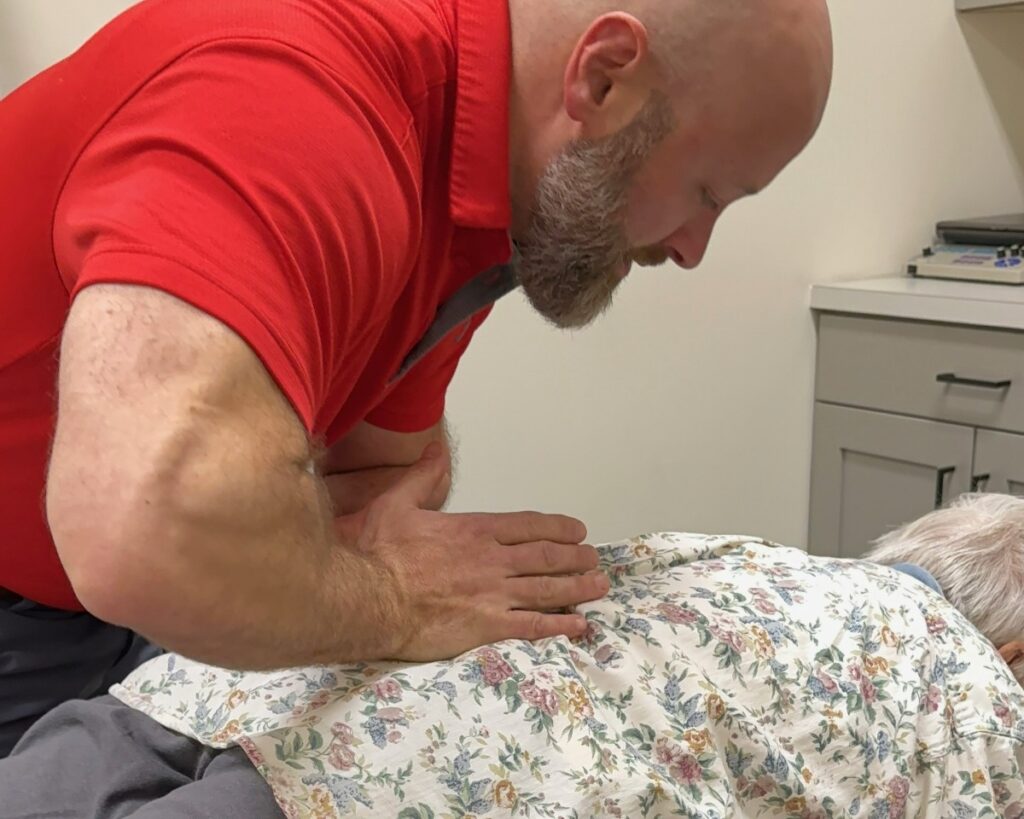
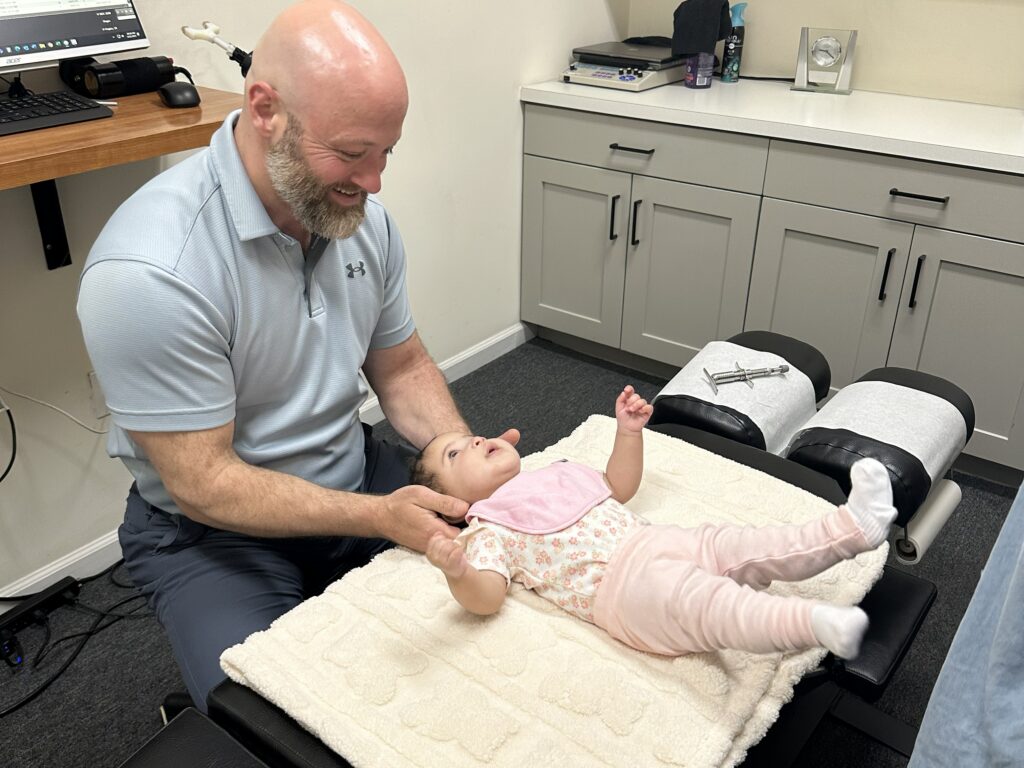
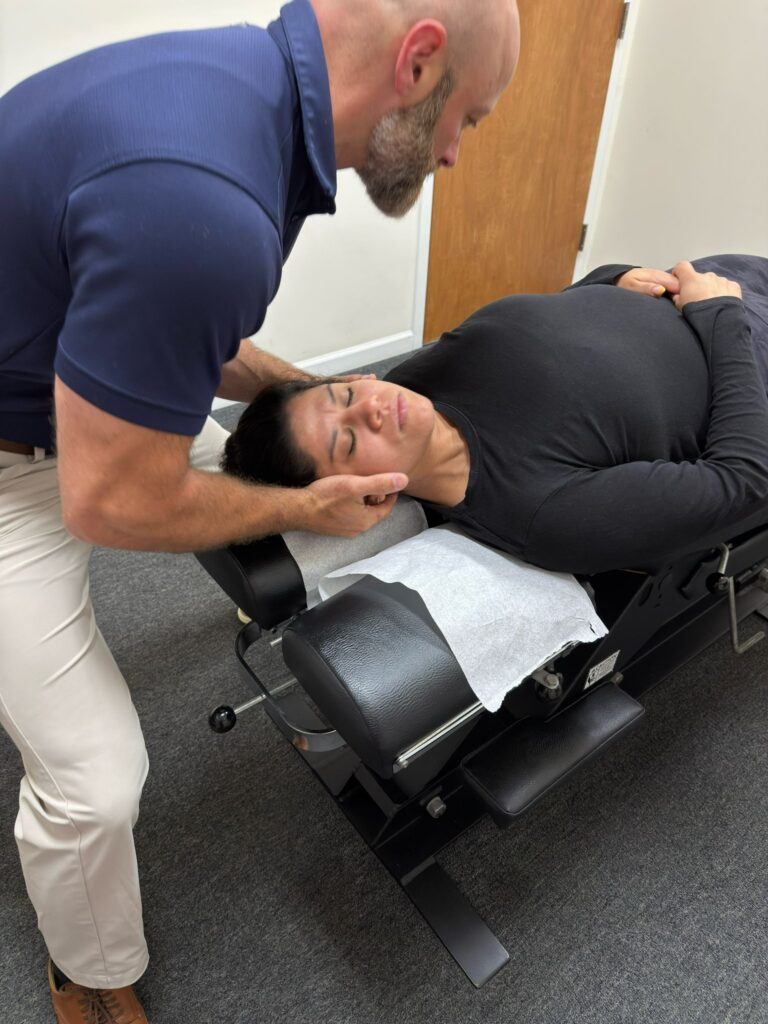
Don’t hesitate to reach out to my office. As a chiropractor, I’m here to provide personalized care and strategies to help you improve your posture and overall health naturally.
Your well-being is my top priority, and together we can work toward a pain-free, active lifestyle.
Conclusion
As a local chiropractor, I want to emphasize the vital role that posture correction plays in your overall health. Many of my patients are surprised to learn just how much good posture can impact their well-being. By recognizing the importance of maintaining proper alignment and addressing common misalignments, you can significantly improve both your physical health and your quality of life.
Incorporating posture correction into your daily routine doesn’t have to be overwhelming. Start by utilizing ergonomic tools at your workspace, which can help support your spine in its natural position. Additionally, engaging in specific strengthening exercises can help reinforce good posture and prevent issues before they arise.
It’s also essential to cultivate daily habits that support proper alignment, such as taking regular breaks, stretching, and being mindful of your posture whether you’re sitting, standing, or moving. If you’re experiencing persistent discomfort or misalignment, please don’t hesitate to reach out for professional assistance. As a chiropractor, I’m here to help guide you on your journey to better posture and overall health. Remember, prioritizing your posture not only enhances your physical health but also positively influences your mood and mental clarity.