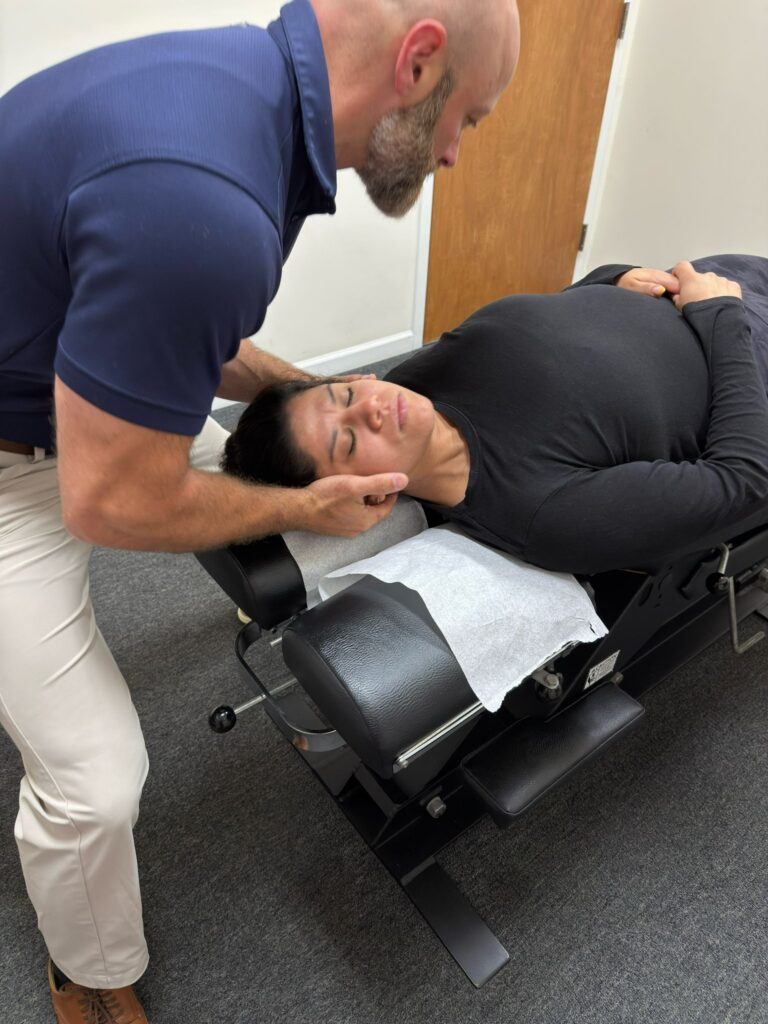

When it comes to posture and pain, understanding their connection is crucial for achieving optimal health. Many people discover that simple ergonomic adjustments can lead to noticeable improvements, but these changes are often just the beginning. Chiropractic care offers a comprehensive approach to addressing both posture and pain, focusing on the spine’s alignment and overall well-being.
As a chiropractor, I believe that the best way to relieve pain and promote natural healing is through spinal adjustments and holistic care. This method not only alleviates discomfort but also enhances your body’s ability to function properly. Unlike surgeries or medications that may mask the problem, chiropractic care treats the root cause of pain by restoring proper alignment and movement to the spine.
Here are some tips you can incorporate into your daily life to support your posture and reduce pain:
- Mind Your Posture: Pay attention to how you sit and stand. Keep your shoulders back and your head aligned over your spine. If you work at a desk, ensure your chair provides good support and that your computer screen is at eye level.
- Stay Active: Regular physical activity strengthens your muscles and improves flexibility, both of which are essential for maintaining good posture. Simple exercises like walking, stretching, and yoga can be very beneficial.
- Take Breaks: If you spend long hours sitting, make sure to take short breaks to stand, stretch, and move around. This helps prevent stiffness and promotes better circulation.
- Consider Chiropractic Care: Regular visits to a chiropractor can help maintain your spinal health, alleviate pain, and improve your overall posture. A tailored treatment plan can address your specific needs and help you achieve lasting relief.
- Listen to Your Body: If you experience pain or discomfort, don’t ignore it. Early intervention through chiropractic care can prevent more serious issues down the road.
By focusing on these strategies and incorporating chiropractic care into your routine, you can take significant steps toward achieving a healthier, pain-free life. Remember, your spine is the foundation of your overall health, and caring for it is essential for your well-being.
Key Takeaways
- Did you know that poor posture can lead to pain by putting extra strain on your muscles and joints? This is why it’s essential to focus on proper alignment and body mechanics to keep discomfort at bay.
- Chiropractic care is a fantastic solution for addressing misalignments in your spine and promoting natural healing. By correcting these underlying issues, many patients experience long-term relief from pain without resorting to medications or surgeries.
- An ergonomic workstation setup is key to maintaining good posture, especially if you spend long hours sitting at a desk. Simple adjustments, like using a chair that supports your lower back and keeping your computer screen at eye level, can significantly reduce strain and discomfort in your daily activities.
- Incorporating therapeutic exercises into your routine can boost your core strength and flexibility. These exercises not only support proper posture but also diminish the risk of pain as you go about your day. Simple stretches and strength-building movements can make a world of difference!
- Combining posture correction techniques with regular chiropractic care and physical therapy creates a powerful strategy for managing and preventing pain. Remember, taking proactive steps toward your spinal health can lead to a happier, healthier life.
As a local chiropractor, I encourage you to prioritize your spinal health and explore the many benefits of chiropractic care for achieving optimal wellness. Remember, small changes can lead to significant improvements in how you feel!
Understanding the Connection Between Posture and Pain
When you slouch or sit in awkward positions, you mightn’t realize how significantly it can impact your body. Poor posture puts unnecessary strain on your muscles, ligaments, and joints, leading to discomfort and pain. If you find yourself hunching over a desk or leaning to one side, your body has to work harder to maintain balance. This imbalance can lead to tension headaches, back pain, and stiffness in your neck and shoulders.
After a long day with poor posture, you may notice feelings of fatigue and soreness creeping in. Over time, these habits can contribute to chronic pain, affecting your daily activities and overall quality of life. That’s where chiropractic care comes into play. By becoming more aware of your posture and making small adjustments, you can find relief and improve your well-being.
Standing tall with your shoulders back and aligning your spine are simple changes that can reduce strain and promote better body mechanics. Regular chiropractic adjustments can also help correct misalignments, enhance your posture, and keep your spine healthy. Remember, prioritizing good posture and visiting your chiropractor is a powerful way to minimize pain and achieve optimal health naturally.
Here are some tips you can incorporate into your daily routine:
- Take Frequent Breaks: If you work at a desk, make it a habit to stand up, stretch, and walk around every 30 minutes.
- Mind Your Screen Height: Ensure your computer screen is at eye level to avoid leaning forward or hunching over.
- Use Supportive Seating: Choose chairs that support your lower back and promote proper posture.
- Strengthen Your Core: Engaging in exercises that strengthen your core can help support your spine and improve your posture.
- Practice Mindfulness: Regularly check in with your posture throughout the day to make necessary adjustments.
The Role of Ergonomics in Pain Management
Maintaining good posture is an essential aspect of preventing pain, but it’s just one piece of the puzzle. Ergonomics plays a crucial role in creating a comfortable and supportive work environment that can significantly impact your overall well-being. By setting up your workspace correctly, you can help reduce strain on your body and support your spinal health.
Start by adjusting your chair, desk, and computer screen so they’re tailored to your height and reach. Your feet should rest flat on the floor, your knees should form a right angle, and your elbows should be close to your body at a comfortable angle. These small adjustments can make a big difference in how your body feels throughout the day.
Incorporating ergonomic tools like keyboard trays, wrist supports, and adjustable chairs can further enhance your comfort. Remember, it’s not just about maintaining good posture; it’s about how your entire workspace interacts with your body. Regularly evaluating and adapting your environment can help prevent long-term pain and discomfort.
By prioritizing ergonomics, you’re not only investing in your well-being but also allowing yourself to work more efficiently without the burden of pain. As a chiropractor, I recommend making these adjustments to support your spine and overall health. And if you do experience pain, chiropractic care is a natural and effective way to find relief and promote healing.
Physical Therapy: Strengthening Posture to Alleviate Pain
Strengthening your posture through chiropractic care can be a transformative step in alleviating pain and enhancing your overall health.
As a chiropractor, I focus on assessing your spinal alignment and identifying any imbalances that may be contributing to discomfort. By addressing these issues, we can work together to improve your posture, which helps reduce strain on your body and promotes better health.
Incorporating therapeutic exercises such as core strengthening, stretching, and mobility drills is essential for this process. These exercises not only enhance your posture but also boost flexibility and stability, making everyday activities easier and more enjoyable.
As you build strength and improve your alignment, you’ll likely find that your discomfort diminishes and your overall well-being improves.
Consistency is key! Regular chiropractic adjustments and guidance can reinforce these positive changes, making it easier to maintain proper posture. Here are some simple tips you can start using today:
- Be Mindful of Your Posture: Whether sitting, standing, or walking, always try to keep your shoulders back and your spine straight. Consider using ergonomic furniture if you work at a desk.
- Take Breaks: If you find yourself sitting for long periods, take short breaks to stand, stretch, and move around. This helps alleviate tension and promotes circulation.
- Strengthen Your Core: Engage in exercises that target your core muscles, like planks and bridges. A strong core supports your spine and helps maintain good posture.
- Practice Stretching: Regularly stretch your muscles, especially those that may become tight from poor posture, like your shoulders and hip flexors.
- Stay Active: Aim for regular physical activity, whether it’s walking, yoga, or any form of exercise you enjoy. Movement is essential for maintaining a healthy spine and overall wellness.
Remember, investing in your posture is investing in your health. With chiropractic care, you can take a proactive approach to living a more comfortable, pain-free life.
Embrace these strategies and feel empowered on your journey to optimal health!
Mind-Body Approaches: Addressing Pain Through Postural Awareness
You can significantly enhance your experience of pain relief by tuning into your body and practicing mindfulness. By becoming aware of your posture and making simple corrections, you not only alleviate discomfort but also promote overall well-being. This is where chiropractic care shines as an effective option for achieving optimal health.
As a chiropractor, I want to empower you with knowledge about how your spine and posture impact your overall health. When you maintain good posture, you help your spine align properly, which can reduce strain on your muscles and joints, leading to less pain and discomfort. Here are some simple tips to help you on your journey towards better posture and pain relief:
- Sit Smart: When sitting, make sure your feet are flat on the ground, your knees are at a right angle, and your back is supported by the chair. This helps maintain the natural curve of your spine.
- Stand Tall: Be mindful of how you stand. Keep your shoulders back and relaxed, your head level, and your weight evenly distributed on both feet. This posture supports your spine and reduces tension.
- Move Regularly: Take breaks to move around if you sit for long periods. Simple stretches or a short walk can relieve pressure and keep your spine healthy.
- Mind Your Sleep Position: Choose a supportive mattress and pillow that keeps your spine aligned while you sleep. Try sleeping on your side with a pillow between your knees to maintain proper spinal alignment.
- Visit Your Chiropractor: Regular chiropractic adjustments can help keep your spine in alignment and reduce pain. Your chiropractor can provide personalized advice and techniques to enhance your posture and overall health.
Mindfulness and Body Awareness
While many people overlook the connection between posture and pain, understanding this link is essential for achieving optimal health. As a chiropractor, I believe that cultivating mindfulness and body awareness can significantly improve your experience of discomfort. By tuning into your body, you can recognize tension and stress before they escalate, allowing for natural healing. Here are four simple strategies to enhance your mindfulness and body awareness, promoting a healthier lifestyle and better spinal health:
- Practice Deep Breathing: Focus on your breath and let it guide you into a state of relaxation. Deep breathing can help alleviate tension in your spine and encourage proper posture.
- Engage in Body Scans: Take a moment to check in with different parts of your body. Notice any areas of tension or discomfort. This awareness can help you understand how your posture affects your well-being.
- Use Movement Mindfully: Whether you’re walking, sitting, or performing daily tasks, pay attention to how your body feels. Mindful movement can enhance your spinal alignment and reduce pain.
- Set Reminders: Use cues throughout your day to remind yourself to check your posture and be aware of physical sensations. This practice can prevent muscle strain and keep your spine healthy.
Incorporating these practices into your daily routine can help you manage pain more effectively and promote overall wellness.
Posture Correction Techniques
Incorporating posture correction techniques into your daily routine can significantly reduce pain and boost your overall well-being. As a chiropractor, I encourage you to start by becoming mindful of your posture throughout the day. Whether you’re sitting at your desk, standing in line, or walking around the neighborhood, take a moment to check your alignment.
Consider using simple tools like postural reminders or ergonomic furniture, which can make a big difference in supporting your spine. Regular stretching is essential, especially for tight areas such as your shoulders and hips. This promotes flexibility and helps to alleviate discomfort.
Engaging in exercises like yoga or Pilates not only strengthens your core muscles but also plays a vital role in improving your posture. These practices align beautifully with chiropractic care, as they focus on natural movement and body awareness.
Additionally, practice mindful deep breathing throughout the day. This helps to reduce tension in your body and encourages a more relaxed stance. Remember to take short breaks to reset your posture, particularly if you find yourself sitting for extended periods.
The Impact of Lifestyle Choices on Posture and Pain
Lifestyle choices greatly influence both your posture and pain levels. Being aware of your daily habits is essential, as they can lead to discomfort or even chronic pain if neglected. Here are four key lifestyle factors to consider, along with how chiropractic care can help:
- Sedentary Behavior: Prolonged sitting can weaken your muscles and lead to poor posture. Chiropractic adjustments can help realign your spine and alleviate discomfort caused by long hours of sitting. Remember to take breaks, stretch, and even consider standing desks to keep your body moving.
- Exercise Routine: Engaging in regular physical activity is vital. It strengthens your core, which supports your spine and improves posture. Chiropractic care can complement your exercise routine by ensuring your spine is properly aligned, enhancing your overall performance and reducing the risk of injury.
- Ergonomics: Utilizing ergonomic furniture and maintaining an appropriate workstation setup can prevent strain on your body. A chiropractor can provide guidance on how to adjust your workspace to promote better posture and reduce discomfort while working.
- Nutrition: A balanced diet plays a crucial role in your overall health, affecting muscle function and your sensitivity to pain. While chiropractic care focuses on spinal health, it also encourages a holistic approach to wellness, including nutrition. Consider consulting with your chiropractor for tips on how diet can support your healing process.
Comparing Conventional and Alternative Treatments
When it comes to managing pain, you might wonder about the various treatment options available, and I’m here to share why chiropractic care is one of the best choices for achieving optimal health and wellness.
Unlike conventional methods that often rely on medications and physical therapy, chiropractic care focuses on the body’s natural ability to heal itself.
Chiropractic adjustments help align the spine, which can relieve pressure on nerves and improve overall function.
This approach not only addresses pain but also promotes better health by enhancing your body’s natural healing processes.
Many patients find that regular chiropractic care leads to long-term relief and improved quality of life.
Additionally, incorporating simple lifestyle changes can support your journey to wellness. Here are a few tips to consider:
- Stay Active: Regular physical activity helps strengthen your muscles and support your spine. Aim for at least 30 minutes of movement most days of the week.
- Practice Good Posture: Whether sitting at a desk or lifting heavy objects, maintaining good posture can prevent strain on your spine.
- Stay Hydrated: Drinking plenty of water is essential for maintaining healthy joints and tissues.
- Get Adequate Sleep: A good night’s sleep allows your body to repair itself. Ensure your sleep environment is comfortable and supportive.
- Manage Stress: High stress can lead to muscle tension. Techniques like deep breathing, meditation, or yoga can be helpful.
Choosing chiropractic care means opting for a natural, holistic approach to pain relief and overall wellness.
By prioritizing your spinal health, you’re taking a significant step towards a healthier, more vibrant life.
If you have any questions or want to learn more about how chiropractic care can benefit you, feel free to reach out!
Conventional Treatment Methods
While many individuals look for pain relief through a variety of methods, it’s essential to understand that conventional treatments, like medications, physical therapy, and surgeries, often only address the symptoms rather than the underlying causes of pain. At our chiropractic practice, we believe in a holistic approach that promotes natural healing and optimal health.
Here are some insights on how chiropractic care can be your best choice for pain relief and overall wellness:
- Chiropractic Adjustments: By realigning the spine and improving joint function, chiropractic adjustments can help alleviate pain naturally, allowing your body to heal itself without the need for medications or invasive procedures.
- Tailored Exercise Plans: Chiropractors can develop personalized exercise and stretching plans that not only strengthen muscles but also enhance flexibility. This proactive approach can prevent future injuries and support long-term wellness.
- Lifestyle and Ergonomics: Adopting healthier habits and improving your workspace ergonomics can significantly reduce pain. Simple changes, like adjusting your chair height or taking regular breaks to stretch, can make a big difference in your comfort levels.
- Nutritional Guidance: Proper nutrition plays a crucial role in your body’s ability to heal. A chiropractor can provide advice on foods that support joint health and reduce inflammation, contributing to overall well-being.
- Stress Management Techniques: Chronic stress can lead to tension and pain. Incorporating relaxation methods such as deep breathing, yoga, or meditation into your routine can help alleviate stress and promote a sense of calm, enhancing your recovery.
Chiropractic care focuses on treating the root causes of pain, empowering you to achieve lasting relief and improved health. By choosing this natural approach, you’re not only addressing your current discomfort but also investing in your long-term wellness.
If you’re looking for a sustainable way to manage pain and enhance your quality of life, consider visiting a chiropractor to explore the benefits of natural healing.
Alternative Approaches Overview
When it comes to managing pain and promoting overall wellness, it’s important to consider the benefits of chiropractic care as a natural and effective option. Unlike conventional methods that often rely on medications or invasive procedures, chiropractic care focuses on the body’s natural ability to heal itself. By addressing spinal misalignments and promoting proper function, chiropractic adjustments can help alleviate pain and improve your overall health.
Chiropractic care emphasizes a holistic approach, looking at your entire body rather than just treating symptoms. This means that in addition to spinal adjustments, your chiropractor may provide guidance on lifestyle changes, including nutrition and mindfulness practices, to support your healing journey. These holistic methods can lead to long-term wellness, rather than just temporary relief.
One of the great things about chiropractic care is that it empowers you to take charge of your health. Simple practices such as maintaining good posture, staying active, and practicing stress-reduction techniques can complement your chiropractic treatments and enhance your well-being. Regular chiropractic visits can help you understand how your body works and how to keep it functioning at its best.
Ultimately, choosing chiropractic care for pain relief and wellness puts you on a path toward a healthier, more vibrant life. By embracing this natural approach, you can achieve not only pain relief but also a deeper connection to your body and overall health. Remember, your body has an incredible ability to heal—let chiropractic care help you unlock that potential!
Effectiveness and Outcomes
Evaluating different approaches to pain relief reveals that chiropractic care stands out as an exceptional option for achieving optimal health and wellness. Here’s a closer look at why chiropractic care can be your best choice for natural healing:
1. Chiropractic Treatments: Focused on spinal adjustments and holistic healing, chiropractic care aims to address the root causes of pain rather than just masking symptoms. This method often leads to long-lasting relief without the side effects associated with medications or surgeries.
2. Natural Healing: Chiropractic care emphasizes the body’s ability to heal itself. By aligning the spine and improving nervous system function, patients often experience improved overall health and wellness.
Techniques like adjustments, exercises, and lifestyle advice are tailored to each individual.
3. Duration of Relief: Many patients find that chiropractic adjustments not only provide immediate relief from pain but also contribute to long-term wellness. Regular visits can help maintain a healthy spine and prevent future issues.
4. Personalized Experience: One of the great advantages of chiropractic care is the personalized approach. Each treatment plan is designed specifically for you, enhancing your satisfaction and engagement in your healing journey.
General Tips for Wellness:
- Maintain good posture, especially if you sit for long periods.
- Incorporate regular physical activity into your routine to keep your spine and muscles healthy.
- Stay hydrated and maintain a balanced diet to support your overall wellness.
- Consider regular chiropractic check-ups to keep your spine aligned and functioning optimally.
Choosing chiropractic care not only helps with pain relief but also promotes a healthier lifestyle. If you’re looking for a natural solution to your pain, consider making chiropractic care a key part of your health journey.
Strategies for Integrating Posture and Pain Management Techniques
Integrating posture and pain management techniques can significantly boost your overall well-being, and chiropractic care is an excellent way to achieve this.
Start by evaluating your daily habits. Are you slouching at your desk or using improper lifting techniques? Recognizing and correcting these habits is crucial for your spinal health.
You can easily incorporate simple stretches and exercises into your routine to strengthen your core and improve your posture. These activities not only help your spine but also enhance your overall mobility. Consider incorporating mindfulness practices like yoga or Pilates; they can promote body awareness and alignment, while also helping to alleviate pain.
Regularly checking your posture throughout the day is important, especially during prolonged periods of sitting or standing. This will help prevent strain on your back and neck. Additionally, using ergonomic tools such as standing desks or supportive chairs can make a significant difference in how you feel.
Don’t overlook the power of deep breathing; it can help ease tension in your muscles and improve your focus. As a chiropractor, I encourage you to consult with a professional to create a personalized plan that focuses on improving your posture and managing pain through natural methods.
By making these adjustments and prioritizing chiropractic care, you’re taking important steps toward a healthier, pain-free life.
Conclusion
Incorporating a blend of strategies is essential for effectively managing posture and pain, and chiropractic care is at the forefront of achieving optimal health. By making simple adjustments to your workstation, practicing mindful postural habits, and engaging in targeted exercises, you can alleviate discomfort and prevent future issues.
Chiropractic care focuses on the alignment of your spine, which is crucial for overall wellness. Regular adjustments can help improve your posture, relieve pain, and enhance your body’s natural ability to heal itself. Remember, the best results come from a holistic approach that includes not just chiropractic adjustments, but also healthy lifestyle choices.
Here are some practical tips to help you improve your posture and reduce pain:
- Optimize Your Workstation: Ensure your desk and chair are ergonomically designed. Your computer screen should be at eye level, and your chair should support your lower back.
- Practice Good Posture: Be mindful of how you sit and stand. Keep your shoulders back and your spine straight. It may feel awkward at first, but good posture becomes more natural with practice.
- Stay Active: Incorporate regular movement into your day. Short breaks to stretch or walk can do wonders for your posture and overall well-being.
- Engage in Targeted Exercises: Focus on exercises that strengthen your core and back muscles. These muscles support your spine and help maintain proper posture.
- Visit Your Chiropractor Regularly: Regular chiropractic adjustments can keep your spine aligned and functioning optimally. Your chiropractor can provide personalized advice and exercises tailored to your needs.
By staying proactive about your posture and prioritizing chiropractic care, you can pave the way for lasting relief and improved health. Embrace a natural approach to wellness, and experience the benefits of a well-aligned spine.