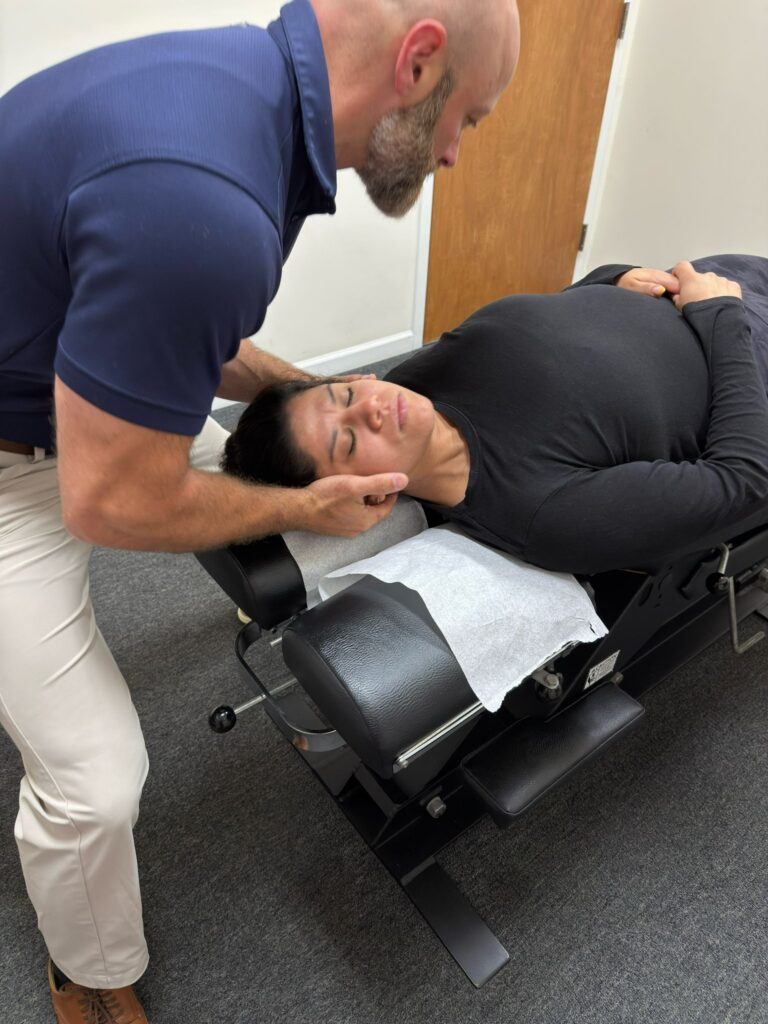

Headaches can be a frustrating experience that disrupts your daily activities, but there’s good news! As a local chiropractor, I want to share with you some effective techniques to find relief and promote overall wellness. By focusing on natural healing and spinal health, we can address the underlying causes of headaches rather than just masking the symptoms.
First, it’s important to understand that headaches can arise from various factors, including tension, poor posture, or even spinal misalignments. By identifying your specific headache type and its triggers, you can take proactive steps toward relief.
Here are some effective strategies to consider:
- Chiropractic Care: Regular visits to a chiropractor can help correct spinal misalignments that may contribute to headaches. By realigning the spine, we can relieve pressure on nerves and improve overall function, helping to alleviate pain.
- Posture Awareness: Maintaining good posture, especially if you spend long hours at a desk, can significantly reduce tension and prevent headaches. Make sure your workstation is ergonomically designed, and take frequent breaks to stretch and move around.
- Hydration: Dehydration is a common trigger for headaches. Make it a habit to drink plenty of water throughout the day to stay hydrated and support overall health.
- Stress Management: Stress is another major contributor to headaches. Incorporate relaxation techniques such as deep breathing, meditation, or yoga into your routine to help manage stress levels.
- Regular Exercise: Engaging in regular physical activity can improve circulation, reduce tension, and promote overall well-being. Even simple activities like walking can be beneficial.
- Healthy Diet: Eating a balanced diet rich in whole foods can support your body’s natural healing processes. Certain foods may also trigger headaches, so keeping a food diary can help you identify and avoid these triggers.
- Sleep Hygiene: Ensure you are getting enough restorative sleep. Establish a consistent sleep schedule and create a calming bedtime routine to enhance the quality of your rest.
By implementing these strategies and prioritizing chiropractic care, you can take control of your health and work towards a headache-free life. Remember, when it comes to finding relief and achieving optimal wellness, natural solutions can often be the most effective choice. If headaches persist, don’t hesitate to reach out for a consultation to explore how chiropractic care can help you on your journey to better health.
Key Takeaways
- Stay hydrated by drinking at least eight 8-ounce glasses of water daily. This simple habit can help keep headaches at bay and support your overall wellness.
- Establishing a regular sleep routine is essential. Aim for seven to nine hours of quality sleep each night to allow your body to heal and recharge naturally.
- Managing stress is crucial for preventing headaches. Techniques such as mindfulness, deep-breathing exercises, and engaging in physical activities can help reduce stress levels and minimize headache triggers.
- Be mindful of your diet. Avoid common headache-triggering foods and consider adding magnesium-rich options, which can promote muscle relaxation and contribute to headache relief.
- Regular chiropractic care can play a significant role in improving spinal alignment, which is key for alleviating chronic headaches. A well-aligned spine supports proper nervous system function and can help prevent future headaches, promoting a healthier, pain-free lifestyle.
Remember, making these small lifestyle adjustments and incorporating chiropractic care into your routine can lead to a more natural and effective approach to headache relief and overall wellness.
Understanding Different Types of Headaches
Headaches come in various forms, each with its own triggers and symptoms, and understanding them can greatly improve your quality of life.
Tension headaches are the most common type and often feel like a tight band around your head. They’re usually caused by stress or muscle strain. Chiropractic care can help alleviate these tensions by addressing spinal alignment issues and reducing muscle tension in the neck and shoulders.
Migraines, on the other hand, can be intense and throbbing, often accompanied by nausea or sensitivity to light and sound. Some individuals experience aura symptoms before a migraine, which may include visual disturbances. Regular chiropractic adjustments can help reduce the frequency and severity of these migraines by improving spinal function and overall nervous system health.
Cluster headaches are less common but are known for their extreme pain, typically occurring in cycles and affecting one side of the head. While these can be challenging, chiropractic care may provide relief by addressing underlying spinal issues that contribute to headache patterns.
Sinus headaches are caused by sinus inflammation, leading to pressure and pain in the forehead, cheeks, and eyes. Chiropractic adjustments can help improve sinus drainage by promoting better overall function in the body, potentially reducing the frequency of these headaches.
Identifying the type of headache you’re experiencing is crucial for finding effective relief. By understanding your specific symptoms and triggers, you can seek targeted chiropractic treatments that work best for you. Incorporating regular chiropractic care into your wellness routine can enhance your overall health and well-being.
In addition to chiropractic care, here are some general tips for headache relief:
- Stay hydrated: Drink plenty of water throughout the day.
- Practice good posture: Maintain a neutral spine position while sitting and standing.
- Manage stress: Incorporate relaxation techniques such as deep breathing, yoga, or meditation.
- Get regular exercise: Physical activity can help reduce tension and improve overall health.
- Ensure proper sleep: Aim for 7-9 hours of quality sleep each night.
Lifestyle Changes for Prevention
To prevent headaches effectively, consider incorporating some simple lifestyle changes that can greatly enhance your overall well-being. Staying hydrated is essential; aim for plenty of water throughout the day to keep your body and spine functioning optimally. A balanced diet rich in fruits, vegetables, and whole grains can support not only your general health but also spinal alignment, which is crucial for preventing tension headaches.
Establishing regular sleep patterns is another vital aspect. Quality sleep contributes to a well-aligned spine and helps reduce stress, both of which are important in minimizing headache occurrences.
Additionally, implementing stress management techniques, such as deep breathing exercises or gentle stretching, can help alleviate tension that may lead to headaches.
As a chiropractor, I emphasize the importance of maintaining a healthy spine for overall wellness. Regular chiropractic adjustments can alleviate tension in the neck and back, aligning your body and allowing it to function at its best.
This natural approach not only addresses existing headaches but also helps prevent them from developing in the first place.
Hydration and Diet
While there are many factors that can lead to headaches, hydration and diet are crucial components in prevention and overall wellness. As a chiropractor, I want to emphasize the importance of staying properly hydrated. Drinking enough water throughout the day can significantly impact your health and may help in reducing headache occurrences. Dehydration is a common headache trigger, so keep a water bottle close by to remind yourself to sip regularly.
Your diet also plays a vital role in how often you experience headaches. Focus on incorporating whole foods such as fresh fruits, vegetables, whole grains, and lean proteins into your meals. It’s important to avoid skipping meals because low blood sugar can lead to headaches.
Additionally, be aware of potential headache triggers like caffeine, alcohol, and processed foods. Keeping a food diary can be an effective tool to help you identify any dietary factors that may be contributing to your headaches.
By focusing on proper hydration and a balanced diet, you can take proactive steps in managing your health. Remember, chiropractic care is also an excellent way to support your body’s natural healing processes and promote overall wellness.
Regular chiropractic adjustments can help ensure your spine is aligned, which can improve your overall health and may even alleviate headache symptoms. Prioritizing hydration, nutrition, and chiropractic care can lead you toward a healthier, pain-free life.
Regular Sleep Patterns
Getting enough rest is crucial for preventing headaches, much like staying hydrated and eating well. As a chiropractor, I can’t stress enough how establishing regular sleep patterns can enhance your overall well-being and significantly reduce the frequency of headaches.
Aim for seven to nine hours of quality sleep each night, and try to maintain consistent bedtimes and wake-up times every day. This routine helps regulate your body’s internal clock, making it easier to drift off to sleep and wake up feeling rejuvenated.
To prepare your body for sleep, create a calming nighttime routine. Consider activities like gentle stretching or light breathing exercises to help relax your muscles and spine.
It’s also important to avoid screens and stimulating activities before bed, as they can disrupt your sleep quality. Instead, try reading a book or practicing mindfulness to help signal to your body that it’s time to wind down.
By prioritizing regular sleep and incorporating these simple tips, you’re establishing a strong foundation for better headache management and overall health.
Stress Management Techniques
Since stress can significantly trigger headaches, incorporating effective stress management techniques into your daily routine is crucial for your overall health and wellness. As a chiropractor, I believe that achieving a balanced state of mind and body can greatly enhance your well-being, and chiropractic care plays a key role in this journey.
Start by practicing mindfulness or meditation; even just a few minutes a day can help clear your mind and reduce tension. This practice complements chiropractic adjustments, which can realign your spine and improve your nervous system function, further enhancing your body’s ability to cope with stress.
Regular physical activity, such as walking or yoga, is another excellent way to release endorphins—your body’s natural mood boosters. Plus, staying active supports a healthy spine and posture.
When you feel overwhelmed, try deep-breathing exercises. They can calm your nervous system and are easy to do anywhere. Combine this with regular chiropractic visits to keep your spine and nervous system in top shape, which can help your body handle stress more effectively.
Don’t forget to prioritize time for hobbies or relaxation. Engaging in activities you love can provide a much-needed break from daily pressures and enhance your mental health.
Building a support network of friends or family is also vital; sharing your burdens can offer emotional relief and create a sense of community.
The Role of Hydration in Headache Relief
Staying hydrated is crucial for preventing headaches, and many people may not realize just how much water they need each day. If you’re feeling fatigued or experiencing dizziness, those could be signs of dehydration, which can lead to headaches.
As a chiropractor, I want to emphasize the importance of proper hydration not only for headache relief but also for overall wellness and spinal health.
When your body is well-hydrated, it functions better, helping to maintain healthy spinal discs and joints. Dehydration can lead to muscle tension and discomfort, which might exacerbate headaches. By ensuring you drink enough water throughout the day, you’re not only taking care of your hydration needs but also supporting your spine and nervous system.
Here are some simple tips to help you stay hydrated and promote natural healing:
- Drink Water Consistently: Aim to drink water regularly throughout the day, rather than waiting until you feel thirsty. A good rule of thumb is to carry a water bottle with you and sip on it frequently.
- Eat Hydrating Foods: Incorporate fruits and vegetables with high water content into your diet, such as cucumbers, watermelon, and oranges. These can help keep you hydrated while providing essential nutrients.
- Listen to Your Body: Pay attention to signs of dehydration, like dry mouth, fatigue, or headaches. If you notice these symptoms, take them seriously and increase your water intake.
- Limit Dehydrating Beverages: While coffee and soda can be enjoyable, they can also lead to dehydration. Balance your intake of these beverages with plenty of water.
- Chiropractic Care: Regular chiropractic adjustments can help alleviate tension in the body that may contribute to headaches. By aligning your spine and ensuring proper nerve function, chiropractic care can support your overall health and wellness.
Remember, hydration plays a key role in your health, and it’s an easy step you can take toward feeling better and preventing headaches.
If you’re experiencing frequent headaches, consider visiting your chiropractor to explore how spinal health and hydration can work together for optimal wellness.
Importance of Water Intake
While there are many factors that can lead to headaches, dehydration is often an underestimated cause. You mightn’t realize it, but even mild dehydration can result in discomfort and pain. When your body doesn’t have enough water, it can cause the brain to temporarily shrink from fluid loss, leading to that familiar headache sensation.
As your local chiropractor, I want to emphasize the importance of hydration not just for your overall health, but also for optimal spinal function and wellness. Staying adequately hydrated helps maintain proper blood flow and nutrient delivery, which are crucial for your brain and nervous system to function effectively.
A good rule of thumb is to aim for at least eight 8-ounce glasses of water each day, but remember, you may need more depending on your activity level and the climate you live in. To help you remember to drink water throughout the day, consider carrying a reusable water bottle and setting reminders on your phone.
Incorporating hydration into your daily routine is just one of the many natural ways you can support your health and reduce headache frequency and intensity. Alongside regular chiropractic care, which focuses on aligning your spine and optimizing your nervous system, proper hydration can play a key role in achieving a balanced and pain-free life.
Prioritizing both hydration and chiropractic adjustments can help you feel your best and live more comfortably.
Signs of Dehydration
Recognizing the signs of dehydration is essential for preventing headaches and supporting your overall wellness, especially when it comes to maintaining a healthy spine. As a local chiropractor, I want to emphasize that staying hydrated plays a crucial role in your body’s ability to function optimally.
You may notice initial symptoms like a dry mouth, fatigue, or dizziness, which can all signal that your body needs more fluids. If you find yourself with decreased urine output or dark yellow urine, that’s your body’s way of asking for hydration.
It’s important to heed these signals, as dehydration can lead to increased headaches. This pain occurs because your brain can temporarily shrink from fluid loss, causing discomfort. Additionally, dehydration can leave you feeling irritable and make it harder to concentrate, which isn’t ideal for your daily activities or your chiropractic care.
To help prevent dehydration and its associated headaches, make it a habit to drink water regularly throughout the day, even before you feel thirsty. This simple practice not only helps to keep headaches at bay but also promotes better health overall.
A well-hydrated body supports spinal health and aids in the effectiveness of chiropractic adjustments.
Remember, staying hydrated is just one part of a holistic approach to wellness. By combining hydration with regular chiropractic care, you can achieve optimal health and live your best life.
Effective Stress Management Techniques
Effective stress management techniques can significantly help in reducing the frequency and intensity of headaches, empowering you to take charge of your overall well-being. One of the most beneficial approaches is practicing mindfulness meditation. Just a few minutes each day spent focusing on your breath can help clear your mind and relieve tension.
In addition to mindfulness, incorporating regular physical activity—such as walking or yoga—into your daily routine is essential. These activities not only alleviate stress but also promote spinal health and improve overall body function, which can help prevent headaches.
Time management is another vital tool; prioritize your tasks and set achievable goals to prevent feeling overwhelmed. Deep breathing exercises can also work wonders; taking slow, deep breaths helps calm your mind and reduces tension in your body.
Engaging in hobbies or activities you enjoy can be an excellent way to unwind and diminish stress.
Lastly, ensure you’re getting sufficient sleep. A well-rested mind and body are key to managing stress effectively and supporting your spinal health.
By incorporating these strategies into your daily life, you can foster a more balanced lifestyle and reduce those troublesome headaches.
Exploring Dietary Adjustments
Have you ever thought about how your diet might affect your headaches? The foods you choose can significantly influence how often and how intensely you experience pain. Common culprits include aged cheeses, processed meats, and alcohol, which can trigger headaches. One helpful tip is to keep a food diary to track what you’re eating and see if you can spot any links between your meals and your headaches.
On the flip side, adding magnesium-rich foods to your diet—such as leafy greens, nuts, and whole grains—may help reduce headache frequency. Staying hydrated is also crucial, as dehydration is a well-known headache trigger. Aim to drink at least eight glasses of water a day to keep your body well-hydrated.
Don’t forget about the advantages of balanced meals that include a variety of fruits, vegetables, lean proteins, and healthy fats. These nutritious choices not only support your overall well-being but can also help lessen the occurrence of headaches.
As a chiropractor, I encourage you to consider how your lifestyle choices, including your diet, play a role in your health. By making mindful dietary adjustments and seeking chiropractic care, you can take proactive steps toward reducing headache pain and promoting natural wellness.
Alternative Therapies for Headache Relief
When it comes to finding relief from headaches, exploring alternative therapies can be beneficial, but it’s essential to remember that chiropractic care often stands out as one of the most effective options for achieving optimal health and wellness.
Chiropractic adjustments focus on aligning your spine, which can significantly relieve headache pain and improve overall functioning. While you consider your options, here are four complementary therapies that can enhance your wellness journey alongside chiropractic care:
- Acupuncture: This ancient technique involves placing thin needles at specific points on your body. While it can be effective, many patients find that chiropractic adjustments directly address the root cause of their headaches more efficiently.
- Essential Oils: Utilizing essential oils such as lavender or peppermint can create a soothing environment. While these oils may help reduce symptoms, incorporating chiropractic care can address the underlying musculoskeletal issues that often contribute to headaches.
- Massage Therapy: A skilled massage therapist can relieve muscle tension and improve blood flow. However, regular chiropractic adjustments can help maintain proper alignment and prevent the tension that leads to headaches in the first place.
- Yoga: Practicing yoga can be a fantastic way to reduce stress and improve flexibility. Pairing yoga with chiropractic care can enhance your spine’s health, leading to fewer headaches and an overall sense of well-being.
Incorporating these therapies in conjunction with chiropractic care might just lead you to the relief you’re looking for.
When to Seek Professional Help
How can you tell if your headache needs professional attention? If you’re experiencing headaches that feel unusually intense, last a long time, or are different from what you normally have, it’s a good idea to consult a healthcare professional who understands the benefits of chiropractic care.
Headaches accompanied by other concerning symptoms like vision changes, confusion, weakness, or difficulty speaking should prompt an immediate visit for assessment.
If your headaches are interfering with your daily activities or aren’t improving with simple over-the-counter solutions, don’t hesitate to reach out for guidance. Chronic headaches that occur more than twice a week can often be alleviated with chiropractic adjustments, as they may indicate underlying issues related to spinal health.
Additionally, if you’ve had a head injury and then start experiencing new headaches, it’s essential to get checked out. Remember, your health is important, and taking early action can lead to more effective, natural treatment options, like chiropractic care, which focuses on restoring balance and function to your body.
As a general tip, staying hydrated, maintaining good posture, and managing stress can also help reduce headache occurrences.
Embracing a holistic approach to your health through chiropractic care can support your overall wellness and help you achieve pain relief naturally.
Conclusion
Incorporating these proven techniques into your daily routine can significantly reduce the frequency of headaches and enhance your overall well-being. One of the simplest yet most effective strategies is to stay well-hydrated. Water is essential for maintaining proper body function, and dehydration can often trigger headaches.
Managing stress is another crucial element. Stress can lead to muscle tension in the neck and shoulders, which may contribute to headaches. Consider practicing relaxation techniques such as deep breathing, meditation, or gentle stretching to alleviate tension.
Dietary adjustments can also play a vital role in headache prevention. Pay attention to what you eat and identify any potential food triggers. Keeping a headache diary can help you track patterns and pinpoint what might be causing your discomfort.
Alternative therapies, particularly chiropractic care, can provide significant relief from headaches. Chiropractic adjustments focus on correcting spinal misalignments, which can relieve tension and improve overall nervous system function. Regular visits to a chiropractor can help maintain proper alignment, reduce headache frequency, and promote natural healing.
If you’re struggling with persistent headaches, seeking the guidance of a chiropractor is a wise choice. They can provide personalized care tailored to your needs, helping you achieve a life with less pain and more joy. Remember, you deserve to live without the burden of headaches, and chiropractic care may be the key to unlocking that relief!