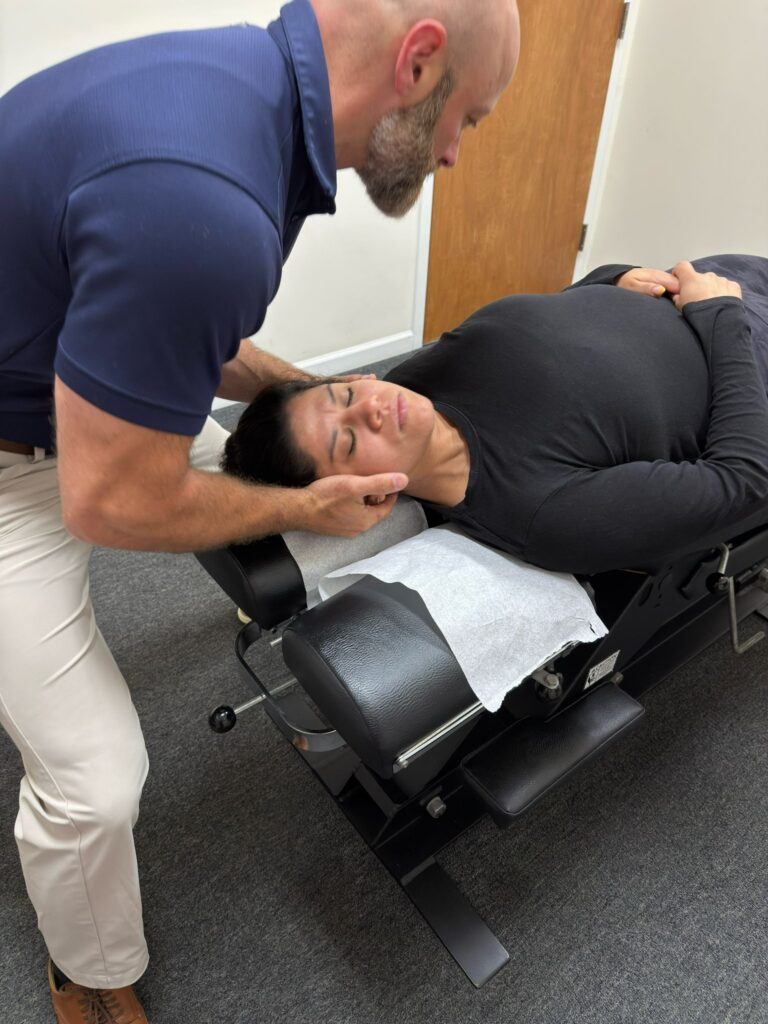

If you’ve ever dealt with headaches, you understand just how disruptive they can be to your daily life. It’s important to recognize the different types of headaches and what triggers them so you can manage them effectively. One of the most beneficial paths to headache relief is through chiropractic care.
Chiropractic care focuses on the health of your spine and nervous system, which play a crucial role in overall wellness. By aligning your spine, we can help relieve tension in the body that may be contributing to headaches. Many patients find that regular chiropractic adjustments lead to fewer headaches and a reduction in intensity when they do occur.
In addition to chiropractic adjustments, there are many simple strategies you can adopt to support your journey to headache relief. Here are some tips:
- Stay Hydrated: Dehydration can be a common trigger for headaches. Ensure you drink plenty of water throughout the day.
- Maintain Good Posture: Poor posture can strain your neck and back, leading to tension headaches. Be mindful of your body alignment, especially if you sit for long periods.
- Manage Stress: Stress is a significant headache trigger for many people. Incorporating stress-reducing techniques such as deep breathing, meditation, or gentle yoga can be very helpful.
- Sleep Well: Adequate sleep is vital for your overall health. Aim for a regular sleep schedule and create a calming nighttime routine to help you rest better.
- Nutrition Matters: Pay attention to your diet. Certain foods may trigger headaches for some individuals, so keeping a food diary can help you identify and avoid these triggers.
- Regular Chiropractic Visits: Just as you maintain your car with regular check-ups, your body also benefits from regular chiropractic care. Consistent adjustments can help keep your spine aligned and reduce the frequency and severity of headaches.
By focusing on these holistic approaches, including the invaluable benefits of chiropractic care, you can take significant steps toward achieving optimal health and finding relief from headaches. Remember, a healthy spine contributes to a healthy life!
Key Takeaways
- Identify the different types of headaches you may experience, and if symptoms persist, consider consulting a healthcare provider who understands the benefits of chiropractic care. This can help you find natural treatment options tailored to your needs.
- Maintain a balanced diet that nourishes your body, while being mindful of common headache triggers. Incorporating foods known for their natural relief properties can support your headache management journey.
- Embrace stress management techniques such as deep breathing and mindfulness. These practices can significantly reduce the frequency and intensity of headaches, allowing you to enjoy life more fully.
- Regular visits to your chiropractor can help correct spinal misalignments, leading to improved overall health and a reduction in headache symptoms. By addressing the root causes of discomfort, chiropractic care promotes natural healing.
- Prioritize quality sleep by establishing a calming bedtime routine. Good sleep hygiene not only minimizes headache triggers but also supports your body’s recovery process, helping you feel your best.
Remember, chiropractic care is a holistic and natural approach to wellness that can help you achieve optimal health while alleviating headaches. By incorporating these tips into your daily routine, you can take proactive steps towards a healthier, headache-free life.
Understanding Different Types of Headaches
Have you ever wondered what type of headache you’re experiencing? Understanding the type can be a vital step toward finding relief, and chiropractic care can play a significant role in your journey to wellness.
Tension headaches often feel like a tight band around your head and are usually triggered by stress or poor posture. These can often be alleviated through chiropractic adjustments, which help to realign the spine and reduce tension in the muscles.
Simple practices like maintaining good posture while sitting or taking regular breaks during long periods of work can also help prevent tension headaches from occurring.
Migraines can be particularly debilitating, often accompanied by nausea and sensitivity to light. Many patients find that chiropractic care can help reduce the frequency and severity of migraines by addressing any underlying spinal misalignments.
Additionally, you might experience visual disturbances, known as aura, before the pain begins. Keeping a headache diary to track your triggers, such as certain foods or stressors, can also provide insights that you can discuss with your chiropractor.
Cluster headaches, although less common, are extremely painful and occur in cycles, often affecting one side of your head. While these can be challenging, chiropractic care may assist in managing the pain and frequency of these headaches by improving overall spinal health.
Sinus headaches can mimic tension headaches but usually relate to sinus infections, resulting in facial pressure. Chiropractic adjustments can help improve sinus drainage and relieve pressure, promoting better overall wellness.
Each type of headache has distinct characteristics, so paying attention to your symptoms is essential. By understanding what you’re dealing with and seeking chiropractic care, you can take control of your headache journey naturally.
Remember, recognizing the type of headache is the first step toward healing, and with holistic approaches like chiropractic care, you can work towards optimal health and wellness.
Consider incorporating regular chiropractic visits into your routine, practicing good posture, staying hydrated, and managing stress through techniques like yoga or meditation.
These simple lifestyle adjustments can significantly improve your well-being and help you find relief from headaches.
The Role of Diet in Headache Management
As a local chiropractor, I want to highlight how important your diet can be in managing headaches. What you choose to eat can significantly impact how often you experience headaches and how intense they feel. Some foods are known to trigger headaches, while others may help alleviate them. By paying attention to your diet and keeping a food diary, you can uncover patterns that may lead to better headache management and overall wellness.
| Trigger Foods | Relief Foods |
|---|---|
| Aged cheese | Fresh fruits |
| Processed meats | Leafy greens |
| Caffeinated beverages | Whole grains |
Incorporating more relief foods like fresh fruits and leafy greens into your meals can support your body’s natural healing processes. Whole grains can provide sustained energy without the spikes and crashes that might contribute to headaches. Remember, a balanced diet not only aids in headache management but also complements the benefits of chiropractic care.
As a chiropractor, I emphasize that the alignment of your spine and overall wellness can play a vital role in reducing pain and enhancing your health. By combining good nutrition with regular chiropractic adjustments, you can create a holistic approach to managing headaches and achieving optimal health.
Here are some simple tips to consider:
- Keep a Food Diary: Note what you eat and how it affects your headaches. This will help you identify any trigger foods.
- Stay Hydrated: Dehydration can lead to headaches, so be sure to drink plenty of water throughout the day.
- Balance Your Meals: Aim for a diet rich in fruits, vegetables, whole grains, and lean proteins to nourish your body and reduce headache triggers.
- Consult with Your Chiropractor: Discuss your headache patterns and dietary habits during your visits. We can work together to create a personalized wellness plan that supports your health goals.
Stress Reduction Techniques for Headache Relief
While managing your diet is important for headache relief, incorporating stress reduction techniques can also be highly effective. One of the best ways to ease tension is through deep breathing exercises. Inhale slowly through your nose, hold for a few seconds, and then exhale through your mouth. This simple practice helps calm your mind and release built-up stress, making it easier to manage headaches.
Mindfulness and meditation are also excellent tools. Even a few minutes spent focusing on the present can help clear your mind and alleviate stress. This practice not only promotes relaxation but can also enhance your overall sense of well-being.
Regular physical activity is another key component of stress relief. Exercise releases endorphins, which can lift your mood and reduce headache symptoms. Even short walks can have a positive impact on your health.
Don’t underestimate the importance of good sleep as well. Establishing a consistent sleep schedule allows your body to recover and can significantly help in reducing headache frequency and intensity.
Lastly, make time for hobbies or activities that bring you joy. Engaging in things like reading, painting, or gardening can be a wonderful way to unwind and lower stress levels.
Remember, chiropractic care is an excellent way to support your overall health and wellness. By addressing spinal alignment and promoting natural healing, chiropractic adjustments can help reduce tension and enhance your body’s ability to cope with stress.
Incorporating these stress reduction techniques can be an essential part of your headache management strategy, allowing you to enjoy a healthier, more balanced life.
Exploring Over-the-Counter and Prescription Medications
Managing headaches effectively can be a challenge, but there are natural and holistic approaches that can help alleviate pain without relying on medications. As a chiropractor, I believe in the power of spinal health and its significant role in overall wellness.
Many headaches can stem from tension in the neck and spine, so addressing these areas through chiropractic care can lead to lasting relief. Chiropractic adjustments can help realign the spine, reduce tension, and improve blood flow, which may reduce the frequency and intensity of headaches.
It’s essential to maintain good posture and take regular breaks, especially if you spend long hours at a desk. Simple stretches and exercises can also help relieve tension in the neck and shoulders, reducing the likelihood of headaches.
In addition to chiropractic care, consider incorporating relaxation techniques such as deep breathing, yoga, or meditation into your daily routine. Staying hydrated, eating a balanced diet, and getting enough sleep are also crucial for preventing headaches.
If you notice certain triggers, like stress or lack of sleep, try to manage those proactively. Always consult with your healthcare provider or chiropractor about your headaches and explore natural treatments.
The Benefits of Physical Therapy and Chiropractic Care
If you’re struggling with persistent headaches, considering chiropractic care could be your best path to relief and optimal health. Chiropractic care goes beyond simply masking symptoms; it addresses the root causes of your discomfort. One of the primary focuses of chiropractic care is spinal alignment, which is crucial for the proper functioning of your nervous system. Misalignments in the spine can lead to tension and stress that contribute to headaches.
A chiropractor can help restore balance to your spine, reducing pressure on nerves and alleviating headache pain. By ensuring your spine is properly aligned, you can improve your overall well-being and experience fewer headaches.
In addition to chiropractic adjustments, there are simple tips you can incorporate into your daily routine to support your health. Pay attention to your posture while sitting, especially if you work at a desk – consider using an ergonomic chair and taking regular breaks to stretch.
Staying hydrated and practicing relaxation techniques, such as deep breathing or meditation, can also help reduce headache frequency and intensity.
Alternative Therapies: Acupuncture and Massage
If you’re looking for natural relief from headaches, chiropractic care should be your first stop. Chiropractic adjustments focus on aligning your spine, which can significantly alleviate tension and pressure that contribute to headaches. Many patients experience remarkable relief from tension headaches and migraines after just a few sessions, as proper spinal alignment promotes better nerve function and overall wellness.
In addition to chiropractic adjustments, incorporating practices like acupuncture and massage can further enhance your relief. Acupuncture involves inserting thin needles into specific points on your body, which may balance energy and reduce pain. While this can be beneficial, it’s essential to prioritize the foundational work that chiropractic care provides.
Massage therapy is another complementary option that helps release muscle tension and improve blood circulation, targeting tight areas that may trigger headaches. Whether you opt for a deep tissue or relaxation massage, these therapies can provide additional benefits when paired with your chiropractic routine.
Remember, both chiropractic care and these alternative therapies offer a holistic approach, addressing not just the symptoms of your headaches, but also the underlying causes. To maximize your well-being, consider integrating these methods into your self-care routine.
Here are some general tips to help manage headaches at home:
- Stay Hydrated: Dehydration can lead to headaches, so make sure you’re drinking plenty of water throughout the day.
- Maintain Good Posture: Poor posture can lead to spinal misalignments and tension headaches. Practice sitting up straight and using ergonomic furniture.
- Get Regular Sleep: Aim for a consistent sleep schedule to help regulate your body and minimize headache triggers.
- Take Breaks: If you work at a computer, take regular breaks to stretch and relieve tension in your neck and shoulders.
Don’t hesitate to reach out to a chiropractor who can guide you on the best strategies for your headaches and overall health. Embracing chiropractic care is a proactive step towards achieving optimal wellness and pain relief.
The Impact of Sleep on Headache Frequency
Sleep is vital for managing headache frequency, and as a chiropractor, I want to emphasize how crucial quality rest is for your overall health and well-being. Insufficient or poor-quality sleep can trigger or worsen headaches, making it harder for your body to manage pain. When you don’t get enough rest, your body struggles to maintain its natural balance, which can lead to increased tension and migraines.
To support your sleep and, in turn, reduce headaches, consider establishing a consistent bedtime routine that encourages relaxation. Create a calming sleep environment by keeping your bedroom dark, quiet, and cool. It’s also helpful to limit screen time before bed, as the blue light from devices can disrupt your body’s melatonin production, which is essential for a good night’s sleep.
Aim for 7-9 hours of quality sleep each night, and think about incorporating natural relaxation techniques such as deep breathing or gentle stretching.
Additionally, regular chiropractic care can play a significant role in promoting better sleep and overall wellness. By addressing spinal misalignments, chiropractic adjustments can help alleviate tension in the body, making it easier for you to relax and achieve restful sleep.
By prioritizing your sleep and considering chiropractic care, you can reduce the frequency and intensity of headaches, leading to a more refreshed and pain-free life.
Hydration and Its Effect on Headaches
Staying properly hydrated is crucial for managing headaches, much like getting enough restful sleep. When your body is dehydrated, it can lead to discomfort, including those pesky headaches.
Here are some simple steps to help you maintain good hydration and support your overall health, which is essential for optimal wellness and pain relief:
- Drink Water Regularly: Aim to drink at least eight glasses of water a day. Keeping a water bottle with you can serve as a helpful reminder to sip throughout the day, making hydration a habit.
- Incorporate Hydrating Foods: Nourish your body with hydrating foods such as cucumbers, oranges, and watermelon. These foods not only help keep you hydrated but also provide essential nutrients that support your overall health.
- Monitor Your Caffeine Intake: While some people find that caffeine can help alleviate headaches, it’s important to be mindful of how much you consume. Too much caffeine can lead to dehydration, so striking a balance is essential.
By prioritizing hydration and being aware of your body’s needs, you can better manage headaches and contribute to your overall well-being.
Mindfulness and Meditation Practices
While stress often triggers headaches, incorporating mindfulness and meditation practices can complement chiropractic care and provide significant relief. By focusing on the present moment, you can reduce the anxiety and tension that contribute to headaches, enhancing the benefits of your chiropractic treatments.
To get started, find a quiet space where you won’t be disturbed. Sit comfortably, close your eyes, and take deep, slow breaths. Concentrate on your breath and let any distracting thoughts drift away like clouds in the sky. This simple practice can help alleviate tension in your body, which is crucial for overall spinal health.
You might also explore guided meditation apps that offer exercises specifically designed to ease headache tension. Regular practice can strengthen your ability to manage stress, making it easier to maintain the results from your chiropractic visits.
In addition to meditation, consider adding short mindfulness breaks throughout your day. Even just a few minutes of focused breathing can significantly impact how you feel.
As you incorporate these practices into your daily routine, you’ll likely find yourself more resilient against headache triggers and better equipped to handle life’s challenges.
Embrace this journey along with chiropractic care, and you’ll discover a greater sense of peace and relief. Remember, taking care of your spine and practicing mindfulness go hand in hand in achieving optimal health and wellness.
When to Seek Professional Help for Chronic Headaches
How do you know when it’s time to seek professional help for chronic headaches? It can be challenging to determine, but there are important signs that indicate it’s time to consult a chiropractor for natural relief.
- Frequency and Duration: If your headaches occur more than twice a week or last for several hours or even days, it’s a good idea to get checked out by a chiropractor. Regular adjustments can help alleviate tension and restore balance to your spine, which may be the root cause of your headaches.
- Intensity and Changes: If your headache pain intensifies or feels different than what you’re used to, it’s a signal to seek help. Sudden changes in your headache pattern can often be linked to misalignments in the spine. A chiropractor can assess your condition and provide tailored care to help you feel better.
- Associated Symptoms: If you experience nausea, vision changes, or neurological symptoms like weakness or confusion, it’s crucial to consult a healthcare provider. While these symptoms can be alarming, chiropractic care focuses on restoring spinal health, which can often alleviate these accompanying issues.
In addition to these signs, there are general tips you can implement to help manage headaches:
- Stay Hydrated: Dehydration can lead to headaches, so be sure to drink plenty of water throughout the day.
- Practice Good Posture: Poor posture can contribute to tension headaches, so be mindful of your alignment, especially if you spend long hours at a desk.
- Incorporate Relaxation Techniques: Stress can worsen headaches, so consider practices like deep breathing, yoga, or meditation.
Recognizing these signs early can lead to effective treatment and relief through chiropractic care. You deserve to live without the burden of chronic headaches, so don’t hesitate to reach out to a chiropractor when you need it.
Embrace natural healing and take the first step towards optimal health today!
Conclusion
In your journey toward headache relief, it’s important to embrace a holistic approach, and chiropractic care stands out as a powerful option. By understanding the root causes of your headaches and how your spine plays a crucial role in overall health, you can pave the way to lasting relief.
Start by examining your diet—incorporating more whole foods and staying well-hydrated can significantly impact your headache frequency. Managing stress is also vital; consider integrating techniques like deep breathing or gentle stretching into your daily routine. Chiropractic adjustments can help align your spine, reduce tension, and improve your overall well-being, making them an excellent choice for natural healing.
Don’t forget the importance of quality sleep and mindfulness practices. Both can significantly contribute to reducing headache occurrences. If your headaches persist, it’s essential to consult with a chiropractor who can provide tailored care specific to your needs.
By prioritizing chiropractic care along with these healthy lifestyle changes, you can take control of your well-being and move toward a healthier, pain-free life. Remember, every small step counts on your journey to optimal health!