
Chronic low back pain can be a frustrating battle, but you don’t have to navigate it alone. As a chiropractor, I’m here to share how you can achieve significant relief—up to 70% improvement for many—by embracing natural healing techniques that support your spine and overall well-being.
Incorporating targeted exercises and mindful practices into your daily routine can make a world of difference. Focus on activities that strengthen your core, improve flexibility through stretching, and encourage gentle aerobic movement. These components are essential for regaining control over your pain and enhancing your everyday function.
Here are some simple steps you can take to help alleviate your low back pain:
- Strengthen Your Core: A strong core supports your spine and helps reduce strain. Consider exercises like planks, bird-dogs, and pelvic tilts to build stability.
- Incorporate Gentle Stretching: Regularly stretching your back, hips, and legs can help relieve tension and improve mobility. Try gentle stretches like knee-to-chest or cat-cow to promote flexibility.
- Engage in Low-Impact Aerobic Activities: Activities such as walking, swimming, or cycling are great for improving overall fitness without putting too much pressure on your back.
- Practice Mindfulness and Relaxation: Techniques such as deep breathing, meditation, or yoga can help reduce stress and improve your body’s natural healing ability.
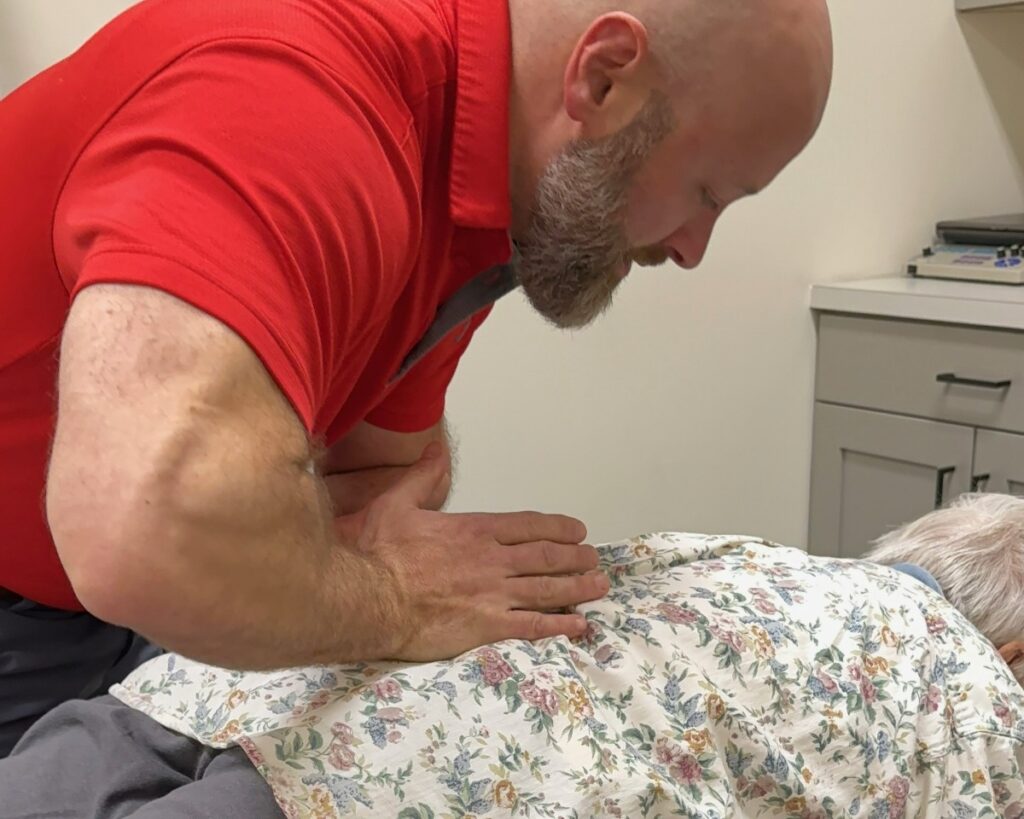
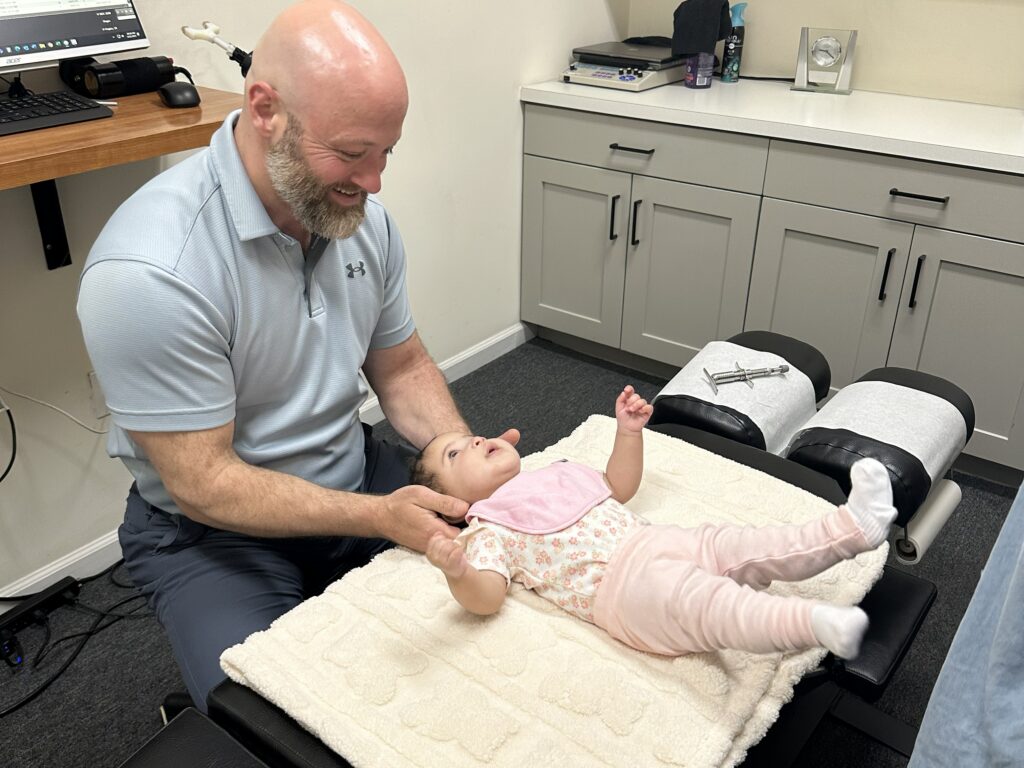
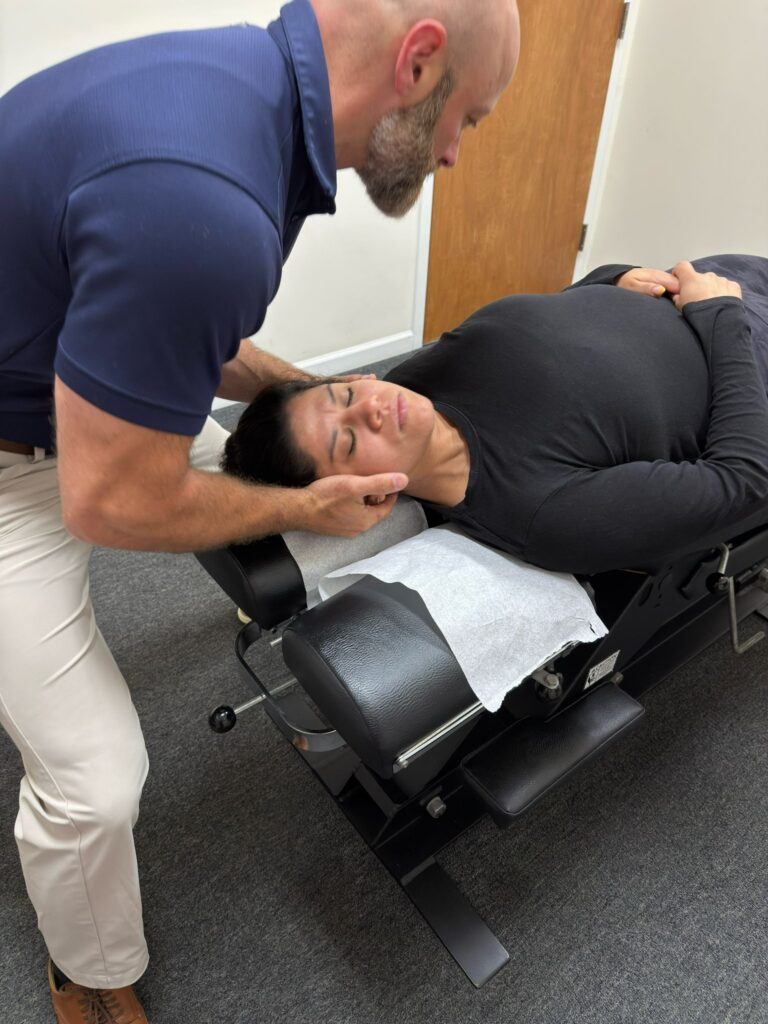
- Consider Regular Chiropractic Care: Regular visits to your chiropractor can help keep your spine aligned and functioning optimally. Chiropractic adjustments not only relieve pain but promote overall wellness by enhancing your body’s natural ability to heal.
Remember, your journey to feeling better is not just about managing pain; it’s about embracing a healthier lifestyle. By focusing on these natural approaches and prioritizing your spinal health through chiropractic care, you can take meaningful steps towards achieving lasting relief and wellness. You deserve to live your life free from the limitations of chronic pain!
Key Takeaways
- Engage in core stability exercises like planks and bridges to strengthen the muscles that support your spine. This not only helps reduce discomfort but also enhances your overall posture, making it easier to maintain proper alignment throughout your day.
- Incorporate gentle stretching routines that focus on your hamstrings and hip flexors. These stretches can improve flexibility and ease tension in your lower back, allowing for better movement and comfort.
- Try the bird-dog exercise, which is great for improving balance and spinal control. This exercise promotes stability, helping you feel more secure in your daily activities and reducing the risk of injury.
- Pay attention to your posture while sitting and standing. Good posture techniques can prevent strain on your back and maintain proper spinal alignment. Simple adjustments, like keeping your feet flat on the floor and your shoulders relaxed, go a long way in protecting your spine.
- Combine gentle aerobic activities, such as walking, with strength-building exercises for a well-rounded approach to managing chronic low back pain. These activities not only improve your fitness but also support your spine’s health.
Remember, chiropractic care is an excellent option for achieving optimal health and wellness. Regular adjustments can help align your spine, relieve pain, and promote natural healing. By incorporating these exercises and tips into your routine, you can take charge of your back health and enhance your quality of life.
Understanding Chronic Low Back Pain
Dealing with chronic low back pain can be challenging, but understanding its causes and effects is key to managing your condition effectively. Many times, chronic low back pain arises from factors like muscle strain, injuries, or underlying issues such as arthritis. You may find that your pain varies depending on your activities, stress levels, or even your posture. By recognizing these triggers, you can make informed choices that help ease your discomfort.
It’s important to note that the effects of chronic low back pain can reach beyond just physical symptoms. Many individuals experience emotional challenges, such as anxiety or depression, stemming from the continuous discomfort. This can create a cycle that affects your daily life, making it difficult to participate in the activities you love. By understanding how chronic low back pain impacts you both physically and emotionally, you can take proactive steps toward improving your situation.
Chiropractic care is a natural and effective way to address chronic low back pain. By focusing on spinal health, chiropractors can help restore proper alignment and function, which can lead to significant pain relief. Regular chiropractic adjustments can also promote better posture, which may alleviate some of the strain on your back.
Here are some general tips to help manage your chronic low back pain:
- Stay Active: Gentle exercises, such as walking or stretching, can strengthen your back and improve flexibility. Always consult with your chiropractor for tailored exercises that suit your condition.
- Practice Good Posture: Being mindful of your posture while sitting, standing, or lifting can help reduce unnecessary strain on your back.
- Incorporate Relaxation Techniques: Stress can worsen pain. Practices like deep breathing, meditation, or yoga can help you manage stress and promote relaxation.
- Apply Heat or Cold: Using a heating pad or ice pack can provide temporary relief for pain and inflammation.
- Stay Hydrated and Nourished: A balanced diet and staying hydrated can support your overall health and well-being, which is crucial for healing.
The Importance of Core Strength
Building core strength is a vital component of managing chronic low back pain and enhancing your overall stability. A strong core is like a sturdy foundation for your spine, helping to reduce strain on your lower back during everyday tasks. When your core muscles are weak, your body often compensates in ways that can lead to poor posture and increased discomfort. By focusing on strengthening your core, you create an essential support system that helps maintain proper alignment, which is crucial for preventing injuries.
Incorporating simple exercises such as planks, bridges, and abdominal crunches into your daily routine can significantly boost your core strength. These exercises engage not just your abdominal muscles, but also your back and pelvic muscles, providing balanced support for your spine. Remember, it’s important to prioritize good form over the number of repetitions; quality movements will yield better results and help you avoid unnecessary strain.
As you work on building your core strength, you may notice improvements in your overall mobility and comfort. This strong foundation is key to facing daily challenges and enjoying a more active lifestyle, all while reducing the burden of chronic pain.
Additionally, consider visiting a chiropractor to discuss how spinal adjustments can complement your core-strengthening efforts. Chiropractic care focuses on natural healing and optimizing your body’s function, making it a powerful ally in your journey toward better health. Regular chiropractic adjustments can help ensure that your spine is aligned, further supporting your core strength and overall wellness.
Stretching for Flexibility
To effectively manage chronic low back pain, it’s crucial to incorporate stretching into your daily routine, as it plays a vital role in enhancing flexibility and overall wellness. Stretching not only helps relieve tension in your muscles but also improves blood circulation, which can lead to reduced pain levels. When focusing on your lower back discomfort, pay special attention to key areas such as your hamstrings, hip flexors, and quadriceps.
Gentle stretches can be highly beneficial. One simple stretch is the seated forward bend. To do this, sit with your legs extended straight in front of you and gently reach toward your toes. Remember to hold this position for 20-30 seconds while taking deep breaths. Another beneficial stretch is the cat-cow, which promotes mobility in your spine. Start on all fours and alternate between arching your back (like a cat) and rounding it (like a cow) for several cycles.
Consistency is key when it comes to stretching, so aim to incorporate these gentle movements into your daily routine. By doing so, you’ll not only improve your flexibility but also create a more stable environment for your lower back. This can lead to long-term relief from chronic pain, which is why I always emphasize the importance of chiropractic care.
Regular chiropractic adjustments can help align your spine, support your body’s natural healing processes, and complement your stretching routine for optimal health.
Strengthening Exercises for the Lower Back
Now that you’ve taken the important step of stretching for flexibility, it’s essential to shift our focus to strengthening your lower back. Strengthening exercises, particularly those that emphasize core stability and mobility, play a crucial role in supporting your spine and can significantly reduce discomfort. As a chiropractor, I believe that these techniques, combined with regular chiropractic care, can greatly enhance your overall back health and promote natural healing.
Let’s dive into some effective strengthening exercises that are easy to incorporate into your routine. These exercises not only help build strength in your lower back but also improve your posture and overall body mechanics, which are vital for preventing future injuries.
- Pelvic Tilts: This simple exercise helps to engage your core and strengthen the muscles around your lower back. Lie on your back with your knees bent and feet flat on the floor. Slowly tilt your pelvis upward, flattening your lower back against the floor. Hold for a few seconds and then release. Repeat this 10-15 times.
- Bird-Dog: This exercise is fantastic for enhancing core stability. Start on your hands and knees, keeping your back flat. Extend one arm forward while simultaneously extending the opposite leg back. Hold for a few seconds, then return to the starting position and switch sides. Aim for 10-15 repetitions on each side.
- Bridges: Bridges help strengthen your glutes and lower back. Lie on your back with your knees bent and feet shoulder-width apart. Lift your hips toward the ceiling while squeezing your glutes, hold for a few seconds, and then lower back down. Try for 10-15 repetitions.
- Cat-Cow Stretch: This gentle movement helps improve spinal mobility. Start on your hands and knees. Inhale as you arch your back (Cow position), and exhale as you round your spine (Cat position). Repeat this flow for about 10 cycles.
Incorporating these exercises into your routine can lead to better back health, but remember, they work best alongside regular chiropractic adjustments. Chiropractic care not only helps alleviate pain but also addresses underlying issues that may contribute to discomfort.
Always listen to your body and consult with your chiropractor before starting any new exercise regimen, especially if you have existing back pain or conditions. Together, we can create a comprehensive plan tailored to your needs, promoting natural healing and healthier living.
Take these tips to heart, and let’s work towards a stronger, more resilient back!
Core Stability Exercises
Core stability exercises are vital for strengthening your lower back and supporting your overall spinal health. When you engage your core muscles, you create a strong foundation that helps stabilize your spine during everyday activities. As a chiropractor, I encourage you to start with simple movements like the plank and bird-dog. These exercises focus on maintaining a neutral spine and controlled breathing, which are essential for spinal alignment.
As you become more comfortable with the basics, you can introduce variations such as side planks or exercises using a stability ball to add a greater challenge. Throughout each movement, remember to engage your abdominal muscles. This not only activates your core effectively but also plays a key role in supporting your spine.
Incorporating these core stability exercises into your routine can significantly improve your lower back strength, enhance your posture, and reduce the risk of injury. Additionally, regular practice can complement your chiropractic care, helping you achieve optimal health and wellness naturally.
Here are a few tips to keep in mind:
- Focus on your breathing: Controlled breathing can enhance your performance during these exercises.
- Listen to your body: If you feel any discomfort, it’s essential to stop and reassess your form.
- Be consistent: Aim to practice these exercises a few times a week for the best results.
Flexibility and Mobility Work
Incorporating flexibility and mobility work into your daily routine can significantly enhance your lower back strength and overall well-being. As a chiropractor, I believe that focusing on stretches and movements that promote flexibility is essential for reducing tension and improving your range of motion. Simple, gentle stretches like the cat-cow pose and the seated forward bend can help loosen tight muscles and ease discomfort in your back.
In addition to these static stretches, incorporating dynamic movements such as leg swings and hip circles can boost mobility in your hips and lower back. These exercises not only alleviate existing pain but also serve as a preventative measure against future injuries. A regular practice of 10-15 minutes daily can yield great benefits for your spinal health.
Consistency is vital; the more you engage in these activities, the more resilient and pain-free your lower back can become. Remember, natural healing through chiropractic care, combined with these simple mobility exercises, is a powerful approach to achieving optimal health. Your body will appreciate the effort you put in, and you’ll be on your way to a more active, pain-free life!
Posture Correction Techniques
To alleviate chronic low back pain, prioritizing posture correction is crucial. By ensuring your spine is properly aligned and building strength in your core muscles, you can create a sturdy foundation for improved support and stability. Chiropractic care is an excellent way to help you achieve this, as it focuses on natural healing and wellness.
Let’s delve into some effective techniques that can promote better posture and relieve pain:
- Mindful Sitting: When sitting, keep your feet flat on the floor and your back straight. Use a chair that supports your lower back, or consider a lumbar support pillow. This helps maintain the natural curve of your spine.
- Stand Tall: When standing, distribute your weight evenly on both feet and keep your shoulders back. Imagine a string pulling you up from the crown of your head. This simple adjustment can significantly improve your posture.
- Strengthening Your Core: Engaging in exercises that strengthen your abdominal and back muscles can provide better support for your spine. Simple exercises like planks, bridges, and gentle yoga can be beneficial.
- Frequent Movement: If you sit for long periods, take breaks to stand, stretch, and walk around. This helps prevent stiffness and promotes better blood circulation, which is essential for spinal health.
- Chiropractic Adjustments: Regular visits to a chiropractor can help align your spine and improve your posture. Chiropractic care offers a holistic approach to pain relief, focusing on the root cause rather than just the symptoms.
Align Your Spine
Align Your Spine
Did you know that poor posture can significantly lead to chronic low back pain? As a chiropractor, I want to emphasize that by aligning your spine, you can not only relieve discomfort but also enhance your overall well-being. It’s essential to be conscious of your posture throughout the day, and I’m here to share some simple tips to help you align your spine effectively:
| Position | Tips | Benefits |
|---|---|---|
| Sitting | Keep your feet flat on the ground and maintain a straight back. Consider using a chair that supports your lower back. | This reduces strain on your back and makes sitting more comfortable. |
| Standing | Distribute your weight evenly on both feet, and engage your core for better support. | This enhances your balance and stability, helping you feel more grounded. |
| Sleeping | Use supportive pillows that keep your neck in line with your spine. Sleeping on your back or side is often best for spinal alignment. | This helps maintain proper spinal alignment, allowing your body to rest and recover effectively. |
Incorporating these posture correction techniques into your daily routine can lead to profound relief and support a healthier spine. Remember, small adjustments can lead to significant improvements in your comfort and overall health.
As a chiropractor, I believe that chiropractic care is one of the best ways to achieve optimal health. Regular adjustments can help keep your spine aligned and functioning well, providing a natural approach to pain relief and wellness. If you’re experiencing back pain or discomfort, consider visiting your local chiropractor to explore how their services can benefit you. Together, we can work towards a healthier, pain-free life!
Strengthen Core Muscles
Aligning your spine is an essential first step in enhancing your back health, but strengthening your core muscles is just as crucial. A strong core not only stabilizes your spine but also helps reduce strain and prevent injuries, making it an integral part of maintaining overall wellness.
Here are four simple yet effective exercises that can help you build a stronger core and support your back health:
- Plank: Start in a push-up position, ensuring your body forms a straight line from your head to your heels. Engage your core and hold this position for 30 seconds. As you grow stronger, gradually increase your hold time.
- Bridges: Lie on your back with your knees bent and feet flat on the ground. Gently lift your hips towards the ceiling by squeezing your glutes. Hold for a moment at the top, then lower back down. This exercise not only strengthens your core but also supports your lower back.
- Bird-Dog: Get on all fours, keeping your back straight. Extend one arm forward and the opposite leg back simultaneously. Hold for a few seconds before switching sides. This exercise promotes balance and stability, which are vital for a healthy spine.
- Side Plank: Lie on your side, resting on one elbow. Lift your hips off the ground, forming a straight line from your head to your feet. This move engages your obliques and helps improve spinal stability.
Incorporating these exercises into your routine can significantly enhance your core strength, which in turn supports your spinal health. Remember, regular chiropractic adjustments can also play a key role in maintaining a strong and aligned spine, helping to prevent pain and promote natural healing.
Aerobic Activities to Support Back Health
Regular aerobic activities can significantly enhance your back health, particularly if you’re dealing with chronic low back pain. Engaging in low-impact exercises such as walking, swimming, or cycling helps increase blood flow to your back muscles, which promotes healing and flexibility. I recommend aiming for at least 150 minutes of moderate aerobic activity each week, as this can support overall wellness.
Start with shorter sessions and gradually build your endurance. If walking feels good for you, try to walk briskly for about 30 minutes most days. Swimming is another excellent choice; it provides support and reduces strain on your back, making it a gentle yet effective exercise.
Always pay attention to your body’s signals—if a specific activity makes your pain worse, don’t hesitate to modify it or switch to something else that feels better. Remember, these aerobic activities not only strengthen your heart but also help you maintain a healthy weight, which reduces stress on your spine.
In addition to exercise, consider incorporating regular chiropractic care into your wellness routine. Chiropractors focus on aligning the spine and improving function, which can be vital for pain relief and overall health. Staying consistent with both aerobic activities and chiropractic adjustments can lead to noticeable improvements in your back health over time.
Here are a few takeaways:
- Aim for 150 minutes of moderate aerobic activity weekly.
- Start with shorter sessions and gradually increase your time.
- Opt for low-impact exercises like walking or swimming.
- Listen to your body and adjust activities as needed.
- Incorporate chiropractic care for optimal spine health and pain relief.
Mind-Body Approaches to Pain Relief
Finding balance in your approach to chronic low back pain can significantly enhance your overall well-being. As a local chiropractor, I believe that integrating mind-body techniques with chiropractic care can help you manage pain and improve your quality of life.
Here are some effective strategies to consider alongside your chiropractic treatments:
- Meditation: Take a few minutes each day to focus your mind. This practice can help reduce stress and change the way you perceive pain, complementing the adjustments you receive in the chiropractic office.
- Yoga: Gentle stretches and poses can increase flexibility and strengthen your core, which supports your spine. Incorporating yoga into your routine can help alleviate tension in your back, enhancing the benefits of your chiropractic care.
- Breathwork: Engage in deep breathing exercises to calm your nervous system. This practice can help reduce the intensity of pain signals, making it easier to feel the positive effects of your chiropractic adjustments.
- Visualization: Use mental imagery to create a peaceful scene. This technique can distract your mind from pain and promote relaxation, making your chiropractic sessions even more effective.
Creating a Balanced Exercise Routine
When dealing with chronic low back pain, creating a balanced exercise routine is crucial for your overall health and well-being. As a chiropractor, I believe that incorporating strength, flexibility, and cardiovascular activities can help alleviate pain and support your spine naturally.
Start with strength training that focuses on your core muscles. A strong core provides essential support to your spine, helping to reduce discomfort. Aim for two to three sessions a week, using simple bodyweight exercises or resistance bands. Consider movements like planks, bridges, and modified squats to build strength without straining your back.
Next, don’t overlook flexibility exercises. Stretching can significantly improve your range of motion and reduce stiffness. Incorporating gentle stretches after your workouts or practicing yoga can work wonders. Aim for at least two sessions per week dedicated to flexibility.
Cardiovascular activities, such as walking or swimming, are also essential. These exercises can enhance your overall fitness while being gentle on your back. Aim for at least 150 minutes of moderate aerobic activity each week—this can be broken down into manageable sessions throughout the week.
Remember, chiropractic care can play a pivotal role in your journey to optimal health. Regular adjustments help align your spine, support your nervous system, and improve your body’s ability to heal naturally. By combining chiropractic care with a balanced exercise routine, you can take significant steps towards living pain-free and enjoying a healthier lifestyle.
Feel free to share these tips with friends and family, and encourage them to prioritize their spinal health!
When to Seek Professional Help
When it comes to managing chronic low back pain, even the best exercise routine may not be enough at times. It’s important to recognize when it’s time to consult a healthcare professional, especially a chiropractor who specializes in natural healing and spinal health.
If you notice any of the following symptoms, it’s vital to seek assistance:
- Persistent Pain: If your low back pain lingers for more than a few weeks or seems to worsen despite your efforts to manage it, this is a sign that your body may need a deeper level of care, like chiropractic adjustments, to restore balance.
- Numbness or Tingling: Feeling numbness, tingling, or weakness in your legs can indicate that your nerves are being affected. A chiropractor can assess your spinal alignment and help relieve any pressure on the nerves, promoting better function.
- Loss of Bladder or Bowel Control: This is a serious symptom that requires immediate attention. It can indicate a condition that needs professional intervention. A chiropractor can work with you to understand the root cause and guide you toward healing.
- Severe Injury: If your back pain arises after an accident or injury, it’s crucial to get evaluated by a chiropractor. They can perform a thorough assessment and create a personalized treatment plan to aid your recovery naturally.
Ignoring these signs can lead to further complications and discomfort. Chiropractic care focuses on the whole person, not just the symptoms, helping you develop a tailored approach to wellness.
By prioritizing your spinal health, you can get back to your daily activities more safely and effectively.
Conclusion
Incorporating these exercises and techniques into your daily routine can significantly alleviate your chronic low back pain while promoting overall spinal health. By focusing on strengthening your core, enhancing flexibility, and improving your posture, you can experience relief that not only eases discomfort but also supports your long-term well-being.
As a chiropractor, I emphasize the importance of listening to your body and advancing your practice gradually. If you encounter any unusual symptoms, it’s wise to consult with a chiropractic professional for personalized guidance. Remember, chiropractic care is a natural and effective approach to achieving optimal health without the need for surgeries or medications.
Here are some general tips to help you on your journey to a healthier back:
- Stay Active: Engage in regular physical activity that promotes movement and circulation. Walking, swimming, or gentle yoga can be beneficial.
- Focus on Core Strength: Strong core muscles support your spine. Incorporate exercises like planks and bridges into your routine.
- Maintain Good Posture: Be mindful of your posture while sitting, standing, and lifting. Proper alignment can prevent strain on your back.
- Stretch Regularly: Incorporate gentle stretches into your day to improve flexibility and reduce tension in your back muscles.
- Consider Chiropractic Care: Regular visits to a chiropractor can help align your spine, relieve pain, and enhance your body’s natural healing abilities.
Embrace this journey toward a healthier back, and you may find that the relief you seek transforms not only your level of comfort but also your overall quality of life. Remember, chiropractic care is your partner in achieving lasting wellness and vitality.