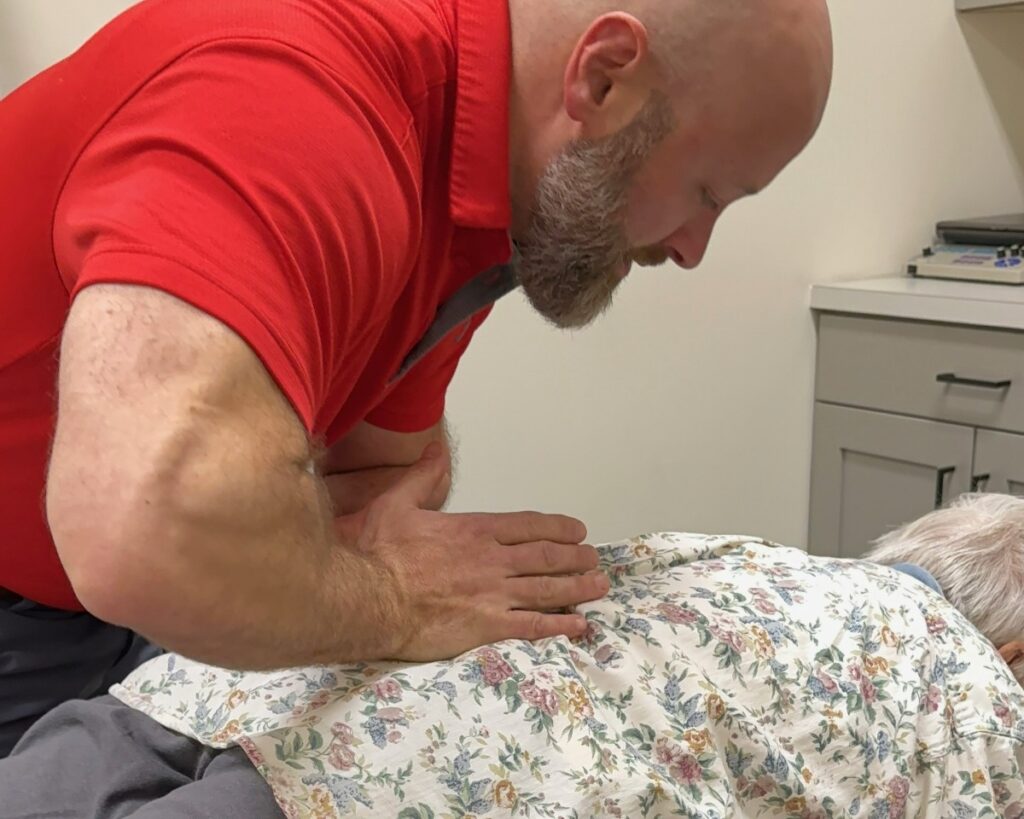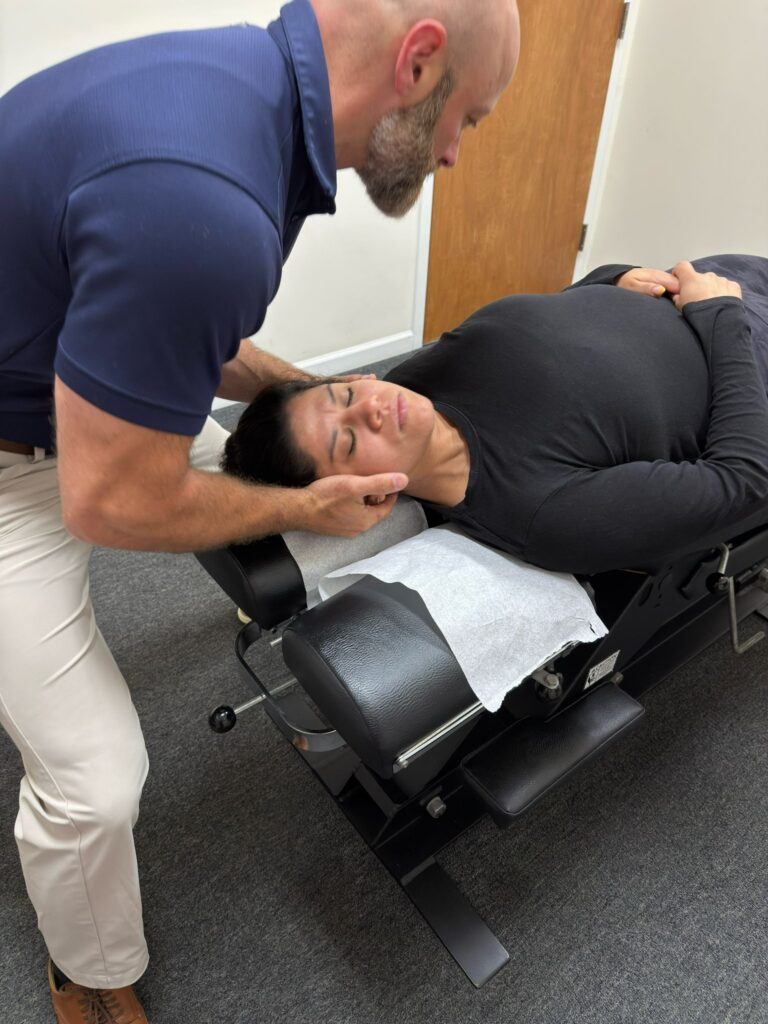

As a local chiropractor, I understand that many of you may be struggling with chronic tension headaches and feeling like you’ve exhausted all your options. It’s important to realize that relief can sometimes come from unexpected sources, and I want to share some insights into how chiropractic care and natural healing can make a difference in your experience.
Many patients are surprised to learn that mindfulness practices, dietary adjustments, and alternative therapies can effectively relieve tension headaches. While medication might provide temporary relief, it’s essential to explore holistic approaches that address the root causes of your discomfort.
Incorporating chiropractic adjustments into your routine can help restore balance to your spine and nervous system, reducing muscle tension and improving overall function. Additionally, simple lifestyle changes, such as stress management techniques and proper hydration, can lead to significant improvements in your headache frequency and intensity.
Let’s take a closer look at these effective strategies together. By embracing a comprehensive approach to your health, you may find the relief you’ve been seeking. Remember, sometimes the best solutions are the ones you least expect!
Understanding Chronic Tension Headaches
As a local chiropractor, I understand that chronic tension headaches can be a persistent and frustrating challenge for many individuals. These headaches often present themselves as a constant pressure or tightness around your forehead or the back of your head and neck.
You may find that they tend to arise after long hours of work, poor posture, or stressful situations, making it difficult to concentrate on your daily tasks. The intensity of the pain can vary from mild to severe, and it can last anywhere from 30 minutes to several days.
Identifying the triggers of these headaches is crucial for effective management. Factors such as stress, lack of sleep, and eye strain can significantly contribute to your discomfort.
By observing your habits and the environments in which you spend your time, you can start to recognize what may be exacerbating your tension headaches.
As a chiropractor, I encourage you to pay attention to your body’s signals and the ways it responds to tension. There are a variety of natural healing methods we can explore to help alleviate your symptoms and improve your overall well-being.
With the right chiropractic strategies, including adjustments, posture correction, and stress-relief techniques, you can manage and reduce the frequency of these headaches, allowing you to reclaim control over your daily activities and enjoy a better quality of life.
The Role of Mindfulness and Meditation
As a local chiropractor, I understand that managing chronic tension headaches can be quite a challenge. One effective approach I recommend to my patients is the incorporation of mindfulness and meditation into their daily routine. These practices help you focus on the present moment, which can significantly reduce stress and tension—common triggers for headaches.
By dedicating just a few minutes each day to sitting quietly and practicing deep breathing, you can activate your body’s relaxation response, potentially easing headache symptoms. Simple techniques, such as guided imagery or deep-breathing exercises, can be very beneficial. When you concentrate on your breath, it often helps shift your attention away from discomfort.
As you cultivate a consistent mindfulness practice, you may notice improvements in your emotional regulation and an enhanced sense of calm, both of which are crucial in managing headache pain.
Furthermore, mindfulness encourages you to become more aware of tension in your body before it escalates into a headache. By tuning into these signals, you can take proactive measures to alleviate discomfort.
In this way, mindfulness and meditation serve as valuable tools in your headache management strategy. As your chiropractor, I encourage you to explore these natural healing methods alongside your chiropractic care for optimal results.
Exploring Dietary Adjustments
As a local chiropractor dedicated to helping you achieve optimal health, I want to share how dietary adjustments can significantly impact your experience with tension headaches. Many individuals may not realize that specific foods can trigger or worsen these symptoms. It’s important to start by identifying any potential culprits in your diet. For example, common triggers include aged cheeses, processed meats, and foods that are high in MSG.
Additionally, I recommend being mindful of your caffeine and alcohol intake, as both can lead to dehydration, which may contribute to tension.
Instead, let’s focus on incorporating anti-inflammatory foods into your meals. Fatty fish, leafy greens, and nuts are excellent choices that may help reduce inflammation and promote overall wellness. Staying well-hydrated is also crucial, so make it a habit to drink plenty of water throughout the day.
Regular meal times can play a vital role in maintaining stable blood sugar levels, which can help reduce the likelihood of headaches.
I also suggest keeping a food diary; this can be a valuable tool in pinpointing any specific dietary triggers you may have. Remember, everyone’s body responds differently to various foods, so what might affect one person may not have the same impact on another.
Unconventional Therapies: Acupuncture and Massage
As a local chiropractor, I often see patients seeking relief from chronic tension headaches. If you’re among those struggling with these discomforts, I encourage you to consider the benefits of acupuncture and massage as part of a holistic approach to healing.
While these therapies may seem unconventional to some, they can complement chiropractic care effectively.
Acupuncture involves the insertion of fine needles at specific points on the body to help balance energy and alleviate pain. It can be particularly beneficial for headache relief by targeting underlying tension and promoting relaxation.
Massage therapy, on the other hand, focuses on manipulating soft tissues to reduce muscle tension. This can enhance circulation and ease the tightness that often contributes to headaches.
When integrated with chiropractic adjustments, both acupuncture and massage can enhance your overall well-being, addressing not just the symptoms but also the root cause of your discomfort.
Let’s work together to explore how these natural healing methods can provide you the relief you need.
Acupuncture Techniques Explained
As a local chiropractor, I want to share insights about acupuncture techniques, which can be an excellent option for those struggling with chronic tension headaches. This ancient practice involves the insertion of thin needles into specific points on the body to promote the flow of energy, known as “qi.”
While you might feel a slight prick during the insertion, many patients find the overall experience to be quite soothing and relaxing.
In my practice, I often collaborate with acupuncturists who specifically target areas on the head, neck, and shoulders—where tension often builds up. A typical session lasts between 30 to 60 minutes, and many patients report an immediate decrease in pain or tension afterward.
Regular acupuncture treatments can also be beneficial in preventing future headaches from occurring.
If you’re curious about how acupuncture can complement your chiropractic care, I encourage you to consult with a licensed practitioner who can provide personalized treatment tailored to your unique needs.
Exploring this technique could lead to meaningful relief and enhance your overall well-being.
Benefits of Massage Therapy
As a local chiropractor, I want to share the significant benefits of massage therapy, especially for those of you struggling with chronic tension headaches.
Massage therapy can be a valuable complement to chiropractic care in managing your headache symptoms. It helps alleviate muscle tightness and enhances circulation, which can reduce the tension that often contributes to headache pain.
By receiving regular massages, you can promote relaxation and lower your stress levels—two key factors in headache management. Techniques such as deep tissue or trigger point massage specifically target areas of discomfort, offering relief where you need it the most.
Moreover, the skilled touch of a massage therapist not only helps with physical symptoms but can also uplift your mood and enhance your overall well-being.
By incorporating massage therapy into your wellness routine alongside chiropractic adjustments, you’re not merely treating the symptoms; you’re taking proactive steps towards achieving long-term relief from chronic tension headaches.
Let’s work together to explore how these natural healing methods can benefit you!
Integrating Both Approaches
As a local chiropractor, I want to share how integrating unconventional therapies like acupuncture and massage with chiropractic care can significantly enhance your experience in managing chronic tension headaches.
These approaches work together to tackle both physical and emotional stressors that may be contributing to your discomfort.
Here are some key benefits to consider:
- Enhanced relaxation: Chiropractic adjustments can help align your spine and relieve tension, while massage therapy eases muscle tightness. Together, they create a deep sense of relaxation, making it easier for you to de-stress.
- Boosted circulation: Chiropractic care, along with acupuncture and massage, promotes better blood flow throughout your body. This improved circulation delivers vital nutrients to your brain, which can help reduce headache triggers.
- Holistic healing: By focusing on the mind-body connection, we’re not just addressing the symptoms of your headaches. Instead, we’re promoting your overall wellness, helping you feel better both physically and emotionally.
The Benefits of Regular Exercise
As a local chiropractor, I want to share with you the significant benefits of regular exercise, especially when it comes to managing chronic tension headaches. Engaging in physical activity can play a crucial role in alleviating the frequency and intensity of these headaches.
How does it work? Exercise promotes better blood circulation and stimulates the release of endorphins, which are natural painkillers produced by your body.
Additionally, physical activity encourages muscle relaxation, particularly in the neck and shoulder areas—common culprits behind tension headaches.
It’s important to note that you don’t need to engage in high-intensity workouts to reap these benefits; even moderate activities such as walking, swimming, or cycling can be highly effective.
Integrating a consistent exercise routine into your life not only enhances your physical health but also contributes positively to your mental well-being.
You may notice improvements in your mood and a reduction in stress levels, both of which are key factors that can trigger tension headaches.
Moreover, regular exercise can lead to better sleep quality, which is another way to minimize the occurrence of headaches.
As you explore the world of chiropractic care and natural healing, remember that incorporating exercise into your lifestyle can be a powerful tool in your journey towards better health and relief from tension headaches.
Aromatherapy: Scents That Soothe
As a local chiropractor, I often emphasize the importance of holistic approaches to wellness, especially for patients dealing with chronic tension headaches. One effective method that many find beneficial is aromatherapy, which employs the gentle scents of essential oils to ease discomfort and promote relaxation.
Here are a few essential oils that you might consider incorporating into your routine:
- Lavender: This scent is widely recognized for its calming effects. It can help reduce anxiety and improve your sleep quality, which is crucial in managing headaches.
- Peppermint: Known for its invigorating properties, peppermint oil provides a cooling sensation that can relieve headache symptoms and stimulate your senses.
- Eucalyptus: This refreshing scent is beneficial for clearing your mind and opening up your airways, making it easier to engage in deep, restorative breathing.
To maximize the benefits of aromatherapy, consider using a diffuser in your home, adding a few drops of essential oils to a warm bath, or inhaling the fragrance directly from the bottle.
By integrating these soothing scents into your daily routine, you may experience a significant decrease in both the frequency and intensity of your headaches.
As we explore natural healing methods together, I encourage you to consider how aromatherapy could complement your chiropractic care and overall wellness journey.
The Importance of Hydration
As a local chiropractor, I want to emphasize the critical role that hydration plays in managing chronic tension headaches. Many people may not realize that dehydration can be a significant trigger for headaches, which is why understanding your optimal daily water intake is so important for your overall well-being.
Let’s take a closer look at the best sources of hydration that can help you maintain your health and keep headaches at bay. Staying properly hydrated supports not just your physical health, but also the effectiveness of chiropractic care and natural healing practices.
Dehydration and Headache Connection
As your local chiropractor, I want to share an important connection between hydration and headaches that many people mightn’t be aware of. You may be surprised to learn that simply not drinking enough water can trigger discomfort in the form of headaches. Dehydration often leads to tension headaches, so it’s crucial to prioritize your hydration.
When your body isn’t adequately hydrated, your brain can temporarily contract, which can cause pain and discomfort. Here are a few ways that dehydration might play a role in your headaches:
- Reduced blood flow: Insufficient hydration can decrease blood volume, which impacts how well oxygen is delivered to your brain. This lack of oxygen can contribute to headache pain.
- Increased stress: Dehydration can lead to elevated cortisol levels, a hormone associated with stress. This rise in cortisol can heighten feelings of tension and anxiety, which may worsen your headache symptoms.
- Electrolyte imbalance: Not drinking enough water can disrupt the balance of electrolytes in your body. This imbalance may lead to muscle cramps and increased tension, further contributing to headache discomfort.
To help prevent headaches and support your overall well-being, I encourage you to make hydration a priority in your daily routine. Drinking ample amounts of water can help you feel your best and reduce the risk of unnecessary discomfort.
If you have any questions about how hydration affects your health or how chiropractic care can support your wellness, feel free to ask during your next visit!
Optimal Daily Water Intake
As a local chiropractor, I want to emphasize the importance of understanding your daily water intake for overall health and well-being. Staying properly hydrated is crucial, not only for your body but also for preventing issues like headaches, which many of my patients experience.
While a general guideline is to aim for about 8 to 10 cups of water a day, it’s important to recognize that each person’s needs can vary. Factors such as your activity level, the climate you live in, and your body size all play a role in your hydration requirements.
Listen to your body; thirst is a clear sign that your hydration levels may need attention. Additionally, the color of your urine can provide insight into your hydration status—light yellow typically indicates good hydration, whereas dark yellow may suggest that you need to drink more water.
Keeping yourself well-hydrated not only helps lubricate your muscles and joints but also supports healthy digestion and boosts your overall energy levels.
Hydration Sources You Need
As a local chiropractor, I often emphasize the importance of proper hydration for maintaining overall health and wellness. Many people think that plain water is their only option for staying hydrated, but there are several other beverages and foods that can effectively contribute to your hydration levels throughout the day.
This is particularly beneficial for those who may experience tension headaches, as proper hydration can help alleviate some of that discomfort.
- Herbal teas: These are a fantastic choice since they’re caffeine-free and can provide a soothing effect while increasing your fluid intake. Plus, they come in a variety of flavors to suit your taste.
- Fruits and vegetables: Incorporating water-rich foods such as cucumbers, watermelon, and oranges into your diet not only makes for a refreshing snack but also serves as a delicious way to enhance your hydration.
- Coconut water: This natural electrolyte drink is a wonderful option for replenishing lost fluids. It’s not only invigorating but also offers essential nutrients that support your body’s natural functions.
By including these hydration sources in your daily routine, you can help support your overall health and potentially reduce the frequency of tension headaches.
Sleep Hygiene and Its Impact on Headaches
As a local chiropractor, I believe it’s essential to educate my patients about the significant role good sleep hygiene plays in managing and alleviating chronic tension headaches.
By establishing a consistent sleep schedule, you can help regulate your body’s internal clock, making it easier to drift off to sleep and wake up feeling refreshed. I recommend aiming for the same bedtime and wake-up time every day, even on weekends, to keep your body’s rhythm in check.
Creating a calming bedtime routine is another effective strategy. This signals to your body that it’s time to wind down. Try to limit your screen time and steer clear of caffeine or heavy meals in the hours leading up to bedtime.
Your sleep environment is crucial too; ensuring your bedroom is dark, cool, and quiet can greatly enhance the quality of your rest.
Moreover, investing in a comfortable mattress and supportive pillows is vital for your neck and head alignment, which can contribute to headache relief.
By prioritizing good sleep hygiene, you not only improve your overall health but also take proactive steps toward reducing those annoying tension headaches.
Stress Management Techniques for Daily Relief
As a local chiropractor, I often see patients struggling with chronic tension headaches. One of the most effective ways to manage these headaches is by incorporating stress management techniques into your daily life. Understanding and addressing stress is crucial in reducing both the frequency and intensity of your headaches.
Here are some valuable practices I recommend:
- Mindfulness Meditation: Dedicating just a few minutes each day to focus on your breath can significantly calm your mind and help alleviate tension. This practice is a fantastic way to center yourself amidst the busyness of life.
- Regular Exercise: Incorporating physical activity into your routine, such as a brisk walk, can boost the release of endorphins, which are natural mood lifters. Exercise not only helps reduce stress but also promotes overall wellness.
- Deep Breathing Exercises: Engaging in deep, slow breaths can help lower your heart rate and foster a sense of relaxation. This is a quick and effective way to relieve stress that you can practice anywhere.
By consistently applying these techniques, you can build resilience against the stressors that may trigger your headaches.
It’s important to remember that finding the right combination of methods may take some time, so don’t hesitate to explore different approaches until you find what works best for you.
As your chiropractor, I’m here to support your journey toward natural healing and well-being.
Conclusion
As a local chiropractor, I want to share some surprising yet effective solutions for managing chronic tension headaches that you may not be familiar with. Chiropractic care is just one piece of the puzzle; by incorporating mindfulness practices, making dietary adjustments, and exploring unconventional therapies, you can find relief that extends beyond traditional treatments.
Regular exercise is crucial, as it helps alleviate tension in your muscles and improves overall circulation. Staying hydrated is equally important—dehydration can often contribute to headache symptoms. Additionally, maintaining good sleep hygiene can significantly impact your well-being and headache frequency.
I cannot stress enough the importance of prioritizing stress management techniques in your daily routine. Stress is a common trigger for tension headaches, and by learning how to manage it effectively, you can take proactive steps toward relief.
By adopting a holistic approach that includes chiropractic care, you can gain better control over your headaches and enhance your overall quality of life. If you have any questions or want to learn more about how chiropractic care can help, feel free to reach out!