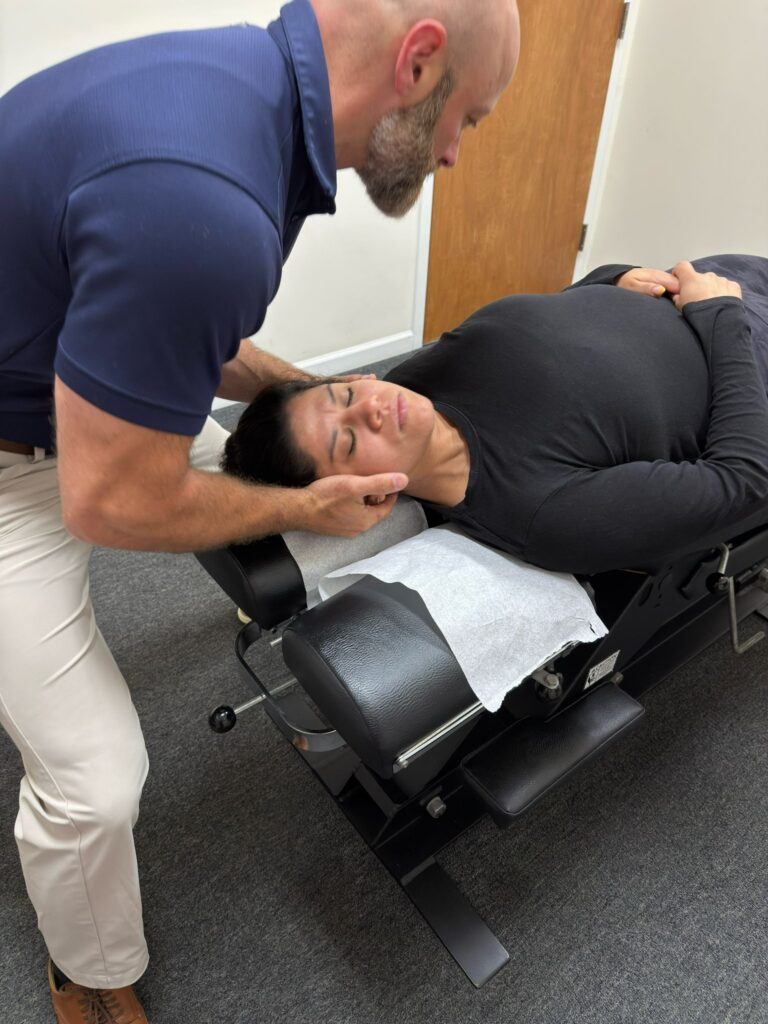

If you’ve ever struggled with tension headaches, you understand how they can interfere with your daily activities and overall quality of life. Finding effective relief goes beyond simply easing the pain; it’s about enhancing your overall wellness. As a chiropractor, I want to share insights on how chiropractic care can be a powerful tool in addressing the root causes of tension headaches.
Chiropractic adjustments focus on aligning the spine and optimizing nervous system function, which can significantly reduce headache frequency and intensity. By addressing misalignments in the spine, we can alleviate tension in the muscles and improve circulation, leading to a natural reduction in headache symptoms.
In addition to regular chiropractic care, there are simple lifestyle adjustments you can make to further enhance your comfort and productivity. Here are some tips to consider:
- Practice Good Posture: Whether you’re working at a desk or using your phone, keep your posture in check. Sit up straight, and make sure your screen is at eye level to avoid unnecessary strain on your neck and shoulders.
- Stay Hydrated: Dehydration can trigger headaches, so make sure you’re drinking enough water throughout the day. Aim for at least 8 glasses, and more if you’re active.
- Incorporate Stretching: Gentle neck and shoulder stretches can relieve muscle tension. Try incorporating a few stretches into your daily routine, especially if you spend long hours sitting.
- Manage Stress: Stress is a common trigger for tension headaches. Techniques such as deep breathing, yoga, or mindfulness can help reduce stress levels and promote relaxation.
- Regular Adjustments: Consistent chiropractic visits can help maintain spinal alignment and prevent the recurrence of tension headaches. Your chiropractor can work with you to develop a tailored plan that addresses your specific needs.
By making these simple adjustments and prioritizing chiropractic care, you can experience significant relief from tension headaches and enhance your overall well-being. Remember, your health is a journey, and taking proactive steps today can lead to a more comfortable and productive tomorrow.
Key Takeaways
Relief From Tension Headaches: Key Benefits Explained
- Chiropractic care is a natural and effective way to realign your spine, which can help alleviate muscle tension and significantly reduce the frequency and intensity of tension headaches. By addressing the root cause, chiropractic adjustments promote long-lasting relief.
- Incorporating regular exercise into your routine is essential for enhancing circulation and relieving muscle tightness. Plus, it serves as a fantastic stress management tool. Aim for activities you enjoy, whether it’s walking, jogging, or yoga, to keep your body moving and reduce headache occurrences.
- Maintaining good posture is crucial for minimizing strain on your neck and shoulders. Simple adjustments, like sitting up straight and being mindful of your body alignment, can go a long way in lowering the chances of headaches.
- Staying hydrated is vital for overall health and can help prevent tension headaches. Aim to drink at least eight 8-ounce glasses of water daily. Carrying a water bottle with you can be a great reminder to stay hydrated throughout the day.
- Embracing stress management techniques, such as mindfulness and meditation, can promote relaxation and reduce headache triggers. Taking just a few minutes each day to practice deep breathing or meditation can significantly improve your overall well-being.
In summary, chiropractic care stands out as a top choice for natural healing and pain relief. By adopting a holistic approach that includes proper hydration, regular exercise, good posture, and stress management, you can achieve optimal health and reduce the likelihood of tension headaches. Remember, taking care of your spine is taking care of your overall health!
Understanding Tension Headaches
Tension headaches can feel like a tight band around your head, causing discomfort that disrupts your daily life. You might experience a dull, aching sensation, often accompanied by tightness in your neck and shoulders. These headaches can vary in intensity and duration, sometimes lingering for hours or even days. Unlike migraines, they usually don’t come with nausea or visual disturbances, making them somewhat less intense, but still quite frustrating.
It’s important to understand that tension headaches can affect anyone, regardless of age or lifestyle. They often arise from stress, poor posture, or prolonged screen time—all of which can place additional strain on your spine and muscles. By recognizing the nature of your tension headaches, you can develop effective coping strategies, and this is where chiropractic care can play a vital role in your journey to wellness.
Chiropractic care focuses on ensuring your spine is properly aligned, which can help alleviate the tension contributing to your headaches. Regular adjustments can improve your posture, reduce muscle tightness, and enhance your overall well-being. Additionally, maintaining a healthy lifestyle through hydration, regular exercise, and stress management techniques can further support your body in managing headaches.
Here are a few simple tips to help you cope with tension headaches:
- Practice Good Posture: Be mindful of your posture, especially when sitting at a desk or using a computer. Keep your shoulders back and your head aligned with your spine.
- Take Breaks: If you spend long hours in front of a screen, make sure to take regular breaks to stretch and relax your muscles.
- Stay Hydrated: Drink plenty of water throughout the day to help reduce tension and keep your body functioning optimally.
- Incorporate Relaxation Techniques: Techniques such as deep breathing, meditation, or gentle yoga can help alleviate stress and tension.
- Consider Chiropractic Care: Regular visits to a chiropractor can help address the underlying causes of your headaches, providing relief and helping you maintain a healthier lifestyle.
Common Triggers and Causes
While various factors can contribute to the onset of tension headaches, understanding these triggers is essential for prevention and management. Common causes include poor posture, which can strain your neck and shoulders, and prolonged screen time that leads to eye strain. It’s important to be mindful of your posture throughout the day, especially if you spend long hours sitting at a desk or looking at a screen. Incorporating regular breaks to stretch and adjust your position can make a big difference.
Dehydration is another common trigger for headaches, as your body needs adequate fluids to function properly. Make it a habit to drink water consistently throughout the day. Skipping meals or having irregular eating patterns can also create additional tension, so try to maintain a balanced diet and eat at regular intervals to keep your energy levels stable.
Lack of sleep plays a significant role in headache development as well. When you’re tired, your body’s stress response heightens, leading to discomfort. Establishing a consistent sleep routine can greatly improve your rest and help reduce stress on your body.
Environmental factors, like strong odors or loud noises, can provoke tension headaches too. Creating a calm and quiet workspace can help in minimizing these triggers. Additionally, habits like clenching your jaw or grinding your teeth can lead to discomfort, so practicing relaxation techniques and being mindful of your jaw position can be beneficial.
Identifying these triggers in your daily routine allows you to take proactive steps to minimize their impact. As a chiropractor, I encourage my patients to explore chiropractic care as a natural and effective way to manage pain and promote overall wellness.
Regular chiropractic adjustments can help improve spinal alignment, reduce tension in the body, and enhance your overall health. By integrating these simple tips into your lifestyle and considering chiropractic care, you can work towards reducing the frequency of tension headaches and achieving optimal health.
The Role of Stress Management
Stress management is vital for reducing tension headaches, and as a chiropractor, I want to emphasize how effective chiropractic care can be in supporting your overall health and wellness.
By managing stress effectively, you can reduce both the frequency and intensity of your headaches, helping you feel your best every day. Here are some strategies to incorporate into your routine, along with the benefits of chiropractic care:
- Mindfulness and meditation: Practicing mindfulness can help you stay present, reduce anxiety, and promote relaxation. When combined with chiropractic adjustments, which align your spine and improve nervous system function, you may find even greater relief from stress-related headaches.
- Physical activity: Regular exercise is essential not only for physical health but also for mental well-being. It releases endorphins, which act as natural painkillers. Chiropractic care can enhance your physical performance, ensuring your body is functioning optimally, so you can enjoy your workouts without discomfort.
- Breathing exercises: Deep, controlled breathing techniques lower stress levels and promote relaxation. Incorporating these practices alongside chiropractic adjustments can help further reduce muscle tension and improve your overall sense of well-being.
- Time management: Organizing your tasks can help you feel more in control and less overwhelmed. Remember, a balanced lifestyle supports spinal health, which is crucial for managing stress effectively.
By focusing on these stress-reducing techniques and incorporating chiropractic care into your routine, you can take significant steps toward alleviating tension headaches naturally.
Prioritizing your spinal health through regular chiropractic visits can enhance your body’s ability to cope with stress and promote overall wellness. Embrace these tips, and consider chiropractic care as a key component of your journey to optimal health.
Importance of Good Posture
Good posture is a cornerstone of your overall health and can significantly affect your experience with tension headaches. When you maintain proper alignment, you not only reduce strain on your neck and shoulders—common culprits of tension—but you also promote a healthier spine. By being mindful of your posture throughout the day, you can alleviate discomfort and prevent headaches before they start.
| Benefits of Good Posture | Effects on Tension Headaches |
|---|---|
| Reduces muscle strain | Decreases headache frequency |
| Improves blood circulation | Enhances oxygen delivery |
| Supports spinal health | Minimizes nerve compression |
| Boosts confidence | Promotes relaxation |
Incorporating good posture into your daily routine is simpler than you might think. Here are a few tips to help you get started:
- Regular Check-ins: Throughout your day, take a moment to check your posture. Are your shoulders back? Is your neck aligned with your spine? Making small adjustments can have a big impact.
- Ergonomic Setup: If you spend long hours at a desk, ensure your workspace is ergonomic. Your chair should support your lower back, and your computer screen should be at eye level to avoid straining your neck.
- Strengthening Exercises: Engage in exercises that strengthen your core and back muscles. A strong core supports your spine and can help maintain proper posture.
- Chiropractic Care: Regular visits to a chiropractor can help you achieve and maintain optimal posture. They can provide personalized advice and adjustments that promote spinal health, which is crucial for preventing headaches and other discomfort.
Benefits of Regular Exercise
Regular exercise is an incredible way to support your body and mind, especially when paired with chiropractic care. Not only does it enhance blood circulation and alleviate muscle tension, but it also serves as a fantastic method for relieving stress.
By incorporating physical activity into your routine, you’re not just promoting a healthier lifestyle; you’re also taking a proactive approach to manage tension headaches and enhance your overall well-being.
As a chiropractor, I encourage you to explore gentle exercises that complement your spinal health, such as walking, stretching, or yoga. These activities can help keep your spine aligned and reduce discomfort.
Additionally, staying active can improve your posture, which is crucial for spinal health.
Remember, chiropractic care goes hand-in-hand with regular exercise. It can help optimize your body’s function and ensure that you move freely and comfortably.
Improved Blood Circulation
Engaging in regular exercise just a few times a week can significantly improve your blood circulation, which is crucial for overall health and wellness. When your blood flows effectively, your body is better able to deliver oxygen and nutrients to all its parts, allowing you to function at your best.
This enhanced circulation can also play a vital role in alleviating tension headaches. Here’s how better circulation through chiropractic care can help you:
- Increased Oxygen Delivery: Improved blood flow brings more oxygen to your brain, which can help reduce headache triggers. Chiropractic adjustments can facilitate better circulation, ensuring that your body gets the oxygen it needs.
- Toxin Removal: Good circulation helps flush out toxins that can lead to headache pain. Regular chiropractic care can promote optimal blood flow, aiding your body in detoxifying naturally.
- Healing Support: Chiropractic adjustments can promote healing in any inflamed areas, leading to quicker recovery times from headaches and other discomforts.
- Boosted Energy Levels: With better circulation, you’ll likely experience increased energy and alertness. This means you’ll be less prone to headaches and more able to enjoy your daily activities.
To enhance your blood circulation and support your overall health, consider incorporating gentle exercises like walking or stretching into your routine.
Additionally, regular visits to your chiropractor can help maintain proper spinal alignment, which is essential for optimal circulation and overall wellness.
Reduced Muscle Tension
Improving blood circulation naturally leads to reduced muscle tension, a common contributor to tension headaches. As a chiropractor, I want to emphasize the importance of maintaining a healthy spine and engaging in activities that promote overall well-being.
Regular exercise not only strengthens your muscles but also enhances flexibility, which can help alleviate tightness and discomfort in areas like your neck, shoulders, and back. Incorporating exercises such as stretching, yoga, or even brisk walking into your routine can effectively release built-up tension.
These activities not only ease physical strain but also play a significant role in preventing the recurrence of headaches. By focusing on your body’s alignment through chiropractic care and complementing it with regular movement, you can actively reduce the risk of muscle-related triggers for headaches.
Remember, chiropractic adjustments can enhance your body’s ability to heal naturally by improving spinal function and promoting better blood flow. This holistic approach to health helps keep muscle tension at bay and supports your overall relaxation and well-being.
Whether you’re lifting weights or enjoying a leisurely jog, consider how chiropractic care can be a key component in your journey toward optimal health. Prioritize your spinal health, and you’ll be on your way to a more comfortable and pain-free life.
Enhanced Stress Relief
Incorporating exercise into your daily routine can significantly enhance your stress relief and overall well-being. Regular physical activity not only releases endorphins—your body’s natural mood lifters—but it also plays a crucial role in maintaining spinal health, which is vital for optimal functioning.
As a chiropractor, I emphasize the importance of a healthy spine in managing stress and achieving a balanced life.
Here are some key benefits of exercise for stress relief that can also complement chiropractic care:
- Improved mood: Engaging in physical activity can reduce feelings of anxiety and depression, promoting a more positive outlook on life. When your spine is aligned and functioning well, you’re likely to feel more energetic and capable of handling daily stresses.
- Increased energy: Regular exercise boosts your energy levels, which can help you tackle daily challenges more effectively. This increased vitality can also support the healing process if you’re experiencing discomfort or tension.
- Better sleep: Consistent workouts can improve your sleep quality, making you more resilient to stress. A well-rested body is better equipped to maintain spinal alignment and support overall health.
- Social connection: Participating in group activities not only fosters a sense of community but also provides emotional support, which can be beneficial for your mental health.
As you focus on enhancing your stress relief through exercise, remember that chiropractic care can support your journey toward optimal health. Regular adjustments can help maintain proper spinal alignment, reduce tension, and enhance your body’s ability to cope with stress.
Here are some general tips to help you integrate exercise and chiropractic care into your lifestyle:
- Choose activities you enjoy: Whether it’s walking, swimming, or yoga, finding something you love will make it easier to stick with it.
- Create a routine: Establish a consistent schedule for exercising, so it becomes a regular part of your day.
- Listen to your body: Pay attention to how your body feels during and after exercise. If you experience discomfort, consider visiting your chiropractor for an assessment.
- Stay hydrated: Drink plenty of water before, during, and after exercise to support your body’s recovery and maintain spinal health.
By combining exercise with regular chiropractic care, you can create a powerful strategy for managing stress and enhancing your overall well-being.
Relaxation Techniques for Relief
Many individuals experience relief from tension headaches by integrating relaxation techniques into their daily routines. As a chiropractor, I believe that these methods not only assist in alleviating headache symptoms but also promote overall wellness and spinal health.
One of the simplest yet most effective techniques is deep breathing exercises. By taking slow, deep breaths, you can calm your mind and reduce muscle tension. Find a quiet spot, close your eyes, and focus on your breath—inhale deeply through your nose and exhale slowly through your mouth. This practice not only relaxes the mind but also helps maintain proper posture, which is crucial for spinal health.
Another beneficial approach is progressive muscle relaxation. This technique involves tensing and then releasing each muscle group, starting from your toes and moving up to your head. By consciously relaxing your muscles, you can alleviate physical tension that may be contributing to your headaches.
Mindfulness meditation is also a great tool for promoting relaxation. Spend a few minutes each day centered on the present moment. Allow your thoughts to come and go without judgment, which can help reduce stress and tension that may affect your spine and overall health.
Incorporating gentle stretching or yoga into your routine can further enhance your well-being. These practices not only improve flexibility but also help relieve tightness in your neck and shoulders, areas often affected by tension headaches.
Remember, maintaining a healthy spine is essential for optimal health. By regularly practicing these relaxation techniques, you can significantly reduce the frequency and intensity of tension headaches and promote better spinal alignment.
As always, chiropractic care can provide additional support and guidance in your journey toward natural wellness and pain relief.
Dietary Considerations
When it comes to managing tension headaches, dietary choices can significantly affect your overall well-being and comfort. You may not realize how your diet influences your headaches, but certain foods can either trigger or help relieve them.
As a chiropractor, I believe in the power of natural healing and maintaining a balanced diet to support your health. Here are some helpful dietary tips to consider:
- Limit processed foods: These often contain additives that might aggravate headaches. Instead, opt for whole, natural foods that nourish your body.
- Incorporate magnesium-rich foods: Foods like spinach, nuts, and whole grains are great sources of magnesium, which can help reduce the frequency of headaches. A well-nourished body can better handle stress and tension.
- Eat regular meals: Skipping meals can lead to low blood sugar, which may trigger tension headaches. Keeping a regular eating schedule helps maintain stable energy levels and supports your body’s needs.
- Monitor caffeine intake: While some people find that coffee provides relief, consuming too much can lead to withdrawal headaches. It’s important to find a balance that works for you.
Remember, while dietary adjustments can help manage tension headaches, chiropractic care plays a crucial role in achieving optimal health and wellness.
Regular chiropractic adjustments can improve spinal alignment, reduce tension in the body, and enhance overall function. If you’re struggling with headaches, consider discussing your symptoms with a chiropractor who can guide you on a path to natural relief and better health.
The Power of Hydration
Hydration is a key factor in managing tension headaches and promoting overall health. When your body is dehydrated, it can’t perform at its best, which can lead to increased tension and headaches. By drinking enough water, you help your body stay balanced and prevent muscles and tissues from becoming strained or tense.
Make it a daily habit to sip water throughout the day, especially if you’re active or in warm environments. A good rule of thumb is to aim for at least eight 8-ounce glasses of water each day, but always listen to your body—everyone’s hydration needs can be different. If you start to feel a headache coming on, check to see if you’re adequately hydrated first.
In addition to drinking water, consider incorporating hydrating foods into your diet. Fresh fruits and vegetables are excellent choices that can help boost your water intake. Herbal teas and broths are also great options. Remember that staying hydrated isn’t just about quenching your thirst; it’s an essential part of keeping those tension headaches away and supporting your overall wellness.
As a chiropractor, I want to emphasize that proper hydration, combined with regular chiropractic care, can greatly contribute to your health. Chiropractic adjustments can help alleviate tension in your body, which is especially beneficial for those dealing with headaches.
By addressing misalignments in the spine and ensuring your nervous system functions properly, chiropractic care can enhance your body’s ability to manage stress and tension naturally.
Utilizing Over-the-Counter Medications
When tension headaches strike, many people may instinctively reach for over-the-counter medications like ibuprofen or acetaminophen for quick relief. While these options can provide temporary comfort, it’s important to recognize that they may not address the underlying causes of your headaches.
As a chiropractor, I encourage you to explore natural healing methods that focus on overall wellness and spinal health. Instead of relying solely on medications, consider the benefits of chiropractic care. Regular chiropractic adjustments can help alleviate tension in the neck and spine, which is often a contributing factor to headaches.
By improving spinal alignment, chiropractic care can reduce nerve irritation and muscle tension, providing a more lasting solution to your discomfort.
In addition to chiropractic adjustments, here are some general tips to help manage tension headaches naturally:
- Stay Hydrated: Dehydration can lead to headaches, so make sure you’re drinking enough water throughout the day.
- Practice Good Posture: Maintaining proper posture, especially while sitting at a desk, can minimize strain on your neck and back.
- Incorporate Relaxation Techniques: Stress management techniques, such as deep breathing exercises, meditation, or gentle yoga, can help reduce tension in your body.
- Get Regular Exercise: Physical activity promotes better circulation and reduces stress, both of which can help prevent headaches.
- Prioritize Sleep: Aim for a consistent sleep schedule and ensure you’re getting enough restorative rest each night.
By focusing on these natural methods and incorporating chiropractic care into your routine, you can work towards achieving optimal health and reducing the frequency and intensity of tension headaches.
Common OTC Options
If you’re experiencing tension headaches, it’s important to understand that while over-the-counter (OTC) medications can provide temporary relief, they often don’t address the underlying issues that contribute to your discomfort.
As a chiropractor, I believe in a holistic approach to health and wellness, focusing on natural healing methods that promote long-term relief.
Tension headaches can often be linked to muscle tension, poor posture, and spinal misalignments. Chiropractic care can help alleviate pain by addressing these root causes. By realigning the spine and relaxing tight muscles, chiropractic adjustments can restore balance to your body and improve overall function.
Here are some helpful tips to manage tension headaches naturally:
- Practice Good Posture: Make a conscious effort to sit and stand with proper alignment. This reduces strain on your neck and back, which can help prevent headaches.
- Stay Hydrated: Dehydration can lead to headaches, so make sure you’re drinking enough water throughout the day.
- Incorporate Regular Exercise: Physical activity can help reduce stress and tension, which are common triggers for headaches. Aim for a mix of aerobic exercise and stretching.
- Manage Stress: Consider relaxation techniques such as deep breathing, meditation, or yoga. These can help reduce muscle tension and promote a sense of well-being.
- Get Adequate Sleep: Quality sleep is vital for overall health. Establish a calming bedtime routine to help improve your sleep quality.
- Consider Chiropractic Care: Regular visits to a chiropractor can help keep your spine aligned and your muscles relaxed. This proactive approach can significantly decrease the frequency and severity of tension headaches.
Remember, while OTC medications may offer some short-term relief, they don’t provide a solution for the underlying issues causing your headaches.
Chiropractic care focuses on restoring balance and promoting natural healing, making it an excellent choice for achieving optimal health and wellness. If you’re struggling with tension headaches, reach out to a chiropractor to explore how they can help you feel better naturally.
Dosage and Administration
While many individuals seek quick relief from tension headaches through over-the-counter (OTC) medications, it’s important to consider holistic approaches and natural remedies that align with a healthier lifestyle. Chiropractic care is a powerful and effective method for managing headaches without the need for medications. By addressing spinal alignment and promoting overall wellness, you can achieve lasting relief.
If you do find yourself in need of immediate pain relief, here are some important tips to keep in mind:
- Consult with Your Chiropractor: Before taking any medication, it’s wise to discuss your symptoms with your chiropractor. They can help determine the underlying cause of your headaches and suggest appropriate treatments.
- Consider Natural Remedies: In addition to chiropractic adjustments, natural remedies like hydration, proper nutrition, and stress management techniques can play a significant role in alleviating headache pain.
- Practice Good Posture: Poor posture can contribute to tension headaches. Ensure your workspace is ergonomically designed, and be mindful of your posture throughout the day.
- Stay Active: Regular physical activity can help reduce the frequency and severity of headaches. Gentle exercises, stretches, and yoga can be particularly beneficial.
- Mindfulness and Relaxation Techniques: Stress is a common trigger for headaches. Techniques such as deep breathing, meditation, or even a warm bath can help you unwind and reduce tension.
By focusing on these natural approaches and incorporating chiropractic care into your wellness routine, you can effectively manage tension headaches and enhance your overall health.
Potential Side Effects
Many people seek quick relief from tension headaches, but it’s important to consider the potential side effects of over-the-counter (OTC) medications. While these options may provide temporary relief, they often come with risks that can affect your overall well-being.
Instead of relying solely on medications, chiropractic care offers a natural and effective approach to managing headaches. Here are some common side effects of OTC pain relievers that you might want to avoid:
- Stomach upset: Some medications can irritate your digestive system, leading to discomfort.
- Drowsiness: Certain pain relievers may cause fatigue, making it harder to go about your day.
- Allergic reactions: If you have sensitivities, you might experience rashes, itching, or swelling.
- Rebound headaches: Overusing pain relievers can ironically lead to more frequent headaches.
To promote better health and reduce the occurrence of tension headaches, consider these tips:
- Stay Hydrated: Drink plenty of water throughout the day; dehydration can contribute to headaches.
- Practice Good Posture: Maintaining proper alignment can reduce strain on your neck and shoulders, preventing tension buildup.
- Incorporate Regular Exercise: Gentle physical activity, like walking or stretching, can help relieve stress and improve circulation.
- Consider Chiropractic Care: Regular adjustments can help restore spinal alignment and relieve tension, addressing the root causes of headaches naturally.
Always consult with a healthcare professional who understands the benefits of chiropractic care to find the best strategy for managing tension headaches.
With a holistic approach, you can enjoy a healthier, pain-free life without the risks associated with medications.
When to Seek Professional Help
When should you consider seeking professional help for tension headaches? If your headaches persist despite trying natural remedies or if they significantly disrupt your daily activities, it’s a good idea to consult a chiropractor.
Tension headaches can often be linked to issues with your spine and overall body alignment, and a chiropractor can help identify and address these factors.
You should also seek help if your headaches are accompanied by severe pain, vision changes, nausea, or difficulty speaking, as these could point to more serious concerns that require attention.
If you find that your tension headaches are becoming more frequent or lasting longer than they used to, reaching out to a chiropractor can help uncover any underlying issues. They can work with you to identify lifestyle factors such as stress or poor posture that might be contributing to your discomfort.
In addition to chiropractic care, there are some general tips you can incorporate into your daily routine to help manage and prevent tension headaches. Staying hydrated, practicing good posture, taking regular breaks from screens, and incorporating relaxation techniques like deep breathing or yoga can all contribute to better spinal health and overall well-being.
Conclusion
In summary, finding relief from tension headaches can significantly improve your overall well-being. As a chiropractor, I emphasize the importance of understanding your triggers and adopting holistic strategies to manage stress effectively. Key practices include maintaining good posture, engaging in regular exercise, and ensuring proper hydration.
Incorporating a balanced diet is also crucial, as the nutrients you consume play a vital role in your body’s ability to function optimally. While some may turn to over-the-counter medications for relief, I encourage you to explore natural healing methods, such as chiropractic care, which focuses on spinal health and alignment to alleviate headaches at their source.
Chiropractic adjustments can help relieve tension in your neck and spine, which often contributes to headache pain. By prioritizing your spinal health and overall wellness through chiropractic care, you can enjoy greater comfort and productivity in your daily activities. If headaches persist, it’s important to consult with a qualified chiropractor who can provide personalized care tailored to your needs. Remember, taking care of your body is a journey, and embracing these healthy habits can lead to lasting relief and a better quality of life.