
If you’re experiencing low back pain, you’re definitely not alone—many individuals face discomfort that can interfere with everyday activities. Fortunately, there are effective relief techniques you can implement at home, and chiropractic care can be a vital part of your journey to recovery and optimal health. By focusing on natural healing and spinal education, you can take significant steps towards alleviating your pain.
Let’s delve into some practical approaches that may help ease your discomfort:
- Gentle Stretching: Incorporating simple stretching exercises into your daily routine can significantly improve flexibility and reduce tension in your lower back. Consider stretches like the cat-cow or child’s pose, which can help promote spinal mobility.
- Posture Awareness: Paying attention to your posture, especially while sitting or lifting, can help prevent further strain on your back. Make sure to sit with your back straight and shoulders relaxed, and when lifting objects, use your legs instead of your back to minimize stress.
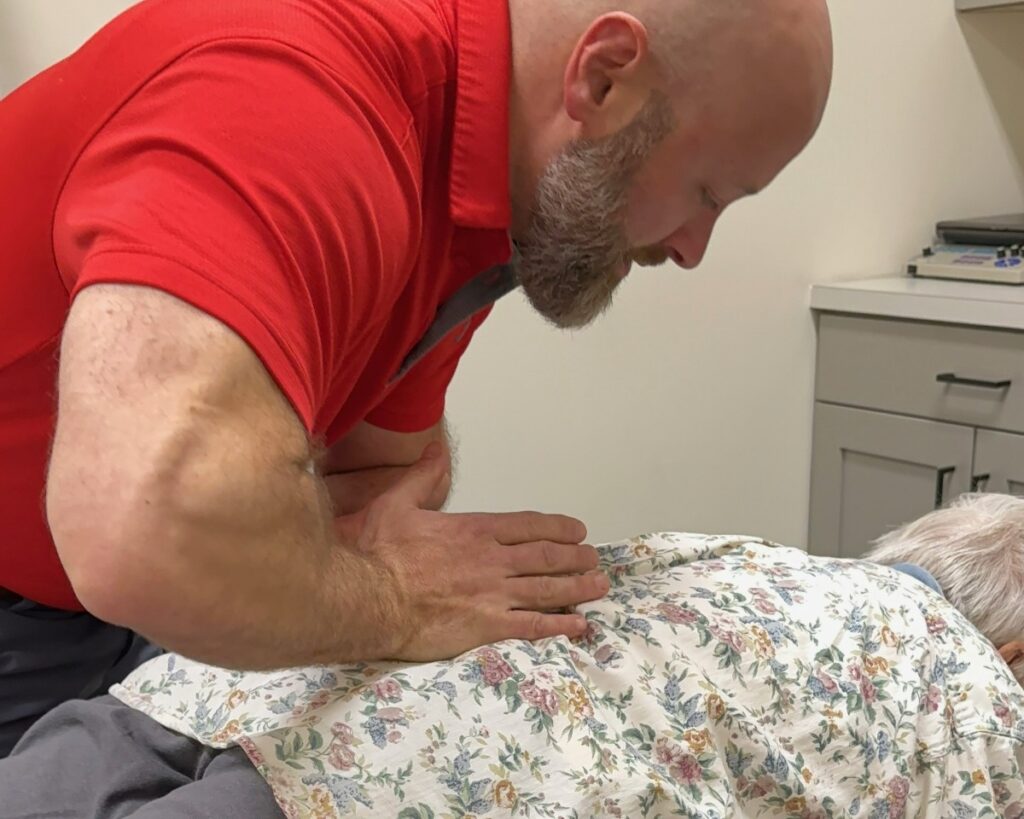
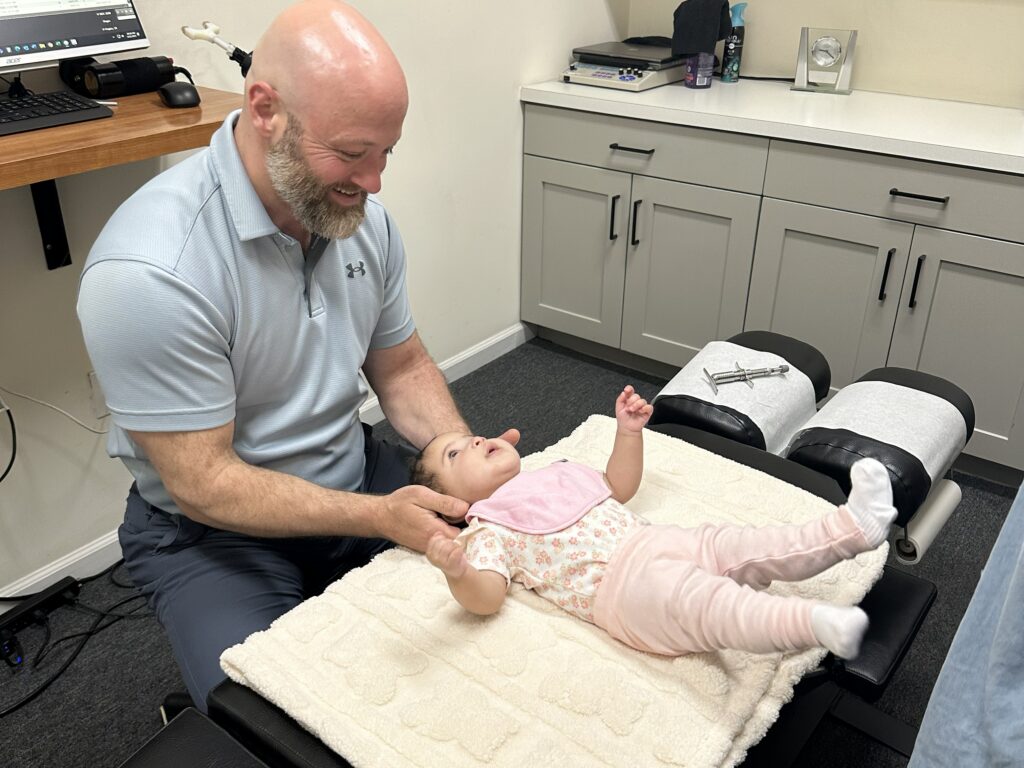
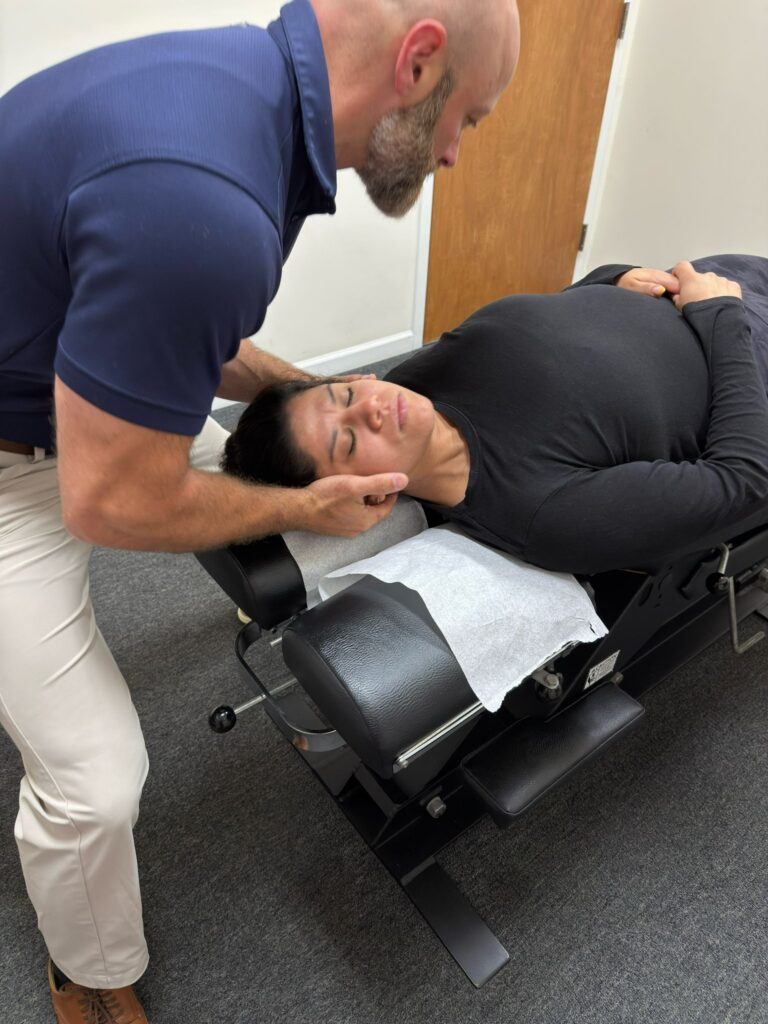
- Chiropractic Adjustments: Regular visits to a chiropractor can be incredibly beneficial for managing low back pain. Chiropractic adjustments help realign the spine, improve function, and promote the body’s natural ability to heal itself. This holistic approach not only addresses pain but also enhances overall wellness.
- Mindful Practices: Techniques such as yoga and meditation can help you manage stress, which often contributes to muscle tension and pain. Engaging in these practices can foster relaxation and promote a healthier mindset.
- Heat Therapy: Applying a heat pack to the affected area can help soothe sore muscles and improve blood flow, providing relief from discomfort.
By incorporating these simple techniques into your routine, you may find significant relief from low back pain. Remember, chiropractic care is an excellent choice for achieving long-term wellness and addressing the root causes of your pain, rather than just masking the symptoms. If you’re struggling with discomfort, consider reaching out to your local chiropractor for personalized guidance and support on your path to a healthier, pain-free life.
Key Takeaways
- Engage in gentle stretching exercises such as the knee-to-chest stretch and cat-cow to relieve stiffness and enhance spinal mobility. These simple moves can complement your chiropractic care, promoting a healthier spine.
- Consider using foam rolling techniques on tight areas like your lower back and glutes. This method helps release muscle tension and improve flexibility, making it a great addition to your wellness routine alongside chiropractic adjustments.
- Remember to maintain proper posture whether you’re sitting or standing. Good posture reduces strain on your back and supports spinal alignment, which is essential for overall health. Chiropractic care can help educate you on the best postural practices.
- Incorporate core-strengthening exercises into your daily routine. A strong core provides stability and reduces strain on your lower back, allowing you to move comfortably through your day. Your chiropractor can guide you on which exercises are best suited for you.
- Take regular breaks from prolonged sitting to stand up, stretch, and encourage blood flow. This practice not only alleviates discomfort but also enhances your overall well-being, reinforcing the benefits of chiropractic care in your life.
Remember, these techniques can work synergistically with your chiropractic treatments to help you achieve optimal health and natural pain relief.
Understanding Low Back Pain
What causes low back pain, and how can you recognize it? Low back pain often arises from common issues like muscle strains, ligament sprains, or herniated discs. You might feel this discomfort after lifting something heavy, twisting in an awkward way, or sitting for extended periods. Recognizing the pain is key; it can feel like a dull ache or sharp discomfort that may radiate down your legs.
You may also notice stiffness, especially after being inactive, or experience difficulty standing up straight. Factors such as obesity, a sedentary lifestyle, and poor body mechanics can worsen your discomfort. It’s essential to listen to your body’s signals and understand what it’s trying to tell you.
If you’ve been feeling this pain consistently, it’s a great opportunity to evaluate your daily habits and activities. Understanding what triggers your low back pain can guide you toward relief and help prevent it from becoming a chronic concern.
Chiropractic care is a fantastic approach to managing low back pain naturally. By addressing misalignments in your spine and improving your overall body mechanics, chiropractic adjustments can provide significant relief and promote healing without the need for surgery or medication.
In addition to chiropractic treatments, here are some general tips to help you manage and prevent low back pain:
- Stay Active: Regular, gentle exercise can strengthen your back and abdominal muscles, providing better support for your spine.
- Practice Good Posture: Pay attention to your posture when sitting or standing. Use chairs that support your lower back and make sure your workstation is ergonomically designed.
- Lift Properly: When lifting heavy objects, bend at your knees and keep the object close to your body to avoid straining your back.
- Take Breaks: If you sit for long periods, take short breaks to stretch and change positions to reduce stiffness.
- Stay Hydrated: Drinking plenty of water helps maintain spinal health and keeps your discs hydrated.
The Importance of Good Posture
Good posture is essential for maintaining a healthy spine and preventing low back pain, which is where chiropractic care comes into play as a natural solution for optimal health. By paying attention to your posture throughout the day, you can significantly reduce strain on your back and promote overall wellness.
Here are some effective techniques to help you maintain proper alignment and support your spine:
- Mind Your Seat: When sitting, choose a chair that supports your lower back. Your feet should rest flat on the floor, and your knees should be at a right angle. If you’re sitting for long periods, take breaks to stand and stretch.
- Stand Tall: When standing, distribute your weight evenly on both feet. Keep your shoulders back and your head aligned over your spine. Imagine a string pulling you upwards from the top of your head, helping to maintain a straight posture.
- Lift with Care: Always bend at your knees and keep your back straight when lifting heavy objects. This technique helps protect your spine and reduces the risk of injury.
- Stay Active: Incorporating regular physical activity helps strengthen the muscles that support your spine. Simple exercises like walking, swimming, or yoga can be beneficial for maintaining good posture.
- Chiropractic Care: Regular visits to a chiropractor can help align your spine, relieve pain, and enhance your overall health. Chiropractic adjustments are a natural way to address posture-related issues and promote long-term wellness.
Effects on Spine Health
Maintaining proper posture is crucial for your spine health, as it plays a significant role in how your body bears weight and moves throughout the day. When you slouch or sit awkwardly, you place extra stress on your spine, which can lead to discomfort and pain. Good posture helps distribute your body weight evenly, reducing strain on your muscles and ligaments. It also supports the natural curvature of your spine, promoting better alignment.
Over time, poor posture can lead to chronic issues, such as lower back pain, stiffness, and even nerve problems. That’s where chiropractic care comes in! Regular visits to your chiropractor can help you achieve and maintain proper alignment, relieving pain and improving your overall well-being.
In addition to chiropractic care, here are some simple tips to enhance your posture and spine health:
- Be mindful of your sitting position: Use a chair that supports your lower back. Keep your feet flat on the floor and avoid crossing your legs.
- Take breaks: If you sit for long periods, stand up and stretch every 30 minutes to relieve tension in your spine.
- Strengthen your core: Engaging in exercises that strengthen your abdominal and back muscles can help support your spine.
- Use ergonomic tools: Whether it’s your desk setup or your smartphone, using tools designed to promote good posture can make a big difference.
- Stay active: Regular physical activity helps keep your spine healthy and can alleviate discomfort.
By prioritizing your posture and incorporating these simple adjustments into your daily routine, you not only enhance your spine health but also improve your overall energy levels and confidence.
Techniques for Maintaining Posture
Maintaining good posture is crucial for your overall health and well-being. As a local chiropractor, I want to share some simple yet effective techniques to help you achieve and maintain proper alignment throughout your daily activities.
Start by being aware of your body positioning. When sitting, ensure your feet are flat on the floor, and your back is straight. Avoid slumping by using a chair that supports your lower back. If you find yourself standing for long periods, distribute your weight evenly on both feet and engage your core muscles to support your spine.
When using devices like smartphones or tablets, hold them at eye level. This helps prevent neck strain, which can lead to discomfort. Remember to take regular breaks to stretch and move around, especially if you’re working for extended hours. Simple stretches can go a long way in relieving tension and promoting flexibility.
Incorporating exercises that strengthen your core and back muscles can also be very beneficial. A strong core provides essential support for your spine, making it easier to maintain good posture. Consider activities like yoga or Pilates, which not only strengthen your muscles but also promote awareness of body alignment.
As you work towards better posture, remember that chiropractic care can be an excellent resource for achieving optimal health. Regular chiropractic adjustments can help alleviate pain, improve your posture, and enhance your overall well-being. By making these adjustments in your daily routine and considering chiropractic care, you’ll be on your way to reducing strain on your back and enjoying a more comfortable life.
Stretching Exercises for Relief
Stretching exercises can be a wonderful tool for relieving low back pain and enhancing overall mobility. As a chiropractor, I encourage you to incorporate these simple stretches into your routine to improve flexibility and reduce muscle tension, all while supporting your spine’s health naturally.
Let’s begin with the knee-to-chest stretch. Lie comfortably on your back, gently pull one knee toward your chest, and hold it for about 20-30 seconds. This stretch not only helps alleviate tension in your lower back but also encourages healthy spinal alignment. Afterward, switch legs and repeat.
Another effective stretch is the cat-cow stretch. Position yourself on your hands and knees, and alternate between arching your back upwards like a cat and then lowering it down while lifting your head like a cow. This rhythmic motion mobilizes the spine and can help release stiffness, promoting better spinal function.
Don’t forget the seated forward bend. Sit with your legs extended in front of you, and slowly reach toward your toes, holding the stretch for 20-30 seconds. This stretch can help elongate the spine and soothe tight muscles. Throughout each of these stretches, remember to breathe deeply; it’s essential for relaxation and aids in the effectiveness of the stretches.
Incorporating these gentle stretches into your daily routine can significantly alleviate discomfort and improve your movement. Always listen to your body—gentle stretching is key to finding relief. It’s important to remember that while stretching is beneficial, regular chiropractic care plays a vital role in maintaining a healthy spine and overall wellness. By choosing chiropractic, you’re opting for a natural and holistic approach to pain relief and optimal health.
Strengthening the Core Muscles
Strengthening your core muscles is essential for relieving low back pain and preventing future issues. As a chiropractor, I believe that focusing on effective core exercises, along with maintaining proper form, can significantly enhance your spinal health.
A strong core serves as the foundation for your spine, supporting your overall stability and wellbeing.
To improve your core strength naturally, consider incorporating the following tips into your daily routine:
- Plank Variations: Start with basic planks and gradually try side planks or planks with leg lifts. These exercises engage multiple muscle groups and are great for building core stability.
- Bridge Exercises: Lying on your back with your knees bent, lift your hips towards the ceiling. This not only strengthens your core but also engages your glutes and lower back muscles, helping to alleviate pain.
- Pelvic Tilts: Simple yet effective, pelvic tilts can help strengthen your abdominal muscles and ease tension in your lower back. Lie on your back, bend your knees, and gently rock your pelvis back and forth.
- Mind Your Posture: Good posture is crucial for core strength. Be mindful of your posture while sitting, standing, or walking. Maintaining alignment can help reduce strain on your back.
- Stay Active: Regular physical activity is key. Engaging in activities like walking, swimming, or yoga can help keep your core muscles engaged and support overall spine health.
Incorporating these exercises into your routine can help you build a stronger core, which is vital for maintaining a healthy spine.
Remember, chiropractic care is a natural and effective way to support your journey toward optimal health. If you’re experiencing low back pain or looking for personalized advice, don’t hesitate to seek guidance from a chiropractor.
Together, we can work towards a pain-free, healthier you!
Importance of Core Strength
Core strength is vital for maintaining a healthy spine and preventing low back pain. When your core muscles are strong, they provide essential stability and support for your entire body, which helps reduce strain on your lower back. This stability is key to maintaining proper posture, allowing you to go about your daily activities without discomfort.
A strong core also enhances your balance and coordination, making everyday tasks safer and reducing the risk of injury. By prioritizing core strength, you not only alleviate any existing pain but also protect yourself from future issues.
Incorporating simple core-strengthening exercises into your routine can significantly boost your overall well-being. Activities like planks, bridges, and gentle abdominal exercises can be done at home, requiring no special equipment.
As a chiropractor, I encourage you to think of core strength as a foundational element of your health. Regular chiropractic care can complement your efforts in building core strength by ensuring your spine is aligned and functioning optimally. This combination can lead to a healthier, pain-free life. Remember, taking small steps toward strengthening your core can lead to big improvements in your spinal health and overall wellness.
Effective Core Exercises
Building a strong core is essential for overall health and wellness, and it doesn’t have to be complicated. As a chiropractor, I often emphasize the importance of core strength in supporting your spine and alleviating low back pain. You can begin with simple exercises that engage your abdominal, back, and pelvic muscles to promote a healthy spine and improve your stability.
Start with planks, which involve holding your body in a straight line from head to heels while keeping your core tight. This exercise not only strengthens your core but also provides stability to your spine. Don’t forget about side planks, which specifically target your obliques and further enhance stability, supporting your spinal alignment.
Incorporating bridge lifts is another effective exercise. Lie on your back and raise your hips off the ground, squeezing your glutes at the top. This movement strengthens not just your core but also your lower back and pelvis, contributing to better overall posture and reduced pain.
Bird-dogs are a fantastic addition too. While on all fours, extend your opposite arm and leg, which improves balance and coordination. This exercise is particularly beneficial for maintaining proper spinal alignment and preventing injuries.
Aim for 10-15 reps of each exercise, gradually increasing as your strength improves. Consistency is crucial; incorporating these core exercises into your routine can significantly enhance your spinal health and alleviate discomfort.
Remember, chiropractic care is an excellent way to support your core strength. Regular adjustments can help ensure that your spine is aligned, making it easier for you to perform these exercises effectively.
Maintaining Proper Form
Maintaining Proper Form for a Healthy Spine
As a chiropractor, I want to emphasize the importance of maintaining proper form during core exercises. This practice not only enhances the benefits of your workout but also plays a crucial role in protecting your spine and preventing injury.
Begin by engaging your abdominal muscles; this stabilization creates a solid foundation for your movements. It’s essential to keep your back straight—avoid overarching or rounding it, which can put unnecessary strain on your spine. When performing exercises such as planks or bridges, ensure that your body maintains a straight line from head to heels. This alignment is vital for spinal health.
Take your time with each movement; control is key. Rushing through exercises can lead to poor form and potential discomfort. If you experience any pain in your lower back, take a moment to reassess your posture. Remember, proper alignment is your best defense against pain and injury.
Breathing is also an important aspect of your practice. Exhale during exertion and inhale during relaxation to support your body’s natural rhythms. Consistently practicing proper form not only strengthens your core but also helps protect your back, allowing you to manage pain more effectively and improve your overall function.
Incorporating these tips into your routine can lead to significant improvements in your health. If you’re looking for natural ways to relieve pain and enhance your well-being, consider chiropractic care. It’s a holistic approach that focuses on your body’s ability to heal itself, promoting optimal health without the need for surgery or medication. Stay focused on your form, and you’ll be well on your way to feeling your best!
Applying Heat or Cold Therapy
Using heat or cold therapy can be an excellent way to find relief for low back pain right at home, and it can complement the benefits of chiropractic care.
Heat therapy, such as heating pads or warm baths, helps to increase blood flow to the affected area. This not only relaxes tight muscles but also promotes healing, making it a beneficial addition to your wellness routine. Just remember to apply heat for about 15-20 minutes, taking care to avoid any burns on your skin.
Cold therapy, on the other hand, is great for reducing inflammation and numbing soreness. Simple ice packs or even a bag of frozen vegetables wrapped in a towel can do the trick. Apply cold therapy for 15-20 minutes as well, allowing your skin to return to its normal temperature in between sessions.
Feel free to experiment with both methods to discover which one provides you with the most relief. Always listen to your body; if you find that either method increases your pain or discomfort, it’s best to stop using it.
In addition to these therapies, don’t forget that regular chiropractic care can help keep your spine aligned, reducing the risk of future pain. Incorporating stretches and gentle exercises into your routine can also support a healthier back.
Utilizing Foam Rollers for Myofascial Release
Foam rollers can be a fantastic addition to your home wellness routine, especially when used in conjunction with the natural healing benefits of chiropractic care. These simple tools help release tension in your muscles and fascia, which not only promotes better blood flow but also enhances your overall flexibility. Focusing on areas like your lower back, glutes, and legs can significantly improve your comfort and mobility.
Here’s a straightforward guide to effective foam rolling techniques:
| Technique | Description |
|---|---|
| Lower Back Roll | Lie on your back with the roller under your hips. Gently roll side to side to ease tension in your lower back. |
| Glute Roll | Sit on the roller, cross one leg over the other, and roll on the glute of the crossed leg. This targets tightness and helps relieve discomfort. |
| Hamstring Roll | Sit on the floor with the roller under your thighs, and roll toward your knees. This technique can help alleviate tightness in the back of your legs. |
| Quadriceps Roll | Lie face down with the roller under your thighs, rolling towards your hips. This can help loosen tight muscles in the front of your legs. |
Incorporating these techniques into your routine can markedly alleviate discomfort and improve your mobility. Remember, while foam rolling is beneficial, regular visits to your chiropractor can provide personalized care and adjustments that target the root causes of your pain. Together, foam rolling and chiropractic care create a powerful approach to achieving optimal health and wellness naturally.
Practicing Mindfulness and Relaxation Techniques
Practicing mindfulness and relaxation techniques can be a powerful complement to chiropractic care for easing low back pain. By incorporating deep breathing exercises, guided meditation sessions, and progressive muscle relaxation into your daily routine, you can foster a sense of calm and significantly reduce tension in your body. These methods not only help alleviate discomfort but also enhance your overall well-being, making them an excellent addition to your chiropractic treatment plan.
As a chiropractor, I encourage my patients to embrace these practices alongside their adjustments. Deep breathing helps to increase oxygen flow, which can enhance your body’s healing process. Guided meditation allows you to focus your mind and promote relaxation, while progressive muscle relaxation can help release built-up tension in your muscles.
Remember, maintaining a healthy spine is essential for optimal health. Here are some simple tips you can take away:
- Stay Consistent: Make mindfulness a part of your daily routine. Even just a few minutes a day can make a difference.
- Listen to Your Body: Pay attention to how your body feels during these practices. Adjust your position or technique as needed to find what works best for you.
- Combine with Chiropractic Care: Use these relaxation techniques in conjunction with regular chiropractic adjustments to maximize your pain relief and overall wellness.
- Stay Active: Gentle movements, such as walking or stretching, can complement your relaxation techniques and help keep your spine healthy.
Deep Breathing Exercises
Deep breathing exercises can be a fantastic way to help manage low back pain right at home, especially when combined with chiropractic care. By focusing on your breath, you can encourage relaxation and ease tension in your body, which is essential for maintaining a healthy spine.
To get started, find a comfortable position—either sitting or lying down. Take a deep breath in through your nose, letting your abdomen expand fully. Then, exhale slowly through your mouth. Aim for a steady rhythm, counting to four as you inhale and again as you exhale. As you breathe, picture the tension melting away from your body with each exhale.
Incorporating these deep breathing exercises into your daily routine can be beneficial. Set aside just a few minutes each day to practice. Not only does regular deep breathing help calm your mind, but it also complements your chiropractic care by promoting relaxation, which can alleviate discomfort in your lower back.
Remember, while deep breathing is a great tool, routine chiropractic adjustments are vital for optimal spinal health. They can address underlying issues that contribute to pain, ensuring that your body functions at its best.
Embrace these natural methods for healing and wellness, and make chiropractic care a key part of your journey toward a healthier, pain-free life.
Guided Meditation Sessions
Incorporating guided meditation sessions into your daily routine can significantly aid in managing low back pain, complementing the benefits of chiropractic care. These sessions encourage you to focus on the present moment, helping to release tension and cultivate a sense of calm that can enhance your overall wellness. By listening to a calming voice guiding you through the process, you can practice mindfulness, which not only reduces stress but also contributes to pain relief.
To make the most of meditation for pain management, set aside time each day to engage with a meditation track specifically designed for pain relief or relaxation. You can comfortably sit or lie down, ensuring that your body is well-supported—this is important for spinal health. As you breathe deeply and visualize peaceful scenes, you’ll develop a greater sense of control over your pain, which can complement the healing effects of chiropractic adjustments.
In addition to guided meditation, consider these general tips for better spinal health and pain relief:
- Maintain Good Posture: Being mindful of your posture while sitting, standing, or walking can greatly affect your spine’s health and alleviate lower back pain.
- Stay Active: Regular physical activity, including gentle stretching and strengthening exercises, can support your spine and improve flexibility.
- Listen to Your Body: Pay attention to how your body feels during different activities. If something causes discomfort, consider adjusting your movements or seeking guidance from your chiropractor.
- Stay Hydrated: Drinking plenty of water helps keep your discs in your spine hydrated and functioning properly.
- Get Regular Chiropractic Care: Regular visits to your chiropractor can help maintain spinal alignment, reduce pain, and promote overall health.
Progressive Muscle Relaxation
Guided meditation can be a great introduction to relaxation techniques like Progressive Muscle Relaxation (PMR), which I often recommend to my patients for effective pain relief and stress reduction.
PMR is an excellent way to relieve tension in your body by systematically tensing and relaxing different muscle groups, helping you feel more at ease and aware of your body.
To begin, find a comfortable position, whether you’re sitting or lying down. Start with your feet; tense them for a few seconds, then let that tension go. Slowly move up your body—through your calves, thighs, abdomen, and up to your shoulders and neck, finally reaching the top of your head.
This practice not only enhances your body awareness but also promotes deep relaxation, which is essential for overall wellness.
Focusing on the sensations of tension and relaxation can significantly reduce stress and alleviate discomfort, particularly in areas like the low back, which many people struggle with. Incorporating PMR into your daily routine can complement chiropractic care, helping to foster lasting relief and enhance your overall mindfulness.
Remember, maintaining a healthy lifestyle is about more than just treating pain; it’s about creating habits that support your well-being. So take a few moments each day to practice PMR, and consider regular chiropractic visits to keep your spine healthy and functioning optimally.
Together, these practices can guide you toward a more pain-free and balanced life.
Incorporating Gentle Yoga Poses
Incorporating gentle yoga poses into your daily routine can be a wonderful way to support your spinal health and alleviate low back pain. These mindful movements act as complementary tools alongside chiropractic care, helping to stretch and strengthen your back muscles naturally. Poses like Child’s Pose, Cat-Cow, and Downward Dog can provide relief and enhance your overall well-being.
Begin with a few minutes of gentle stretching to warm up your muscles. In Child’s Pose, sink back onto your heels and stretch your arms forward, allowing your spine to gently release tension. The Cat-Cow pose is excellent for mobilizing your spine and warming up your back, promoting flexibility and ease. Transition into Downward Dog, which helps elongate your spine and stretch your hamstrings, contributing to better posture and spinal alignment.
To achieve the best results, aim for a short practice daily, gradually increasing the duration as your flexibility improves. It’s important to listen to your body; if a pose doesn’t feel right, don’t hesitate to modify it or skip it. Consistency is crucial, as regular practice paired with chiropractic adjustments can significantly enhance your overall health and help manage low back pain effectively.
Adjusting Daily Activities to Reduce Strain
Gentle yoga poses can certainly enhance your flexibility and strengthen your back, but as a chiropractor, I want to emphasize that adjusting your daily activities is just as vital for reducing strain on your lower back.
Making small changes in your routine can significantly improve how you feel throughout the day and support your overall spinal health.
Here are some simple tips to help you minimize strain on your back and enhance your wellness:
- Use proper lifting techniques: Always bend at your knees and keep your back straight when lifting heavy objects. This technique helps protect your spine and prevents injury.
- Take breaks frequently: If you find yourself sitting for long periods, make it a habit to stand up and stretch every 30 minutes. Movement helps keep your spine healthy and reduces stiffness.
- Adjust your workstation: Ensure your chair and desk are set at comfortable heights to promote good posture. Your feet should be flat on the floor, and your screen should be at eye level to reduce strain on your neck and back.
- Wear supportive footwear: Choose shoes with good arch support to help distribute weight evenly across your feet. This can alleviate pressure on your lower back and contribute to better alignment.
- Practice good posture: Remember to keep your shoulders back and your spine aligned whether you’re sitting or standing. Good posture not only helps prevent pain but also promotes better breathing and overall health.
Incorporating these simple adjustments into your daily life can significantly help you manage and prevent back pain.
Additionally, regular chiropractic care can complement these lifestyle changes, helping you achieve optimal health and wellness.
When to Seek Professional Help
While adjusting your daily routine can certainly help manage low back pain, there are moments when seeking professional help is crucial. If your pain continues for more than a few weeks despite trying home remedies, it’s wise to consult with a chiropractor. Chiropractic care focuses on the spine and its role in overall health, and a chiropractor can assess your situation and develop a personalized treatment plan to relieve your pain naturally.
If you experience severe pain that travels down your legs, numbness, or tingling sensations, don’t hesitate to reach out for help. These symptoms may suggest a more significant issue, and chiropractic adjustments can often address these concerns effectively.
You should also consider seeking care if your pain comes with unexplained weight loss, fever, or issues with bladder and bowel control. These symptoms could indicate underlying conditions that need to be evaluated, and a chiropractor can assist in navigating these concerns holistically.
Additionally, if your daily activities are being significantly disrupted or if you’re feeling anxious or depressed due to your pain, it’s important to talk to a healthcare professional who understands the value of chiropractic care. Remember, prioritizing your health is key, and the right support can make a big difference in your journey toward recovery.
In the meantime, consider incorporating gentle stretches into your daily routine, maintaining good posture, and staying active with low-impact exercises. These simple changes can complement your chiropractic treatments and promote overall wellness. Embracing a natural approach to health can help you achieve lasting relief and enhance your quality of life.
Conclusion
Incorporating these relief techniques into your daily routine can significantly improve your low back pain and enhance your overall well-being. As a chiropractor, I want to emphasize the importance of maintaining good posture, which is crucial for spinal health. Engaging in gentle stretching can help alleviate tension and promote flexibility in your muscles, while strengthening your core muscles provides essential support for your spine.
Don’t underestimate the benefits of heat and cold therapy; applying heat can relax tight muscles, while cold therapy can reduce inflammation and numb sharp pain. Additionally, practicing mindfulness and relaxation techniques can help manage stress, which often contributes to muscle tension and discomfort.
It’s important to listen to your body and make adjustments to your activities as needed. If you find that your pain persists or worsens, I encourage you to seek professional chiropractic care. A chiropractor can assess your spine and provide personalized treatment to promote healing and restore your body’s natural balance.
With consistency and the right approach, you can take control of your back pain and enjoy a more comfortable life. Remember, chiropractic care is a natural and effective way to achieve optimal health and wellness, allowing you to live your life to the fullest.