
When dealing with low back pain, understanding the right exercises can truly transform your recovery journey. It’s essential to focus on movements that offer relief while avoiding any that might exacerbate your pain. Striking a balance between stretching and strengthening your back is key, and being aware of your body’s limitations is crucial. As you explore different activities, you’ll learn which ones help relieve your discomfort and which may lead to setbacks.
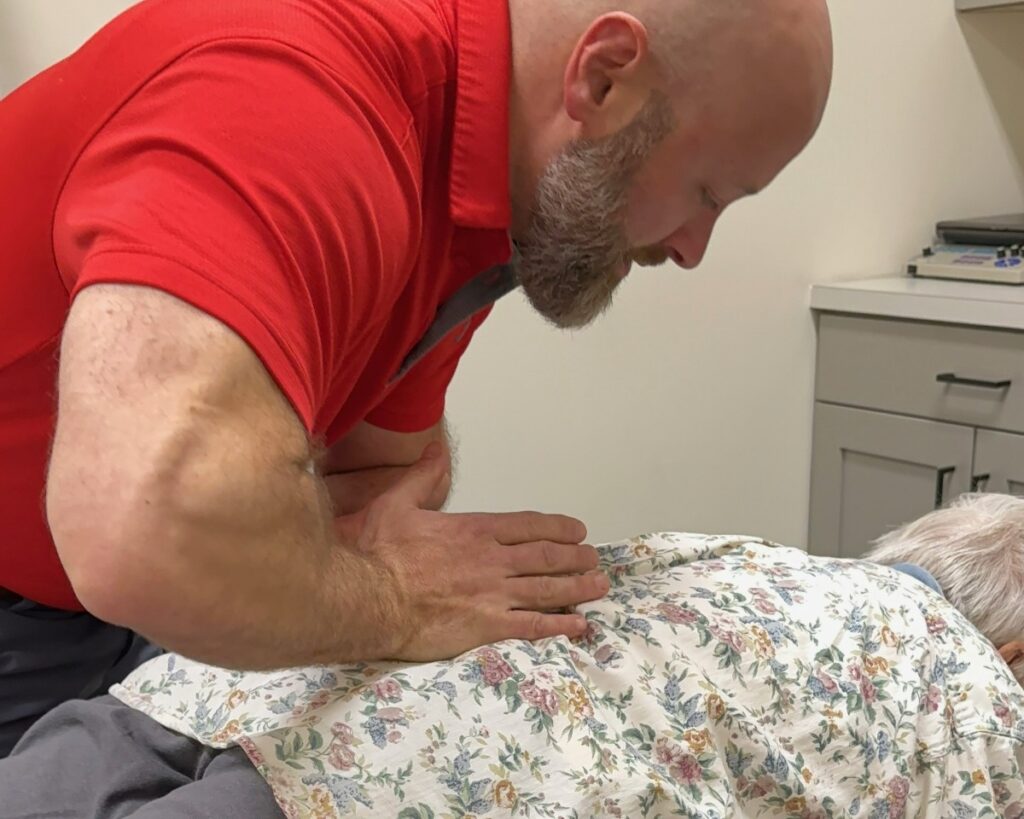
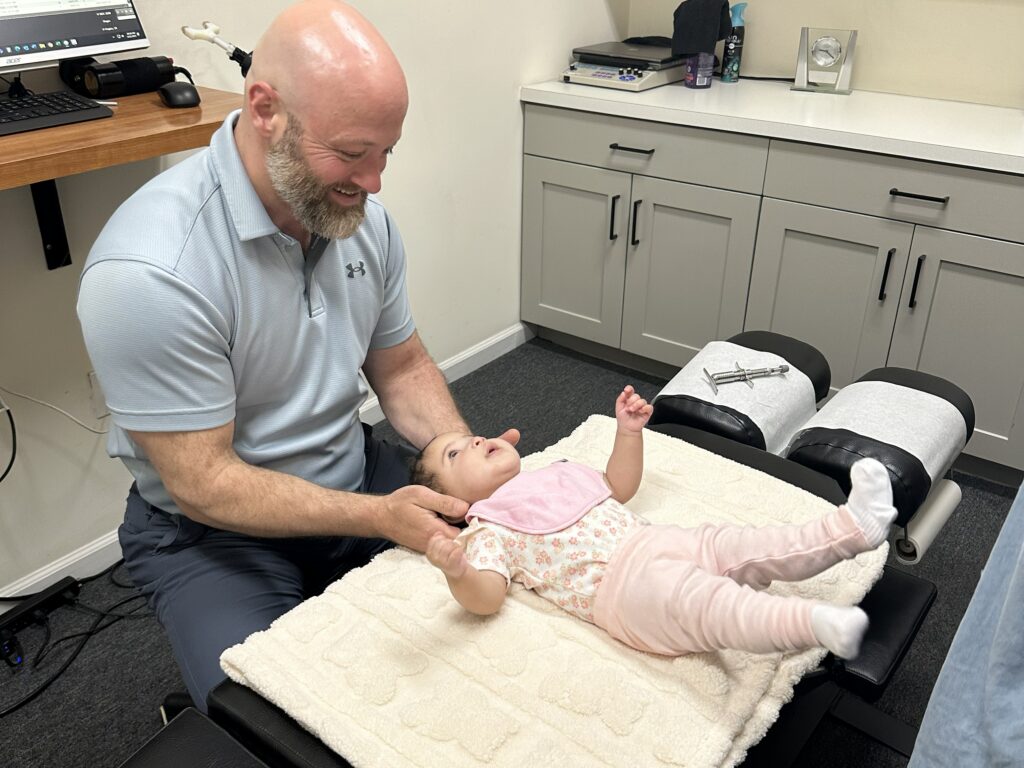
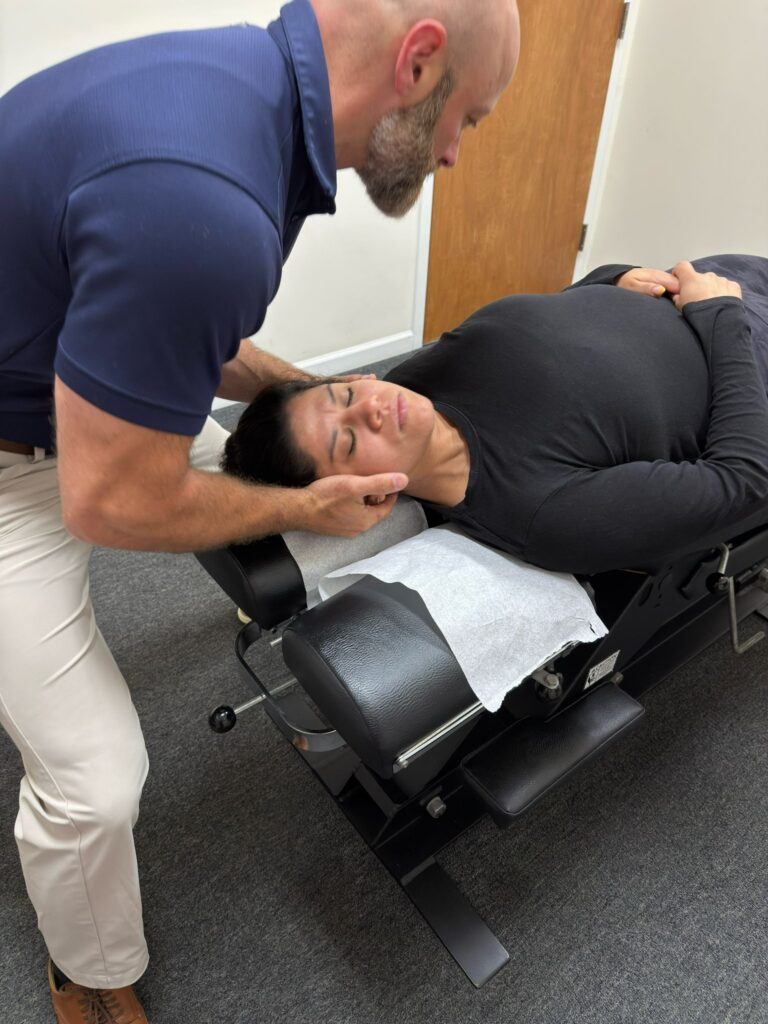
One of the best approaches to managing low back pain is to incorporate chiropractic care into your routine. Chiropractic adjustments can help realign your spine, improve mobility, and enhance overall function. This natural healing method not only addresses the root cause of your pain but also encourages your body to heal itself.
When considering exercises, start with gentle stretches like the cat-cow stretch, which helps to increase flexibility in your spine. Strength-building exercises, such as pelvic tilts and bridges, can also be beneficial, as they support your core muscles that stabilize your back. Remember to listen to your body—if an exercise feels uncomfortable, it’s best to stop and consult your chiropractor for guidance.
In addition to specific exercises, maintaining good posture throughout the day is vital. Whether you’re sitting at a desk or lifting objects, being mindful of your body mechanics can prevent strain on your back.
Ultimately, the key to easing low back pain lies in understanding what works best for you. Partnering with a chiropractor can provide you with personalized advice and effective treatment plans tailored to your needs, ensuring you’re on the path to optimal health and wellness. Embrace this holistic approach, and you’ll be well on your way to a pain-free life.
Key Takeaways
When dealing with low back pain, gentle exercises can be your best ally in finding relief and promoting healing. I recommend activities such as walking, swimming, and yoga. These low-impact exercises help to strengthen your back without adding unnecessary strain.
Incorporating stretches into your routine can also provide immediate relief and enhance your flexibility. Simple stretches like Child’s Pose and Knee-to-Chest are excellent choices that can ease discomfort and promote relaxation in your back muscles.
It’s crucial to listen to your body; avoid high-impact activities and heavy lifting that may aggravate your pain. If you ever experience discomfort while exercising, don’t hesitate to modify the movements. Your comfort and safety should always come first.
As a chiropractor, I believe that chiropractic care plays a vital role in managing low back pain effectively. Regular adjustments can enhance the benefits of your exercise routine, support your recovery, and help you achieve optimal health naturally.
Remember, taking care of your spine is essential for your overall well-being. Prioritize gentle movement, consider chiropractic care, and you’ll be on your way to a healthier, pain-free lifestyle.
Understanding Low Back Pain: Causes and Symptoms
Understanding low back pain is crucial for your overall well-being, as it can significantly affect your daily activities and quality of life. Many individuals experience discomfort due to various factors like muscle strain, poor posture, or herniated discs. By identifying these triggers, you can better manage your condition and pave the way for healing.
The symptoms of low back pain can vary widely. You might feel a dull ache or a sharp, stabbing pain that travels down your legs, often making mundane tasks seem daunting. It’s not just about the pain; you may also experience stiffness and reduced mobility, which can make bending, lifting, or sitting comfortably a challenge.
You might find that your pain intensifies after sitting or standing for long periods. Emotional stress can also play a role in heightening your discomfort. Understanding these aspects of low back pain is the first step toward relief and recovery.
One of the best ways to address low back pain is through chiropractic care. Chiropractors specialize in spinal health and can help align your spine, which in turn can alleviate pain and improve your overall function. Regular adjustments can promote natural healing and enhance your body’s ability to cope with stress and discomfort.
In addition to chiropractic adjustments, there are several strategies you can incorporate into your daily routine to support your back health:
- Practice Good Posture: Be mindful of your posture when sitting or standing. Keeping your spine aligned can help reduce strain on your back.
- Stay Active: Engage in gentle exercises or stretches that strengthen your core muscles, as a strong core supports your spine.
- Use Ergonomic Furniture: If you spend long hours at a desk, invest in an ergonomic chair that supports your lower back.
- Take Breaks: If you’re sitting for extended periods, take regular breaks to stand, stretch, and move around.
- Manage Stress: Incorporate stress-reducing techniques like deep breathing, meditation, or yoga into your daily routine to help alleviate tension.
Safe Stretches to Alleviate Discomfort
Incorporating safe stretches into your daily routine can significantly help alleviate discomfort associated with low back pain. Stretching not only increases flexibility but also reduces tension and promotes better posture, which is essential for a healthy spine. While chiropractic care is the best choice for addressing underlying issues, these stretches can serve as effective complementary practices for your overall wellness.
Here are four simple yet effective stretches you can try at home:
- Child’s Pose: This gentle stretch helps to relax your back. Kneel on the floor, sit back on your heels, and stretch your arms forward while lowering your torso towards the ground. Hold this position for 30 seconds, focusing on your breath to enhance relaxation.
- Knee-to-Chest Stretch: This stretch can relieve tension in your lower back. Lie on your back and gently bring one knee toward your chest, holding it for 20 seconds. Switch legs and repeat. This can help improve flexibility and alleviate discomfort.
- Cat-Cow Stretch: On all fours, alternate between arching your back up towards the ceiling (like a cat) and lowering your belly towards the ground (like a cow). This dynamic movement helps increase spinal mobility and can be performed for about 1 minute.
- Piriformis Stretch: This stretch targets the muscles in your hips and lower back. Lie on your back, cross one ankle over the opposite knee, and gently pull the uncrossed leg toward your chest. Hold for 30 seconds on each side to help release tightness.
Remember, always listen to your body. If you experience any increased pain while stretching, stop and consult with your chiropractor for personalized advice tailored to your needs.
Strengthening Exercises for a Healthier Back
Strengthening your back is crucial for preventing pain and enhancing your overall mobility, and chiropractic care plays a vital role in achieving optimal back health. By incorporating specific strengthening exercises into your routine, you can’t only alleviate discomfort but also support your spine and improve your well-being naturally.
One great starting point is pelvic tilts. Lie on your back with your knees bent and gently arch and flatten your lower back against the floor. This simple movement can help align your spine and reduce tension.
Next, try bird-dogs. Get on all fours and extend one arm while reaching out with the opposite leg; hold for a moment, then switch sides. This exercise engages your core stability and actively strengthens your back muscles.
Don’t overlook the importance of bridges. While lying on your back with your knees bent, lift your hips towards the ceiling, squeezing your glutes at the top. This not only strengthens your lower back but also supports your pelvis.
Finally, consider incorporating planks into your routine. Hold a push-up position by engaging your core and back muscles, which provides excellent support for your spine.
Aim to perform these exercises two to three times a week, gradually increasing repetitions as your strength improves. Remember, consistency is key to a healthier back.
In addition to these exercises, regular chiropractic adjustments can help ensure that your spine remains aligned, enhancing the effectiveness of your strengthening routine and promoting natural healing throughout your body.
Activities to Avoid for Low Back Pain
While it’s essential to participate in activities that support back health, there are certain movements you should avoid if you’re experiencing low back pain. Steering clear of these activities can help you manage discomfort and prevent further injury, allowing you to focus on healing naturally through chiropractic care:
1. Heavy Lifting: Lifting heavy objects without the right technique can put unnecessary strain on your lower back. If you must lift something, remember to bend your knees and keep the object close to your body, or better yet, ask for help.
Better technique can reduce strain. Chiropractic adjustments can also help strengthen the muscles involved in lifting and improve your technique.
2. Twisting Motions: Activities that involve twisting at the waist can increase pain and stiffness in your back. Instead of twisting, try to pivot your whole body to reduce strain.
Regular chiropractic sessions can provide relief and enhance your overall mobility.
3. Prolonged Sitting: Sitting for extended periods, especially without proper support, can exacerbate back pain. If your job requires you to sit, take breaks every 30 minutes to stand, stretch, and walk around.
Consider using a supportive chair or a standing desk. Chiropractic care can help align your spine and improve posture, reducing the impact of prolonged sitting.
4. High-Impact Sports: Activities like running or jumping can jolt your spine and worsen existing issues. If you enjoy sports, explore low-impact alternatives such as swimming or walking.
Chiropractic care can also help you strengthen your body and prepare for physical activities safely.
By avoiding these activities and incorporating regular chiropractic care into your wellness routine, you can promote healing, alleviate pain, and achieve optimal health naturally.
Gradual Progression: Creating a Sustainable Routine
After avoiding activities that can worsen low back pain, it’s crucial to develop a sustainable routine that aids in healing and strengthens your back. Start by integrating gentle stretches and low-impact exercises into your daily life. Aim for just 10 to 15 minutes each day, and as you start to feel more comfortable, gradually increase both the duration and intensity of your activities.
Always listen to your body—if you experience any pain during an exercise, it’s important to ease off or modify it. Activities such as walking, swimming, or yoga are excellent choices, as they can enhance flexibility and strength without putting undue strain on your back.
Incorporating rest days into your routine is essential for allowing your body to recover and adapt. Keeping a record of your progress can also be a great motivator, helping you adjust your routine as necessary. By taking this gradual approach, you’ll not only build a sustainable exercise habit but also support your back health in the long run.
Remember, chiropractic care is a fantastic way to complement your efforts. Regular adjustments can help alleviate pain, improve mobility, and enhance overall wellness. Consider visiting your local chiropractor to discuss how they can assist you on your journey to optimal health.
Embrace this natural path to healing, and you’ll be well on your way to a healthier, pain-free life!
Conclusion
Incorporating the right exercises can make a significant difference in managing low back pain, and as your local chiropractor, I’m here to guide you through this process. Focusing on safe stretches and strengthening movements, particularly those that enhance your core and glute support, is essential. These exercises not only help alleviate pain but also promote spinal health.
Always remember to listen to your body. If a particular movement doesn’t feel right, it’s important to stop immediately. Gradual progress is key to avoiding any aggravation of your condition. Additionally, consulting with a chiropractor can provide you with personalized guidance and ensure you’re on the right track towards recovery.
Here are some general tips for your routine:
- Stay Consistent: Regular exercise is vital. Aim for a balanced routine that includes both stretching and strengthening.
- Focus on Core Strength: A strong core supports your spine and can reduce pain. Simple exercises like planks or gentle abdominal exercises can be beneficial.
- Incorporate Flexibility: Gentle stretching can help improve your overall flexibility and relieve tension in your back.
- Practice Good Posture: Being mindful of your posture throughout the day can significantly impact your back health.
- Consider Chiropractic Care: Regular visits to your chiropractor can provide natural pain relief and help maintain your spinal health.
By establishing a balanced routine and integrating chiropractic care into your wellness plan, you can find relief and build a healthier back for the long term. Your journey to optimal health starts with taking small, effective steps today!