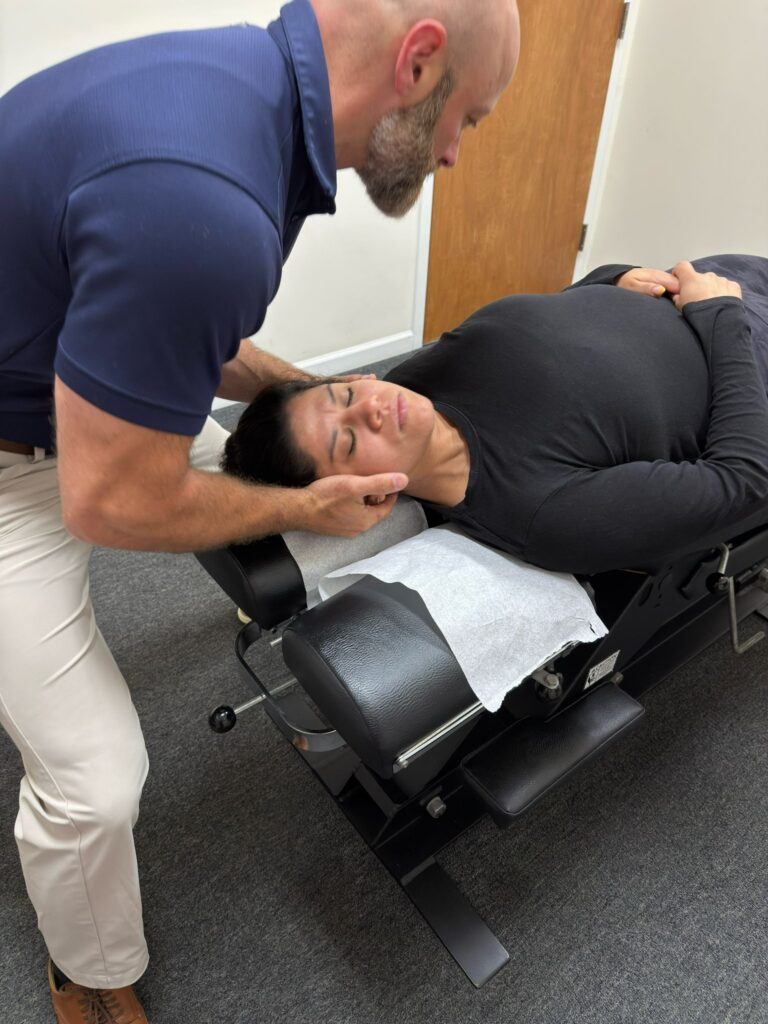

Tension headaches can be a frustrating part of daily life, often stemming from stress, poor posture, or dehydration. As a chiropractor, I want to share with you some simple techniques to help reduce the frequency and intensity of these headaches while emphasizing the benefits of chiropractic care for optimal health.
First, let’s talk about posture. Poor posture can put unnecessary strain on your neck and shoulders, leading to tension headaches. Make it a habit to sit and stand tall, keeping your shoulders relaxed and your head aligned over your spine. Consider setting reminders throughout the day to check in on your posture, especially if you spend long hours at a desk.
Hydration is another key factor. Dehydration can contribute to headaches, so ensure you’re drinking enough water throughout the day. Aiming for at least eight 8-ounce glasses of water daily can help keep your body well-hydrated and functioning optimally.
Chiropractic care is an excellent way to address the underlying issues causing tension headaches. Regular adjustments can help align your spine, reduce tension in your muscles, and promote better overall health. If you’re experiencing headaches, consider scheduling an appointment with a chiropractor who can tailor a treatment plan to your needs.
In addition to chiropractic adjustments, there are several other techniques you can try at home. Gentle neck stretches, deep breathing exercises, and applying a warm compress to your neck can all help relieve tension. Taking regular breaks during work or stressful situations to stretch and breathe deeply can also be incredibly beneficial.
By addressing your habits and environment, you can foster a sense of relief from tension headaches. Remember, small adjustments in your daily routine can lead to significant changes in your well-being. If you’re curious about how chiropractic care can support your journey to a headache-free life, don’t hesitate to reach out. Your path to natural healing and healthier living starts here!
Key Takeaways
- Maintain good posture and ensure your workstation is ergonomically set up. This not only reduces muscle tension but also supports spinal health, making chiropractic care a valuable resource in achieving and maintaining optimal posture.
- Stay hydrated by drinking at least eight 8-ounce glasses of water daily. Proper hydration is essential in preventing headaches and supporting overall wellness, which aligns with the holistic approach of chiropractic care.
- Prioritize 7-9 hours of quality sleep each night. Sleep is critical for recovery and well-being. Regular adjustments from your chiropractor can help enhance your sleep quality and promote a healthier spine.
- Incorporate mindful breathing exercises and progressive muscle relaxation techniques into your routine. These practices can help reduce tension and promote calmness, complementing the benefits of chiropractic adjustments in managing stress.
- Gentle stretching for the neck and shoulders can improve mobility and relieve tightness, making it a great addition to your chiropractic care plan. Regular visits to your chiropractor can help ensure that your spine and muscles are functioning optimally, allowing for better movement and less discomfort.
By integrating these simple techniques into your daily life and seeking chiropractic care, you can achieve lasting relief from tension headaches and enhance your overall health and wellness.
Understand the Causes of Tension Headaches
Tension headaches can often be a result of various triggers, making it essential to understand their underlying causes. As a chiropractor, I want to emphasize that many of these headaches are linked to factors that can be addressed through natural healing and healthy lifestyle choices. Common triggers include stress, poor posture, and eye strain.
Consider how long you’ve been sitting at your desk or focusing on your screen—these habits can lead to muscle tension in your neck and shoulders, which is where chiropractic care can make a significant difference.
Additionally, inadequate sleep or dehydration may contribute to the onset of tension headaches. It’s crucial to recognize that emotional factors, such as anxiety or frustration, can also play a role. When you’re feeling overwhelmed, the muscles in your body tend to tighten, leading to discomfort. This is where chiropractic adjustments can help restore balance and alleviate that muscle tension.
Listening to your body is key. Identifying your headache triggers can empower you to manage and prevent these discomforts. Keeping a headache diary can be beneficial in spotting patterns, allowing you to make necessary lifestyle adjustments.
Here are some tips to help you reduce the frequency and intensity of tension headaches:
- Maintain Good Posture: Make sure your workstation is ergonomically set up to support your spine.
- Take Regular Breaks: Stand up, stretch, and move around for a few minutes every hour to relieve tension.
- Stay Hydrated: Drink plenty of water throughout the day to keep your body well-hydrated.
- Prioritize Sleep: Aim for 7-9 hours of quality sleep each night to help your body recover.
- Manage Stress: Consider relaxation techniques such as meditation, deep breathing exercises, or yoga to help alleviate stress.
Practice Mindful Breathing Exercises
When you’re feeling overwhelmed by stress or discomfort, incorporating mindful breathing exercises can be an excellent way to support your journey toward optimal health and wellness. These techniques not only help calm your mind and body but also promote spinal health by encouraging relaxation and reducing tension. By focusing on your breath, you can ground yourself in the present moment, which is essential for maintaining a healthy lifestyle. Here’s a simple guide to get you started:
| Step | Action |
|---|---|
| 1. Find a Quiet Space | Sit or lie down in a comfortable position to support your spine. |
| 2. Inhale Deeply | Breathe in through your nose for a count of four, filling your lungs and expanding your abdomen. |
| 3. Hold Your Breath | Pause for a count of four, allowing your body to fully receive the oxygen. |
| 4. Exhale Slowly | Release your breath through your mouth for a count of six, letting go of any tension. |
Repeat this cycle for several minutes. As you practice, pay attention to how your body begins to relax and how your mind starts to clear. Regular mindful breathing can aid in reducing tension headaches and improving your overall well-being.
Additionally, consider how chiropractic care complements these exercises. By addressing any misalignments in your spine, chiropractic adjustments can enhance your body’s ability to function optimally, making it easier to manage stress and maintain a sense of calm. Prioritizing both mindful breathing and chiropractic care can lead to a healthier, more balanced life. Remember, natural wellness is within reach, and small steps can make a big difference in your journey to pain relief and vitality.
Incorporate Gentle Stretching Techniques
Incorporating gentle stretching techniques can significantly alleviate tension headaches, a common issue many face due to stress and poor posture. As a chiropractor, I emphasize the importance of maintaining spinal health, which is vital for overall well-being.
By engaging in neck stretching exercises and shoulder relaxation techniques, you can effectively release tightness and enhance circulation, leading to relief and comfort.
Let’s explore some simple yet effective stretches that you can easily integrate into your daily routine:
- Neck Tilts: Sit or stand comfortably and gently tilt your head towards one shoulder, holding the stretch for 15-30 seconds. Repeat on the other side. This helps to release tension in the neck and improve flexibility.
- Shoulder Rolls: While seated or standing, roll your shoulders forward in a circular motion for 10 reps, then reverse the direction. This simple movement can help relieve built-up tension in your upper back and shoulders.
- Chin Tucks: This exercise is great for improving posture. Sit up straight and gently tuck your chin towards your chest. Hold for a few seconds and then release. Repeat several times to strengthen the neck muscles and reduce strain.
- Upper Back Stretch: Clasp your hands together and stretch them out in front of you while rounding your upper back. Hold this position for 15-30 seconds to alleviate tightness across the shoulder blades.
Incorporating these gentle stretches into your daily routine can contribute to better spinal health and overall wellness.
Remember, regular chiropractic care complements these practices by addressing underlying issues and ensuring your spine is properly aligned.
Neck Stretching Exercises
Gentle neck stretching exercises can significantly alleviate the discomfort associated with tension headaches, and they align perfectly with the holistic approach of chiropractic care. By incorporating these simple movements into your daily routine, you can enhance your flexibility, reduce muscle tension, and promote a sense of well-being. Here are some effective stretches that you can easily try at home:
| Stretch Name | How to Perform | Duration |
|---|---|---|
| Side Neck Stretch | Tilt your head to one side, feeling the stretch along the opposite side of your neck. Hold this position to deepen the stretch. | 15-30 seconds |
| Forward Neck Stretch | Lower your chin gently to your chest while keeping your shoulders relaxed. This stretch helps ease tension at the back of your neck. | 15-30 seconds |
| Back Neck Stretch | Gently tilt your head back, looking up toward the ceiling. This movement can help relieve tightness in the front of your neck. | 15-30 seconds |
| Rotate Neck | Slowly turn your head from side to side, allowing your neck to rotate comfortably. This stretch enhances mobility and helps reduce stiffness. | 15-30 seconds |
| Shoulder Shrug | Lift your shoulders up toward your ears, hold for a moment, and then release them down. This exercise helps relieve tension throughout your neck and shoulders. | 10-15 reps |
Incorporating these stretches into your daily routine can help alleviate tension and promote relaxation, making it an excellent complement to regular chiropractic adjustments. Remember, chiropractic care is focused on natural healing and restoring balance to your body, which is essential for achieving optimal health. Always listen to your body, and if you have any chronic pain or discomfort, consider consulting your local chiropractor for personalized advice and treatment. Your journey to wellness starts with simple steps like these!
Shoulder Relaxation Techniques
Shoulder Relaxation Techniques for Optimal Health
As a chiropractor, I understand that many people often overlook their shoulders, yet they play a vital role in overall tension relief and well-being. Incorporating gentle shoulder relaxation techniques not only eases tightness but also promotes a healthier spine and reduces stress.
Here are three effective techniques you can easily incorporate into your daily routine:
- Shoulder Rolls: Find a comfortable seated or standing position. Begin by rolling your shoulders forward in a circular motion five times, then reverse the direction. This simple movement helps improve mobility and circulation, supporting spinal health.
- Cross-Body Stretch: Gently bring your right arm across your body and hold it with your left arm for 15-30 seconds. Be sure to switch sides. This stretch helps release tension in the shoulder girdle and promotes better posture, which is essential for a healthy spine.
- Eagle Arms: Extend your arms in front of you, crossing them at the elbows. Wrap one arm around the other, then lift the elbows while taking deep breaths for 15 seconds. This technique not only stretches the shoulders but also encourages relaxation, which can alleviate tension-related headaches.
Incorporating these simple moves into your daily routine can significantly relieve shoulder tension and contribute to your overall wellness.
Remember, maintaining a healthy spine and body is key to achieving optimal health, and chiropractic care is a natural and effective way to support this journey.
If you experience persistent shoulder pain or discomfort, consider visiting your chiropractor for a personalized assessment and treatment plan tailored to your needs. Embrace these techniques as part of your commitment to a healthier, pain-free life!
Stay Hydrated Throughout the Day
Staying hydrated throughout the day is crucial for overall health and wellness, and it plays an important role in preventing tension headaches. Dehydration can lead to increased tension and discomfort, making it harder for your body to function optimally. As a chiropractor, I emphasize the importance of natural methods for maintaining well-being, and proper hydration is a simple yet effective way to support your body.
To make hydration a part of your daily routine, consider carrying a water bottle with you and taking sips regularly. Aiming for at least eight 8-ounce glasses of water each day is a good goal, but remember to adjust based on your activity level and the climate. Here’s a simple guide to help you stay on track:
| Time of Day | Water Intake (oz) | Notes |
|---|---|---|
| Morning (8 AM) | 16 | Start your day hydrated to kickstart your metabolism. |
| Midday (12 PM) | 16 | Keep your energy levels up to support your physical and mental well-being. |
| Afternoon (3 PM) | 16 | Combat the afternoon slump and maintain focus. |
| Evening (6 PM) | 16 | Prepare your body for a restful night by staying hydrated. |
| Before Bed (9 PM) | 8 | Help your body stay hydrated overnight without overdoing it right before sleep. |
In addition to staying hydrated, regular chiropractic care can help alleviate tension headaches by improving spinal alignment and promoting better overall function. By addressing any underlying issues in your spine, you can enhance your body’s ability to cope with stress and tension. Remember, staying hydrated and maintaining a healthy spine go hand in hand in achieving optimal health.
Utilize Relaxation Techniques
To ease tension headaches, incorporating relaxation techniques into your daily routine can be incredibly beneficial, especially when paired with chiropractic care.
Deep breathing exercises, progressive muscle relaxation, and mindfulness meditation are all effective ways to reduce stress that can contribute to headaches. By practicing these methods regularly, you can enhance your overall well-being and find it easier to manage headache symptoms.
Chiropractic care also plays a crucial role in addressing the underlying causes of tension headaches. By ensuring your spine is aligned and free of tension, a chiropractor can help alleviate pressure on nerves and muscles, which may be contributing to your discomfort.
This natural approach to healing not only helps with headache relief but also promotes a healthier lifestyle.
In addition to chiropractic adjustments, here are some general tips to help you manage tension headaches:
- Stay Hydrated: Dehydration can trigger headaches, so make sure you’re drinking enough water throughout the day.
- Maintain Good Posture: Poor posture can strain your neck and back, leading to tension headaches. Be mindful of your posture, especially if you spend long hours at a desk.
- Take Breaks: If you’re working at a computer, take regular breaks to stretch and rest your eyes. This can help reduce muscle tension and fatigue.
- Practice Relaxation Techniques: Incorporate deep breathing, progressive muscle relaxation, or mindfulness meditation into your daily routine to help manage stress.
By combining these relaxation techniques with regular chiropractic care, you can effectively reduce the frequency and intensity of tension headaches and promote a healthier, pain-free lifestyle.
Deep Breathing Exercises
When you’re feeling the weight of a tension headache, deep breathing exercises can provide immediate relief and help you relax without relying on medications or other treatments.
By focusing on your breath, you can shift your attention away from the pain and foster a sense of calm, which is essential for overall wellness. Here are three simple techniques you can try to enhance your relaxation and support your journey towards optimal health:
- Diaphragmatic Breathing: Find a comfortable position, either sitting or lying down. Inhale deeply through your nose, allowing your belly to rise, and then exhale slowly through your mouth. This technique encourages proper oxygen flow and can help reduce muscle tension around the spine. Repeat this for several minutes to feel the calming effects.
- 4-7-8 Technique: Inhale for four counts, hold your breath for seven counts, and then exhale for eight counts. This rhythmic pattern not only helps to slow your heart rate but also reduces anxiety, which can be beneficial for relieving tension headaches. The more relaxed you are, the less strain on your spine and surrounding muscles.
- Box Breathing: Inhale for four counts, hold for four counts, exhale for four counts, and hold again for four counts. This structured breathing technique helps center your mind and calm your body, reinforcing the natural healing abilities of your body, which is what chiropractic care promotes.
In addition to these breathing techniques, remember that maintaining good posture and regular chiropractic adjustments can significantly contribute to reducing tension headaches and supporting your spine’s health.
Embrace these natural methods for pain relief and wellness, and consider how chiropractic care can be an integral part of your journey to optimal health.
Progressive Muscle Relaxation
Tension headaches can be incredibly uncomfortable, but there are natural ways to find relief, and Progressive Muscle Relaxation (PMR) is one effective method. This technique not only helps ease headache discomfort but also promotes overall wellness by reducing tension in your body.
As a chiropractor, I encourage you to explore PMR as a complement to your chiropractic care for optimal health.
To get started with PMR, find a quiet space where you can relax without distractions. Close your eyes and take a few deep breaths to center yourself. Begin the exercise by focusing on your feet. Tighten the muscles in your feet for about five seconds, then release and feel the tension melt away.
Gradually work your way up through your legs, abdomen, arms, and face—taking the time to really notice the difference between tension and relaxation.
As you practice this technique, visualize the stress and pain leaving your body with each release. Aim to spend around 15-20 minutes on this exercise. Many people find that by incorporating PMR into their routine, they experience a noticeable reduction in headache intensity, helping them feel more relaxed and in control.
Remember, while PMR is a great tool for managing tension headaches, regular chiropractic adjustments can also play a vital role in your overall health and wellness.
Mindfulness Meditation Practices
Mindfulness meditation is an excellent complement to chiropractic care when it comes to relieving tension headaches. Not only does it promote relaxation and mental clarity, but it also encourages a holistic approach to your well-being.
By focusing your mind and calming your thoughts, you can help alleviate headache symptoms in a natural way. Here are three simple mindfulness practices that can enhance your overall health alongside chiropractic adjustments:
- Breath Awareness: Find a comfortable sitting position, close your eyes, and turn your attention to your breath. Inhale deeply through your nose, allowing your abdomen to expand, and then exhale slowly through your mouth. Repeat this breathing exercise for several minutes to help calm your nervous system and reduce tension in your body.
- Body Scan: Lie down in a quiet space and mentally scan your body from head to toe. Pay attention to areas where you feel tension or discomfort. As you identify these spots, consciously relax those muscles. This practice not only helps with headache relief but also promotes overall relaxation and mindfulness of your body, which is essential for spinal health.
- Guided Imagery: Visualize a serene place that brings you peace, such as a tranquil beach or a lush forest. Engage all your senses by imagining the sounds, smells, and sensations of this peaceful scene. This technique can help distract from pain and promote a sense of well-being, making it a great addition to your chiropractic care routine.
Incorporating these mindfulness techniques into your daily life can support your overall wellness and enhance the benefits of chiropractic adjustments.
Remember, chiropractic care focuses on aligning your spine and improving your body’s natural healing capabilities, making it a powerful choice for pain relief and maintaining optimal health.
Stay proactive about your health, and consider combining these mindfulness practices with regular chiropractic visits for the best results.
Maintain Proper Posture
Maintaining proper posture is crucial for preventing tension headaches, and as a chiropractor, I want to emphasize how this simple practice can significantly enhance your overall well-being. Slouching or leaning forward can put unnecessary strain on your neck and shoulder muscles, leading to discomfort and pain. Here are some practical tips to help you improve your posture and promote natural healing.
Start by sitting up straight with your back aligned against your chair and your feet flat on the floor. Imagine a string pulling you gently up from the top of your head—this can help you maintain a tall, aligned posture. Keep your shoulders relaxed and down, resisting the urge to hunch or tense them.
When working at a desk, it’s important to position your computer screen at eye level. This simple adjustment can greatly reduce neck strain and help you maintain a healthy spine. Choose a chair that supports your lower back; this will provide the stability you need while you work.
And don’t forget to take regular breaks—get up, stretch, and move around to keep your muscles engaged and prevent stiffness.
For those who spend a lot of time on their phones, try holding your device at eye level instead of bending your neck down. This small shift can make a big difference in reducing strain on your neck and preventing headaches.
Being mindful of your posture throughout the day can greatly reduce the risk of tension headaches and contribute to your overall health. By incorporating these habits into your daily routine, you’ll not only feel better but also support the natural healing processes of your body.
As a chiropractor, I believe that proper posture is a key component of optimal health. By focusing on these practical tips and making small changes, you can experience relief and improve your quality of life without the need for medications or surgeries.
Create a Calm Environment
Creating a calm environment is essential for alleviating tension headaches, especially after you’ve made an effort to improve your posture through chiropractic care. The right atmosphere can significantly reduce stress and promote relaxation, which is vital for your overall well-being.
Here are three simple ways to create that calming space:
- Reduce Noise: Turn off distracting sounds that can add to your tension. Consider playing soft music or using a white noise machine to help mask any sudden interruptions. This can create a serene backdrop that allows your body to relax.
- Control Lighting: Dim the lights or use soft, warm lamps to create a soothing ambiance. Natural light can also be calming, so if possible, let in some gentle sunlight by opening curtains or blinds. A well-lit space can enhance your mood and promote relaxation.
- Incorporate Aromatherapy: Essential oils, such as lavender or chamomile, can provide a comforting scent that helps ease tension. Using a diffuser can fill your space with these relaxing aromas, making it a perfect complement to the chiropractic adjustments you’ve received.
By creating a peaceful environment, you can support the healing process initiated by your chiropractic care and enhance your journey towards optimal health and wellness.
Conclusion
As a chiropractor, I understand how debilitating tension headaches can be and how they can impact your overall well-being. Fortunately, there are several natural techniques you can use to relieve these headaches and enhance your health.
Start by focusing on mindful breathing exercises. Deep, intentional breaths can help reduce muscle tension and promote relaxation. Incorporate gentle stretching into your daily routine to alleviate tightness in your neck and shoulders, where tension often builds up.
Staying hydrated is also crucial. Dehydration can lead to headaches, so make sure you’re drinking plenty of water throughout the day.
Proper posture is essential, especially if you spend long hours at a workstation. Ensure your workspace is ergonomically set up to support your spine and neck. This can significantly reduce the strain that leads to headaches.
Creating a calm and peaceful environment can further support your relaxation efforts. Consider incorporating soft lighting, soothing sounds, or even aromatherapy to help ease tension.
Remember that chiropractic care is an excellent choice for addressing the underlying causes of tension headaches. Regular adjustments can help align your spine, reduce muscle tension, and improve your overall nervous system function, leading to fewer headaches and a healthier lifestyle.
Take charge of your wellness today! By making these simple adjustments and considering chiropractic care, you can experience significant relief and enjoy a more balanced, pain-free life.