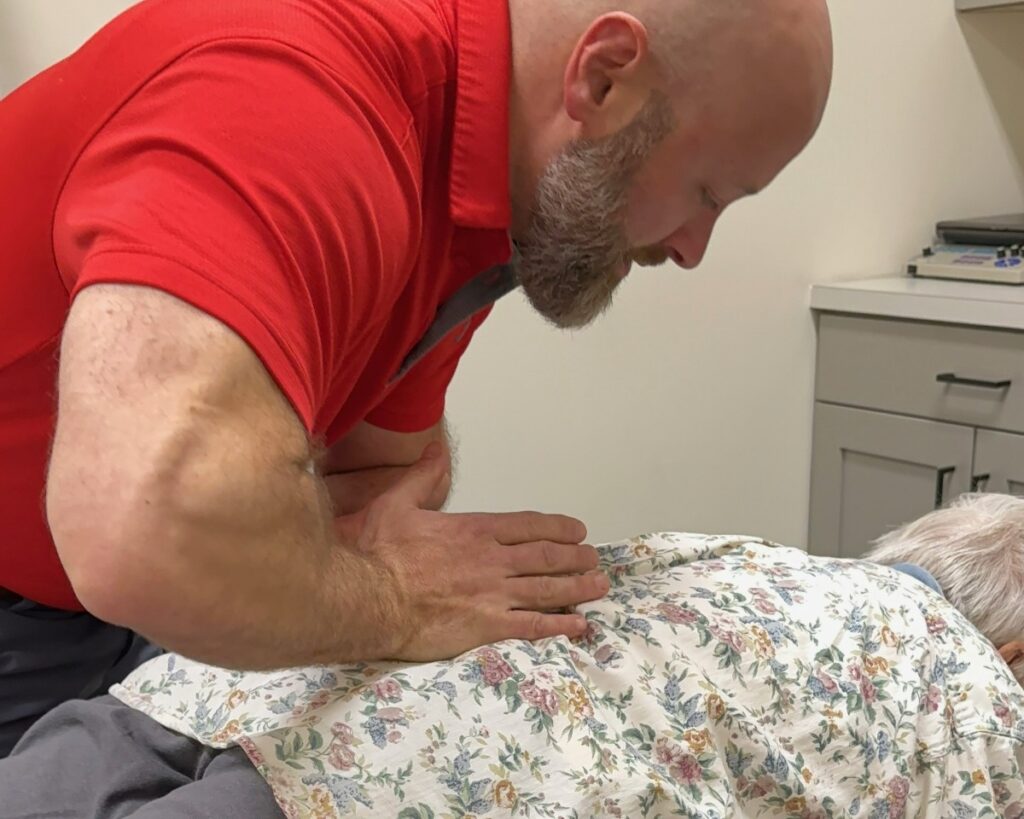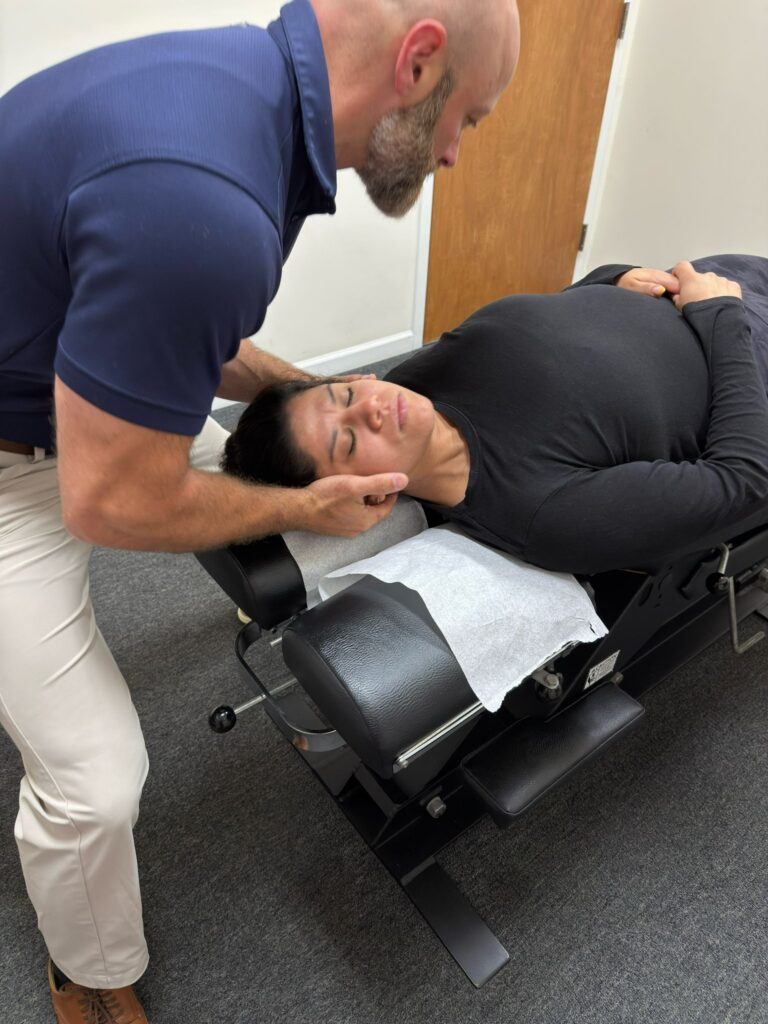

As a local chiropractor, I understand that managing the challenges of fibromyalgia can feel overwhelming. However, I believe that holistic care could be the key to finding the relief you seek. By integrating nutrition, gentle exercise, and mindfulness into your daily routine, you can begin to manage your symptoms more effectively. Each of these components plays a vital role in enhancing your overall well-being.
But how do you incorporate these practices into your life? Let’s explore some practical steps together. Through chiropractic adjustments, we can help improve your body’s alignment, which may alleviate some of the discomfort associated with fibromyalgia. Additionally, I can provide guidance on nutritional choices that support your health and recommend gentle exercises tailored to your capabilities.
Mindfulness techniques, such as meditation and deep breathing, can also be beneficial, and I can share resources to help you get started. Together, we can create a balanced approach that fosters a more fulfilling journey toward wellness. Your health is important, and I am here to support you every step of the way.
Understanding Fibromyalgia and Its Symptoms
As a local chiropractor, I want to take a moment to educate you about fibromyalgia and how it can affect your overall well-being. This chronic condition is often characterized by widespread pain in your muscles and soft tissues, and it can lead to significant fatigue and disturbances in your sleep.
Many of my patients report experiencing cognitive challenges, commonly known as “fibro fog,” which can make it difficult to concentrate on everyday tasks. Understanding these symptoms is crucial for finding effective relief.
You may notice that your pain levels can vary, sometimes intensifying due to stress or changes in the weather. Additionally, poor sleep quality is a common issue, which can leave you feeling drained even after a full night’s rest.
Other symptoms that may accompany fibromyalgia include frequent headaches, irritable bowel syndrome, and increased sensitivity to touch or light.
As your chiropractor, I can help guide you in managing these symptoms through natural healing techniques. By addressing your spinal alignment and overall body mechanics, we can work together to alleviate pain and improve your quality of life.
It’s essential to recognize these signs and seek support, as there are many natural approaches that can facilitate healing and enhance your well-being.
The Role of Nutrition in Managing Fibromyalgia
As a local Chiropractor, I want to share with you how nutrition can play a vital role in managing fibromyalgia symptoms. The foods you choose can significantly impact your energy levels and how you perceive pain. By incorporating anti-inflammatory foods into your diet, such as a variety of fruits, vegetables, nuts, and whole grains, you may experience reduced discomfort and an overall improvement in your well-being.
Additionally, omega-3 fatty acids, which are found in fish and flaxseeds, can support brain health and help alleviate pain. It’s important to be mindful of what you consume; I recommend limiting processed foods, sugar, and unhealthy fats, as they can trigger inflammation and exacerbate your symptoms.
Staying adequately hydrated is also crucial; drinking plenty of water can help combat fatigue and enhance your mood. I encourage you to consider keeping a food diary as a practical tool to identify any specific triggers that may affect you.
By paying close attention to how different foods impact your body, you can make informed dietary choices that promote better health and vitality. Remember, a balanced diet tailored to your individual needs can greatly enhance your quality of life while effectively managing fibromyalgia symptoms.
Let’s work together to explore how chiropractic care, along with proper nutrition, can support your journey towards better health.
Incorporating Exercise and Movement
As a local chiropractor, I want to emphasize the importance of incorporating gentle exercise into your daily routine, especially if you’re dealing with fibromyalgia.
Activities like yoga and tai chi are excellent choices, as they not only help strengthen your body but also contribute to your mental well-being.
These practices focus on the connection between the mind and body, allowing you to experience relief from pain while building resilience.
By integrating these forms of movement into your lifestyle, you can enhance your overall health and support your body’s natural healing processes.
Benefits of Gentle Exercise
As a local chiropractor, I want to share with you the remarkable benefits of incorporating gentle exercise into your routine, especially if you’re dealing with fibromyalgia symptoms. It might seem surprising, but activities that are low-impact, such as walking, swimming, or practicing yoga, can significantly enhance your overall well-being.
These gentle exercises not only help boost your energy levels but also improve your mood. They promote better blood circulation, which can alleviate pain and stiffness that many of you may be experiencing.
Additionally, engaging in gentle movement can lead to improved sleep quality, allowing you to face daily challenges with greater ease. Establishing a consistent exercise routine can foster a sense of accomplishment and contribute positively to your mental health.
I encourage you to listen to your body and start at your own pace; even short sessions can produce meaningful benefits. Remember, gentle exercise should be considered an essential part of your holistic care plan. Embracing it can lead to a healthier, more balanced life.
If you’re interested in learning more about how chiropractic care can complement your exercise routine, please feel free to reach out!
Mind-Body Movement Practices
As a local chiropractor, I want to share how gentle exercise can significantly enhance your health when paired with mind-body movement practices. Activities such as yoga, tai chi, and Pilates focus on the vital connection between your body and mind, fostering relaxation and heightened awareness.
These practices are particularly beneficial for those managing conditions like fibromyalgia, as they can help alleviate stress and improve flexibility. When you engage in these movements, you may notice an increase in your ability to breathe deeply and stay mindful, which contributes to your overall sense of well-being.
I encourage you to incorporate short sessions of these exercises into your daily routine, concentrating on slow, controlled movements. This approach can’t only help reduce physical discomfort but also promote a sense of calm and balance in your life.
Remember, consistency is essential for achieving the best results. I recommend finding a practice that resonates with you and committing to it. By doing so, you’ll be taking a proactive step towards holistic healing and better health.
If you have any questions or would like guidance on how to get started, feel free to reach out.
Mindfulness and Stress Reduction Techniques
As your local chiropractor, I want to share how mindfulness and stress reduction techniques can significantly enhance your well-being, especially when dealing with fibromyalgia symptoms.
Incorporating mindful breathing exercises, guided meditation, and gentle yoga into your routine can help create a calming environment, allowing you to release tension and improve your overall health.
These practices not only support physical comfort but also promote mental clarity and emotional balance.
Let’s discuss how integrating these natural healing methods into your daily life can provide relief and improve your quality of life.
Mindful Breathing Exercises
As a local chiropractor, I want to share how incorporating mindful breathing exercises can significantly enhance your well-being, especially if you’re dealing with conditions like fibromyalgia. These exercises are a simple yet powerful tool to help you focus on your breath, which in turn promotes relaxation and reduces stress levels.
To begin, find a comfortable position, whether that’s sitting in a chair with your feet flat on the ground or lying down on a supportive surface. Take a deep breath in through your nose, allowing your abdomen to rise as you fill your lungs completely. Hold that breath for a moment, then exhale slowly through your mouth.
Repeat this process a few times, and as you do, pay close attention to the sensations in your body. With each breath, visualize the tension melting away.
Incorporating mindful breathing into your daily routine, even for just a few minutes each day, can help you manage pain and boost your mood. It’s an excellent complement to chiropractic care, as it enhances your body’s ability to heal naturally.
Guided Meditation Practices
As a local chiropractor, I want to share with you the profound benefits of incorporating guided meditation into your wellness routine, especially for those dealing with chronic pain conditions like fibromyalgia.
While many of you may be familiar with the physical adjustments we provide in the office, it’s essential to recognize that healing also involves mental and emotional well-being.
Guided meditation practices can significantly enhance your relaxation and help reduce stress. By engaging with calming voices or soothing music, you can enter a state of deep tranquility that complements the physical adjustments we make.
These sessions allow you to focus your thoughts and let go of the tension and anxiety that often accompany chronic pain.
Through guided meditation, you’ll learn to visualize peaceful scenes and embrace positive affirmations. This practice can shift your mindset, fostering a more positive outlook on your health and well-being.
Many of my patients have experienced improved sleep quality and a reduction in pain perception by regularly incorporating this practice into their daily routines.
So, I encourage you to find a comfortable space in your home, dedicate some time to yourself, and allow guided meditation to support your journey toward a more balanced and peaceful state of being.
Yoga for Relaxation
As a chiropractor, I often emphasize the importance of holistic approaches to health, including the benefits of yoga for relaxation and stress reduction. Many people may be unaware that yoga goes beyond just physical exercise; it plays a significant role in promoting mental clarity and emotional well-being.
By practicing yoga, you can learn to focus on your breath and develop a deeper awareness of your body, which can lead to a more tranquil state of mind. Incorporating mindfulness techniques through gentle stretches and meditation allows you to release built-up tension and anxiety.
As you move through various poses, you may experience a sense of inner peace that can be beneficial for conditions like fibromyalgia, which I often see in my practice. Whether you choose to attend a restorative yoga class or create a simple routine at home, the practice encourages you to prioritize self-care and listen to your body’s signals.
Exploring Alternative Therapies
As a local chiropractor, I understand that managing the complex symptoms of fibromyalgia can be challenging. Many of my patients have found success in exploring alternative therapies, which can provide new avenues for relief. One such therapy is chiropractic care, which focuses on improving spinal alignment and overall body function.
Chiropractic adjustments can help alleviate discomfort, improve mobility, and reduce pain, making it an essential component in managing fibromyalgia. By realigning the spine and ensuring that your nervous system is functioning optimally, we can support your body’s natural healing processes.
In addition to chiropractic care, I often recommend complementary therapies such as acupuncture and massage therapy. Acupuncture can stimulate specific points on your body, potentially reducing pain and enhancing your overall well-being.
Meanwhile, massage therapy helps to ease muscle tension and promote relaxation, both of which are vital for managing fibromyalgia symptoms.
I also encourage my patients to consider herbal remedies and supplements, like omega-3 fatty acids or turmeric, as they may further support your healing journey. However, it’s crucial to consult with a healthcare professional before starting any new therapies.
By integrating chiropractic care and these alternative therapies into your routine, you can take a more holistic approach to managing your fibromyalgia symptoms and improving your quality of life.
I’m here to help guide you on this path to wellness.
The Importance of Sleep and Rest
As a local chiropractor, I often see patients struggling with fibromyalgia symptoms, and one key aspect of managing these symptoms is the importance of quality sleep and rest. Insufficient rest can significantly worsen pain and fatigue, making it crucial to prioritize your sleep for improved overall well-being.
Here are some strategies I recommend to enhance your sleep quality:
- Establish a Consistent Routine: Aim to go to bed and wake up at the same time every day. This helps regulate your body’s internal clock, making it easier to fall asleep and stay asleep.
- Create a Peaceful Sleep Environment: Your bedroom should be a calming sanctuary. Consider dimming the lights, limiting noise, and ensuring the room is comfortably cool to promote better sleep.
- Limit Stimulants Before Bed: To help your mind unwind, avoid caffeine and electronic devices for at least an hour before bedtime. This can significantly aid in preparing your body for rest.
- Incorporate Relaxation Techniques: Engaging in deep breathing exercises, meditation, or gentle yoga before bed can help promote relaxation and make it easier to drift off to sleep.
By adopting these strategies, you can take proactive steps to improve your sleep quality, which is essential for managing fibromyalgia and enhancing your overall health.
Building a Supportive Lifestyle for Fibromyalgia Management
As a local chiropractor, I want to help you understand the importance of building a supportive lifestyle for managing fibromyalgia, focusing on both your physical and emotional well-being.
A balanced diet is crucial; incorporating whole foods can help reduce inflammation and enhance your energy levels. I encourage you to explore dietary options that work for you.
In addition to nutrition, gentle, regular exercise is vital. Activities like walking or yoga can significantly improve your mood and help alleviate pain. It’s essential to find exercises you enjoy, as consistency is key.
Equally important is the support you receive from those around you. Connecting with friends, family, or local support groups who understand fibromyalgia can make a significant difference. Sharing your experiences fosters a sense of community and empowerment.
Incorporating mindfulness practices, such as meditation or deep breathing, can also help manage stress levels effectively.
Remember, it’s perfectly okay to seek professional help. A chiropractor can provide valuable insights into natural healing methods that may complement your fibromyalgia management.
Conclusion
As a local chiropractor, I want to share how incorporating holistic care into your fibromyalgia management can significantly enhance your quality of life. By focusing on nutrition, gentle exercise, mindfulness, and alternative therapies, we can work together to alleviate your symptoms and improve your overall well-being.
Many people overlook the importance of a supportive community and the need to prioritize rest, both of which are vital in managing fibromyalgia. I encourage you to embrace these strategies, as they will empower you to take control of your fibromyalgia journey. Through chiropractic care, we can help restore balance to your body, alleviate pain, and promote healing. Together, we can create a path toward a more balanced and fulfilling life.