
Headaches can be a frustrating part of life, but they don’t have to control you. As a local chiropractor, I want to help you understand how to manage and prevent headaches naturally. By learning about the different types of headaches and their triggers, you can take charge of your health.
One important factor to consider is hydration. Staying well-hydrated can significantly reduce the frequency and intensity of headaches. Additionally, managing stress through techniques like deep breathing and relaxation exercises can be incredibly beneficial.
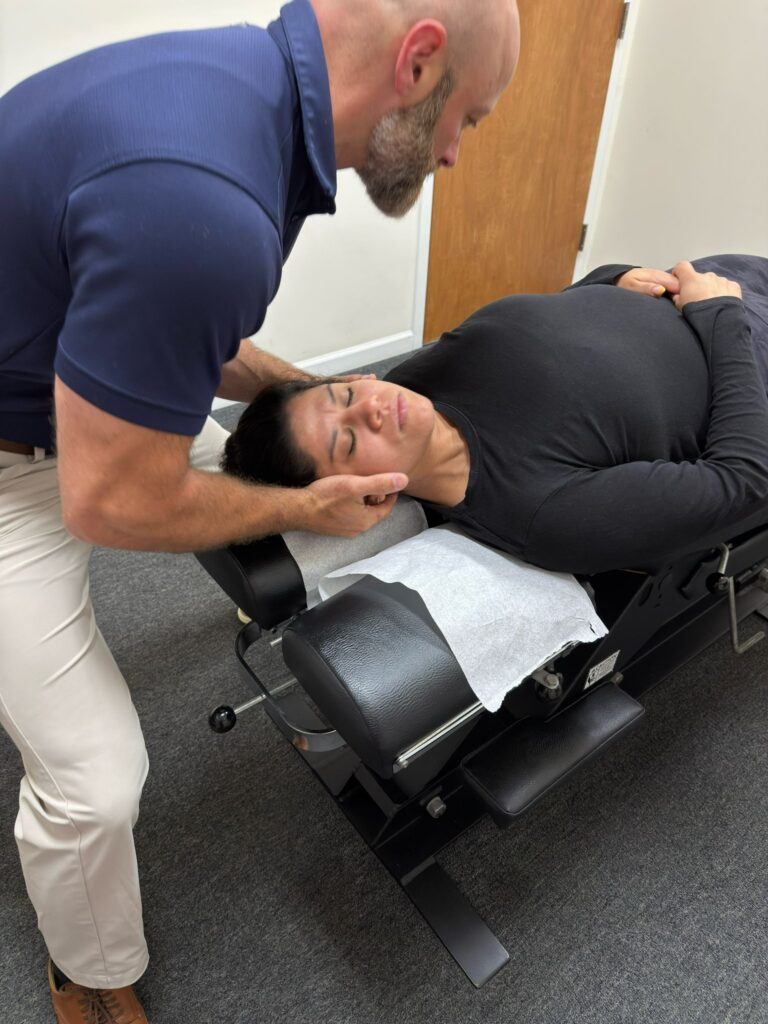
Chiropractic care is another powerful tool in your quest for a headache-free life. Misalignments in the spine can lead to tension and discomfort, contributing to headaches. Regular chiropractic adjustments can help realign your spine, reduce tension, and promote overall wellness.
Furthermore, nutrition and exercise play vital roles in your well-being. Eating a balanced diet rich in whole foods and engaging in regular physical activity can improve your body’s resilience to headaches.
Let’s work together to incorporate these strategies into your daily routine. With the right approach, you can say goodbye to headaches and hello to a healthier, happier life!
Key Takeaways
- Keep a headache diary to identify your personal triggers, which can help you avoid the situations or foods that lead to discomfort. This proactive approach empowers you to take control of your health and well-being.
- Hydration is key! Drinking plenty of water and munching on hydrating foods can stave off dehydration headaches. Staying well-hydrated not only supports headache prevention but also promotes overall wellness.
- Incorporate stress-relief techniques into your daily routine. Simple practices like deep breathing and meditation can help you relax and may reduce the frequency of headaches. Remember, a calm mind often leads to a pain-free day.
- Regular visits to your chiropractor can help address spinal alignment issues, which are often at the root of headaches. By keeping your spine in optimal condition, chiropractic care can alleviate headache pain and enhance your overall health.
- Don’t forget about exercise! Engaging in regular physical activity releases endorphins—your body’s natural pain relievers. Exercise improves blood circulation and can significantly reduce stress-related headaches, helping you feel your best naturally.
Embracing these strategies alongside regular chiropractic care can lead to a healthier, happier, and headache-free life. Remember, you have the power to manage your health without relying on medications or invasive procedures!
Understanding the Different Types of Headaches
When you experience a headache, it’s important to recognize that not all headaches are the same. Understanding the different types can help you find the most effective relief, and as a chiropractor, I believe that natural healing through spinal care can be a powerful option.
Tension headaches are among the most common types. They often feel like a tight band around your head and can be triggered by stress or poor posture. Keeping your spine aligned through regular chiropractic adjustments can help relieve tension in your neck and shoulders, reducing the frequency and intensity of these headaches.
Migraines, on the other hand, are characterized by throbbing pain, sensitivity to light, and nausea, making them particularly debilitating. While they can be complex, many patients find that chiropractic care can help reduce the severity and frequency of their migraine attacks. By addressing spinal misalignments and promoting better overall health, many experience fewer migraines.
Cluster headaches, while less common, are known for their intense pain that often occurs around one eye and comes in cycles. Chiropractic care can also play a role in managing these headaches by improving spinal function and reducing nerve irritation, which may help alleviate the pain.
Sinus headaches typically accompany nasal congestion and pressure in your face. Chiropractic adjustments can help improve drainage and reduce pressure in the sinuses, making it easier for you to breathe and feel more comfortable.
Recognizing these types of headaches empowers you to manage your symptoms better. Incorporating regular chiropractic care into your wellness routine can be a proactive way to maintain optimal health.
Additionally, practicing good posture, staying hydrated, managing stress, and getting regular exercise can all contribute to headache prevention.
By understanding your headache type and exploring the benefits of chiropractic care, you can take significant steps toward finding effective relief and enhancing your overall well-being.
Identifying Triggers: What Causes Your Headaches?
While headaches can stem from various factors, understanding your unique triggers is vital for effective management and relief. As a local chiropractor, I encourage you to start by keeping a headache diary. Record when your headaches happen, how intense they are, and what activities you were engaged in beforehand. Look for patterns, such as whether they occur after long hours at the computer or during particularly stressful days.
Common headache triggers include certain foods, lack of sleep, dehydration, and hormonal changes. You may also find that environmental factors, such as bright lights or strong smells, contribute to your discomfort. By identifying these triggers, you can take proactive steps to avoid them and promote your overall well-being.
For instance, if you discover that caffeine triggers your headaches, consider reducing your intake. If stress is a significant factor, exploring relaxation techniques like deep breathing exercises or meditation can be beneficial.
Chiropractic care is also an excellent avenue for managing headaches, as it addresses spinal alignment and nerve function, which can significantly impact headache frequency and intensity.
In addition to chiropractic adjustments, maintaining proper hydration, ensuring adequate sleep, and practicing good posture can make a world of difference in preventing headaches.
The Power of Hydration: Drink Your Way to Relief
Staying hydrated isn’t just important for your overall health; it’s also a simple way to help prevent headaches. As a chiropractor, I often see patients who suffer from headaches due to dehydration. When you drink enough water, you support your body’s natural functions, helping to keep headaches at bay. Dehydration can trigger headaches, so it’s essential to recognize the signs early and take action.
Here are a few tips to help you stay hydrated and maintain optimal health:
- Drink Water Regularly: Aim to drink water throughout the day, rather than waiting until you’re thirsty. Keeping a water bottle with you can serve as a reminder.
- Eat Hydrating Foods: Incorporate fruits and vegetables with high water content, such as cucumbers, oranges, and watermelon, into your diet. They not only hydrate you but also provide essential nutrients.
- Set Reminders: If you’re busy, it can be easy to forget to drink water. Set reminders on your phone or use apps designed to encourage regular hydration.
- Listen to Your Body: Pay attention to any signs of dehydration, such as dizziness, dry mouth, or fatigue. If you notice these symptoms, increase your water intake immediately.
- Chiropractic Care: Regular chiropractic adjustments can help improve your overall wellness and may reduce headache frequency. A healthy spine supports your nervous system, ensuring that your body can communicate effectively and function at its best.
By prioritizing hydration and considering chiropractic care as part of your wellness routine, you can take significant steps towards preventing headaches and achieving optimal health naturally.
Importance of Water Intake
Hydration is crucial for maintaining overall health and can significantly help in preventing headaches. As a chiropractor, I often see the effects of dehydration on my patients, as even mild dehydration can lead to discomfort and tension in the body.
It’s important to understand that your body needs adequate water to function properly, including your spine and nervous system. When you’re dehydrated, your brain can temporarily shrink due to fluid loss, which may trigger headaches.
Staying hydrated not only supports your brain but also helps maintain the balance throughout your body, keeping those pesky headaches at bay. I recommend aiming for at least eight 8-ounce glasses of water daily, and it’s essential not to wait until you’re thirsty to drink.
Incorporating water-rich foods like fruits and vegetables into your diet can also benefit your hydration levels. Remember, good hydration supports spinal health and overall wellness, so make it a habit to sip water throughout your day. You might be surprised at how much better you feel overall.
Chiropractic care plays a vital role in your journey to optimal health. It focuses on natural healing, helping to align your spine and improve the function of your nervous system, which can enhance your body’s ability to stay hydrated and manage pain effectively.
Hydration and Headache Prevention
When you prioritize drinking enough water, you’re not just quenching your thirst—you’re actively working to prevent headaches, which can often be tied to spinal health and overall wellness. Dehydration can lead to discomfort and exacerbate tension in your body, so staying hydrated is crucial. Here’s how proper hydration aids in headache prevention and supports your overall health:
| Benefits of Hydration | How It Affects Headaches |
|---|---|
| Maintains blood volume | Helps reduce pressure on the brain, which can ease headache pain |
| Supports nutrient transport | Ensures that nerves function properly, potentially lowering the risk of tension headaches |
| Regulates body temperature | Prevents overheating, a common headache trigger that can also strain your spine |
| Enhances mood and focus | Lowers stress-related headache risks, allowing your body to relax and align better |
In addition to staying hydrated, consider complementary practices like regular chiropractic adjustments. By ensuring that your spine is properly aligned, you can enhance your body’s ability to function optimally and reduce the frequency and severity of headaches. Remember, consistent hydration and a healthy spine can be key players in your journey toward natural wellness and pain relief. So, keep that water bottle handy and schedule those chiropractic visits for a healthier, happier you!
Signs of Dehydration Awareness
Understanding the signs of dehydration is crucial for your overall health and can help prevent discomfort, including headaches. As a chiropractor, I want to emphasize the importance of hydration in supporting your body’s functions, including spinal health.
Keep an eye out for signs like dry mouth, fatigue, dizziness, or infrequent urination. If you notice that your urine is dark yellow instead of a light straw color, that’s a clear indication that your body needs more fluids.
Thirst is an important signal not to be ignored; it’s your body’s way of telling you to hydrate. Additionally, dehydration can lead to headaches, which often disrupt your daily activities and can affect your spinal alignment due to tension.
To combat this, make it a habit to drink water regularly, especially during hot weather or after exercise. Having a water bottle on hand serves as a great reminder to sip throughout the day.
Incorporating good hydration practices not only enhances your wellness but also supports your chiropractic care. Staying hydrated helps maintain flexibility in your joints and can improve your overall spinal health.
Remember, hydration is key to feeling your best and achieving lasting relief. By being mindful of these signs and prioritizing your hydration, you empower yourself to take action towards a healthier lifestyle.
Let’s work together to ensure your body is functioning optimally!
Stress Management Techniques for Headache Prevention
Stress is a common part of life, but managing it effectively is key to preventing headaches and achieving overall wellness. As a local chiropractor, I want to share some natural techniques that can help you relieve stress and maintain optimal health without the need for medications or surgeries.
Start by incorporating deep breathing exercises into your daily routine. When you feel tension building, pause for a moment to take a deep breath in through your nose, hold it for a few seconds, and then exhale slowly through your mouth. This simple technique not only calms your nervous system but also promotes relaxation, which can help alleviate headache symptoms.
Mindfulness and meditation are also beneficial practices to consider. Even dedicating just a few minutes each day to focused breathing or visualization can help clear your mind and reduce stress levels. These practices can enhance your mental clarity and emotional well-being, making them an excellent complement to chiropractic care.
Regular physical activity is another crucial aspect of stress management. Engaging in activities you enjoy, such as walking, dancing, or yoga, can help release endorphins, the body’s natural painkillers, and mood boosters. Exercise also promotes spinal health, which is essential for overall wellness.
Finally, don’t underestimate the power of social support. Talking with friends or family can provide comfort and perspective, making it easier to cope with life’s challenges. Strong relationships can help reduce stress and contribute to a healthier mindset.
Incorporating these stress management techniques into your life can greatly improve your well-being and help prevent headaches. Remember, chiropractic care plays a vital role in maintaining a healthy spine and nervous system, which is essential for overall health.
The Role of Nutrition in Headache Management
Nutrition plays a vital role in headache management, and as a chiropractor, I believe that understanding how your diet affects your body is essential for achieving optimal health. The foods you eat can influence the frequency and intensity of headaches, so it’s important to be aware of what might be triggering them. Common culprits include aged cheeses, processed meats, and alcohol. Keeping a food diary can help you pinpoint these triggers and empower you to make healthier choices.
Staying well-hydrated is crucial, as dehydration can lead to headaches. Make sure you’re drinking plenty of water throughout the day to keep your body functioning at its best. Incorporating whole foods like fruits, vegetables, whole grains, and lean proteins not only nourishes your body but can also help reduce the occurrence of headaches. Foods rich in omega-3 fatty acids, such as fish and walnuts, are particularly beneficial due to their anti-inflammatory properties.
Additionally, maintaining regular meal times is essential. Skipping meals can cause low blood sugar, which may trigger headaches. By focusing on balanced nutrition and hydration, you can support your body’s natural ability to heal and thrive.
As a chiropractor, I encourage you to consider how proper nutrition and regular chiropractic care can work together to create a comprehensive approach to headache management. Chiropractic adjustments can help relieve tension and misalignments in your spine that may contribute to headache pain, leading to a more comfortable and healthier life.
Natural Remedies: Essential Oils and Herbal Solutions
If you’re seeking relief from headaches, it’s important to consider a holistic approach that goes beyond just essential oils and herbal remedies. While these natural options can provide some comfort, chiropractic care is one of the most effective ways to address the root cause of headache pain.
By focusing on spinal health and alignment, chiropractic adjustments can help alleviate tension and improve overall wellness.
In addition to chiropractic care, incorporating essential oils such as peppermint or lavender may enhance your comfort. These oils can be used in a diffuser or applied topically with a carrier oil to help soothe discomfort. Herbal solutions, like ginger tea or chamomile, can also provide relief and support relaxation.
To maximize the benefits of these natural options, here are a few tips:
- Stay Hydrated: Dehydration can often lead to headaches. Make sure you’re drinking enough water throughout the day.
- Practice Good Posture: Poor posture can contribute to tension headaches. Be mindful of your posture while sitting, standing, or working at a desk.
- Regular Chiropractic Visits: Consistent chiropractic care can help maintain spinal alignment, reduce headache frequency, and promote overall health.
- Manage Stress: Incorporate relaxation techniques such as yoga or meditation to help reduce stress levels, which can trigger headaches.
Remember, while essential oils and herbal remedies can be beneficial, they work best in conjunction with chiropractic care for comprehensive pain relief and optimal health.
Always consult with your chiropractor to create a personalized plan that suits your needs.
Top Essential Oils
When you’re dealing with a headache, it’s important to consider holistic approaches that promote overall wellness and can support your body’s natural healing processes.
While essential oils can offer temporary relief, chiropractic care addresses the underlying issues that may contribute to headaches, such as spinal misalignments and tension in the muscles surrounding the neck and shoulders.
Peppermint oil, known for its cooling effect, can provide some soothing relief, but it’s essential to understand that maintaining proper spinal alignment is crucial for long-term results.
Regular chiropractic adjustments can help improve circulation and reduce tension, potentially minimizing headache frequency and intensity.
Lavender oil can promote relaxation, which is beneficial for stress-related headaches.
However, by visiting your chiropractor, you can also learn techniques to manage stress through improved posture and spinal health.
Eucalyptus oil may help with sinus pressure, but chiropractic care can address structural problems that may be causing sinus issues as well.
Incorporating essential oils into your routine can complement your chiropractic care, but remember that the best way to achieve optimal health and pain relief is through a well-rounded approach that includes regular chiropractic visits.
As a general tip, consider practicing good posture, staying hydrated, and engaging in regular physical activity to support your spine and overall wellbeing.
In summary, while essential oils can provide temporary relief for headaches, chiropractic care offers a comprehensive solution that targets the root causes of pain and promotes lasting health.
Prioritize your spinal health, and you’ll find that natural wellness is well within your reach.
Herbal Remedies Overview
While many people turn to essential oils for headache relief, it’s important to remember that herbal remedies can also play a significant role in enhancing your overall wellness. As a chiropractor, I believe in a holistic approach to health, which includes both physical adjustments and natural healing methods.
Herbs like peppermint and ginger can be powerful allies in alleviating headache symptoms. Peppermint contains menthol, which provides a soothing cooling sensation. This can help relax tense muscles often associated with headaches. Ginger, on the other hand, is well-known for its anti-inflammatory properties, which can help reduce the intensity of headaches.
Chamomile is another excellent choice for those who experience stress-related headaches. Its calming effects can promote relaxation and help ease tension. Additionally, feverfew has a long history of use in preventing migraines and reducing their severity.
Incorporating these herbal remedies into your daily routine can offer natural relief and contribute to a balanced lifestyle. However, it’s essential to remember that chiropractic care is one of the most effective ways to address the root causes of headaches. By focusing on spinal health and ensuring your nervous system functions optimally, we can significantly reduce headache frequency and intensity.
Here are a few tips to consider for maintaining your wellness and preventing headaches:
- Stay hydrated: Dehydration can often trigger headaches, so make sure you’re drinking enough water throughout the day.
- Maintain good posture: Poor posture can lead to spinal misalignments, contributing to headaches. Be mindful of your posture while sitting or standing.
- Manage stress: Incorporate relaxation techniques such as deep breathing, meditation, or gentle yoga into your routine.
- Schedule regular chiropractic adjustments: Keeping your spine aligned can help prevent tension and headaches from occurring.
Application Techniques Explained
Understanding how to effectively apply natural remedies, such as essential oils and herbal solutions, can greatly enhance your headache relief efforts. While chiropractic care is the best choice for addressing the root causes of headaches, these additional techniques can complement your wellness routine. Here are some methods to consider:
| Method | Application | Notes |
|---|---|---|
| Inhalation | Diffuse oil | Breathe deeply for relief and relaxation. This can help reduce tension that may contribute to headaches. |
| Topical | Dilute and apply | Always use carrier oils for safety when applying directly to the skin. Focus on areas like the temples to relieve tension. |
| Compress | Soak cloth | Applying a warm or cold compress to your forehead or neck can soothe discomfort and promote relaxation, enhancing your overall wellness. |
| Herbal tea | Brew and sip | Drinking herbal tea slowly can help alleviate headaches and promote hydration, which is essential for maintaining good health. |
| Massage | Blend oils | A gentle massage using blended oils can relieve tension in your temples and neck, further supporting your spinal health. |
The Benefits of Regular Exercise for Headache Relief
Regular exercise can be an excellent addition to your toolkit for managing headaches, especially when paired with chiropractic care. As a chiropractor, I want to emphasize that physical activity not only enhances your overall health but also helps reduce stress, which is a common trigger for headaches.
When you exercise, your body releases endorphins—natural chemicals that help relieve pain. This can lead to a decrease in headache symptoms and can even prevent them from coming back.
Moreover, regular movement improves blood circulation and oxygen flow to your brain, both of which can significantly reduce the frequency of headaches. You don’t have to engage in rigorous workouts; even simple activities like a brisk walk or a gentle yoga session can provide notable benefits.
Exercise also promotes relaxation and helps you clear your mind. This reduction in tension is essential, as tight muscles in the neck and shoulders can contribute to headaches. By incorporating regular physical activity into your routine, you not only support your physical well-being but also cultivate a more harmonious connection with your body.
As you consider ways to alleviate headache pain, remember that chiropractic care plays a vital role in optimizing your spinal health. A well-aligned spine can improve your body’s function, enhance mobility, and contribute to overall wellness.
The Importance of Sleep and Rest in Headache Management
Getting enough sleep is crucial for effectively managing headaches, as insufficient rest can trigger or worsen headache symptoms. When you don’t get adequate sleep, your body becomes more sensitive to pain, making headaches more likely. Prioritizing restorative sleep not only helps regulate hormones and reduce stress, but it also promotes overall wellness, which is essential for headache prevention and relief.
To support your health and wellbeing, aim for a consistent sleep schedule by going to bed and waking up at the same time every day. Establish a calming bedtime routine to signal to your body that it’s time to wind down. This can include gentle stretches, deep breathing exercises, or light reading.
Make sure your sleeping environment is dark, quiet, and cool to enhance your rest quality. If your mind tends to race at night, consider jotting down your thoughts before bed to clear your head and relax.
Additionally, chiropractic care can play an important role in managing headaches. Regular chiropractic adjustments can help improve spinal alignment, reduce tension in the neck and back, and enhance overall nervous system function.
This natural approach can lead to reduced headache frequency and intensity, allowing you to enjoy better sleep and a more balanced life. Remember, prioritizing your spinal health through chiropractic care is an excellent step towards achieving optimal wellness.
Mindfulness and Meditation: Finding Calm to Combat Pain
Headaches can be incredibly disruptive, but there are natural and effective ways to manage them without relying on medications or surgeries. As a chiropractor, I want to share how mindfulness and meditation can be beneficial for alleviating pain and promoting overall wellness. These practices can help you cultivate a sense of calm and reduce the stress and tension that often lead to headaches.
Begin by setting aside just a few minutes each day. Find a comfortable spot to sit, close your eyes, and take deep, soothing breaths. Focus on how your body feels in the moment, and consciously release any tightness or stress you might be holding onto. This simple practice can be a powerful tool for managing discomfort.
Consider incorporating guided meditations that focus on pain relief. These can be especially helpful in visualizing your discomfort easing away. Additionally, you can weave mindfulness into your daily routines—whether you’re enjoying a meal or taking a walk—by paying attention to the sensations and experiences around you. This practice not only enhances relaxation but also promotes a deeper connection with your body.
As you develop your mindfulness practice, you may find that it not only helps during headache episodes but also contributes to your overall well-being. With time and consistency, you can change your relationship with pain and embrace a more balanced, healthier life.
Remember, chiropractic care plays a crucial role in supporting your health journey. Regular adjustments can help alleviate tension in the spine, improve your posture, and enhance your body’s natural ability to heal itself.
Conclusion
Incorporating chiropractic care into your daily routine can transform your life, helping you say goodbye to headaches and hello to vibrant health. By understanding your triggers and the importance of spinal health, you can take control of your well-being. Staying hydrated, managing stress, and embracing natural remedies—especially regular chiropractic adjustments—can significantly improve your overall wellness. Don’t underestimate the benefits of exercise and restful sleep too!
Chiropractic care focuses on aligning your spine, which can alleviate tension and reduce headaches at their source. Celebrate each headache-free day with smiles, knowing you’re nurturing your body and mind through natural healing. Embrace this journey towards a happier, healthier you—no pills necessary! Remember, by choosing chiropractic care, you’re opting for a holistic approach to pain relief and optimal health.