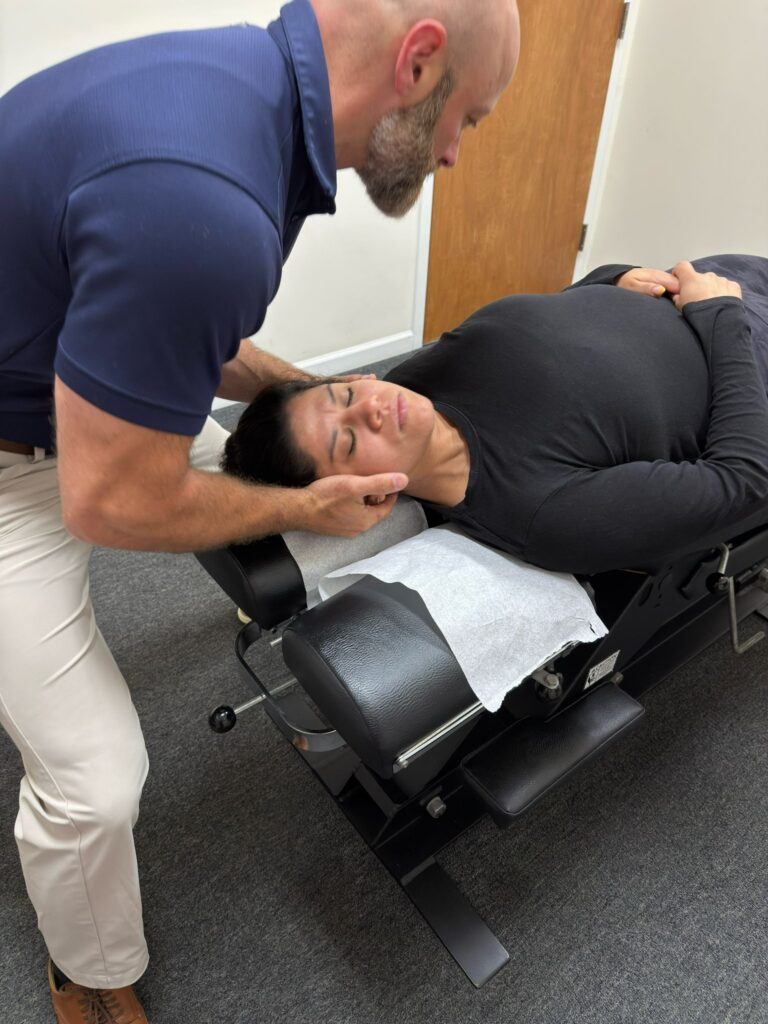

Tension headaches can significantly interfere with your daily life, leaving you feeling exhausted and unable to concentrate. Understanding the causes and identifying your personal triggers is crucial for finding effective relief. One of the best ways to address tension headaches is through chiropractic care, which focuses on promoting natural healing and overall wellness.
Chiropractic adjustments can help alleviate tension in the neck and shoulders, areas that often contribute to headaches. By realigning the spine and reducing muscle tension, you may find significant relief from those nagging headaches. Additionally, regular chiropractic care can enhance your body’s ability to manage stress and tension, leading to fewer headaches over time.
Incorporating simple stress management techniques into your routine can also be beneficial. Take breaks throughout the day to stretch and move your body, practice deep breathing exercises, or engage in activities that help you unwind, such as yoga or meditation. These practices, combined with chiropractic adjustments, can create a powerful approach to reducing tension and improving your overall well-being.
Curious about specific strategies to help you say goodbye to tension headaches? Consider scheduling a consultation with your local chiropractor to discuss a personalized plan that prioritizes natural healing and healthier living. With the right support, you can take control of your health and enjoy a more comfortable life.
Key Takeaways
Say Goodbye to Tension Headaches Today
As a local chiropractor, I’m here to help you find relief from tension headaches and promote your overall wellness. Here are some simple yet effective tips to help you manage and prevent these headaches naturally:
- Good Posture Matters: Pay attention to your posture while working or sitting. Keeping your spine aligned can significantly reduce muscle tension, lessening the chances of headaches. Consider setting up your workspace ergonomically to support your body.
- Chiropractic Care is Key: Regular chiropractic adjustments can work wonders for your spinal alignment and help relieve tension headaches. By addressing the root causes of pain in your spine, chiropractic care offers a natural and effective solution for headache relief.
- Manage Stress Naturally: Stress is a common trigger for tension headaches. Incorporating stress management techniques such as mindfulness, deep breathing exercises, or even engaging in regular physical activity can help lower your stress levels and reduce headache occurrences.
- Stay Hydrated: Dehydration can lead to headaches, so it’s crucial to drink plenty of water throughout the day. Include hydrating foods such as fruits and vegetables in your diet to help keep your body well-hydrated.
- Nourish Your Body: A balanced diet rich in magnesium and omega-3 fatty acids can help stabilize your blood sugar and may reduce headache triggers. Foods like nuts, seeds, fish, and leafy greens are excellent choices for supporting your overall health and keeping headaches at bay.
Remember, chiropractic care is your best ally in achieving optimal health and finding relief from tension headaches. If you’re experiencing frequent headaches, I encourage you to reach out for a consultation. Together, we can create a personalized plan that addresses your needs and helps you live a healthier, pain-free life!
Understanding Tension Headaches: Causes and Symptoms
Tension headaches can feel like a tight band around your head, creating a dull, aching pain that can last for hours or even days. Unlike migraines, which can come with intense sensitivity to light or sound, tension headaches typically present milder symptoms. Common triggers include stress, poor posture, and muscle tension, particularly in the neck and shoulders. Recognizing these root causes is essential for effective management.
While tension headaches may not be as severe as other types, they can still disrupt your daily life, making it difficult to concentrate or enjoy your favorite activities. As a chiropractor, I believe that understanding the symptoms and causes of tension headaches can empower you to find relief and reduce their frequency.
Chiropractic care is an excellent option for addressing tension headaches. By focusing on spinal health and alignment, chiropractic adjustments can relieve muscle tension and improve posture, which may alleviate headache symptoms. Regular chiropractic visits can help ensure your spine remains in optimal condition, promoting overall wellness.
In addition to chiropractic care, there are several simple tips you can incorporate into your daily routine to help manage tension headaches:
- Practice good posture: Be mindful of how you sit and stand. Keep your back straight and shoulders relaxed to prevent muscle strain.
- Stay hydrated: Drink plenty of water throughout the day to keep your body well-hydrated, as dehydration can contribute to headaches.
- Manage stress: Incorporate relaxation techniques such as deep breathing, meditation, or yoga into your daily routine.
- Take breaks: If you spend long hours at a desk, take regular breaks to stretch and move around. This can help reduce muscle tension and improve circulation.
- Sleep well: Ensure you’re getting enough restorative sleep each night. A regular sleep schedule can help reduce the frequency of tension headaches.
Recognizing Triggers: What to Avoid
Identifying what triggers your headaches is essential for effective management, and chiropractic care can play a significant role in alleviating these discomforts. By recognizing your personal triggers, you can take proactive steps to avoid them, potentially reducing the frequency of tension headaches. Common triggers often include specific foods, environmental factors, and certain lifestyle habits.
Here’s a helpful guide to identify what to avoid, along with tips to support your overall well-being:
| Trigger Type | Examples | Tips to Avoid |
|---|---|---|
| Foods | Aged cheese, chocolate | Keep a food diary to track what you eat and how it affects you. Consider consulting with a health professional about your dietary choices, as chiropractic care can support your overall nutrition. |
| Beverages | Caffeinated drinks, alcohol | Limit consumption and opt for water or herbal teas. Staying hydrated is crucial for spinal health and overall wellness. |
| Environmental | Bright lights, strong odors | Use sunglasses outdoors and ensure your living space is well-ventilated. Creating a calm environment can also enhance your relaxation and reduce stress on your spine. |
| Stressors | Work deadlines, noisy places | Plan regular breaks throughout your day. Incorporating stretches or simple exercises can help relieve tension in your back and neck, improving your overall health. |
| Poor Posture | Slouching, awkward seating | Maintain an ergonomic setup at your workspace, ensuring your spine is well-aligned. Regular chiropractic adjustments can help correct posture and alleviate discomfort. |
Embracing chiropractic care not only addresses the physical aspects of headache triggers but also promotes natural healing and overall wellness. By understanding and managing your triggers, you can enhance your quality of life and maintain optimal health.
Stress Management Techniques for Headache Relief
When stress accumulates, it can lead to painful headaches, making it crucial to adopt effective stress management techniques that support your overall health and wellness. One of the most beneficial practices you can incorporate into your daily routine is deep breathing exercises. Simply inhale slowly through your nose, hold for a few seconds, and then exhale gently through your mouth. This easy yet powerful technique helps to calm your mind, reduce tension, and can even enhance spinal alignment by promoting relaxation throughout your body.
In addition to deep breathing, consider incorporating mindfulness or meditation into your day. Even just a few minutes focusing on your breath or visualizing a peaceful scene can significantly lower stress levels. By reducing stress, you’re not only helping to alleviate headaches but also supporting your spine and overall health.
Regular physical activity is another essential aspect of maintaining wellness. Whether it’s a brisk walk, yoga, or dancing, find an activity that you enjoy. Staying active keeps your body strong and your mind clear, while also promoting better posture and spinal health.
Lastly, make time for hobbies that bring you joy and relaxation. Engaging in enjoyable activities can provide a much-needed break from daily stressors and assist in preventing headaches.
Remember, chiropractic care is an excellent option to consider for ongoing support in managing stress and maintaining a healthy spine. Regular adjustments can enhance your body’s natural healing abilities, keeping you aligned and balanced in both body and mind.
Prioritize your health by embracing these techniques and exploring the benefits of chiropractic care for optimal wellness.
The Power of Hydration: Staying Informed
Staying properly hydrated isn’t just essential for preventing tension headaches; it’s a vital component of overall health and wellness, especially when it comes to maintaining a healthy spine. Dehydration can lead to muscle tension and discomfort, exacerbating issues like back pain. If you’re experiencing signs of dehydration, such as fatigue or dizziness, it’s crucial to increase your water intake.
Here are some effective hydration strategies to help you stay on top of your health:
- Keep Water Accessible: Always have a water bottle with you. This encourages regular sipping throughout the day, making it easier to stay hydrated.
- Set Reminders: Use your phone or an app to remind you to drink water regularly. It’s easy to forget in our busy lives!
- Infuse Your Water: If plain water doesn’t excite you, try adding slices of fruit, herbs, or cucumber to enhance the flavor without added sugars.
- Eat Hydrating Foods: Incorporate fruits and vegetables with high water content into your diet, such as cucumbers, watermelon, and oranges. They not only hydrate you but also provide essential nutrients for spinal health.
- Listen to Your Body: Pay attention to your thirst and other signs your body may be sending you. If you feel tired or your mouth feels dry, it’s a clear signal to hydrate.
Remember, proper hydration goes hand in hand with chiropractic care. Keeping your body well-hydrated supports the health of your spinal discs and muscles, which is crucial for maintaining alignment and preventing discomfort.
If you’re dealing with pain or discomfort, consider visiting a chiropractor who can provide natural healing and adjustments to help restore balance to your body. Through chiropractic care, you can achieve optimal health and wellness in a holistic way—without relying on medications or surgeries.
Stay hydrated and take proactive steps toward your health today!
Importance of Water Intake
As a local chiropractor, I want to stress the importance of proper hydration in maintaining not just your overall health, but also in preventing tension headaches. Staying well-hydrated is crucial for your body to function optimally, and it can significantly lower your chances of experiencing headaches caused by dehydration. Let’s explore how adequate water intake can benefit your health and keep discomfort at bay:
| Hydration Benefits | Impact on Headaches |
|---|---|
| Enhances cognitive function | Reduces stress and tension |
| Improves mood | Alleviates headache triggers |
| Boosts energy levels | Keeps fatigue at bay |
| Aids digestion | Prevents discomfort and pain |
| Supports overall wellness | Promotes a healthier lifestyle |
To ensure you’re drinking enough water each day, try carrying a water bottle with you and setting reminders to take sips throughout the day. By making hydration a priority, you’re not only helping to fend off tension headaches, but also actively supporting your body’s ability to heal and function at its best.
Signs of Dehydration
Proper hydration is crucial for overall wellness and can play a significant role in preventing tension headaches. It’s important to recognize the signs of dehydration, as they can impact not just your daily comfort but also your spinal health.
If you’re feeling unusually thirsty, that’s your body’s way of signaling that it needs more water. Other signs include a dry mouth and feelings of fatigue, which can affect your energy levels and overall vitality.
Pay attention to the color of your urine; if it’s darker than usual, that’s a strong indicator that you may be dehydrated. Additionally, tension headaches can often arise from insufficient hydration, as they can lead to tension and discomfort in the neck and spine.
If you find yourself feeling dizzy or confused, those are serious signs that you need to take action right away.
To help maintain proper hydration and support your body’s needs, aim to drink water consistently throughout the day. Incorporate water-rich foods like fruits and vegetables into your diet. Simple habits like keeping a water bottle nearby can remind you to stay hydrated.
Remember, keeping an eye on these symptoms not only helps you maintain hydration but also supports your overall health and wellness. By staying informed and proactive about hydration, you empower yourself to take better care of your body, which directly contributes to reducing the risk of tension headaches.
Embracing chiropractic care can further enhance your well-being by addressing any spinal misalignments that might contribute to pain, ensuring that your body functions at its best.
Hydration Strategies to Implement
When it comes to maintaining ideal hydration, implementing effective strategies can make all the difference for your overall health and wellness. Staying hydrated is crucial not only for your body but also for your spine and overall well-being. Here are some simple tips to ensure you’re drinking enough water throughout the day:
| Strategy | Description |
|---|---|
| Carry a Water Bottle | Keep a reusable water bottle with you at all times. This makes it easy to sip regularly and stay hydrated, which can help reduce tension in your muscles and support spinal health. |
| Set Reminders | Use your phone to set reminders to drink water. Staying on top of your hydration helps maintain your body’s balance and can aid in recovery from any discomfort you may be feeling. |
| Infuse Your Water | Make drinking water more enjoyable by adding fresh fruits or herbs. This not only enhances flavor but can also encourage you to drink more, supporting your body’s natural healing processes. |
Effective Ergonomics: Setting Up Your Workspace
To alleviate tension headaches, it’s essential to create an ergonomic workspace that supports your spine and overall well-being.
Start by adjusting your chair height so your feet rest flat on the floor, and your knees are bent at a comfortable 90-degree angle. This position not only promotes proper alignment of your spine but also helps reduce strain on your muscles.
Next, position your monitor at eye level. This adjustment helps prevent unnecessary strain on your neck and eyes, which can contribute to headaches. Ideally, the top of your screen should be at or just below eye level, allowing you to gaze slightly downward while working.
Incorporating regular breaks into your routine is another great tip. Every 30 minutes, take a moment to stand, stretch, and move around. This simple practice can help prevent stiffness and improve circulation, contributing to your overall spinal health.
Remember, chiropractic care is a natural approach to maintaining your health and wellness. Regular visits to your chiropractor can help ensure that your spine is aligned, which can reduce headaches and improve your quality of life.
Embrace these tips for a healthier workspace, and consider chiropractic care as a vital part of your path to optimal health!
Chair Height Adjustment
Finding the right chair height can significantly impact your comfort, spinal health, and overall productivity. Proper chair adjustment reduces strain on your neck and back, which can help prevent tension headaches and other discomforts.
Here are three simple tips to help you set your chair height for optimal wellness:
- Feet Flat on the Floor: Ensure your feet rest flat on the ground, with your knees at or slightly below hip level. This position supports your lower back and promotes healthy posture, which is vital for spinal alignment.
- Elbow Angle: Adjust your chair so that your elbows form a 90-degree angle when your hands are resting on the desk. Keeping your arms at this angle helps reduce strain on your shoulders and neck, which can contribute to discomfort and pain.
- Monitor Alignment: Check that your chair height allows your monitor to be at eye level. This alignment minimizes neck strain and encourages a relaxed posture, which is essential for maintaining spinal health throughout the day.
Remember, making these adjustments not only enhances your comfort but also supports your overall well-being.
If you experience persistent pain or discomfort, consider consulting a chiropractor. Chiropractic care focuses on natural healing and optimal health, helping you achieve a pain-free lifestyle through spinal education and wellness strategies.
Take charge of your health today!
Monitor Positioning Tips
Proper monitor positioning is crucial not only for your comfort but also for maintaining good spinal health and reducing the risk of tension headaches during long hours of work. As a chiropractor, I want to emphasize how important it’s to pay attention to your workspace setup.
Start by positioning your monitor an arm’s length away from your eyes. The top of the screen should be at or just below eye level to prevent unnecessary strain on your neck and spine.
Tilt your monitor slightly backward, about 10 to 20 degrees, to minimize glare, which can also contribute to eye strain. Ensure that your screen is directly in front of you, as this will help maintain a neutral neck position, important for spinal health. If you wear glasses, consider investing in anti-reflective lenses to further reduce eye strain.
Additionally, remember to take regular breaks to rest your eyes and your spine. A good rule of thumb is the 20-20-20 rule: every 20 minutes, look away from your screen for at least 20 seconds. This not only helps your eyes but also gives your back and neck a moment to relax.
Incorporating these simple adjustments into your work routine can help you work more comfortably and headache-free. For those experiencing persistent discomfort, consider consulting with a chiropractor.
Chiropractic care focuses on natural healing and can help address underlying issues, promoting overall wellness and optimal health. Remember, your spine is your foundation—taking care of it’s key to feeling good every day!
Incorporating Regular Exercise Into Your Routine
Since tension headaches often arise from stress and muscle tension, incorporating regular exercise into your routine can be a powerful ally in alleviating these symptoms.
However, it’s essential to understand that while exercise is beneficial, chiropractic care is a crucial component to achieving optimal health and addressing the root cause of your discomfort.
Exercise releases endorphins, which can enhance your mood and help alleviate pain. Additionally, it aids in relaxing tight muscles, promoting overall well-being.
But remember, the adjustments from a chiropractor can help ensure that your spine is properly aligned, allowing your body to function at its best and reducing the likelihood of muscle tension and headaches.
Here are three effective types of exercise you can incorporate into your routine:
- Walking: Just 30 minutes a day can significantly lower stress levels and boost your energy. Plus, it’s gentle on the body and can be a great way to clear your mind.
- Strength Training: Building muscle supports your body and can help relieve tension, especially in your neck and shoulders. Strong muscles help maintain proper spinal alignment, which is vital for preventing pain.
- Aerobic Activities: Engaging in activities like cycling or swimming elevates your heart rate and releases those feel-good endorphins. These exercises also promote circulation, which is key for healing and recovery.
To maximize the benefits of these exercises, try to set aside time each week. Consistency is crucial, so find activities you enjoy and stick with them.
Remember, alongside these exercises, visiting your chiropractor regularly can help ensure your spine remains aligned, reducing the frequency and intensity of tension headaches.
By combining regular exercise with chiropractic care, you’ll not only notice a reduction in tension headaches but also experience an overall improvement in your health and well-being.
Embrace this holistic approach for a healthier, happier you!
Exploring Relaxation Methods: Yoga and Meditation
As a local chiropractor, I want to share how yoga and meditation can be effective in managing tension headaches while also highlighting the importance of spinal health. These practices not only help in relieving pain but also promote overall well-being.
Incorporating specific yoga poses and mindful breathing exercises can help alleviate the tightness in your neck and shoulders, which are often contributors to tension headaches. By focusing on your breath and practicing gentle stretches, you can reduce stress and improve circulation, leading to greater comfort and relaxation.
However, it’s essential to remember that while yoga and meditation are wonderful tools, they work best when combined with regular chiropractic care. A well-aligned spine can enhance your body’s ability to heal and function optimally. Regular adjustments can help maintain proper posture, reduce tension in your muscles, and prevent headaches from occurring in the first place.
To enhance your wellness routine, consider these tips:
- Practice gentle yoga poses: Focus on poses that stretch the neck and shoulders, such as Child’s Pose and Cat-Cow.
- Breathing exercises: Try deep diaphragmatic breathing to calm your mind and reduce stress.
- Stay hydrated: Proper hydration supports overall health and can help prevent headaches.
- Schedule regular chiropractic visits: Keeping your spine aligned can significantly reduce the occurrence of tension headaches and improve your overall health.
By combining chiropractic care with yoga and meditation, you can take a holistic approach to managing tension headaches and achieving optimal health.
Benefits of Yoga
When you’re struggling with tension headaches, incorporating yoga into your wellness routine can be incredibly beneficial. This ancient practice not only promotes relaxation but also complements chiropractic care by addressing the physical symptoms of headaches.
Here are three key benefits of yoga that can enhance your journey toward relief and optimal health:
- Stress Reduction: Yoga promotes mindfulness and deep breathing, which can help lower stress hormones that contribute to tension headaches. Coupling this with regular chiropractic adjustments can ensure that your nervous system functions optimally, further reducing stress and tension.
- Improved Flexibility: Engaging in yoga regularly can improve muscle flexibility and relieve tension in the neck and shoulders—common areas where headaches often originate. This is especially beneficial when combined with chiropractic care, as adjustments can enhance your overall range of motion and alignment.
- Enhanced Blood Flow: Certain yoga poses can increase circulation to the head, potentially alleviating headache pain and promoting overall well-being. When paired with chiropractic treatments, which improve spinal alignment and nervous system function, you can experience even greater benefits.
In addition to practicing yoga, make sure to maintain good posture throughout your day, stay hydrated, and consider regular chiropractic visits to keep your spine aligned and your body functioning at its best.
Meditation Techniques Overview
While many people seek relief from tension headaches through yoga, meditation is another excellent tool that can enhance your overall wellness. Meditation helps you focus your mind, reduce stress, and promote a deeper sense of well-being, which can complement the benefits of chiropractic care.
You can start with mindfulness meditation, where you sit quietly and concentrate on your breath. This practice not only calms your mind but can also help align your body and enhance the effects of chiropractic adjustments.
Guided imagery is another technique you might find helpful; by visualizing calming scenes, you can create a peaceful environment that supports natural healing.
Loving-kindness meditation is particularly beneficial as it encourages positive thoughts and feelings towards yourself and others, fostering emotional healing that can be vital for your overall health.
Additionally, body scan meditation helps you connect with your physical sensations, allowing you to identify areas of tension that may benefit from chiropractic care.
Incorporating these meditation techniques into your daily routine can effectively reduce tension headaches and support your journey toward relaxation and wellness.
Remember, chiropractic care is designed to address the root causes of pain and promote optimal health, making it a valuable part of your wellness strategy.
Take time each day to practice these techniques alongside your chiropractic visits for the best results in your health and well-being.
Breathing Exercises for Relief
Breathing exercises can be a fantastic addition to your wellness routine, especially when it comes to alleviating tension headaches. As a chiropractor, I believe in the power of natural healing and the role that proper breathing plays in enhancing your overall health. By focusing on your breath, you can’t only calm your mind but also help reduce muscle tension, which often contributes to headaches.
Here are three simple breathing techniques you can incorporate into your daily life for effective relief:
- Deep Breathing: Find a comfortable position, either sitting or lying down. Inhale deeply through your nose for a count of four, hold that breath for another count of four, and then exhale slowly through your mouth for a count of six. This method can help reset your nervous system and promote relaxation. Aim to practice this for five minutes each day.
- Box Breathing: This technique is great for grounding yourself. Inhale for four counts, hold that breath for four counts, exhale for four counts, and hold again for four counts. Repeat this cycle four times. Box breathing not only calms your mind but can also help improve focus and reduce stress.
- Pursed Lip Breathing: This is particularly beneficial if you’re feeling anxious or overwhelmed. Inhale slowly through your nose, and then exhale gently through pursed lips, much like you’re blowing out a candle. This method slows your breathing down and encourages relaxation, making it a great tool for managing tension.
Incorporating these breathing exercises into your routine can provide you with quick relief from tension headaches and support your journey toward optimal health.
Dietary Adjustments: Foods That Help
To effectively manage tension headaches, making some thoughtful dietary adjustments can play an important role in your overall wellness. As a chiropractor, I emphasize the connection between nutrition and pain relief, and there are several foods that can help ease those pesky headaches.
Start by incorporating magnesium-rich foods into your meals. Foods like spinach, nuts, and whole grains are excellent sources of magnesium. This mineral is crucial for relaxing muscles and may help reduce headache frequency. Additionally, omega-3 fatty acids, which you can find in fatty fish, flaxseeds, and walnuts, have anti-inflammatory properties that can help alleviate discomfort.
Staying hydrated is also key. Make sure to drink plenty of water throughout the day, as dehydration can be a common trigger for headaches. Herbal teas, such as ginger or chamomile, can offer soothing effects as well. It’s a good idea to limit caffeine and alcohol consumption, as these can sometimes lead to tension headaches for certain individuals.
Don’t underestimate the power of balanced meals! Eating regular, nutritious meals that include a mix of protein, healthy fats, and complex carbohydrates can help stabilize your blood sugar levels. This balance is important because fluctuating blood sugar can trigger headaches, so aim for meals that keep you energized and satisfied.
By making these dietary adjustments and focusing on your overall wellness, you’re taking proactive steps toward reducing tension headaches.
Natural Remedies: Essential Oils and Herbal Solutions
If you’re dealing with tension headaches, consider incorporating natural remedies alongside chiropractic care for optimal relief and wellness.
As a chiropractor, I believe that addressing the underlying causes of your headaches is essential for long-term health. Here are three natural solutions that can complement your chiropractic treatments:
- Peppermint Oil: Dilute peppermint oil and gently apply it to your temples. This essential oil has a cooling effect that can help soothe tension and reduce headache intensity. It’s a simple way to enhance the relaxation you may experience during your chiropractic adjustments.
- Lavender Oil: Inhaling lavender oil or using it in a diffuser can create a calming atmosphere in your home. The soothing scent works wonders for alleviating stress and promoting relaxation, which can be beneficial for easing headache symptoms. Pairing this with your chiropractic care can help you manage stress more effectively.
- Chamomile Tea: Sipping on chamomile tea can help you unwind after a long day. This herbal solution not only relaxes your mind and body but can also improve your sleep quality, which is vital for recovery and headache relief.
Remember, restorative sleep is key to allowing your body to heal naturally.
In addition to these remedies, regular chiropractic adjustments can help align your spine, reduce tension in your muscles, and improve overall wellness.
When to Seek Professional Help: Knowing Your Options
While natural remedies like essential oils and herbal solutions can provide some relief for tension headaches, there are times when professional help, particularly chiropractic care, becomes essential.
If your headaches persist despite trying various treatments, it’s important to consult a chiropractor who can assess your spine and overall health. Misalignments in the spine can contribute to tension headaches, and a chiropractor can help identify and correct these issues.
If your headaches disrupt your daily life or worsen over time, it’s crucial to seek help. Symptoms like visual disturbances, severe pain, or nausea shouldn’t be ignored. A chiropractor can offer personalized strategies to help you find relief, focusing on gentle spinal adjustments, posture correction, and exercises to reduce tension in your muscles.
In addition to seeking chiropractic care, here are some general tips and tricks you can incorporate into your routine for better wellness:
- Stay Hydrated: Dehydration can trigger headaches, so make sure you’re drinking enough water throughout the day.
- Practice Good Posture: Pay attention to your posture, especially if you spend long hours at a desk. Keeping your spine aligned can help minimize tension.
- Incorporate Relaxation Techniques: Try deep breathing, yoga, or meditation to relieve stress that may contribute to headaches.
- Get Regular Exercise: Physical activity can improve your overall health and reduce tension, so find a routine that works for you.
- Ensure Proper Sleep: Aim for 7-9 hours of quality sleep each night to help your body recover and reduce headache frequency.
Conclusion
Say Goodbye to Tension Headaches Today
As a local chiropractor, I want to share how understanding your triggers and implementing effective strategies can help you say goodbye to tension headaches for good. One of the best ways to enhance your overall well-being is through chiropractic care, which focuses on spinal health and natural healing.
Start by prioritizing stress management. Regular chiropractic adjustments can help align your spine and reduce tension in the muscles surrounding it, promoting relaxation and alleviating headache pain. Staying hydrated is also crucial; dehydration can contribute to headaches, so drink plenty of water throughout the day.
Maintaining a balanced diet plays a key role in your health. Incorporate foods rich in omega-3 fatty acids, antioxidants, and vitamins to support your body’s natural healing processes. Don’t forget the power of relaxation techniques like yoga and meditation, which can complement your chiropractic care by promoting stress relief and flexibility.
Creating an ergonomically friendly workspace is essential as well. Ensure that your chair and desk are set up to support good posture, reducing strain on your neck and back that can lead to headaches. Remember, if headaches persist, it’s always a good idea to consult with a chiropractor who can provide personalized care and guidance.
With these simple steps, combined with the benefits of chiropractic care, you can greatly reduce those pesky tension headaches and enhance your overall health naturally!