
If you’re dealing with low back pain, know that you’re not alone—it’s a common issue, but there are effective ways to find relief. As a local chiropractor, I want to share some simple strategies that can significantly reduce your discomfort and enhance your overall quality of life.
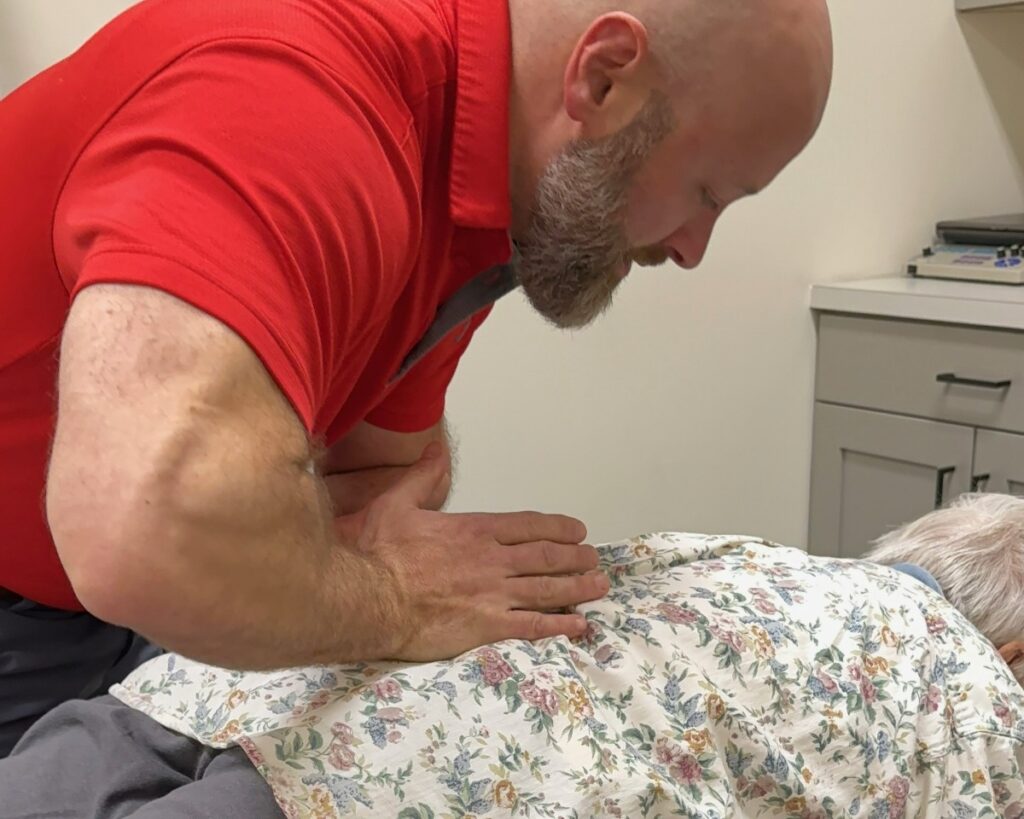
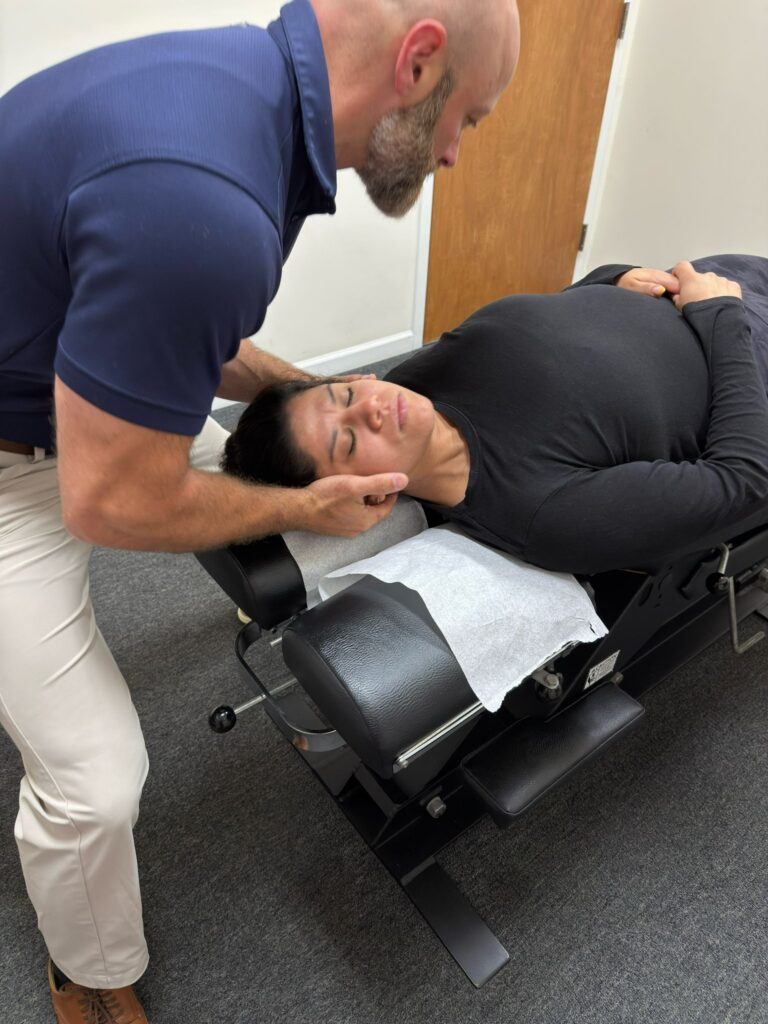
Chiropractic care is one of the best ways to address low back pain naturally. By focusing on spinal health, we can help restore proper alignment, which often leads to reduced pain and improved mobility. Here are some effective methods that could make a real difference for you:
- Regular Chiropractic Adjustments: Regular visits to your chiropractor can help maintain spinal alignment and promote healing. These adjustments can relieve pressure on nerves and improve your body’s ability to function optimally.
- Posture Awareness: Being mindful of your posture throughout the day can prevent strain on your back. Whether sitting, standing, or lifting, maintaining a neutral spine position is essential for reducing stress on your lower back.
- Strengthening Exercises: Incorporating exercises that strengthen your core can support your spine and reduce the risk of injury. Simple activities like planks and bridges are great for building core stability.
- Stretching: Gentle stretches can alleviate tension in your back muscles. Focus on stretches that target the lower back, hips, and hamstrings to promote flexibility and reduce tightness.
- Heat and Ice Therapy: Applying heat can help relax tight muscles, while ice can reduce inflammation. Alternating between the two can be an effective way to manage pain.
- Ergonomic Adjustments: If you spend long hours sitting, ensure your workspace is ergonomically friendly. Use chairs that support your lower back and position your computer screen at eye level.
- Stay Active: Regular physical activity is crucial for maintaining a healthy back. Aim for low-impact activities like walking, swimming, or biking, which can keep you moving without putting too much strain on your back.
- Mindfulness and Relaxation Techniques: Stress can contribute to muscle tension, which may exacerbate back pain. Techniques such as deep breathing, meditation, or yoga can help you relax and manage discomfort.
- Healthy Weight Management: Maintaining a healthy weight reduces the strain on your spine and lower back. A balanced diet and regular exercise can help you achieve and maintain a healthy weight.
- Listen to Your Body: Pay attention to your body’s signals. If something doesn’t feel right, don’t push through the pain. Consult with your chiropractor to ensure your treatment plan aligns with your body’s needs.
By taking these steps and prioritizing your spinal health through chiropractic care, you can pave the way for a pain-free and healthier life. Remember, you don’t have to navigate low back pain alone—reach out to your local chiropractor for guidance and support on your journey to wellness!
Key Takeaways
- Maintain good posture while sitting and standing to minimize strain on your spine. This simple adjustment can help prevent discomfort and is a fundamental principle in chiropractic care for maintaining spinal health.
- Incorporate regular stretching and flexibility exercises into your routine. These practices can alleviate tension in the lower back and enhance mobility. Remember, chiropractic care can guide you in finding the best stretches tailored to your needs.
- Invest in ergonomic furniture that supports proper spinal alignment. This can significantly reduce fatigue during prolonged sitting, allowing your body to function optimally. A chiropractor can also recommend specific adjustments to your workspace to further enhance comfort.
- Focus on core strengthening exercises, such as planks and bridges. A strong core is vital for spinal stability and support, and your chiropractor can help you develop a personalized exercise plan that fits your lifestyle.
- Manage stress through relaxation techniques like deep breathing or yoga. These methods can be incredibly beneficial in reducing muscle tension in your back. Consider discussing these techniques with your chiropractor, who can provide additional resources and support for your journey to wellness.
By integrating these practices with chiropractic care, you can work towards achieving optimal health and alleviating low back pain naturally.
Understand the Root Causes of Your Pain
When you experience low back pain, understanding its root causes is crucial for effective relief, and chiropractic care can be a key player in your healing journey.
Common culprits of low back pain include poor posture, muscle strain, and lack of core stability. Take a moment to reflect on your daily habits, especially how much time you spend sitting—particularly if you find yourself hunched over a computer or phone. This can lead to muscle imbalances that contribute to discomfort.
Heavy lifting or sudden movements can also put stress on your back, so it’s important to be mindful of your lifting techniques. Instead of straining your back, engage your legs and keep the load close to your body. Additionally, emotional factors like stress and anxiety can result in physical tension, often manifesting as tightness in the lower back.
Sometimes, underlying issues such as herniated discs or arthritis can contribute to pain, which is why consulting a chiropractor is essential. A chiropractor can provide a comprehensive assessment of your spine and overall health, helping to identify any misalignments or areas of tension that may be causing your discomfort.
By understanding these factors and seeking chiropractic care, you can take targeted steps to alleviate pain and prevent its recurrence. Here are some general tips to enhance your wellness:
- Practice Good Posture: Be mindful of your posture while sitting, standing, and moving. Keep your shoulders back and your spine aligned.
- Strengthen Your Core: Incorporate exercises that target your core muscles, which support your spine and help prevent injury.
- Stay Active: Regular physical activity can improve your flexibility and strength, reducing the risk of back pain.
- Manage Stress: Engage in relaxation techniques such as deep breathing, yoga, or meditation to help reduce muscle tension.
- Stay Hydrated and Eat Well: Proper nutrition and hydration support overall health and can aid in recovery.
By understanding your body and its signals, and with the guidance of chiropractic care, you can make informed choices that lead to long-term relief and a healthier lifestyle.
Your journey to optimal health starts with taking care of your spine!
Incorporate Regular Stretching Into Your Routine
Incorporating regular stretching into your daily routine can significantly improve your spinal health and help alleviate low back pain. As a chiropractor, I can tell you that stretching enhances flexibility, reduces muscle tension, and boosts blood flow to your lower back, all of which are vital for easing discomfort. The great news is that you don’t need to dedicate hours to this practice; just a few minutes each day can lead to positive changes.
Targeting specific areas like your hamstrings, hip flexors, and lower back is essential. Simple stretches such as a gentle forward bend or a child’s pose can work wonders in relieving tightness. You might also find standing quadriceps stretches or seated twists beneficial for your overall mobility.
It’s important to listen to your body and avoid pushing yourself too hard—progress comes with patience. Making stretching a consistent part of your morning or evening routine can be a game-changer. By integrating these stretches into your life, you’ll not only feel better in the short term but also help prevent future back pain.
Strengthen Your Core Muscles
To effectively alleviate low back pain, strengthening your core muscles is essential. Your core acts as a natural support system for your spine, helping to maintain proper alignment and reduce strain on your back. This is where chiropractic care can make a significant difference, as a chiropractor can guide you in developing a strong core while ensuring your spine stays properly aligned.
Here are some effective exercises that you can easily incorporate into your routine to build core strength:
- Planks: Start by holding a plank position for 20-30 seconds. Focus on engaging your abdominal muscles. This exercise not only strengthens your core but also promotes spinal stability.
- Bridges: Lie on your back with your knees bent. Lift your hips off the ground while squeezing your glutes. This move helps strengthen the lower back and pelvis, key areas that support your spine.
- Bird-Dogs: Get on all fours and extend one arm and the opposite leg at the same time, keeping your back straight. This exercise enhances coordination and balance, which are vital for spinal health.
- Dead Bugs: Lie on your back with your arms extended toward the ceiling. Alternate lowering opposite arms and legs. This movement engages your core without putting too much pressure on your back.
Incorporating these exercises can lead to a strong core, resulting in improved stability and a reduction in low back pain. Remember, it’s important to start slow and gradually increase the intensity as your strength improves. Regular chiropractic adjustments can enhance your progress by ensuring your spine is aligned, making your core exercises more effective.
In addition to exercising, maintain a healthy lifestyle by staying active, practicing good posture, and managing stress. These simple changes can greatly contribute to your overall well-being and pain relief.
Practice Good Posture
Practicing good posture is crucial for maintaining a healthy spine and alleviating low back pain. As a chiropractor, I can’t stress enough the importance of proper alignment in our daily lives.
One of the best ways to support your body is by creating an ergonomic workstation tailored to your needs. This means adjusting your chair, desk, and computer setup to encourage a neutral spine position.
In addition to setting up your workspace, incorporating stretching and strengthening exercises into your routine can greatly enhance your spinal health. Simple stretches, like neck rolls and back extensions, can relieve tension and improve flexibility.
Strengthening your core muscles will provide better support for your spine, helping to prevent discomfort.
Remember, chiropractic care is an excellent option for maintaining optimal health and addressing pain naturally. Regular adjustments can help keep your spine aligned, reducing the risk of pain and improving your overall well-being.
Importance of Alignment
Good alignment is crucial for maintaining a healthy back and preventing discomfort. As a chiropractor, I want to emphasize that practicing good posture not only helps you look confident but also plays a vital role in protecting your spine and overall health.
Here are some simple tips to improve your alignment and promote your wellness naturally:
- Keep Your Shoulders Back and Relaxed: This helps to open up your chest and allows for better breathing, which is essential for overall health.
- Align Your Ears with Your Shoulders: This simple adjustment can minimize strain on your neck and prevent discomfort. Remember, a strong neck supports a healthy spine.
- Engage Your Core Muscles: Strengthening your core is key to supporting your lower back. This not only helps improve posture but can also reduce the risk of back pain.
- Distribute Your Weight Evenly on Both Feet When Standing: This can help prevent unnecessary strain on one side of your body, leading to better balance and less discomfort.
Incorporating these strategies into your daily routine can lead to significant improvements in your posture and overall well-being.
Remember, chiropractic care is an excellent way to achieve optimal health and address any underlying issues you may have. If you’re experiencing discomfort, consider visiting a chiropractor who can tailor a treatment plan just for you.
Your journey to a healthier spine starts with good alignment!
Ergonomic Workstation Setup
Creating an ergonomic workstation is vital for supporting your spine and preventing discomfort during those long hours at your desk. As a chiropractor, I want to emphasize how crucial it’s to maintain good posture for your overall health and wellness.
Start by adjusting your chair so that your feet rest flat on the floor, with your knees bent at a comfortable 90-degree angle. It’s important that your back is well-supported by the chair’s lumbar curve, which helps maintain the natural curve of your spine.
Next, position your computer screen at eye level. This will help you avoid straining your neck, as you shouldn’t have to tilt your head up or down to see your screen. Keeping your keyboard and mouse close is equally important; they should be positioned so that your elbows can stay at your sides and bent at about 90 degrees.
I recommend taking short breaks every hour to stand, stretch, and give your spine a little movement. This can greatly help in reducing tension and preventing pain. Remember, these small adjustments can significantly enhance your comfort and productivity.
Incorporating chiropractic care into your routine can further support your journey to optimal health. Regular adjustments can help keep your spine aligned, reduce discomfort, and promote overall wellness. By making these ergonomic changes and considering chiropractic care, you’re taking a big step towards a healthier and more productive work life.
Stretching and Strengthening Exercises
As a local chiropractor, I want to emphasize the importance of maintaining proper posture at your workstation, as it plays a crucial role in preventing and alleviating low back pain.
When you sit or stand with the right alignment, you provide essential support to your spine and minimize strain on your muscles.
Incorporating specific stretching and strengthening exercises into your daily routine can enhance your posture and fortify your core, which are vital components for a healthy back.
Here are some effective exercises that can help you on your journey to better spinal health:
- Cat-Cow Stretch: This gentle movement not only increases flexibility in your spine but also promotes blood flow, which is beneficial for healing and overall wellness.
- Planks: By engaging your core and back muscles, planks help build strength that supports your spine. A strong core is key to preventing injuries and maintaining a healthy back.
- Child’s Pose: This soothing stretch helps relieve tension in your lower back, allowing for relaxation and a release of tightness that can accumulate from daily activities.
- Seated Forward Bend: This stretch targets your hamstrings and lower back, promoting flexibility and alleviating discomfort. It’s a simple yet effective way to ease tension from sitting for extended periods.
Remember, regular chiropractic care can play a significant role in enhancing your posture and overall well-being.
As you incorporate these exercises, consider visiting your chiropractor for personalized guidance and support on your journey to optimal health.
Together, we can work towards a pain-free life and a healthier you!
Utilize Heat and Cold Therapy
When it comes to finding relief from low back pain, incorporating heat and cold therapy into your routine can be remarkably beneficial. As a chiropractor, I often recommend these natural methods to help alleviate discomfort without the need for medications or invasive procedures.
Heat therapy is fantastic for relaxing tight muscles and enhancing blood flow to the affected area. Applying a warm compress or heating pad can help soothe your muscles, making it easier to move and function throughout your day. On the other hand, cold therapy is effective for reducing inflammation and numbing sharp pain. Using an ice pack or a cold compress can provide relief after any activity that may aggravate your back pain.
Understanding when to use each method is crucial. For muscle tension and stiffness, heat is your best friend. In contrast, if you experience swelling or acute pain, cold therapy is the way to go. Alternating between heat and cold can also be a great approach, as it allows you to tackle both muscle relaxation and inflammation effectively.
In addition to these therapies, regular chiropractic care can play a vital role in your journey toward optimal health. A chiropractor can assess your spinal health, identify any underlying issues, and provide tailored treatments to promote healing and prevent future discomfort.
Benefits of Heat Therapy
As a local chiropractor, I understand how challenging low back pain can be, and I want to share some effective ways to find relief naturally. One approach that many people find beneficial is heat therapy. Applying heat can work wonders by soothing tense muscles and enhancing blood circulation, which aids in the healing process. Whether you use a heating pad, take a warm bath, or hold a hot water bottle, the gentle warmth penetrates deep into your muscles and tissues, offering a comforting sensation.
Here are some key benefits of incorporating heat therapy into your routine for managing low back pain:
- Reduces muscle stiffness: The warmth helps your muscles relax, making it easier to move and reducing tension.
- Enhances flexibility: Improved blood flow from heat application allows for greater range of motion.
- Alleviates pain: Heat can dull pain sensations, offering much-needed comfort during flare-ups.
- Promotes relaxation: The soothing effects of heat can help lower stress and anxiety levels, which are often linked to chronic pain.
While heat therapy is a fantastic tool, it’s important to remember that regular chiropractic care can also play a vital role in your overall wellness. By addressing the root causes of your low back pain, chiropractic adjustments can help restore proper alignment, improve mobility, and support your body’s natural healing processes.
For those looking to enhance their pain relief efforts, here are some additional tips:
- Stay active: Gentle movements and stretches can keep your muscles engaged, preventing stiffness.
- Practice good posture: Proper alignment while sitting, standing, and lifting can help reduce strain on your back.
- Stay hydrated: Drinking plenty of water supports overall health and can prevent muscle cramps.
Cold Therapy Techniques
While heat therapy is often highlighted for managing low back pain, I want to emphasize the significant benefits of cold therapy as well. Applying a cold pack or ice wrapped in a cloth to your lower back can effectively reduce inflammation and numb discomfort. For optimal results, aim for 15-20 minutes of cold therapy, and make sure to let your skin warm up between sessions to prevent any adverse effects.
You can easily use gel packs, frozen vegetables, or even ice cubes, but always remember to protect your skin by avoiding direct contact to prevent frostbite. Cold therapy is particularly beneficial after physical activities or if you’ve overexerted yourself.
Incorporating cold therapy into your routine can complement your overall wellness strategy, particularly when paired with chiropractic care. Regular chiropractic adjustments can help address the underlying issues contributing to your pain, promoting better spinal health and aiding in natural healing. By combining cold therapy with chiropractic care, you can create a balanced approach to alleviating low back pain effectively and support your journey toward optimal health.
When to Alternate
Alternating between heat and cold therapy can significantly enhance your recovery from low back pain, and as your local chiropractor, I’m here to guide you on how to use these techniques effectively. Here’s a simple breakdown of when to switch between heat and cold:
- Acute Pain: If you’ve just experienced an injury, start with cold therapy. This helps reduce swelling and numbs the painful area, providing immediate relief. Remember, cold packs are your friend right after an injury!
- Muscle Tightness: If you’re dealing with ongoing discomfort, applying heat can be a great way to relax those tense muscles and improve blood flow. It helps to soothe the area and can make a big difference in how you feel.
- During Recovery: After a few days, as you start to heal, you can alternate between heat and cold. This combination can help manage pain and promote healing. It’s a natural way to support your body’s recovery process.
- Before Activity: If you’re planning to engage in physical activity, use heat to warm up your muscles first. This prepares your body for movement. Afterward, applying cold can help minimize any inflammation and keep you feeling good.
Incorporating chiropractic care into your routine can also be incredibly beneficial for pain relief and overall wellness. Regular adjustments can improve your spinal health, alleviate pain, and enhance your body’s natural healing processes.
Explore Physical Therapy Options
When facing low back pain, exploring chiropractic care can truly transform your journey to wellness. A skilled chiropractor can evaluate your specific condition and develop a personalized treatment plan. This often involves spinal adjustments, exercises to strengthen your core, and techniques to improve your posture.
Here’s a quick overview of common chiropractic techniques:
| Technique | Purpose | Benefits |
|---|---|---|
| Spinal Adjustment | Realigns the spine and joints | Reduces pain and improves function |
| Therapeutic Exercises | Strengthens muscles and improves flexibility | Enhances mobility and supports recovery |
| Posture Correction | Teaches proper body mechanics | Lowers the risk of future injuries |
Consider scheduling a visit with a chiropractor to discuss your symptoms and wellness goals. With the right guidance, you can take proactive steps to alleviate your pain naturally and regain control over your life. Remember, maintaining good posture, staying active, and incorporating gentle stretches into your daily routine can also contribute to your overall well-being.
Don’t wait—start your journey to optimal health today with chiropractic care!
Invest in Ergonomic Furniture
If you’re spending long hours at a desk, investing in ergonomic furniture is crucial for your spinal health and overall well-being. Ergonomic chairs are designed to support your posture, helping to maintain the natural curve of your spine and reduce strain on your back. Similarly, using a desk at the right height ensures that your spine stays aligned, which can help prevent discomfort and pain.
In addition to choosing the right furniture, consider incorporating accessories that further enhance your comfort. Items like lumbar support cushions and footrests can provide additional support, allowing you to maintain a healthy posture throughout the day.
Remember, chiropractic care is an excellent way to achieve optimal health and alleviate any pain that may arise from poor desk setup or prolonged sitting. Regular visits to your chiropractor can help ensure your spine remains in alignment, thus promoting natural healing and wellness.
To supplement your ergonomic setup, here are some general tips you can easily incorporate into your daily routine:
- Take breaks every hour to stand up, stretch, and walk around. This can help relieve tension and improve circulation.
- Practice good posture by keeping your feet flat on the floor, shoulders relaxed, and wrists straight while typing.
- Consider setting reminders to check your posture and adjust your workspace as needed.
Benefits of Ergonomic Chairs
Investing in ergonomic chairs can significantly enhance your workspace and help alleviate low back pain, a common issue that many of my patients face.
These specially designed chairs are crafted to support your body’s natural posture, ensuring comfort even during long hours of sitting.
Here are some key benefits you’ll enjoy when you make this important switch:
- Improved Posture: Ergonomic chairs are designed to promote healthy spine alignment. This reduces strain on your back and helps prevent misalignments that can lead to discomfort and pain. Remember, a well-aligned spine is essential for overall health.
- Enhanced Comfort: With features like adjustable seat height, lumbar support, and armrests, you can easily customize the chair to meet your individual needs. This personalized comfort allows you to focus better on your tasks without the distraction of discomfort.
- Reduced Fatigue: Proper support is crucial for minimizing discomfort. When your body is well-supported, you’re less likely to experience fatigue, which can lead to a more productive day. Keeping your spine in its natural position can also help maintain your energy levels throughout the day.
- Increased Productivity: A comfortable workspace helps with concentration and efficiency, leading to improved work performance. When you’re not distracted by pain, you can focus on what really matters: your work and your health.
In addition to investing in an ergonomic chair, consider incorporating regular chiropractic care into your wellness routine.
Chiropractic adjustments can help maintain proper spinal alignment and address any underlying issues that may contribute to discomfort.
Here are some additional tips to enhance your comfort and well-being while working:
- Take Regular Breaks: Stand up, stretch, and walk around every hour to keep your body moving and promote circulation.
- Practice Good Posture: Be mindful of your sitting posture. Keep your feet flat on the ground, your knees at a 90-degree angle, and your shoulders relaxed.
- Stay Hydrated: Drinking enough water throughout the day can help keep your muscles and joints functioning optimally.
- Engage in Regular Exercise: Incorporating exercise into your routine can strengthen the muscles that support your spine, improving your overall health and reducing pain.
By making these changes, you can enhance your comfort and well-being while supporting your spine’s health.
Embrace the benefits of ergonomic chairs and chiropractic care, and start your journey toward a more comfortable, healthier life today!
Importance of Desk Height
Maintaining the right desk height is not just about comfort; it plays a vital role in your overall health and wellness. When your desk is positioned incorrectly, it can lead to unnecessary strain on your neck, shoulders, and back, potentially worsening any existing discomfort. As a chiropractor, I emphasize the importance of an ergonomic workspace for promoting proper posture and reducing the risk of pain.
Here’s a simple guide to help you determine the ideal desk height based on your height. This can make a significant difference in your daily comfort and help prevent musculoskeletal issues:
| Height (inches) | User Height (feet) | Description |
|---|---|---|
| 26-29 | 4’10” – 5’2″ | Shorter individuals |
| 28-31 | 5’3″ – 5’7″ | Average height |
| 30-34 | 5’8″ – 6’0″ | Taller individuals |
| 32-36 | 6’1″ and above | Very tall individuals |
Investing in an adjustable desk can be a game-changer for your comfort. It allows you to modify the height to fit your body, promoting better posture and reducing strain.
Additionally, here are some general tips for creating a healthier workspace:
- Chair Support: Use a chair that supports your lower back. Consider using a lumbar roll if needed.
- Monitor Height: Your computer screen should be at eye level to prevent neck strain.
- Foot Placement: Keep your feet flat on the ground or on a footrest to maintain proper alignment.
- Take Breaks: Regularly stand up, stretch, and move around to keep your muscles engaged.
- Stay Hydrated: Keeping water nearby can remind you to take breaks and stay healthy.
Accessories for Comfort Support
Creating a comfortable workspace is essential for maintaining your spinal health and overall well-being. It’s not just about having a desk at the right height; the right accessories can significantly enhance your comfort and support. As a chiropractor, I highly recommend investing in ergonomic furniture and accessories that promote proper posture and help alleviate strain on your back. Here are some vital items to consider for a healthier workspace:
- Ergonomic chair: This type of chair is designed to support your spine and encourage good posture, reducing the risk of back pain. Look for one that has adjustable height and lumbar support to fit your body properly.
- Footrest: Using a footrest can help keep your feet flat on the ground, promoting better circulation and reducing pressure on your lower back. It’s a simple yet effective way to enhance your comfort while sitting for long periods.
- Monitor stand: Positioning your screen at eye level is crucial to preventing neck strain. A monitor stand can help you maintain a neutral neck position, which is essential for spinal health.
- Lumbar support: Adding lumbar support to your chair can provide extra cushioning for your lower back. This support encourages the natural curve of your spine, which is important for maintaining proper alignment.
In addition to these accessories, remember to take regular breaks to stand, stretch, and move around.
This helps to keep your spine healthy and reduces the risk of discomfort. Also, practicing good posture while sitting and standing can significantly impact your spinal health. If you’re experiencing pain or discomfort, consider visiting a chiropractor for personalized care and guidance on achieving optimal health through natural healing methods.
Your spine deserves the best care, and chiropractic is here to help you live a pain-free, healthier life.
Maintain a Healthy Weight
Carrying extra weight can place unnecessary strain on your lower back, often leading to pain and discomfort. By maintaining a healthy weight, you can significantly reduce the pressure on your spine and the surrounding muscles, which not only helps alleviate existing pain but also prevents future issues.
To achieve a healthier weight, start with a balanced diet that emphasizes whole foods—think colorful fruits and vegetables, lean proteins, and whole grains. These foods nourish your body and can support optimal spinal health. Additionally, incorporating regular physical activity is essential; aim for at least 150 minutes of moderate exercise each week. Simple activities like walking, swimming, or cycling not only help you burn calories but also strengthen your core muscles, which play a crucial role in supporting your back.
Being mindful of portion sizes is important, too. Consider reducing your intake of processed foods and sugary beverages, which can lead to unnecessary weight gain. By making these small, manageable changes, you can commit to a healthier lifestyle that benefits your back and enhances your overall well-being.
Consider Alternative Therapies
Exploring alternative therapies can be a game-changer in your journey to overcome low back pain. While there are various options available, chiropractic care stands out as one of the most effective and natural ways to achieve optimal health and wellness. Here are some reasons why chiropractic care should be your go-to choice, along with additional tips to support your healing process:
- Chiropractic Care: This is the cornerstone of your recovery. A chiropractor focuses on realigning your spine and optimizing your body’s function. By addressing misalignments, you can improve mobility, reduce discomfort, and promote overall well-being. Regular adjustments can help maintain your spine’s health and prevent future issues.
- Acupuncture: While chiropractic care is your primary focus, acupuncture can be a beneficial complementary therapy. This ancient practice involves inserting thin needles into specific points on your body, which may promote pain relief and healing.
- Massage Therapy: Therapeutic massage can be a great addition to your wellness routine. It helps ease muscle tension and enhances circulation, providing relief from tightness in your back. Consider scheduling a massage after your chiropractic adjustments to maximize your results.
- Herbal Remedies: Incorporating natural anti-inflammatory herbs like turmeric and ginger into your diet can support your healing. These can be enjoyed as supplements or in teas and may help alleviate pain in conjunction with your chiropractic care.
General Tips for Managing Low Back Pain:
- Stay Active: Gentle exercises and stretches can keep your back muscles strong and flexible. Consult with your chiropractor for specific exercises tailored to your needs.
- Posture Matters: Maintain good posture whether sitting or standing. Proper alignment can help reduce strain on your back.
- Heat and Cold Therapy: Using a heating pad or ice pack can provide immediate relief. Heat relaxes tight muscles, while cold can reduce inflammation.
- Listen to Your Body: Pay attention to how your back feels. If certain activities cause pain, adjust your routine accordingly.
By prioritizing chiropractic care and integrating these tips into your daily life, you can take significant strides toward relieving your low back pain and achieving lasting wellness.
Stay Active and Engage in Low-Impact Exercises
Staying active through low-impact exercises is crucial for effectively managing low back pain, and as your local chiropractor, I want to emphasize the importance of this approach. Engaging in activities like walking, swimming, or cycling not only strengthens your core muscles but also offers vital support for your spine. These exercises enhance flexibility and boost circulation, which can significantly alleviate discomfort and stiffness in your back.
It’s important to ease into your exercise routine. Start with short sessions, and as your body becomes accustomed to the activity, gradually increase the duration. Always listen to your body; if something doesn’t feel right, it’s perfectly okay to stop and make adjustments. Incorporating gentle stretches can also provide relief, helping to ease tension in your back and improve your overall mobility.
I recommend aiming for at least 30 minutes of low-impact exercise most days of the week. Not only will you likely notice a reduction in pain, but you’ll also enjoy the mental lift that comes from staying active. Remember, consistency is key to achieving long-term relief from low back pain.
In addition to exercise, regular chiropractic care can play a vital role in your path to wellness. A chiropractor can help address misalignments in your spine, which may be contributing to your discomfort. By integrating chiropractic adjustments with your low-impact exercise routine, you can promote better spinal health and enhance your overall well-being. Prioritizing natural methods like these will support your journey towards optimal health and provide you with lasting relief.
Conclusion
As your local chiropractor, I’m here to share 10 secret steps to help you alleviate low back pain and enhance your overall well-being through natural methods. Understanding the root causes of your pain is crucial, and chiropractic care is a great starting point. Regular spinal adjustments can help restore proper alignment, which is essential for alleviating discomfort.
Incorporating regular stretching into your routine is vital. Simple stretches can greatly improve your flexibility and reduce tension in your back. Additionally, strengthening your core muscles supports your spine, making it more resilient to pain. I often recommend exercises that focus on the abdominal and back muscles.
Maintaining good posture is another key element in preventing and relieving low back pain. Consider using ergonomic furniture to support your spine while you work or relax. This can make a significant difference in how you feel throughout the day.
Heat and cold therapy can also provide relief. Applying a warm compress or an ice pack can soothe sore areas and reduce inflammation. Remember to listen to your body and find what works best for you.
Maintaining a healthy weight is important, as excess weight can put additional strain on your back. Staying active with low-impact exercises, like walking or swimming, can help you manage your weight while also promoting overall health.
By consistently combining these habits with chiropractic care, you can achieve lasting relief and improve your quality of life. Remember, a healthier, happier you is within reach! If you have any questions or need personalized advice, feel free to reach out. Your journey to wellness starts here!