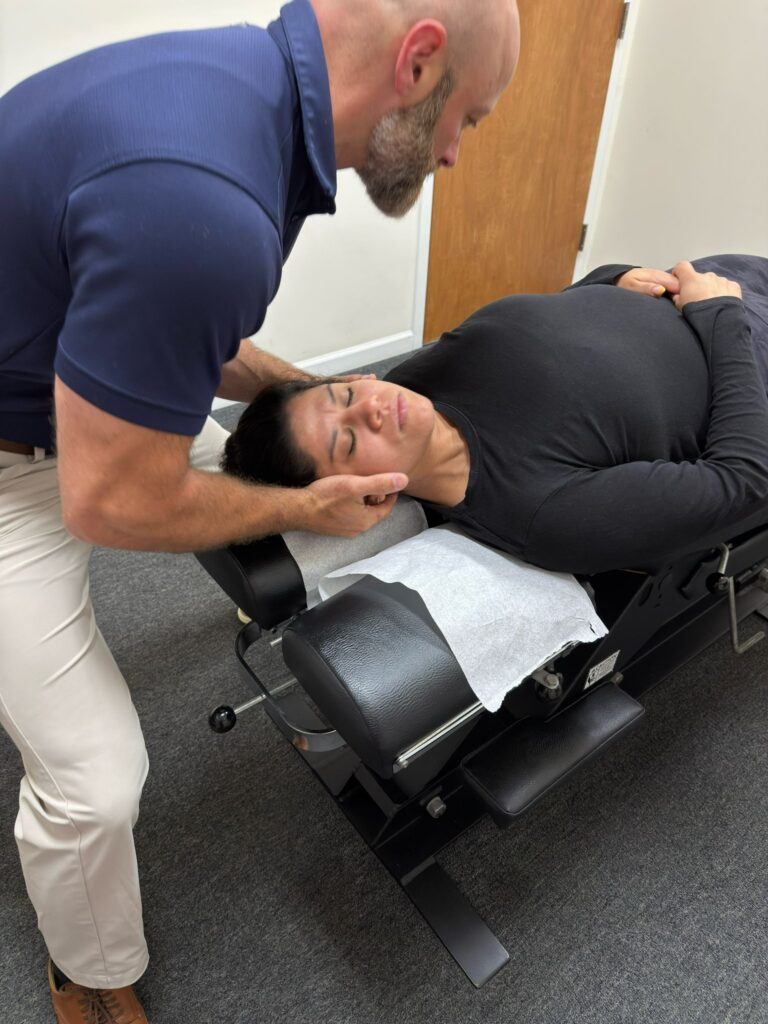

Headaches can be quite a nuisance, often impacting your daily activities and overall well-being. There are several types of headaches, each with its own set of triggers and symptoms. From the tension and tightness of tension headaches to the intense, throbbing pain of migraines, these conditions can really take a toll on your life. Thankfully, chiropractic care offers a natural and effective approach to managing these headaches, including cluster and sinus headaches.
Chiropractors specialize in understanding how your spine and nervous system work together to influence your overall health. By correcting misalignments in the spine, we can alleviate the tension that contributes to various headache types. Here’s a closer look at how chiropractic care can help with each type of headache:
- Tension Headaches: Often caused by stress and muscle tightness, tension headaches can be relieved through spinal adjustments that reduce tension in the neck and upper back. Regular chiropractic sessions can help keep your muscles relaxed and your spine aligned.
- Migraines: These can be debilitating, but chiropractic adjustments can help by improving blood flow and reducing nerve irritability. Coupled with lifestyle tips such as staying hydrated and managing stress, chiropractic care can be a powerful ally.
- Cluster Headaches: While these headaches can be severe, chiropractic care can assist by addressing potential triggers related to the spine and nervous system, helping to reduce their frequency and intensity.
- Sinus Headaches: By promoting proper alignment, chiropractic adjustments can help improve drainage in the sinuses, potentially providing relief from sinus headaches.
- Hormonal Headaches: Fluctuations in hormones can trigger headaches for some individuals. Chiropractic care can help support your body’s natural balance through spinal health, which may help reduce the occurrence of these headaches.
- Cervicogenic Headaches: These are caused by issues in the neck and can often be treated effectively with chiropractic adjustments that target the cervical spine.
- Rebound Headaches: If you find yourself relying on over-the-counter pain relievers, chiropractic care can help break the cycle by addressing the underlying issues rather than masking the symptoms.
In addition to chiropractic adjustments, there are several general tips you can incorporate into your routine to help manage headaches naturally. Staying well-hydrated, maintaining good posture, practicing stress-reduction techniques like yoga or meditation, and ensuring you get enough rest can all contribute to reducing headache frequency and intensity.
By choosing chiropractic care, you’re opting for a holistic approach to health and wellness that prioritizes natural healing and long-term relief from headaches. Let’s work together to create a healthier, headache-free life!
Key Takeaways
As a local chiropractor, I want to share some valuable insights on how chiropractic care can be an effective solution for various types of headaches. By focusing on spinal health and natural healing, we can help you achieve optimal wellness and relief from pain.
- Tension Headaches: These headaches often stem from muscle tension and poor posture. Through gentle spinal adjustments, we can help release that tension and encourage better posture, leading to significant relief. Remember to take regular breaks from screens and practice relaxation techniques, such as deep breathing, to further aid in reducing tension.
- Migraines: Chiropractic care can be a game-changer for managing migraines. By focusing on spinal alignment and the nervous system’s function, we can help alleviate migraine symptoms. Incorporating a healthy diet, staying hydrated, and managing stress levels can also contribute to reducing the frequency of migraines.
- Cluster Headaches: These headaches can be intense, but chiropractic adjustments can help restore spinal balance and alleviate symptoms. Additionally, incorporating stress management techniques, such as meditation or yoga, can be beneficial in reducing the occurrence of cluster headaches.
- Cervicogenic Headaches: Originating from neck issues, these headaches can be effectively treated through chiropractic adjustments that enhance neck mobility and reduce pain. Simple neck stretches and maintaining good posture can also help prevent these headaches from recurring.
- Sinus Headaches: Chiropractic adjustments can improve sinus health by reducing inflammation and congestion. In addition to regular chiropractic visits, using a humidifier and staying hydrated can support your sinus health and help alleviate sinus headaches.
By prioritizing chiropractic care, you can embrace a natural approach to pain relief and overall wellness. Remember to maintain a healthy lifestyle that includes regular exercise, a balanced diet, and stress management techniques to further enhance your health. Your journey to optimal wellness starts here!
Tension Headaches
Tension headaches can be a frustrating experience, especially when stress accumulates throughout your day. You may notice a tightness or pressure around your forehead, temples, or the back of your head. These headaches often arise from muscle tension in your neck and shoulders, typically triggered by stress, poor posture, or long hours spent at a desk.
As a chiropractor, I want to emphasize that chiropractic care is one of the most effective ways to address the root causes of tension headaches. Through regular chiropractic adjustments, we can relieve muscle tension and enhance spinal alignment, which may help to reduce both the frequency and severity of your headaches.
By focusing on the spine and surrounding muscles, we can promote natural healing and restore balance to your body.
In addition to chiropractic care, there are several simple practices you can incorporate into your daily routine to further alleviate discomfort. Consider engaging in relaxation techniques such as deep breathing exercises, gentle stretching, or yoga, which can complement your chiropractic treatments and help manage stress.
It’s also essential to stay hydrated, take regular breaks while working, and maintain good posture to minimize headache triggers. By addressing these underlying issues and embracing healthier habits, you can effectively manage tension headaches and enhance your overall well-being.
Migraines
Migraines can be incredibly challenging to cope with, often bringing along symptoms such as nausea, sensitivity to light, and intense pain. As a local chiropractor, I want to share how chiropractic care can be a powerful ally in managing these headaches and enhancing your overall quality of life.
Chiropractic treatment focuses on the health of your spine and nervous system, which play crucial roles in how your body functions. By addressing misalignments in the spine, chiropractors can help restore proper communication between your brain and body, potentially reducing the frequency and severity of migraines.
In addition to chiropractic adjustments, there are several natural strategies you can incorporate into your daily routine to help prevent migraines:
- Stay Hydrated: Dehydration can trigger migraines, so aim to drink plenty of water throughout the day.
- Maintain a Regular Sleep Schedule: Consistent sleep patterns can help reduce the occurrence of migraines. Try to go to bed and wake up at the same time each day.
- Manage Stress: Stress is a common trigger for migraines. Techniques such as deep breathing exercises, yoga, or meditation can be beneficial.
- Nutrition Matters: Keeping a balanced diet and avoiding known food triggers can make a significant difference. Common triggers may include aged cheeses, processed meats, and alcohol.
- Regular Chiropractic Visits: Regular adjustments can help maintain spinal health and reduce tension that may contribute to migraine episodes.
By choosing chiropractic care, you’re opting for a natural, holistic approach to health that can lead to lasting relief from migraines and other discomforts.
If you’re struggling with migraines, consider making an appointment to explore how chiropractic care can support your journey toward optimal health. Together, we can work on strategies tailored specifically for you, helping you feel your best every day.
Migraine Symptoms Overview
What do you know about the symptoms of migraines? Many individuals experience intense throbbing or pulsing pain on one side of the head, which can last anywhere from a few hours to several days. This pain is often accompanied by nausea, vomiting, and heightened sensitivity to light or sound.
Some people may notice visual disturbances, like flashes of light or blind spots, known as aura, before the headache begins. During an attack, you might find it challenging to concentrate or feel unusually fatigued.
Recognizing these symptoms early is crucial for managing migraines effectively. It’s important to be aware that various factors can trigger migraines, including stress, certain foods, hormonal changes, and lack of sleep.
As a chiropractor, I believe in the power of natural healing and the body’s ability to restore balance. Chiropractic care can play a significant role in helping to alleviate migraine symptoms by improving spinal alignment and reducing tension in the body.
Regular chiropractic adjustments can enhance your overall well-being and help you cope better with migraine triggers.
In addition to seeking chiropractic care, here are some general tips to help manage migraines:
- Stay Hydrated: Ensure you’re drinking enough water throughout the day, as dehydration can be a trigger.
- Maintain a Regular Sleep Schedule: Aim for consistent sleep patterns to help your body stay balanced.
- Identify Triggers: Keep a diary to track what might be causing your migraines, whether it’s certain foods, stress, or lack of sleep.
- Practice Relaxation Techniques: Incorporate stress-reducing practices such as deep breathing exercises, yoga, or meditation into your daily routine.
- Limit Screen Time: Take regular breaks from screens to reduce eye strain and tension.
Chiropractic Treatment Options
Migraines can be incredibly debilitating, and while many individuals turn to medication for relief, chiropractic care offers a natural and effective alternative that focuses on your overall health and wellness.
As a chiropractor, I emphasize the importance of spinal alignment in supporting the nervous system and enhancing your body’s function. By gently adjusting your spine, we can help reduce tension and improve blood circulation, which may lead to fewer and less intense migraine episodes.
In addition to spinal adjustments, we often incorporate massage therapy and other techniques to relieve muscle tightness and promote relaxation. A thorough assessment of your posture, lifestyle choices, and potential migraine triggers is also essential.
By understanding these factors, we can create a personalized plan to better manage your symptoms and enhance your quality of life.
I encourage you to embrace regular chiropractic visits as part of your health routine. Not only can they provide relief from migraines, but they can also support your overall well-being.
If you’re looking to break free from the cycle of medication, consider the powerful benefits of chiropractic care for natural healing.
Here are some simple tips you can incorporate into your daily life to support your health and potentially reduce migraine triggers:
- Stay hydrated: Drink plenty of water throughout the day.
- Maintain good posture: Be mindful of your posture while sitting, standing, and using devices.
- Manage stress: Engage in relaxation techniques such as deep breathing, meditation, or yoga.
- Get enough sleep: Establish a regular sleep schedule to ensure you’re well-rested.
- Identify triggers: Keep a journal to track your migraines and identify patterns or triggers that you can address.
By focusing on these practices and exploring chiropractic care, you can take significant steps towards achieving optimal health and improved migraine management.
Your journey to wellness starts here!
Prevention Strategies Discussed
Understanding how to prevent migraines can significantly enhance your quality of life, and chiropractic care plays a crucial role in this process. Start by identifying your triggers; these could be specific foods, stress, or changes in sleep patterns. Keeping a headache diary can help you track what influences your migraines, making it easier to address them.
Staying hydrated is essential, so aim to drink plenty of water throughout the day. Regular exercise is also beneficial; it helps reduce stress and improve your overall well-being. Just be sure not to overexert yourself—moderation is key.
Establishing a consistent sleep routine is vital for ensuring you get enough rest each night. Additionally, practicing relaxation techniques such as deep breathing or yoga can help manage stress levels effectively.
Chiropractic care is an excellent option for migraine prevention. Regular adjustments can help keep your spine aligned and relieve tension that may contribute to headaches. Consult your chiropractor about preventive adjustments and treatments tailored to your individual needs.
This natural approach can considerably reduce the frequency and intensity of your migraines, leading to a healthier, more balanced life.
Cluster Headaches
Have you ever faced the intense and debilitating pain of cluster headaches? These headaches are often regarded as some of the most severe, striking suddenly and with great intensity. You may find yourself caught in a cycle of sharp pain, typically around one eye or your temple, lasting anywhere from 15 minutes to three hours.
When a cluster headache strikes, you might experience:
- A searing, burning pain that feels like a knife in your eye.
- Red, watery eyes or a runny nose on the affected side.
- A sense of restlessness or agitation that makes it difficult to stay still.
While it can be overwhelming, there’s hope for relief through chiropractic care. Chiropractors focus on spinal alignment and tension in the neck, which can play a significant role in headache management. By restoring balance to your body, chiropractic care aims to alleviate symptoms and reduce the frequency of cluster headaches, helping you regain control over your life.
Here are some helpful tips to consider for managing cluster headaches and promoting your overall well-being:
- Stay Hydrated: Drink plenty of water throughout the day to keep your body well-hydrated, which can help reduce the frequency of headaches.
- Practice Good Posture: Maintain proper posture, especially if you spend long hours sitting. This can help prevent tension in your neck and spine.
- Manage Stress: Engage in relaxation techniques such as deep breathing, meditation, or yoga to help reduce stress, which can trigger headaches.
- Regular Chiropractic Visits: Schedule regular check-ups with your chiropractor to maintain spinal health and address any misalignments that could contribute to headache pain.
If you’re suffering from cluster headaches, reaching out to a chiropractor may be a beneficial step toward achieving relief and enhancing your quality of life. Together, we can work towards your health and wellness goals naturally and effectively.
Cervicogenic Headaches
Cervicogenic headaches can be a challenging and painful experience, often originating from issues in the neck. You might feel this type of headache starting at the base of your skull, radiating to your forehead, temples, or even behind your eyes. These headaches can be triggered by neck movements or poor posture, leading to stiffness and discomfort.
As a chiropractor, I want to emphasize that you don’t have to suffer in silence. Chiropractic care is a natural and effective way to manage cervicogenic headaches. Through targeted spinal adjustments and therapeutic exercises, we can help relieve tension in your neck, improve your range of motion, and restore proper alignment. This holistic approach not only addresses the pain but also promotes overall wellness.
In addition to chiropractic treatments, adopting better ergonomic practices in your daily life can make a significant difference. Here are some simple tips to help prevent future headaches:
- Maintain good posture, especially when sitting for long periods.
- Take regular breaks to stretch your neck and shoulders.
- Stay hydrated, as dehydration can contribute to headache symptoms.
- Consider using supportive pillows and mattresses to ensure a good night’s sleep.
If you’re experiencing symptoms of cervicogenic headaches, I encourage you to consult with a chiropractor. We’ll assess your condition and create a personalized treatment plan tailored to your needs.
With the right care, you can regain control over your health and enjoy a life free from headaches. Remember, natural healing through chiropractic care isn’t just about alleviating pain; it’s about enhancing your overall well-being.
Sinus Headaches
Sinus headaches can be quite uncomfortable, often bringing about pressure and discomfort that can feel overwhelming. If you’re experiencing these symptoms along with nasal congestion, it’s essential to know that chiropractic care can offer you a natural and effective way to find relief.
Chiropractic treatment focuses on the alignment of your spine and overall body wellness, which can directly impact your sinus health. By ensuring that your nervous system is functioning optimally, you can help reduce inflammation and improve your body’s ability to fight off sinus issues. Regular adjustments may alleviate the pressure you feel and promote better drainage from your sinuses.
In addition to chiropractic care, there are simple techniques you can incorporate into your daily routine to help prevent sinus headaches. Staying hydrated is crucial; drinking plenty of water can thin mucus and help reduce congestion.
You may also want to consider using a humidifier in your home to keep the air moist, which can ease sinus pressure. Practicing good posture is another tip; it not only supports your spine but can also help with proper sinus drainage.
Regular exercise can boost your immune system and keep your body functioning well, further preventing sinus headaches.
Symptoms of Sinus Headaches
When you experience a sinus headache, it can be quite uncomfortable due to the inflammation and congestion in your sinus cavities. This often leads to pressure and discomfort that can affect your daily life.
Here are some common symptoms you might notice:
- Facial pain or pressure, especially around your forehead, cheeks, and eyes, can be quite bothersome.
- Nasal congestion can make it difficult to breathe freely through your nose.
- You may notice thick, discolored nasal discharge, which often appears yellow or green.
In addition to these symptoms, you might also feel fatigue and notice a decrease in your sense of smell or taste. These discomforts can linger, impacting your well-being.
Understanding these symptoms is important, but addressing the root cause of sinus headaches is crucial for long-term relief. Chiropractic care can be an effective natural solution to help alleviate the discomfort associated with sinus headaches.
By focusing on spinal alignment and overall body wellness, chiropractic adjustments may help reduce inflammation and improve sinus drainage.
Here are some general tips to manage sinus headaches:
- Stay Hydrated: Drinking plenty of fluids can help thin mucus and promote drainage.
- Use a Humidifier: Adding moisture to the air can ease nasal congestion and soothe irritated tissues.
- Practice Good Posture: Proper alignment can support better airflow and reduce tension in your neck and shoulders.
- Gentle Neck Stretches: Simple stretches can help relieve tension and improve circulation, which may alleviate some of the pressure you feel.
Remember, if you’re struggling with sinus headaches, consider reaching out to a chiropractor. They can provide personalized care to help you achieve optimal health and wellness naturally, without the need for medications or invasive procedures.
Your journey to feeling better may start with a simple adjustment!
Chiropractic Treatment Options
If you’re struggling with sinus headaches, chiropractic care can provide effective relief by targeting the root causes of your discomfort. Chiropractors specialize in spinal adjustments that enhance your body’s overall alignment, which can significantly improve sinus drainage and alleviate pressure.
By gently manipulating specific areas of your spine, we help restore proper function to your nervous system, which may ease inflammation and congestion. In addition to spinal adjustments, techniques like soft tissue therapy can relax tight muscles in your head and neck, further reducing pain.
We may also suggest gentle stretching exercises that promote flexibility and alleviate tension. These targeted chiropractic approaches can help reduce the frequency and intensity of your sinus headaches, allowing you to feel more comfortable and functional in your daily life.
Here are some additional tips you can incorporate into your routine to support your health and reduce sinus headaches:
- Stay Hydrated: Drinking plenty of water helps keep your sinuses moist and can facilitate drainage.
- Practice Good Posture: Maintaining proper posture can reduce strain on your neck and back, which may help minimize headaches.
- Apply Warm Compresses: Using a warm cloth on your face can help relieve sinus pressure and promote relaxation.
- Engage in Relaxation Techniques: Activities like yoga and meditation can reduce stress, which is a common headache trigger.
By choosing chiropractic care, you’re taking a proactive step towards natural wellness and achieving optimal health.
Prevention Techniques and Tips
To effectively prevent sinus headaches and promote overall wellness, it’s important to adopt habits that support your sinus health while also considering the benefits of chiropractic care. Here are some practical tips you can easily incorporate into your daily routine for better sinus health and overall well-being:
- Stay hydrated: Make sure to drink plenty of water throughout the day. Staying hydrated helps thin mucus, which can alleviate pressure in your sinuses. Proper hydration also supports your body’s natural healing processes.
- Manage allergies: If you know you have allergies that can worsen your sinus issues, take proactive steps to reduce your exposure. This could include using air purifiers in your home or keeping windows closed during high pollen seasons. Remember, maintaining a clean environment is key to supporting your sinuses.
- Practice good nasal hygiene: Regularly using saline nasal sprays or rinses can help keep your nasal passages clear and reduce inflammation. This simple practice can lead to significant relief and improved breathing.
- Consider chiropractic care: Regular visits to your chiropractor can help ensure your spine is aligned, which supports the overall function of your nervous system. An aligned spine can contribute to better sinus drainage and overall health.
Chiropractors can provide adjustments that may relieve tension and improve your body’s ability to heal naturally.
Rebound Headaches
As you navigate through managing your headaches, it’s important to be mindful of rebound headaches, which can arise when pain relief medications are used too often. These types of headaches can occur when you rely on medication too frequently, causing your body to become dependent on it for relief. Rather than alleviating your headache issues, these medications can trap you in a cycle of pain that’s tough to break.
You may notice that your headaches start happening more often or feel more intense. This is because overuse of medication can change how your brain functions, leading to a need for even more medication to find relief. If you think you might be experiencing rebound headaches, I encourage you to reach out to a chiropractor or healthcare professional for guidance. We can work together to create a personalized plan that focuses on reducing your reliance on medication safely and effectively.
Chiropractic care is a fantastic natural approach to address the root causes of your headaches. By focusing on spinal health and overall wellness, we can help alleviate tension and misalignments that might be contributing to your pain.
Here are some general tips to help you manage headaches naturally:
- Stay Hydrated: Dehydration can lead to headaches. Make sure you’re drinking plenty of water throughout the day.
- Maintain Good Posture: Poor posture can lead to tension in your neck and shoulders, triggering headaches. Be mindful of your posture, especially when sitting for long periods.
- Incorporate Stretching: Regular stretching can relieve tension in your muscles. Simple neck and shoulder stretches can be especially beneficial.
- Practice Relaxation Techniques: Stress can be a major headache trigger. Techniques like deep breathing, meditation, or yoga can help reduce stress levels.
- Get Regular Chiropractic Adjustments: Regular visits to your chiropractor can help keep your spine aligned and support your overall health, reducing the frequency and intensity of headaches.
Hormonal Headaches
Hormonal headaches can be a real challenge, often occurring at specific times during your menstrual cycle due to shifts in estrogen and progesterone levels. Many women notice these headaches before their period, during ovulation, or even as they approach menopause. By recognizing these patterns, you can take steps to manage your discomfort more effectively.
Here are some common signs that may indicate you’re experiencing hormonal headaches:
- Pulsating Pain: You might feel a throbbing sensation, typically on one side of your head, which can be quite distracting.
- Sensitivity: These headaches often come with heightened sensitivity to light, sound, or even smells, making it hard to carry out your daily routines.
- Nausea: It’s not uncommon for women to feel queasy or even experience vomiting alongside their headache.
As a chiropractor, I want to emphasize the benefits of chiropractic care in managing these types of headaches. By addressing spinal misalignments and enhancing overall body function, chiropractic adjustments can provide significant relief.
Here are some helpful tips to consider for managing hormonal headaches naturally:
- Stay Hydrated: Drinking plenty of water can help reduce headache intensity and frequency.
- Maintain a Regular Sleep Schedule: Prioritizing consistent sleep can support your hormonal balance and overall well-being.
- Practice Stress-Reduction Techniques: Activities like yoga, meditation, or deep breathing can help lower stress levels and might alleviate headache triggers.
- Consider Dietary Adjustments: Eating a balanced diet rich in whole foods can support hormonal health. Pay attention to any food triggers that may contribute to your headaches.
If you suspect your headaches are hormonal, I encourage you to consult with a chiropractor who understands your unique needs. Together, you can explore effective strategies tailored to your situation, helping you minimize discomfort and regain balance during those challenging times.
Chiropractic care can be a powerful ally on your journey to optimal health and wellness!
Conclusion
If you’re experiencing headaches, chiropractic care may be the best choice for finding relief and enhancing your overall well-being. Whether you’re dealing with tension headaches, migraines, or hormonal headaches, chiropractors are dedicated to improving spinal alignment and promoting natural healing.
By focusing on the root causes of your headaches, we can provide tailored treatment plans designed specifically for your needs. This approach not only helps alleviate pain but also supports your body’s natural ability to heal and function optimally.
Here are some simple tips you can incorporate into your daily routine to help manage headaches and improve your health:
- Stay Hydrated: Dehydration can trigger headaches, so make sure to drink plenty of water throughout the day.
- Maintain Good Posture: Poor posture can strain your neck and spine, leading to tension headaches. Be mindful of your posture, especially if you spend long hours sitting at a desk.
- Practice Relaxation Techniques: Stress is a common headache trigger. Techniques such as deep breathing, meditation, or gentle yoga can help you relax and reduce headache frequency.
- Get Regular Exercise: Engaging in physical activity can improve blood flow and reduce stress, both of which can help prevent headaches.
- Sleep Well: Aim for a consistent sleep schedule and ensure you’re getting enough rest each night, as lack of sleep can contribute to headaches.
Don’t let headaches take control of your life. Consider visiting a chiropractor to explore how we can work together to relieve your pain and support your journey to better health and wellness.