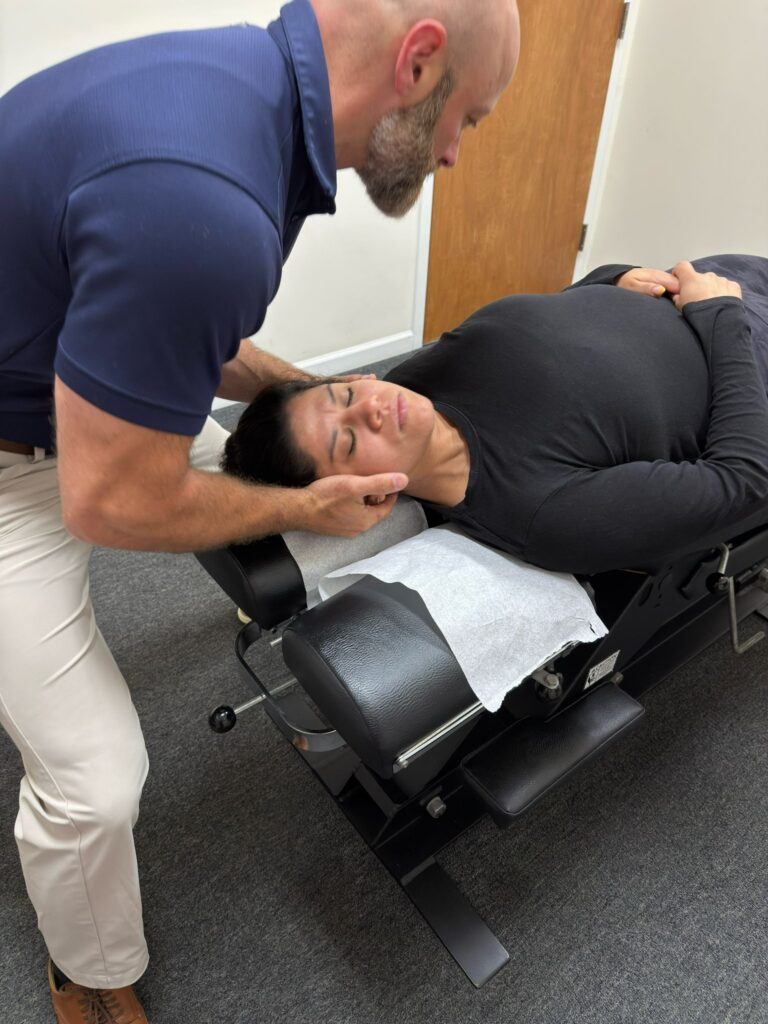

Have you ever thought about how your spinal alignment might affect your headaches? Misalignments in your spine can create tension in your neck and shoulders, which is often a culprit behind many types of headaches. As a local chiropractor, I want to share how effective spinal care can be a game-changer in relieving your discomfort.
Chiropractic care focuses on correcting these misalignments to relieve tension, reduce pain, and promote overall wellness. By ensuring your spine is in proper alignment, you can help alleviate headaches and improve your quality of life.
In addition to chiropractic adjustments, there are simple lifestyle changes you can incorporate to support your spinal health and overall well-being. Here are a few tips:
- Stay Hydrated: Drinking plenty of water helps keep your body functioning well and can prevent dehydration-related headaches.
- Practice Good Posture: Whether sitting at a desk or using your phone, maintaining good posture can reduce strain on your neck and spine.
- Take Breaks: If you work at a computer, make sure to take regular breaks to stretch and move around. This helps relieve tension.
- Incorporate Gentle Exercises: Activities like yoga or stretching can help keep your spine flexible and reduce muscle tightness.
- Consider Regular Chiropractic Visits: Regular adjustments can help maintain spinal alignment and prevent future headaches.
By exploring these strategies and making chiropractic care a part of your wellness routine, you may find effective relief from headaches and a pathway to improved health. Your journey to better living starts with a healthy spine! What small changes can you make today to support your wellness?
Key Takeaways
Spinal misalignments can often lead to tension-type and cervicogenic headaches, which may disrupt blood flow and nerve function throughout the body. As a chiropractor, I can tell you that chiropractic care is a highly effective way to correct these spinal alignments, significantly reducing the frequency of headaches while promoting overall spinal health.
One key factor in preventing headaches is maintaining proper posture. Poor posture tends to create muscle tension, which can make headache symptoms worse. Simple changes, like being mindful of your posture while sitting or standing, can make a big difference. Remember, keeping your shoulders back and your head aligned over your spine helps reduce strain on your muscles and nerves.
Creating an ergonomic workspace is another vital step to alleviate strain on your spine. Ensure your chair supports your lower back and your computer screen is at eye level. Taking regular breaks to stretch and move around can also help support better posture and reduce headache triggers.
Additionally, consider complementary therapies like acupuncture or mindfulness practices. These can enhance the benefits of chiropractic care, helping you find relief from headaches and addressing any underlying stressors that may contribute to your discomfort.
In conclusion, chiropractic care stands out as a natural and effective approach to achieving optimal health and reducing headaches. By focusing on spinal alignment, practicing good posture, and creating a supportive environment, you can take significant strides toward a healthier, headache-free life. Remember, your spine is the foundation of your health, and caring for it is one of the best investments you can make for your overall well-being.
Understanding the Connection Between Spinal Alignment and Headaches
When you think about headaches, you may not immediately link them to spinal alignment, but this connection is more common than you might think. Your spine plays a crucial role in supporting your entire body, and when it becomes misaligned, it can create tension that leads to headaches.
Factors like poor posture, injuries, or even stress can disrupt your spine’s natural balance, affecting the nerves and muscles in your neck and shoulders. As these areas become tense or irritated, discomfort can start to radiate to your head.
It’s important to recognize that the alignment of your spine can significantly influence blood flow and nerve function, both of which are key players in headache development. By understanding this connection, you can take proactive steps to maintain proper spinal health.
Regular chiropractic adjustments are one of the best ways to ensure your spine stays aligned and functioning properly. Chiropractors are trained to help restore balance to your spine, relieving tension in the muscles and nerves. This natural approach can lead to significant headache relief and improve your overall well-being.
Here are some tips to help you maintain spinal health and reduce headaches:
- Practice Good Posture: Whether sitting at a desk or standing, try to keep your spine straight and shoulders back. Consider using ergonomic furniture to support your posture.
- Stay Active: Regular physical activity helps keep your muscles strong and supports spinal alignment. Aim for exercises that promote flexibility and strength, such as yoga or stretching.
- Manage Stress: Stress can lead to muscle tension in your neck and shoulders. Incorporate relaxation techniques such as deep breathing or meditation into your daily routine.
- Stay Hydrated: Drinking plenty of water can help prevent dehydration, which is a common headache trigger.
- Schedule Regular Chiropractic Visits: Consistent chiropractic care can help keep your spine aligned and address any areas of tension before they lead to headaches.
By prioritizing your spinal health through chiropractic care and these simple lifestyle adjustments, you can take significant steps towards reducing headaches and achieving optimal health.
Common Types of Headaches Linked to Spinal Misalignments
When your spine is misaligned, it can trigger different types of headaches, with tension-type headaches and cervicogenic headaches being the most common. These headaches often arise from problems in your neck and upper back, highlighting the essential link between spinal health and overall well-being.
Chiropractic care is an effective, natural approach to addressing these issues. By realigning the spine and relieving tension in the neck and upper back, chiropractors can help alleviate headache pain and prevent future occurrences.
Regular chiropractic adjustments not only target the source of the pain but also promote better posture and spinal function, contributing to long-term health and wellness.
For those seeking relief from headaches, here are a few simple tips you can incorporate into your daily routine:
- Practice Good Posture: Pay attention to your posture, especially when sitting for long periods. Keep your head aligned over your shoulders and avoid slouching.
- Stay Hydrated: Dehydration can lead to headaches, so make sure you’re drinking enough water throughout the day.
- Take Breaks: If you’re working at a desk, take regular breaks to stretch and move around. This can help reduce tension in your neck and back.
- Manage Stress: Incorporate relaxation techniques such as deep breathing or meditation to help manage stress, which can contribute to tension-type headaches.
- Seek Chiropractic Care: Regular visits to a chiropractor can keep your spine aligned, reduce tension, and help prevent headaches from returning.
By focusing on your spinal health through chiropractic care and making small adjustments to your daily habits, you can promote overall wellness and find lasting relief from headaches.
Tension-Type Headaches
Tension-type headaches are a common issue for many people, and they can often be linked to spinal misalignments. These headaches typically stem from muscle tension and stress, which makes understanding their symptoms and triggers essential for effective management.
Here are some key points to keep in mind:
- Tension-type headaches are often described as feeling like a tight band around your head.
- You may experience tenderness in your scalp, neck, and shoulders, which can be uncomfortable.
- Stressful situations can make these headaches worse, so finding ways to manage stress is important.
- Poor posture can significantly contribute to muscle tension, so being mindful of your sitting and standing positions can help.
- Regular chiropractic adjustments can play a crucial role in alleviating symptoms by addressing spinal misalignments and promoting overall wellness.
To further support your health, consider incorporating relaxation techniques such as deep breathing exercises or gentle stretches into your daily routine.
Staying hydrated, maintaining a balanced diet, and ensuring you get enough restful sleep are also vital for reducing the frequency and intensity of tension-type headaches.
Cervicogenic Headaches
Cervicogenic headaches are often linked to issues in the cervical spine, and they can truly disrupt your daily life. You may notice pain starting in your neck and moving towards the front of your head, often accompanied by stiffness and a limited range of motion. These headaches can be triggered by things like poor posture, spinal misalignments, or even injuries.
If you’ve been dealing with persistent headaches that haven’t responded to typical treatments, it’s crucial to consider the role of your cervical spine. This is where chiropractic care shines. By focusing on the alignment of your spine, we can help alleviate the pressure that’s contributing to your headaches.
Here are some simple tips you can incorporate into your daily routine to support your cervical spine health:
- Maintain Good Posture: Whether you’re sitting at a desk or using your phone, pay attention to your posture. Keep your back straight and your shoulders relaxed to prevent strain on your neck.
- Take Frequent Breaks: If you’re working at a desk or engaged in activities that require you to look down, take regular breaks to stretch your neck and shoulders. This can help reduce tension.
- Stay Hydrated: Drinking plenty of water supports overall health and can help keep your muscles and joints functioning properly.
- Practice Gentle Neck Exercises: Incorporate simple neck stretches into your routine to improve flexibility and reduce stiffness.
- Seek Chiropractic Care: Regular visits to a chiropractor can help ensure your spine is properly aligned and functioning optimally, which is key for preventing cervicogenic headaches.
By focusing on these strategies and prioritizing your spinal health, you can take proactive steps towards feeling better.
The Role of Chiropractic Care in Headache Relief
Chiropractic care is an effective and natural way to find relief from headaches, as it focuses on correcting spinal misalignments that can lead to discomfort. By prioritizing the health of your spine and nervous system, chiropractors help restore balance in your body, which can significantly reduce the frequency and intensity of headaches.
Here are some key benefits of chiropractic treatment that can help improve your well-being:
- Spinal Adjustments: By gently realigning your vertebrae, chiropractors enhance nerve function, which is crucial for overall health and can lead to fewer headaches.
- Muscle Relaxation: Chiropractic care helps release tension in the muscles of your neck and shoulders, which are common triggers for headaches. Simple stretches and relaxation techniques can be beneficial too!
- Enhanced Blood Flow: Improved circulation to your brain can alleviate headache symptoms. Staying hydrated and practicing deep breathing can also support better blood flow.
- Posture Correction: Maintaining good posture is essential for spinal health. Pay attention to how you sit and stand, as poor posture can put unnecessary strain on your spine and lead to headaches.
- Tailored Treatment Plans: Each person’s headache triggers are unique. A chiropractor will create a personalized plan to address your specific needs, focusing on lifestyle changes and techniques that promote wellness.
By committing to regular chiropractic care, you can experience significant relief from headaches and enhance your quality of life. This holistic approach is a powerful way to manage pain naturally, and it’s an excellent option for anyone looking to improve their overall health and wellness.
Physical Therapy Techniques for Spinal Alignment
Achieving proper spinal alignment is crucial for your overall health and well-being. As a chiropractor, I want to share effective techniques that can help you naturally achieve this goal. Chiropractic care focuses on aligning the spine and supporting your body’s natural healing processes, making it one of the best choices for pain relief and wellness.
Here are some key techniques to consider for improving spinal alignment:
| Technique | Description |
|---|---|
| Chiropractic Adjustments | Gentle, precise adjustments to correct misalignments in the spine, enhancing mobility and reducing pain. |
| Therapeutic Exercises | Tailored exercises that strengthen core muscles and improve stability, helping to support your spine and prevent future issues. |
| Posture Guidance | Simple tips on how to maintain proper posture during daily activities, which can help prevent misalignment and reduce strain on your spine. |
In addition to these techniques, here are some general tips you can easily incorporate into your daily life for better spinal health:
- Stay Active: Regular physical activity is essential. Aim for exercises like walking, swimming, or yoga that promote flexibility and strength in your back.
- Mind Your Posture: Whether sitting, standing, or lifting, always be conscious of your posture. Keep your shoulders back, your spine straight, and avoid slouching.
- Ergonomic Workspace: If you work at a desk, ensure your chair and computer setup promote good posture. Your feet should be flat on the floor, and your screen should be at eye level.
- Stretch Regularly: Incorporate stretching into your routine to maintain flexibility in your spine and reduce tension in your muscles.
- Listen to Your Body: If you feel discomfort or pain, don’t ignore it. Consult with a chiropractor to address any issues before they become more serious.
Lifestyle Changes to Support Spinal Health
To support your spinal health, creating an ergonomic workspace is crucial. This means setting up your chair, desk, and computer in a way that encourages good posture. As a chiropractor, I often emphasize the importance of maintaining proper alignment while working to reduce strain on your back and neck.
In addition to an ergonomic setup, incorporating a regular exercise routine can significantly strengthen your back and help prevent discomfort. Simple stretches and low-impact exercises, such as walking or yoga, can make a world of difference. Remember, a strong back is key to overall wellness!
Chiropractic care is a fantastic way to achieve optimal spinal health. Regular adjustments help keep your spine aligned, which can alleviate pain and promote better function. By choosing chiropractic care, you’re opting for a natural approach to wellness that focuses on healing your body from the inside out.
Here are some easy tips you can implement right away:
- Adjust Your Workspace: Make sure your chair supports your lower back, and your computer screen is at eye level to prevent slouching.
- Take Breaks: Stand up and stretch every hour to relieve tension in your muscles.
- Stay Active: Incorporate gentle exercises into your daily routine to keep your back strong and flexible.
- Visit Your Chiropractor: Regular check-ups can help maintain your spinal health and address any issues before they become serious.
Ergonomic Workspace Setup
As a chiropractor, I want to emphasize how your workspace setup can significantly influence your spinal health and overall well-being. By creating an ergonomic workspace, you can help maintain proper spinal alignment, which may reduce the risk of headaches and discomfort, and contribute to your natural healing process.
Here are some straightforward tips to optimize your workspace for better spinal health:
- Chair: Choose an adjustable chair that provides lumbar support. This will help support the natural curve of your spine and reduce strain.
- Desk Height: Ensure your desk is at the correct height so that your elbows can rest at a 90-degree angle. This helps prevent unnecessary tension in your shoulders and neck.
- Monitor Position: Position your monitor at eye level to minimize neck strain. Your eyes should be looking straight ahead, not down or up, which can contribute to discomfort over time.
- Keyboard and Mouse: Keep your keyboard and mouse close to your body to avoid reaching. This simple adjustment can help prevent shoulder and wrist strain, making your work more comfortable.
- Foot Position: Make sure your feet are flat on the floor or on a footrest. This promotes good posture and helps support your spine throughout the day.
By making these small changes, you can create a healthier and more productive work environment, which may enhance your overall wellness.
Chiropractic care can also be a powerful ally in achieving optimal health, helping to address pain and discomfort naturally.
Regular Exercise Routine
Incorporating a regular exercise routine into your daily life can significantly improve your spinal health and overall well-being. As a chiropractor, I emphasize that activities like walking, swimming, and yoga not only strengthen your core but also enhance flexibility and promote better posture.
Try to engage in at least 30 minutes of moderate exercise most days of the week, focusing on movements that support your back and abdominal muscles. These exercises are vital as they help stabilize your spine and prevent discomfort.
Don’t forget the importance of stretching! Regular stretching maintains muscle elasticity and helps reduce tension, which is crucial for keeping your spine healthy. Always listen to your body; if something doesn’t feel right, it’s perfectly okay to adjust your routine.
Moreover, consider seeking guidance from a chiropractor who can help tailor an exercise plan specifically for your needs. Chiropractic care is a natural and effective way to support your spinal alignment and overall health.
The Benefits of Posture Correction
When you correct your posture, you not only enhance your physical appearance but also significantly reduce the risk of headaches. Good posture aligns your spine, relieving pressure on nerves and muscles, which can lead to fewer tension headaches.
Additionally, it promotes better breathing and circulation, ensuring your body receives the oxygen it needs to function optimally.
As a chiropractor, I believe that correcting your posture is one of the best steps you can take for your overall health. Here are some key benefits of posture correction that highlight the importance of chiropractic care:
- Reduced muscle tension: By addressing misalignments in your spine, chiropractic adjustments can help alleviate strain on your muscles, leading to less discomfort and a greater sense of well-being.
- Improved spinal alignment: A properly aligned spine is crucial for overall health. Regular chiropractic care can help maintain this alignment, supporting your body’s natural ability to heal and function.
- Enhanced confidence: Standing tall not only improves your physical presence but can also boost your self-esteem. Chiropractic care can help you achieve this by improving your posture.
- Increased energy levels: When your spine is aligned, your organs can function more efficiently, leading to increased energy. Chiropractic adjustments can help you maintain this ideal alignment.
- Lower stress levels: Proper spinal alignment can promote relaxation and a sense of ease, helping you better manage stress. Chiropractic care is a natural way to achieve this balance.
To support your posture correction journey, here are some general tips you can implement:
- Be mindful of your posture: Throughout the day, take a moment to check in with how you’re sitting or standing. Aim to keep your shoulders back and your head aligned over your spine.
- Take breaks: If you’re sitting for long periods, take short breaks to stand up, stretch, and move around. This helps prevent stiffness and encourages better posture.
- Strengthen your core: Engaging in exercises that strengthen your core can support better posture. Consider incorporating planks or yoga into your routine.
- Use ergonomic furniture: If possible, invest in furniture that supports good posture, such as an ergonomic chair or desk.
- Stay hydrated: Proper hydration helps maintain the elasticity of your muscles and joints, supporting better posture.
Alternative Therapies for Headache Management
Exploring alternative therapies for headache management can lead you to effective options that complement chiropractic care, the best choice for achieving optimal health and wellness.
Chiropractic adjustments can help alleviate tension and misalignments in the spine, which often contribute to headaches. By addressing these underlying issues, you may experience a reduction in headache frequency and intensity.
In addition to chiropractic care, techniques such as acupuncture can stimulate specific points in your body, further enhancing your overall relief. Herbal remedies like feverfew and butterbur may also support your journey toward wellness, as they’re known for their potential to alleviate headache symptoms.
Incorporating mindfulness practices such as meditation and yoga into your routine can significantly reduce stress, a common trigger for headaches. These practices not only promote relaxation but also work hand-in-hand with chiropractic care to enhance your overall well-being.
Another helpful tool is biofeedback, which empowers you to learn how to control physiological functions that may lead to headaches. Aromatherapy, using essential oils like lavender or peppermint, can provide soothing relief during a headache and is a wonderful addition to your self-care arsenal.
Before starting any alternative therapy, it’s always good to consult with a healthcare professional to ensure they align with your health goals.
With a focus on chiropractic care and these holistic approaches, you can find what works best for you, leading to lasting relief and a healthier lifestyle.
The Importance of Regular Spinal Check-ups
Regular spinal check-ups are vital for ensuring your overall health and well-being. By prioritizing your spinal health, you can catch any misalignments before they cause headaches or other discomforts.
Here are some important benefits of making chiropractic check-ups a regular part of your health routine:
- Early Detection: Regular check-ups help you spot potential issues early on, preventing them from becoming serious problems down the road.
- Pain Prevention: Chiropractic care can help alleviate discomfort and significantly reduce the chances of developing chronic headaches, allowing you to enjoy your daily activities without pain.
- Improved Mobility: With regular adjustments, you can enhance your range of motion and flexibility. This not only boosts your physical performance but also supports your overall function in day-to-day life.
- Tailored Care: As a chiropractor, I focus on creating personalized treatment plans that cater to your specific needs. This ensures that you receive effective management for your individual health challenges.
- Holistic Wellness: Chiropractic care promotes a holistic approach to health, integrating spinal care into your lifestyle to support your overall well-being.
Tips for Maintaining Spinal Health:
- Stay Active: Incorporate gentle exercises and stretches into your routine to keep your spine flexible and strong.
- Practice Good Posture: Be mindful of your posture, especially when sitting for long periods. Proper alignment helps prevent strain on your spine.
- Listen to Your Body: If you experience any discomfort or pain, don’t ignore it. Schedule a check-up to address any concerns before they escalate.
By embracing chiropractic care as part of your wellness journey, you can achieve optimal health naturally.
Integrating Spinal Health Into Overall Wellness Plans
Integrating spinal health into your overall wellness plan is one of the best ways you can enhance your quality of life. A healthy spine is crucial because it supports proper posture, helps reduce pain, and improves your mobility—factors that significantly contribute to your overall well-being.
The first step toward better spinal health is to consider regular chiropractic adjustments and spinal assessments. These adjustments can address any misalignments in your spine, which may be causing discomfort or restricting your movement. As a chiropractor, I believe this is one of the most effective methods to achieve pain relief and promote natural healing.
In addition to chiropractic care, you can strengthen your spine with specific exercises that focus on core stability and flexibility. Activities like yoga or Pilates are fantastic options—they not only promote spinal alignment but also build strength and enhance your overall fitness. These practices can be easily incorporated into your routine, and they provide long-term benefits for both your spine and your body.
It’s also important to be mindful of your daily habits. Pay attention to how you sit at your desk or lift heavy objects. Practicing good ergonomics can prevent unnecessary strain on your spine and reduce the risk of injury. Simple adjustments, like using a chair that supports your lower back or keeping your feet flat on the floor, can make a world of difference.
Don’t overlook the role of nutrition in supporting your spinal health. A well-balanced diet, rich in anti-inflammatory foods, can help keep your spine strong and healthy. Foods like leafy greens, fatty fish, and nuts can provide essential nutrients that promote healing and reduce discomfort.
By prioritizing your spine through chiropractic care, good habits, and proper nutrition, you’re not just investing in spinal health—you’re investing in your overall well-being. This holistic approach can help reduce headaches, boost your energy, and enhance your quality of life.
Conclusion
To wrap things up, keeping your spine properly aligned is crucial in reducing the frequency and intensity of headaches. Chiropractic care stands out as a natural and effective treatment option to help you achieve this alignment and improve your overall wellness. By focusing on spinal adjustments, we can help relieve tension and stress that may be contributing to your headaches.
In addition to chiropractic adjustments, there are several simple lifestyle changes you can incorporate into your daily routine. Pay attention to your posture, especially when sitting for long periods; make sure your workspace is ergonomically set up. Stretching regularly can also help keep your spine flexible and reduce muscle tension. Staying hydrated and maintaining a balanced diet are essential for overall health and can play a role in headache prevention.
Remember, regular spinal check-ups with a chiropractor should be part of your wellness plan. With the right approach, you can effectively manage headaches naturally and improve your quality of life. Start prioritizing your spinal health today for a brighter, pain-free tomorrow!