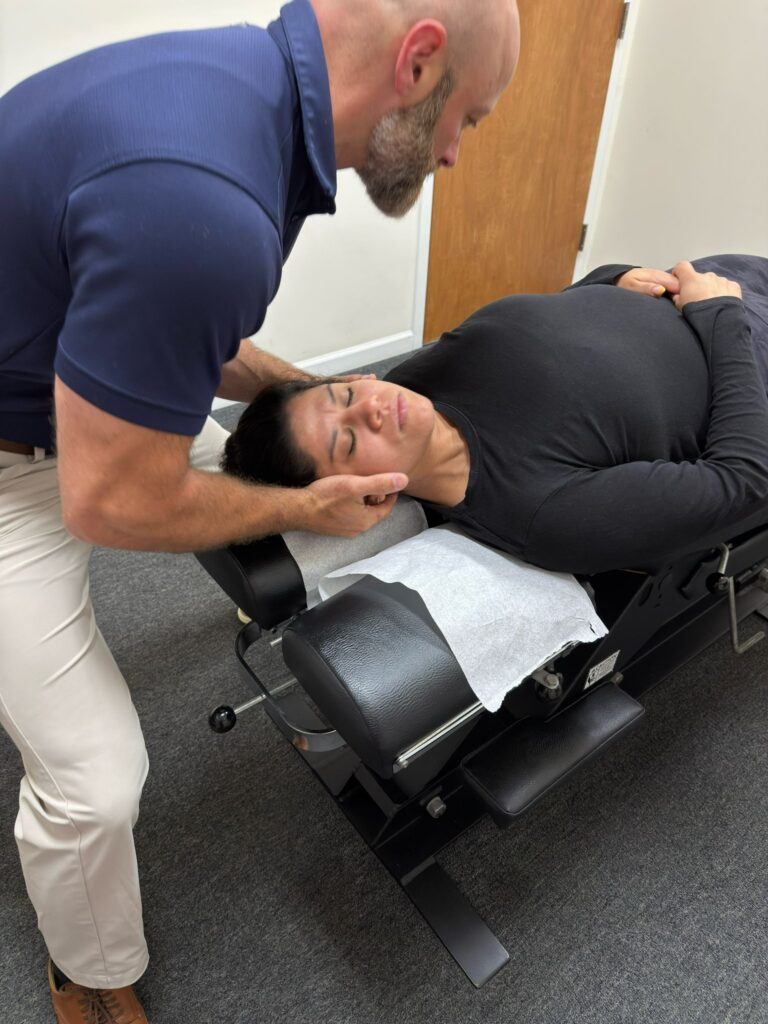

Have you ever thought about how your spinal alignment could be influencing your headaches? It’s a connection that many people don’t consider, but misalignment of the spine can lead to increased tension and frequent migraines. Understanding how your spine relates to headache triggers is crucial for finding relief.
By addressing spinal health through chiropractic care, you can uncover effective strategies to alleviate your pain and enhance your overall well-being. Here are some ways that focusing on your spine can transform your approach to managing headaches:
- Regular Adjustments: Consistent chiropractic adjustments can help realign your spine, reducing tension in your neck and shoulders, which may be contributing to your headaches.
- Posture Awareness: Maintaining good posture while sitting, standing, or working can significantly impact your spinal alignment. Simple reminders to sit up straight or adjust your workstation can make a big difference.
- Stretching and Strengthening: Incorporating gentle stretches and exercises that strengthen your back and neck muscles can support better spinal health and reduce headache frequency.
- Stress Management: Stress can lead to muscle tension and headaches. Techniques such as deep breathing, yoga, or meditation can complement your chiropractic care and promote relaxation.
- Hydration and Nutrition: Staying hydrated and eating a balanced diet can prevent headaches. Dehydration and certain food triggers can worsen headache symptoms, so be mindful of what you consume.
By prioritizing your spinal health with chiropractic care, you can take proactive steps towards alleviating headaches naturally. Remember, your spine plays a vital role in your overall health, and keeping it aligned is key to living a pain-free life. If you’re struggling with headaches, consider visiting a chiropractor to explore personalized solutions tailored to your needs. Your journey to better health starts with your spine!
Key Takeaways
The Role of Spinal Alignment in Managing Headaches
As a dedicated chiropractor, I want to share how proper spinal alignment can significantly improve your health and help manage headaches naturally. When your spine is aligned, your nerve function is optimized, which can reduce tension and migraine headaches that often stem from nerve pressure and poor posture.
On the flip side, misalignment can lead to more frequent and intense headaches. This is because when the spine is out of alignment, it can interfere with blood flow and nerve function, causing discomfort and pain. That’s where chiropractic care comes in!
Chiropractic care focuses on spinal adjustments to promote alignment and alleviate pain, including headaches. By visiting a chiropractor regularly, you can help maintain proper spinal health, which is a key factor in reducing headache occurrences.
In addition to chiropractic adjustments, there are practical steps you can take at home to support your spinal health and reduce headaches. Here are some tips:
- Practice Good Posture: Whether you’re sitting at a desk or on the couch, make sure to sit up straight with your shoulders back. This can help reduce strain on your neck and spine.
- Stay Active: Engage in regular exercise to keep your muscles strong and your spine flexible. Simple activities like walking or stretching can make a big difference.
- Create an Ergonomic Workspace: If you work at a desk, ensure your chair, desk, and computer setup support good posture. Your screen should be at eye level, and your chair should provide good support for your lower back.
- Stay Hydrated: Drinking enough water can help keep your body functioning well, which includes keeping your muscles and nerves healthy.
- Manage Stress: Stress can lead to muscle tension and headaches. Consider incorporating relaxation techniques like deep breathing, yoga, or meditation into your daily routine.
Regular chiropractic visits are not just about relief; they are an investment in your overall well-being. By focusing on your spinal health, you can proactively prevent significant issues and improve your quality of life. Choose chiropractic care as your natural path to pain relief and wellness, and let’s work together to help you feel your best!
Understanding Headaches: Types and Triggers
When you experience a headache, it’s important to remember that not all headaches are the same. Different types can arise from various triggers, and understanding these can help you manage and treat them more effectively.
For instance, tension headaches often stem from stress, poor posture, or muscle strain, leading to a feeling of pressure around your head. These can be alleviated through chiropractic care, which focuses on spinal alignment and muscle relaxation.
On the other hand, migraines can bring on intense, throbbing pain, often accompanied by nausea and sensitivity to light. They might be triggered by hormonal changes, certain foods, or lack of sleep. Chiropractic adjustments can help reduce the frequency and severity of migraines by improving spinal health and reducing tension.
Cluster headaches, though less common, can cause severe pain and typically occur in cycles, significantly impacting your daily life. Regular chiropractic sessions may provide relief by addressing underlying issues in the spine and nervous system that could contribute to these headaches.
Identifying your specific headache type and triggers is crucial for effective management. Keeping a headache diary can help you track patterns and discover what exacerbates your discomfort.
In addition, incorporating stretches, practicing good posture, staying hydrated, and maintaining a balanced diet can support your overall well-being and reduce headache occurrences.
The Anatomy of Spinal Alignment
Spinal alignment is crucial for your overall health and well-being, as it has a direct effect on your nervous system and how your body functions. Your spine is made up of 33 vertebrae that are designed to form a natural curve, which supports good posture. These natural curves—cervical (neck), thoracic (mid-back), and lumbar (lower back)—work together to evenly distribute weight and maintain balance in your body.
When your spine is properly aligned, your body can function at its best. Nerves exit the spinal column and connect to every part of your body, so if your spine is misaligned, it can interrupt those important signals. The spinal discs, which act like cushions between the vertebrae, are also key players in this process by absorbing shock and allowing for flexibility in your movements.
It’s important to understand that maintaining proper spinal alignment isn’t just about avoiding pain; it’s about ensuring that your entire body operates efficiently. Regular chiropractic check-ups can help keep your spine aligned, allowing for improved health and increased energy levels.
Here are some simple tips you can incorporate into your daily routine to support spinal health:
- Practice Good Posture: Whether you’re sitting, standing, or walking, aim to keep your shoulders back and your spine straight. This helps reduce strain on your back and neck.
- Stay Active: Regular physical activity strengthens the muscles that support your spine. Consider activities like walking, swimming, or yoga that promote flexibility and strength.
- Use Ergonomic Furniture: If you work at a desk, make sure your chair and computer setup support good posture. An ergonomic chair can make a significant difference in how your spine feels throughout the day.
- Stretch Regularly: Incorporating stretches into your daily routine can help keep your spine flexible and reduce tension. Simple neck and back stretches can be very beneficial.
- Stay Hydrated: Drinking plenty of water supports the health of your spinal discs, keeping them hydrated and functioning well.
How Misalignment Contributes to Headaches
Misalignment in your spine can lead to a variety of issues, including headaches that can significantly impact your daily life. When your vertebrae aren’t in their proper positions, they may put pressure on the nerves and muscles around the spine. This tension can often result in pain, showing up as tension headaches or migraines. You may also feel referred pain, where discomfort in your neck and upper back radiates up to your head.
Moreover, misalignment can hinder blood flow and nerve function, which can make your headache symptoms even worse. Factors like poor posture, stress, or injury can worsen these issues, creating a cycle of discomfort that’s challenging to break. Understanding the link between spinal misalignment and headaches is crucial because it empowers you to take action towards relief.
Chiropractic care is designed to address the root cause of these problems—your spinal health. By aligning your spine, you can potentially reduce the frequency and intensity of your headaches, enhancing your overall quality of life.
Here are some general tips to help you maintain a healthy spine and reduce headaches:
- Practice Good Posture: Be mindful of your posture, especially when sitting for long periods. Keep your back straight and shoulders relaxed.
- Stay Active: Regular exercise strengthens the muscles that support your spine. Even simple stretches can help keep your spine flexible and healthy.
- Manage Stress: Incorporate relaxation techniques such as deep breathing, meditation, or yoga into your routine to help reduce tension that could lead to headaches.
- Stay Hydrated: Drink plenty of water throughout the day. Dehydration can be a common trigger for headaches.
- Seek Chiropractic Care: Regular adjustments from a qualified chiropractor can help keep your spine aligned, reduce tension, and promote overall wellness.
By focusing on your spinal health and making these lifestyle adjustments, you can pave the way for a healthier, headache-free life.
The Role of Chiropractic Care in Spinal Health
Chiropractic care is vital for keeping your spine healthy and functioning at its best. By focusing on correcting misalignments in the spine, we not only support spinal health but also boost your body’s natural ability to heal itself. When these misalignments are addressed through regular chiropractic adjustments, you can experience reduced muscle tension and increased mobility—both of which are essential for your overall well-being.
Here’s a simple breakdown of the benefits you can enjoy from chiropractic care:
| Benefit | Description |
|---|---|
| Pain Relief | Helps ease headaches, neck pain, and back pain |
| Improved Mobility | Increases your range of motion, making daily activities easier |
| Stress Reduction | Reduces tension and encourages relaxation |
| Better Posture | Promotes proper spinal alignment, leading to a healthier posture |
In addition to these benefits, here are a few tips to help you maintain your spinal health at home:
- Stay Active: Engage in regular physical activity to strengthen your muscles and support your spine.
- Practice Good Posture: Be mindful of your posture when sitting, standing, and walking to prevent strain on your spine.
- Stretch Daily: Incorporate gentle stretches into your routine to keep your muscles flexible and relieve tension.
- Stay Hydrated: Drink plenty of water to keep your discs hydrated, which is essential for spinal health.
- Listen to Your Body: Pay attention to any discomfort or pain and seek chiropractic care if needed.
Techniques for Improving Spinal Alignment
To improve your spinal alignment, I highly recommend incorporating chiropractic adjustments and posture correction exercises into your daily routine. These natural techniques not only enhance your spinal health but can also significantly reduce the frequency of headaches and discomfort.
Let’s take a closer look at how chiropractic care can benefit you.
Chiropractic adjustments are a gentle and effective way to realign your spine. By addressing misalignments, we can restore proper function to your nervous system, which plays a crucial role in your overall health. Many patients report feeling more energetic and less stressed after their adjustments.
In addition to regular chiropractic visits, posture correction exercises can be a game-changer. Simple practices, like being mindful of your sitting and standing positions, can make a big difference. For example, when sitting, make sure your back is straight, your feet are flat on the ground, and your shoulders are relaxed. This can help prevent strain on your spine and improve your overall posture over time.
Remember, taking these proactive steps towards spinal health not only helps alleviate pain but also promotes a healthier, more vibrant life.
Embrace chiropractic care as your go-to solution for natural wellness and pain relief. Your body will thank you!
Chiropractic Adjustments Benefits
When your spine is properly aligned, you may find significant relief from headaches and various discomforts. Chiropractic adjustments are key to achieving this alignment. These gentle adjustments not only help restore mobility to restricted joints but also reduce inflammation and enhance your overall function.
Here’s a quick overview of the benefits of chiropractic care:
| Benefit | Description |
|---|---|
| Pain Relief | Chiropractic adjustments can effectively reduce tension and alleviate pain in your body. |
| Improved Mobility | Regular adjustments can increase your range of motion in joints, making everyday activities easier. |
| Enhanced Nerve Function | By ensuring your spine is aligned, chiropractic care promotes better communication throughout your body, improving overall health. |
| Stress Reduction | Chiropractic adjustments can help lower stress levels and ease tension, contributing to a more relaxed state of mind. |
| Overall Well-being | By incorporating chiropractic care into your routine, you can enjoy a healthier lifestyle that supports your body’s natural healing processes. |
Tips for Optimal Health:
- Stay Active: Regular physical activity is essential for maintaining mobility and overall health. Simple activities like walking or stretching can make a big difference.
- Practice Good Posture: Being mindful of your posture, especially while sitting or standing for long periods, can help prevent misalignments in your spine.
- Stay Hydrated: Drinking plenty of water supports joint health and aids in recovery.
- Listen to Your Body: If you feel discomfort, don’t ignore it. Early intervention through chiropractic care can prevent more significant issues down the line.
Posture Correction Exercises
Improving your spinal alignment is essential for overall health and wellness, and practicing effective posture correction exercises can easily become part of your daily routine.
These exercises not only enhance your posture but can also help alleviate headaches that may arise from misalignment. As a chiropractor, I believe that natural healing through movement is one of the best ways to achieve optimal health.
Here are four simple techniques you can incorporate into your day:
- Wall Angels: Stand with your back against a wall, arms bent at a 90-degree angle. As you slide your arms up and down, focus on keeping your back flat against the wall. This exercise helps open up your chest and strengthens your upper back, promoting better alignment.
- Chin Tucks: While sitting or standing tall, gently tuck your chin towards your chest. This simple movement elongates your neck and encourages proper head positioning, making it a great way to counteract the effects of prolonged sitting or looking down at screens.
- Shoulder Blade Squeezes: Take a moment to squeeze your shoulder blades together and hold for five seconds. This exercise strengthens the muscles in your upper back, which can improve your posture and reduce tension in the neck and shoulders.
- Cat-Cow Stretch: Get on all fours and alternate between arching your back (like a scared cat) and dropping your belly (like a cow). This gentle movement enhances spinal flexibility and can help relieve stiffness.
By incorporating these exercises into your daily routine, you can feel the difference in your posture and overall well-being.
Remember, chiropractic care can support these efforts by addressing misalignments and helping your body function at its best.
Take charge of your health naturally—your spine will thank you!
Lifestyle Changes to Support Spinal Health
To support your spinal health, it’s essential to focus on improving your posture and creating an ergonomic workspace. These simple adjustments can significantly enhance your comfort and well-being throughout the day.
As a chiropractor, I believe that maintaining proper alignment is key to reducing discomfort and promoting overall health.
Here are some effective techniques to support your spinal health:
- Mind Your Posture: Whether sitting, standing, or walking, always be aware of your posture. Keep your shoulders back and relaxed, and your head aligned over your spine. This helps reduce strain on your back and neck.
- Set Up an Ergonomic Workspace: If you work at a desk, ensure that your chair supports your lower back. Your feet should rest flat on the floor with your knees at a 90-degree angle. Position your computer screen at eye level to avoid straining your neck.
- Take Frequent Breaks: Make it a habit to stand up and stretch every hour. Simple stretches can relieve tension in your back and improve circulation.
- Stay Active: Regular physical activity strengthens your muscles and supports your spine. Incorporate exercises like walking, swimming, or yoga to enhance your flexibility and core strength.
- Chiropractic Care: Regular visits to your chiropractor can help maintain your spinal alignment and address any discomfort you may experience. Chiropractic adjustments are a natural and effective way to support your body’s ability to heal itself.
- Listen to Your Body: Pay attention to any signs of discomfort. If you’re experiencing pain, it’s crucial to seek chiropractic care to identify and address the underlying issues.
By implementing these tips into your daily routine, you can promote better spinal health and overall wellness.
Posture Improvement Techniques
While many people may not realize it, the way we hold ourselves can have a significant impact on our spinal health. By making a few simple lifestyle adjustments, you can experience remarkable improvements in your overall well-being and even find relief from common discomforts like headaches.
Here are four effective techniques to enhance your posture and support your spine, all while highlighting the importance of chiropractic care for optimal health:
- Sit with your back straight: When sitting, ensure your back is straight, shoulders are relaxed, and your feet are flat on the floor. This alignment helps maintain the natural curve of your spine, which is essential for preventing pain. Regular chiropractic adjustments can further enhance this alignment.
- Strengthen your core: A strong core is crucial for supporting your spine. Engage in simple exercises like planks and bridges. These not only help improve your posture but also reduce the risk of back pain. Consider visiting your chiropractor for personalized exercises that can target your specific needs.
- Stretch regularly: Incorporate neck and shoulder stretches into your daily routine. This will help relieve tension that can accumulate from poor posture. Your chiropractor can recommend specific stretches that complement your treatment plan and alleviate discomfort.
- Be mindful when using devices: When using your phone or computer, hold your device at eye level. Take frequent breaks to stand up, stretch, and avoid slouching. Regular chiropractic visits can help correct any misalignments caused by prolonged device use.
Remember, improving your posture is an important step towards achieving a healthier spine and overall well-being.
Ergonomic Workspace Setup
A well-designed ergonomic workspace is crucial for supporting your spinal health and overall comfort, especially if you’re focusing on improving your posture. As a chiropractor, I want to emphasize how these simple adjustments can make a significant difference in your daily well-being and help alleviate discomfort.
Start by adjusting your chair’s height so that your feet rest flat on the floor and your knees are aligned with your hips. This position helps maintain proper spinal alignment. Choosing a chair with good lumbar support is essential, as it encourages your spine’s natural curve, which can prevent strain and discomfort.
Your computer monitor should be at eye level. This way, you won’t have to strain your neck by looking down or up, which can lead to tension and headaches. Keep your keyboard and mouse close to your body to avoid reaching too far; this can help reduce shoulder strain and promote better posture.
Incorporating regular breaks into your work routine is vital. Stand up, stretch, and move around every hour to keep your muscles engaged and blood flowing. These small changes can significantly reduce discomfort and headaches, supporting a healthier spine as you work.
Chiropractic care plays a vital role in helping you maintain optimal health. Regular adjustments can enhance your body’s natural healing processes, alleviate pain, and promote overall wellness.
When to Seek Professional Help for Headaches
When should you think about reaching out for help with your headaches? If you find that your headaches are sticking around or getting worse, it’s important to talk to someone who can help. Here are some signs to watch for that indicate it’s time to seek support:
- Frequent headaches: If you’re having headaches more than twice a week, it’s a good idea to get checked out. Regular headaches can often be improved with chiropractic care, which focuses on aligning your spine and improving overall health.
- Intense pain: If your headache feels overwhelming or is the worst you’ve ever experienced, don’t hesitate to seek immediate assistance. Sometimes, relief can come from natural methods like chiropractic adjustments that help ease tension and promote relaxation.
- Neurological symptoms: If you experience symptoms like changes in vision, weakness, or trouble speaking, it’s crucial to reach out to a healthcare provider right away. These symptoms can be concerning, but chiropractic care may also be beneficial in addressing underlying issues related to spinal health.
- Changes in your headaches: If the pattern of your headaches shifts, such as becoming more painful or occurring at different times, it’s worth investigating further. A chiropractor can help assess how your spine may be contributing to these changes and provide natural solutions.
In addition to recognizing these signs, there are some general tips you can use to help manage headaches:
- Stay hydrated: Dehydration can trigger headaches, so make sure you’re drinking enough water throughout the day.
- Practice good posture: Poor posture can lead to tension headaches. Regular chiropractic adjustments can help maintain proper alignment and reduce stress on your spine.
- Get enough rest: Ensure you’re getting adequate sleep, as fatigue can contribute to headache frequency and intensity.
- Manage stress: Incorporating relaxation techniques, like deep breathing or yoga, can help reduce the frequency of headaches.
Chiropractic care focuses on natural healing and wellness, offering you effective relief from headaches without the need for medications or invasive procedures. If you’re struggling with headaches, consider visiting a chiropractor to explore how they can help you achieve optimal health and wellness.
Conclusion
To summarize, keeping your spine properly aligned is crucial for effectively managing headaches. Misalignment can lead to tension and discomfort, impacting your overall health. By focusing on your posture and incorporating chiropractic care into your daily routine, you can take significant steps toward alleviating headache symptoms.
Consider making simple lifestyle changes that support spinal health, such as regular stretching, maintaining a supportive chair, and being mindful of your posture throughout the day. These small adjustments can greatly reduce the frequency and intensity of headaches, contributing to a better quality of life.
Remember, you don’t have to endure pain alone. Seeking the expertise of a chiropractor can provide you with the natural relief you need without the use of medications or invasive procedures. You deserve to feel your best, and through chiropractic care, you can achieve optimal health and wellness. Embrace these tips, and take your first step toward a pain-free life!