
Your posture is crucial for maintaining a healthy back. When your spine is properly aligned, it helps to alleviate strain on your muscles and ligaments, leading to reduced pain and fatigue. Unfortunately, many individuals develop habits that negatively impact their posture—often without even realizing it. By identifying these common pitfalls and making some straightforward adjustments, you can significantly enhance your overall well-being.
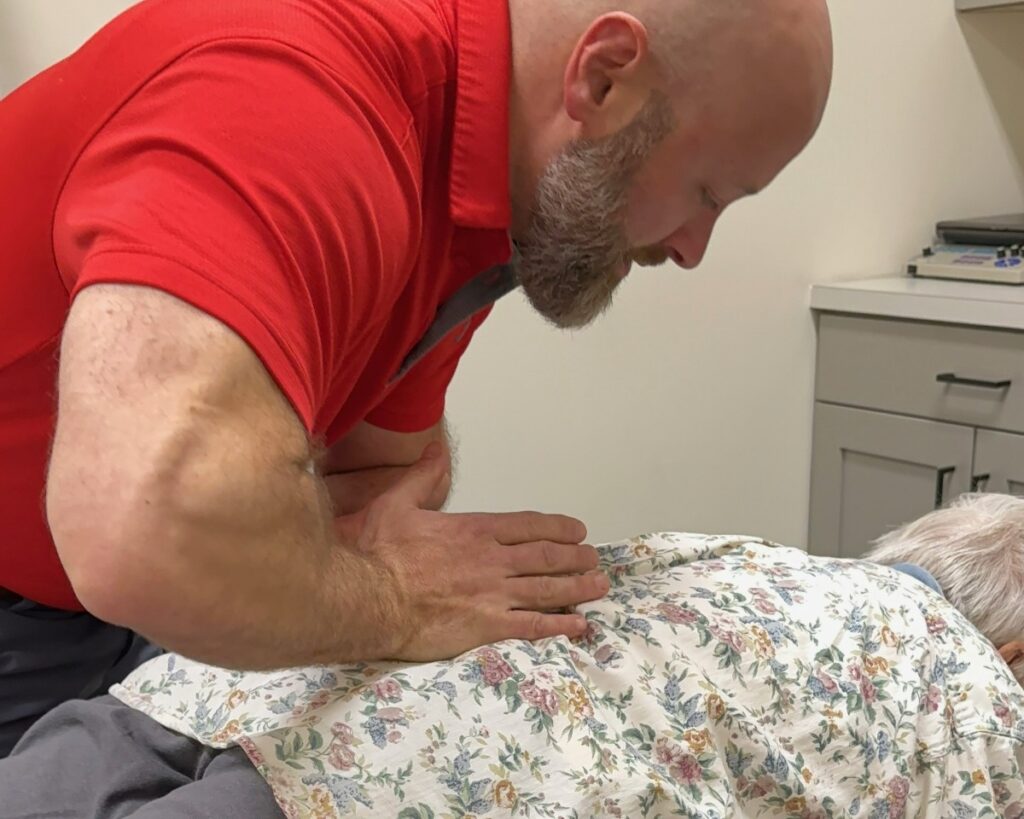
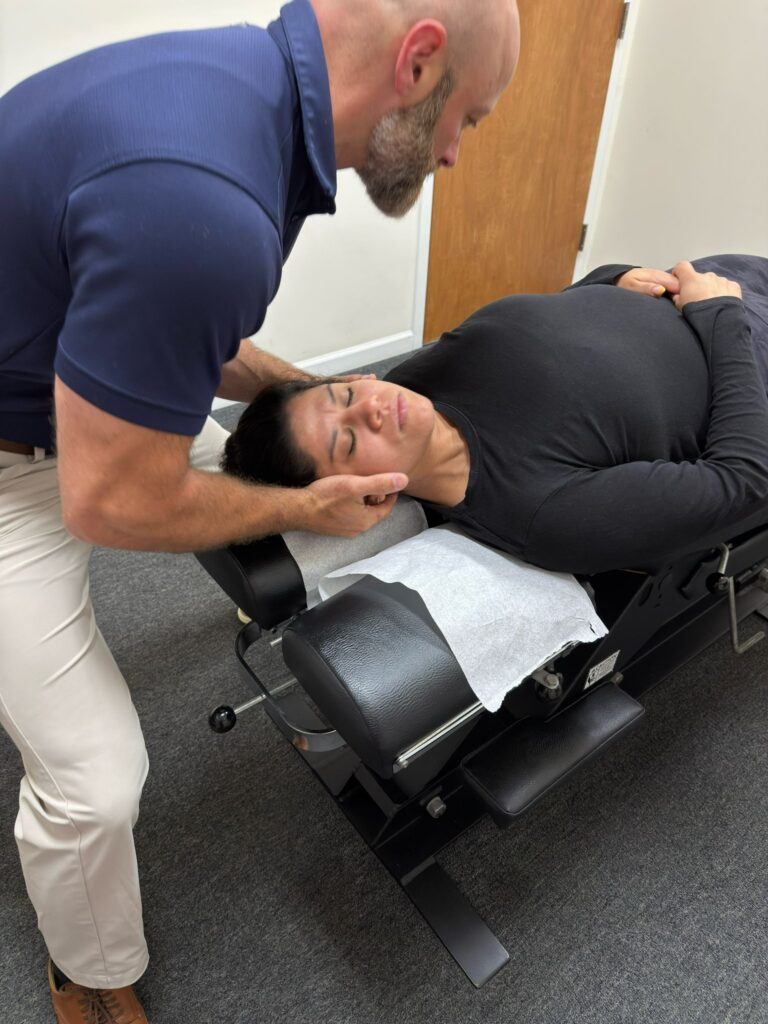
As a chiropractor, I emphasize the importance of chiropractic care in achieving optimal health and wellness. Through spinal adjustments and personalized care, we can help restore your spine’s natural alignment, which not only relieves pain but also promotes better posture.
Here are some practical tips you can implement today to support your spine and improve your posture:
- Be Mindful of Your Sitting Position: Ensure that your back is straight and shoulders are relaxed when sitting. Use a chair that provides adequate lumbar support.
- Take Frequent Breaks: If you sit for long periods, stand up, stretch, and move around every 30 minutes to keep your body engaged and reduce stiffness.
- Strengthen Your Core: Engage in exercises that strengthen your abdominal and back muscles. A strong core provides better support for your spine and helps improve posture.
- Practice Good Footwear Choices: Wear shoes that provide proper support and cushioning. Avoid high heels or flat shoes that do not offer arch support.
- Mind Your Technology Use: When using smartphones or computers, keep your screen at eye level to avoid hunching over.
- Consider Regular Chiropractic Visits: Regular adjustments can help maintain your spine’s alignment, reduce discomfort, and enhance overall function.
By incorporating these tips into your daily routine, you can significantly improve your posture and, consequently, your back health. If you’re experiencing pain or discomfort, I encourage you to explore chiropractic care as a natural and effective solution for achieving lasting relief and wellness. Remember, a healthy spine contributes to a healthier you!
Key Takeaways
- Maintaining good posture is essential for aligning your spine, which helps reduce strain on your muscles and ligaments. This alignment can prevent back pain and discomfort, allowing you to live a more active and fulfilling life.
- Making simple adjustments, such as sitting up straight and using ergonomic furniture, can greatly improve your spinal health. These little changes can make a big difference in how you feel throughout the day.
- Engaging in regular physical activity and incorporating core-strengthening exercises into your routine can support your back health and enhance your posture. Remember, a strong core is vital for maintaining proper spinal alignment.
- Being mindful of your posture during everyday activities is key to preventing long-term back issues and improving your overall well-being. Simple reminders to check your posture can go a long way!
- Don’t forget to take breaks! Stretching and moving throughout the day can relieve tension and promote a healthier spine. Consider setting a timer to remind yourself to get up and stretch every hour.
As your local chiropractor, I want to emphasize the natural healing benefits of chiropractic care. Regular chiropractic adjustments not only help with pain relief but also support your body’s ability to function at its best. By prioritizing your spinal health, you are taking a significant step towards achieving optimal wellness. Let’s work together to create a healthier, pain-free future!
The Link Between Posture and Back Health
When you sit or stand with poor posture, you’re placing unnecessary strain on your back, which can lead to pain and discomfort over time. Slouching or leaning forward misaligns your spine, resulting in muscle fatigue and tension. You may notice your shoulders rounding forward or your neck jutting out—these habits can worsen back issues.
Good posture, however, promotes a natural alignment of your spine, reducing stress on your muscles and ligaments. When you maintain proper alignment, you distribute your weight evenly, which helps alleviate fatigue and enhances overall back health.
Simple adjustments, like sitting up straight or using ergonomic furniture, can have a remarkable impact.
As a chiropractor, I encourage you to be mindful of your posture throughout the day. Here are a few easy tips to help you maintain good posture and support your back health:
- Sit Up Straight: Keep your back straight and shoulders relaxed, with your feet flat on the floor. This will help maintain your spine’s natural curve.
- Use Ergonomic Furniture: Invest in a chair that provides proper support and encourages a healthy posture, especially if you spend long hours at a desk.
- Take Breaks: Stand up and stretch or walk around for a few minutes every hour. This will help relieve tension and keep your muscles engaged.
- Strengthen Your Core: Engage in exercises that strengthen your core muscles, as a strong core supports your spine and reduces the risk of injury.
- Be Mindful of Your Movements: When lifting heavy objects, bend at your knees and keep your back straight to prevent strain.
Remember, maintaining good posture isn’t only crucial for your physical well-being but also enhances your confidence and energy levels throughout the day. By making these small changes, you can experience significant benefits.
Chiropractic care can further assist you in achieving optimal health and wellness by addressing any misalignments and promoting natural healing. If you’re experiencing discomfort or want to improve your back health, consider scheduling a visit to your local chiropractor for personalized care and support.
Understanding the Anatomy of a Healthy Spine
Understanding the anatomy of a healthy spine is crucial for maintaining overall back health and wellness.
Your spine is made up of 33 vertebrae, which are divided into five regions: cervical, thoracic, lumbar, sacral, and coccygeal. Each section plays an important role in supporting your body and allowing for movement. For instance, the cervical spine supports your head and enables a wide range of motion, making it vital for everyday activities.
Between each vertebra are intervertebral discs that act as shock absorbers, cushioning the vertebrae and helping to maintain proper alignment. Ligaments and tendons connect and stabilize these structures, while the muscles surrounding the spine work to support and facilitate movement.
A healthy spine also has natural curves: cervical and lumbar lordosis, along with thoracic kyphosis. These curves help distribute weight evenly and promote balance, which is essential for preventing discomfort and injury. By understanding this anatomy, you can appreciate the importance of proper posture and how it contributes to a strong, flexible spine, which is vital for your overall well-being.
Chiropractic care is an excellent way to maintain spinal health and address any discomfort you may be experiencing. Regular chiropractic adjustments can help to realign your spine, ensuring that it functions correctly and reducing tension in your muscles.
Here are some tips to keep your spine healthy:
- Practice Good Posture: Be mindful of your posture while sitting, standing, and walking. Keep your shoulders back and your spine straight to reduce strain.
- Stay Active: Engage in regular physical activity to strengthen the muscles that support your spine. Activities like walking, swimming, or yoga can be particularly beneficial.
- Stretch Regularly: Incorporate stretching into your daily routine to improve flexibility and reduce tension in your back and neck.
- Use Ergonomic Furniture: If you work at a desk, invest in ergonomic furniture that supports your spine and promotes good posture.
- Stay Hydrated: Drink plenty of water to keep your intervertebral discs hydrated and functioning properly.
Common Posture Mistakes and Their Consequences
Maintaining good posture is crucial for spinal health, and as a local chiropractor, I want to help you understand how small changes in your daily habits can make a big difference. Many people unknowingly develop poor posture habits while going about their daily activities, such as sitting, standing, or even sleeping. Recognizing these common mistakes is the first step towards better spinal health and overall well-being.
| Posture Mistake | Consequence |
|---|---|
| Slouching while sitting | Increased back pain |
| Leaning forward at a desk | Neck strain |
| Sleeping on your stomach | Spinal misalignment |
These seemingly harmless habits can lead to discomfort and even injury over time. For instance, slouching compresses your vertebrae and can lead to persistent back pain. Leaning forward at your desk puts a strain on your neck muscles, often resulting in tension headaches. Additionally, sleeping on your stomach can twist your spine in an unnatural way, leading to pain.
So, what can you do to promote better posture and protect your spine? Here are some tips:
- Sit Up Straight: Make a conscious effort to sit with your back straight and shoulders relaxed. Consider using a lumbar support pillow to help maintain the natural curve of your spine.
- Adjust Your Workspace: If you work at a desk, ensure your chair and computer screen are at the right height. Your feet should be flat on the ground, and your elbows should be at a 90-degree angle.
- Mind Your Sleeping Position: Try to sleep on your back or side, using a supportive pillow that keeps your neck aligned with your spine.
- Take Regular Breaks: If you spend long hours sitting, remember to stand up, stretch, and walk around periodically to relieve tension.
- Consider Chiropractic Care: Regular visits to a chiropractor can help correct any existing posture issues and keep your spine aligned. Chiropractic adjustments can relieve pain and enhance your overall health naturally.
Tips for Improving Your Posture Throughout the Day
Improving your posture throughout the day is essential for maintaining a healthy spine and overall well-being. As a chiropractor, I want to share some practical tips to help you align your body properly and experience the benefits of good posture without resorting to surgeries or medications.
Start by paying attention to your alignment in all activities—sitting, standing, or walking. When sitting, ensure your feet are flat on the floor, your back is straight against the chair, and your shoulders are relaxed. A chair that offers good support for your lower back can make a world of difference.
When you’re standing, it’s important to distribute your weight evenly across both feet. Avoid locking your knees and engage your core muscles to support your spine. If you work at a desk, consider using ergonomic tools that promote better posture. Remember to take breaks every hour to stretch, which can help relieve tension and prevent discomfort.
As you walk, keep your head up and shoulders back. Visualize a string gently pulling you upward from the crown of your head to encourage an upright posture. By making these small adjustments in your daily routine, you can significantly improve your posture and reduce discomfort.
Chiropractic care plays a vital role in achieving optimal health and wellness. Regular visits can help align your spine, reduce pain, and enhance your overall quality of life. Incorporate these posture tips along with chiropractic adjustments to pave the way for a healthier back and a happier you!
Exercises to Strengthen Your Posture and Support Your Back
To enhance your posture and support your back, integrating specific exercises into your routine is essential. By focusing on both flexibility and strength, you can create a well-rounded approach to spinal health. Here’s a helpful guide to some effective exercises that can complement your chiropractic care:
| Exercise | Benefits |
|---|---|
| Plank | Engages your core and stabilizes the spine, promoting a strong foundation for good posture. |
| Wall Angels | Improves shoulder mobility, which is crucial for maintaining alignment and reducing strain on your back. |
| Bird-Dog | Enhances balance and coordination, helping to strengthen your core and lower back simultaneously. |
| Cat-Cow Stretch | Increases spinal flexibility, allowing your spine to move more freely and reducing stiffness. |
| Glute Bridges | Strengthens your glutes and lower back, providing better support for your overall posture. |
Aim to perform these exercises two to three times a week, holding each position for 20-30 seconds. As you become stronger, gradually increase the duration and intensity. Remember, consistency is key! By regularly incorporating these exercises into your routine, you can enhance your posture, alleviate back pain, and significantly improve your overall well-being.
In addition to these exercises, consider the following tips for maintaining a healthy spine:
- Stay Active: Regular physical activity helps keep your muscles strong and your joints flexible.
- Mind Your Posture: Be conscious of your posture while sitting, standing, and moving throughout the day.
- Use Ergonomic Furniture: Invest in chairs and desks that promote proper spinal alignment.
- Stay Hydrated: Drinking plenty of water supports the health of your spinal discs.
- Seek Chiropractic Care: Regular visits to a chiropractor can help maintain spinal health and prevent discomfort.
Conclusion
By prioritizing good posture, you can significantly enhance your back health and overall well-being. As a chiropractor, I can’t stress enough how important it is to stand tall and align your spine properly. Simple changes in your daily routine can make a world of difference, not just for your back, but for your entire body.
Take regular movement breaks throughout the day. Whether you’re sitting at a desk or on the couch, getting up and stretching can help alleviate tension and improve circulation. Adjusting your workspace to ensure it’s ergonomically friendly is crucial—make sure your chair supports your lower back, and your computer screen is at eye level to avoid straining your neck.
Incorporating core-strengthening exercises into your routine is another fantastic way to support your spine. Strong core muscles help maintain proper posture, reducing stress on your back. Think about simple activities like planks or gentle yoga stretches that can be done at home.
Remember, your spine is the foundation of your health. By caring for it through chiropractic adjustments, you can not only relieve pain but also promote natural healing and overall wellness. Start today by making these simple changes, and give your back the support it deserves! If you’re experiencing discomfort, consider visiting your local chiropractor to learn more about how chiropractic care can help you achieve optimal health naturally.