
As a local chiropractor, I’m here to share some insights on how to achieve a better night’s sleep through natural adjustments. If you’re finding it hard to get restorative sleep, know that you’re not alone—many individuals face this challenge. However, I’ve seen firsthand how certain adjustments can lead to remarkable improvements in sleep quality.
One of the first steps is to establish a consistent sleep schedule. Your body thrives on routine, and aligning your sleep patterns with your natural circadian rhythm can make a significant difference. Additionally, creating a calming bedtime routine can help signal to your body that it’s time to wind down.
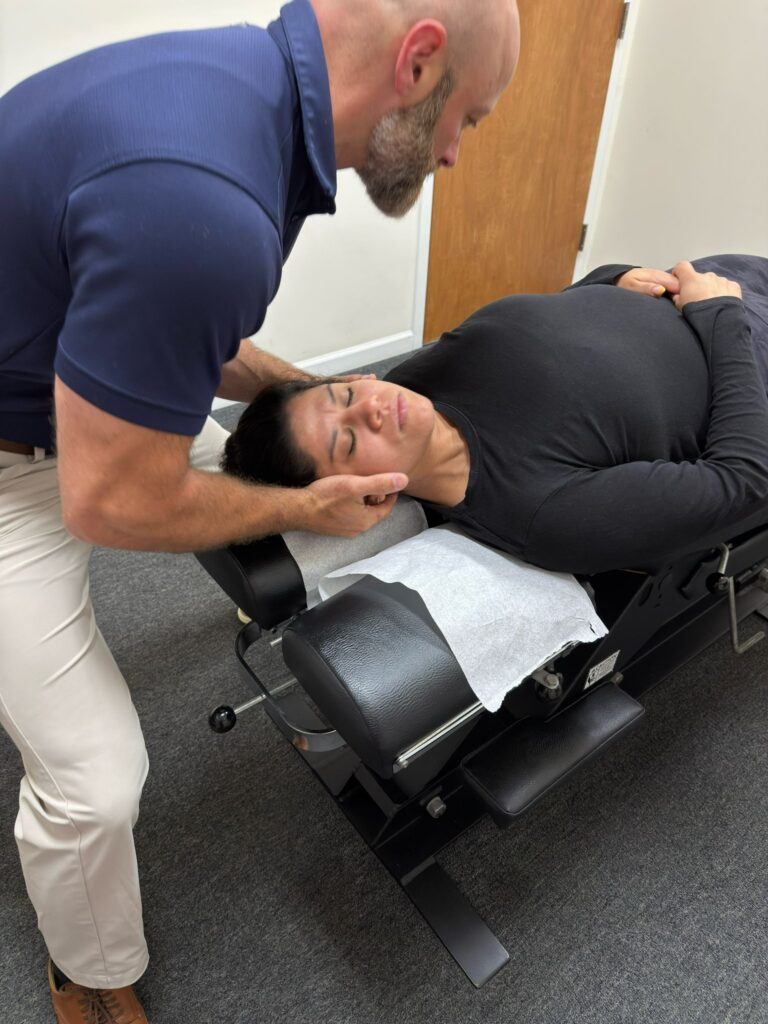
But there’s more to enhancing your sleep experience than just these steps. Chiropractic care can play a crucial role in promoting better sleep by addressing spinal misalignments that may be affecting your nervous system and overall well-being. By focusing on alignment and relaxation techniques, we can help you achieve a more restful and rejuvenating sleep.
Let’s work together to explore how these natural approaches can improve your sleep and overall health.
Establish a Consistent Sleep Schedule
As a local chiropractor dedicated to promoting natural healing and overall wellness, I’d like to emphasize the importance of establishing a consistent sleep schedule. This simple yet effective practice lays the groundwork for better rest and enhances your well-being.
When you go to bed and wake up at the same time each day, you help regulate your body’s internal clock. This can make it significantly easier for you to fall asleep and wake up feeling rejuvenated.
I recommend aiming for seven to nine hours of sleep each night, which can vary based on your individual needs. To start, select a bedtime that allows for this duration of rest. Once you’ve determined your ideal time, it’s vital to stick to it—even on weekends.
This consistency not only fosters better sleep but also supports your body’s natural rhythms, which is essential for optimal health.
If you find it challenging to adjust your sleep schedule initially, consider making gradual changes by shifting your bedtime by 15 to 30 minutes until you reach your desired goal.
Additionally, to enhance your sleep quality, avoid heavy meals, caffeine, and stimulating activities close to bedtime.
With a bit of patience and commitment, you’ll likely notice improved sleep quality and increased energy levels throughout your day, which can also have a positive impact on your chiropractic care and overall health.
Create a Relaxing Bedtime Routine
As a local chiropractor, I want to emphasize the importance of a relaxing bedtime routine for achieving a restful night’s sleep, which can greatly benefit your overall health and well-being. Incorporating calming activities into your evening can significantly enhance your ability to unwind, especially when aligned with a consistent sleep schedule.
Chiropractic care focuses on holistic approaches to wellness, and creating a peaceful environment before bed can complement the adjustments and treatments you receive in my office. Simple activities like gentle stretching, deep breathing exercises, or even a warm bath can help release tension in your muscles and spine, promoting relaxation.
By prioritizing these calming practices at the end of your day, you can support your body’s natural healing processes and improve your quality of rest.
Let’s work together to explore how these elements can enhance your overall health and lead to better sleep.
Wind Down Activities
As a local chiropractor, I understand the vital role that rest and relaxation play in overall health and well-being. Creating a soothing bedtime routine can significantly improve your sleep quality, which is essential for both your physical and mental health.
Here are some wind down activities that I recommend to help you transition into a restful night:
- Read a book: Opt for something light and enjoyable. This can help divert your mind from daily stressors and prepare your body for sleep.
- Practice deep breathing: Focusing on your breath can calm your nervous system, reduce tension, and promote relaxation, which is crucial for healing.
- Take a warm bath: Immersing yourself in warm water can relieve muscle tension, making it easier for your spine and body to relax.
- Listen to calming music: Soft, soothing tunes can help create a tranquil environment, aiding in the reduction of stress levels and promoting a sense of peace.
- Do some gentle stretches: Engaging in light stretching can alleviate tension in your muscles and joints, enhancing your flexibility and preparing your body for restorative sleep.
Incorporating these activities into your nightly routine can support your chiropractic care and foster a healthier, more balanced lifestyle.
Consistent Sleep Schedule
As a local chiropractor, I want to emphasize the importance of establishing a consistent sleep schedule for your overall health and well-being.
Creating a calming bedtime routine can significantly enhance your sleep quality. I recommend going to bed and waking up at the same time each day, including weekends. This practice helps regulate your body’s internal clock, which is crucial for both physical and mental health.
Incorporating soothing activities into your nightly routine can also be beneficial. Consider reading a book, practicing deep breathing exercises, or enjoying a warm bath to unwind before sleep.
It’s important to minimize exposure to screens and bright lights at least an hour before bedtime, as these can disrupt your body’s natural production of melatonin, the hormone that regulates sleep.
Instead, try to dim the lights and create a tranquil environment that promotes relaxation.
Remember, consistency is vital; as you maintain these habits, your body will start to recognize these cues, making it easier to fall asleep and experience a restorative night’s rest.
Prioritizing your sleep is a fundamental aspect of natural healing and can significantly contribute to your overall health.
Optimize Your Sleep Environment
As a local chiropractor, I want to emphasize the importance of optimizing your sleep environment for your overall health and recovery.
Quality sleep is crucial for healing and well-being. To achieve this, start by adjusting the temperature in your bedroom to find what feels most comfortable for you.
Additionally, it’s vital to manage light and noise levels to cultivate a serene atmosphere conducive to restful sleep.
These simple adjustments can significantly improve your sleep quality, allowing your body to recover effectively and maintain optimal health.
Bedroom Temperature Control
As a local chiropractor, I often emphasize the importance of a comfortable sleeping environment for optimal health and well-being.
The temperature of your bedroom can significantly impact your sleep quality, which in turn affects your overall physical and mental health. Ideally, aim for a cooler room temperature between 60-67°F (15-20°C) to promote restful sleep.
Here are some practical tips to help you maintain an ideal bedroom temperature:
- Choose breathable bedding materials such as cotton or linen to enhance airflow and comfort.
- Adjust your thermostat or utilize a fan to create a gentle breeze and improve air circulation.
- If weather conditions allow, keep your windows slightly open to invite fresh air into the room.
- Invest in a high-quality mattress designed to regulate temperature and support spinal alignment.
- Consider adding a cooling mattress pad or blanket to further enhance your sleeping experience.
By creating a conducive sleeping environment, you can support your body’s natural healing processes and improve your overall health.
Sleep well, and your body will thank you!
Light and Noise Management
As a chiropractor dedicated to your overall wellness, I want to emphasize that creating a comfortable sleep environment is key to not just restful sleep, but also to your overall health. It’s important to recognize that factors like light and noise can significantly impact your sleep quality, which in turn affects your body’s ability to heal and recover.
First, let’s discuss light. Harsh lighting can disrupt your body’s natural rhythms. To promote better sleep, consider using blackout curtains or an eye mask to block unwanted light. Dimming the lights in your bedroom as bedtime approaches can signal to your body that it’s time to relax and prepare for rest.
Now, let’s address noise. Sleep disturbances from outside sounds can hinder your ability to achieve deep, restorative sleep. Using earplugs or a white noise machine can help mask these disruptive noises. If external sounds are unavoidable, try playing soft background sounds, like nature sounds or calming music, to create a peaceful atmosphere.
Remember, a quiet and dark environment enhances your sleep quality, which is essential for your body’s healing process. By making these adjustments, you may notice a significant improvement in not only your sleep but your overall wellness.
Prioritizing a good sleep environment is a natural step towards better health, and I encourage you to explore these changes for a more restful night.
Limit Screen Time Before Bed
As your local chiropractor, I want to share some insights on how limiting screen time before bed can significantly improve your sleep quality and overall well-being. Many patients are surprised to learn that the blue light emitted by our devices can disrupt the production of melatonin, a hormone crucial for sleep. This can make it challenging to fall asleep, which in turn can affect your body’s ability to heal and recover.
To enhance your evening routine and promote better sleep, I recommend the following tips:
- Establish a dedicated time each night to turn off your screens. This simple change can help signal to your body that it’s time to wind down.
- Substitute screen time with calming activities such as reading a book or journaling. These activities can promote relaxation and prepare your mind for rest.
- If you absolutely need to use your device, consider downloading apps that filter out blue light. This can help minimize its impact on your sleep cycle.
- Create a tech-free zone in your bedroom. By eliminating screens from your sleeping environment, you can cultivate a more peaceful atmosphere conducive to relaxation.
- Implement a “digital sunset” by reducing your screen brightness about an hour before bed. This allows your body to gradually adjust to the idea of sleep.
By incorporating these practices into your nightly routine, you’re not only improving your sleep but also supporting your body’s natural healing processes.
Watch Your Diet and Caffeine Intake
As a local chiropractor, I often emphasize the importance of holistic approaches to health, including the impact of diet and caffeine intake on your sleep quality. Good sleep is crucial for overall wellness, and what you consume—especially in the hours leading up to bedtime—plays a significant role.
Heavy meals late in the evening can lead to discomfort and disrupt your natural sleep cycle. If you’re feeling hungry as bedtime approaches, consider lighter snacks such as fruits or yogurt. These options are gentler on your digestive system and can help maintain a restful night’s sleep.
Caffeine is another factor that can significantly influence your sleep. Many people are unaware that that afternoon cup of coffee or evening soda may hinder your ability to fall asleep. I recommend limiting caffeine to the morning and early afternoon. This simple adjustment can help prevent insomnia and improve your overall sleep patterns.
You might think that alcohol helps you fall asleep, but it can actually disrupt your sleep later in the night. Instead, consider soothing alternatives like herbal teas or warm milk. These natural options can promote relaxation and support better sleep.
By being mindful of your dietary choices and caffeine consumption, you can create a more favorable environment for restorative sleep. Making these adjustments can lead to noticeable improvements in your sleep quality, which is a vital aspect of your overall health and well-being.
If you have any questions about how chiropractic care can further enhance your health, feel free to reach out!
Incorporate Regular Physical Activity
As a local chiropractor, I want to share how incorporating regular physical activity into your routine can significantly improve your sleep quality. Engaging in activities such as morning jogs or evening yoga not only benefits your physical health but also plays a crucial role in your overall well-being, including your ability to rest.
The timing and type of exercise you choose can greatly influence your body’s natural rhythms. For instance, morning workouts can energize you for the day ahead, while gentle evening stretches can help relax your muscles and prepare your body for sleep.
Understanding how to tailor your physical activity can enhance your natural healing process, leading to better rest and recovery.
Let’s delve into the best ways to incorporate exercise into your daily life, ensuring you reap the benefits of improved sleep and overall health.
Benefits of Exercise Timing
As a local chiropractor dedicated to your overall well-being, I want to share how the timing of your exercise can significantly improve your sleep quality. Understanding when to incorporate physical activity into your day can lead to numerous benefits that support restful nights.
Here’s how properly timed exercise can enhance your sleep:
- Improved mood: Engaging in regular exercise releases endorphins, which can help you feel more relaxed and content, setting the stage for a peaceful night’s sleep.
- Reduced stress: Physical activity is a natural way to lower cortisol levels in the body, making it easier to unwind and prepare for rest.
- Increased sleep duration: Exercising earlier in the day can facilitate quicker sleep onset and longer sleep duration, allowing your body to fully recharge.
- Enhanced energy levels: Establishing a consistent exercise routine helps maintain balanced energy throughout the day, reducing the likelihood of late-night restlessness.
- Better circadian rhythm: By exercising at the same time every day, you can help regulate your body’s internal clock, promoting a healthier sleep-wake cycle.
Incorporating these principles into your routine can significantly contribute to your overall health, complementing the chiropractic care you receive.
Prioritizing the right time for exercise can lead to improved sleep and, ultimately, a better quality of life.
Types of Recommended Activities
As a local chiropractor, I understand the importance of incorporating the right activities into your exercise routine to enhance your sleep quality. Engaging in a variety of aerobic exercises—such as brisk walking, jogging, or cycling—can significantly boost your heart rate and help you unwind after a long day. These activities not only promote cardiovascular health but also alleviate tension in the body, which can contribute to a more restful night.
Additionally, strength training is an essential component to consider. Utilizing weights or resistance bands not only builds muscle but also aids in reducing stress and promoting overall well-being. This can be particularly beneficial for those who may experience discomfort or pain, as stronger muscles support better alignment and function of the spine.
Incorporating yoga or stretching into your routine is another excellent way to promote relaxation and improve flexibility. These practices can help alleviate physical tension and prepare your body for sleep.
Outdoor activities, like hiking, can also be incredibly beneficial; they allow you to connect with nature, which has been shown to reduce anxiety and elevate mood.
Remember, consistency is crucial for reaping the benefits of physical activity. I encourage you to find activities you genuinely enjoy, as this will make it easier to incorporate them into your daily routine.
Prioritizing your physical activity not only supports your chiropractic care but also paves the way for a more restful night’s sleep. Embrace a holistic approach to your health, and you’ll find that natural healing and improved sleep are well within your reach.
Manage Stress and Anxiety Levels
As a local chiropractor, I understand that life can present various challenges that lead to increased stress and anxiety. Managing these feelings is crucial for not only your mental well-being but also for improving your overall health and sleep quality.
By implementing some straightforward strategies into your daily life, you can cultivate a sense of calm that enhances your rest.
- Embrace mindfulness practices: Consider dedicating a few moments each day to focus on your breathing or engage in meditation. This can help clear your mind and reduce tension, promoting a more relaxed state.
- Establish a daily routine: Creating a consistent schedule that includes time for relaxation is essential. This routine helps your body and mind know when it’s time to wind down.
- Incorporate physical activity: Regular exercise is vital for reducing stress hormones and increasing endorphins, which can uplift your mood and overall health. Consider activities that you enjoy, as they’ll be easier to stick with.
- Be mindful of caffeine and alcohol: Both can heighten anxiety and interfere with your sleep patterns. Keeping an eye on your consumption can significantly improve your rest and overall well-being.
- Communicate your feelings: Talking with a trusted friend or a mental health professional can be incredibly beneficial. Sharing your concerns can provide relief and help you gain a new perspective.
As your chiropractor, I’m here to support you in not just your physical health, but in fostering a holistic approach to wellness that includes managing stress and anxiety effectively.
Keep Your Bedroom Dark and Quiet
As a chiropractor, I want to emphasize the importance of creating a dark and quiet bedroom environment to support your overall well-being and enhance the healing effects of chiropractic care. A restful sleep is crucial for your body to recover and rejuvenate. Here’s how you can cultivate the ideal sleeping space.
Firstly, consider investing in blackout curtains or shades. This will help eliminate external light, which can disrupt your natural sleep cycle. Even minimal light can interfere with your body’s ability to relax fully, so aim for a sleep environment that’s as dark as possible.
In addition to darkness, a quiet atmosphere is vital. If you’re dealing with disruptive sounds, earplugs or a white noise machine can be beneficial. These tools help create a serene environment, allowing your body to transition into a restorative state more easily.
I also recommend keeping electronic devices out of your bedroom or ensuring they’re turned off. The blue light emitted from screens can hinder melatonin production, a hormone essential for regulating sleep. By reducing exposure to these devices, you can promote a healthier sleep routine.
Lastly, try to establish a habit of dimming the lights an hour before bedtime. This simple practice signals to your body that it’s time to wind down and prepare for sleep.
Consider Sleep Aids Wisely
As a local chiropractor, I want to emphasize the importance of being cautious and mindful when considering sleep aids. While these aids can provide temporary relief, over-reliance on them can lead to dependency or may obscure underlying health issues that need to be addressed.
Here are some key points to keep in mind:
- Investigate ingredients: It’s crucial to understand what’s in the sleep aid and how it interacts with your body. Many over-the-counter options contain ingredients that may not align with holistic health principles.
- Consult a healthcare professional: Before trying any new sleep aid, including supplements, I encourage you to speak with your doctor or a qualified health practitioner to ensure it’s appropriate for your individual needs.
- Explore natural options first: As a chiropractor, I advocate for natural remedies. Consider herbal solutions or lifestyle modifications, such as improving your sleep environment, practicing relaxation techniques, or incorporating regular physical activity, before turning to pharmaceuticals.
- Be aware of side effects: Pay attention to how you feel after using a sleep aid. Some may cause side effects that can further disrupt your sleep, which is counterproductive to your overall well-being.
- Use sparingly: It’s best to reserve sleep aids for occasional use rather than relying on them as a long-term solution. A focus on natural healing and lifestyle adjustments can lead to more sustainable results.
Seek Professional Help if Needed
If you’re experiencing persistent sleep issues despite making changes in your routine, seeking guidance from a local chiropractor can be a valuable step toward improving your rest. Chiropractors focus on holistic health and can provide personalized advice and natural treatment options tailored to your specific needs.
We take into account your overall well-being, including your sleep patterns, to identify any potential underlying issues that might be affecting your sleep quality.
If you’ve made several adjustments with little success, don’t hesitate to reach out. Chiropractic care can help address physical factors that may contribute to sleep disturbances, such as spinal misalignments or tension in the body.
Techniques like spinal adjustments and relaxation therapies can promote better sleep by alleviating discomfort and improving your overall nervous system function.
Additionally, we can work together to discuss lifestyle changes and natural remedies that might enhance your sleep hygiene. While we may not diagnose sleep disorders like sleep apnea, we can help you recognize signs that warrant further evaluation by a medical professional.
Embracing a holistic approach to your health can lead to more restful nights and improved overall wellness.
Conclusion
As a local chiropractor dedicated to your health, I want to share how simple adjustments can lead to improved sleep quality and overall wellness. Establishing a consistent sleep schedule is crucial; it helps regulate your body’s internal clock. Creating a calming bedtime routine can signal to your body that it’s time to wind down. Additionally, optimizing your sleep environment—like keeping your bedroom dark and cool—can greatly enhance restfulness.
It’s important to limit screen time before bed, as the blue light emitted can interfere with your natural sleep cycle. Pay attention to your diet as well; certain foods can promote better sleep while others may disrupt it. Managing stress effectively is also vital; techniques such as deep breathing or gentle stretching can be beneficial.
Remember, every individual is different, so it’s key to find what works best for you. If you continue to face challenges with your sleep, I encourage you to consider seeking professional guidance. Better sleep is achievable—let’s work together to embark on your journey toward restful nights today!