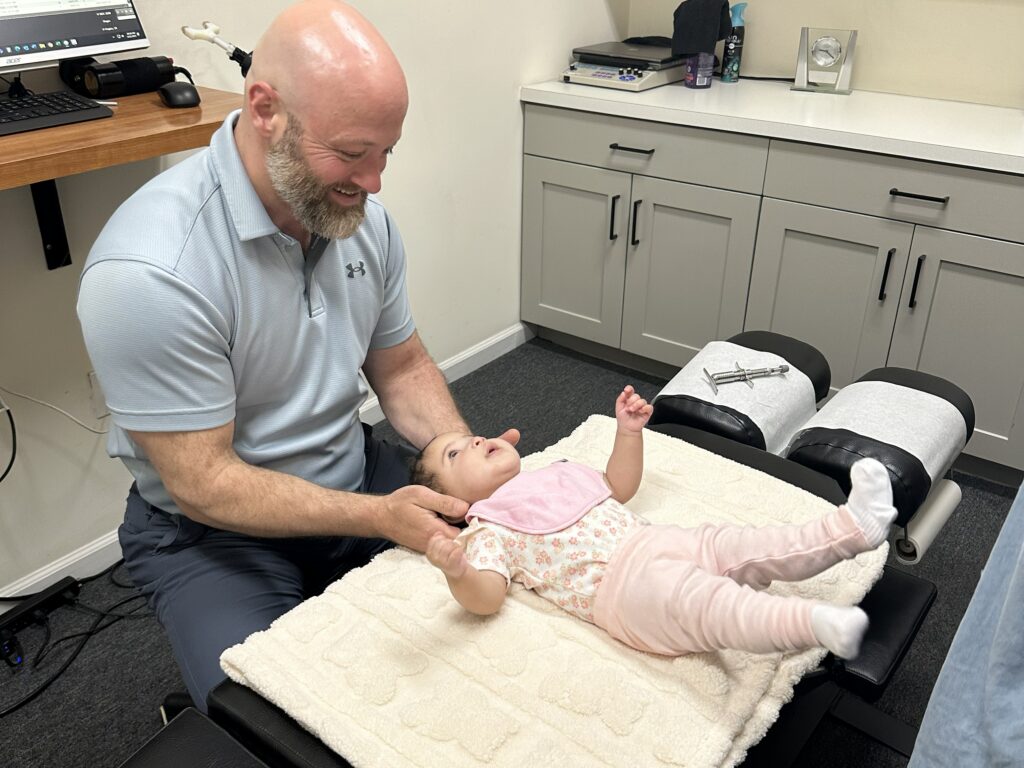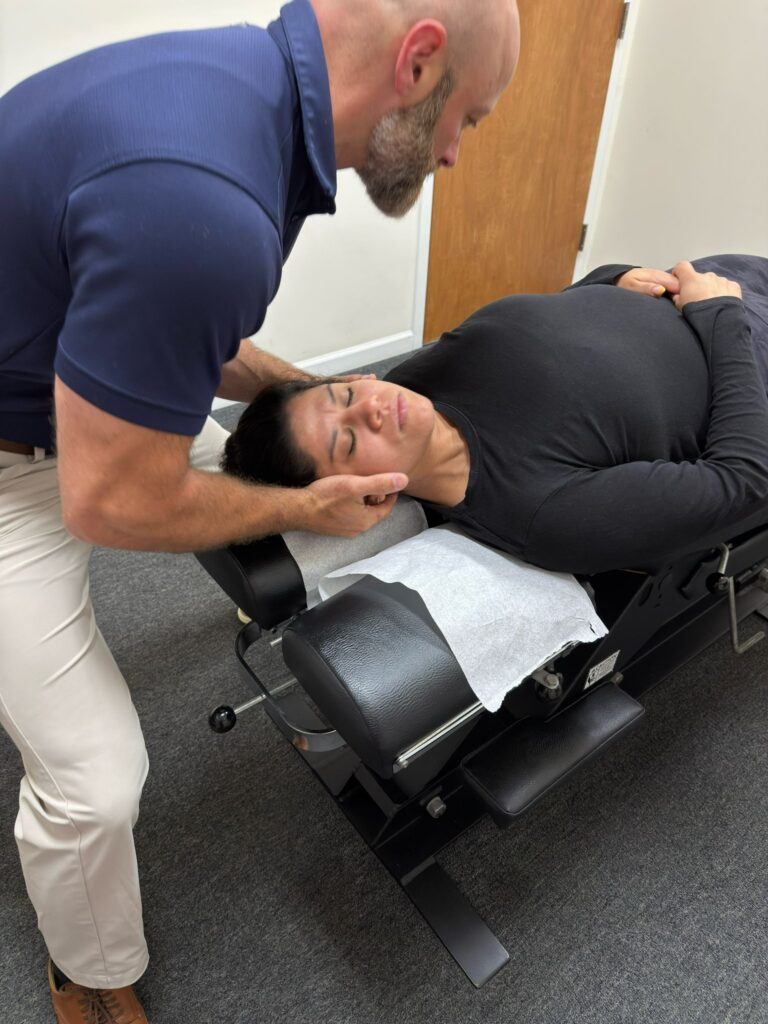

Finding the right visit frequency for chiropractic care is crucial for your overall well-being. It goes beyond merely alleviating pain; it’s about recognizing your specific health needs and aspirations. Striking a balance between your busy schedule and your chiropractor’s guidance is key. Too few visits might leave you grappling with discomfort, while too many can feel like an overwhelming commitment. So, how can you find that ideal rhythm? Let’s take a closer look at some important factors that will help you create a customized care plan that suits your lifestyle and promotes optimal health through chiropractic care.
First, consider your personal health goals. Are you seeking relief from chronic pain, or are you focused on maintaining your overall wellness? Communicating openly with your chiropractor about your objectives will help them tailor a plan that addresses your unique situation. Remember, chiropractic care isn’t just for pain relief; it’s also an empowering way to support your body’s natural healing processes and enhance your quality of life.
Next, think about your current lifestyle and any physical activities you engage in. If you lead a physically demanding life or participate in sports, you may benefit from more frequent visits to help maintain spinal alignment and prevent injuries. On the other hand, if you have a more sedentary lifestyle, a less frequent visit schedule may suffice. Your chiropractor can help you assess your activity levels and recommend an appropriate frequency.
Additionally, listen to your body. It’s important to be mindful of how you feel between visits. If you notice discomfort resurfacing or your energy levels dipping, it may be time to adjust your visit frequency. Trusting your instincts and communicating any concerns with your chiropractor will ensure you receive the best care possible.
Lastly, don’t hesitate to ask questions and seek advice. Your chiropractor is not just a healer; they are your partner in achieving optimal health. They can provide you with valuable tips and tricks to incorporate into your daily routine, such as stretches, exercises, and lifestyle changes that support your chiropractic care.
In conclusion, finding the right visit frequency for your chiropractic care can significantly enhance your overall health and wellness. By understanding your health goals, considering your lifestyle, listening to your body, and engaging in open communication with your chiropractor, you can create a personalized care plan that empowers you to live your best life naturally. Remember, chiropractic care is more than just treating pain—it’s a holistic approach to achieving optimal health and wellness.
Key Takeaways
- Start by evaluating your unique health needs and wellness aspirations to establish a chiropractic visit frequency that works best for you.
- Make it a habit to have regular check-ins with your chiropractor; this allows for adjustments to your treatment plan as your symptoms and mobility evolve.
- Keep track of any changes in your symptoms and overall well-being; this information can be invaluable in guiding decisions about how often you should visit.
- Always communicate openly with your chiropractor about any increases in pain or if you feel like you’re not improving. This ensures that your care remains effective and tailored to your needs.
- Work together with your chiropractor to create a personalized care plan that strikes the right balance between comfort and the necessary treatments, ensuring you get the maximum health benefits from your chiropractic care.
By choosing chiropractic care, you’re opting for a natural approach to wellness that focuses on healing your body from within. Remember, consistent visits can lead to better long-term outcomes, allowing you to enjoy a pain-free, healthier life.
Understanding Your Relationship Needs
Understanding Your Relationship Needs Through Wellness
When considering your relationships, it’s essential to recognize that just like your physical health, everyone has different emotional needs and expectations. Just as you’d assess your body for signs of discomfort or misalignment, understanding your own emotional needs is the first step toward establishing a healthy relationship dynamic.
Reflect on what you value most in your connections—whether it’s frequent communication, quality time, or the space to be independent. Assess how much interaction you genuinely desire, and pay attention to how often you feel fulfilled in these interactions.
Just as regular chiropractic adjustments can help maintain spinal health and overall wellness, effective communication can help maintain healthy relationships. Share your feelings with your loved ones. Let them know what you need emotionally, and be open to hearing their perspectives as well.
This open dialogue fosters mutual understanding and respect, allowing everyone involved to find a balance that supports both emotional and relational wellness.
Incorporating these practices can lead to a more fulfilling life, just as regular chiropractic care can lead to improved physical health. Take time to check in with yourself and those around you, ensuring that both your emotional and physical wellness are prioritized.
The Impact of Over-Commitment
Over-commitment can easily arise when you’re trying to meet the emotional needs of those around you. It’s all too common to feel pressured to say yes to every request, but this can lead to stress, tension, and even physical pain. Recognizing the impact of over-commitment is crucial for maintaining your overall well-being, including your spinal health.
Here are a few consequences you might face:
- Increased Stress and Tension: Balancing too many commitments can overwhelm you, leading to anxiety and fatigue. This stress can manifest physically, contributing to muscle tension and discomfort in your back and neck.
- Reduced Quality of Interactions: When you’re stretched too thin, your ability to engage meaningfully with others diminishes. This can lead to feelings of isolation and emotional strain, which can further affect your physical health.
- Neglected Personal Needs: Overcommitting often means you forget to take care of your own emotional and physical health. When your body is under stress, it can lead to chronic pain and discomfort, making it essential to prioritize self-care.
Taking a step back to evaluate your commitments can help you find a healthier balance. Incorporating chiropractic care into your wellness routine can be a fantastic way to alleviate stress and support your body in adapting to life’s demands. Regular adjustments can help reduce tension, improve spinal alignment, and enhance your overall health.
Here are some general tips to help you manage over-commitment and promote a healthier lifestyle:
- Set Boundaries: Learn to say no when necessary. Protecting your time is key to maintaining your health.
- Prioritize Self-Care: Dedicate time for yourself each week, whether it’s a chiropractic adjustment, relaxation, or a hobby you enjoy.
- Practice Mindfulness: Techniques like meditation or deep breathing can help reduce stress and center your mind.
- Stay Active: Regular physical activity, even simple stretches or walks, can help relieve tension and keep your spine healthy.
Recognizing Signs of Under-Connection
Understanding Signs of Under-Connection and How Chiropractic Care Can Help
Feeling under-connected can be an overlooked part of our well-being, often leading to physical and emotional discomfort. You might find yourself feeling lonely in a crowd or losing interest in activities that once brought you joy. These signs can indicate a deeper disconnection that may affect your overall health.
Here’s a simple guide to help you recognize signs of under-connection and understand how chiropractic care can support your journey toward better well-being:
| Sign | Description | Action Suggestion |
|---|---|---|
| Persistent Loneliness | Feeling isolated even when surrounded by others | Connect with a chiropractor for holistic support; consider group wellness classes |
| Lack of Enthusiasm | Losing interest in hobbies or activities | Explore gentle exercises or stretches recommended by your chiropractor to reignite your passion |
| Emotional Fatigue | Feeling drained after social interactions | Schedule regular chiropractic adjustments to help reduce stress and enhance energy levels |
Recognizing these signs is essential for improving not just your emotional connections, but also your physical health. Chiropractic care focuses on aligning the spine and improving nervous system function, which can enhance your mood and energy levels.
Here are some general tips to help combat feelings of under-connection:
- Stay Active: Engage in physical activities that you enjoy. Regular movement supports spinal health and boosts endorphins, which can improve your mood.
- Connect with Nature: Spend time outdoors. Fresh air and nature can help rejuvenate your spirit and provide a sense of connection to the world around you.
- Prioritize Self-Care: Make time for relaxation and self-care practices. Regular chiropractic adjustments can be a key part of your self-care routine, helping to alleviate tension and promote a sense of well-being.
- Reach Out: Don’t hesitate to reach out to friends or family. Building connections can be therapeutic, and discussing your feelings can lead to greater understanding and support.
- Consider Chiropractic Care: Regular visits to a chiropractor can improve not only your physical health but also your emotional well-being. A balanced spine contributes to a balanced mind.
Listening to your feelings is vital. If you notice signs of under-connection, consider incorporating chiropractic care into your health regimen. It’s a natural and effective way to enhance your overall wellness and restore balance in your life.
Communicating Preferences With Others
Effective communication is essential in every aspect of our lives, including when discussing health and wellness preferences, particularly regarding chiropractic care. It’s vital to be clear about what works for you in achieving optimal health and wellness, so everyone understands your needs.
Here are a few tips to help you communicate your preferences effectively, especially in relation to chiropractic treatments:
- Be Direct: Don’t hesitate to express your needs clearly. Use “I” statements to share your feelings about the frequency of chiropractic visits that make you feel best. For instance, saying “I feel most aligned when I visit weekly” can help your chiropractor tailor a plan that suits you.
- Listen Actively: Encourage your chiropractor to share their insights as well. A two-way conversation fosters a deeper understanding of your health journey and allows for collaborative decision-making that prioritizes your wellness.
- Set Boundaries: If certain treatment frequencies or practices don’t resonate with you, explain your reasons calmly. Whether it’s time constraints or personal comfort, sharing these details helps your chiropractor respect your needs and adjust your care plan accordingly.
Remember, chiropractic care is about natural healing and achieving balance in your body.
Establishing a Personalized Visit Frequency
To establish a personalized visit frequency for your chiropractic care, begin by assessing your specific health needs and wellness goals. This ensures that your visits are tailored to what you truly want to achieve in terms of pain relief and overall wellness.
Regularly tracking your progress is essential; it allows you to adjust your visit frequency as necessary to ensure you’re getting the most benefit from your chiropractic treatments.
Remember, chiropractic care is designed to support your body’s natural healing processes and promote healthier living. By committing to a consistent visit schedule, you can experience greater relief from discomfort and improve your overall health.
Here are a few tips to help you make the most of your chiropractic visits:
- Communicate openly: Share your symptoms and any changes you notice with your chiropractor. This helps them tailor your care to your needs.
- Stay consistent: Regular visits can help you maintain alignment and prevent future issues, making it easier for your body to function optimally.
- Incorporate wellness habits: Engage in regular exercise, maintain a balanced diet, and practice good posture to enhance the benefits of your chiropractic care.
- Listen to your body: If you feel discomfort or changes in your condition, don’t hesitate to reach out to your chiropractor. They can help adjust your treatment plan accordingly.
Assess Your Needs
When considering how often to visit your chiropractor for optimal health and wellness, there are several important factors to keep in mind.
First, think about your personal health goals. Are you aiming to relieve pain, improve mobility, or enhance your overall well-being? Chiropractic care is an excellent choice for addressing these issues naturally and effectively.
Next, take a look at your current lifestyle. Your daily schedule and commitments can play a significant role in determining how frequently you can attend appointments. Remember, chiropractic care is designed to fit seamlessly into your life, helping you manage stress and maintain a healthy spine without adding to your burdens.
Lastly, consider your budget. While chiropractic care is often a cost-effective solution for pain relief and wellness, it’s essential to find a visit frequency that aligns with your financial situation. Many chiropractors offer flexible payment plans and packages to make care more accessible.
Here are some key takeaways to help you assess your needs:
- Define Your Health Goals: Identify what you want to achieve with chiropractic care, whether it’s pain relief, improved function, or overall wellness.
- Evaluate Your Schedule: Be realistic about how often you can commit to visits based on your work, family, and personal life.
- Budget Wisely: Explore options for affordable care that allows you to prioritize your health without financial strain.
By considering these factors, you can establish a personalized visit frequency that suits your unique needs, ensuring you reap the full benefits of chiropractic care while promoting a healthier, happier lifestyle.
Monitor Progress Regularly
Regularly monitoring your progress is crucial for determining the right chiropractic visit frequency tailored to your needs. Keeping track of changes in your symptoms, mobility, and overall well-being can help you understand how often you should see your chiropractor for optimal results. Here’s a simple guide to evaluate your progress:
| Progress Indicator | Recommended Action |
|---|---|
| Symptom Improvement | Continue with your current visit schedule |
| No Change in Symptoms | Consider increasing your visits for better support |
| Increased Pain | Contact your chiropractor for an immediate appointment |
| Enhanced Mobility | You may be able to gradually reduce your visits |
| Overall Well-being Boosted | You can maintain or slightly reduce your visits |
Use this table to help guide your decisions about your chiropractic care. Remember, adjusting your visit frequency is essential for achieving and maintaining your health goals. Stay proactive in your journey towards natural wellness, and trust that chiropractic care is your best ally for pain relief and improved overall health. Prioritize your well-being, and make sure to communicate openly with your chiropractor about your progress!
Maintaining Balance in Your Relationships
Maintaining balance in your relationships isn’t just about emotional well-being; it also has a significant impact on your physical health. Clear communication is key in every connection, and just like keeping your spine aligned, setting boundaries with your loved ones can help ensure that everyone’s needs are met.
When you’re able to express your feelings and limitations, you can reduce stress and tension, which often leads to discomfort in the body. Consider how stress affects your spinal health. When you’re overwhelmed or strained in your relationships, it can lead to muscle tightness and misalignments in your spine.
By practicing open dialogue and establishing healthy boundaries, you create an environment that fosters relaxation and wellness. This not only benefits your emotional state but also promotes a healthier spine and body.
Here are a few tips to help maintain balance in your relationships while also supporting your overall health:
- Communicate Regularly: Like regular chiropractic adjustments, consistent communication keeps everything in alignment. Share your thoughts and feelings openly with your loved ones.
- Set Boundaries: Just as you should protect your spine from unnecessary strain, it’s important to protect your energy. Clearly define what you can and can’t handle in your relationships.
- Practice Stress Relief Techniques: Incorporate activities that promote relaxation, such as gentle stretching or mindfulness exercises. These can help alleviate tension that builds up due to relational stress.
- Visit Your Chiropractor: Regular chiropractic care can help maintain your physical health, allowing you to better engage in your relationships without physical discomfort. A well-aligned spine promotes overall wellness.
- Encourage Healthy Interactions: Foster an environment where everyone feels valued and heard. This not only strengthens your relationships but also contributes to a more relaxed body and mind.
Importance of Communication
While you may cherish the moments spent with loved ones, effective communication is essential for keeping those relationships balanced and healthy, much like maintaining a healthy spine.
Just as you need to address spinal health through chiropractic care, expressing your feelings, needs, and expectations is crucial for fostering understanding and connection in your relationships. Here are some key aspects to reflect upon, which can also enhance your overall well-being:
- Be Honest: Just as you’d share your symptoms with your chiropractor, it’s important to share your thoughts and emotions with loved ones without fear of judgment. Honest communication helps to build trust and strengthen your connections.
- Listen Actively: Listening is like aligning your spine; it requires attention and care. Show that you value their perspective by truly hearing what they say. Active listening can lead to deeper understanding and more meaningful relationships, much like how proper spinal alignment leads to better health.
- Check In Regularly: Make it a habit to touch base with your loved ones, just as you’d schedule regular chiropractic adjustments. This ensures everyone feels heard and valued, contributing to a supportive environment that promotes emotional wellness.
Remember, just as chiropractic care focuses on natural healing and pain relief, open and honest communication can lead to healthier relationships and overall well-being.
Prioritize your emotional health as you’d your physical health, and you’ll find both thrive together.
Setting Boundaries Together
Effective communication is vital for fostering healthy relationships, and it also plays a crucial role in your overall health and wellness. Just as you set boundaries in personal relationships, it’s important to establish clear limits in your own life to nurture respect for your body and mind. By discussing what feels comfortable and what doesn’t, you can create an environment that promotes healing and well-being.
Here are some simple boundaries you can set for yourself that encourage a healthier lifestyle:
| Boundary Type | Example |
|---|---|
| Time Management | “I will schedule time for daily stretching and exercise.” |
| Emotional Limits | “I will take breaks when I feel overwhelmed to practice mindfulness.” |
| Physical Space | “I will create a dedicated area for my wellness routine.” |
| Resource Sharing | “I can help others with tips on wellness, but I need to prioritize my health first.” |
Conclusion
Finding your ideal visit frequency for chiropractic care is all about understanding your individual health needs and wellness goals. As your local chiropractor, I encourage you to listen to your body and communicate openly about any concerns or changes you experience. Together, we can create a personalized schedule that suits your lifestyle and supports your journey towards optimal health.
Chiropractic care goes beyond just relieving pain; it’s a pathway to achieving long-term wellness. Regular adjustments not only help alleviate discomfort but also promote overall health by keeping your spine aligned and your nervous system functioning at its best. By prioritizing routine check-ins, you can stay on track and make necessary adjustments based on your progress.
Here are some tips to help you maximize the benefits of chiropractic care:
- Listen to Your Body: Pay attention to how you feel after each visit. This can help you and your chiropractor determine the best frequency for your treatments.
- Stay Active: Incorporate gentle exercises and stretches into your daily routine to support the work we do in the office.
- Maintain Good Posture: Be mindful of your posture, especially if you spend long hours sitting. Proper alignment can help reduce strain on your spine.
- Stay Hydrated: Drinking plenty of water helps keep your body hydrated and can support the healing process.
- Communicate Openly: Share your experiences and any changes in your condition with your chiropractor to ensure your care plan is always optimized for you.
Remember, choosing chiropractic care is a commitment to your health and well-being. Take the first step today, and let’s work together to achieve a healthier, pain-free life!