
Tension headaches can be a frustrating challenge, but there are effective, natural ways to find relief, especially through chiropractic care. By incorporating simple practices into your daily routine, you can alleviate discomfort and regain focus. Here are some techniques that play an essential role in managing these headaches and promoting overall wellness.
- Stay Hydrated: Dehydration can contribute to tension headaches. Ensure you’re drinking enough water throughout the day to keep your body and mind functioning optimally.
- Practice Good Posture: Poor posture can lead to muscle tension in your neck and shoulders, which may trigger headaches. Being mindful of your posture while sitting and standing can make a significant difference.
- Incorporate Stretching and Movement: Gentle stretches can help relieve tight muscles that may be contributing to your headaches. Regular movement throughout the day can also enhance circulation and reduce tension.
- Utilize Relaxation Techniques: Techniques such as deep breathing, meditation, and yoga can help calm your mind and reduce stress, which is often a key factor in tension headaches.
- Apply Heat or Cold: Using a heating pad or an ice pack on your neck and shoulders can help relieve muscle tension and reduce headache pain.
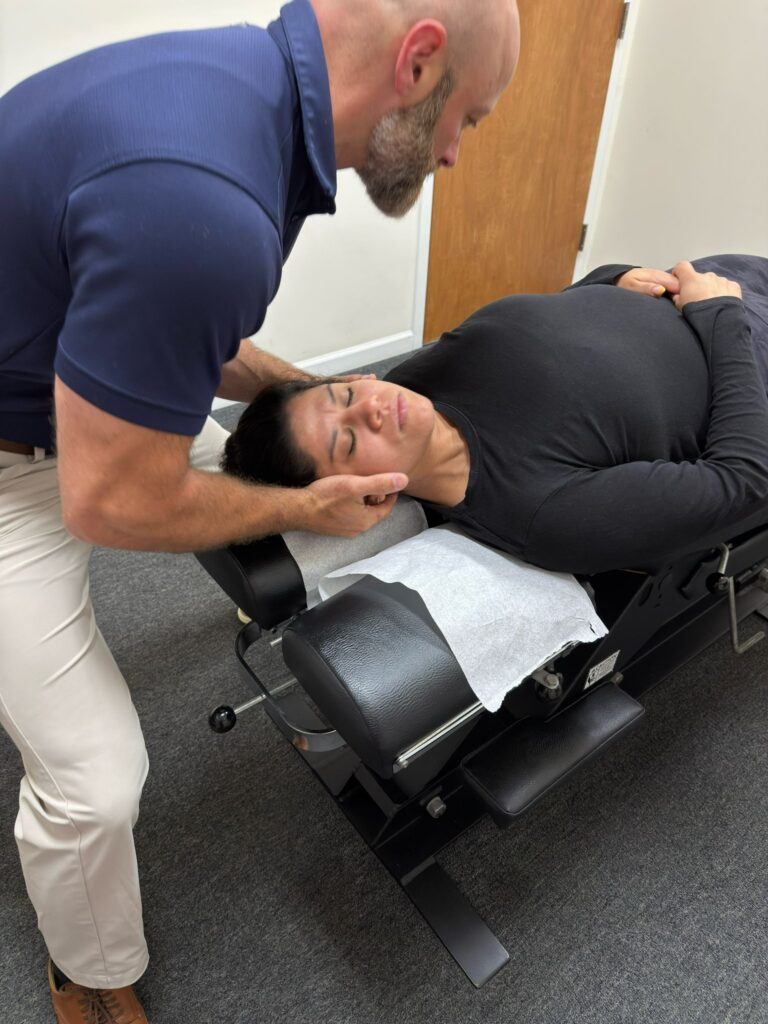
- Schedule Regular Chiropractic Adjustments: Chiropractic care focuses on the alignment of your spine and nervous system. Regular adjustments can help relieve tension in the muscles around the neck and upper back, reducing the occurrence of tension headaches.
- Maintain a Consistent Sleep Schedule: Quality sleep is crucial for your body to heal and recover. Establishing a regular sleep routine can help minimize headache triggers related to fatigue.
- Limit Screen Time: Excessive screen time can lead to eye strain and poor posture. Take breaks and practice the 20-20-20 rule—every 20 minutes, look at something 20 feet away for at least 20 seconds.
- Mind Your Diet: Certain foods can trigger headaches for some people. Keeping a food diary can help you identify and avoid these triggers.
- Stay Active: Regular physical activity not only boosts your overall health but can also reduce the frequency and intensity of tension headaches.
By integrating these techniques into your daily life and considering chiropractic care as a cornerstone of your wellness journey, you can effectively manage tension headaches and enhance your overall quality of life. Remember, optimal health is about addressing the root cause of your discomfort, and chiropractic care is an excellent, natural choice for achieving that.
Key Takeaways
- Stay hydrated by drinking at least eight 8-ounce glasses of water each day. Proper hydration can help prevent dehydration-related tension headaches, supporting your overall well-being and spinal health.
- Incorporate relaxation techniques into your daily routine, such as deep breathing and progressive muscle relaxation. These methods can help alleviate stress and reduce headache triggers, promoting a more balanced nervous system and enhancing your overall health.
- Focus on maintaining good posture and creating an ergonomic workspace. This can significantly minimize muscle tension in your neck and shoulders, reducing the likelihood of headaches and promoting a healthier spine.
- Prioritize consistent, quality sleep by aiming for seven to nine hours each night. Establishing a calming pre-sleep routine can greatly improve your sleep quality, which is essential for your body’s healing processes and overall wellness.
- Consider exploring natural pain management options like chiropractic care. Regular adjustments can help relieve tension, improve spinal alignment, and reduce the frequency of headaches. Additionally, massage therapy and acupuncture can complement chiropractic treatments, enhancing your body’s natural ability to heal.
By integrating these strategies into your lifestyle, you can pave the way for better health and wellness, positioning chiropractic care as a cornerstone of your journey to optimal well-being.
Stay Hydrated
Staying hydrated is an important aspect of maintaining overall health and wellness, and it can even play a significant role in preventing tension headaches. As a chiropractor, I often see how dehydration can contribute to discomfort, including headaches. When your body isn’t getting enough water, it can trigger these painful episodes, making it essential to prioritize hydration throughout your day.
Aim for a daily intake of at least eight 8-ounce glasses of water, though individual needs can vary based on activity level and other factors. When you start to feel a headache creeping in, try sipping on some water first. Many times, simply rehydrating can help ease your discomfort and support your body’s natural healing processes.
To make hydration easier, keep a water bottle with you at all times and set reminders to drink if you tend to forget. It’s also important to listen to your body; signs of dehydration can include dry mouth, fatigue, and irritability. Incorporating hydrating foods like fruits and vegetables into your meals can further enhance your hydration levels and contribute to your overall health.
As a chiropractor, I believe in the power of natural wellness practices. Staying hydrated is just one of many ways you can support your body’s health and reduce pain. By focusing on hydration and other natural methods, you can optimize your well-being and enjoy a healthier, more balanced life.
Practice Relaxation Techniques
When tension headaches strike, incorporating relaxation techniques into your daily routine can significantly enhance your overall well-being.
As a chiropractor, I emphasize the importance of a holistic approach to health, which includes addressing both the mind and body. Deep breathing exercises are an excellent way to calm your mind and reduce stress, while progressive muscle relaxation can help release physical tension stored in your muscles.
In addition to these techniques, it’s essential to focus on spinal health, as misalignments in the spine can contribute to tension headaches. Regular chiropractic adjustments can help align your spine, relieve pressure, and promote better overall health, which can lead to fewer headaches over time.
Here are some simple tips you can incorporate into your routine for natural relief:
- Practice Deep Breathing: Take a moment each day to focus on your breath. Inhale deeply through your nose, allowing your abdomen to rise, then exhale slowly through your mouth. This can help lower stress levels.
- Try Progressive Muscle Relaxation: Spend a few minutes each day tensing and relaxing different muscle groups in your body, starting from your toes and working up to your head. This technique can help release physical tension.
- Stay Hydrated: Dehydration can trigger headaches, so be sure to drink plenty of water throughout the day.
- Maintain Good Posture: Pay attention to your posture while sitting, standing, and sleeping. Proper alignment can help reduce strain on your neck and back, which may alleviate headache symptoms.
- Regular Chiropractic Care: Make regular visits to your chiropractor a part of your wellness routine. Chiropractic adjustments not only help with pain relief but also support your body’s natural healing processes.
By focusing on these natural methods and prioritizing chiropractic care, you can take proactive steps toward achieving optimal health and reducing the frequency and intensity of tension headaches.
Deep Breathing Exercises
Deep breathing exercises can be an excellent method to alleviate tension headaches and improve your overall well-being. As a chiropractor, I often recommend incorporating these exercises into your daily routine, as they not only help to calm your mind and body but also promote a healthier spine and nervous system.
To get started, find a comfortable position—whether you prefer sitting or lying down. Close your eyes and take a slow, deep breath in through your nose, allowing your abdomen to rise. This deep breathing encourages proper oxygen flow, which is essential for spinal health. Hold that breath for a moment, then exhale gently through your mouth.
Focus on the steady rhythm of your breath; this mindfulness can help reduce stress and tension in your body. Repeat this process for several minutes. With each exhale, visualize releasing any tension accumulated in your neck and shoulders, areas often affected by poor posture and stress.
If your thoughts drift, gently guide your focus back to your breath. This practice not only helps lessen headache intensity but also enhances relaxation, which is vital for maintaining a well-aligned spine.
Incorporating deep breathing into your daily life is a simple yet effective way to support your health naturally. Remember, chiropractic care works hand-in-hand with techniques like deep breathing to achieve optimal health.
Progressive Muscle Relaxation
One effective technique for relieving tension headaches that complements chiropractic care is Progressive Muscle Relaxation (PMR). This practice can help you relax your muscles and reduce tension, which may contribute to headaches.
To get started, find a quiet space where you won’t be disturbed, and take a deep breath to center yourself.
Begin with your toes, tensing them for a few seconds before releasing the tension. Gradually work your way up through your legs, abdomen, arms, and face, focusing on the sensation of relaxation in each area. As you let go of the tension, you’ll likely notice a calming effect that can enhance your overall well-being.
Incorporating PMR into your routine for just 10-15 minutes can be a powerful tool in managing headache symptoms and promoting relaxation.
Remember, while PMR is beneficial, regular chiropractic adjustments can also help align your spine and relieve stress on your nervous system, further supporting your journey to optimal health.
Combining these practices allows your body to function at its best and can reduce the frequency and intensity of headaches. Embrace these natural methods for a healthier, pain-free life!
Maintain Good Posture
To tackle tension headaches effectively, maintaining good posture is crucial, and chiropractic care plays a key role in achieving that. As a chiropractor, I emphasize the importance of an ergonomic workspace that supports your spine and overall well-being while you work. Proper alignment can reduce strain on your muscles and joints, which is essential in preventing headaches.
In addition to optimizing your workspace, strengthening your core muscles and practicing mindful sitting can significantly improve your posture throughout the day. Consider incorporating simple exercises that focus on your core stability and flexibility, as these can enhance your body’s natural support system.
Regular chiropractic adjustments can also help ensure your spine is aligned, reducing tension in the neck and upper back areas where headaches often originate. By addressing these underlying issues, chiropractic care not only provides pain relief but promotes a healthier, more balanced lifestyle.
Remember to take regular breaks, stretch, and be mindful of your posture whether you’re sitting or standing. If you’re experiencing consistent tension headaches, I encourage you to explore chiropractic care as a natural and effective solution for optimal health and wellness.
Ergonomic Workspace Setup
As a local chiropractor, I want to emphasize how your workspace setup can significantly affect your posture and, in turn, your overall well-being. Poor posture can lead to tension headaches and other discomforts, but by creating an ergonomic workspace, you can promote better alignment and reduce strain on your body. This is not just about comfort; it’s about supporting your spine and enhancing your health naturally. Here are some simple tips to help you evaluate your workspace:
| Element | Recommendation |
|---|---|
| Chair | Choose a chair that provides lumbar support to support the natural curve of your lower back. This encourages a healthy spine position. |
| Monitor Height | Position your monitor at eye level to avoid straining your neck. This will help keep your spine aligned and reduce discomfort. |
| Keyboard Position | Keep your keyboard at elbow height to ensure your wrists are straight while typing, which helps prevent tension in your shoulders and neck. |
Strengthening Core Muscles
Strengthening your core muscles is vital not only for maintaining good posture but also for supporting your overall spinal health. A robust core provides stability to your spine, allowing you to sit or stand upright effortlessly, which can help reduce strain on your neck and shoulders.
As a chiropractor, I’d like to share three effective core exercises that you can easily incorporate into your daily routine to enhance your well-being and alleviate discomfort:
- Planks: Begin by holding a plank position for 30 seconds. Ensure your body is straight from head to heels. This exercise strengthens your entire core and promotes spinal alignment. As you build strength, gradually increase the duration.
- Bridges: Lie on your back with your knees bent and feet flat on the floor. Lift your hips towards the ceiling while squeezing your glutes. Hold this position for a few seconds before lowering back down. This exercise not only strengthens your core but also supports your lower back, helping to prevent pain.
- Russian Twists: Sit on the floor with your knees bent and lean back slightly. Hold a weight or a medicine ball and twist your torso from side to side. This movement engages your oblique muscles and enhances spinal mobility.
Incorporating these exercises into your routine can significantly improve your posture, support your spine, and help alleviate tension headaches that may arise from poor alignment.
Remember, chiropractic care is an excellent addition to your wellness journey, providing natural healing and promoting optimal health. By focusing on strengthening your core and maintaining proper spinal alignment, you can enjoy a healthier, pain-free life.
If you experience persistent discomfort, consider visiting your chiropractor for personalized care and guidance.
Mindful Sitting Practices
Maintaining good posture during long periods of sitting is essential for your overall health and can significantly reduce the risk of tension headaches and other discomforts. As a chiropractor, I often see patients who struggle with pain due to poor sitting habits. Here are some simple tips to help you sit mindfully and promote your spinal health.
First, keep your feet flat on the floor and your knees at a 90-degree angle. This position helps maintain proper alignment and minimizes stress on your spine. Make sure to sit back in your chair so that your back is fully supported. Avoid slouching, as this can lead to discomfort and misalignment over time.
It’s also important to align your head over your shoulders. Keep your ears in line with your shoulders to prevent neck strain, which is a common issue for many people who spend hours at a desk. Using a chair that supports your lower back can make a big difference in your comfort level, and if needed, consider adding a cushion for extra support.
Remember to take breaks to stretch and move every hour. This simple practice helps relieve tension buildup and keeps your muscles engaged. If you work at a desk, position your screen at eye level to avoid craning your neck, which can lead to discomfort and misalignment.
Incorporating these mindful sitting practices into your daily routine can greatly improve your comfort and well-being.
And remember, regular chiropractic care can further enhance your spinal health and help you achieve optimal wellness. By addressing any misalignments and working to keep your spine in top condition, you can enjoy a pain-free lifestyle.
Take care of your body, and it will take care of you!
Apply Cold or Warm Compresses
Applying cold or warm compresses can be a highly effective way to alleviate tension headaches, and it’s a natural method that complements chiropractic care. These simple techniques can provide immediate relief, helping to soothe pain and reduce muscle tension in a way that supports your overall wellness.
Here’s how you can use them effectively:
- Cold Compress: For a cold compress, take a cold pack or a cloth soaked in cold water and gently place it on your forehead for about 15 minutes. The cold sensation can numb the area and help reduce inflammation, offering a quick way to ease your headache.
- Warm Compress: If you feel more comfortable with warmth, consider using a heating pad or a warm towel on your neck and shoulders. The heat can relax tight muscles and enhance blood flow, which is crucial for recovery and comfort.
- Alternating Compresses: You may also try alternating between hot and cold compresses. This technique can stimulate circulation and promote muscle relaxation, providing a balanced approach to easing your tension headaches.
Remember, it’s essential to listen to your body. Adjust the temperature to what feels comfortable for you, and don’t hesitate to reach out to your chiropractor for personalized advice.
They can offer additional strategies and treatments tailored to your specific needs, helping you achieve optimal health and wellness naturally.
Get Regular Exercise
Incorporating regular exercise into your daily routine isn’t only beneficial for your overall health, but it can also play a significant role in reducing the frequency and intensity of tension headaches. As a chiropractor, I want to emphasize that physical activity increases blood flow, encourages the release of natural feel-good hormones called endorphins, and helps release tight muscles—all of which can alleviate headache symptoms.
Aim for at least 30 minutes of moderate exercise most days of the week. Activities such as walking, cycling, or yoga can be particularly effective. These exercises not only strengthen your body but also promote spinal health, which is crucial for overall well-being.
It’s important to listen to your body. If you’re feeling fatigued or sore, consider opting for gentler forms of exercise, like stretching or light yoga.
Consistency is key, so find activities that you enjoy to make it easier to stick with your routine. Even short bursts of activity throughout the day can be beneficial, and they can help improve your mood and energy levels, which is an added bonus.
Remember, regular exercise is a powerful tool in managing tension headaches and enhancing your quality of life.
Additionally, don’t forget the importance of chiropractic care. Regular adjustments can help keep your spine aligned, reduce tension in your muscles, and further support your efforts in achieving optimal health.
Manage Stress Effectively
Managing stress is essential for reducing tension headaches, especially since physical activity alone may not address the emotional and mental factors that contribute to pain.
As a chiropractor, I want to share some effective strategies that can help you manage stress naturally and promote your overall wellness, without relying on medications or invasive procedures.
- Practice Mindfulness: Dedicate a few minutes each day to focus on your breath or try meditation. This practice can help clear your mind and reduce anxiety, ultimately supporting your body’s natural healing process.
- Set Boundaries: It’s important to learn how to say no when you’re feeling overwhelmed. Prioritizing your time and energy not only helps to manage stress but also allows your body to maintain its balance and health.
- Engage in Hobbies: Make it a priority to spend time doing things you love, whether that’s reading, gardening, or painting. Engaging in enjoyable activities can significantly lower stress levels and enhance your overall well-being.
Incorporating these strategies into your daily routine can complement your chiropractic care, promoting a healthier lifestyle and helping you achieve optimal health.
Ensure Adequate Sleep
Getting enough sleep is crucial for preventing tension headaches and promoting overall wellness. As a chiropractor, I can tell you that quality sleep not only helps your body recover but also supports spinal health. By maintaining good sleep hygiene and sticking to a consistent sleep schedule, you can greatly enhance your rest and well-being.
Here are some simple tips to improve your sleep and, in turn, your health:
- Establish a Routine: Go to bed and wake up at the same time every day. This consistency helps regulate your body’s internal clock, making it easier to fall asleep and wake up refreshed.
- Create a Sleep-Friendly Environment: Make your bedroom a sanctuary for sleep. Keep it dark, quiet, and cool. Consider using blackout curtains and a white noise machine if necessary.
- Limit Screen Time Before Bed: The blue light emitted by screens can interfere with your sleep. Try to turn off electronic devices at least an hour before bedtime.
- Relaxation Techniques: Incorporate relaxation methods like deep breathing, gentle stretches, or meditation into your bedtime routine. These practices can help calm your mind and prepare your body for a restful night.
- Mind Your Posture: Pay attention to your sleeping position. A supportive mattress and pillow that align your spine can prevent discomfort and promote better sleep.
- Stay Active: Regular exercise can improve sleep quality. Just be sure to finish exercising a few hours before bedtime to allow your body to wind down.
- Visit Your Chiropractor: Regular chiropractic adjustments can help improve your overall spinal alignment, which may enhance your sleep quality and reduce tension headaches.
Remember, your body needs adequate rest to heal and function optimally. By prioritizing sleep and incorporating these practices, you’re taking important steps toward natural wellness and pain relief.
If you have ongoing issues with sleep or headaches, consider consulting your chiropractor for personalized care. Your journey to better health starts with a good night’s sleep!
Sleep Hygiene Practices
Proper sleep hygiene is crucial not only for your overall health but also for alleviating tension headaches. As a chiropractor, I understand the importance of restful sleep in maintaining a healthy spine and body.
By improving your sleep quality through simple, natural practices, you can experience less discomfort and better wellness overall. Here are three essential tips to enhance your sleep hygiene:
- Limit Screen Time: It’s best to steer clear of electronic devices for at least an hour before you hit the hay. The blue light emitted by screens can interfere with your body’s natural sleep cycle, making it harder to relax and get the rest you need. Instead, consider taking this time to engage in more soothing activities.
- Create a Relaxing Environment: Your bedroom should be a sanctuary for sleep. Ensure that the space is dark, quiet, and at a comfortable temperature. Simple additions like blackout curtains can help block out light, and a white noise machine can mask disruptive sounds, creating the perfect atmosphere for rejuvenating rest.
- Establish a Pre-Sleep Routine: Develop a calming routine before bed to signal to your body that it’s time to wind down. Activities such as reading a book or practicing meditation can help you relax, making it easier to fall asleep and stay asleep. This routine not only promotes better sleep but also supports your body’s natural healing processes.
Prioritizing these sleep hygiene practices can significantly enhance your health and well-being.
Sleep Schedule Consistency
Maintaining a consistent sleep schedule is essential for achieving optimal health and well-being, especially when it comes to managing pain and promoting natural healing. As a chiropractor, I often emphasize the importance of regular sleep patterns in regulating your body’s internal clock. When you go to bed and wake up at the same time every day, you enhance your sleep quality, which can significantly reduce the likelihood of tension headaches.
Aim for seven to nine hours of restful sleep each night. Establishing a calming bedtime routine can also make a world of difference. Consider activities like gentle stretching or deep breathing exercises, which not only prepare your body for sleep but can also support spinal health.
It’s important to avoid screens and stimulating activities before bedtime, as they can interfere with your ability to fall asleep and ultimately affect your overall wellness.
If you find yourself struggling to wake up or feeling groggy during the day, it might be time to reassess your sleep habits. Remember, prioritizing a regular sleep schedule is a simple yet effective way to manage headaches and enhance your overall health.
Limit Screen Time
Excessive screen time can lead to eye strain and tension headaches, which can affect your overall well-being and spinal health. As a chiropractor, I believe it’s important to manage your screen usage to promote not only eye health but also a healthier spine.
Here are three practical strategies to help you limit your screen time while supporting your natural wellness journey:
- Take Regular Breaks: Implement the 20-20-20 rule to give your eyes and body a break. Every 20 minutes, look at something 20 feet away for at least 20 seconds. This simple practice helps your eyes relax and can reduce tension in your neck and shoulders, promoting better spinal alignment.
- Set Daily Limits: Designate specific time blocks for your screen activities. By setting daily limits, you can avoid prolonged exposure to screens, which can contribute to discomfort and stiffness in your back and neck. Sticking to these limits not only supports your eye health but also encourages you to engage in activities that promote movement and flexibility.
- Create Tech-Free Zones: Establish areas in your home where screens aren’t allowed, such as the dining room or bedroom. This helps foster more face-to-face interactions and encourages you to spend time on activities that can enhance your overall wellness, such as stretching, exercising, or enjoying quality time with family.
A balanced lifestyle is essential for maintaining a healthy spine.
By incorporating these strategies into your daily routine, you can reduce the negative impacts of screen time while prioritizing your health and well-being.
Try Over-the-Counter Pain Relievers
When tension headaches strike, it’s important to address the discomfort, and while over-the-counter pain relievers like ibuprofen, acetaminophen, or aspirin may provide temporary relief, they aren’t the only option.
As a chiropractor, I encourage you to explore natural solutions that promote overall wellness and address the root cause of your headaches. Chiropractic care focuses on the health of your spine and nervous system, which can play a significant role in how your body processes pain.
Regular adjustments can help improve spinal alignment, reduce tension in your muscles, and enhance blood flow, potentially alleviating the frequency and intensity of tension headaches.
In addition to chiropractic adjustments, consider these natural tips to manage tension headaches:
- Stay Hydrated: Dehydration can contribute to headaches, so make sure you’re drinking plenty of water throughout the day.
- Practice Good Posture: Poor posture can lead to muscle tension in your neck and shoulders, which may trigger headaches. Pay attention to how you sit and stand throughout the day, especially if you work at a desk.
- Incorporate Stress-Relief Techniques: Activities like yoga, meditation, or deep-breathing exercises can help reduce stress and tension, which are common headache triggers.
- Get Regular Exercise: Physical activity increases blood circulation and releases endorphins, which can help reduce pain.
- Prioritize Sleep: Ensure you’re getting enough restful sleep each night, as sleep deprivation can lead to increased headache frequency.
If you find that headaches are becoming a regular issue, it may be time to consult with a chiropractor who can work with you to develop a personalized plan for pain relief and wellness.
Explore Alternative Therapies
Exploring alternative therapies can be a great way to find relief from tension headaches, especially if traditional methods haven’t worked for you. While chiropractic care is often the best option for addressing the root causes of headaches, these additional therapies may also support your journey to wellness and enhance your overall well-being.
Here are three options to consider as you seek relief:
- Acupuncture: This ancient practice involves placing very thin needles into specific points on the body. Many individuals report that acupuncture can help reduce the frequency and intensity of their headaches. While it’s not a substitute for chiropractic care, it may be a helpful complement.
- Massage Therapy: Regular massage can work wonders for relieving muscle tension and promoting relaxation. This can be especially beneficial if tight muscles contribute to your headaches. Coupling massage with chiropractic adjustments can enhance your overall relief and help maintain a healthy spine.
- Herbal Remedies: Certain herbs, such as feverfew and butterbur, have been studied for their potential to reduce headache frequency. However, it’s essential to consult with a healthcare professional before trying any new supplements. Remember, chiropractic care focuses on natural healing, and a chiropractor can guide you on the best approaches for your situation.
In addition to these therapies, here are some general tips to help manage tension headaches:
- Stay Hydrated: Dehydration can trigger headaches, so be sure to drink plenty of water throughout the day.
- Practice Good Posture: Poor posture can lead to muscle tension and headaches. Be mindful of your posture while sitting at a desk or using your phone.
- Take Breaks: If you find yourself working for long periods, be sure to take regular breaks to stretch and relax your muscles.
By prioritizing chiropractic care alongside these complementary therapies, you can take significant steps toward achieving optimal health and reducing headache occurrences naturally.
Always consult with your chiropractor to find the best plan for your unique needs.
Conclusion
By incorporating these techniques into your daily routine, you can effectively relieve tension headaches and enhance your overall well-being. One of the most important aspects is to stay hydrated, as dehydration can contribute to headaches. Additionally, practicing relaxation methods such as deep breathing or meditation can help ease tension in your body. Maintaining good posture is crucial; poor alignment can lead to increased strain on your neck and shoulders, which are common culprits of tension headaches.
Regular chiropractic adjustments can also play a significant role in headache relief. By ensuring that your spine is aligned, you can reduce nerve irritation and improve your body’s overall function. Alongside chiropractic care, consider integrating regular exercise and adequate sleep into your routine, as both are vital for managing stress and promoting healing.
Exploring alternative therapies, such as massage or acupuncture, can complement your chiropractic care and provide additional relief. With a proactive approach centered around natural healing, you can find the relief you need and enjoy a more comfortable, headache-free life. Remember, prioritizing your spinal health is key to achieving optimal wellness!