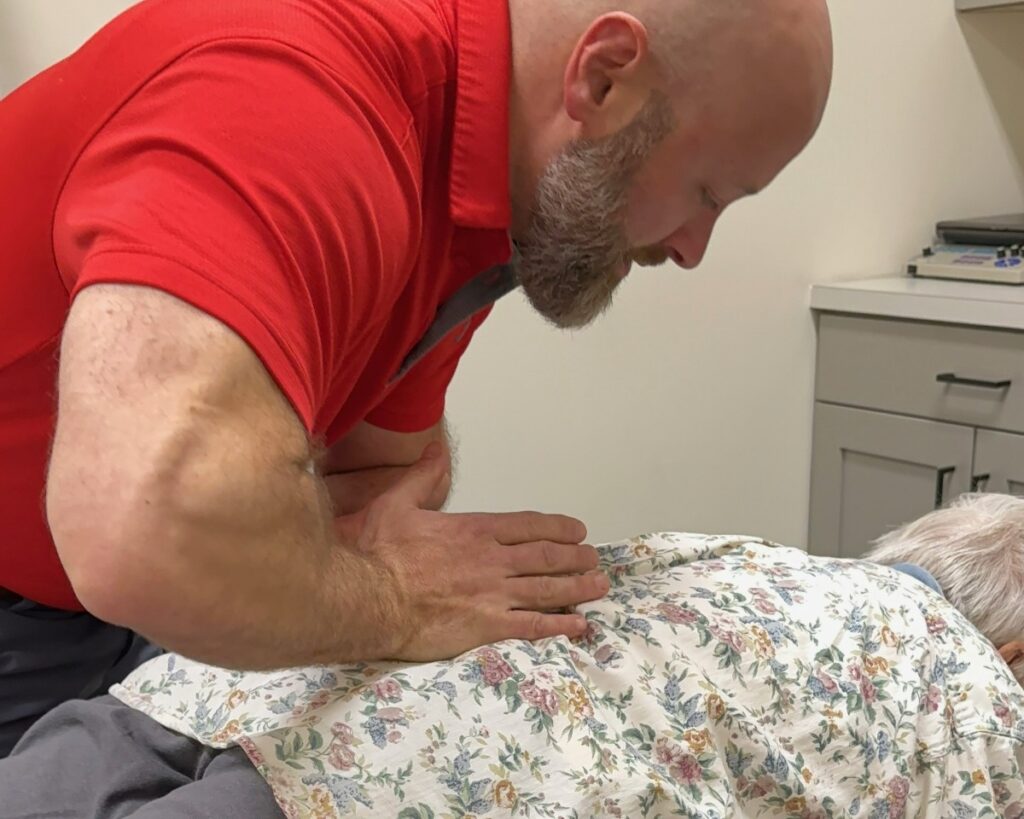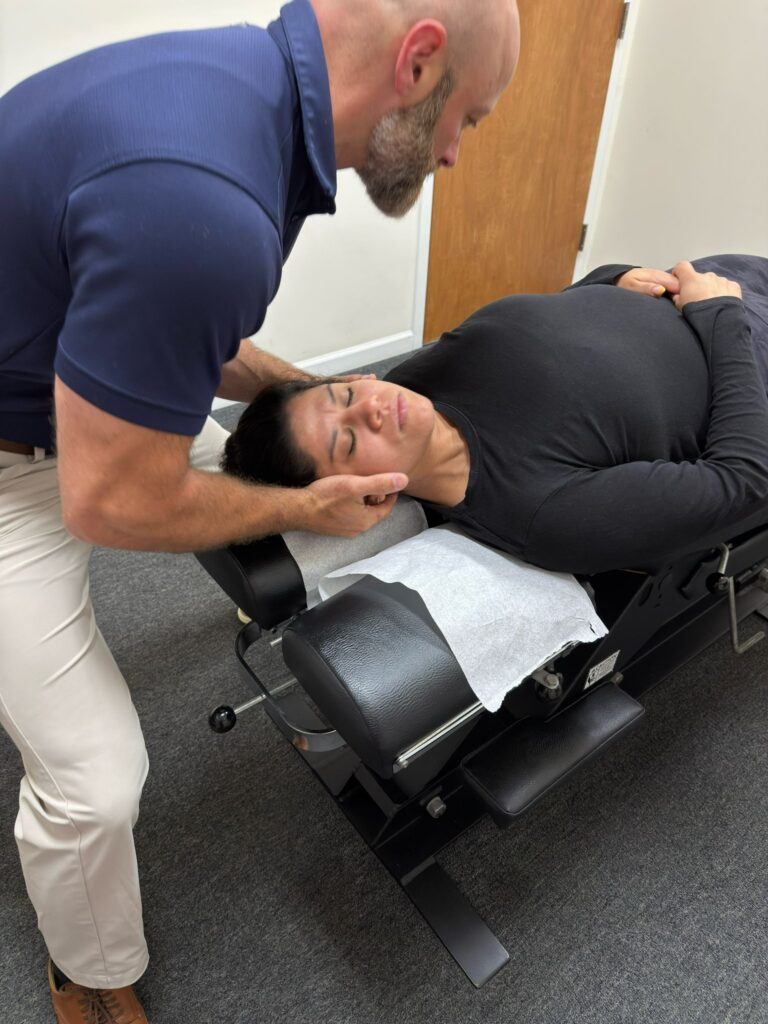

If you’re experiencing low back discomfort, know that you’re not alone, and there are natural, effective ways to alleviate this pain. As a chiropractor, I believe that chiropractic care is one of the best approaches to achieving optimal health and well-being.
Many individuals face back pain, but with the right techniques, you can find relief. Simple stretches can enhance your flexibility and reduce tension in your back. Mindful posture is crucial—be aware of how you sit, stand, and move throughout your day. Targeted exercises designed to strengthen your core and support your spine can also contribute significantly to your comfort.
In addition to these practices, incorporating heat or cold therapy can provide soothing relief for aching muscles. Heat helps to relax and loosen tissues, while cold therapy can reduce inflammation in the affected area.
Curious about how to integrate these strategies into your routine? Here are some practical tips you can start with:
- Daily Stretching: Incorporate gentle stretches into your morning or evening routine to keep your back flexible and reduce stiffness.
- Posture Awareness: Pay attention to your posture while sitting and standing. Use ergonomic furniture whenever possible to support your spine.
- Core Strengthening: Engage in exercises that strengthen your core muscles. A strong core helps support your spine and can alleviate pressure on your lower back.
- Heat and Cold Applications: Use a heating pad or ice pack on your lower back for 20 minutes at a time to help manage pain and inflammation.
- Regular Chiropractic Visits: Regular adjustments by a qualified chiropractor can help align your spine, relieve pressure, and promote overall spinal health.
By focusing on these natural techniques and considering chiropractic care as a key component of your wellness routine, you can take proactive steps towards alleviating your low back discomfort and enhancing your overall quality of life. Remember, the goal is to support your body’s natural healing processes and promote a healthier lifestyle.
Key Takeaways
- Incorporate gentle stretches like cat-cow and child’s pose into your daily routine. These simple movements can help release tension and improve flexibility in your back, making it easier to maintain a healthy spine.
- Pay attention to your posture. Using ergonomic seating and keeping your feet flat on the floor while sitting can significantly reduce strain on your back. Good posture supports your spine and contributes to overall wellness.
- Strengthening your core is vital for back health. Simple exercises such as planks, bridges, and pelvic tilts can provide the support your spine needs to function properly. A strong core helps prevent discomfort and promotes better alignment.
- Consider using heat packs to soothe tight muscles and cold packs to alleviate inflammation and pain. These natural remedies can be part of your healing process and complement the benefits of chiropractic care.
- Make it a habit to take regular breaks to walk and stretch throughout the day. This practice not only helps alleviate stiffness but also encourages better circulation. Incorporating relaxation techniques such as yoga and deep breathing can further enhance your overall well-being and help manage stress.
Remember, chiropractic care is an excellent option for addressing low back discomfort and promoting natural healing. By adopting these simple strategies, you can take proactive steps toward a healthier spine and a more vibrant life.
Natural Techniques for Low Back Pain Relief
When low back discomfort strikes, it can significantly interfere with your daily life and overall wellness. Tasks like sitting for extended periods, bending down, or lifting everyday items may become daunting challenges. Thankfully, there are several natural techniques you can use to alleviate this discomfort and reclaim your routine, and chiropractic care is a fantastic option to consider.
One of the most beneficial approaches is incorporating gentle stretches into your daily routine. Stretching helps to release tension in your back muscles and enhance flexibility. Simple movements like the cat-cow stretch or child’s pose can work wonders for your back. Just a few minutes of stretching each day can lead to meaningful improvements. Remember to breathe deeply as you stretch; this not only promotes relaxation but also aids in relieving tension in both your mind and body.
Another essential aspect to focus on is your posture. Poor posture can contribute significantly to low back pain. Be mindful of how you sit and stand throughout the day. When seated, ensure your back is straight and well-supported, with your feet flat on the floor. If you work at a desk, it’s worth investing in an ergonomic chair that provides proper lower back support. When standing, distribute your weight evenly on both feet and avoid locking your knees. Maintaining good posture can drastically reduce strain on your back.
Strengthening exercises are also crucial for supporting your lower back. Building strength in your core can provide additional support for your spine. Incorporate exercises like planks, bridges, and pelvic tilts into your routine, as these can help strengthen the muscles that stabilize your spine. Start with a few repetitions and gradually increase them as you gain strength, but be mindful not to overexert yourself, as that could lead to further discomfort.
Heat and cold therapy can be incredibly effective for managing low back pain. Applying a heat pack can relax tight muscles and increase blood flow to the area, promoting healing. Conversely, a cold pack can help reduce inflammation and numb sharp pain. Experiment with alternating between heat and cold to discover which method provides the best relief for you.
Additionally, consider your daily habits. If you spend long hours sitting, make sure to take breaks to walk around and stretch. This simple practice can relieve tension and prevent stiffness. Engage in low-impact activities like walking or swimming during your breaks, as they provide relief without putting extra strain on your back.
Lastly, don’t overlook the value of relaxation techniques. Stress can intensify muscle tension, so incorporating practices like yoga, meditation, or deep breathing can be highly beneficial. These methods help calm your mind and body, making it easier to manage discomfort.
As a chiropractor, I encourage you to explore these natural methods for alleviating low back discomfort. Chiropractic care not only addresses the root causes of pain but also promotes overall wellness. By prioritizing spinal health and incorporating these tips into your routine, you’ll be on the path to a healthier, pain-free life. Remember, taking proactive steps today can lead to lasting relief and improved quality of life.
Conclusion
Incorporating these natural techniques can significantly ease your low back discomfort and enhance your overall wellness. As a chiropractor, I believe that maintaining a healthy spine is crucial for your body’s optimal function. By practicing gentle stretches and strengthening your core muscles, you can support your spine and help alleviate pain.
Good posture is essential—being mindful of how you sit, stand, and move can prevent unnecessary strain on your back. Always listen to your body; if something feels off, it’s important to adjust your activities accordingly. Using heat or cold packs can also provide relief and promote healing.
Regular walking breaks are a fantastic way to keep your body active and avoid stiffness. Movement is key to maintaining spinal health, and simple activities like walking can make a big difference.
Embrace these habits, and you may notice a positive shift in your comfort and flexibility over time. Remember, chiropractic care is an excellent choice for addressing low back discomfort and supporting your journey toward natural wellness. Your back deserves the best care possible!