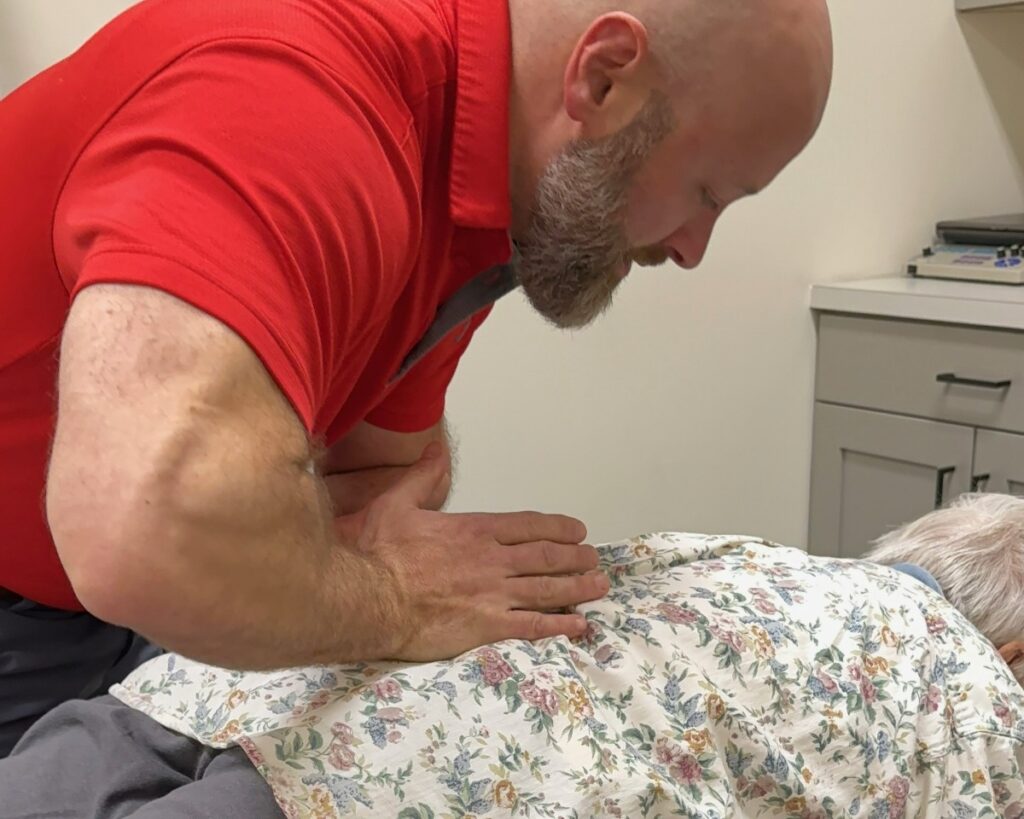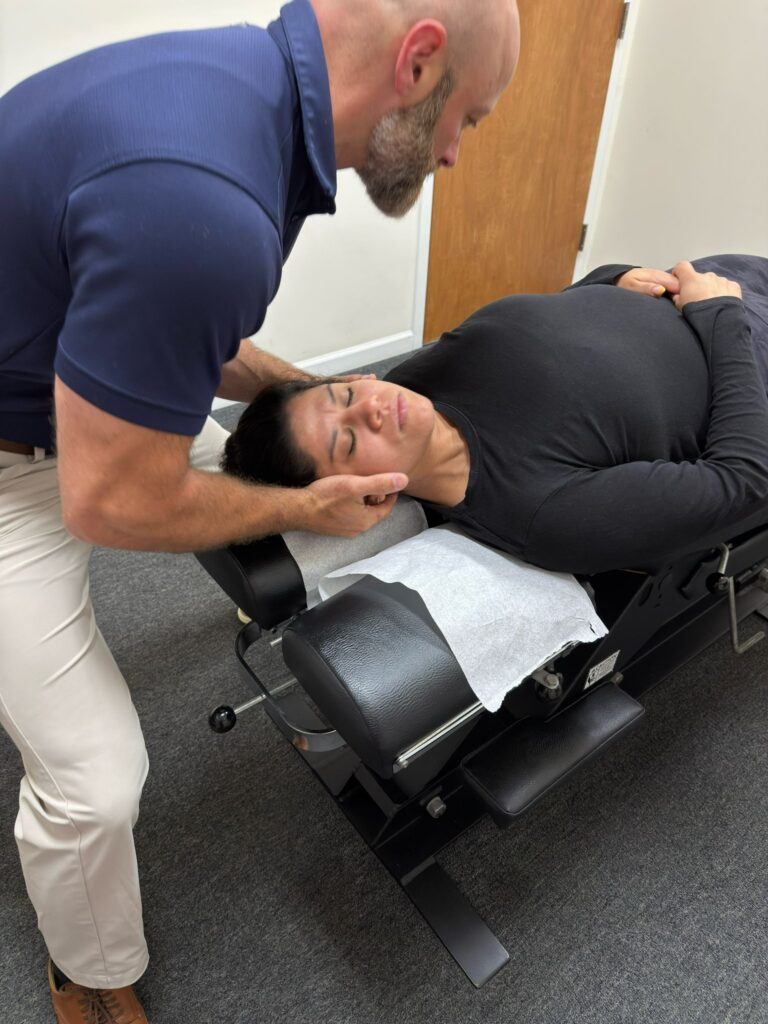

Headaches can be a frustrating distraction in your daily life, but you don’t have to rely on medication for relief. As a chiropractor, I believe in the power of natural healing and the body’s ability to restore itself with the right care. There are several natural methods that can help ease your discomfort and improve your overall well-being. By incorporating chiropractic care and making a few simple adjustments to your routine, you may find effective ways to minimize headache occurrences. Let’s explore some practical tips that could transform your approach to managing headaches naturally.
- Stay Hydrated: Dehydration is a common trigger for headaches. Make sure you’re drinking plenty of water throughout the day. Keeping your body hydrated supports overall health and can help prevent headaches.
- Maintain Good Posture: Poor posture can lead to tension in your neck and shoulders, contributing to headaches. Focus on maintaining a neutral spine while sitting or standing. Chiropractic adjustments can help align your spine and improve your posture, reducing tension.
- Regular Chiropractic Care: Regular visits to your chiropractor can help address underlying issues that may be contributing to your headaches. Chiropractic adjustments can relieve nerve pressure, improve spinal alignment, and promote overall wellness.
- Manage Stress: Stress is a significant headache trigger for many people. Incorporating relaxation techniques, such as deep breathing, meditation, or gentle yoga, can help. Chiropractic care can also help manage stress by promoting relaxation and balance in your body.
- Get Enough Sleep: Poor sleep can lead to headaches. Aim for a consistent sleep schedule and create a restful environment to improve your sleep quality. Chiropractic care can help address any discomfort that may be affecting your sleep.
- Limit Screen Time: Excessive screen time can strain your eyes and neck, leading to headaches. Take regular breaks to rest your eyes and stretch your neck. Your chiropractor can also provide exercises to strengthen these areas.
- Exercise Regularly: Physical activity can help reduce the frequency and severity of headaches. Engaging in regular exercise promotes better circulation and releases endorphins, which are natural pain relievers.
By focusing on these natural methods and incorporating chiropractic care into your routine, you can take proactive steps to manage headaches and enhance your well-being. Remember, your body has the ability to heal itself, and with the right support, you can achieve optimal health.
Key Takeaways
- Consider using diluted peppermint oil on your forehead and temples for a refreshing sensation that may help ease headache pain. This natural remedy can complement the benefits of chiropractic adjustments, which can realign your spine and improve blood flow, potentially reducing the frequency and severity of headaches.
- Staying well-hydrated is essential for overall health and can prevent dehydration-related headaches. Aim to drink at least eight glasses of water daily. Proper hydration supports the spinal discs, ensuring they stay healthy and can help maintain optimal alignment, which is crucial for headache relief.
- Applying cold or warm compresses to your forehead or neck can reduce inflammation and relax tense muscles. This method is a great addition to your chiropractic care routine, as it helps alleviate discomfort while your chiropractor works on correcting spinal misalignments that may contribute to headaches.
- Engaging in relaxation techniques such as deep breathing or mindfulness meditation can be beneficial for reducing stress-related headaches. When combined with chiropractic care, these practices can enhance your overall sense of well-being and promote a healthier spine.
- Regular exercise is another vital component of a headache prevention strategy. It boosts blood circulation and releases natural mood-lifting endorphins. By maintaining a consistent exercise routine, along with chiropractic adjustments, you can support your spine and reduce the likelihood of tension headaches.
Remember, chiropractic care focuses on holistic healing and addressing the root causes of discomfort, including headaches. By incorporating these natural tips into your routine, you can work towards achieving optimal health and wellness.
Stay Hydrated
When you’re feeling a headache creeping in, one of the simplest yet most effective remedies is to stay hydrated. Dehydration can trigger headaches, so drinking enough water throughout the day is essential for your overall health and wellness. Aim for at least eight glasses, but listen to your body—it might need more to function at its best.
If plain water isn’t your favorite, consider herbal teas or infusing your water with fruits to make it more appealing. Keeping a water bottle close by can serve as a helpful reminder to sip regularly and stay on top of your hydration.
It’s important to pay attention to your body’s signals; if your urine appears dark yellow, it’s a sign you may need to increase your fluid intake. Additionally, incorporating hydrating foods, like cucumbers or watermelon, can support your hydration goals while also contributing to your overall well-being.
Remember, maintaining proper hydration not only helps prevent headaches but can also support better spinal health and function. Staying well-hydrated is a simple step that can enhance your chiropractic care and overall wellness.
Always consult with your chiropractor for personalized advice on how to achieve optimal health and pain relief through natural methods.
Practice Relaxation Techniques
Headaches can be quite bothersome, but there are natural ways to alleviate tension and discomfort without resorting to medications or surgeries. As a chiropractor, I emphasize the importance of holistic health approaches, and practicing relaxation techniques can be a game-changer for managing headaches.
Focusing on deep breathing, engaging in meditation, or incorporating gentle yoga can significantly ease your pain. These simple practices help you release built-up stress and tension in your body, improving blood flow and reducing headache symptoms.
Here’s a helpful table outlining some effective relaxation techniques that you can easily integrate into your daily routine:
| Technique | Description |
|---|---|
| Deep Breathing | Inhale deeply through your nose, hold for a moment, and exhale slowly. Repeat several times to promote relaxation. |
| Progressive Muscle Relaxation | Start from your toes and work your way up, tensing each muscle group for a few seconds before relaxing them. This helps release physical tension. |
| Guided Imagery | Picture a calm and peaceful scene or a happy memory to help calm your mind and reduce stress. |
| Mindfulness Meditation | Pay attention to the present moment, observing your thoughts without judgment. This practice can enhance your mental clarity and reduce anxiety. |
Incorporating these relaxation techniques into your routine can make a noticeable difference in how you experience headaches. Additionally, regular chiropractic care supports your overall well-being and spinal health, which can further aid in reducing headache frequency and intensity. Remember, a well-aligned spine contributes to better nervous system function, promoting holistic health and pain relief. Prioritize your health by exploring these natural methods and consider chiropractic care as a vital component of your wellness journey.
Maintain a Consistent Sleep Schedule
Maintaining a consistent sleep schedule is crucial for not only your overall health but also for reducing the frequency and intensity of headaches. When you go to bed and wake up at the same time every day, your body becomes more adept at regulating its internal clock. This regulation enhances the quality of your sleep, which is essential for headache prevention and overall wellness.
Aim for seven to nine hours of restful sleep each night. If you have trouble falling asleep, consider establishing a calming bedtime routine. This might include activities such as reading a book, practicing gentle stretches, or enjoying a warm cup of herbal tea.
It’s best to avoid screens and stimulating activities before bed, as they can disrupt your ability to wind down. If you find yourself waking up during the night, be mindful of your caffeine intake and heavy meals in the hours leading up to sleep. These can interfere with your ability to enjoy uninterrupted rest.
By prioritizing a regular sleep pattern, you’ll not only wake up feeling more refreshed, but you may also notice a reduction in headache occurrences. Remember, consistency is key for your health and well-being.
Alongside these sleep tips, consider incorporating chiropractic care into your wellness routine. Chiropractic adjustments can help alleviate tension in your spine and neck, which may contribute to headaches. By choosing chiropractic care, you’re opting for a natural approach to achieving optimal health and pain relief.
Take charge of your health by making sleep a priority and exploring the benefits of chiropractic care today!
Use Essential Oils
After establishing a consistent sleep schedule, let’s delve into other natural strategies for managing headaches that complement the benefits of chiropractic care. One effective approach is using essential oils, which can provide relief and promote relaxation.
Lavender oil is well-known for its calming properties, which can help ease tension and reduce stress. You can simply inhale the scent directly or mix a few drops with a carrier oil and gently massage it onto your temples. This not only promotes relaxation but also enhances the overall benefits of chiropractic adjustments by relieving muscle tension.
Peppermint oil is another fantastic option. Its menthol content creates a cooling sensation that can help alleviate headache pain. Applying diluted peppermint oil to your forehead and temples may offer quick relief, making it a great addition to your wellness routine alongside regular chiropractic visits.
Eucalyptus oil, recognized for its anti-inflammatory properties, can also be beneficial, especially for sinus-related headaches. Diffusing eucalyptus oil in your space can help open up nasal passages and relieve pressure, enhancing your breathing and overall comfort.
While exploring these oils, it’s important to find the one that resonates with you. Always perform a patch test to ensure there’s no skin irritation, and remember that if headaches persist, seeking chiropractic care can address underlying issues related to spinal alignment and overall health.
Incorporating these natural remedies into your routine can complement the effectiveness of chiropractic care, helping you achieve optimal health and wellness. Always prioritize holistic approaches that support your body’s natural healing processes!
Apply Cold or Warm Compresses
When headaches strike, applying a cold or warm compress can provide quick relief and complement your chiropractic care. Cold compresses are excellent for reducing inflammation and numbing pain, helping to alleviate discomfort in tandem with spinal adjustments.
On the other hand, warm compresses work wonders by relaxing tense muscles, promoting better blood flow, and enhancing the overall healing process.
Here’s how to use these techniques effectively for better comfort:
- Cold Compress: Wrap ice or a cold pack in a cloth and apply it to your forehead or the back of your neck for 15-20 minutes. This can help numb the pain and reduce any swelling, offering a natural alternative to over-the-counter pain medications.
- Warm Compress: Use a warm towel or a heating pad on a low setting, applying it to the areas of tension, such as your neck or shoulders. This helps to soothe tight muscles and can enhance the benefits of your chiropractic adjustments.
Remember, these simple techniques can be great tools for pain relief, but they should complement regular chiropractic visits, where we focus on addressing the root causes of your headaches through spinal health and alignment.
Prioritize your wellness by incorporating these practices into your routine, and always consult with your chiropractor for personalized advice tailored to your specific needs.
Together, we can work towards achieving optimal health and a pain-free life!
Cold Compress Benefits
Applying a cold compress can be an effective natural remedy for relieving headaches, especially when you’re experiencing tension or migraines. The cool sensation helps numb the pain and reduce inflammation, providing immediate comfort.
To use a cold compress, simply wrap ice or a cold pack in a cloth and place it on your forehead or the back of your neck. You’ll likely notice a decrease in tension as the cold constricts blood vessels, which can help ease that throbbing feeling.
For optimal results, aim to apply the cold compress for 15 to 20 minutes at a time. This simple technique not only offers relief but is also a drug-free option with no side effects.
However, it’s important to remember that while cold therapy can be beneficial, it’s best used in conjunction with a holistic approach to health, such as regular chiropractic care.
Chiropractic adjustments can help address underlying issues that may be contributing to your headaches, such as spinal misalignments and muscle tension. By visiting a chiropractor, you can receive personalized treatment aimed at restoring balance to your body, improving your overall wellness, and reducing the frequency and intensity of headaches.
So next time you find yourself battling a headache, consider reaching for that cold compress for immediate relief, and also think about scheduling an appointment with your chiropractor to explore long-term solutions that promote better health and well-being.
Warm Compress Advantages
While cold compresses may help numb pain, warm compresses provide unique advantages for headache relief that can complement your wellness journey. When you apply warmth to your forehead or neck, it helps relax tense muscles, improves circulation, and reduces discomfort. This soothing heat fosters a sense of calm, making it particularly beneficial during stressful times. If you’re experiencing tension headaches, warm compresses can alleviate tightness and create a comforting sensation.
Moreover, the warmth encourages blood flow, which can be especially helpful for headaches related to sinus pressure. Incorporating warm compresses into your routine is a gentle, effective way to ease your symptoms and promote relaxation.
To enhance your overall health and wellness, consider pairing warm compresses with regular chiropractic care. Chiropractic adjustments can help address the underlying issues that contribute to headaches, such as spinal misalignments and muscle tension.
By focusing on natural healing through chiropractic care, you can support your body’s ability to maintain balance and health.
Remember, managing headaches doesn’t have to rely solely on temporary fixes. By integrating techniques like warm compresses and chiropractic adjustments into your lifestyle, you’re taking proactive steps towards optimal health and well-being.
Application Techniques Explained
Understanding the right application techniques for cold and warm compresses can make a significant difference in relieving headaches and promoting overall wellness. As a chiropractor, I often recommend these methods as part of a natural approach to health. Here’s how to effectively use them:
| Compress Type | Application Technique |
|---|---|
| Cold | To ease headache pain, place a cold pack wrapped in a cloth on your forehead for 15-20 minutes. This can help reduce inflammation and numb the pain. |
| Warm | For tension relief, use a warm towel or heating pad on your neck or shoulders for 20-30 minutes. This can help relax tight muscles and improve circulation. |
| Cold | For localized pain, consider using ice cubes in a bag; gently hold it against the affected area. This targeted approach can provide quick relief. |
| Warm | Always ensure the warmth is comfortable to the touch; too hot can cause burns. A comfortable warmth promotes relaxation and healing without risk. |
Incorporating these simple techniques into your routine can complement your chiropractic care and enhance your journey towards optimal health. Remember, regular chiropractic adjustments can help maintain proper spinal alignment and overall well-being, reducing the frequency and intensity of headaches over time. Prioritize your health naturally!
Monitor Food Triggers
Food plays a significant role in triggering headaches for many people, and being mindful of what you eat can greatly impact your overall wellness. As a chiropractor, I believe that a holistic approach to health, including monitoring your diet, can be key to alleviating pain and achieving optimal health.
Start by keeping a food diary to track what you consume and when headaches occur. This practice can help you identify patterns and specific food triggers. Common offenders may include:
- Aged cheeses
- Processed meats
- Caffeinated beverages
- Alcohol
Once you discover your triggers, consider eliminating or reducing them from your diet. It may take some time to notice improvements, so patience is essential. Staying hydrated is also crucial; dehydration can lead to headaches and other discomforts.
Incorporating smaller, more frequent meals can help maintain steady blood sugar levels, which is beneficial in preventing headaches. By monitoring your food intake and making adjustments, you can take proactive steps toward easing your headaches naturally.
Remember, everyone’s triggers are different, so what works for one person mightn’t work for another. As you explore these dietary changes, don’t forget to include regular chiropractic care in your routine.
Chiropractic adjustments can help align the spine, improve nervous system function, and ultimately contribute to your overall health and well-being. By combining mindful eating with chiropractic care, you can work toward a healthier, headache-free life.
Incorporate Regular Exercise
Monitoring your diet is just one part of a comprehensive approach to managing headaches; incorporating regular exercise can also play a crucial role in your overall wellness. As a chiropractor, I believe that a holistic approach to health, which includes natural healing methods like chiropractic care, is essential for achieving optimal health.
Exercise is not only beneficial for your body but also for your mind. It enhances blood circulation, reduces stress, and releases endorphins—natural mood lifters that can help alleviate headache symptoms. By integrating exercise into your daily routine, you may find significant relief from headaches while also supporting your spinal health.
Here’s a quick overview of effective exercises to consider:
| Exercise Type | Duration | Benefits |
|---|---|---|
| Walking | 30 minutes | Low-impact, boosts mood, easy on the joints |
| Yoga | 30 minutes | Reduces tension, improves flexibility, promotes relaxation |
| Cycling | 30 minutes | Great for cardiovascular health, and it’s fun! |
| Swimming | 30 minutes | Full-body workout, low impact on the spine and joints |
| Strength Training | 30 minutes | Builds muscle, improves posture, supports spinal alignment |
Incorporating these exercises into your routine can complement the benefits of chiropractic care by promoting a healthier lifestyle and reducing the frequency and intensity of headaches. Remember, staying active is essential not just for managing headaches but for overall wellness.
If you’re experiencing chronic headaches, consider visiting a chiropractor who can provide tailored advice and spinal adjustments to further enhance your well-being. By combining regular exercise with chiropractic care, you are taking a proactive step toward natural healing and optimal health.
Conclusion
As a local chiropractor, I understand how debilitating headaches can be, and I’m here to share seven natural tips to help you find relief and improve your overall wellness. By incorporating these strategies into your daily routine, you can take charge of your health and reduce the frequency and intensity of headaches.
- Stay Hydrated: Dehydration is a common headache trigger. Make sure you’re drinking enough water throughout the day to keep your body and spine well-hydrated.
- Practice Relaxation Techniques: Stress can lead to tension headaches. Techniques such as deep breathing, meditation, or gentle yoga can help calm your mind and body, promoting relaxation and reducing headache occurrence.
- Maintain a Consistent Sleep Schedule: Quality sleep is essential for spinal health and overall wellness. Aim to go to bed and wake up at the same time every day to help regulate your body’s internal clock.
- Utilize Essential Oils: Certain essential oils, like lavender and peppermint, can provide soothing relief. Try inhaling them or applying diluted oils to your temples to help ease headache pain.
- Apply Cold or Warm Compresses: Depending on your headache type, applying a cold or warm compress to your forehead or neck can provide comfort and relief. Cold can numb pain, while warmth can relax tense muscles.
- Watch for Food Triggers: Some foods may contribute to headaches. Keep a food diary to identify any patterns, and try to avoid known triggers, which could include processed foods, caffeine, or alcohol.
- Incorporate Regular Exercise: Physical activity is vital for maintaining a healthy spine and reducing tension. Aim for at least 30 minutes of exercise most days of the week, whether it’s walking, biking, or practicing your favorite sport.
By adopting these natural approaches and prioritizing your spinal health through chiropractic care, you can effectively manage headaches and enhance your overall well-being. Remember, chiropractic adjustments can also help alleviate tension and improve your body’s function, making them an excellent choice for pain relief and holistic health. Take these steps, and you’ll be on your way to feeling your best!