
If you experience headaches, you understand how disruptive they can be to your daily life. Thankfully, there are natural strategies that can help you find relief and improve your overall well-being. Staying properly hydrated and effectively managing stress are essential first steps, but there’s much more you can do. By identifying your headache triggers and making simple adjustments to your lifestyle, you can significantly decrease both the frequency and intensity of your headaches.
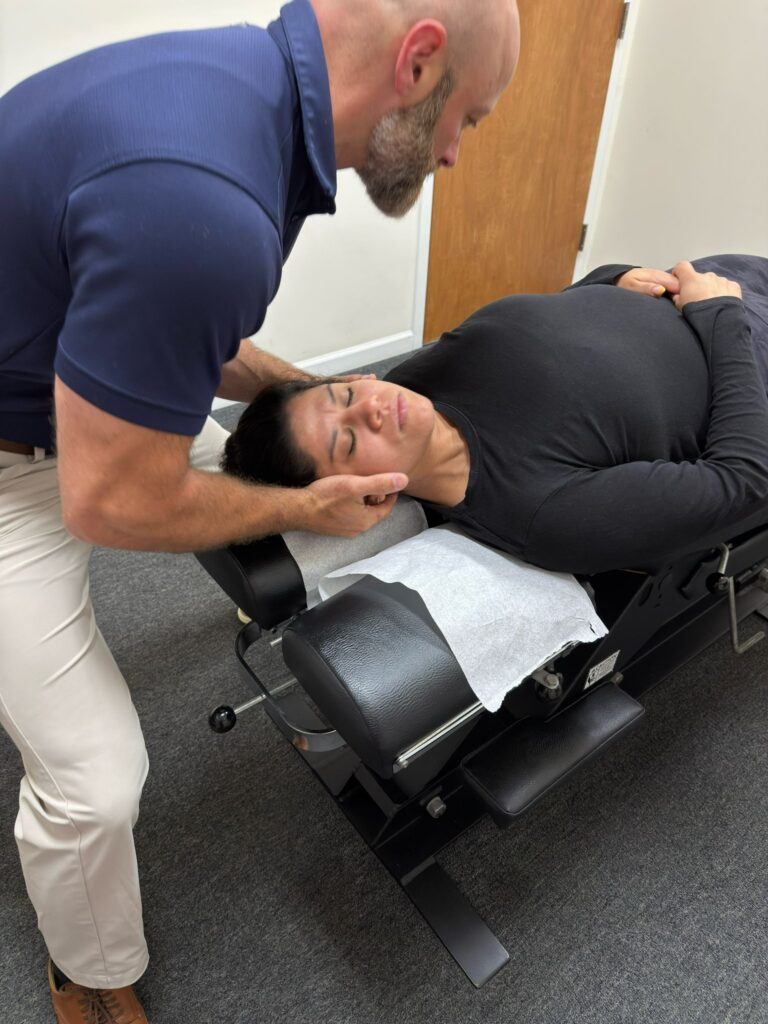
As a chiropractor, I believe in the power of natural healing and the body’s ability to recover itself—especially when supported by chiropractic care. Regular chiropractic adjustments can help align your spine, relieve tension, and improve your body’s overall function, which can be incredibly beneficial for headache sufferers.
Here are some practical tips to incorporate into your daily routine for headache relief:
- Stay Hydrated: Dehydration is a common headache trigger. Make sure you’re drinking plenty of water throughout the day.
- Manage Stress: Techniques like deep breathing, yoga, or meditation can help alleviate stress and tension in your body, reducing headache occurrences.
- Maintain Good Posture: Poor posture can lead to tension headaches. Be mindful of your posture, especially while sitting at a desk or using electronic devices.
- Regular Chiropractic Visits: A chiropractor can help identify misalignments in your spine that may contribute to headaches and provide gentle adjustments to relieve discomfort.
- Identify Triggers: Keep a diary to track your headaches and note any potential triggers, such as certain foods, lack of sleep, or environmental factors.
- Get Enough Sleep: Aim for a consistent sleep schedule, as sleep deprivation can be a significant headache trigger.
- Incorporate Regular Exercise: Regular physical activity promotes overall health and can help reduce stress and tension in the body.
By adopting these strategies and prioritizing chiropractic care, you can work towards achieving optimal health and reducing the impact of headaches on your life. Remember, a holistic approach to wellness can lead to lasting relief and a better quality of life. If you’re ready to take the next step, consider scheduling a visit to your local chiropractor to discuss personalized care options tailored to your needs.
Key Takeaways
- Stay hydrated by drinking at least eight 8-ounce glasses of water daily to help prevent dehydration-related headaches, as proper hydration supports overall health and wellness.
- Identify and avoid headache triggers by keeping a diary to track your food intake and eliminate potential triggers, which can help your body function optimally and reduce discomfort.
- Practice relaxation techniques such as deep breathing and mindfulness meditation to alleviate tension and stress, promoting a balanced nervous system that can contribute to fewer headaches.
- Maintain a regular sleep schedule and create a calming sleep environment to enhance the quality of your rest, as restorative sleep is crucial for overall health and can help prevent headaches.
- Consider seeking professional help from a chiropractor if headaches persist or worsen. Chiropractic care focuses on spinal alignment and overall wellness, which can provide natural relief and support your body’s ability to heal itself.
Stay Hydrated
When you’re feeling a headache coming on, it’s crucial to remember that staying hydrated can play a significant role in managing your discomfort. Dehydration is a common trigger for headaches, so ensuring you drink enough water throughout the day is essential for your overall health and wellness.
As a chiropractor, I recommend aiming for at least eight 8-ounce glasses of water daily, but if you’re active or spending time in a hot environment, you may need to increase your intake.
Carrying a water bottle with you can make it easier to sip throughout the day. If plain water doesn’t excite you, consider herbal teas or adding a slice of lemon for a refreshing twist.
It’s important to listen to your body; signs of dehydration can include dry mouth, fatigue, and dizziness. If you notice these symptoms along with your headache, reach for a glass of water right away. You might be surprised at how quickly proper hydration can ease your discomfort.
Staying hydrated not only helps prevent headaches but also supports your overall well-being, which is essential for maintaining a healthy spine and body.
Remember, chiropractic care is an excellent way to address pain naturally and promote optimal health. Along with staying hydrated, regular chiropractic adjustments can help alleviate tension in your body and improve your overall function.
Make hydration a part of your daily routine, and consider visiting your chiropractor for a holistic approach to wellness. Together, we can work towards a healthier, pain-free life!
Manage Stress Effectively
Managing stress effectively is crucial for preventing headaches and improving your overall quality of life. As a chiropractor, I want to emphasize that maintaining a healthy spine and nervous system plays a significant role in managing stress and promoting natural healing. Here are some practical strategies you can integrate into your daily life to help reduce stress and its impact on your health, all while supporting your body’s natural healing processes.
Consider incorporating these stress management techniques into your routine:
| Stress Management Technique | Benefits | Tips |
|---|---|---|
| Deep Breathing | Reduces tension in the body and mind | Inhale deeply for 4 counts, hold briefly, then exhale for 6. This helps to calm your nervous system. |
| Exercise | Boosts mood, increases energy, and supports spinal health | Aim for at least 30 minutes of physical activity, 5 times a week. Activities like walking, yoga, or swimming can be great for your spine and mental health. |
| Time Management | Helps lessen feelings of overwhelm and promotes organization | Prioritize your tasks and set realistic deadlines to avoid unnecessary stress. A well-structured day can lead to a healthier spine and reduced tension. |
| Social Support | Provides a vital source of emotional relief | Connect regularly with friends or family. A strong support network can uplift your mood and contribute to better overall health. |
| Meditation | Enhances focus, calmness, and overall well-being | Start with just 5 minutes a day, focusing on your breath or a simple mantra. Gradually increase your practice to enjoy more benefits. |
Maintain a Regular Sleep Schedule
Maintaining a regular sleep schedule is crucial for managing headaches and enhancing overall wellness. As a chiropractor, I often see how consistent sleep patterns can significantly contribute to spinal health and pain relief. Aim to go to bed and wake up at the same time each day to help your body reset and recover.
Creating an ideal sleep environment plays a key role in achieving restful sleep. Make sure your bedroom is dark, quiet, and cool to promote relaxation.
If you struggle with headaches, consider using supportive pillows and a comfortable mattress to keep your spine aligned as you sleep.
By prioritizing your sleep and establishing these habits, you can wake up feeling refreshed and headache-free.
Consistent Sleep Duration
Establishing a consistent sleep duration is crucial for reducing the frequency and intensity of headaches. Prioritizing regular sleep not only allows your body to heal and recharge but also supports your overall spinal health. Here are a few ways that consistent sleep can enhance your well-being:
- Improved Mood: Sticking to a regular sleep schedule helps balance your emotions, making you less irritable and more resilient to stress. A positive mood can also help prevent tension headaches, which are often exacerbated by stress.
- Enhanced Focus: Quality sleep is essential for optimal cognitive function. When you sleep well, your mind is clearer, allowing you to think more effectively and make better decisions. This clarity can help you identify headache triggers and take steps to avoid them.
- Reduced Tension: Adequate rest lowers muscle tension and stress levels, both of which are common headache triggers. By ensuring you get enough sleep, you can help your body release the built-up tension that might be affecting your spine and overall health.
In addition to prioritizing sleep, consider incorporating chiropractic care into your wellness routine. Regular chiropractic adjustments can help keep your spine aligned, reduce muscle tension, and promote better sleep patterns. By addressing spinal health, you can enhance your body’s natural ability to heal and reduce headache occurrences.
Here are a few tips to help you establish a consistent sleep routine:
- Set a Sleep Schedule: Try to go to bed and wake up at the same time every day, even on weekends.
- Create a Relaxing Bedtime Routine: Engage in calming activities before bed, such as reading or gentle stretching, to signal to your body that it’s time to wind down.
- Limit Screen Time: Reduce exposure to screens at least an hour before bed, as the blue light can interfere with your natural sleep cycle.
Ideal Sleep Environment
Creating an ideal sleep environment is crucial for achieving overall health and wellness, especially when it comes to relieving tension and discomfort in your body. As a chiropractor, I often emphasize the importance of restorative sleep in maintaining a healthy spine and reducing pain.
Here are some simple tips to help you create a sleep sanctuary that supports your well-being:
- Dark, Quiet, and Cool: A dark environment signals to your body that it’s time to sleep. Consider using blackout curtains to keep out unwanted light. If noise is an issue, earplugs or a white noise machine can help create a more peaceful atmosphere. Keeping your bedroom cool can also promote restful sleep.
- Comfortable Bedding: Invest in a mattress and pillows that provide adequate support for your spine and align your body correctly. This is essential for preventing pain and ensuring you wake up feeling refreshed.
- Declutter for Calmness: A tidy space can help reduce stress and promote relaxation. Take some time to declutter your bedroom, creating a serene environment that allows you to unwind.
- Limit Screen Time: The blue light emitted from phones and computers can interfere with your body’s natural production of melatonin, making it harder to fall asleep. Aim to turn off screens at least an hour before bedtime.
- Establish a Pre-Sleep Routine: Engaging in calming activities before bed, like reading a book or practicing gentle stretches, can signal to your body that it’s time to wind down. This routine helps prepare you for restorative sleep.
By focusing on these elements, you’ll not only create a sanctuary for sleep but also support your spinal health and overall wellness.
Remember, consistent, quality sleep can help reduce headache frequency and intensity, contributing to a better quality of life. If you experience ongoing discomfort, consider consulting with a chiropractor for personalized advice and natural healing strategies tailored to your needs.
Your journey to optimal health starts with the right sleep environment!
Identify and Avoid Triggers
How can you effectively manage your headaches? One of the most important steps is identifying and avoiding your triggers. Each person experiences different triggers, so it’s essential to pay attention to your body’s signals. A great way to start is by keeping a headache diary. This can help you track when your pain occurs and what might’ve contributed to it.
As a chiropractor, I believe that understanding and addressing these triggers can lead to better overall health and wellness, and chiropractic care is a natural way to support this process. Here are three common triggers you might want to be aware of and ways to manage them:
- Dehydration: Not drinking enough water can lead to headaches. Staying hydrated is crucial for your overall health, including spinal health. Keep a water bottle with you and make a habit of sipping throughout the day to ensure your body has what it needs.
- Stress: High-stress levels can trigger headaches, and managing stress is vital for both your physical and mental well-being. Incorporate relaxing activities into your routine, such as gentle stretching, walking, or listening to soothing music. Chiropractic adjustments can also help reduce stress by improving spinal alignment and promoting relaxation.
- Certain Foods: Some foods, such as aged cheeses or processed meats, may provoke headaches in some individuals. Consider experimenting with your diet by eliminating these foods to see if it makes a difference. A balanced diet can enhance your overall wellness, and chiropractic care can support your digestive health as well.
By focusing on these triggers and incorporating natural methods like chiropractic care into your wellness routine, you can take proactive steps towards managing your headaches and achieving optimal health.
Practice Relaxation Techniques
When a headache strikes, it’s essential to address it with effective, natural methods. As a chiropractor, I believe that practicing relaxation techniques can significantly enhance your well-being. One simple yet powerful method is deep breathing exercises. By focusing on your breath, you can calm your mind and alleviate tension that may be contributing to your headache.
Mindfulness meditation is another beneficial practice. It helps you stay present and centered, which can also ease discomfort. Incorporating these relaxation techniques into your daily routine can promote not only relief from headaches but also overall wellness.
Remember, regular chiropractic care can play a vital role in maintaining spinal health, which is essential for preventing headaches and other discomforts. By ensuring that your spine is properly aligned, you can support your body’s natural healing processes.
Deep Breathing Exercises
As a local chiropractor, I want to share how deep breathing exercises can serve as a beneficial tool in managing headaches while promoting overall wellness. By tuning into your breath, you can cultivate a sense of calm that not only alleviates tension but also complements the natural healing process of your body.
Here are three simple deep breathing techniques that can enhance your well-being and potentially reduce headache symptoms:
- Diaphragmatic Breathing: Start by inhaling deeply through your nose, allowing your belly to rise as you fill your lungs. Then exhale slowly through your mouth. This technique helps oxygenate your body, relaxes your muscles, and creates a harmonious balance that supports spinal health.
- 4-7-8 Breathing: Inhale for four seconds, hold your breath for seven seconds, and then exhale for eight seconds. This method encourages relaxation, which can help in reducing stress levels that often contribute to headaches. Integrating this practice into your routine can foster a peaceful mindset.
- Box Breathing: Inhale for four seconds, hold your breath for four seconds, exhale for four seconds, and pause for four seconds before repeating. This rhythmic breathing pattern can ground you and help alleviate headache symptoms, while also aligning with the principles of mindful living that support your overall health.
Remember, while these techniques can be helpful, chiropractic care is an excellent choice for addressing the underlying causes of headaches.
Regular chiropractic adjustments can help ensure your spine is in optimal alignment, improving your body’s ability to function and heal naturally. By incorporating deep breathing exercises into your routine alongside chiropractic care, you can take significant steps toward achieving a healthier, pain-free life.
Stay mindful of your body, and prioritize your wellness journey!
Mindfulness Meditation Practices
To enhance your relaxation and alleviate headache symptoms, incorporating mindfulness meditation practices into your routine can be incredibly beneficial, especially when paired with chiropractic care. As a chiropractor, I understand the importance of holistic approaches to health and wellness.
Start by finding a quiet space where you feel comfortable. You can either sit or lie down, close your eyes, and take a few deep breaths. Focus on your breath, noticing the rise and fall of your chest. If thoughts begin to interrupt your calm, gently acknowledge them and return your focus to your breath.
Even just five to ten minutes of this practice daily can make a difference; you can gradually increase the time as you become more comfortable with the technique.
Mindfulness helps to release tension and stress, which are common triggers for headaches. By being present in the moment, you can better manage the physical and emotional strains that contribute to discomfort. Regular mindfulness practice complements the adjustments and care you receive in chiropractic sessions, promoting overall wellness.
Additionally, here are a few tips to enhance your experience:
- Maintain good posture while meditating to avoid any strain on your spine.
- Combine your mindfulness practice with gentle stretching, which can improve spinal health and alleviate tension.
- Stay hydrated, as dehydration can also lead to headaches.
Consistency is key; make mindfulness a regular part of your day along with your chiropractic care for maximum relief. Together, these practices can help you achieve optimal health and a pain-free lifestyle.
Use Over-the-Counter Medications Wisely
While over-the-counter (OTC) medications can seem like a quick fix for headaches, it’s important to remember that they aren’t a long-term solution for your health and wellness.
As a chiropractor, I believe in the power of natural healing and the body’s ability to heal itself when given the right support. Here are three tips to consider when dealing with headaches, emphasizing chiropractic care as the best choice for lasting relief:
1. Understand Your Body’s Signals: Instead of immediately reaching for OTC medications, take a moment to assess what might be causing your headache. Are you stressed, dehydrated, or experiencing tension in your neck and shoulders?
These factors can lead to headaches, and addressing the root cause through chiropractic adjustments can provide lasting relief.
2. Explore Chiropractic Care: Many headaches, especially tension and cervicogenic headaches, can be effectively treated through chiropractic adjustments.
By aligning the spine and reducing tension in the muscles, chiropractic care not only alleviates pain but also promotes better overall health. It’s a natural and holistic approach that empowers your body to heal itself.
3. Adopt Healthy Habits: Incorporate regular exercise, proper hydration, and stress management techniques into your routine.
Practices like yoga, stretching, and mindfulness can help reduce the frequency and intensity of headaches. Additionally, getting regular chiropractic care can help maintain spinal health, which in turn supports overall wellness and minimizes discomfort.
Remember, your health is a priority, and choosing chiropractic care can lead to a more balanced and pain-free life.
If headaches persist, consider scheduling a visit to your chiropractor to discuss a personalized plan for relief and wellness.
Seek Professional Help When Necessary
When should you consider seeking professional help for your headaches? If your headaches are frequent or severe, or if they don’t seem to improve with simple home remedies like rest or hydration, it may be time to consult a chiropractor.
Headaches that interfere with your daily activities or are accompanied by new symptoms, such as vision changes or nausea, should also be evaluated by a professional. A chiropractor can help identify potential triggers for your headaches, assess your spinal health, and provide a tailored treatment plan aimed at restoring balance and function to your body.
Chiropractic care focuses on natural healing and can include spinal adjustments, which may relieve tension in your neck and shoulders, ultimately reducing headache frequency and intensity. Avoid ignoring warning signs such as headaches that worsen over time or those that arise after a head injury.
Early intervention through chiropractic care can’t only prevent complications but also enhance your overall well-being. Always trust your instincts; seeking guidance from a chiropractor is a proactive step toward achieving lasting relief.
In addition to chiropractic care, here are some general tips for managing headaches naturally:
- Stay hydrated: Dehydration can trigger headaches, so drink plenty of water throughout the day.
- Practice good posture: Poor posture can contribute to tension headaches. Ensure your workstation is ergonomically friendly.
- Manage stress: Incorporate relaxation techniques such as deep breathing or gentle yoga to help reduce stress levels.
- Get enough sleep: Prioritize a good sleep routine to support your body’s healing processes.
Conclusion
Finding relief from headaches can be a journey, but as a chiropractor, I believe that chiropractic care offers a natural and effective approach to managing pain and promoting overall wellness. Here are some tips to help you on your path to feeling better:
- Stay Hydrated: Dehydration can trigger headaches, so make sure you’re drinking enough water throughout the day. Aim for at least eight glasses, and consider incorporating hydrating foods like fruits and vegetables into your meals.
- Manage Stress: Stress is a common headache trigger. Incorporate relaxation techniques such as deep breathing exercises, yoga, or meditation into your daily routine. These methods not only help reduce stress but also promote spinal health by encouraging proper posture and relaxation.
- Consistent Sleep Schedule: Establishing a regular sleep pattern can significantly impact headache frequency. Aim for 7-9 hours of quality sleep each night. A well-aligned spine can also enhance sleep quality, so consider regular chiropractic adjustments to support restful sleep.
- Identify Triggers: Keep a headache diary to pinpoint specific triggers, whether they are certain foods, environmental factors, or activities. Once identified, it’s easier to avoid them, and chiropractic care can assist in addressing any underlying issues related to these triggers.
- Practice Relaxation Techniques: In addition to stress management, techniques such as gentle stretching and mindfulness can help ease tension in your body. This is especially beneficial for the neck and upper back, areas often associated with tension headaches.
- Consider Chiropractic Care: Regular visits to a chiropractor can provide significant relief from headaches. Chiropractic adjustments help restore proper alignment to the spine, which can alleviate tension and improve overall function, reducing the frequency and intensity of headaches.
- Seek Professional Help: If headaches persist despite your efforts, it’s essential to consult with a healthcare professional who understands the benefits of chiropractic care. A chiropractor can develop a personalized treatment plan to help you manage and reduce headache pain naturally.
By taking control of your health through these proactive steps and incorporating chiropractic care into your wellness routine, you’ll be better equipped to tackle headaches and enhance your overall well-being. Remember, a healthy spine is key to a healthy life!