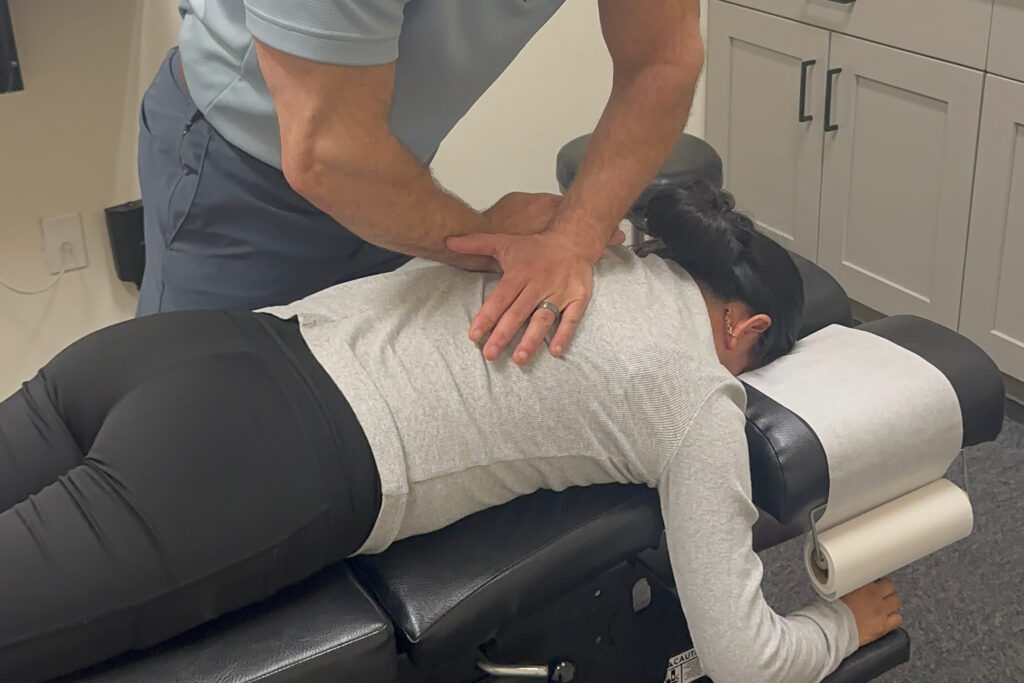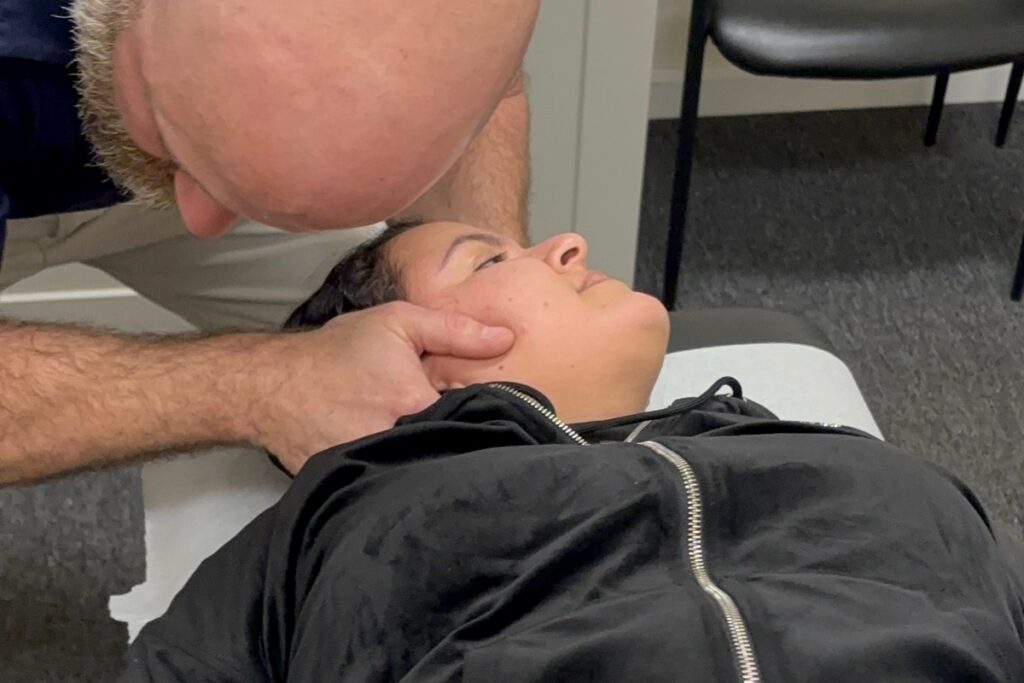

As a local chiropractor, I want to emphasize the importance of maintaining good posture at work for your overall comfort and productivity. Many people are unaware that small adjustments to your workspace can lead to significant improvements in your well-being. Factors such as chair height, monitor placement, and even your desk arrangement play a crucial role in your posture. Additionally, regularly taking breaks and engaging in exercises to strengthen your core can further enhance your alignment.
If you’re curious about how to implement these changes effectively, I encourage you to consider these practical tips. By making these adjustments, you could greatly transform your workday experience and support your body’s natural healing process. Let’s work together to help you maintain a healthier posture and prevent discomfort in the long run.
Adjust Your Chair Height
As a local chiropractor, I want to share with you one of the easiest yet most impactful adjustments you can make to improve your posture and overall comfort while working: adjusting your chair height.
When your chair is set at the correct height, your feet should rest flat on the floor, providing a stable foundation. This proper alignment significantly reduces strain on your back and legs, allowing you to maintain a comfortable position for longer periods.
If your knees are higher than your hips, you may find yourself slouching, which can lead to discomfort and fatigue—a common issue I see in my practice.
To determine the optimal chair height, sit back in your chair and adjust it until your thighs are parallel to the ground. If your feet don’t reach the floor, consider using a footrest for added support.
Remember to keep your back pressed against the chair for optimal lumbar support, which is crucial for maintaining spinal health.
It’s also important to regularly check your chair’s height throughout the day, as it can sometimes shift without you realizing it.
By making this simple adjustment, you’ll likely experience a noticeable improvement in how you feel during your workday.
Taking these small steps can be a significant part of your journey toward better posture and overall well-being.
Position Your Monitor Correctly
As a local Chiropractor, I often see patients who suffer from neck strain and eye fatigue caused by poor monitor positioning.
It’s crucial to understand that how you set up your workspace can significantly impact your overall comfort and health.
First and foremost, your monitor should be at eye level. This means you shouldn’t have to tilt your head up or down to view the screen comfortably.
Ideally, the top of your monitor should be at or slightly below eye level. This positioning helps keep your neck in a relaxed state, reducing the risk of discomfort.
Next, maintaining an appropriate distance from your monitor is essential. Aim for about an arm’s length away.
This distance helps to minimize eye strain, allowing you to focus without leaning in or squinting. Additionally, ensure that the screen is directly in front of you, as side angles can lead to twisting your neck and cause misalignments.
Finally, don’t overlook the angle of your monitor. Tilting it slightly backward, between 10 to 20 degrees, can help reduce glare and provide a clearer view.
By following these guidelines, you can greatly enhance your comfort, support your spinal health, and boost your productivity throughout the workday.
If you have any further questions or concerns, don’t hesitate to reach out for more personalized advice!
Keep Your Feet Flat on the Floor
As a local chiropractor, I want to share an important aspect of maintaining good posture at work: keeping your feet flat on the floor. When your feet are firmly planted on the ground, it helps distribute your body weight evenly, which is crucial for reducing strain on your lower back. This simple adjustment promotes better alignment throughout your entire body and can prevent discomfort over time.
To achieve this proper alignment, start by adjusting your chair height so that your thighs are parallel to the floor. If your feet don’t comfortably reach the ground, consider using a footrest.
It’s vital to keep your knees at a right angle and to avoid crossing your legs, as this can impede circulation and create additional strain on your body.
By ensuring that your feet are flat on the floor, you’re not just enhancing your posture; you’re also creating a solid foundation for your overall well-being throughout your workday.
Take Regular Breaks to Stretch
As a local chiropractor, I want to emphasize the importance of taking regular breaks to stretch, especially if you find yourself sitting for long periods at work. Prolonged sitting can lead to muscle stiffness and fatigue, which can result in discomfort and misalignment of your spine.
It’s essential for your overall well-being to incorporate movement into your day. I recommend setting a timer to remind yourself to take a break every hour. Use this time to stand up, walk around, and engage in some simple stretches that can alleviate tension in your body.
Focus on areas that are particularly affected by extended sitting, such as your neck, shoulders, and back. Stretching your arms overhead, gently tilting your head side to side, and rotating your torso can significantly help.
These movements not only promote better blood circulation but also boost your energy levels and improve your concentration. By incorporating these stretching breaks into your routine, you can support your body’s natural healing processes and maintain better posture.
Practice Core Strengthening Exercises
As a chiropractor dedicated to helping you achieve optimal health, I want to emphasize the importance of core strengthening exercises in your daily routine.
While regular stretching is vital for relieving tension, building a strong core can significantly improve your posture and stability—especially during long hours at work. A well-developed core supports your spine, aiding in proper alignment and reducing the likelihood of discomfort and injury.
You don’t need to go to a gym to strengthen your core; simple exercises can be done right at your desk or during your breaks.
Consider incorporating planks, bridges, and abdominal crunches into your routine. Start with a few sets of 10-15 repetitions, and as you become stronger, gradually increase the intensity.
It’s also important to remember to engage your core throughout the day, whether you’re sitting, standing, or walking.
By making these small adjustments, you can enhance your overall well-being and support your spine, which is central to chiropractic care and natural healing.
Your body will thank you!
Conclusion
As a local chiropractor, I want to share some simple yet effective adjustments you can make to improve your posture at work. First, it’s essential to ensure that your chair and monitor are set up properly to support your spine. This means keeping your feet flat on the floor and your screen at eye level.
I also encourage you to take regular breaks throughout your day. Stretching and moving around can help release tension in your muscles and recharge your energy. Additionally, incorporating core-strengthening exercises into your routine can significantly enhance your posture, as a strong core supports your spine.
By following these guidelines, you’ll not only feel more comfortable but also enhance your focus and productivity. Improved posture contributes to your overall well-being, and as you become more aware of your body’s alignment, you may notice a positive impact on your health. Remember, taking care of your posture is an essential part of maintaining a healthy lifestyle.