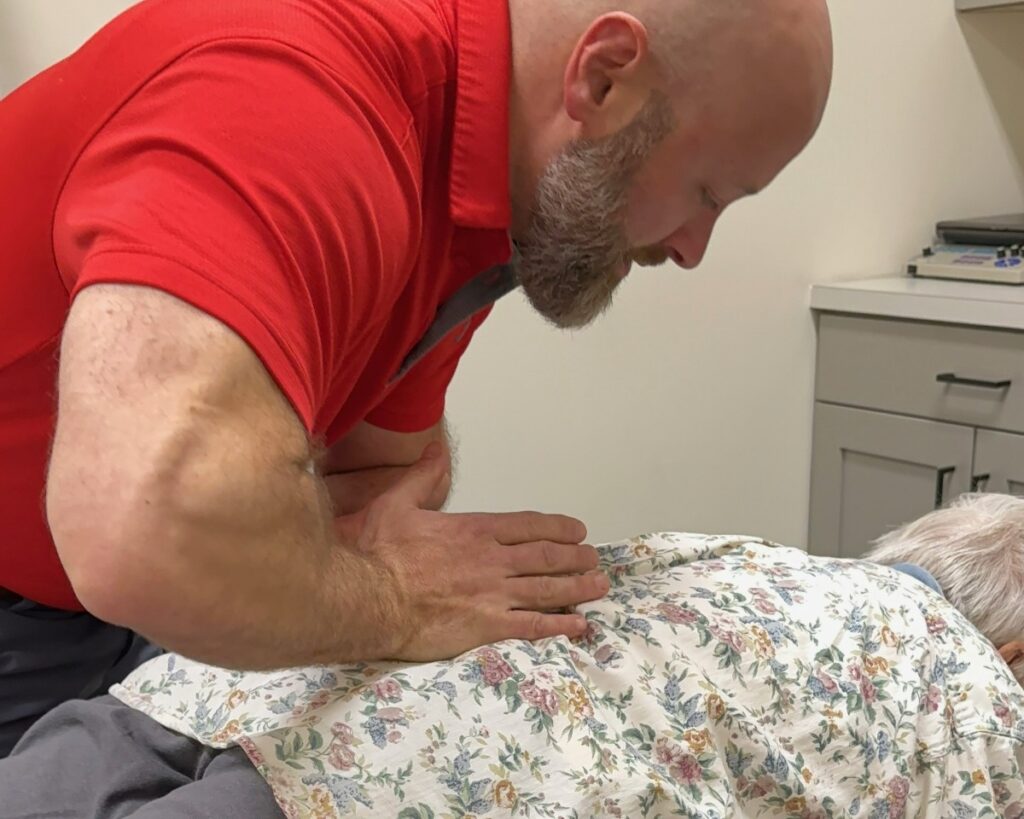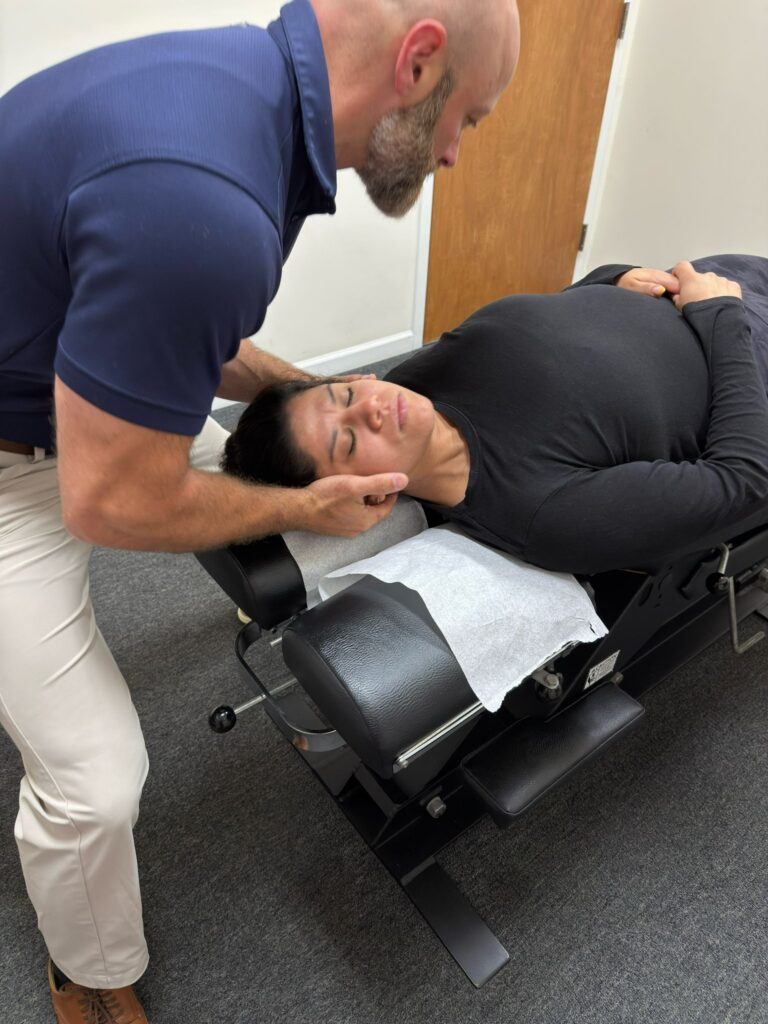

As a local chiropractor, I understand that many of you may experience headaches from time to time, and I want you to know that you’re not alone in this struggle. It’s common for people to seek relief from headaches, often turning to medication as the first option. However, I’d like to share with you some natural strategies that can help alleviate this discomfort without the need for pharmaceuticals. You might be surprised at how simple lifestyle adjustments can lead to significant improvements in your well-being.
Hydration is key; drinking enough water can often help reduce the frequency and intensity of headaches. Additionally, incorporating essential oils may provide soothing relief. These are just a couple of the many effective techniques that I encourage you to explore. By making these changes and considering alternatives like chiropractic care, you may find the relief you’ve been searching for. Let’s work together to improve your health and well-being naturally.
Stay Hydrated
As a local chiropractor, I want to emphasize the importance of staying hydrated, especially when it comes to managing headaches. Many people may not realize that dehydration is a common trigger for headaches, and addressing this can significantly enhance your overall well-being.
When you start to feel a headache coming on, I encourage you to consider hydration as a first step. Drinking a glass of water can often provide relief before resorting to medication. Aim for about eight 8-ounce glasses of water each day, but remember to adjust this based on your activity level and the climate you’re in.
In addition to drinking water, incorporating hydrating foods into your diet—such as cucumbers, oranges, and watermelon—can also contribute to maintaining optimal fluid levels. Your body sends signals when it’s thirsty, which is an early warning sign of dehydration, so it’s essential to listen to those cues.
To support your hydration efforts, I recommend carrying a reusable water bottle with you. This will serve as a constant reminder to drink regularly.
Practice Relaxation Techniques
As your local chiropractor, I want to share some valuable insights on managing headaches through natural methods.
When headaches arise, incorporating relaxation techniques into your routine can significantly alleviate discomfort. Deep breathing exercises and guided meditation are particularly effective for calming both your mind and body.
These practices not only promote relaxation but also support the overall healing process. By integrating these techniques alongside chiropractic care, you may find a greater sense of relief from those persistent headaches.
Embracing natural healing methods can enhance your well-being, and I’m here to guide you on this journey.
Deep Breathing Exercises
As a local chiropractor, I often emphasize the importance of natural healing techniques, such as deep breathing exercises, to help relieve headaches and promote relaxation.
These exercises not only enhance oxygen flow but also reduce muscle tension—a common contributor to headaches. If you’re new to chiropractic care or natural healing, here’s how to effectively practice deep breathing:
- Find a comfortable position: Whether sitting or lying down, choose a quiet space where you can fully relax without interruptions.
- Close your eyes: This simple step helps to eliminate visual distractions, allowing you to concentrate on your breathing.
- Inhale deeply: Take a deep breath in through your nose for a count of four, letting your abdomen rise as it fills with air.
- Exhale slowly: Gently release your breath through your mouth for a count of six, and take note of how your body begins to relax with each exhale.
By repeating this breathing cycle for several minutes, you may experience significant relief from headaches and a noticeable decrease in stress.
Incorporating such techniques into your routine can complement the benefits of chiropractic care, paving the way for a healthier, more balanced life.
Guided Meditation Practices
As a local chiropractor, I want to share with you the benefits of guided meditation practices for relieving headaches and promoting overall relaxation. Many of my patients find that when they engage in guided meditation, they can effectively focus their mind and body, which helps to release built-up tension.
To get started, it’s important to find a quiet, comfortable space where you won’t be disturbed. Utilizing an app or video can be a great way to guide you through a meditation session, directing your attention to your breath and the sensations within your body.
As you immerse yourself in the experience, try to visualize a peaceful scene, like a serene beach or a tranquil forest. This mental imagery can significantly enhance the calming effect of the practice.
As you listen, allow the soothing words to guide you in releasing any tightness you may be feeling in your head and neck. Regular practice of guided meditation can’t only help alleviate headaches but also build your resilience against stress in your daily life.
Dedicating just a few minutes each day to this practice can lead to a marked improvement in your overall well-being. In conjunction with chiropractic care, these relaxation techniques can support your journey toward natural healing and a healthier lifestyle.
Maintain a Consistent Sleep Schedule
As a chiropractor, I often see how important a consistent sleep schedule can be for overall health, including the frequency and intensity of headaches. When your body goes to bed and wakes up at the same time each day, it helps regulate your internal clock, which leads to better sleep quality and can significantly alleviate discomfort.
Here are some helpful tips to establish and maintain a consistent sleep schedule:
- Set a Bedtime: It’s essential to choose a bedtime that allows for 7-9 hours of restorative sleep. Make it a goal to stick to this schedule even on weekends to help your body maintain its rhythm.
- Create a Relaxing Bedtime Routine: Engage in calming activities like reading a book or enjoying a warm bath before bed. These practices signal to your body that it’s time to unwind and prepare for sleep.
- Limit Screen Time: Try to avoid screens for at least an hour before bedtime. The blue light emitted by devices can interfere with your sleep cycle, making it harder for you to fall and stay asleep.
- Watch Your Diet: Pay attention to what you eat and drink in the hours leading up to bedtime. Heavy meals, caffeine, and alcohol can disrupt your ability to achieve restful sleep, so it’s best to steer clear of these close to when you plan to sleep.
By incorporating these strategies into your routine, you may find not only improved sleep but also a reduction in headache occurrences, enhancing your overall wellness journey.
If you have any questions or need more personalized advice, feel free to reach out!
Incorporate Regular Exercise
As a local chiropractor, I want to share with you the remarkable benefits of incorporating regular exercise into your daily routine, especially when it comes to headache relief.
Engaging in physical activity can significantly enhance blood circulation, which is vital for overall health. It also plays a crucial role in reducing stress levels—something many of us struggle with—and can lead to improved sleep quality.
By simply integrating a little movement into your day, whether it’s a brisk walk, yoga, or any form of exercise you enjoy, you may begin to experience substantial relief from headaches.
Boosts Blood Circulation
As a local Chiropractor dedicated to your wellness, I want to share how regular exercise can play a pivotal role in enhancing your overall health, particularly when it comes to improving blood circulation.
Many patients are surprised to learn that better circulation can significantly lower both the frequency and intensity of headaches. Improved blood flow is essential for delivering oxygen and nutrients to your brain, making it more resilient against headache triggers.
Here are four effective exercises that I often recommend to my patients to help boost circulation naturally:
- Walking: Engaging in a brisk 30-minute walk is a simple yet powerful way to elevate your heart rate and enhance blood flow throughout your body.
- Yoga: Incorporating yoga into your routine can be incredibly beneficial. Poses such as downward dog and child’s pose not only promote blood circulation but also help relax your muscles, reducing tension that can lead to headaches.
- Swimming: As a low-impact workout, swimming involves multiple muscle groups, which enhances circulation while relieving any built-up tension in your body.
- Cycling: Whether you choose to cycle indoors on a stationary bike or enjoy the outdoors, cycling is an excellent way to get your blood pumping and can be particularly effective in alleviating headache symptoms.
By integrating these activities into your daily routine, you can make a significant impact on your ability to manage headaches naturally.
As your Chiropractor, I’m here to support you in exploring these holistic approaches to better health and well-being.
Reduces Stress Levels
As a local chiropractor, I want to emphasize the importance of regular exercise not just for your physical health, but also for managing stress levels effectively. Engaging in physical activity is a natural way to support your body’s healing processes.
When you exercise, your body releases endorphins—these are your natural mood enhancers, helping you feel more relaxed and less anxious.
Incorporating activities like brisk walking, yoga, or even a workout at the gym can significantly contribute to your overall well-being. It’s crucial to find an activity that you enjoy, as this makes it easier to maintain a consistent routine.
I recommend aiming for at least 30 minutes of exercise most days of the week. As you become more physically fit, you may notice an improvement in your ability to cope with stress.
Remember, consistency is key. By making exercise a non-negotiable part of your routine, you may find yourself experiencing fewer stress-related headaches and more overall vitality.
Let’s work together to explore how chiropractic care and a healthy lifestyle can support your journey to better health and stress management.
Improves Sleep Quality
As a local chiropractor dedicated to your overall well-being, I want to share how incorporating regular exercise into your daily routine can significantly improve your sleep quality.
Many people may not realize the powerful connection between physical activity and better sleep, but it’s true! Engaging in consistent exercise helps your body regulate sleep patterns and can alleviate insomnia symptoms.
Here are four ways that exercise can enhance your sleep:
- Increases Sleep Duration: By participating in regular workouts, you can increase the amount of time you spend in deep sleep, which is essential for recovery and overall health.
- Reduces Sleep Onset Time: Exercise can help you fall asleep more quickly at night, allowing you to get the restful sleep your body needs.
- Decreases Stress: Physical activity triggers the release of endorphins, which can lower anxiety and stress levels that often interfere with a good night’s sleep.
- Enhances Sleep Quality: Improved sleep cycles lead to more restorative rest, helping you wake up feeling refreshed and energized.
As your chiropractor, I encourage you to consider how regular exercise can be a natural and effective way to enhance your sleep quality and overall health.
Let’s work together to create a holistic approach to your well-being!
Explore Herbal Remedies
As a chiropractor, I often explore natural healing methods to help my patients find relief from common ailments, including headaches. If you’re looking for a natural way to ease your headache, herbal remedies might be worth considering.
For centuries, various herbs have been utilized to alleviate pain and promote relaxation, and they can complement the chiropractic care you receive.
One herb that stands out is feverfew, which has a reputation for reducing the frequency and intensity of migraines. Another option is ginger, known for its effectiveness in alleviating nausea that often accompanies headaches. You may also find peppermint tea helpful; it not only refreshes but can also provide soothing relief from tension headaches.
Furthermore, chamomile is excellent for helping you unwind and reducing stress, which is a common trigger for headaches. These herbs can be consumed in different forms, such as teas, capsules, or tinctures, depending on what you prefer.
It’s essential to remember that while these natural remedies can be beneficial, it’s always a good idea to consult with a healthcare professional before starting any new herbal regimen, especially if you’re currently taking any medications.
Use Essential Oils
As a local chiropractor, I often encourage my patients to explore natural remedies for common ailments, such as headaches. Essential oils can be a wonderful addition to your wellness routine, offering soothing effects without the need for pharmaceuticals.
Here are four essential oils that I recommend for headache relief:
- Peppermint Oil: This oil is well-known for its cooling sensation and can be particularly effective for tension headaches. Applying it to your temples may provide immediate relief.
- Lavender Oil: The calming fragrance of lavender isn’t only pleasant but can also help reduce stress and promote relaxation, which is essential for alleviating headaches.
- Eucalyptus Oil: If sinus congestion is contributing to your headaches, eucalyptus oil may be beneficial. It can help clear your sinuses, providing relief from sinus-related headaches.
- Chamomile Oil: Known for its anti-inflammatory properties, chamomile oil can help ease tension headaches, making it a great option for those who experience stress-related pain.
To incorporate these essential oils into your wellness routine, simply dilute a few drops with a carrier oil and apply it to your skin, or use a diffuser to inhale the soothing scent.
You may be pleasantly surprised at how these natural solutions can enhance your overall well-being and help manage your headaches!
Apply Cold or Warm Compresses
As a local chiropractor dedicated to helping you find natural relief from headache pain, I want to share with you some effective techniques that can complement your care. One of the simplest methods is the application of cold or warm compresses, which can significantly alleviate discomfort depending on the type of headache you’re experiencing.
For those struggling with tension headaches, a warm compress can be particularly beneficial. It works by relaxing the tight muscles in your neck and shoulders that often contribute to the pain. To use this method, simply soak a cloth in warm water, wring it out, and place it on the affected area. You should feel the soothing warmth help to relieve tension and promote relaxation.
Conversely, if you’re dealing with migraines, a cold compress may provide the relief you need. Cold compresses can numb pain and reduce inflammation. You can easily create one by using a cold pack or wrapping ice in a cloth, then applying it to your forehead or the back of your neck. I recommend keeping the compress on for about 15-20 minutes before taking a break.
Another technique to consider is alternating between hot and cold compresses. This can enhance blood circulation and provide additional relief. I encourage you to experiment with both methods to discover which works best for you.
Conclusion
As a local chiropractor, I want to share some valuable tips for natural headache relief that can empower you to take charge of your health. First and foremost, staying hydrated is crucial—dehydration can often trigger headaches. Additionally, practicing relaxation techniques such as deep breathing or meditation can help alleviate tension that contributes to headaches.
It’s also important to maintain a consistent sleep schedule; quality rest is a key factor in overall well-being. Regular exercise not only strengthens your body but also promotes better circulation, which can reduce headache frequency.
I encourage you to explore herbal remedies, as certain herbs have been known to help with headache relief. Essential oils can also be a wonderful addition to your self-care routine; oils like lavender and peppermint can provide soothing comfort when applied topically or used in a diffuser.
Lastly, don’t underestimate the power of temperature—applying cold or warm compresses can offer immediate relief from headache pain. By embracing these natural strategies, you’ll be well-equipped to manage headaches effectively and enhance your overall quality of life. Remember, chiropractic care can also play an integral role in your health journey, addressing underlying issues that may be contributing to your headaches.