
Lower back pain is a common issue that many people face, and it can significantly impact your daily life. If you’ve been dealing with discomfort, there are several natural strategies you can implement to find relief. Improving your posture, for example, is essential for spinal health and can help reduce strain on your lower back. Additionally, incorporating gentle stretching routines can promote flexibility and alleviate tension in the muscles surrounding your spine.
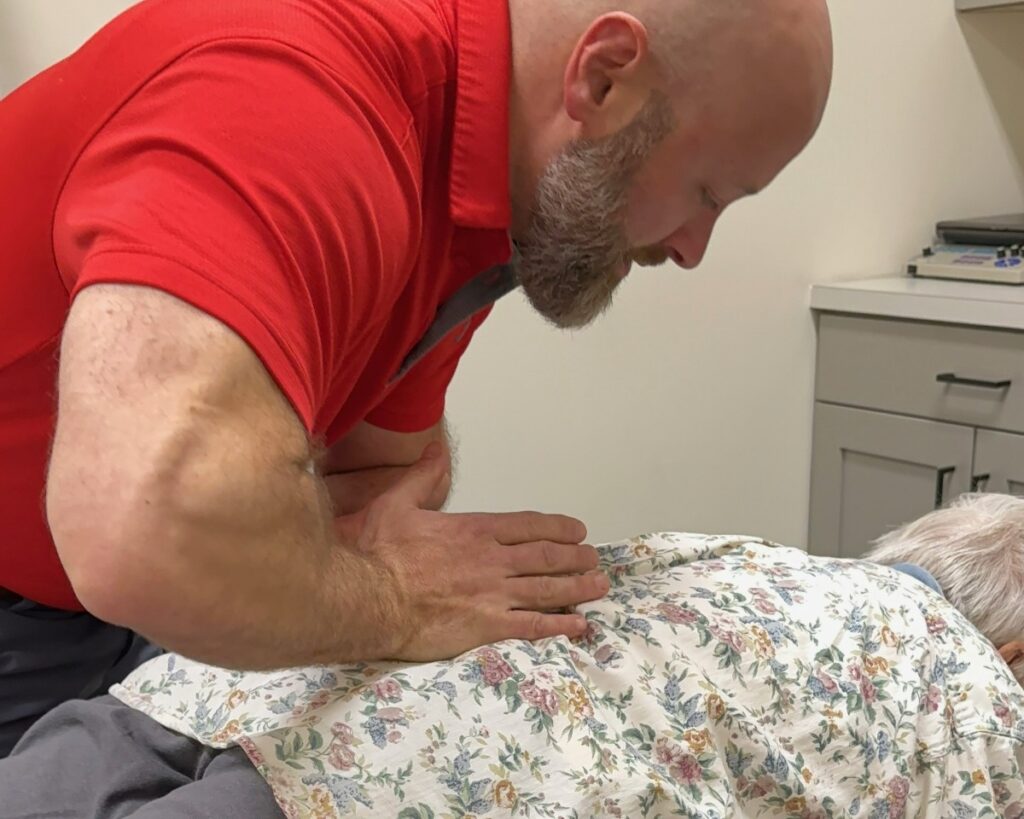
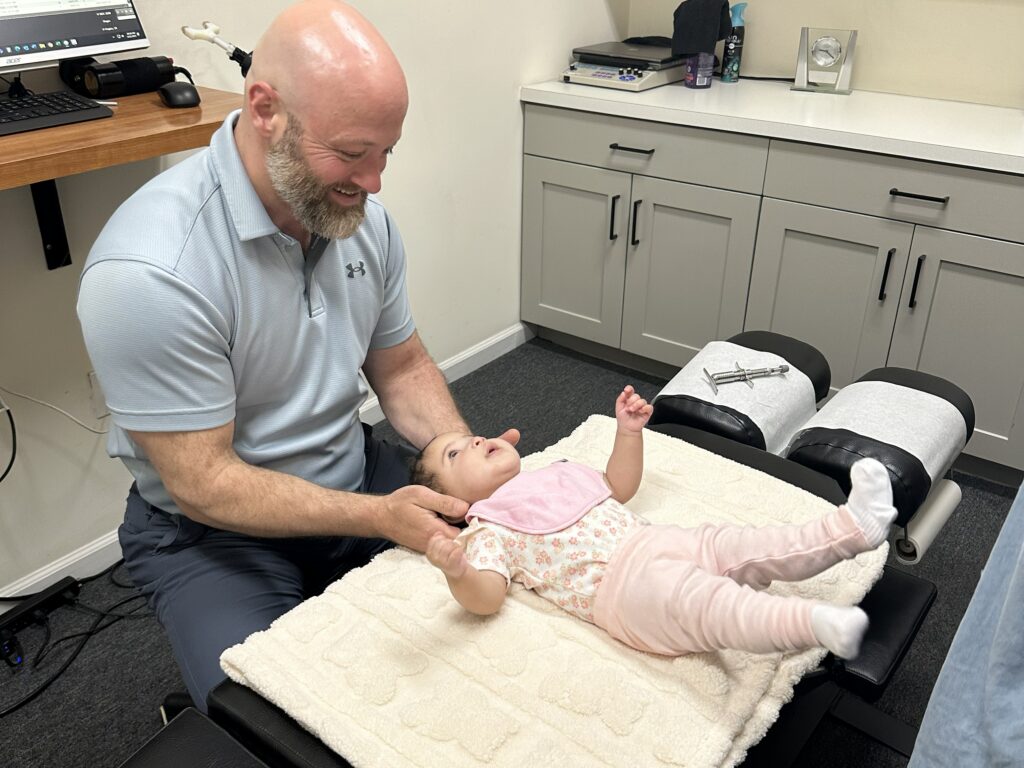
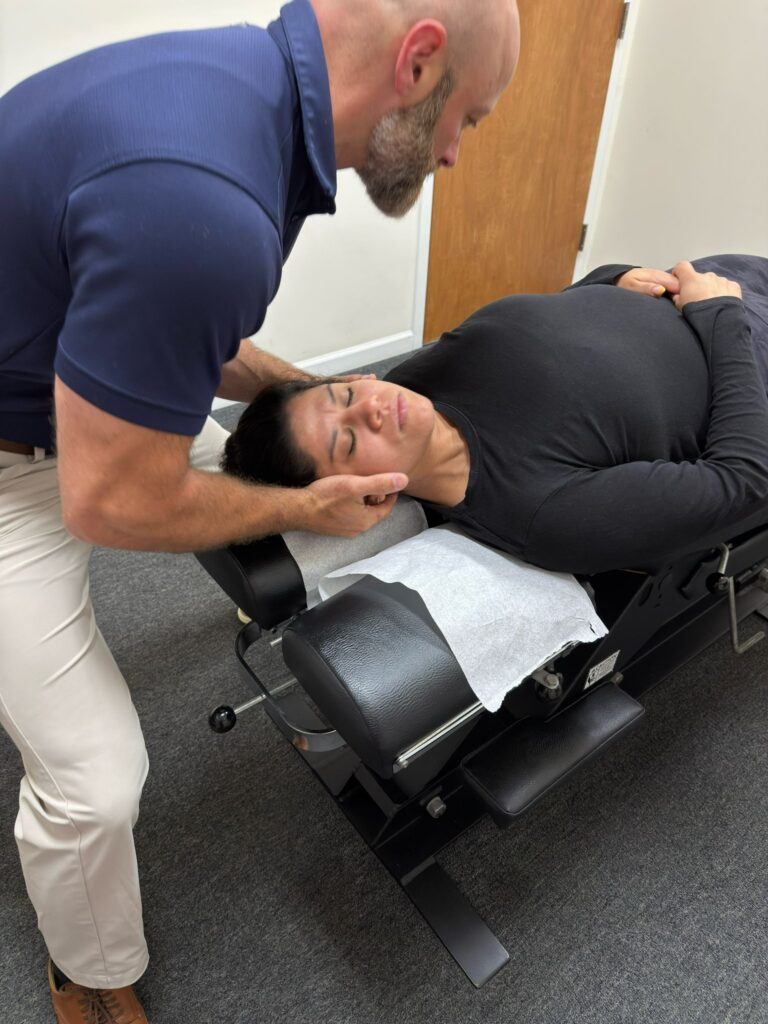
As a local chiropractor, I want to emphasize the importance of chiropractic care in achieving optimal health and wellness. Regular chiropractic adjustments can help realign your spine, relieve nerve pressure, and enhance your body’s natural healing abilities. This holistic approach not only addresses the symptoms of lower back pain but also targets the root cause, paving the way for long-term relief.
Curious about specific steps you can take to feel better? Here are some actionable tips that you can easily incorporate into your daily routine:
- Practice Good Posture: Whether sitting at a desk or standing, maintaining proper posture is crucial for spinal health. Ensure your back is straight, shoulders are relaxed, and your feet are flat on the floor.
- Stay Active: Engaging in low-impact exercises like walking, swimming, or yoga can strengthen your back muscles and improve flexibility. Aim for at least 30 minutes of activity most days of the week.
- Stretch Regularly: Incorporate gentle stretches into your routine to relieve tension in your back. Focus on stretches that target the hamstrings and hip flexors, as tightness in these areas can contribute to lower back pain.
- Use Supportive Furniture: Invest in chairs and mattresses that provide proper support for your back. Ergonomic furniture can help you maintain good posture and reduce strain on your spine.
- Stay Hydrated: Drinking plenty of water is essential for disc health and overall wellness. Proper hydration helps keep your spine lubricated and supports the health of your muscles and joints.
- Visit Your Chiropractor: Regular chiropractic visits can help maintain spinal alignment, reduce pain, and enhance your overall well-being. A chiropractor can create a personalized care plan tailored to your needs.
- Listen to Your Body: Pay attention to how your body feels. If you experience pain during certain activities, modify or avoid them. Allowing your body to rest and recover is vital for healing.
By adopting these simple strategies and prioritizing chiropractic care, you can take significant steps toward relieving lower back pain and improving your overall health. Remember, your spine is the foundation of your well-being, and taking care of it is essential for a vibrant, pain-free life.
Key Takeaways
- Maintain Proper Posture: Keeping your shoulders back and your spine aligned can significantly reduce strain on your back muscles. This simple adjustment can help prevent discomfort and promote a healthier spine.
- Daily Stretching: Incorporating daily stretching routines can enhance your flexibility and relieve tension in your lower back. This practice not only feels great but also supports the natural alignment of your spine.
- Gentle Exercises: Engaging in gentle activities like walking or yoga can strengthen your back and core muscles. These exercises are fantastic for maintaining a strong foundation for your spine and can help prevent pain from returning.
- Proper Lifting Techniques: Always remember to lift with your legs by bending at the knees and keeping objects close to your body. This technique minimizes the risk of injury and supports your back during daily activities.
- Chiropractic Care: Consider regular chiropractic visits to enhance your spinal alignment and overall wellness. Chiropractic care focuses on natural healing and can be a powerful tool in achieving optimal health without the need for medications or invasive procedures.
By integrating these simple tips into your daily routine, you can take proactive steps towards relieving lower back pain and enhancing your overall well-being. Remember, your spine is the foundation of your health, and chiropractic care can guide you on your journey to a pain-free life!
Practice Good Posture
Practicing good posture is vital for maintaining a healthy spine and alleviating lower back pain. As a chiropractor, I can’t emphasize enough how important it’s to pay attention to your body’s alignment. When you sit or stand, remember to keep your shoulders back and your spine in a straight line. This simple adjustment can significantly reduce the strain on your back muscles and spinal discs.
If you find yourself sitting for long periods, consider investing in a supportive chair that encourages proper posture. Ensure that your feet are flat on the floor and that your knees are at a right angle. This position not only provides comfort but also supports your spinal health.
When it comes to standing, aim to distribute your weight evenly on both feet while avoiding locked knees. If you need to lift something, always bend your knees and keep the object close to your body. This lifting technique helps protect your lower back from injury, a principle that aligns perfectly with chiropractic care’s focus on proper body mechanics.
I encourage you to regularly check in with your posture throughout the day. It might feel a bit awkward at first, but with consistent practice, maintaining good posture will soon feel natural. Integrating these habits into your daily routine not only helps alleviate existing pain but also serves as a preventive measure against future discomfort.
Chiropractic care is an effective way to support your journey toward optimal health. By focusing on spinal alignment and overall wellness, you can achieve lasting relief from pain and enhance your quality of life. Remember, small changes in your posture can lead to significant improvements in your health!
Incorporate Regular Stretching
Incorporating regular stretching into your routine is essential for alleviating lower back pain and enhancing flexibility. As a local chiropractor, I can attest to the profound benefits that stretching can provide for your spine and overall well-being. There are numerous effective stretching exercises specifically designed to target your back, and knowing how often to incorporate them can significantly enhance your comfort and mobility.
Stretching helps to relieve tension in your muscles, improve blood flow, and maintain the health of your spine. It’s a natural way to support your body’s healing processes and complement the chiropractic care you receive. The key is consistency—aim to stretch daily, or at least several times a week, to reap the maximum benefits.
Here are some simple tips to get you started:
- Listen to Your Body: Always pay attention to how your body feels during stretching. If something hurts, ease up or consult your chiropractor for guidance.
- Focus on Major Muscle Groups: Make sure to stretch not just your back, but also the surrounding muscles like the hips, hamstrings, and abdomen, as they all play a role in spinal health.
- Hold Each Stretch: Aim to hold each stretch for at least 15-30 seconds. This allows your muscles to relax and lengthen properly.
- Breathe Deeply: Don’t forget to breathe! Deep, steady breaths can help you relax into each stretch and enhance its effectiveness.
- Incorporate Stretching into Your Day: Whether it’s during a break at work or while watching TV at home, find small moments to fit in stretches throughout your day.
- Combine with Chiropractic Care: Regular chiropractic adjustments can further enhance the benefits of stretching by ensuring your spine is aligned, allowing your muscles to function optimally.
By including regular stretching in your health routine and combining it with the care of a chiropractor, you’re taking proactive steps toward achieving optimal health and a pain-free lifestyle.
Benefits of Stretching
Stretching regularly is an excellent way to alleviate lower back pain and enhance your overall flexibility, making it a great complement to chiropractic care. By incorporating stretching into your daily routine, you increase blood flow to your muscles, which helps reduce tension and stiffness. This improved circulation can help speed up your recovery from any discomfort you might experience.
Additionally, stretching can positively impact your posture. When you stretch, you lengthen tight muscles, which helps balance your body’s alignment. Proper posture is crucial because it reduces the risk of straining your back during everyday activities. If you’re sitting at a desk or lifting something, good posture supported by stretching makes all the difference.
Moreover, stretching can boost your range of motion. This means you can perform daily tasks more easily and with less pain. To get the most out of your stretching routine, consider setting aside just a few minutes each day. Focus on areas that feel tight, and remember to breathe deeply as you stretch.
While chiropractic care is vital for addressing spinal health and pain relief, integrating a consistent stretching practice can enhance your overall physical well-being. So, if you want to manage lower back pain naturally and improve your quality of life, make stretching a part of your daily habits alongside regular chiropractic visits. Your body will thank you!
Recommended Stretching Exercises
To effectively ease lower back pain, incorporating a variety of stretching exercises into your routine can make a significant difference. As a chiropractor, I encourage you to focus on stretches that target the muscles in your back, hips, and legs, which will support your overall spinal health and wellness.
Start with the cat-cow stretch. This gentle movement helps improve flexibility and relieve tension in your spine, making it a perfect warm-up. Next, try the seated forward bend; this stretch is excellent for lengthening your lower back and hamstrings, promoting better posture and reducing tightness.
The figure-four stretch is another fantastic choice, as it opens up your hips and can alleviate pressure on your lower back. Follow that with the child’s pose, which gently elongates your spine and encourages relaxation. Don’t overlook the standing quadriceps stretch to keep your legs limber, which plays a vital role in supporting your back.
Incorporating these stretches into your daily routine can lead to marked reductions in discomfort and improved mobility. Remember, always listen to your body and focus on slow, controlled movements to avoid any strain. Consistency is key for lasting relief.
In addition to these stretches, prioritize good posture, stay hydrated, and engage in regular physical activity to support your spinal health. Chiropractic care is a natural and effective way to address pain and enhance your overall wellness. Regular adjustments can help maintain alignment, improve function, and promote healing in your body. Embrace the journey to optimal health with chiropractic as your ally!
Frequency and Duration Tips
Incorporating regular stretching into your routine can significantly enhance the benefits of chiropractic care and contribute to your overall wellness. I recommend aiming to stretch at least three times a week, but for optimal results, daily stretching is ideal. Each session should last between 15 to 30 minutes. Remember, consistency is crucial, so setting reminders can help keep you on track.
To help you plan your stretching routine, here’s a simple table:
| Frequency | Duration |
|---|---|
| 3 times a week | 15 minutes |
| 4 times a week | 20 minutes |
| 5 times a week | 25 minutes |
| Daily | 30 minutes |
| As needed | Listen to your body |
Stretching complements chiropractic care by improving flexibility, reducing tension, and enhancing your body’s natural healing process. Always pay attention to your body’s signals, and if something doesn’t feel right, modify your stretches or consult with your chiropractor for personalized advice. Prioritizing these practices can lead to a healthier, pain-free life.
Strengthen Core Muscles
Strengthening your core muscles is vital for alleviating lower back pain and enhancing your overall stability. A strong core supports your spine, helping to evenly distribute weight and reduce stress on your lower back. As a chiropractor, I believe that taking a natural approach to health is essential, and incorporating core-strengthening exercises into your routine can be an effective way to support your spine and improve your well-being.
Here are some easy yet effective exercises to consider:
- Planks: This exercise engages your entire core. Aim to hold the position while maintaining proper form, which can help build endurance and strength in your abdominal area.
- Bridges: Not only do bridges strengthen your glutes and lower back, but they also help stabilize your pelvis, contributing to better overall posture.
- Bicycle Crunches: These are great for targeting your abdominal muscles while also improving coordination. They help promote core stability, which is essential for reducing lower back pain.
- Bird-Dogs: This exercise enhances balance and core stability through controlled movements. It’s a fantastic way to connect your upper and lower body while strengthening your core.
Incorporating these exercises a few times a week can lead to noticeable improvements in your lower back strength and comfort. Remember, consistency is key!
As you develop your core strength, you may experience not only relief from discomfort but also improved posture and overall physical performance.
Additionally, consider regular chiropractic care as part of your wellness journey. Chiropractors focus on aligning the spine and enhancing overall body function, which can complement your exercise routine perfectly. By aligning your spine, you can improve nerve function and overall health, leading to better exercise performance and less pain.
Always listen to your body and consult with your chiropractor if you have any concerns or need guidance on proper form. With a commitment to strengthening your core and maintaining spinal health, you’re on your way to a healthier, more active lifestyle.
Use Proper Lifting Techniques
Lifting heavy objects the wrong way can put unnecessary strain on your lower back, which is why it’s crucial to use proper techniques.
Here are some easy steps you can follow to protect your spine and promote overall health while lifting:
- Position Your Feet: Stand with your feet shoulder-width apart to maintain good balance. This stable base is key to lifting safely.
- Bend Your Knees: Instead of bending at your waist, squat down by bending your knees. This allows your strong leg muscles to do the heavy lifting, reducing the pressure on your back.
- Keep It Close: Hold the object you’re lifting close to your body. This reduces strain on your back and helps you maintain better control.
- Engage Your Core: Before you lift, tighten your core muscles. A strong core supports your spine and helps prevent injury.
- Use Your Legs: As you lift, push through your legs, not your back. Your legs are designed to handle heavy loads, while your back is not.
- Avoid Twisting: When moving the object, pivot your feet instead of twisting your torso. This helps to keep your spine aligned and reduces the risk of injury.
- Ask for Help: If an object is too heavy or awkward to lift safely, don’t hesitate to ask someone for assistance or use tools like dollies. It’s always better to be safe.
- Set It Down Carefully: When you’re done lifting, set the item down by bending your knees again, just like you did when you picked it up.
By following these simple tips, you can minimize your risk of injury and keep your back healthy.
As a chiropractor, I believe that prioritizing proper lifting techniques is essential not just for avoiding pain now, but also for ensuring your long-term health and wellness.
Maintain a Healthy Weight
Maintaining a healthy weight is crucial for reducing lower back pain and improving your overall wellness. Excess weight can put extra strain on your spine and the surrounding muscles, leading to discomfort and a higher risk of injury. By managing your weight, you can significantly reduce the pressure on your lower back, and chiropractic care can be an excellent partner in achieving this goal.
Here are some helpful tips to maintain a healthy weight and support your spine:
- Eat a Balanced Diet: Focus on incorporating whole foods into your meals, like colorful fruits, fresh vegetables, lean proteins, and whole grains. These nutrient-rich foods not only support weight management but also provide the vitamins and minerals your body needs for healing and maintaining a healthy spine.
- Stay Active: Regular exercise is vital for overall health and spinal strength. Activities such as walking, swimming, or practicing yoga can help strengthen your core and back muscles, enhancing your posture and support for your spine. Chiropractic care can also guide you in choosing exercises that are safe and effective for your specific condition.
- Monitor Portion Sizes: Being mindful of how much you eat can help you control your calorie intake. Consider using smaller plates or bowls to help manage portion sizes without feeling deprived.
- Stay Hydrated: Drinking plenty of water is essential for your body’s functions and can help curb overeating. Staying hydrated also supports spinal health by keeping the discs in your spine well-lubricated.
Remember, chiropractic care is an excellent way to support your journey towards a healthier weight and a pain-free life. Chiropractors can provide personalized advice, spinal adjustments, and exercises tailored to your needs, helping you achieve optimal health naturally.
Apply Heat or Cold Therapy
When it comes to easing lower back pain, incorporating heat or cold therapy can be a fantastic complement to your chiropractic care.
Heat therapy, such as using a warm towel or heating pad, is excellent for increasing blood flow and relaxing tight muscles. Simply apply it to the painful area for about 15-20 minutes to help soothe discomfort.
On the other hand, if you’re experiencing swelling or inflammation, cold therapy can be your ally. Ice packs or cold compresses work wonders by reducing swelling and numbing sharp pain. Again, aim for 15-20 minutes of application to achieve the best results.
For optimal relief, you can alternate between heat and cold therapies. Just remember to protect your skin with a cloth to prevent burns or frostbite. Always listen to your body; if one method feels better, stick with that approach.
These therapies aren’t just simple; they can easily be integrated into your daily routine, providing immediate comfort that complements your chiropractic treatment. However, if your pain persists, it’s always wise to consult with your chiropractor.
They can help determine the underlying issues and develop a tailored plan for your recovery. Incorporating these natural healing methods into your wellness routine is a proactive step toward achieving optimal health without the need for medications or surgeries.
Consider Professional Help
While heat and cold therapy can offer quick relief for lower back pain, it’s important to consider that achieving long-term wellness often requires a deeper approach.
As a chiropractor, I believe that chiropractic care is one of the most effective ways to address the root causes of pain and promote natural healing. Here are some options and tips to consider for a healthier back:
- Chiropractic Care: Regular adjustments can help realign your spine, alleviate pain, and enhance your overall mobility. Chiropractors focus on restoring proper function to your body, which can lead to long-lasting relief from back pain.
- Exercise and Stretching: Incorporating gentle exercises and stretches into your daily routine can strengthen your back muscles and improve flexibility. Simple activities like walking, yoga, or targeted stretches can make a significant difference.
- Posture Awareness: Being mindful of your posture, whether sitting, standing, or lifting, can prevent strain on your back. Try to maintain an upright position and avoid slouching, especially when working at a desk.
- Ergonomic Adjustments: If you spend long hours at a desk, ensure your workspace is ergonomically friendly. Adjust your chair, desk height, and screen position to promote better alignment and reduce strain on your back.
- Hydration and Nutrition: Staying hydrated and eating a balanced diet rich in anti-inflammatory foods can support your overall health and aid in recovery. Foods like leafy greens, nuts, and fish can provide your body with the nutrients it needs.
Remember, you don’t have to deal with back pain on your own. Chiropractic care not only helps you feel better but also empowers you with the knowledge and tools to maintain a healthy spine and improve your quality of life.
If you’re struggling with pain, reach out to a local chiropractor who can guide you on your journey to wellness. Your path to a pain-free life starts with taking that first step!
Conclusion
As a local chiropractor, I’m here to share some valuable tips for relieving lower back pain and enhancing your overall well-being. By incorporating these simple practices into your daily routine, you can promote natural healing and achieve optimal health.
- Maintain Good Posture: Proper alignment is crucial for spinal health. Be mindful of your posture while sitting, standing, and walking to reduce strain on your lower back.
- Stretch Regularly: Gentle stretching can help improve flexibility and relieve tension in your back muscles. Consider incorporating simple stretches into your daily routine, especially after long periods of sitting.
- Strengthen Your Core: A strong core supports your spine. Focus on exercises that strengthen your abdominal and back muscles, which can help prevent pain and injury.
- Use Proper Lifting Techniques: When lifting heavy objects, remember to bend your knees and keep the load close to your body. This technique protects your back from unnecessary strain.
- Manage Your Weight: Maintaining a healthy weight reduces pressure on your spine. A balanced diet and regular exercise can help you achieve and maintain a healthy weight.
- Utilize Heat or Cold Therapy: Applying heat can relax tense muscles, while cold therapy can reduce inflammation. Experiment with both to see which works best for you.
- Seek Chiropractic Care: If your lower back pain persists, consider visiting your local chiropractor. Chiropractic adjustments can help realign your spine, alleviate pain, and promote better overall health and wellness.
By following these tips, you can take charge of your lower back health and enjoy a more active, pain-free life. Remember, chiropractic care is a natural and effective way to support your body’s healing process. Let’s work together towards your wellness journey!