
Headaches can be a real challenge, disrupting your day and diminishing your productivity. Fortunately, as a chiropractor, I want to share effective strategies that can help you alleviate headache pain naturally and promote overall wellness. From simple lifestyle adjustments to holistic remedies, these tips can guide you toward relief. Whether you’re experiencing tension headaches or migraines, understanding how to manage your symptoms is key to feeling better.
- Stay Hydrated: Dehydration can often trigger headaches. Make sure to drink plenty of water throughout the day. This simple step can help reduce headache frequency and intensity.
- Practice Good Posture: Poor posture can strain your neck and back, leading to headaches. Ensure your workspace is ergonomically friendly and take breaks to stretch and realign your spine.
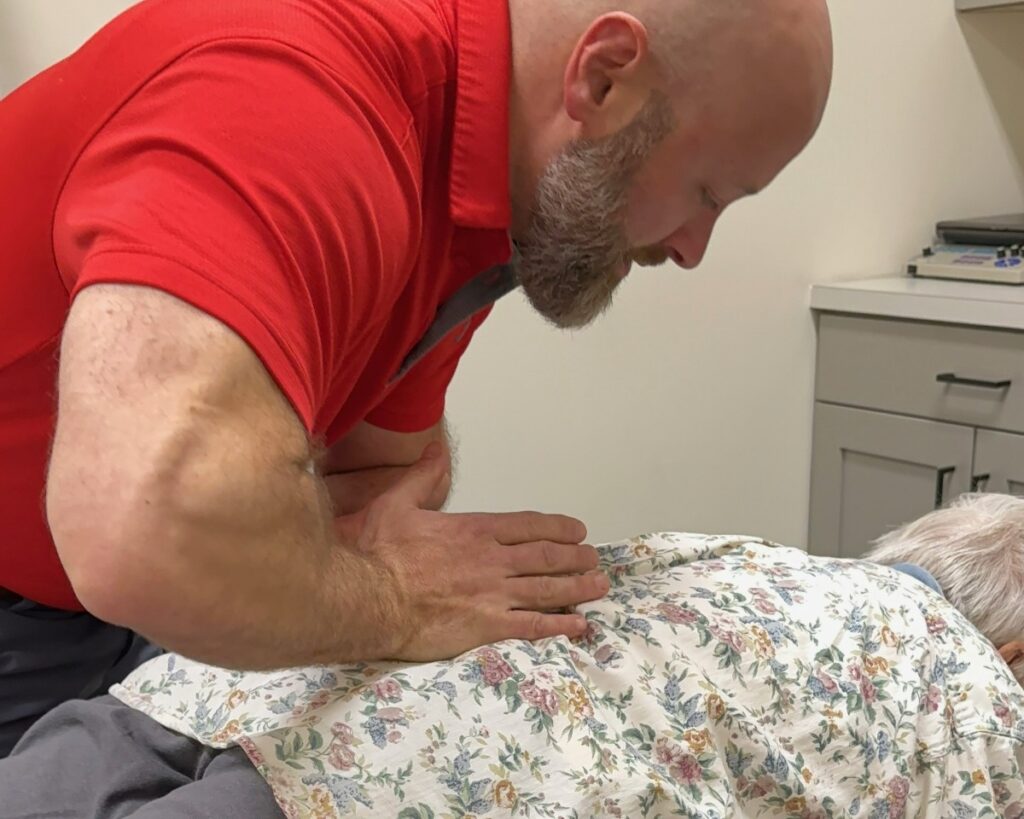
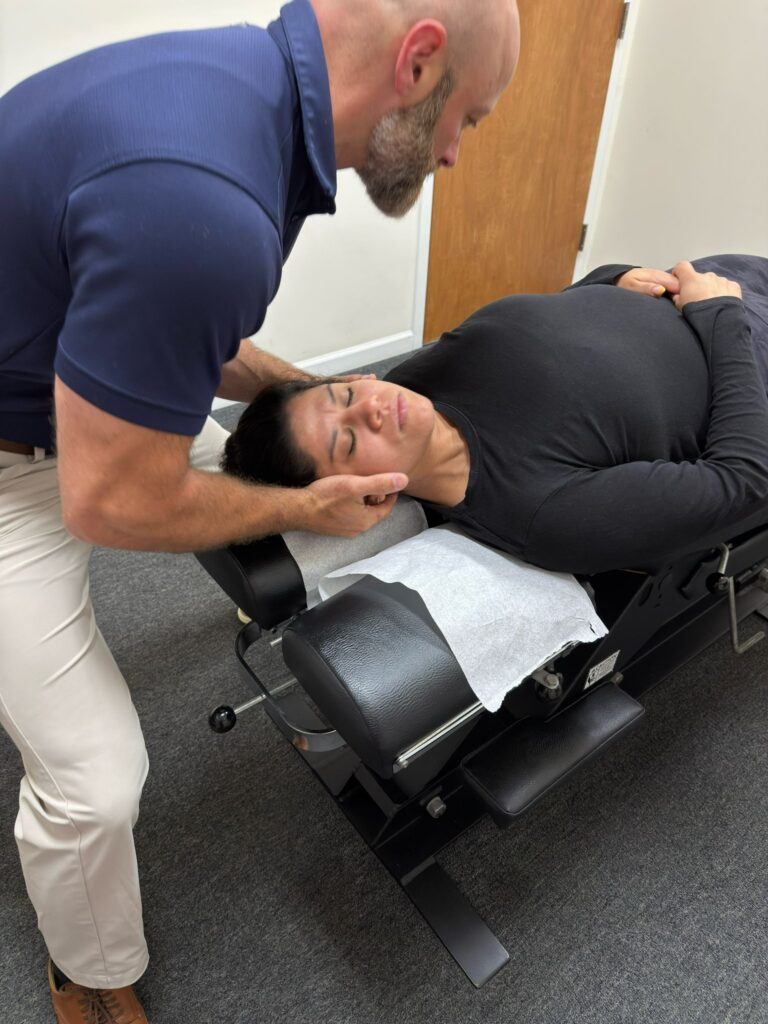
- Regular Chiropractic Care: Chiropractic adjustments can be incredibly effective in relieving headache pain. By aligning your spine and reducing tension in the nervous system, chiropractic care helps your body heal naturally and can minimize headaches over time.
- Manage Stress: Stress is a common headache trigger. Incorporate relaxation techniques like deep breathing, meditation, or yoga into your daily routine to help reduce stress levels.
- Limit Screen Time: Prolonged screen exposure can lead to eye strain and tension headaches. Take regular breaks and consider using blue light filters on your devices.
- Get Enough Sleep: A well-rested body is less prone to headaches. Aim for a consistent sleep schedule and create a relaxing bedtime routine to improve your sleep quality.
- Explore Natural Remedies: Consider natural options such as essential oils (like peppermint or lavender) or herbal teas that can promote relaxation and alleviate headache symptoms.
By incorporating these strategies into your daily life, you can take control of your headache pain and enhance your overall health. Remember, chiropractic care is a powerful ally in achieving optimal wellness and can significantly reduce headache occurrences. If you’re struggling with headaches, don’t hesitate to reach out for a consultation to see how chiropractic care can benefit you. Your journey to a pain-free life starts here!
Key Takeaways
- Stay hydrated by drinking plenty of water throughout the day—aim for about eight 8-ounce glasses—and include hydrating foods like fruits and vegetables in your diet. Proper hydration can help prevent headaches and is a simple step toward overall wellness.
- Incorporate relaxation techniques such as deep breathing, guided imagery, and gentle yoga into your routine. These practices not only help release tension but also promote relaxation, which is essential for maintaining a healthy spine and reducing headache frequency.
- Consider keeping a headache diary to track potential triggers. By noting what you eat and any environmental factors, you may identify specific foods or situations that contribute to your headaches. This awareness can help you make healthier choices and avoid those triggers.
- Experiment with applying cold or warm compresses to your forehead or neck. Both methods can provide relief, so try each one to see which works best for you. This simple at-home remedy can complement chiropractic care, which focuses on addressing the root causes of pain.
- Stay active with regular moderate exercise, aiming for at least 30 minutes most days. Exercise not only improves blood circulation but also supports spinal health, making it a powerful tool in reducing headache frequency and enhancing your overall well-being.
Remember, chiropractic care is an excellent avenue for natural pain relief and maintaining optimal health. If you’re experiencing headaches, consider visiting a chiropractor who can help address the underlying issues and guide you toward a healthier lifestyle.
Stay Hydrated
Staying well-hydrated is essential for your overall health and can play a significant role in preventing headaches, which is something I often see in my practice. When you don’t drink enough water, your body can become dehydrated, leading to discomfort and tension in the head and neck areas.
It’s easy to overlook how much fluid your body requires daily, so aim for at least eight 8-ounce glasses throughout the day. However, be mindful of your body’s signals—it may need more, particularly during hot weather or after physical activity.
If you struggle to remember to drink water, consider setting reminders on your phone or carrying a reusable water bottle with you. This small adjustment can make a big difference in your hydration levels and overall health.
Additionally, incorporating hydrating foods into your meals—such as cucumbers, oranges, and watermelon—can provide both hydration and essential nutrients. These foods are excellent for quenching your thirst and supporting your well-being.
If you notice the onset of a headache, drinking water right away can help alleviate the discomfort.
Remember, maintaining proper hydration is a simple yet effective way to support your body and prevent headaches. It complements chiropractic care beautifully, as staying hydrated can enhance the benefits of your adjustments and promote better spinal health.
Make it a habit to sip on water throughout the day, and you may find yourself feeling more energized and less prone to tension and pain! Your body will thank you for it.
Practice Relaxation Techniques
To ease headache pain, incorporating relaxation techniques into your routine can truly make a difference. As a local chiropractor, I believe in the power of natural healing and the importance of maintaining a healthy spine for overall wellness.
One effective way to calm your mind is through deep breathing exercises. By taking slow, deep breaths, you not only reduce stress but also promote relaxation throughout your body, which can help alleviate headache discomfort.
Another beneficial practice is guided imagery. This technique involves visualizing a peaceful scene, which can create a serene mental space and ease tension. These practices, along with regular chiropractic care, can lead to significant improvements in your overall health and well-being.
Remember, maintaining proper spinal alignment is crucial for preventing headaches and other discomforts. Regular chiropractic adjustments can help ensure your spine is functioning optimally, reducing the likelihood of tension headaches caused by misalignments.
In addition to these techniques, staying hydrated, getting adequate rest, and practicing good posture can further support your well-being.
Deep Breathing Exercises
How can deep breathing exercises help alleviate headache pain? As a local chiropractor, I can tell you that incorporating deep breathing techniques into your routine is a fantastic way to promote natural healing and wellness.
When you practice deep breathing, you enhance the oxygen flow to your brain, which can help relieve the tension and stress that often contribute to headaches.
To get started, find a quiet space where you can sit comfortably. Close your eyes and take a moment to relax. Inhale deeply through your nose for a count of four, filling your lungs completely. Hold that breath for a count of four, then exhale slowly through your mouth for another count of four. Repeat this cycle for several minutes.
Focusing on your breath not only calms your mind but also helps reduce muscle tension in your neck and shoulders, areas that are often affected by poor posture and spinal misalignments.
As a chiropractor, I emphasize the importance of spinal health in overall wellness. When your spine is aligned, it can help reduce the frequency and intensity of headaches.
Incorporate these deep breathing exercises into your daily routine, especially if you find yourself feeling stressed or tense. Along with regular chiropractic adjustments, these simple techniques can be an effective way to manage headache pain naturally.
Guided Imagery Methods
After adding deep breathing exercises to your routine, consider incorporating guided imagery methods to further enhance your relaxation and wellness journey. This practice is all about visualizing a peaceful scene or situation that brings you joy, which can significantly benefit your overall health and spinal well-being.
To get started, find a quiet space where you can sit comfortably without distractions. Close your eyes and take a few slow, deep breaths. As you breathe, imagine yourself in a serene location, such as a tranquil beach or a lush forest. Focus on the details—hear the gentle waves, smell the fresh pine, and feel the soft breeze on your skin. Engaging all your senses helps deepen the experience, allowing you to let go of tension and stress.
As you immerse yourself in this calming imagery, you may notice a positive shift in your mood and a reduction in any headache pain you might be experiencing. This is because guided imagery can help alleviate stress, which is often a contributing factor to discomfort in our bodies.
In addition to relaxation, regularly practicing guided imagery can empower you with better coping strategies for stress. Integrating this technique with chiropractic care can lead to a more holistic approach to your health.
Remember, chiropractic care is all about supporting your body’s natural ability to heal itself and achieve optimal wellness.
Maintain a Regular Sleep Schedule
To effectively manage your headache pain, maintaining a regular sleep schedule is vital for your overall wellness. Establishing a consistent bedtime helps regulate your body’s internal clock, which can significantly improve your sleep quality. Additionally, limiting the duration of naps can prevent disruptions in your nighttime rest.
Creating a calming environment in your bedroom is also important. Consider dimming the lights, reducing noise, and keeping your space cool to promote relaxation. These simple adjustments not only enhance your sleep but can also contribute to better spinal health.
When your body gets the restorative sleep it needs, it can heal itself more efficiently, which is where chiropractic care comes into play. Regular chiropractic adjustments can help alleviate tension in your spine and neck, which may be contributing to your headaches.
Establish Consistent Bedtime
When you prioritize a consistent bedtime, you’re not just enhancing the quality of your sleep; you’re also taking a proactive step towards reducing headaches and tension. Going to bed and waking up at the same time every day helps train your body’s internal clock, which can lead to more restorative sleep. This consistency helps regulate your sleep cycles, ultimately minimizing the chance of developing tension headaches that often arise from sleep deprivation.
To establish this beneficial routine, consider implementing a calming pre-sleep ritual. Activities like reading or meditating can be effective in signaling your body that it’s time to wind down.
Additionally, creating a sleep-friendly environment in your bedroom is crucial—make it dark, quiet, and cool to promote relaxation. It’s also a good idea to avoid screens before bedtime, as the blue light emitted by devices can disrupt your natural sleep patterns.
By committing to a regular sleep schedule, you may experience fewer headaches and wake up feeling refreshed and energized.
Remember, chiropractic care can also play a vital role in supporting your overall well-being. Regular visits to your chiropractor can help alleviate tension and improve spinal health, which can further enhance your sleep quality and reduce headache occurrences.
Embrace these natural wellness strategies to achieve optimal health and a pain-free life!
Limit Naps Duration
Napping can be a wonderful way to recharge your energy levels, but it’s important to keep those naps short to support your overall health and well-being. As a chiropractor, I encourage you to aim for naps of 20 to 30 minutes. This brief duration allows you to feel refreshed without slipping into deep sleep, which can sometimes leave you feeling groggy and disrupt your nighttime rest.
If you find yourself napping for too long, it may interfere with your ability to fall asleep at night, and this can potentially lead to headaches. Scheduling your naps for the early afternoon is ideal, as it’s when your body naturally experiences a dip in energy.
By limiting the duration and timing of your naps, you can enhance your overall sleep quality, which is vital for maintaining a healthy spine and preventing discomfort.
Remember, a well-rested body contributes to a better-functioning nervous system, which is where chiropractic care plays a crucial role in helping you achieve optimal health.
Incorporating these simple tips into your daily routine can significantly enhance your well-being. Consistency is key, so try to establish a regular nap schedule and listen to your body.
If you ever experience persistent discomfort or headaches, a visit to your chiropractor can provide natural relief and support your journey towards better health.
Create Relaxing Environment
Creating a relaxing environment is essential for maintaining a regular sleep schedule and can significantly help reduce headache pain. One of the best ways to support your overall health and wellness is through proper sleep, and chiropractic care can play a crucial role in this process.
Start by establishing a consistent bedtime and wake-up time, even on weekends. This routine helps regulate your body’s internal clock, which is vital for restorative sleep. Your bedroom should feel like a sanctuary, so keep it dark, quiet, and cool. Consider using blackout curtains to eliminate light, earplugs, or a white noise machine to drown out distracting sounds.
Incorporating calming scents, such as lavender, can further promote relaxation and enhance your sleep environment. It’s also important to limit screen time before bed. Instead of scrolling through your devices, opt for reading a book or practicing deep breathing exercises. These activities can help calm your mind and prepare your body for rest.
Another critical factor is ensuring your mattress and pillows provide the right support for your spine. A well-aligned spine is essential for overall health and can significantly impact your sleep quality and headache relief.
If you’re experiencing discomfort, consider consulting with a chiropractor. We can assess your spinal health and provide personalized recommendations to enhance your sleep and overall wellness.
Identify and Avoid Triggers
Identifying and avoiding headache triggers can significantly reduce the frequency and intensity of your discomfort, allowing you to enjoy a more vibrant life. As a chiropractor, I believe in the power of natural healing and the body’s innate ability to maintain balance. One effective way to understand your headaches is by keeping a headache diary. Track what you eat, your daily activities, and your stress levels. This practice helps you recognize patterns and identify specific triggers.
Here’s a helpful table to visualize common headache triggers and easy actions you can take:
| Trigger | Example | Action to Avoid |
|---|---|---|
| Food | Aged cheese, chocolate | Limit or eliminate these items to see if it helps |
| Environment | Bright lights, strong odors | Create a calming space with softer lighting and pleasant scents |
| Stress | Work deadlines, personal issues | Incorporate relaxation techniques, such as deep breathing or gentle yoga |
Once you’ve identified your triggers, take proactive steps to avoid them. This might involve adjusting your diet, managing your stress through chiropractic techniques, or ensuring your environment is comfortable. Regular chiropractic care can also help reduce tension in your body, which may lessen the impact of stress and other headache triggers. By taking these steps, you can empower yourself to reduce the likelihood of headaches disrupting your day and enhance your overall wellness. Remember, your body is designed to heal itself, and with the right support, you can achieve optimal health naturally.
Use Cold or Warm Compresses
Applying cold or warm compresses can be a simple yet effective way to alleviate headache pain and enhance your overall wellness. When you place a cold pack on your forehead or the back of your neck, it can numb the area and reduce inflammation, providing immediate relief. For convenience, try wrapping ice in a cloth or using a gel pack. Just be sure to limit cold exposure to about 15-20 minutes to protect your skin.
Conversely, if your headache is related to tension, a warm compress can work wonders. The heat relaxes tight muscles and improves blood flow, easing discomfort and promoting relaxation. A warm towel or a heating pad can be great tools for this purpose.
As a chiropractor, I encourage you to experiment with both methods to discover which one brings you the most relief. Whether you opt for cold or warm compresses, these simple strategies can help you manage headache pain effectively, allowing you to feel more comfortable and focused.
Remember, while these compresses can provide temporary relief, addressing the underlying causes of your headaches through chiropractic care is the best choice for long-term health and wellness.
Regular adjustments can help align your spine, relieve tension, and promote optimal body function, giving you the best chance at a pain-free life. Always prioritize natural methods, and embrace a holistic approach to your health.
Incorporate Regular Exercise
Finding relief from headaches often involves a combination of strategies, and incorporating regular exercise can be a powerful addition to your wellness routine. As a chiropractor, I emphasize the importance of physical activity not just for overall health, but also for alleviating headache pain. Engaging in regular exercise helps improve blood circulation and stimulates the release of endorphins, which can effectively reduce your perception of pain.
Aim for at least 30 minutes of moderate exercise most days of the week. Activities like walking, swimming, or cycling aren’t only enjoyable but can also help relieve the tension and stress that often trigger headaches.
Remember, you don’t need to jump into intense workouts right away; gentle yoga or stretching can be incredibly beneficial for both your body and mind. Listening to your body is key. Find the activities that feel right for you, and don’t forget to stay hydrated during and after your exercise sessions.
Dehydration is a common headache trigger, so make sure you’re drinking plenty of water. Incorporating exercise into your daily life not only helps reduce the frequency and intensity of headaches but also enhances your overall well-being.
As always, I encourage you to consider chiropractic care as a natural and effective way to support your body’s ability to heal itself. Regular adjustments can help ensure that your spine is aligned, which can further contribute to reducing headaches and promoting a healthier lifestyle.
Explore Natural Remedies
When you’re looking for relief from headaches, considering natural remedies can truly make a difference, and chiropractic care should be at the forefront of your approach to wellness. Regular chiropractic adjustments can help align your spine, which may alleviate tension in your neck and head, potentially reducing headache frequency and intensity.
In addition to chiropractic care, there are some simple natural remedies you can try at home. For example, peppermint oil can be soothing; just massage a few drops into your temples to help ease discomfort. Ginger tea is another excellent choice, as it can reduce inflammation and help with any nausea that may accompany headaches. Staying hydrated is essential, too—dehydration is a common headache trigger, so make sure you’re drinking plenty of water throughout the day.
Incorporating relaxation techniques like deep breathing exercises or gentle yoga can also help release tension from your body and promote overall well-being. If you’re interested in self-care, acupressure is worth exploring; applying pressure to specific points on your body may provide immediate relief.
Additionally, pay attention to your diet, as certain foods can trigger headaches. Keeping a food diary might help you identify any patterns.
Conclusion
As a chiropractor dedicated to promoting health and wellness, I want to share seven effective tips to help alleviate headache pain and enhance your overall well-being. Staying hydrated is crucial, as dehydration can often lead to headaches. Additionally, practicing relaxation techniques such as deep breathing or gentle yoga can ease tension and promote relaxation.
Maintaining a regular sleep schedule is vital for your body’s recovery and can significantly reduce headache occurrences. Identifying your headache triggers—such as stress, certain foods, or poor posture—can help you avoid them in the future. Applying cold or warm compresses to your head or neck can provide soothing relief, while regular exercise helps improve circulation and reduce tension in the body.
Exploring natural remedies, like herbal teas or essential oils, can also be beneficial. However, I believe that chiropractic care is one of the best ways to achieve lasting relief from headaches and optimize your health. By addressing spinal misalignments and enhancing nervous system function, chiropractic adjustments can help reduce headache frequency and intensity.
Incorporating these strategies into your daily routine can empower you to manage headaches more effectively, leading to a more comfortable and pain-free life. Remember, your journey to wellness is just a chiropractic visit away!