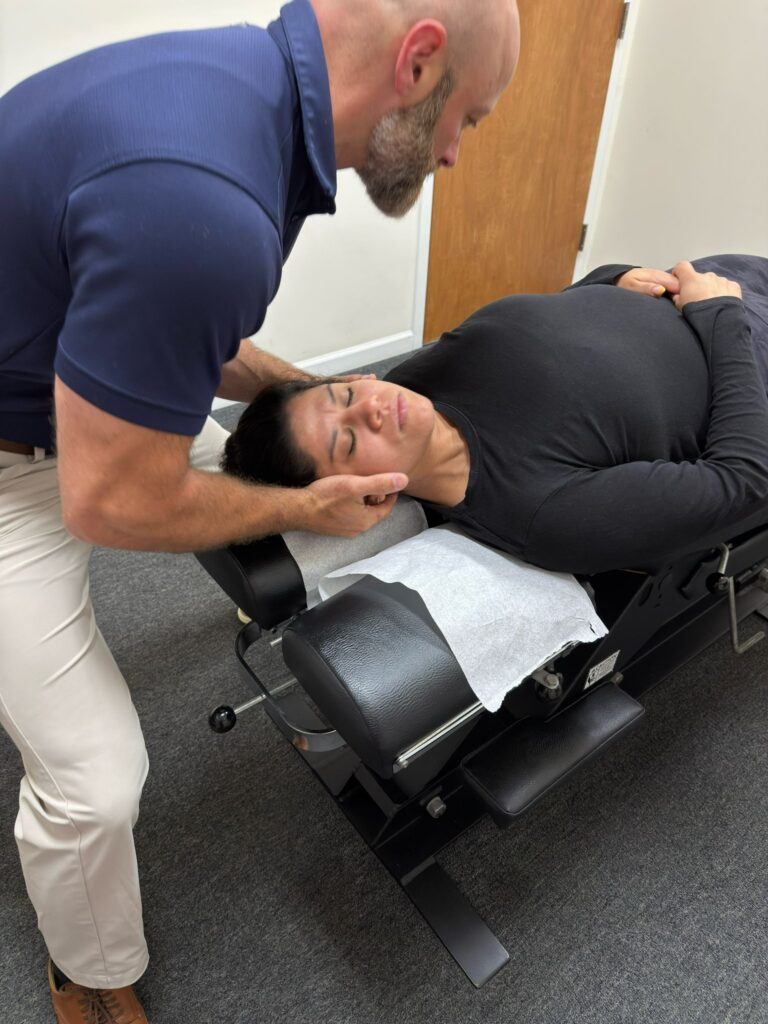
Headaches can often result from poor alignment and posture throughout your daily activities. Fortunately, by implementing a few simple adjustments, you can significantly reduce discomfort and enhance your overall well-being. Whether it’s how you sit at your desk or how you position your head while sleeping, these small changes can lead to substantial relief.
As a chiropractor, I want to emphasize the importance of proper alignment for achieving optimal health. Here are some practical strategies to help you align your body better and alleviate those persistent headaches naturally:
- Mind Your Posture: Sit up straight with your shoulders back and your feet flat on the floor. Good posture helps to keep your spine in alignment and can prevent tension that leads to headaches.
- Ergonomic Workspace: If you work at a desk, ensure that your chair and desk height allow for a comfortable position. Your computer screen should be at eye level to avoid straining your neck.
- Take Breaks: Regularly take short breaks to stand up, stretch, or walk around. This can help relieve tension in your neck and shoulders.
- Sleep Smart: Invest in a supportive pillow that keeps your neck aligned with your spine. Avoid sleeping on your stomach, as this can put unnecessary strain on your neck.
- Hydrate: Dehydration can lead to headaches, so make sure you’re drinking enough water throughout the day.
- Mindful Breathing: Practice deep breathing exercises to reduce stress and tension. This can also improve oxygen flow to your brain, aiding in headache relief.
- Regular Chiropractic Care: Visiting a chiropractor can help ensure that your spine is aligned correctly and functioning optimally. Regular adjustments can alleviate headaches and promote better overall health.
- Strengthening Exercises: Incorporate exercises that strengthen your core and support your spine. A strong core helps maintain good posture, reducing the risk of headaches.
- Heat Therapy: Applying a warm compress to your neck and shoulders can help relax tight muscles that contribute to headaches.
- Stay Active: Engage in regular physical activity to keep your body flexible and strong. Exercise is a natural way to reduce stress, which can be a trigger for headaches.
By making these simple adjustments and considering chiropractic care, you can take significant strides toward alleviating headaches and enhancing your overall health. Remember, small changes can lead to big relief!
Key Takeaways
10 Tips to Alleviate Headaches Through Alignment
- Practice Good Posture: Keeping your shoulders back and your head aligned over your spine is crucial. Proper posture helps reduce strain on your neck and shoulders, which can be a major contributor to headaches.
- Ergonomic Workstation Setup: Ensure your workspace is designed to be ergonomic. Position your monitor at eye level to promote a neutral spine position. This simple adjustment can help prevent neck strain and keep headaches at bay.
- Choose the Right Pillow: Invest in a supportive pillow that helps maintain neutral spine alignment while you sleep. A pillow that offers proper neck support can significantly reduce the chances of waking up with a headache.
- Stretch and Move: Incorporating regular stretching and yoga into your routine can work wonders. These practices release tension in your neck and shoulders, improve alignment, and can help decrease the frequency of headaches.
- Stay Hydrated: Adequate hydration is essential for overall health. Drinking enough water throughout the day can prevent dehydration-related headaches, so keep a water bottle handy and sip regularly.
- Mind Your Screen Time: Take frequent breaks from screens to reduce eye strain and tension in your neck. The 20-20-20 rule is a great guideline: every 20 minutes, look at something 20 feet away for 20 seconds.
- Regular Chiropractic Care: Regular visits to a chiropractor can help ensure your spine is aligned properly. Chiropractic adjustments can alleviate tension and pressure that may be contributing to your headaches, promoting natural healing and overall wellness.
- Create a Relaxation Routine: Stress can lead to muscle tension and headaches. Find activities that help you unwind, such as meditation, deep breathing exercises, or gentle stretching, to keep stress levels in check.
- Limit Caffeine and Sugar: While caffeine can provide temporary relief for some headaches, too much can lead to rebound headaches. Aim to limit sugary foods and drinks that can spike and crash your energy levels.
- Listen to Your Body: Pay attention to what triggers your headaches. Keeping a headache diary can help you identify patterns and make necessary adjustments to your lifestyle for better alignment and fewer headaches.
By focusing on these tips and considering chiropractic care as a cornerstone of your health routine, you can take proactive steps toward alleviating headaches naturally and enhancing your overall well-being.
Maintain Proper Posture Throughout the Day
Maintaining proper posture throughout the day is essential for your overall health and can significantly reduce the chances of developing headaches. When we slouch or lean forward, we place unnecessary strain on our neck and spine, which can lead to tension and discomfort.
To combat this, it’s important to keep your shoulders back and your head aligned over your spine. This simple alignment helps distribute your body weight evenly, relieving pressure on your muscles and nerves.
As a chiropractor, I encourage you to take regular breaks to stretch and reset your posture, especially if you find yourself sitting for extended periods. Make sure your workstation is set up ergonomically, with your computer screen at eye level and your chair providing adequate support for your lower back.
When standing, try to distribute your weight evenly across both feet and engage your core muscles to help support your spine.
Being mindful of your posture not only prevents discomfort but also enhances your energy levels and productivity. Remember, small adjustments to your posture can lead to significant improvements in your well-being.
By prioritizing proper posture, you’re taking a vital step towards alleviating headaches and promoting your overall health.
Chiropractic care is a fantastic way to support your journey towards better posture and natural wellness. Regular adjustments can help realign your spine, relieve tension, and improve your body’s ability to function optimally.
Invest in a Supportive Chair
Invest in a Supportive Chair
As a chiropractor, I often emphasize the importance of a supportive chair for your overall health and well-being. The right chair can significantly impact how you feel throughout the day, especially if you spend long hours sitting.
When selecting a chair, look for ergonomic design features that encourage good posture and help reduce strain on your spine and body. An adjustable height is crucial, as it allows you to customize the chair to fit your unique needs, ensuring you maintain comfort and proper alignment while you work.
Remember, good posture not only helps prevent discomfort but also supports your spinal health in the long run.
Here are a few tips to keep in mind when choosing a chair:
- Lumbar Support: Look for chairs that provide adequate lower back support. This will help maintain the natural curve of your spine and prevent slouching.
- Seat Depth and Width: Ensure the chair has enough depth and width to support your body comfortably. You should be able to sit back against the backrest while keeping your feet flat on the ground.
- Armrests: Adjustable armrests can help reduce strain on your shoulders and neck. They should support your arms comfortably without causing you to hunch forward.
- Movement: A chair that allows for some movement can help you stay engaged and reduce stiffness. Consider options that promote gentle rocking or swiveling.
- Regular Breaks: Even the best chair can’t replace the benefits of movement. Take regular breaks to stand, stretch, and walk around. This won’t only help alleviate any tension but also keep your spine healthy.
By investing in a supportive chair and making these small adjustments to your workspace, you can enhance your comfort and promote a healthier lifestyle.
As always, if you experience persistent pain or discomfort, consider consulting with a chiropractor for personalized advice and treatment options. Your spine deserves the best care!
Ergonomic Design Features
Investing in a supportive chair is a great step towards reducing headaches and enhancing your overall well-being. As a chiropractor, I often emphasize the importance of ergonomic design features that promote proper posture and spinal health. A chair with lumbar support is essential, as it encourages your spine’s natural curvature, alleviating strain on your back and neck.
Look for adjustable armrests; they play a crucial role in keeping your shoulders relaxed and preventing tension from building up. A well-cushioned seat will also support your hips and thighs, helping you stay comfortable during those long hours of work.
It’s also important to choose a chair that allows your feet to align properly with the floor, ensuring that your weight is evenly distributed. By prioritizing these ergonomic features, you aren’t only creating a workspace that minimizes headache triggers but also promoting a healthier spine.
Adjustable Height Benefits
Having an adjustable chair height can significantly enhance your comfort and productivity, particularly during those long hours of work. By customizing your chair to fit your desk and your body, you can maintain proper posture, which is essential for spinal health. This adjustment helps reduce strain on your neck and back, ultimately minimizing discomfort and the tension that can lead to headaches from poor alignment.
| Benefit | Description | Impact |
|---|---|---|
| Ergonomic Support | Encourages proper spine alignment | Alleviates discomfort |
| Increased Mobility | Enables easy position changes | Promotes better circulation |
| Personalization | Tailors to your unique height | Enhances concentration |
Investing in a supportive chair with adjustable height features is a simple yet effective way to foster a healthier work environment. By promoting good posture and reducing strain on your body, you can combat headaches and improve your overall well-being.
In addition to adjusting your chair, here are some general tips to support your spinal health while working:
- Take Regular Breaks: Stand up, stretch, and walk around every hour to keep your body moving.
- Maintain Good Posture: Keep your feet flat on the ground, your back straight, and your shoulders relaxed.
- Stay Hydrated: Drinking water throughout the day can help keep your muscles hydrated and functioning optimally.
- Consider Chiropractic Care: Regular visits to a chiropractor can help maintain your spinal health and address any discomfort you may be experiencing.
Practice Stretching Exercises
As a chiropractor, I want to share how practicing stretching exercises can be a simple yet effective way to alleviate headaches. Many times, tight muscles in your neck and shoulders contribute to headache discomfort. By incorporating stretching into your daily routine, you can help release that tension and promote better spinal health.
Start with gentle neck rolls to loosen up the area. This not only helps relieve tightness but also encourages better alignment of the spine. Next, try shoulder shrugs and arm stretches to alleviate any tightness that may be contributing to your discomfort. These stretches can enhance circulation and reduce strain on your body.
Don’t forget about upper back stretches! These are crucial for improving posture and can significantly reduce the pressure on your spine. When performing stretches, hold each position for 15-30 seconds while breathing deeply. This not only enhances relaxation but also supports your body’s natural healing process.
Aim to dedicate a few minutes each day to these exercises, especially during breaks at work or after long periods of sitting. Regular stretching not only helps with headaches but also promotes overall well-being. By making time for these simple movements, you’re investing in your health and comfort.
Remember, chiropractic care is an excellent option for addressing the root causes of pain and discomfort. It complements these stretching exercises beautifully by ensuring your spine is properly aligned and functioning optimally.
Incorporate Yoga Into Your Routine
Incorporating yoga into your routine can be a fantastic way to alleviate headaches and promote relaxation, complementing the benefits of chiropractic care. Yoga blends physical postures, breathing techniques, and mindfulness, all of which can help reduce tension and improve blood circulation—essential components for overall wellness and spinal health.
Start with gentle poses like Child’s Pose, Cat-Cow, or Downward Dog. These positions can stretch your neck and shoulders, helping to release built-up stress that may contribute to headache pain. Remember, maintaining a healthy spine is crucial for your overall health, and these yoga poses can enhance your chiropractic adjustments.
As you practice, focus on your breath. Deep, slow inhalations and exhalations can calm your nervous system and ease headache discomfort. Consider aiming for short sessions a few times a week and gradually increase the duration as you become more comfortable. This approach not only helps with pain relief but also fosters a sense of well-being.
To stay motivated and learn proper techniques, consider joining a local class or following online videos. However, remember that your chiropractor can provide personalized recommendations for integrating yoga into your routine while ensuring your spine remains aligned and healthy.
Embrace this natural approach to wellness, and you’ll be on the path to optimal health and vitality!
Stay Hydrated
Staying hydrated is vital for overall health and can play a significant role in preventing headaches. Even mild dehydration can lead to discomfort, making it crucial to drink enough water throughout the day. When your body lacks hydration, it can’t perform optimally, which may result in fatigue, tension, and even pain.
As a chiropractor, I encourage you to develop the habit of carrying a water bottle with you. This simple step allows you to sip regularly, ensuring that your body stays well-hydrated. Aim for at least eight 8-ounce glasses of water daily, but remember that everyone’s hydration needs can vary based on how active you’re and the climate you live in.
If you’re exercising or spending time in hot weather, it’s important to increase your water intake accordingly. It’s also important not to wait until you feel thirsty to drink water, as thirst is often a sign that your body is already dehydrated.
In addition to drinking water, consider incorporating hydrating foods into your meals. Fruits and vegetables like cucumbers, oranges, and watermelon can provide extra hydration while also offering essential nutrients that support your overall well-being.
By prioritizing hydration, you not only reduce the frequency of headaches but also enhance your body’s ability to function at its best. Remember, maintaining good hydration can complement your chiropractic care, helping you achieve optimal health and wellness.
Adjust Your Workstation Ergonomics
To reduce headaches and promote overall wellness, adjusting your workstation ergonomics is crucial. As a chiropractor, I want to emphasize the importance of maintaining a healthy posture while working, as it can greatly influence your spinal health and overall well-being.
Begin by ensuring your desk height is set so that your elbows can rest comfortably at a 90-degree angle while typing. This position helps to alleviate unnecessary strain on your neck and upper back, which can lead to tension headaches.
Additionally, position your monitor at eye level. This prevents you from craning your neck forward or looking down, which can contribute to discomfort and muscle tension.
Remember, your body is designed to move, so take regular breaks to stretch and walk around. This simple action can help alleviate stiffness and promote better circulation.
Incorporating these ergonomic adjustments into your daily routine can significantly improve your comfort at work and support your journey toward natural healing.
If you’re experiencing persistent headaches or discomfort, consider consulting with a chiropractor. We specialize in identifying the root causes of pain and providing gentle, effective treatments to help restore your health and wellness.
Prioritizing your spinal health through chiropractic care can lead to lasting relief and a more vibrant, active life.
Desk Height Adjustment
Adjusting your desk height can significantly alleviate headaches that stem from poor posture, and as a chiropractor, I want to share how crucial this adjustment is for your overall health and wellness. When your desk is set at the correct height, it promotes a neutral spine position, which can help relieve tension in your neck and shoulders—common culprits of discomfort.
To help you optimize your workspace, aim for your elbows to create a 90-degree angle while typing, and ensure your feet remain flat on the ground. This simple adjustment can make a world of difference in how your body feels throughout the day.
Here’s a handy reference table to find your ideal desk height based on your height:
| User Height | Desk Height | Recommended Chair Height |
|---|---|---|
| 5’0″ – 5’3″ | 24″ – 26″ | 15″ – 17″ |
| 5’4″ – 5’7″ | 26″ – 28″ | 17″ – 19″ |
| 5’8″ – 6’0″ | 28″ – 30″ | 19″ – 21″ |
| 6’1″ – 6’4″ | 30″ – 32″ | 21″ – 23″ |
Incorporating these adjustments into your daily routine can enhance your comfort and productivity. Remember, maintaining proper posture is key to preventing pain and promoting a healthier lifestyle. And if you ever experience discomfort, don’t hesitate to seek the gentle, effective care that chiropractic offers. Together, we can work towards optimal health and natural wellness!
Monitor Positioning Tips
Proper monitor positioning is essential not only for reducing headaches and eye strain but also for supporting your overall spinal health. As a chiropractor, I understand the importance of creating a workspace that promotes wellness and minimizes discomfort.
Here are some key tips to help you set up your monitor correctly for a healthier work environment:
- Eye Level: Position your monitor so that the top of the screen is at or just below your eye level. This helps maintain proper posture and reduces the strain on your neck.
- Distance: Keep your monitor about an arm’s length away. This distance helps prevent squinting and allows your eyes to relax, which can contribute to less tension in your upper back and shoulders.
- Tilt: Angle your monitor slightly backward (10-20 degrees). This can help reduce glare and allows for a more natural line of sight, making it easier on your eyes and neck.
- Lighting: Ensure your screen isn’t facing direct light sources, as this can create reflections that strain your eyes. Instead, position your workstation in a way that utilizes soft, natural light when possible.
By following these simple tips, you can create a more comfortable workspace that supports your health and well-being.
Use a Proper Pillow for Sleep
Choosing the right pillow is essential for enhancing your sleep quality and can play a crucial role in preventing headaches and neck pain. As a chiropractor, I understand that your sleeping position significantly impacts your spine’s health.
If you sleep on your back, consider using a medium-loft pillow that supports the natural curve of your neck. For side sleepers, a firmer, higher pillow is ideal to keep your spine aligned and reduce stress on your shoulders. If you’re a stomach sleeper, a thinner, softer pillow can help prevent unnecessary neck strain.
The materials of your pillow also matter. Memory foam pillows contour to your unique shape, providing personalized support, while latex pillows offer firmer, resilient support that can help maintain spinal alignment. If you suffer from allergies, choosing hypoallergenic pillows is a great way to promote a healthier sleep environment.
Remember, it’s important to replace your pillow regularly, as worn-out pillows can lose their ability to support your neck properly. Before you settle on a pillow, take the time to test its comfort. A good pillow should help you maintain a neutral spine alignment while you sleep, which is vital for overall spinal health.
With the right pillow, you can wake up feeling refreshed and free from headaches. In addition to choosing the right pillow, consider incorporating chiropractic care into your routine for optimal health and wellness. Regular chiropractic adjustments can help ensure your spine remains in proper alignment, further enhancing your sleep quality and overall well-being.
Embrace these tips, and you’re on your way to a healthier, pain-free life!
Take Regular Breaks From Screens
If you find yourself glued to screens for extended periods, it’s vital to incorporate regular breaks to help alleviate tension and reduce the risk of headaches.
As a local chiropractor, I recommend setting screen time limits to give your body the rest it deserves. One effective technique is the 20-20-20 rule: every 20 minutes, take a moment to look at something 20 feet away for 20 seconds. This simple practice not only helps your eyes but also encourages better posture and reduces strain on your spine.
Remember, your overall wellness is interconnected, and taking care of your spine is crucial for optimal health. Regular chiropractic adjustments can enhance your body’s ability to cope with the stresses of screen time, promoting natural healing and improving your well-being.
Schedule Screen Time Limits
While technology plays a vital role in our daily lives, excessive screen time can lead to discomfort and even headaches. As a chiropractor, I understand the importance of maintaining a healthy spine and overall wellness.
Managing your screen usage effectively can be a key element in achieving optimal health. Here are some practical tips that can help:
- Set Daily Time Limits: Determine a reasonable amount of time for screen use each day. This can help reduce strain on your neck and back, and encourage a more balanced lifestyle.
- Use Timers: Consider setting an alarm to remind you when it’s time to take a break. Regular breaks can help relieve tension in your spine and muscles, promoting better posture.
- Establish Tech-Free Zones: Create areas in your home where screens aren’t allowed, such as the dining room. This encourages quality family time and helps you engage in healthier habits, like mindful eating.
- Plan Screen-Free Activities: Fill your calendar with offline hobbies or social events that don’t involve screens. Activities like walking, yoga, or even spending time in nature can enhance your well-being and provide natural stress relief.
By incorporating these strategies into your daily routine, you not only manage your screen time better but also support your spinal health and overall wellness.
Practice the 20-20-20 Rule
Extended screen time can lead to headaches and discomfort, which is why it’s important to take regular breaks. One effective method to help your eyes and body recover is the 20-20-20 rule: every 20 minutes, look at something 20 feet away for at least 20 seconds. This simple practice can help alleviate eye strain, relax your focus, and prevent tension from building up, ultimately reducing headache frequency.
As a chiropractor, I recommend setting a timer or using an app to remind you to take these essential breaks. During each pause, make sure to stretch your neck and shoulders. Gentle movements can help release built-up tension, which is crucial in maintaining spinal health and overall well-being.
Remember, your eyes and body need time to recuperate from prolonged screen exposure. Incorporating the 20-20-20 rule into your daily routine can significantly improve your comfort and productivity.
Additionally, regular chiropractic care can enhance your overall health, providing natural relief from pain and promoting optimal wellness. By focusing on maintaining a healthy spine and practicing mindful habits, you can pave the way for a healthier, more vibrant life.
Engage in Mindfulness and Relaxation Techniques
To effectively manage headaches, incorporating mindfulness and relaxation techniques into your daily routine can make a significant difference. As a chiropractor, I believe that these practices can complement your chiropractic care, promoting overall well-being and enhancing the benefits of spinal health.
Here are four simple techniques to consider:
- Deep Breathing: Begin by taking slow, deep breaths. Inhale gently through your nose, allowing your belly to rise, then exhale slowly through your mouth. This practice not only calms your mind and body but also helps release tension that may be contributing to your headaches.
- Progressive Muscle Relaxation: This technique involves tensing and then relaxing each muscle group in your body. Start from your toes and work your way up to your head. As you relax each muscle, focus on the sensation of letting go of tension, which can help alleviate headache pain.
- Meditation: Set aside a few minutes each day for mindfulness meditation. Find a quiet space, close your eyes, and concentrate on your breath. Allow thoughts to drift in and out without judgment. This practice can enhance your mental clarity and reduce stress, supporting your overall health.
- Guided Imagery: Visualize a tranquil scene, such as a serene beach or a peaceful forest. This mental escape can help reduce stress levels and alleviate headache discomfort. Picture yourself in this calming place, taking in the sights, sounds, and sensations.
By regularly integrating these techniques into your routine, you can experience lasting relief from headaches.
Remember, chiropractic care is a powerful ally in your journey toward optimal health, and combining these relaxation practices can further enhance your well-being.
Prioritize your health naturally and take proactive steps to feel better every day!
Seek Professional Help When Needed
Whenever headaches persist despite your best efforts at home, it’s essential to consider seeking professional help—specifically from a chiropractor. Ignoring ongoing pain can lead to more significant issues, and chiropractic care can be a natural way to address the root causes of your discomfort. Chiropractors are trained to assess your symptoms, identify any misalignments in the spine that may contribute to headaches, and suggest appropriate treatments tailored to your needs.
Here’s a simple guide to help you decide when to reach out to a chiropractor:
| Symptoms | When to Seek Help | Professional Type |
|---|---|---|
| Severe pain | Immediately | Chiropractor |
| Frequent headaches | After a week | Chiropractor |
| Pain with vision changes | Immediately | Chiropractor |
| Persistent nausea | After a few days | Chiropractor |
Chiropractic care focuses on natural healing and improving overall wellness through spinal adjustments and lifestyle advice. Taking action early on can make a significant difference in your health. Remember, you don’t have to suffer in silence—there are chiropractors ready to help you find relief and improve your quality of life.
In addition to seeking chiropractic care, here are some general tips you can incorporate into your daily routine to support your wellness:
- Stay Hydrated: Drink plenty of water to help prevent headaches.
- Maintain Good Posture: Be mindful of your posture, especially if you sit for long periods. Proper alignment can reduce strain on your spine.
- Manage Stress: Practice relaxation techniques such as deep breathing, yoga, or meditation to help alleviate tension.
- Get Regular Exercise: Engage in physical activity to keep your body strong and reduce the frequency of headaches.
- Sleep Well: Aim for a regular sleep schedule to ensure your body gets the rest it needs.
Conclusion
By following these chiropractic tips, you can significantly alleviate headaches often caused by spinal misalignment. Start by focusing on maintaining good posture throughout your day; this helps keep your spine aligned and reduces strain on your neck and shoulders. Investing in supportive furniture, such as an ergonomic chair, can also make a world of difference in your spinal health.
Incorporating gentle stretches and yoga into your daily routine can enhance flexibility and relieve tension in your muscles, further supporting spinal alignment. Staying well-hydrated is crucial, as dehydration can lead to headaches, so be sure to drink plenty of water. Additionally, using a proper pillow that supports the natural curve of your neck while you sleep can help maintain alignment overnight.
Remember to take regular breaks from screens. This simple practice can reduce eye strain and tension headaches. Practicing mindfulness techniques can also be beneficial in managing stress, which is a common headache trigger. If you find that headaches persist, visiting a chiropractor can provide the targeted care you need to restore balance and alleviate pain naturally. Your well-being deserves the best, and chiropractic care is a fantastic way to achieve optimal health and wellness!