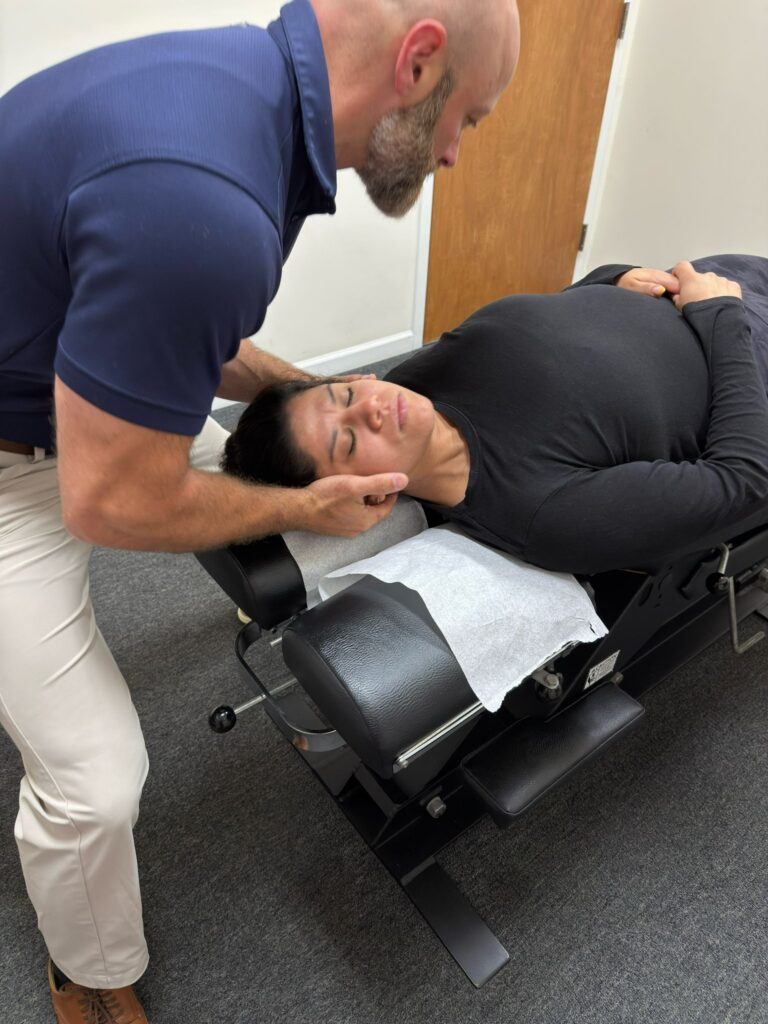

Tension headaches can really take a toll on your day, making it hard to concentrate and enjoy life. Luckily, there are natural strategies you can implement to find relief quickly, and many of them align perfectly with the principles of chiropractic care. By focusing on your spinal health and overall wellness, you can tackle the discomfort at its source.
Here are some tips to help alleviate tension headaches:
- Practice Deep Breathing: Deep breathing exercises can help relax your muscles and reduce stress, which are often triggers for tension headaches. Try taking slow, deep breaths for a few minutes to help ease the tension.
- Maintain Good Posture: Poor posture is a common cause of tension headaches. Be mindful of your posture whether you’re sitting at a desk or standing. Keeping your spine aligned can prevent unnecessary strain on your neck and shoulders.
- Stay Hydrated: Dehydration can contribute to headaches. Make sure you’re drinking enough water throughout the day to keep your body functioning optimally.
- Take Breaks: If you’re sitting for long periods, take short breaks to stretch and move around. This helps reduce muscle tension and promotes better circulation, which can alleviate headache symptoms.
- Apply Heat or Cold: Using a warm compress or an ice pack on your neck and shoulders can provide instant relief. Heat can help relax tight muscles, while cold can numb the area and reduce inflammation.
- Get Adjusted: Regular chiropractic adjustments can help keep your spine aligned and reduce the frequency of tension headaches. A chiropractor can target areas of tension and provide personalized treatment to help you feel your best.
- Incorporate Stretching: Gentle neck and shoulder stretches can relieve tightness and improve blood flow to the area. Try incorporating these stretches into your daily routine.
- Manage Stress: Finding healthy ways to manage stress is essential. Consider activities like yoga, meditation, or even a simple walk in nature to help reduce stress levels.
- Limit Screen Time: Prolonged screen time can lead to eye strain and tension in the neck and shoulders. Make it a habit to take breaks from screens and practice the 20-20-20 rule: every 20 minutes, look at something 20 feet away for 20 seconds.
- Prioritize Sleep: Ensure you’re getting enough restorative sleep each night. Quality sleep is crucial for overall health and can help reduce the frequency of headaches.
By incorporating these strategies into your daily routine, you can help alleviate tension headaches naturally and improve your overall well-being. Remember, chiropractic care is a wonderful option for maintaining spinal health and achieving optimal wellness. If you’re struggling with chronic headaches, consider reaching out to a chiropractor for a personalized approach to your health. Your body will thank you!
Key Takeaways
- Try practicing deep breathing exercises to help relax your mind and body. This simple technique can quickly ease tension and headaches, promoting overall wellness.
- Ensure you maintain good posture while working. Proper alignment reduces muscle stress and can help prevent headaches, ultimately supporting your spinal health.
- Remember to take regular breaks from screens by following the 20-20-20 rule: every 20 minutes, look at something 20 feet away for 20 seconds. This practice helps prevent eye strain and keeps tension at bay.
- Staying hydrated is crucial for your overall health. Aim to drink at least eight glasses of water daily to help reduce muscle tension and, in turn, headaches.
- Incorporating gentle neck and shoulder stretches into your daily routine can alleviate tension and improve spinal alignment. These stretches not only help with headaches but also promote better posture, which is vital for long-term health.
By incorporating these simple habits into your daily life, you can manage tension headaches naturally. Additionally, consider visiting a chiropractor for personalized care and strategies to enhance your overall wellness. Chiropractic care focuses on treating the root causes of pain and tension, helping you achieve optimal health without the need for medications or surgeries.
Practice Deep Breathing Exercises
When you start to feel a tension headache coming on, practicing deep breathing exercises can be a simple yet effective way to find relief, complementing the benefits of chiropractic care.
Begin by getting into a comfortable position, whether sitting or lying down. Close your eyes and place one hand on your chest and the other on your abdomen. Inhale deeply through your nose, allowing your abdomen to rise while keeping your chest relatively still. Hold that breath for a moment, then exhale slowly through your mouth. As you breathe out, focus on releasing any tension in your neck and shoulders, areas often affected by misalignments in the spine.
Continue this process for five to ten minutes. You’ll notice that as you breathe deeply, your heart rate slows, and your mind becomes clearer. This practice not only helps manage headaches but also reduces overall stress, which is crucial for maintaining a healthy spine.
Incorporating deep breathing exercises into your daily routine can enhance the effects of chiropractic adjustments, promoting a natural path to wellness.
Remember, the next time you feel that familiar tightness, take a moment to breathe deeply and reconnect with your body. This simple act can be a powerful way to complement your chiropractic care and achieve optimal health.
You deserve that relief, and with consistent practice, you can support your body’s natural healing processes.
Apply a Cold or Warm Compress
Applying a cold or warm compress can be an excellent way to find immediate relief from tension headaches, and it’s a natural method that complements your journey towards optimal health through chiropractic care.
If you’re opting for a cold compress, know that it can effectively numb pain and reduce inflammation. Just wrap some ice or a cold pack in a cloth—this protects your skin—and apply it to your forehead or neck for about 15-20 minutes. This technique can help ease the throbbing and discomfort often associated with headaches.
Conversely, a warm compress can work wonders for relaxing tense muscles and improving blood circulation. A warm towel or heating pad placed on the back of your neck or forehead for a similar duration can bring soothing relief.
It’s beneficial to experiment with both methods to discover which one resonates best with your body. You may find that cold therapy is more effective during the initial stages of a headache, while warmth offers comfort when tension lingers.
Incorporating these simple techniques into your routine can be effective tools for headache relief.
However, remember that regular chiropractic care can address the root causes of tension headaches, helping to maintain balance and promote overall wellness. By prioritizing your spinal health, you’re taking an important step toward a pain-free, healthier life.
Stay Hydrated
Staying hydrated is a crucial aspect of maintaining your overall health and wellness, especially when it comes to preventing tension headaches. As a chiropractor, I can tell you that dehydration can lead to increased muscle tension and exacerbate pain. Even mild dehydration can set off those annoying headaches that many of us experience.
It’s important to make drinking water a regular part of your daily routine, particularly if you’re active or spending time in hot environments. Here are some key hydration levels to keep in mind, alongside the effects on your body and simple tips for improvement:
| Hydration Level | Effects on the Body | Tips for Improvement |
|---|---|---|
| Well-Hydrated | Enhanced mood, better bodily function | Always keep a water bottle nearby to sip throughout the day |
| Mild Dehydration | Fatigue and headaches | Set reminders on your phone or use an app to prompt you to drink water |
| Severe Dehydration | Dizziness and confusion | Opt for electrolyte-rich drinks, especially after intense activity |
Aim to drink at least eight 8-ounce glasses of water each day, but be sure to adjust this based on your activity level and climate. Pay attention to your body’s signals; if you feel thirsty, it’s your body telling you to hydrate!
Incorporating good hydration habits can greatly contribute to reducing tension headaches and supporting your overall spinal health. Remember, staying well-hydrated complements the benefits of chiropractic care in achieving optimal health and wellness. By nourishing your body properly, you’re taking an important step towards a pain-free and vibrant life.
Maintain Good Posture
Maintaining good posture is vital for your overall health and can significantly reduce the occurrence of tension headaches. When you sit or stand with proper alignment, you support your spine and lessen the stress on your muscles, helping to prevent the tightness that often leads to discomfort and headaches.
To enhance your posture, start by making adjustments to your workspace. Ensure your chair provides adequate support for your lower back, and keep your feet flat on the ground—this promotes a stable foundation. Position your computer screen at eye level to avoid leaning forward, which can strain your neck and back.
When standing, distribute your weight evenly across both feet and keep your shoulders relaxed to maintain balance. Incorporating regular posture checks into your daily routine is essential. If you find yourself slumping, take a moment to realign your body—this simple act can make a big difference.
Strengthening your core muscles through targeted exercises can also support good posture, making it easier to maintain throughout the day. As a chiropractor, I emphasize that prioritizing your posture not only helps alleviate tension and discomfort but also promotes overall wellness.
Take Breaks From Screens
While screens have become a fundamental part of our daily lives, taking regular breaks from them is essential for maintaining not just eye health but also overall well-being, especially when it comes to preventing tension headaches.
When we spend extended periods staring at our computers or phones, our eyes and necks can become strained, leading to discomfort that may also affect our spine.
To help alleviate this discomfort, I recommend setting a timer to remind yourself to step away from your screen every 20 to 30 minutes. During these breaks, take a moment to look at something far away—ideally, at least 20 feet distant—for at least 20 seconds. This is known as the 20-20-20 rule and is a simple yet effective way to reduce eye strain and relieve tension.
Incorporating gentle movement into your breaks is also beneficial. Stand up, stretch, or take a short walk.
These activities not only refresh your mind but also promote better circulation and support spinal health. Movement helps keep your spine aligned and reduces stiffness, which can contribute to headaches.
By prioritizing these brief moments away from screens, you’re likely to notice a decrease in tension headaches and feel more focused when you return to your tasks.
Remember, chiropractic care is an excellent option for addressing any lingering discomfort and ensuring your spine is aligned for optimal health.
Embracing these practices can enhance your well-being and support a healthier, pain-free lifestyle.
Try Gentle Stretching or Yoga
Gentle stretching and yoga can be excellent tools to help alleviate tension headaches, and when combined with chiropractic care, they can enhance your overall wellness.
By focusing on stretches for the neck and shoulders, you can effectively release built-up tension in these areas, which is often a contributor to headaches.
Incorporating mindful breathing techniques during these stretches not only calms your mind but also promotes relaxation throughout your body. This holistic approach is vital in managing stress and finding relief from discomfort.
Remember, chiropractic adjustments can also play a crucial role in addressing the root causes of tension headaches. By ensuring your spine is properly aligned, you can facilitate better nerve function and improve overall health.
As you practice stretching and yoga, consider these tips:
- Start Slow: Begin with gentle movements to avoid strain.
- Stay Consistent: Regular practice can lead to better results.
- Listen to Your Body: If something doesn’t feel right, stop and adjust your position.
- Incorporate Chiropractic Care: Regular visits to your chiropractor can help maintain spinal health and prevent future headaches.
Neck and Shoulder Stretches
Incorporating neck and shoulder stretches into your daily routine is a fantastic way to alleviate tension headaches and promote overall wellness. As a chiropractor, I often see how tight muscles in these areas can lead to discomfort and pain. By gently stretching your neck and shoulders, you can release built-up tension and enhance blood flow, helping you feel better naturally. Here are a few effective stretches that you can easily incorporate into your day:
| Stretch Name | How to Do It | Duration |
|---|---|---|
| Neck Tilt | Gently tilt your head to one side and hold | 15 seconds each |
| Shoulder Shrug | Lift your shoulders toward your ears and hold | 10 seconds |
| Seated Forward Bend | While sitting, reach towards your toes and relax | 30 seconds |
| Cat-Cow Stretch | On all fours, alternate between arching and rounding your back | 1 minute |
Making these stretches a regular part of your routine can significantly reduce the frequency and intensity of headaches. Remember, maintaining good posture and staying mindful of your body mechanics throughout the day also plays a crucial role in preventing tension.
Chiropractic care is an excellent choice for achieving optimal health and finding natural relief from pain. Regular adjustments can help align your spine, improving your overall well-being and keeping you free from discomfort. Always listen to your body, and don’t hesitate to reach out to a chiropractor for personalized advice tailored to your specific needs. Your journey to better health can start with simple, daily habits like these stretches!
Mindful Breathing Techniques
After you’ve stretched your neck and shoulders, it’s a great time to incorporate mindful breathing techniques into your routine. These simple practices can significantly help you relax and reduce tension headaches, which often stem from spinal misalignments and muscle tightness.
Start by finding a comfortable position, whether you’re sitting in a supportive chair or lying down on a flat surface. Close your eyes and take a deep breath in through your nose, letting your abdomen expand fully. This deep breathing not only increases oxygen flow but also promotes better spinal health by encouraging proper posture. Hold that breath briefly before exhaling slowly through your mouth.
As you breathe, focus on the rhythm of your inhalations and exhalations. If your mind starts to wander, that’s perfectly normal; gently guide your attention back to your breath. You might find it helpful to count your breaths: inhale for four counts, hold for four, and exhale for six. This technique not only calms the mind but also enhances the connection between your breath and your spine, promoting overall wellness.
Incorporating these mindful breathing exercises into your day can foster a sense of calm and alleviate tension. Remember, while breathing techniques are beneficial, they can be even more effective when combined with regular chiropractic care.
Use Essential Oils
As a local chiropractor, I want to share some natural methods for relieving tension headaches, and essential oils can be a wonderful ally in this journey towards better health. Oils like lavender and peppermint have been noted for their effectiveness in alleviating headache discomfort, and when combined with chiropractic care, they can enhance your overall wellness experience.
Here are some simple tips on how to use these oils effectively:
- Inhalation: One of the easiest ways to use essential oils is through inhalation. You can add a few drops of lavender or peppermint oil to a diffuser or simply inhale the scent directly from the bottle. This can help promote relaxation and relieve tension.
- Topical Application: For targeted relief, consider diluting essential oils with a carrier oil, like coconut or almond oil. You can gently massage the blend onto your temples, neck, or the base of your skull. This not only provides the benefits of the oils but also allows the massage to help ease muscle tension, further supported by chiropractic adjustments.
- Warm Compress: You can also add a few drops of essential oils to a warm compress. Place it on your forehead or the back of your neck to soothe tight muscles and reduce headache pain.
- Chiropractic Care: While essential oils can be a great part of your wellness routine, don’t forget the importance of chiropractic care. Regular adjustments can help relieve tension in your spine, which often contributes to headaches. By addressing the root cause of pain, chiropractic care supports your body’s natural healing processes.
Incorporating these simple techniques into your daily routine can help manage tension headaches naturally.
Best Essential Oils
When it comes to finding relief from tension headaches, incorporating chiropractic care into your routine can be a game changer. As a chiropractor, I want to emphasize the importance of addressing the root cause of your headaches, which often involves spinal alignment and muscle tension.
While essential oils can provide temporary relief, they work best when combined with holistic approaches like chiropractic adjustments. For instance, lavender oil is known for its calming properties, which can help reduce stress, but regularly visiting a chiropractor can ensure that your spine is properly aligned, reducing the overall tension in your body.
Peppermint oil offers a refreshing cooling sensation that can ease muscle tightness and enhance circulation. However, a chiropractor can help release tight muscles and improve blood flow more effectively, providing longer-lasting relief from headaches.
Eucalyptus oil can help clear sinuses, but it’s essential to consider that many headaches stem from spinal issues or muscle strain. By addressing these underlying problems through chiropractic care, you can alleviate headache symptoms more effectively.
Rosemary oil may stimulate blood flow and provide some comfort, but regular chiropractic adjustments can enhance your overall wellness and reduce the frequency of tension headaches.
Similarly, chamomile oil is known for its soothing effects, but maintaining a healthy spine through chiropractic care is key to long-term relaxation and pain relief.
Incorporate these essential oils into your wellness routine, but remember that the best way to tackle tension headaches is through proper spinal care and alignment. By visiting your chiropractor regularly, you can achieve optimal health and enjoy a life with fewer headaches and more vitality.
Application Techniques
To effectively address tension headaches, consider integrating essential oils into your wellness routine alongside chiropractic care. Start by selecting an oil that resonates with your needs, such as lavender for its calming properties or peppermint for its invigorating effects.
It’s important to use a carrier oil, like coconut or jojoba oil, to dilute the essential oil and prevent skin irritation. Once prepared, gently rub a few drops onto your temples and the back of your neck, using circular motions to massage the area. This not only allows the oils to absorb but also promotes relaxation and tension relief.
You might also enjoy inhaling the aroma directly from the bottle or utilizing a diffuser to create a soothing environment within your home. For additional comfort, placing a cool cloth on your forehead after applying the oils can enhance the soothing benefits.
Remember that everyone’s body reacts differently, so don’t hesitate to experiment with various oils and application methods to discover what provides the most relief for you.
Incorporating regular chiropractic adjustments can also be beneficial for reducing tension and improving overall spinal health, which plays a crucial role in how our bodies manage stress and pain.
Consider Over-the-Counter Pain Relief
If you’re dealing with a tension headache, it’s understandable to want relief quickly. While many people reach for over-the-counter pain medications like ibuprofen or acetaminophen, I want to share with you a more holistic approach to managing headache pain: chiropractic care.
Chiropractic care focuses on the spine and nervous system, which play crucial roles in overall health. Misalignments in your spine can lead to tension and discomfort, contributing to headaches. By visiting a chiropractor, you can receive gentle adjustments that help realign your spine, reduce tension in your muscles, and improve your overall well-being.
In addition to regular chiropractic adjustments, there are simple lifestyle tips you can incorporate to help prevent tension headaches. Make sure to stay hydrated, practice good posture, and take regular breaks if you’re working at a desk or using screens for extended periods.
Stretching and practicing relaxation techniques like deep breathing or yoga can also be beneficial.
If you find that your tension headaches persist, it’s important to consult with a chiropractor who can provide personalized care and develop a plan tailored to your needs.
Engage in Relaxation Techniques
To alleviate tension headaches, incorporating relaxation techniques can be extremely beneficial, and as a chiropractor, I believe these methods complement chiropractic care perfectly. Deep breathing exercises are an excellent way to calm both your mind and body, helping to relieve the tension that can contribute to headaches.
Additionally, guided meditation practices allow you to focus your thoughts and release stress, creating a more peaceful state of mind.
While these relaxation techniques are helpful, they work best when combined with regular chiropractic adjustments. Chiropractic care addresses the root causes of headaches by ensuring that your spine is aligned properly. This alignment can relieve pressure on nerves and muscles, promoting better overall health and reducing the frequency and intensity of headaches.
Here are some general tips to incorporate into your routine for optimal health and wellness:
- Practice Deep Breathing: Spend a few minutes each day focusing on your breath. Inhale deeply through your nose, hold for a moment, and exhale slowly through your mouth. This simple practice can help reduce stress and tension.
- Explore Guided Meditation: Consider setting aside time each week to engage in guided meditation. There are many apps and online resources available that can help you get started.
- Stay Hydrated: Dehydration can contribute to headaches. Make sure you drink plenty of water throughout the day.
- Maintain Good Posture: Being mindful of your posture while sitting and standing can help reduce strain on your spine and neck, which can lead to headaches.
- Regular Chiropractic Visits: Schedule regular visits to your chiropractor to ensure your spine is properly aligned. This proactive approach can help prevent headaches and enhance your overall well-being.
By integrating these techniques into your daily life alongside chiropractic care, you can achieve powerful relief from tension headaches and improve your overall health.
Deep Breathing Exercises
Tension headaches can be a real challenge, but incorporating deep breathing exercises into your routine can be a powerful, natural way to find relief. As a chiropractor, I often emphasize the importance of a holistic approach to health and wellness, and deep breathing is a simple yet effective technique that complements chiropractic care.
Begin by locating a quiet space where you can sit or lie down comfortably. Close your eyes and take a deep breath in through your nose, allowing your abdomen to expand fully. Hold that breath for a moment, then gently exhale through your mouth. Repeat this process for several minutes, paying attention to the rhythm of your breath. With each exhale, visualize the tension leaving your body, making way for relaxation.
These deep breathing exercises not only help calm your mind but also lower your heart rate and reduce muscle tension, which are all crucial in managing tension headaches.
When combined with regular chiropractic adjustments, these practices can enhance your overall well-being by promoting better spinal alignment and reducing stress on your nervous system.
Incorporating deep breathing into your daily routine is a simple, accessible strategy that can help manage tension headaches effectively.
Remember, chiropractic care is your ally in achieving optimal health, and combining it with techniques like deep breathing can enhance your journey toward natural wellness.
Take a few moments each day to practice this, and you’ll be on your way to a more relaxed and pain-free life.
Guided Meditation Practices
Guided meditation practices can be a wonderful addition to your wellness routine, especially when it comes to alleviating tension headaches. As a chiropractor, I often see how stress and tension in the neck and shoulders can contribute to discomfort. By engaging in regular guided meditation, you can’t only find relaxation but also support your spinal health.
Begin by finding a comfortable position, whether you’re sitting upright or lying down. Using a meditation app or an online video can help guide you through the process. Focus on your breath, inhaling deeply and exhaling slowly, while visualizing a tranquil scene that calms your mind and body.
As you delve into this practice, take note of how you can consciously release tension in your neck and shoulders, which is crucial for maintaining proper spinal alignment. Allow yourself at least 10-15 minutes to fully immerse yourself in the experience without rushing. This dedicated time can help you manage stress more effectively and reduce the frequency of tension headaches.
Incorporating guided meditation into your daily routine can complement chiropractic care, enhancing your overall health and wellness. Remember, the goal is to create a holistic approach to your well-being.
Alongside regular chiropractic adjustments, mindfulness practices like meditation can significantly improve your quality of life. So take a moment for yourself, breathe deeply, and know that you’re on the path to optimal health.
Get Adequate Sleep
Getting adequate sleep is crucial for preventing and alleviating tension headaches, which can often be linked to spinal misalignments and stress. When you don’t get enough rest, your body becomes more susceptible to tension and discomfort. Prioritizing quality sleep not only enhances your well-being but also supports overall spinal health.
Here are some practical tips to help you achieve better sleep and promote natural healing:
- Stick to a Schedule: Try to go to bed and wake up at the same time each day. This helps regulate your body’s internal clock and can improve the quality of your sleep.
- Create a Relaxing Environment: Transform your bedroom into a peaceful retreat. Keep it dark, quiet, and cool to foster an ideal sleep environment that allows your spine to relax and rejuvenate.
- Limit Screen Time: Consider avoiding screens for at least an hour before bedtime. The blue light emitted by devices can interfere with your sleep cycle, making it harder for your body to unwind.
- Practice Relaxation Techniques: Engage in calming activities such as reading or deep breathing exercises before bed. These techniques can help reduce stress, allowing your body and spine to relax, which is essential for a good night’s sleep.
By incorporating these tips into your nightly routine, you can enhance your sleep quality and support your body’s natural healing processes.
Conclusion
By integrating these helpful tips into your daily routine, you can effectively alleviate tension headaches and enhance your overall wellness. One of the most effective ways to manage headaches is through chiropractic care, which addresses the root causes of discomfort by ensuring proper spinal alignment.
Remember to practice deep breathing techniques, which can help reduce stress and tension. Staying hydrated is crucial as dehydration can exacerbate headaches; aim to drink plenty of water throughout the day. Additionally, taking regular breaks from screen time can prevent eye strain and muscle tension.
Paying attention to your posture is vital; maintaining good alignment while sitting or standing can significantly reduce the likelihood of headaches. Quality sleep also plays a key role in headache prevention, so be sure to prioritize restful nights.
You might also explore the use of essential oils, as certain scents can provide soothing relief. If you continue to experience headaches, consider visiting a chiropractor. They can provide targeted adjustments and advice tailored to your specific needs, helping you take control of your health naturally.
By choosing chiropractic care, you’re opting for a holistic approach to wellness that not only addresses pain but also promotes healthier living. Remember, with the right tools and support, you’ll be on your way to feeling better in no time!