
Low back pain can be a significant hurdle in our daily lives, but understanding the common injuries that lead to this discomfort is the first step towards healing. Muscle strains and sprains, often resulting from heavy lifting or awkward movements, are among the most frequent culprits. These injuries can leave you feeling stiff and sore, but the good news is that chiropractic care can help restore balance and alleviate pain naturally.
Herniated discs are another concern, where the cushioning discs between your vertebrae become damaged, potentially leading to nerve compression. This can cause not only back pain but also radiating discomfort down your legs. Chiropractic adjustments can help relieve this pressure, promote healing, and improve your overall spinal health.
Conditions like sciatica and spinal stenosis can complicate low back pain further. Sciatica typically presents as shooting pain down the leg, while spinal stenosis involves narrowing of the spinal canal, leading to reduced mobility and discomfort. Both of these issues can benefit from chiropractic treatment, which focuses on aligning the spine and reducing inflammation without resorting to medications or surgeries.
To support your recovery, consider these general tips:
- Maintain Good Posture: Whether sitting at a desk or lifting objects, proper posture can help prevent strain on your back.
- Stay Active: Gentle movements and stretches can keep your back muscles flexible and strong. Activities like walking, swimming, or yoga can be very beneficial.
- Use Proper Lifting Techniques: Bend your knees and keep the object close to your body. This reduces the strain on your lower back.
- Stay Hydrated: Keeping your body hydrated supports spinal health and helps maintain the elasticity of your spinal discs.
- Seek Chiropractic Care: Regular visits to your chiropractor can help manage pain, improve mobility, and support your body’s natural healing processes.
By understanding these injuries and incorporating these healthy habits, you can take charge of your back health and enjoy a more active, pain-free life. Remember, chiropractic care is a powerful ally in your journey towards optimal wellness.
Key Takeaways
Low back pain is a common issue many people face, and understanding the causes can help you find effective relief. Here are some of the top injuries that contribute to discomfort in the lower back, along with how chiropractic care can help:
- Muscular Strains and Sprains: These injuries often happen when lifting heavy items or twisting awkwardly. If you’re feeling pain and limited mobility, chiropractic adjustments can help realign your spine and reduce tension in the muscles, promoting healing and restoring movement.
- Herniated or Bulging Discs: When the discs in your spine bulge or herniate, they can press on nerves, causing sharp pain or sensations like numbness or tingling that may travel down the leg. Chiropractic care focuses on gentle adjustments that can relieve nerve pressure and help restore proper disc function without the need for invasive procedures.
- Degenerative Disc Disease and Osteoarthritis: As we age, the cartilage in our joints can wear down, leading to stiffness and discomfort. Chiropractic treatments can help improve mobility and reduce pain by enhancing joint function and promoting natural healing.
- Spinal Stenosis: This condition occurs when the spaces within your spine narrow, putting pressure on the nerves. Standing or walking may become painful. A chiropractor can help alleviate this discomfort through targeted adjustments, improving spinal health and relieving nerve pressure naturally.
- Spondylolisthesis: This occurs when one of your vertebrae slips out of place, potentially pinching nerves. If you’re experiencing localized pain or neurological symptoms, chiropractic care can assist in realigning your spine and reducing nerve irritation, fostering a path towards recovery.
General Tips for Managing Low Back Pain:
- Maintain good posture while sitting and standing to support your spine.
- Incorporate gentle stretching and strengthening exercises into your daily routine to keep your back muscles strong and flexible.
- Use proper lifting techniques: bend your knees and keep the object close to your body.
- Stay active with low-impact exercises like walking or swimming, which can enhance mobility without straining your back.
Chiropractic care is an excellent choice for those seeking natural relief from low back pain. By focusing on spinal health and overall wellness, you can achieve optimal health and improve your quality of life. Remember, small adjustments in your daily habits can lead to significant changes in your back health!
Muscle Strains and Sprains
Muscle strains and sprains can catch you off guard, especially if you’ve been lifting heavy objects or twisting in awkward ways. These injuries happen when your muscles or ligaments stretch too far, leading to pain and discomfort, often felt in the lower back. You might feel a sudden sharp pain when the injury occurs, or it could develop gradually as soreness over time.
If you’ve been engaging in physical activities without warming up properly or stretching, your risk of injury increases. Additionally, poor posture while sitting or standing can contribute to these strains. You may notice stiffness and limited mobility, which can make everyday tasks more challenging.
To prevent muscle strains and sprains, always start with a warm-up before exercising, use proper lifting techniques, and maintain good posture throughout the day. Incorporating gentle stretches can also enhance your flexibility and readiness for physical activity.
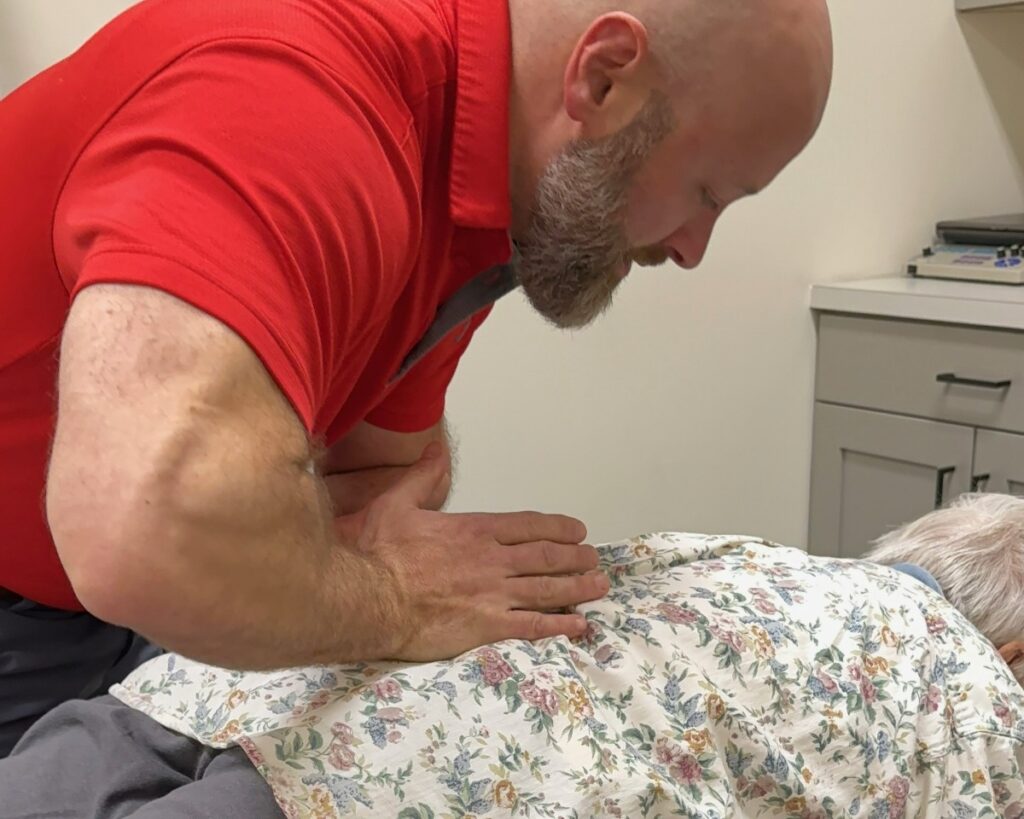
If you do experience discomfort, chiropractic care can be an excellent natural solution. Chiropractors focus on spinal health and can help alleviate pain through safe, hands-on adjustments that promote healing and restore mobility. Additionally, rest and ice can help manage initial pain, while gentle stretching can aid in recovery.
Herniated Discs
After dealing with muscle strains and sprains, you may encounter another common cause of low back pain: herniated discs. This occurs when the soft inner material of a spinal disc pushes through its outer layer, which can put pressure on nearby nerves. This may lead to discomfort in the form of sharp or dull pain, tingling, or weakness in your back and legs. Activities such as heavy lifting, twisting, or even sitting for long periods can increase your risk of experiencing a herniated disc.
As a chiropractor, I recommend focusing on natural methods to manage your pain. Resting your back, applying ice to reduce inflammation, and practicing gentle movements can be beneficial. Chiropractic care is an excellent option for relieving pain and addressing the root cause of your discomfort. A chiropractor can help align your spine and improve your overall function, which can lead to long-term relief.
In addition to chiropractic adjustments, physical therapy can be a fantastic complement to your care, as it helps strengthen your back and enhance flexibility. It’s crucial to listen to your body and avoid movements that worsen your pain.
Here are some general tips to help protect your back:
- Maintain Good Posture: Whether sitting or standing, keeping your spine aligned can prevent unnecessary strain.
- Stay Active: Engage in low-impact exercises like walking or swimming to keep your back strong without over-exerting it.
- Practice Proper Lifting Techniques: Bend at the knees and keep your back straight when lifting heavy objects.
- Incorporate Stretching: Gentle stretching can help improve flexibility and reduce tension in your back muscles.
Sciatica
When you feel pain radiating down your leg, it could be a sign of sciatica, a condition caused by the compression or irritation of the sciatic nerve, the largest nerve in your body. You may experience sharp, shooting pain, numbness, or tingling that travels from your lower back through your buttock and down one leg. This discomfort often arises from issues like a herniated disc or bone spurs that can put pressure on the nerve.
While sciatica pain can be quite intense, it’s important to know that it often improves with time and care. As a chiropractor, I want to emphasize that chiropractic care can be an effective way to relieve pain and promote healing naturally. Through gentle adjustments, we can help alleviate pressure on the sciatic nerve, allowing your body to heal and function optimally.
In addition to chiropractic adjustments, here are some simple tips you can incorporate into your daily routine to help manage sciatica:
- Stay Active: Gentle walking and stretching can help keep your spine flexible and reduce tension in the muscles around the sciatic nerve.
- Practice Good Posture: Pay attention to your posture while sitting or standing. Keeping your spine aligned can help prevent additional strain on your back.
- Use Heat and Cold Therapy: Applying a warm compress or ice pack to the affected area can provide relief and reduce inflammation.
- Engage in Core Strengthening Exercises: Strengthening your core muscles can help support your spine and reduce the risk of future issues.
- Avoid Prolonged Sitting or Standing: Try to change positions regularly and take breaks to move around, as staying in one position for too long can aggravate symptoms.
If your pain continues or worsens, I encourage you to seek chiropractic care for a personalized treatment plan. Taking these proactive steps can lead you toward a healthier, pain-free life. Remember, your body has an incredible ability to heal itself, and with the right support, you can achieve optimal health.
Spinal Stenosis
Spinal stenosis happens when the spaces in your spine become narrower, which can put pressure on your spinal cord and nerves. This can lead to symptoms like pain, numbness, or weakness in your back or legs. It’s important to understand what causes spinal stenosis and recognize its signs so that you can take action.
As a chiropractor, I believe that natural healing and wellness should be your first line of defense against spinal stenosis. Chiropractic care focuses on improving spinal health, which can help alleviate the pressure on your nerves and reduce pain. By realigning the spine and improving overall function, many patients experience significant relief from their symptoms.
Here are some tips to help you manage spinal stenosis naturally:
- Stay Active: Gentle exercises like walking, swimming, or stretching can help maintain mobility and strength in your back and legs. Always consult a chiropractor for tailored exercises that suit your condition.
- Practice Good Posture: Maintaining proper posture while sitting, standing, or lifting can reduce unnecessary strain on your spine.
- Use Heat and Cold Therapy: Applying heat or cold to the affected areas can help relieve pain and inflammation. Heat can relax muscles, while cold can numb sharp pain.
- Stay Hydrated: Drinking plenty of water supports the health of your spinal discs, which can help maintain their cushioning ability.
- Chiropractic Adjustments: Regular visits to your chiropractor can help keep your spine aligned and functioning optimally. Adjustments can reduce pressure on the nerves and improve your overall well-being.
Causes of Spinal Stenosis
As we age, our bodies naturally undergo changes, and the spine is no exception. One common condition that can arise is spinal stenosis, which occurs when the spaces within your spine narrow and put pressure on the nerves. Understanding the causes of spinal stenosis can empower you to take charge of your spinal health and explore natural ways to manage it.
One of the primary contributors to spinal stenosis is arthritis. This condition can lead to the formation of bone spurs, which can encroach on the spaces in the spine. Another factor is herniated discs, which may bulge and put pressure on nearby nerves. Additionally, some individuals are born with a naturally narrower spinal canal, which can predispose them to this condition.
As we get older, our ligaments can thicken, further restricting space around the spinal nerves. Injuries, such as falls or accidents, can also lead to structural changes in the spine that result in spinal stenosis.
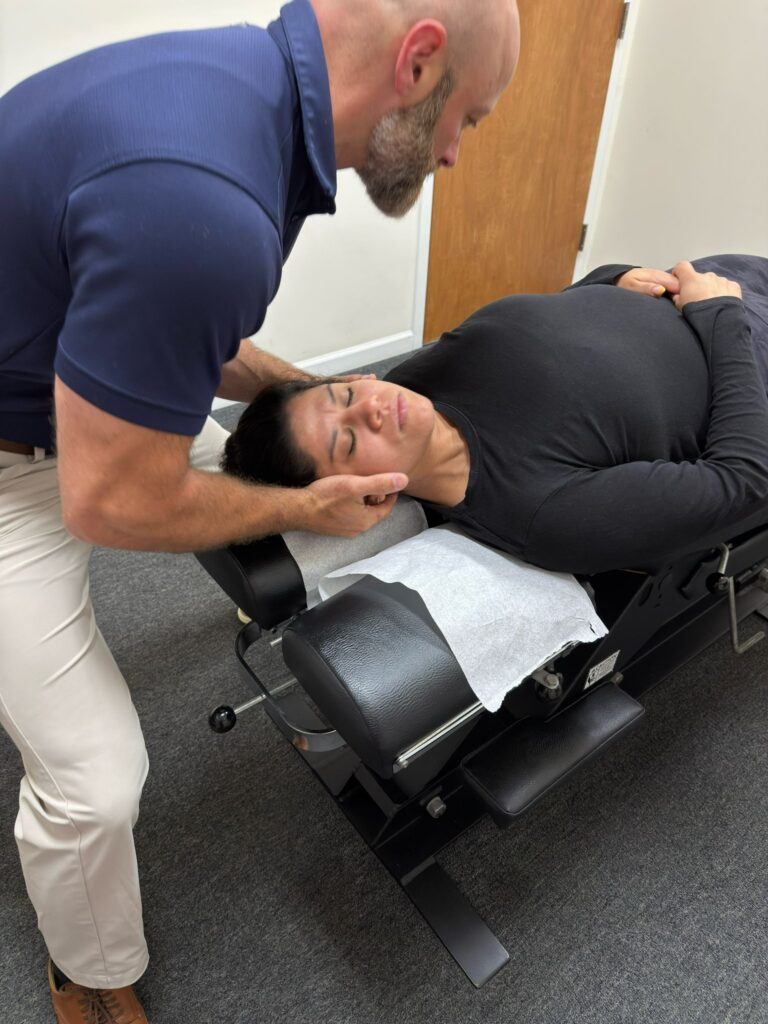
The good news is that there are many natural ways to alleviate the discomfort associated with spinal stenosis. Chiropractic care is an excellent option for finding relief and promoting overall wellness. Through gentle adjustments and personalized treatment plans, chiropractors can help improve spinal alignment, reduce nerve pressure, and enhance mobility.
In addition to chiropractic care, here are some tips you can incorporate into your daily life to support your spinal health:
- Stay Active: Engage in regular low-impact exercises, like walking or swimming, to strengthen your back muscles and improve flexibility.
- Practice Good Posture: Be mindful of your posture while sitting, standing, and lifting to reduce strain on your spine.
- Stretch Regularly: Incorporate stretching exercises into your routine to keep your spine flexible and relieve tension.
- Use Supportive Furniture: Choose chairs and mattresses that provide good support for your back.
- Stay Hydrated: Drinking plenty of water helps maintain the health of your spinal discs.
Symptoms to Recognize
Recognizing the symptoms of spinal stenosis is vital for achieving optimal health and finding relief naturally.
If you notice a deep ache in your lower back that radiates down your legs, it’s important to pay attention.
This discomfort often intensifies when standing or walking for long periods, making it difficult to enjoy your daily activities.
You might also experience numbness, tingling, or weakness in your legs, which can indicate that nerves are being compressed.
One of the best things you can do for yourself is to listen to your body.
You may find temporary relief by sitting down or bending forward, as these positions can help reduce pressure on your spine.
However, the key to long-lasting relief lies in addressing the root cause of your discomfort, and that’s where chiropractic care comes in.
As a chiropractor, I believe in the power of natural healing and the body’s ability to heal itself when given the right support.
Chiropractic adjustments can help alleviate the pressure on your spine and improve nerve function, leading to a decrease in pain and discomfort.
Here are a few general tips to help manage your symptoms:
- Stay Active: Gentle exercises, like walking or stretching, can keep your spine healthy and strengthen the muscles that support it.
- Posture Matters: Be mindful of your posture when sitting or standing. Good alignment can help reduce strain on your back.
- Use Support: When sitting for long periods, use a chair that supports your lower back to help maintain proper posture.
- Heat and Ice: Applying heat or ice to the affected area can provide temporary relief and help soothe inflammation.
If you notice any of these symptoms, don’t hesitate to reach out for a chiropractic consultation.
Early recognition and intervention can lead to better management of your condition and significantly improve your quality of life.
Treatment Options Available
When it comes to managing spinal stenosis, exploring natural and holistic treatment options is key to finding relief. As a chiropractor, I believe in the power of chiropractic care to help you manage pain, improve mobility, and enhance your overall wellness without the need for medications or surgical interventions.
Chiropractic care focuses on realigning the spine and improving the function of your nervous system, which can alleviate the discomfort associated with spinal stenosis. Here’s a quick overview of some effective treatment options:
| Treatment Type | Description | Notes |
|---|---|---|
| Chiropractic Adjustments | Realigns the spine to relieve pressure on nerves and improve mobility | A gentle, non-invasive approach that can provide immediate relief |
| Therapeutic Exercises | Strengthening and stretching exercises tailored to your needs | Enhances flexibility and supports spinal health |
| Lifestyle Modifications | Tips on maintaining good posture, ergonomics, and daily activity adjustments | Helps prevent further issues and promotes long-term wellness |
In addition to these treatments, here are a few general tips you can incorporate into your daily routine:
- Stay Active: Regular low-impact activities like walking or swimming can help keep your spine healthy.
- Practice Good Posture: Be mindful of your posture while sitting, standing, and lifting to reduce strain on your back.
- Use Heat and Cold Therapy: Applying heat can relax tense muscles, while cold packs can reduce inflammation and numb pain.
- Listen to Your Body: Pay attention to what feels good and what doesn’t; modify your activities accordingly.
Osteoarthritis
Osteoarthritis can play a significant role in causing low back pain, especially as we age or if we’ve had previous joint injuries. This degenerative joint disease happens when the cartilage in our joints wears down, leading to discomfort and stiffness. You might notice that your back pain gets worse when you’re active and feels better when you rest.
In the spine, osteoarthritis often affects the facet joints, which can lead to inflammation and discomfort. This may make bending, lifting, or twisting more challenging, impacting your everyday life. You might even notice the growth of bone spurs, which can irritate nearby tissues and nerves.
To effectively manage osteoarthritis-related back pain, consider incorporating low-impact exercises into your routine, such as swimming or walking. These activities can help maintain flexibility and strengthen your back, which is essential for overall wellness. Additionally, managing your weight is crucial, as extra pounds can put more strain on your spine.
Chiropractic care can be a fantastic option for relieving pain naturally. A chiropractor can provide gentle adjustments and treatments to help restore mobility, reduce inflammation, and promote healing in your spine. If you’re dealing with discomfort, don’t hesitate to reach out to a chiropractor for personalized care tailored to your needs.
Spondylolisthesis
Spondylolisthesis is a condition that occurs when one of your vertebrae slips out of place, often leading to discomfort and pain in your lower back.
This can happen for various reasons, including wear and tear over time, stress fractures, or even from birth defects. When a vertebra shifts, it may pinch nearby nerves, resulting in pain, numbness, or weakness in your legs.
You might find that your pain gets worse when you stand or walk, but feels better when you sit down or lean forward. To help identify spondylolisthesis, a chiropractor can perform a thorough physical examination and may use imaging tools like X-rays or MRIs to get a clearer picture of your spine’s alignment.
The great news is that there are many natural ways to manage and alleviate the pain associated with spondylolisthesis, especially through chiropractic care. Gentle adjustments can help realign your spine, reduce pressure on the nerves, and promote healing.
Additionally, physical therapy and exercises tailored to strengthen your back and core can be incredibly beneficial.
Here are some tips you can incorporate into your daily life to support your spine health:
- Practice Good Posture: Whether sitting or standing, maintaining good posture helps keep your spine aligned and reduces strain.
- Stay Active: Engage in low-impact exercises like walking, swimming, or yoga to strengthen your back without putting too much pressure on it.
- Use Proper Lifting Techniques: When lifting heavy objects, bend at your knees and keep your back straight to avoid unnecessary strain.
- Incorporate Flexibility Exercises: Stretching can help improve your spinal flexibility and reduce stiffness.
- Stay Hydrated: Drinking plenty of water supports overall health and helps maintain the elasticity of your spinal discs.
Remember, chiropractic care is a fantastic, natural way to achieve optimal health and pain relief. If you’re struggling with back pain or discomfort, consider consulting a chiropractor who can guide you on the path to recovery and wellness.
Your body will thank you!
Conclusion
In summary, recognizing the common injuries that can lead to low back pain empowers you to take proactive measures to safeguard your spine. Simple actions like avoiding heavy lifting, maintaining good posture, and addressing any existing conditions can make a significant difference. Remember, chiropractic care is a natural and effective approach to alleviate pain and promote healing. If you find yourself dealing with persistent pain or other symptoms, don’t hesitate to reach out to a chiropractor who can guide you toward relief and wellness. Taking steps now not only helps you maintain mobility but also enhances your overall quality of life. Prioritize your spinal health, and consider incorporating regular chiropractic adjustments into your routine for lasting benefits.