
Low back pain can arise from a variety of injuries, each presenting its own set of causes and symptoms. Common issues include muscle strains from improper lifting techniques or herniated discs that can cause nerve pain. It’s crucial to understand these conditions for effective management, and I’m here to help guide you through them with a focus on natural healing and wellness.
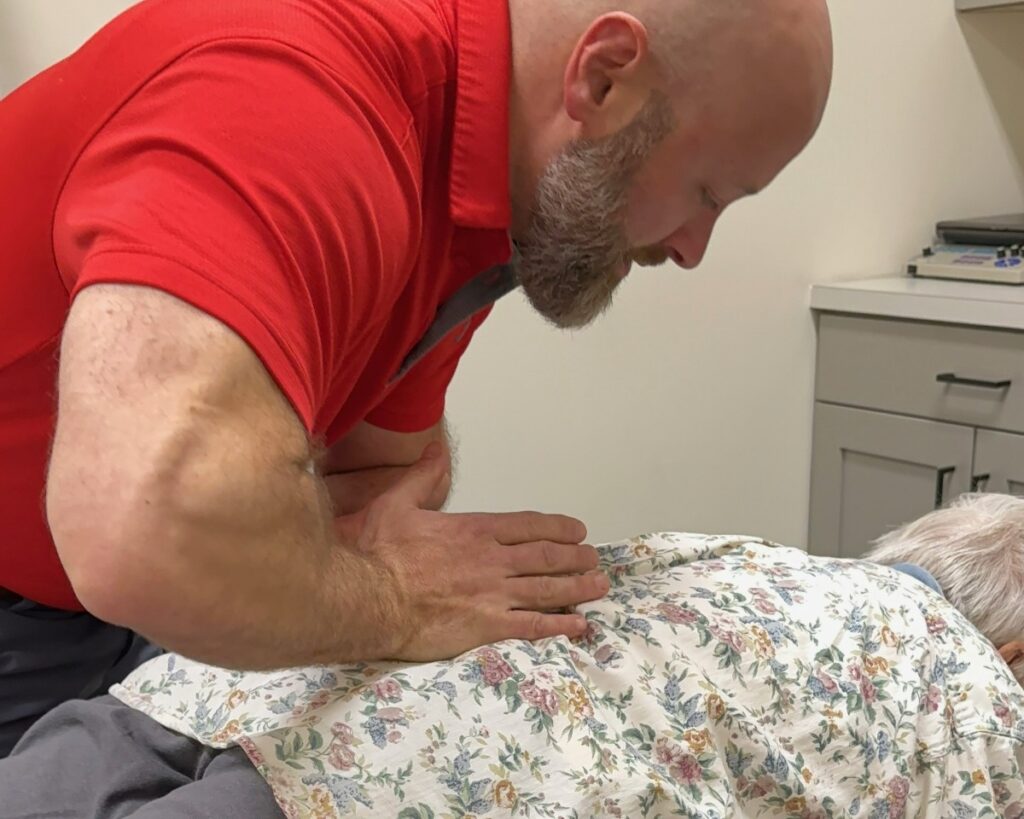
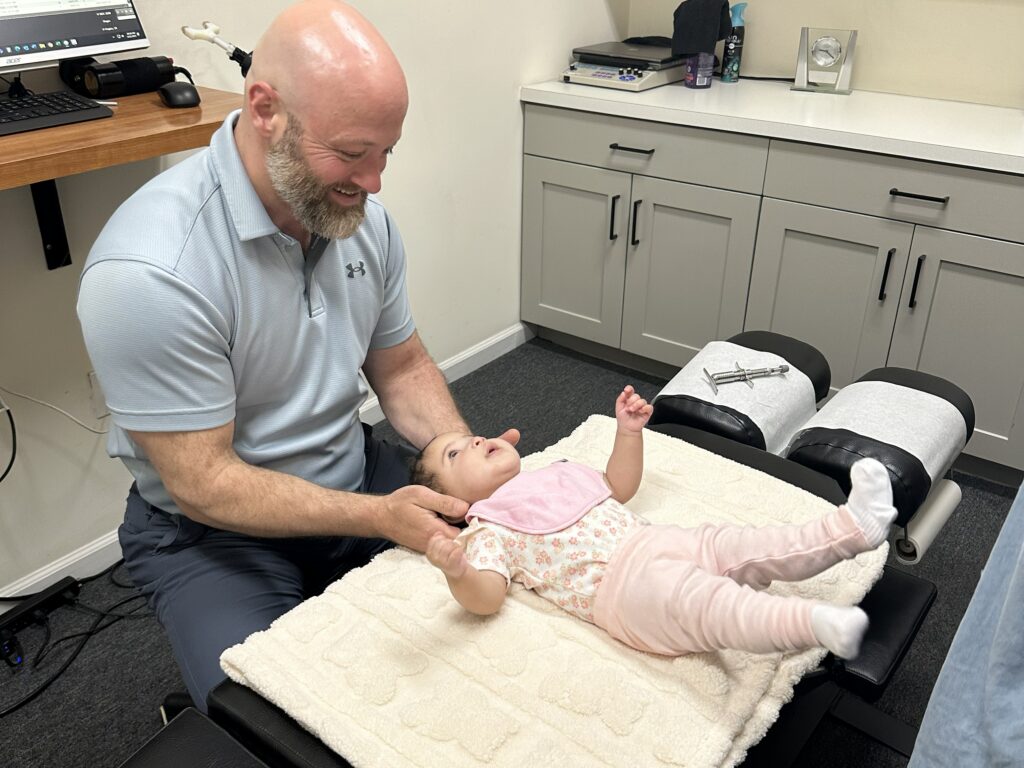
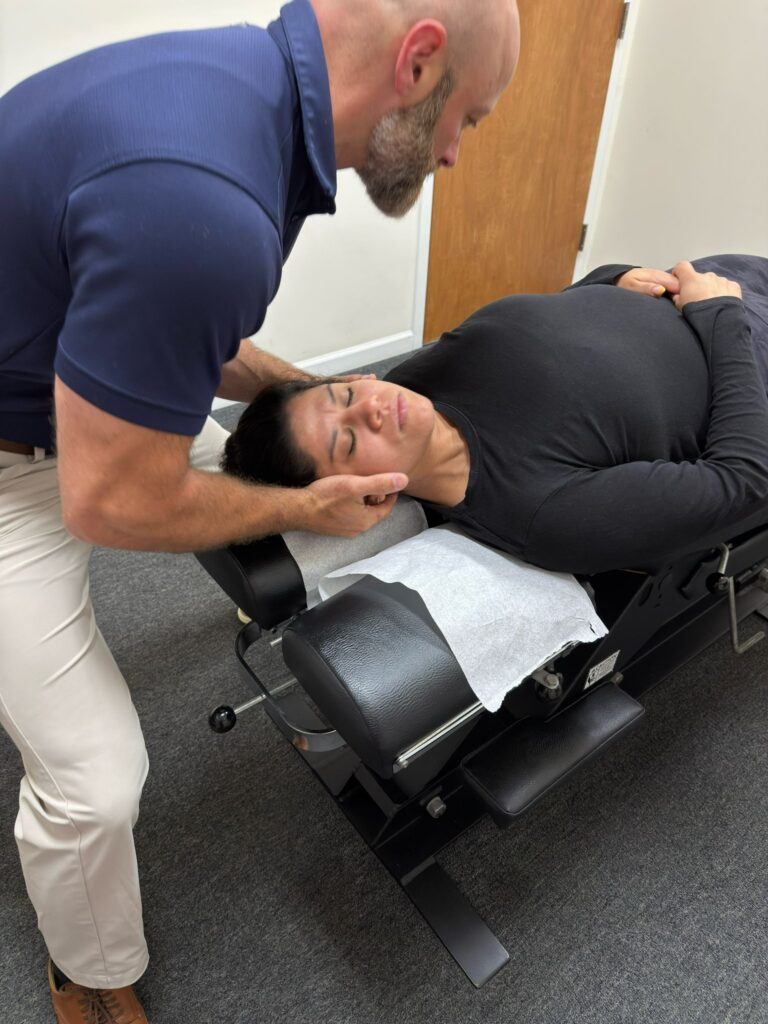
When it comes to low back pain, chiropractic care stands out as a leading option for relief and overall health. Chiropractors are trained to identify misalignments in the spine that may contribute to discomfort. By addressing these issues through gentle adjustments, we can help restore proper function and alleviate pain without the need for medications or surgeries.
In addition to chiropractic adjustments, there are several simple strategies you can incorporate into your daily routine to support your back health:
- Practice Proper Lifting Techniques: Always bend at your knees and keep your back straight when lifting heavy objects. This helps prevent unnecessary strain on your back muscles.
- Stay Active: Engage in regular physical activity to strengthen your core muscles, which provide support to your spine. Low-impact exercises like walking, swimming, or yoga can be beneficial.
- Maintain Good Posture: Be mindful of your posture whether sitting, standing, or walking. Keeping your spine aligned can reduce strain and discomfort.
- Use Supportive Furniture: Ensure that your chair and workstation are ergonomically designed to support your back. Consider using a chair with good lumbar support.
- Stay Hydrated: Drinking plenty of water helps keep your discs hydrated and healthy, which is essential for spine health.
By focusing on these natural approaches and the benefits of chiropractic care, you can take proactive steps toward managing your low back pain and achieving optimal wellness. Remember, your spine is the foundation of your health, and nurturing it can lead to a more vibrant, pain-free life. If you’re experiencing any back issues, don’t hesitate to reach out to a chiropractor who can help guide you on your journey to recovery.
Key Takeaways
Low back pain can be a common issue that many people face, often due to various injuries. Here’s a closer look at some top injuries that can lead to discomfort, and how chiropractic care can help you find relief.
- Muscle Strains and Sprains: These injuries often happen when lifting heavy objects or making sudden movements. You might feel pain, stiffness, and even swelling in your lower back. Chiropractic techniques can help ease this pain by promoting proper alignment and restoring movement in the affected muscles.
- Herniated Discs: This occurs when the inner material of your spinal discs presses on nearby nerves. This can lead to sharp pain, stiffness, and tingling sensations. Chiropractic adjustments can help relieve pressure on these nerves, allowing your body to heal naturally.
- Sciatica: If the sciatic nerve gets compressed, you might experience sharp leg pain, tingling, and numbness along the nerve path. Chiropractic care can address the underlying issues causing sciatica, helping to alleviate discomfort and improve mobility.
- Spinal Fractures: Often resulting from falls or accidents, these can cause severe pain and limited movement, especially in older adults with weakened bones. While fractures require careful management, chiropractic care can play a significant role in rehabilitation and strengthening the surrounding muscles to support your spine.
- Spondylolisthesis: This condition involves a vertebra slipping out of place, leading to lower back pain and stiffness, particularly during activities. Chiropractic adjustments can help realign the vertebrae and relieve pain, helping you regain function and mobility.
Tips for Managing Low Back Pain:
- Stay Active: Gentle exercises and stretches can help keep your back strong and flexible.
- Maintain Good Posture: Pay attention to your posture while sitting, standing, and lifting to reduce strain on your back.
- Use Proper Lifting Techniques: Always bend your knees and keep your back straight when lifting heavy objects.
- Consider Chiropractic Care: Regular visits to your chiropractor can help maintain spinal health and prevent future injuries.
Chiropractic care is a natural and effective way to manage low back pain and promote overall wellness. By focusing on alignment and function, you can achieve lasting relief and improve your quality of life. Remember, your body has an incredible ability to heal itself, and with the right support, you can optimize your health naturally!
Muscle Strains and Sprains
Muscle strains and sprains can catch you off guard, often happening during everyday activities like lifting heavy objects or making sudden movements. These injuries occur when muscles or ligaments are stretched beyond their limits, causing pain and discomfort. You might experience sharp pain, stiffness, or swelling in your lower back after an unexpected twist or lift. It’s crucial to listen to your body; if you notice any signs of strain, take a break and allow your back some much-needed rest.
To help prevent these injuries, consider warming up before any physical activities and practicing proper lifting techniques. Strengthening your core through regular exercises is vital, as a strong core supports your spine and helps reduce the risk of injury.
If you do find yourself dealing with a muscle strain or sprain, I encourage you to try applying ice and taking some time to rest. Chiropractic care can also play a significant role in your recovery. By seeking a chiropractor, you can receive personalized treatment that addresses the root cause of your pain, helping your body heal naturally and effectively.
Herniated Discs
A herniated disc can strike unexpectedly, often leading to sharp pain and discomfort in your lower back. This condition happens when the soft inner material of a spinal disc pushes through its outer layer, pressing on nearby nerves. If you’ve experienced this, you may feel intense pain, stiffness, or even a tingling sensation that radiates from your back.
While activities like lifting heavy objects or twisting awkwardly can trigger this injury, sometimes it occurs without a clear cause.
As a chiropractor, I want to emphasize the importance of natural healing and the body’s ability to recover. To manage a herniated disc, it’s essential to focus on gentle movements and adequate rest.
Instead of relying on over-the-counter pain relievers, consider incorporating chiropractic care into your recovery plan. A chiropractor can help assess your condition, provide targeted adjustments, and recommend specific exercises to strengthen your back and core muscles.
Here are some tips to support your healing process:
- Stay Active: Gentle movement is crucial. Activities like walking or specific stretching exercises can promote healing without putting too much strain on your back.
- Posture Matters: Pay attention to your posture, especially when sitting or lifting. Maintaining a neutral spine can help alleviate pressure on your discs.
- Listen to Your Body: If you feel pain, stop the activity. It’s essential to give your body the time it needs to heal properly.
- Warm-Up and Stretch: Before any physical activity, warm up your muscles and incorporate stretching to reduce the risk of further injury.
- Focus on Core Strength: Strengthening your core muscles supports your spine and can prevent future issues. A chiropractor can guide you through exercises tailored for your needs.
Sciatica
Experiencing sciatica can be incredibly uncomfortable, often presenting as a sharp pain that radiates down your leg from your lower back. This discomfort arises when the sciatic nerve, which travels from your lower back through your hips and buttocks to each leg, becomes compressed or irritated. You may also experience tingling or numbness along the nerve path, making it difficult to sit or stand comfortably.
Several factors can lead to sciatica, such as herniated discs, spinal stenosis, or muscle spasms. If you find yourself overweight, not exercising regularly, or sitting for extended periods, your risk for developing sciatica increases.
Chiropractic care is an excellent option for relieving sciatica and promoting overall wellness. Through gentle adjustments and targeted therapies, a chiropractor can help alleviate your discomfort and address the root cause of your pain. This natural approach not only provides relief but also helps prevent future flare-ups by improving spinal health and function.
In addition to chiropractic care, there are simple lifestyle adjustments you can make to support your recovery and maintain a healthier spine. Regular stretching, staying active with low-impact exercises like walking or swimming, and practicing good posture can all contribute to spinal health. Remember to take frequent breaks if you sit for long periods, and consider incorporating ergonomic supports into your workspace.
If you’re experiencing sciatica, don’t hesitate to reach out to a chiropractor who can help you find the relief you deserve and guide you on your journey to optimal health.
Spinal Fractures
Spinal fractures can happen unexpectedly, often due to trauma or conditions that make the bones weaker, like osteoporosis. If you suspect you have a spinal fracture, it’s crucial to recognize the signs, which may include severe pain, limited movement, and even nerve-related symptoms.
Here’s a closer look at some common causes of spinal fractures and how chiropractic care can help:
- Falls: A simple slip or stumble can result in significant injuries, particularly for older adults with more delicate bones. Enhancing balance and strength through chiropractic adjustments and exercises can help prevent falls.
- Accidents: Whether it’s a car accident or a sports-related injury, the force involved can be enough to fracture the spine. Chiropractic care can support recovery by addressing misalignments and promoting healing naturally.
- Medical Conditions: Conditions such as osteoporosis weaken bones over time, making fractures more likely even with minor stresses. Regular chiropractic check-ups can help maintain bone health and overall wellness.
Understanding these causes is vital for prevention and recovery. If you think you might’ve a spinal fracture, it’s important to seek professional help right away. Ignoring the symptoms can lead to more serious issues and persistent pain.
Chiropractic care is an excellent choice for natural healing and pain relief. Through gentle adjustments, we can help restore proper alignment and function to your spine, allowing your body to heal itself.
Additionally, incorporating exercises and lifestyle changes, such as strengthening the core and improving flexibility, can support your overall spinal health.
Spondylolisthesis
Spondylolisthesis happens when a vertebra, one of the small bones in your spine, slips out of its correct position. This can often lead to lower back pain, which many of us know can be quite uncomfortable. You might find yourself experiencing stiffness and discomfort, making everyday activities feel like a challenge.
Understanding what causes spondylolisthesis is important for managing it effectively. Factors such as injury, genetics, or even age can contribute to this condition. However, the good news is that there are natural ways to find relief and support your spine’s health.
Chiropractic care is one of the best options for addressing spondylolisthesis. A chiropractor can help realign your spine through gentle adjustments, relieving pressure on your nerves and muscles. This not only helps reduce pain but also promotes overall wellness.
Regular chiropractic visits can enhance your body’s natural healing abilities, allowing you to feel your best.
In addition to chiropractic adjustments, here are a few tips to help you manage spondylolisthesis and support a healthier spine:
- Stay Active: Gentle exercises, such as walking or swimming, can help strengthen your back muscles and improve flexibility. Always consult with your chiropractor to find exercises that are safe and effective for your specific condition.
- Practice Good Posture: Be mindful of your posture whether you’re sitting, standing, or lifting. Proper alignment can reduce strain on your spine and help prevent further issues.
- Use Supportive Furniture: If you spend a lot of time sitting, consider using chairs with good lumbar support. This can help maintain the natural curve of your spine.
- Listen to Your Body: Pay attention to how you feel. If certain movements cause discomfort, try to modify them or consult your chiropractor for guidance.
- Stay Hydrated and Eat Well: Proper nutrition and hydration support your overall health and can help your body heal.
Remember, chiropractic care is a natural and effective way to manage spondylolisthesis and promote a healthier lifestyle. By prioritizing your spinal health, you can enhance your quality of life and reduce pain without relying on surgeries or medications.
If you’re experiencing symptoms, don’t hesitate to reach out to your local chiropractor for personalized care and support. Your path to wellness starts here!
Definition and Causes
When a vertebra slips out of place, it can lead to a condition known as spondylolisthesis, which often results in lower back pain and discomfort. Understanding the causes of this condition can empower you to take proactive steps in protecting your spine and enhancing your overall health.
Here are three common causes of spondylolisthesis and how chiropractic care can help:
- Degenerative Changes: As we age, our spine naturally undergoes wear and tear. This can weaken the vertebrae, making them more susceptible to slipping. Regular chiropractic adjustments can help maintain proper alignment and mobility in your spine, reducing the risk of degeneration.
- Injuries: Sudden impacts from falls or sports-related injuries can cause a vertebra to shift out of alignment. Chiropractic care focuses on realigning the spine and promoting healing through natural methods, helping you recover from injuries more effectively.
- Congenital Factors: Some individuals may be born with structural issues in their spine that increase the risk of spondylolisthesis. If you suspect this is the case, regular chiropractic check-ups can help monitor your spine’s health and provide tailored care to support your unique needs.
By recognizing these causes, you can take proactive measures to protect your spine.
Here are a few general tips to support your spinal health:
- Stay Active: Engage in regular, low-impact exercises like walking or swimming to strengthen your back muscles and improve flexibility.
- Practice Good Posture: Be mindful of your posture while sitting, standing, and lifting. Proper alignment can help prevent unnecessary strain on your spine.
- Incorporate Stretching: Gentle stretching can enhance flexibility and relieve tension in your back, making it less susceptible to injury.
Chiropractic care is a natural and effective way to maintain spinal health and alleviate pain. By prioritizing your spine’s well-being through regular check-ups and healthy lifestyle choices, you can achieve optimal health and wellness.
Symptoms and Diagnosis
Understanding the symptoms of spondylolisthesis is essential for maintaining your spinal health and overall well-being.
If you’re experiencing lower back pain that seems to worsen with activity or when standing for long periods, you may want to pay attention.
This discomfort can sometimes extend down to your legs, causing numbness or tingling sensations.
You might also feel stiffness in your back, particularly after sitting for a while, and in some cases, you may struggle with walking or keeping your balance.
As a chiropractor, I emphasize the importance of a thorough evaluation to pinpoint the issue.
While diagnosing spondylolisthesis often involves physical examinations and imaging tests like X-rays or MRIs, there are natural ways to manage your symptoms even before a diagnosis is confirmed.
Here are some tips to help you take charge of your spinal health:
1. Stay Active: Gentle exercises and stretching can help keep your back flexible.
Activities like walking or swimming can be beneficial without putting too much strain on your spine.
2. Posture Matters: Pay attention to your posture, especially when sitting or standing for long periods.
Keeping your spine aligned can help alleviate discomfort.
3. Support Your Back: When sitting, use chairs that offer good support and consider using a cushion for added comfort.
If you have to sit for long durations, try to take breaks to stand up and stretch.
4. Apply Heat or Cold: Using a heating pad or an ice pack on your lower back can help relieve pain and stiffness.
Just be sure to wrap them in a towel to protect your skin.
5. Chiropractic Care: Regular visits to a chiropractor can help realign your spine and improve mobility.
Chiropractic adjustments are a natural way to relieve pain and promote healing.
If you suspect you have spondylolisthesis or are experiencing any of these symptoms, I encourage you to consult a chiropractor.
We can provide a personalized assessment and create a treatment plan tailored to your needs, focusing on natural healing and wellness.
Taking proactive steps toward your spinal health can lead to a happier, healthier life!
Treatment Options Available
If you’re experiencing spondylolisthesis, it’s important to know that there are natural ways to help manage your condition and improve your quality of life. Here are three effective approaches to consider, with a focus on chiropractic care:
- Chiropractic Adjustments: Regular chiropractic adjustments can help realign your spine, reducing pressure on the affected areas and improving overall function. Imagine the relief of having your spine properly aligned, allowing your body to heal naturally.
- Core Strengthening Exercises: Engaging in targeted exercises to strengthen your core can provide essential support to your spine. Think of it as building a strong foundation for your body—helping you feel more stable and reducing discomfort.
- Lifestyle Modifications: Simple changes to your daily routine can make a big difference. Maintaining good posture, taking frequent breaks if you’re sitting for long periods, and incorporating gentle stretches can all contribute to your spinal health. Picture yourself moving more freely and comfortably as you make these adjustments.
Arthritis and Degenerative Disc Disease
Arthritis and degenerative disc disease are common causes of low back pain, especially as we age. Arthritis can lead to inflammation and stiffness in our joints, which can create discomfort that often spreads through the lower back. Meanwhile, degenerative disc disease happens when the discs that sit between our vertebrae lose hydration and elasticity, leading to pain and reduced flexibility.
You may find that your pain gets worse with certain activities or after sitting for long periods. This is why staying active is so important! Gentle exercises, like walking or stretching, can help keep your back flexible and strong. Incorporating specific stretches and movements into your daily routine can significantly enhance your mobility and reduce discomfort.
Chiropractic care is an excellent option for managing low back pain. A chiropractor can help realign your spine and improve your overall function, providing relief from pain without the need for medications or invasive procedures. Regular adjustments can enhance your body’s natural healing ability and promote wellness throughout your entire system.
Additionally, consider incorporating good posture practices into your daily life. When sitting or standing, make sure your back is straight and your shoulders are relaxed. Small changes in your daily habits can make a big difference in how you feel.
If you’re experiencing persistent pain, seeking out a chiropractor can be a great first step. They can create a personalized care plan tailored specifically to your needs, focusing on natural healing and wellness. Remember, understanding your body and taking proactive steps toward care is the best way to manage and alleviate low back pain effectively.
Conclusion
To wrap things up, it’s important to recognize the common injuries that can lead to low back pain, as this knowledge is key for both prevention and effective management. Injuries like muscle strains from improper lifting, herniated discs, sciatica, and spinal fractures can all contribute to discomfort. By understanding these conditions, you can take proactive steps to protect your back and promote healing.
As a chiropractor, I want to emphasize the importance of keeping your spine healthy through gentle adjustments and natural healing methods. If you find yourself dealing with persistent pain, I encourage you to seek chiropractic care. Our approach focuses on restoring balance and function to your spine, which can significantly enhance your overall quality of life.
Additionally, here are a few practical tips to support your back health:
- Practice Good Posture: Whether you’re sitting at a desk or lifting heavy objects, maintaining good posture can help reduce strain on your back.
- Stay Active: Regular exercise strengthens the muscles that support your spine. Simple activities like walking, swimming, or yoga can be very beneficial.
- Listen to Your Body: If you feel pain while doing a particular activity, don’t push through it. Instead, take a break and allow your body to recover.
- Use Proper Lifting Techniques: When lifting heavy items, bend at your knees and keep the object close to your body to avoid straining your back.
By incorporating these habits into your daily routine and prioritizing chiropractic care, you can take significant steps toward achieving optimal spinal health and wellness. Your back deserves the best care, and we’re here to support you on your journey to a pain-free life!