
Low back pain is a common issue that many people face, often as a result of various injuries. As a chiropractor, I want to help you understand how everyday movements can lead to discomfort, and how chiropractic care can be your best option for relief and natural healing.
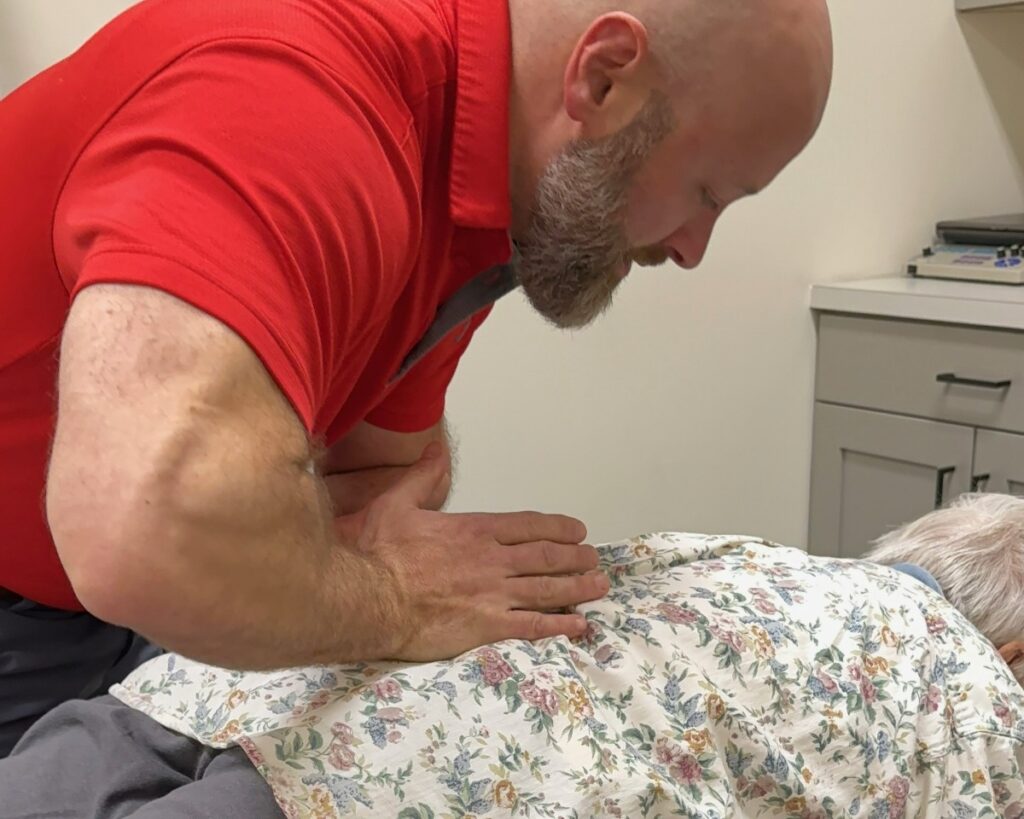
Muscle strains and ligament sprains are frequent culprits of low back pain, often occurring during sudden or awkward movements. When these muscles and ligaments are overstretched or torn, they can cause significant discomfort. A gentle chiropractic adjustment can help realign your spine and relieve pressure on these muscles, promoting faster healing.
Another serious concern is herniated discs, which can cause intense nerve pain. This happens when the soft cushion between your vertebrae slips out of place and presses on nearby nerves. Chiropractic care focuses on restoring proper alignment and function in your spine, which can help alleviate the pain associated with herniated discs without the need for invasive procedures.
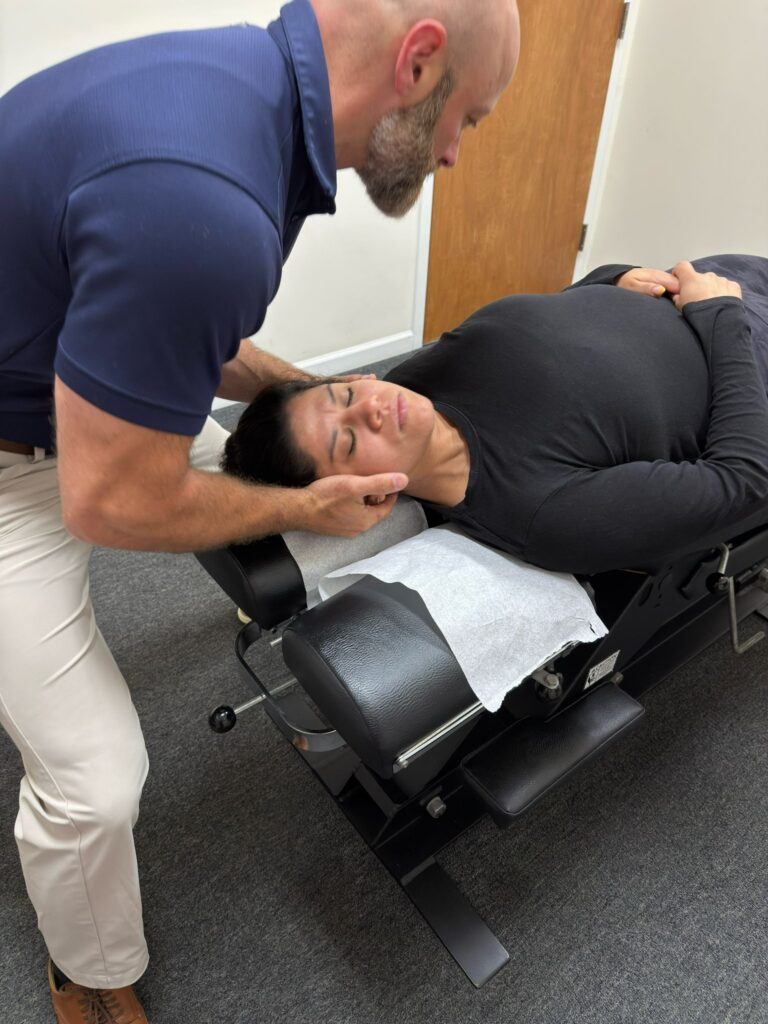
Conditions like sciatica and spinal stenosis can complicate low back pain as well. Sciatica occurs when the sciatic nerve is compressed, leading to pain that radiates down the leg, while spinal stenosis involves narrowing of the spinal canal, putting pressure on the spinal cord and nerves. Through specific chiropractic techniques, we can help relieve the pressure and improve your mobility.
To manage low back pain effectively, consider these general tips:
- Maintain Good Posture: Be mindful of your posture while sitting, standing, and lifting. Proper alignment can prevent unnecessary strain on your back.
- Stay Active: Engage in low-impact exercises like walking, swimming, or yoga. Regular movement keeps your spine healthy and flexible.
- Use Proper Lifting Techniques: Bend at your knees, not your waist, when lifting heavy objects. This helps protect your back from injury.
- Incorporate Stretching: Gentle stretches can help alleviate tension in your back muscles. Focus on stretches that promote flexibility and strength in your core and lower back.
- Seek Chiropractic Care: Regular visits to a chiropractor can help maintain spinal health, prevent injuries, and provide relief from existing pain.
By understanding the common causes of low back pain and embracing chiropractic care, you can take proactive steps towards achieving optimal health and wellness. Remember, your spine is the foundation of your overall well-being—let’s work together to keep it healthy!
Key Takeaways
Top Injuries That Trigger Low Back Pain and How Chiropractic Care Can Help
- Muscle Strains and Sprains: When lifting heavy objects or twisting awkwardly, it’s easy to strain or sprain your lower back muscles. This can lead to sharp pain and limited movement. Chiropractic adjustments can help ease the pain, improve mobility, and strengthen your back to prevent future injuries. Remember to lift with your legs, keep your back straight, and take breaks when needed.
- Herniated Discs: Sometimes, the discs in your spine can shift and press on nearby nerves, leading to pain, numbness, or weakness in your legs. This can be alarming, but chiropractic care focuses on realigning the spine and relieving pressure on nerves. Regular adjustments can promote healing and restore function.
- Sciatica: This condition often arises from herniated discs or tight muscles in the lower back, like the piriformis muscle. It can cause sharp pain that travels down the leg. Chiropractic techniques can help relieve this tension and improve overall spinal health. Stretching and maintaining good posture can also alleviate pressure on the sciatic nerve.
- Spinal Stenosis: This occurs when the spaces in your spine narrow, compressing the nerves and causing leg pain, numbness, and weakness. Chiropractic care can help manage these symptoms by improving spinal alignment and increasing mobility. Gentle exercises and stretches can also help keep your spine healthy and reduce discomfort.
- Spondylolisthesis: This condition involves a vertebra slipping out of place and can compress nerves, causing pain and weakness. Chiropractic adjustments can assist in realigning the spine and restoring balance. Incorporating core-strengthening exercises into your routine can also provide additional support to your lower back.
When it comes to managing low back pain, chiropractic care offers a natural and effective approach. If you’re experiencing any of these issues, consider scheduling an appointment with your local chiropractor. They can provide personalized care and guidance to help you achieve optimal health and wellness. Remember, small lifestyle changes can make a big difference—focus on maintaining good posture, staying active, and listening to your body.
Muscle Strains and Sprains
Muscle strains and sprains can happen unexpectedly, causing discomfort and limiting your movement. You might suddenly feel a sharp pain in your lower back after lifting something heavy or twisting in an awkward way. These injuries occur when muscles or ligaments stretch too far, leading to tears. Common symptoms include swelling, tenderness, and difficulty moving around.
To help prevent these injuries, it’s essential to focus on proper lifting techniques and warm up your body before engaging in physical activities. Strengthening your core muscles can also provide additional support for your spine and overall body mechanics. As a chiropractor, I emphasize the importance of maintaining a healthy spine for optimal function and injury prevention.
If you do experience a strain or sprain, rest is vital. Applying ice can help reduce swelling and alleviate some discomfort. While over-the-counter pain relievers may seem like an easy fix, I encourage you to explore natural healing methods, such as chiropractic adjustments, which can promote healing and restore your body’s natural balance.
Gradually reintroducing movement is important for recovery, but take your time and listen to your body. Chiropractic care can play a crucial role in your recovery journey, helping to realign your spine, improve mobility, and reduce pain. By practicing these preventative measures and seeking chiropractic support, you can reduce your risk of muscle strains and sprains and maintain an active, healthy lifestyle. Remember, your body deserves the best care, and chiropractic can be your partner in achieving natural wellness.
Herniated Discs
Herniated discs can occur when excessive pressure is placed on your spine, leading to discomfort and potential challenges in everyday activities. Symptoms may include pain, numbness, or weakness, which can significantly impact your quality of life.
Let’s delve into the causes of herniated discs, how they’re diagnosed, and most importantly, how chiropractic care can provide effective relief and promote natural healing.
Herniated discs often result from factors such as poor posture, repetitive lifting, or age-related wear and tear.
When the gel-like center of the disc pushes through a tear in the tougher exterior, it can irritate nearby nerves, causing those uncomfortable symptoms.
Diagnosis typically involves a thorough physical examination and may include imaging tests, but the real focus should be on recovery.
This is where chiropractic care shines.
Through tailored adjustments, a chiropractor can help realign your spine, relieve pressure on affected nerves, and encourage your body’s natural healing processes.
In addition to chiropractic adjustments, here are some general tips to support your spinal health and overall wellness:
- Maintain Good Posture: Whether sitting, standing, or lifting, being mindful of your posture can help prevent undue stress on your spine.
- Stay Active: Engage in low-impact exercises, such as walking or swimming, to strengthen your back muscles and improve flexibility.
- Stretch Regularly: Incorporate gentle stretching into your daily routine to keep your spine limber and reduce tension.
- Use Ergonomic Furniture: If you spend long hours at a desk, consider investing in ergonomic chairs and workstations that promote better posture.
- Stay Hydrated: Proper hydration supports the health of your spinal discs, which are made up of a significant amount of water.
Remember, chiropractic care is a natural and effective way to manage pain and promote overall wellness.
If you’re experiencing symptoms of a herniated disc, don’t hesitate to seek out a local chiropractor who can guide you on your journey to recovery and optimal health.
Together, we can work towards a healthier, pain-free life!
Causes of Herniated Discs
While there are many factors that can lead to herniated discs, certain lifestyle choices and physical activities are particularly influential.
Lifting heavy objects without using proper technique can significantly increase your risk of injury. It’s also important to be cautious with high-impact sports or activities that put stress on your spine, as these can contribute to herniation over time.
Moreover, maintaining poor posture while sitting or standing can weaken your spinal structure, making you more vulnerable to injuries. If you’re carrying extra weight, this can put additional pressure on your spine, further heightening your chances of experiencing a herniated disc.
As we age, our spinal discs naturally lose hydration and flexibility, which can make herniation more likely. However, there are proactive steps you can take to protect your back and promote overall wellness.
Incorporating regular chiropractic care into your routine can be an excellent way to maintain a healthy spine. Chiropractors can help align your spine properly, improve posture, and provide guidance on safe lifting techniques. Additionally, staying active with low-impact exercises, like walking or swimming, can help strengthen the muscles around your spine, providing better support.
Being mindful of your body mechanics and maintaining a healthy weight through a balanced diet can also make a significant difference. Remember, taking care of your spine is essential for your overall health. By prioritizing these habits and considering chiropractic care, you can work towards reducing your risk of herniated discs and achieving optimal wellness.
Symptoms and Diagnosis
When dealing with a herniated disc, it’s crucial to recognize the symptoms and obtain a proper diagnosis to ensure effective treatment. Understanding your body’s signals can help you take charge of your health and find relief naturally. Common signs to look out for include sharp pain radiating down your leg, numbness or tingling in your arms or legs, and persistent discomfort in your lower back.
Here’s a quick reference to help you identify these symptoms:
| Symptom | Description |
|---|---|
| Radiating Pain | Pain that travels down your leg |
| Numbness | Loss of sensation in your limbs |
| Weakness | Difficulty with muscle strength |
| Persistent Pain | Ongoing discomfort in your lower back |
| Tingling Sensation | A pins and needles feeling |
It’s important to listen to your body. If you notice these symptoms, don’t hesitate to seek help from a chiropractor. Chiropractic care is a natural and effective way to address these issues without the need for surgeries or medications.
In addition to regular chiropractic adjustments, there are some simple tips you can incorporate into your daily routine to support your spinal health:
- Maintain Good Posture: Be mindful of how you sit and stand. Good posture can help alleviate pressure on your spine.
- Stay Active: Engage in gentle exercises or stretches that promote spinal flexibility and strength. Activities like walking, swimming, or yoga can be very beneficial.
- Listen to Your Body: If you feel discomfort, take breaks and change positions to prevent strain.
- Practice Relaxation Techniques: Stress can lead to muscle tension, so find ways to relax, such as deep breathing or meditation.
Treatment Options Available
Recognizing the symptoms of a herniated disc is the first step toward finding relief and regaining your mobility.
Once you’ve identified the issue, there are several natural and effective treatment options available that prioritize your overall health and wellness. Here’s a look at some strategies that focus on chiropractic care and holistic healing:
- Chiropractic care: Regular adjustments from a skilled chiropractor can help realign your spine, alleviate pain, and improve your body’s function. This natural approach focuses on addressing the root cause of your discomfort rather than just masking the symptoms.
- Physical therapy: Engaging in tailored exercises designed by your chiropractor can strengthen your back, enhance flexibility, and support your recovery process. These exercises are often easy to incorporate into your daily routine.
- Core strengthening: Focus on building your core muscles, as a strong core supports your spine and can help prevent future issues. Simple exercises like planks and bridges can be beneficial.
- Proper posture: Be mindful of your posture throughout the day, whether sitting at a desk or lifting objects. Keeping your spine aligned can help reduce strain and prevent further injury.
- Heat and cold therapy: Applying heat or cold packs to the affected area can provide relief. Heat can help relax tense muscles, while cold packs can reduce inflammation and numb sharp pain.
- Stay active: Gentle activities like walking, swimming, or yoga can keep your body moving without putting too much strain on your back. Regular movement is key to a healthy spine.
Remember to consult with your chiropractor to find the best approach tailored to your needs.
Embracing chiropractic care not only helps in relieving pain but also promotes long-term health and wellness for your spine and body.
Sciatica
If you’ve ever felt a sharp pain shooting from your lower back down your leg, you might be experiencing sciatica. This condition can be uncomfortable and disruptive, but understanding its causes and recognizing the symptoms early can empower you to seek effective, natural treatment options.
Sciatica is often triggered by issues in the spine, such as herniated discs or spinal misalignments, which can put pressure on the sciatic nerve. This can lead to pain, numbness, or tingling sensations in the lower back and legs.
As a chiropractor, I want to emphasize that chiropractic care is one of the best ways to address sciatica naturally. By focusing on spinal adjustments and improving overall alignment, we can relieve pressure on the sciatic nerve and promote healing without the need for invasive procedures or medications.
Here are some helpful tips to manage sciatica and support your spinal health:
- Stay Active: Gentle movements and stretches can help keep your spine flexible and reduce tension. Activities like walking or specific sciatica stretches can be beneficial.
- Practice Good Posture: Be mindful of your posture while sitting, standing, or lifting. Proper alignment can minimize strain on your spine and help prevent sciatica flare-ups.
- Apply Heat or Cold: Using a heating pad or ice pack on the affected area can provide temporary relief from pain and inflammation.
- Consider Chiropractic Adjustments: Regular visits to a chiropractor can help maintain proper spinal alignment and address any underlying issues contributing to sciatica.
- Strengthen Your Core: A strong core supports your spine and can help prevent injuries. Engaging in exercises that strengthen your abdominal and back muscles can be very beneficial.
Causes of Sciatica
Sciatica is a common condition that causes pain to radiate along the sciatic nerve, which runs from your lower back down through your legs. Understanding what causes sciatica is essential for finding relief and enhancing your overall well-being. Here are some frequent culprits that can lead to sciatic pain, along with tips on how chiropractic care can help:
- Herniated discs: When the discs in your spine bulge or rupture, they can press on the sciatic nerve. Chiropractic adjustments can help realign the spine and alleviate pressure on the nerve.
- Spinal stenosis: This condition involves the narrowing of the spinal canal, which can compress the nerve. Chiropractors can use gentle techniques to help improve spinal alignment and reduce discomfort.
- Piriformis syndrome: Tightness in the piriformis muscle, located in your buttocks, can irritate the sciatic nerve. Regular chiropractic care, along with specific stretching and strengthening exercises, can help relieve muscle tension and reduce nerve irritation.
- Spondylolisthesis: When a vertebra slips out of place, it can compress nearby nerves. Chiropractic adjustments can assist in restoring proper alignment and relieving pressure on the sciatic nerve.
- Injury or trauma: Accidents or falls can lead to inflammation or damage to the nerve. A chiropractor can help by using natural healing techniques to promote recovery and reduce pain.
To manage and alleviate your sciatic pain, consider incorporating these general tips into your daily routine:
- Maintain good posture: Pay attention to your posture when sitting, standing, and lifting. Proper alignment can help prevent nerve irritation.
- Stay active: Gentle exercises and stretches can keep your back strong and flexible. Activities like walking, swimming, or yoga can be beneficial.
- Use heat and ice: Applying heat or ice to the affected area can help reduce inflammation and soothe pain.
- Practice stress relief: Stress can contribute to muscle tension. Techniques like deep breathing, meditation, or gentle stretching can help you relax.
Remember, chiropractic care focuses on natural healing and can be an effective way to manage sciatica pain. By addressing the underlying issues and promoting spinal health, you can improve your quality of life and achieve optimal wellness.
If you’re experiencing sciatic pain, don’t hesitate to reach out to a chiropractor for personalized care and support.
Symptoms to Recognize
Recognizing the symptoms of sciatica is crucial for knowing when to seek help, and chiropractic care can be an excellent first step towards relief.
Sciatica often presents as a sharp pain that travels from your lower back, through your buttock, and down into your leg. This discomfort can make it challenging to stand, walk, or sit comfortably. You might also notice tingling, numbness, or weakness in your leg or foot. These symptoms often flare up when you sit, sneeze, or cough, signaling potential nerve compression.
As a chiropractor, I want to emphasize the importance of paying attention to these signs. They could indicate that your spine needs some TLC! Instead of turning to surgeries or medications, which often just mask the problem, consider the benefits of chiropractic care. By addressing the root cause of your discomfort, we can help restore proper alignment and function to your spine, promoting natural healing and overall well-being.
If you start to notice these symptoms, especially if they persist or worsen, please don’t hesitate to reach out for a chiropractic consultation. Early intervention can lead to better outcomes, allowing you to regain your mobility and comfort.
In the meantime, here are some general tips you can incorporate into your daily routine:
- Maintain Good Posture: Whether you’re sitting at a desk or standing, be mindful of your posture to reduce unnecessary strain on your spine.
- Stay Active: Gentle exercises, like walking or stretching, can help keep your back muscles strong and flexible.
- Use Proper Lifting Techniques: Always lift with your legs, not your back, to avoid injury.
- Apply Heat or Ice: Depending on your symptoms, applying heat or ice can provide relief and reduce inflammation.
- Stay Hydrated: Drinking plenty of water is essential for maintaining the health of your spinal discs.
By integrating these practices into your life and considering chiropractic care, you can take proactive steps towards achieving optimal health and wellness.
Treatment Options Available
When it comes to treating sciatica, chiropractic care stands out as an effective and natural approach to finding relief. As a chiropractor, I believe in harnessing the body’s own healing abilities to achieve optimal health.
Here are some strategies you can explore to alleviate your discomfort:
- Chiropractic adjustments: These gentle spinal manipulations can help realign your spine, reducing pressure on the sciatic nerve and allowing your body to heal naturally.
- Physical therapy: Working alongside your chiropractor, a tailored exercise program can strengthen your back, improve flexibility, and promote overall wellness.
- Hot/cold therapy: Alternating between heat and ice packs can be a simple yet effective way to reduce inflammation and improve blood flow, enhancing your recovery.
- Lifestyle modifications: Maintaining a healthy weight, staying active, and practicing good posture can help prevent future flare-ups of sciatica.
- Mind-body techniques: Incorporating stress-reducing practices, like yoga or meditation, can help manage pain and improve your overall well-being.
Always consult with your chiropractor to develop a personalized treatment plan that suits your individual needs. By choosing chiropractic care, you’re taking a step towards natural healing and long-term wellness.
Spinal Stenosis
Spinal stenosis happens when the spaces in your spine become narrower, which can create pressure on your spinal cord and nerves. This condition is often a result of age-related changes like arthritis, but it can also be caused by injuries or genetic factors. If you’re facing symptoms such as pain, numbness, or weakness in your back and legs, it can really affect your daily life.
Here’s a quick overview of what you might experience:
| Symptoms | Causes | Natural Solutions |
|---|---|---|
| Pain in the legs | Arthritis | Chiropractic care |
| Numbness in feet | Injuries | Gentle stretching |
| Weakness in legs | Congenital factors | Regular exercise |
If you’re dealing with these discomforts, it’s essential to talk to a chiropractor. They specialize in helping relieve pain and improve mobility through natural methods. Chiropractic adjustments can help align your spine, which may alleviate pressure on your nerves and improve your overall function.
In addition to chiropractic care, here are some tips you can incorporate into your daily routine:
- Stay Active: Gentle exercises like walking, swimming, or yoga can help maintain flexibility and strength in your back and legs.
- Practice Good Posture: Be mindful of your posture, especially when sitting for long periods. Keeping your spine aligned can help reduce strain.
- Use Heat and Cold Therapy: Applying heat or cold packs to the affected areas can provide relief from pain and inflammation.
- Stretch Regularly: Incorporate gentle stretching into your routine to help keep your muscles flexible and reduce tension.
- Stay Hydrated: Drinking enough water is vital for maintaining healthy spinal discs and overall well-being.
Don’t let spinal stenosis keep you from living your best life. With the right support and lifestyle changes, you can find relief and improve your quality of life naturally. Reach out to a chiropractor today to explore how they can help you on your journey to wellness.
Fractures
Fractures in the lower back can happen due to trauma, overuse, or conditions like osteoporosis that weaken the bones. If you experience a fracture, it can lead to significant pain, limited mobility, and further complications if not addressed. Recognizing the signs early can be key to healing.
Here are some common symptoms to watch for:
- Sharp pain that may get worse with movement
- Muscle spasms in the lower back
- Numbness or tingling in the legs
- Swelling or bruising around the affected area
- Difficulty standing or walking without assistance
If you think you might’ve a fracture, it’s important to seek help. Chiropractic care can be a great option for addressing pain and promoting healing without the need for invasive procedures or medications.
A chiropractor can assess your condition, provide gentle adjustments, and recommend exercises that will help strengthen your back and improve your mobility.
In addition to chiropractic care, consider these tips for a healthier back:
- Practice good posture: Keep your spine aligned whether sitting, standing, or walking.
- Stay active: Engage in low-impact exercises, like walking or swimming, to strengthen your back muscles.
- Use proper lifting techniques: Bend your knees and keep your back straight to avoid strain.
- Incorporate stretching: Gentle stretches can help maintain flexibility and reduce tension.
Degenerative Disc Disease
Degenerative Disc Disease (DDD) can creep up on you, causing discomfort in your back as the cushioning discs between your vertebrae gradually wear down over time. This condition often shows up as stiffness, limited mobility, and sharp pain that might even radiate down into your legs. You may find that certain movements like bending or lifting can worsen your symptoms, making everyday tasks feel like a challenge.
As we age, the likelihood of developing DDD increases, but factors like being overweight, poor posture, and not getting enough exercise can also play a role. The good news is that you can take steps to manage your symptoms naturally! Focusing on core strengthening and flexibility exercises can make a significant difference in alleviating discomfort. Regular chiropractic adjustments are also an excellent way to improve your spinal health, enhance your range of motion, and help reduce pain naturally.
Incorporating good habits into your daily routine can further support your back health. Make sure to maintain good posture, stay active, and keep a healthy weight. If you’re experiencing ongoing symptoms, I encourage you to consult with a chiropractor who can create a customized treatment plan tailored to your needs. Remember, early intervention is key to achieving better outcomes, so don’t wait to seek help! Embrace chiropractic care as your partner in achieving optimal health and wellness.
Conclusion
In conclusion, it’s crucial to understand the different injuries that can lead to low back pain, as this knowledge empowers you to take proactive steps towards prevention and treatment. Common culprits include muscle strains, herniated discs, and sciatica. By recognizing symptoms early, you can seek appropriate care and support.
Remember, ignoring persistent pain or discomfort can lead to more significant issues down the road. Chiropractic care is a natural and effective approach to addressing these concerns, helping you restore balance and function to your body without the need for medications or surgeries.
To maintain a healthy back, consider these general tips:
- Stay Active: Engage in regular exercise that strengthens your core and back muscles.
- Practice Good Posture: Be mindful of your posture while sitting, standing, and lifting.
- Use Ergonomic Furniture: Ensure your workspace is set up to support your body comfortably.
- Stretch Regularly: Incorporate gentle stretching into your daily routine to improve flexibility and reduce tension.
- Listen to Your Body: If you feel discomfort, don’t push through it. Rest and consult with a chiropractor for tailored advice.
Taking these steps can significantly enhance your overall well-being. If you experience any concerning symptoms, don’t hesitate to reach out to a chiropractor for guidance. Together, we can work towards achieving and maintaining your optimal health naturally.