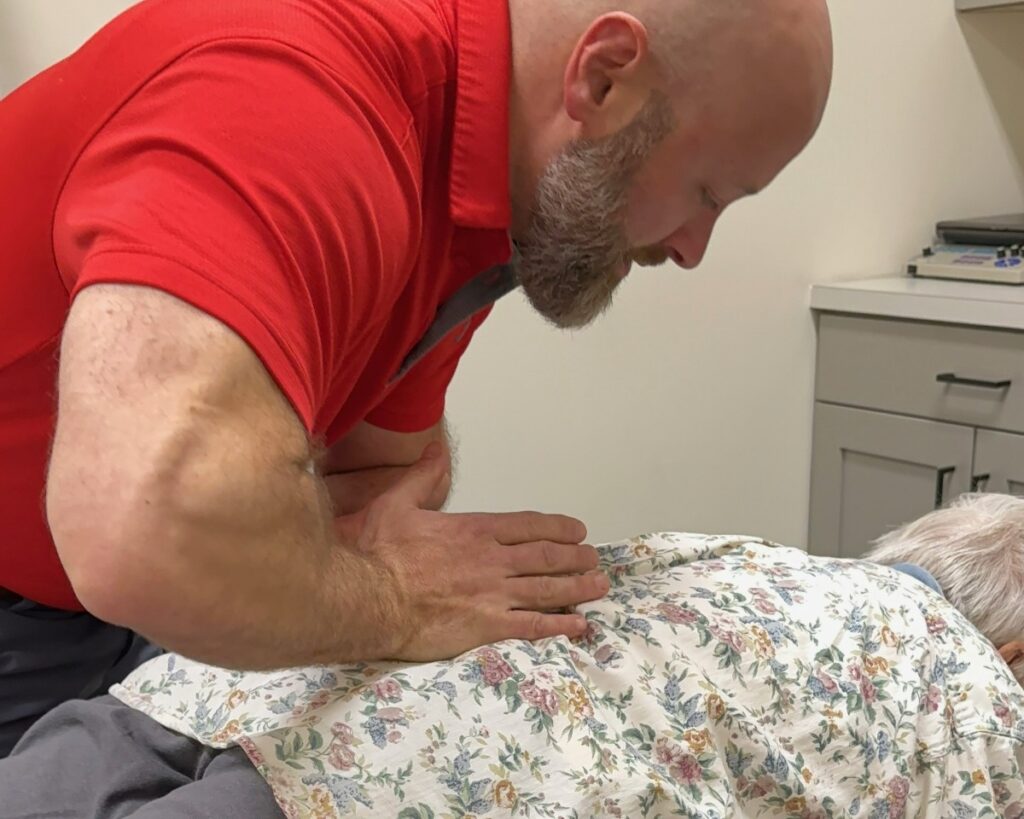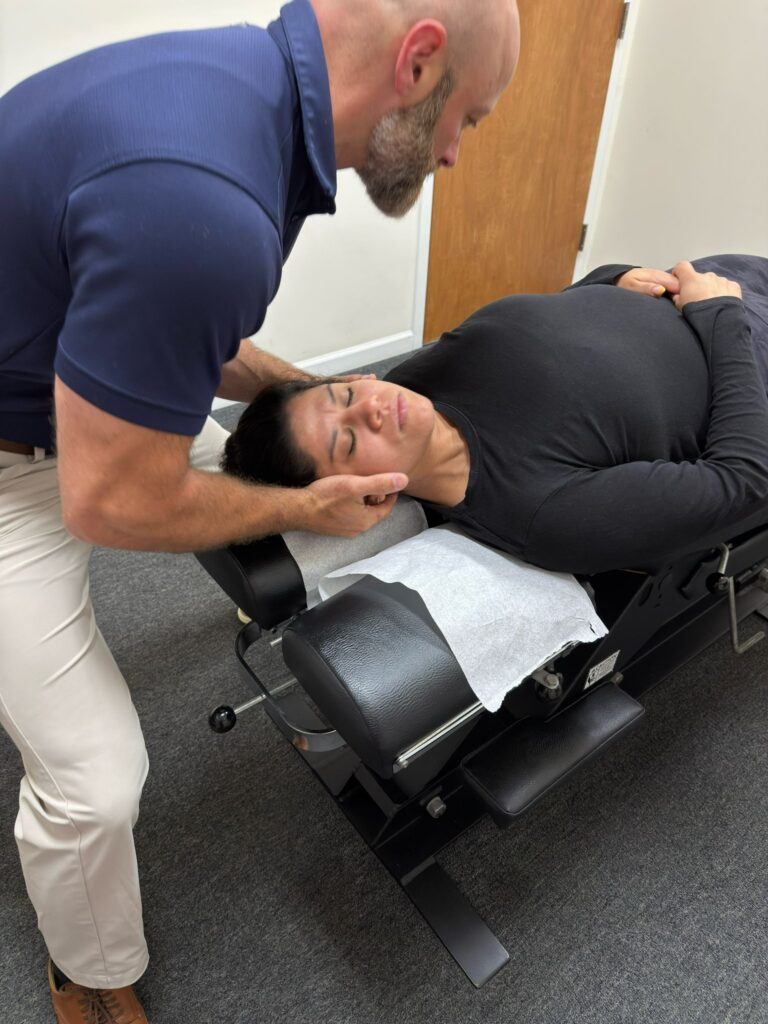

Headaches can be incredibly frustrating and disruptive, but they don’t have to control your life. Understanding the different types of headaches and recognizing your personal triggers is a crucial step in taking charge of your health. As a chiropractor, I believe that effective pain relief and wellness start with natural solutions, and chiropractic care is a powerful tool in your wellness journey.
By maintaining proper spinal alignment and ensuring that your nervous system functions optimally, chiropractic adjustments can help alleviate the tension and discomfort often associated with headaches. Additionally, simple lifestyle changes can complement your chiropractic care and significantly improve your overall well-being.
Here are some practical tips to manage and relieve headaches naturally:
- Stay Hydrated: Dehydration can lead to headaches. Make sure you’re drinking plenty of water throughout the day.
- Maintain Good Posture: Poor posture can strain your neck and back, leading to tension headaches. Focus on sitting and standing up straight, especially if you spend long hours at a desk.
- Practice Relaxation Techniques: Stress can trigger headaches. Techniques like deep breathing, meditation, or gentle yoga can help reduce tension.
- Regular Exercise: Staying active can improve blood circulation and reduce the frequency and intensity of headaches.
- Get Enough Sleep: Aim for a consistent sleep schedule and ensure you’re getting quality rest each night.
- Limit Screen Time: Take regular breaks from screens to prevent eye strain and tension that can lead to headaches.
- Chiropractic Care: Regular visits to your chiropractor can help keep your spine aligned and your nervous system functioning at its best, which can greatly reduce the frequency and severity of headaches.
Remember, you have the power to take control of your headache management. By incorporating these tips and prioritizing chiropractic care, you can move towards a healthier, headache-free life. If you experience persistent headaches, consider consulting with your chiropractor to explore personalized treatment options that can support your journey to optimal health.
Key Takeaways
- Start by identifying and documenting your headache triggers, such as stress, diet, and sleep patterns. By understanding what causes your headaches, you can take proactive steps to manage and prevent them from happening in the future.
- Staying hydrated and maintaining a balanced diet is crucial. Make sure to drink plenty of water and focus on whole foods, while being mindful to limit caffeine and processed foods, as these can contribute to increased headache frequency.
- Regular chiropractic care is an excellent way to address spinal misalignments that can lead to tension in your body and, ultimately, headaches. Through gentle adjustments, chiropractic care can help restore proper alignment, reduce tension, and prevent headaches from recurring over time.
- Incorporate relaxation techniques into your daily routine, such as deep breathing, meditation, or yoga. These practices can help you manage stress effectively and alleviate headache symptoms naturally.
- Don’t forget about simple home remedies! Cold compresses can provide quick relief, and sipping on herbal tea can be soothing. While you address the root causes of your headaches, these methods can help you feel better in the moment.
By prioritizing chiropractic care and these holistic approaches, you can achieve optimal health and enjoy a life with fewer headaches.
Understanding Different Types of Headaches
When it comes to headaches, understanding the different types can guide you toward the most effective natural relief, particularly through chiropractic care.
Tension headaches, often described as a tight band around your head, are often triggered by stress or poor posture. This is where chiropractic adjustments can help realign your spine and relieve tension, promoting better posture and reducing the frequency of these headaches.
Migraines, which are characterized by throbbing pain typically on one side of the head, can be debilitating and may come with nausea or sensitivity to light. Chiropractic care can offer relief by addressing underlying spinal issues that may be contributing to these intense headaches. By focusing on spinal alignment and nervous system health, you can potentially reduce the severity and frequency of migraines.
Cluster headaches, while less common, can bring about intense pain that occurs in cycles and can disrupt your sleep. Chiropractic adjustments may help in managing the discomfort by relieving pressure on the nerves and promoting overall wellness.
Sinus headaches arise from sinus pressure, leading to pain in the forehead and cheeks. Chiropractic care can assist by improving drainage and reducing inflammation through adjustments that promote better overall body function.
Each type of headache requires a unique approach, and chiropractic care offers a natural and effective solution. By recognizing the specific type of headache you’re experiencing, you can tailor your relief strategies.
Incorporating regular chiropractic visits can enhance your overall health and provide you with long-term relief from headaches.
In addition to chiropractic care, consider adopting stress-reducing practices like yoga or meditation, maintaining good posture throughout the day, staying hydrated, and ensuring you get enough rest.
These lifestyle changes can complement the benefits of chiropractic care and contribute to your overall well-being. By prioritizing natural healing methods, you can take control of your health and improve your quality of life.
Identifying Triggers and Patterns
Identifying the triggers and patterns behind your headaches is essential for finding effective relief, and chiropractic care can play a significant role in this process. By understanding when your headaches occur, you can better determine what might be contributing to them. Common triggers often include stress, certain foods, dehydration, and disruptions in sleep patterns.
To help you get started, consider using the table below to track your headaches and identify patterns:
| Trigger | Frequency |
|---|---|
| Stress | 3 times/week |
| Caffeine | 2 times/week |
| Dehydration | 1 time/week |
| Sleep Disruption | 4 times/week |
Once you’ve identified your personal triggers, you can take proactive steps to minimize them. For instance, managing stress through relaxation techniques, staying hydrated, and maintaining a consistent sleep schedule can make a world of difference. Chiropractic care can also help alleviate tension in your neck and spine, which may be contributing to your headaches.
Lifestyle Changes for Prevention
Making simple lifestyle changes can significantly help reduce the frequency and intensity of headaches, allowing you to feel your best on a daily basis. As a chiropractor, I believe that a holistic approach to health is essential. One of the key components is prioritizing regular sleep patterns. Aim for 7-9 hours of restful sleep each night, and try to establish a consistent schedule by going to bed and waking up at the same time each day. Quality sleep is crucial for overall wellness and can directly impact headache occurrences.
Staying hydrated is another important aspect of preventive care. Dehydration can often trigger headaches, so make it a habit to drink plenty of water throughout the day. Keeping well-hydrated supports your spinal health and overall bodily functions.
Incorporating regular physical activity into your routine is vital as well. Even short walks can help relieve stress and tension that may contribute to headaches. Movement is beneficial not just for your muscles but also for your spine, promoting better alignment and reducing discomfort.
Managing stress is equally important. Techniques such as meditation, yoga, or deep-breathing exercises can be very effective in maintaining a calm mind and body. Chiropractic care can also help with stress relief by addressing any misalignments in your spine that may contribute to tension.
Be mindful of your diet, too. Eating balanced meals and avoiding excessive caffeine or processed foods can make a difference in how you feel. A healthy diet supports your body’s natural healing processes and promotes a strong immune system.
Lastly, consider reducing screen time and taking regular breaks to rest your eyes, especially if you work at a computer. Prolonged screen use can strain the neck and shoulders, which may lead to headaches. Chiropractic adjustments can help alleviate this tension and promote better posture.
Effective Home Remedies
When headaches strike, turning to effective home remedies can provide quick relief, but it’s essential to remember that addressing the root cause of your pain is crucial for long-term wellness.
As a chiropractor, I believe that chiropractic care is one of the best ways to achieve optimal health and alleviate headaches.
In addition to seeking chiropractic adjustments, simple home remedies can complement your treatment. For instance, sipping on herbal tea can soothe your discomfort, while a cold compress applied to your forehead can help reduce inflammation and tension.
However, the most effective way to tackle headaches is to ensure that your spine is properly aligned. Misalignments in the spine can lead to tension and pain, often manifesting as headaches. Regular chiropractic care not only addresses these misalignments but also promotes overall health and well-being.
Here are some general tips to help manage headaches naturally:
- Stay Hydrated: Dehydration can contribute to headaches, so drink plenty of water throughout the day.
- Practice Good Posture: Poor posture can strain your neck and upper back, leading to tension headaches. Make a conscious effort to sit and stand up straight.
- Regular Exercise: Engaging in moderate physical activity helps reduce stress and improves blood circulation, which can alleviate headache symptoms.
- Adequate Sleep: Ensure you’re getting enough restful sleep each night, as lack of sleep can trigger headaches.
- Manage Stress: Techniques such as deep breathing, meditation, or yoga can help reduce stress levels, which may lessen the frequency of headaches.
Herbal Tea Benefits
When you’re experiencing a headache, it can be difficult to focus on anything else. While chiropractic care is an excellent choice for addressing the underlying causes of headaches, such as spinal alignment issues, herbal tea can also provide soothing comfort and relief in the meantime.
Certain herbal blends are known for their ability to help alleviate tension and reduce discomfort. For example, chamomile is renowned for its calming properties, which can help ease stress that often contributes to headaches. Similarly, peppermint is great for relieving muscle tension, particularly around the head and neck.
Here’s a quick reference table of some herbal teas that can be beneficial:
| Herbal Tea | Benefits |
|---|---|
| Chamomile | Reduces stress and promotes relaxation |
| Peppermint | Relieves muscle tension |
| Ginger | Reduces inflammation and nausea |
In addition to sipping these soothing teas, remember that maintaining good spinal health through regular chiropractic adjustments can play a vital role in preventing headaches. Aligning your spine can help reduce tension in the muscles surrounding your head and neck, which may lead to fewer headaches over time.
While enjoying a warm cup of herbal tea, take a moment to practice deep breathing or gentle neck stretches. These simple techniques can enhance relaxation and provide added relief.
Cold Compress Application
After enjoying a calming cup of herbal tea, you might want to try a cold compress for headache relief, a simple and effective method that can complement your chiropractic care. This technique can work wonders in easing your discomfort and promoting overall wellness.
To create a cold compress, grab a clean cloth, soak it in cold water, and wring it out. If you prefer, you can use a bag of ice wrapped in a towel. Place the compress on your forehead or the back of your neck for about 15 to 20 minutes. The cooling sensation helps constrict blood vessels and reduce inflammation, which can alleviate pain and tension.
Incorporating cold compresses into your routine can be a natural way to support your body’s healing process. You can even use frozen peas for a flexible option that easily molds to your body. Just remember to take breaks and allow your skin to warm up between applications to prevent any irritation.
While cold compresses can be a helpful tool, regular chiropractic adjustments are essential for long-term relief and optimal health. Chiropractic care addresses the root causes of discomfort, promoting alignment, reducing tension, and improving overall function.
Over-the-Counter Medications
When headaches strike, many people instinctively reach for over-the-counter medications like ibuprofen or acetaminophen for quick relief. While these options may provide temporary comfort, they often mask the underlying issues that contribute to headaches in the first place.
As a chiropractor, I believe in addressing the root causes of pain through natural healing methods rather than relying solely on medications. Instead of turning to OTC drugs, consider how chiropractic care can help you achieve optimal health and wellness.
Misalignments in the spine can lead to tension and discomfort, contributing to headaches. By seeking chiropractic adjustments, you can restore proper alignment, alleviate tension, and promote better overall health without the need for medications.
Here are some general tips to help manage headaches naturally:
- Stay Hydrated: Dehydration can often trigger headaches. Make sure you’re drinking enough water throughout the day.
- Practice Good Posture: Poor posture can lead to tension in your neck and shoulders, contributing to headaches. Be mindful of your posture, especially when sitting for long periods.
- Incorporate Relaxation Techniques: Stress can be a significant factor in headaches. Techniques such as deep breathing, meditation, or yoga can help reduce stress and tension.
- Get Regular Chiropractic Care: Regular adjustments can keep your spine aligned and reduce the frequency of headaches by addressing the root causes.
By embracing a holistic approach to health and focusing on natural methods like chiropractic care, you can find relief from headaches and promote your overall well-being.
Common OTC Options
Headaches can be uncomfortable and distracting, but there are natural and effective ways to find relief without relying on medications. As a chiropractor, I believe in addressing the root causes of pain and promoting overall wellness through spinal health and natural healing methods. Here are some strategies to consider when dealing with headaches:
- Chiropractic Care – Regular adjustments can help realign the spine and relieve tension in the neck and upper back, which are often culprits in headache pain. By improving spinal function, you may experience fewer headaches and enjoy better overall health.
- Hydration – Dehydration can trigger headaches, so make sure to drink plenty of water throughout the day. Aim for at least 8 glasses daily, and consider herbal teas for added benefits.
- Stress Management – Stress is a common headache trigger. Techniques such as deep breathing, meditation, or gentle yoga can help to relax your mind and body, reducing headache frequency and intensity.
- Regular Exercise – Physical activity promotes blood flow and reduces tension in the body. Aim for at least 30 minutes of moderate exercise most days of the week. Activities like walking, swimming, or cycling can be great options.
- Adequate Sleep – Ensure you’re getting enough restful sleep each night. Establish a calming bedtime routine and aim for 7-9 hours of sleep to help your body recover and reduce headache occurrences.
- Posture Awareness – Poor posture can lead to muscle strain and headaches. Be mindful of your posture while sitting, standing, and working. Incorporate ergonomic adjustments to your workspace when possible.
- Nutritional Choices – Eating regular, balanced meals can help maintain stable blood sugar levels, which may prevent headaches. Include plenty of fruits, vegetables, whole grains, and lean proteins in your diet.
By focusing on these natural approaches, you can take charge of your health and reduce the likelihood of headaches.
Dosage and Safety
While natural remedies can be effective for headache relief, it’s important to consider that chiropractic care can offer a more holistic approach to managing headaches. Chiropractic adjustments focus on aligning the spine and can help alleviate tension that often contributes to headaches.
By addressing the root cause of your discomfort, chiropractic care promotes natural healing and can lead to long-lasting relief.
In addition to seeking chiropractic treatment, there are simple lifestyle changes you can make to help manage headaches. Staying hydrated, maintaining good posture, and incorporating regular exercise can significantly reduce headache frequency.
Practicing stress-relief techniques, such as deep breathing or mindfulness, can also be beneficial.
If you notice your headaches persisting or worsening, it’s always a good idea to consult with your chiropractor. They can help you track your headache patterns and develop a personalized plan for long-term wellness.
Potential Side Effects
While reaching for over-the-counter medications might seem like a quick fix for headache relief, it’s essential to consider their potential side effects. As a chiropractor, I believe in the body’s natural ability to heal itself, and I encourage exploring alternatives to medications for pain management.
Here are some side effects of pain relievers you might want to keep in mind:
- Gastrointestinal issues: Extended use can lead to nausea, stomach pain, or even ulcers. Instead, consider natural remedies like hydration, herbal teas, or a gentle diet to ease discomfort.
- Drowsiness: Some medications may cause sleepiness, which can hinder your daily activities. Instead, try engaging in relaxation techniques, such as deep breathing or gentle yoga, to help alleviate tension without the grogginess.
- Rebound headaches: Over-reliance on pain relievers can create a cycle of dependency, leading to more frequent headaches. Regular chiropractic adjustments can help address the underlying causes of headaches and promote long-term relief.
- Allergic reactions: Some individuals may experience rashes or swelling due to certain ingredients in medications. By opting for holistic approaches, such as chiropractic care, you can often avoid these unwanted reactions and support your overall wellness.
To promote better health and prevent headaches, consider incorporating regular chiropractic visits into your routine.
Alongside maintaining proper hydration, practicing good posture, and incorporating stretching exercises, chiropractic care can help align your spine and reduce tension naturally.
When to Consult a Healthcare Professional
If your headaches persist despite trying home remedies, it may be time to consider a visit to a chiropractor. Frequent or severe headaches can often be linked to spinal misalignments or tension in the neck and shoulders, which chiropractic care can effectively address. If your headaches interfere with your daily activities, worsen over time, or are accompanied by symptoms like vision changes, confusion, or difficulty speaking, it’s crucial to seek professional help.
Here’s a quick guide to help you determine when to consider chiropractic care for your headaches:
| Symptoms to Watch For | Action to Take |
|---|---|
| Headaches with nausea | Visit your chiropractor |
| Sudden onset of severe pain | Seek immediate care |
| Changes in headache pattern | Schedule a chiropractic appointment |
| Headaches that wake you up | Discuss with your chiropractor |
Chiropractic care focuses on addressing the root causes of headaches by restoring proper alignment and function to the spine. Techniques such as spinal adjustments, relaxation exercises, and lifestyle advice can lead to effective treatment and relief. Remember, you don’t have to manage headaches alone—natural wellness is within reach! Prioritize your health and consider exploring chiropractic options for a holistic approach to pain relief.
Alternative Therapies for Headache Relief
When headaches strike, many people seek relief through various methods, and as a local chiropractor, I want to emphasize the benefits of chiropractic care as a natural and effective solution for pain management.
While alternative therapies can be helpful, chiropractic care focuses on addressing the root cause of headaches and promoting overall wellness without the need for medications or invasive treatments.
Here are four holistic approaches to consider:
- Chiropractic Adjustments: Regular spinal adjustments can help align your spine and relieve tension that may contribute to headaches. By improving spinal function and reducing nerve irritability, chiropractic care can significantly decrease the frequency and intensity of headaches.
- Massage Therapy: While you might explore massage therapy, it’s important to note that combining it with chiropractic care can enhance the benefits. Targeting tight muscles around the neck and shoulders can provide relief, and your chiropractor can recommend specific techniques to complement your adjustments.
- Aromatherapy: Incorporating essential oils like lavender or peppermint can enhance your relaxation and improve your overall well-being. While this can be a nice addition to your wellness routine, remember that chiropractic care focuses on the structural aspects of health, which can further support your body’s natural healing processes.
- Mindfulness Practices: Engaging in yoga or meditation can help reduce stress, a common trigger for headaches. Your chiropractor may suggest specific exercises or stretches that promote spinal health while also encouraging mindfulness, helping you manage stress more effectively.
By prioritizing chiropractic care and these holistic practices, you can create a comprehensive approach to headache relief.
Keeping a Headache Diary
Keeping a headache diary can be a transformative tool for understanding your headache patterns and potential triggers. By observing and recording your headaches, you’ll gain valuable insights into what may be contributing to them. Start by noting the date, time, and duration of each headache. Be sure to include the intensity, location, and any accompanying symptoms you experience.
Next, jot down what you ate, drank, or activities you engaged in leading up to the headache. This practice can help you identify potential triggers, whether they’re certain foods, stressors, or insufficient sleep. It’s also useful to document any treatments you’ve tried, including chiropractic adjustments, and how effective they were for you.
Regularly reviewing your diary will allow you to spot trends. You might find that specific factors consistently precede your headaches. Sharing this information with your chiropractor can be particularly beneficial, as it helps them create a personalized treatment plan that addresses your unique needs.
In addition to keeping a headache diary, consider incorporating some general wellness practices into your routine. Staying hydrated, practicing stress management techniques like deep breathing or yoga, and ensuring you maintain a good posture can all contribute to reducing headache occurrences.
Conclusion
Managing headaches effectively starts with understanding your unique triggers and making positive lifestyle changes to help prevent them. Staying hydrated and ensuring you get enough restful sleep are key elements. Additionally, incorporating relaxation techniques such as deep breathing or gentle stretching can provide significant relief.
As a chiropractor, I emphasize the importance of spinal health in relation to headache management. Misalignments in the spine can contribute to tension and trigger headaches. Regular chiropractic adjustments can help realign the spine, reduce tension in the neck and shoulders, and promote better overall health, which may lead to fewer headaches.
While exploring home remedies like applying a cold compress or using essential oils can be beneficial, I encourage you to consider chiropractic care as a natural and effective approach to managing headache pain. If your headaches persist, it’s important to consult with a healthcare professional who understands the benefits of chiropractic care.
Additionally, keeping a headache diary can be a valuable tool. Record when your headaches occur, their intensity, and any potential triggers. This practice not only helps you identify patterns but also allows your chiropractor to tailor a care plan that addresses your specific needs. Remember, taking steps towards a healthier lifestyle, including regular chiropractic visits, can significantly improve your overall well-being and reduce the frequency of headaches.